A new take on the zeitgeist
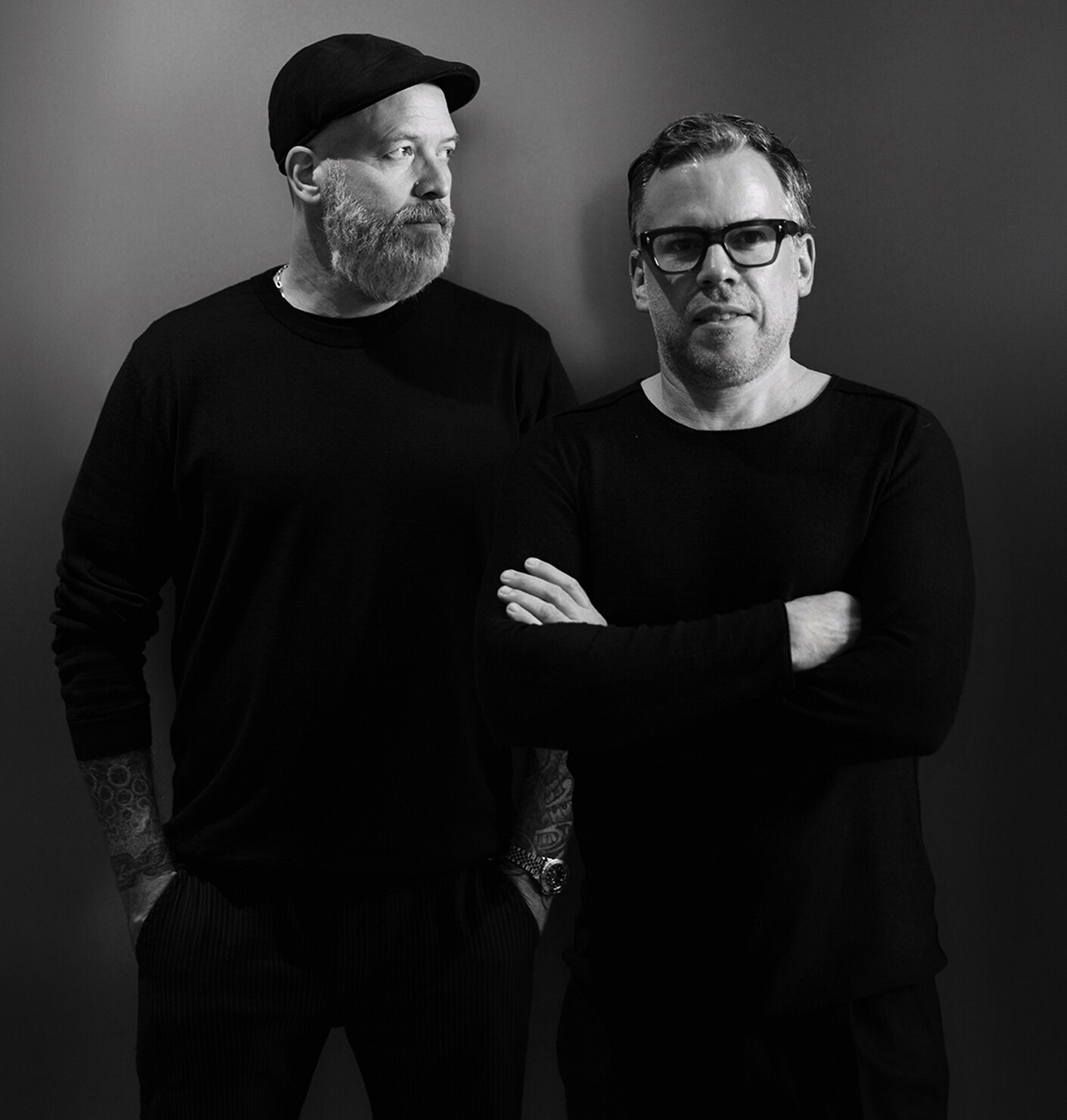
The conversion of the former bank premises in the ‘Ballin’ building on Munich’s Promenadeplatz presented a particularly complex challenge: the listed building required a sensitive approach, whilst at the same time there was a need to create a contemporary, open-plan working environment. This called for precision craftsmanship, technical expertise and a keen understanding of architectural detail. It was on this basis that the collaboration with Holzrausch as the main contractor came about. The team supported the project with a strong on-site presence and proved to be a reliable partner in dealing with the existing structure. A working relationship based on mutual respect remained crucial, because, as architect Judith Haase put it, “a partnership in the implementation of a project only works if problems are solved together”. This approach was particularly evident in the day-to-day construction process, especially in a building where hardly a single wall or column was plumb.
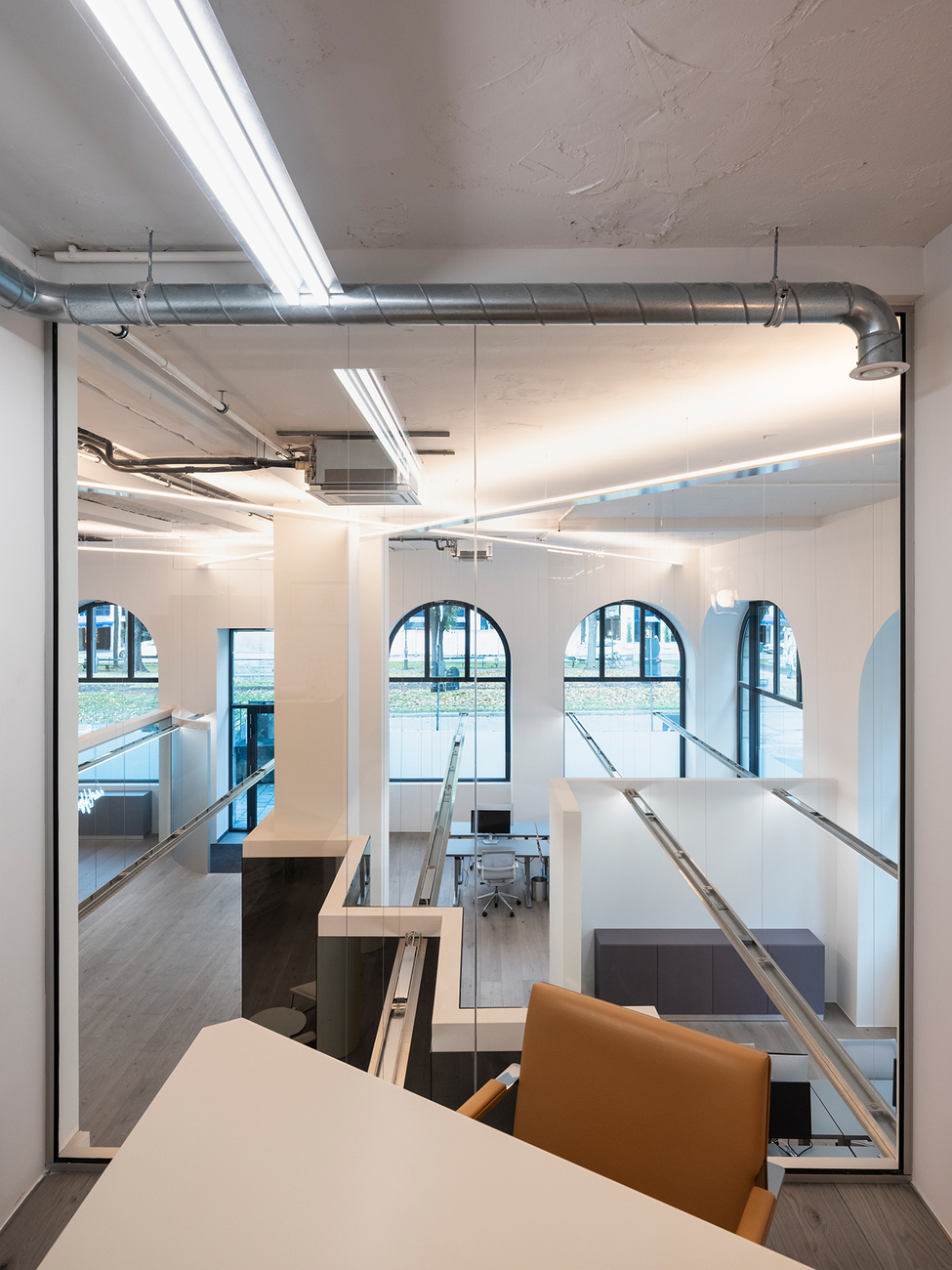
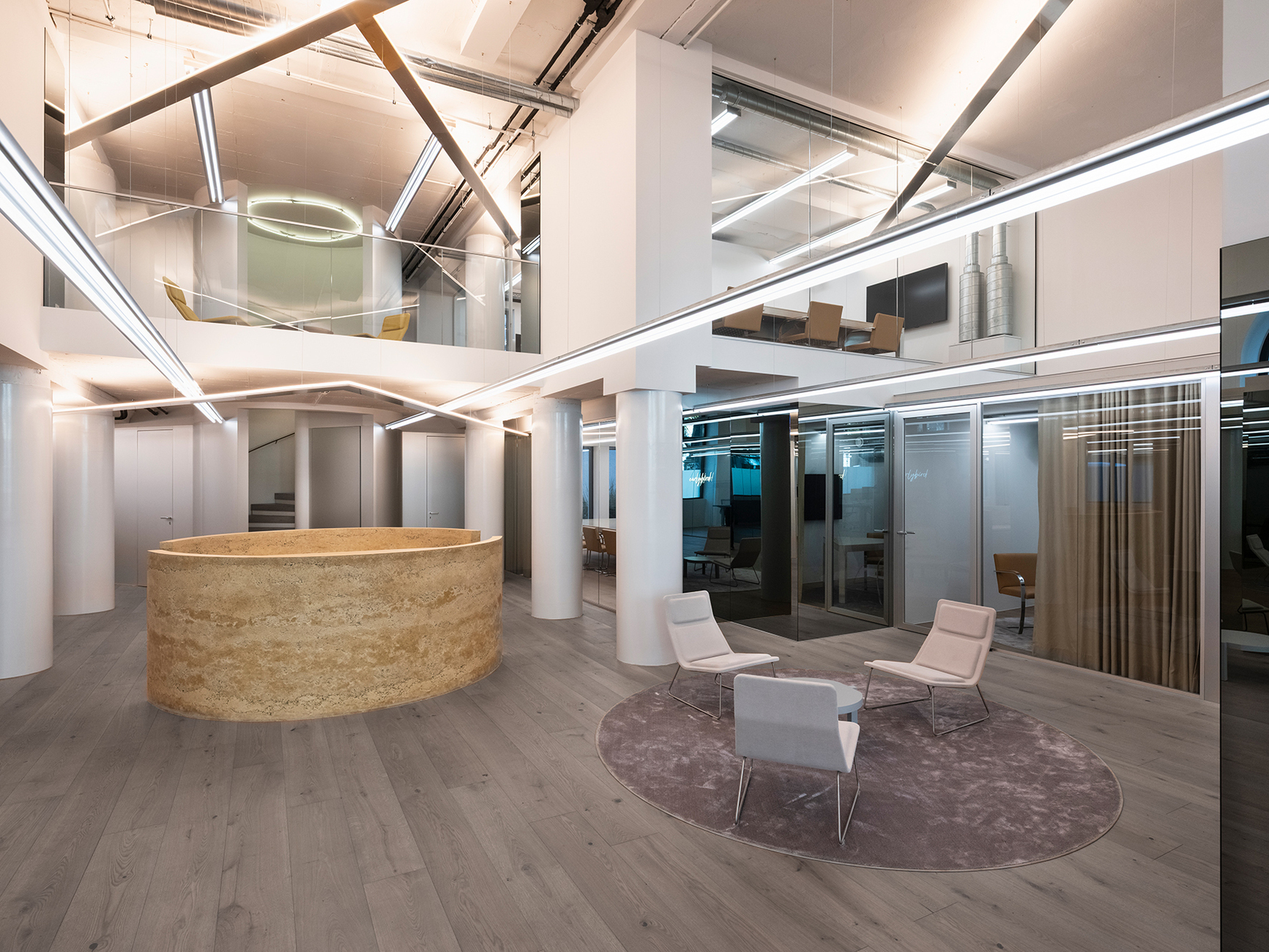
The former Ballin furniture factory, designed at the beginning of the 20th century by Gustav von Cube and Karl Stöhr and owned by the Jewish Ballin family of entrepreneurs until the rise of the Nazis, is situated in a prominent location in Munich city centre. The natural stone façade, magnificently adorned with Baroque motifs, and the portal sculpture by the sculptors Heinrich Düll and Georg Pezold have been preserved to this day. In the 1980s, Danilo Silvestrin had converted the interior into a bank – counter areas, waiting areas and offices now obscured the original spatial clarity. As part of the current conversion, Gonzalez Haase AAS completely removed these fixtures and restored the ground floor and mezzanine areas to their structural skeleton. Holzrausch coordinated the subsequent interior fit-out to allow the building’s original order, with its volumetric quality, to emerge clearly once more.
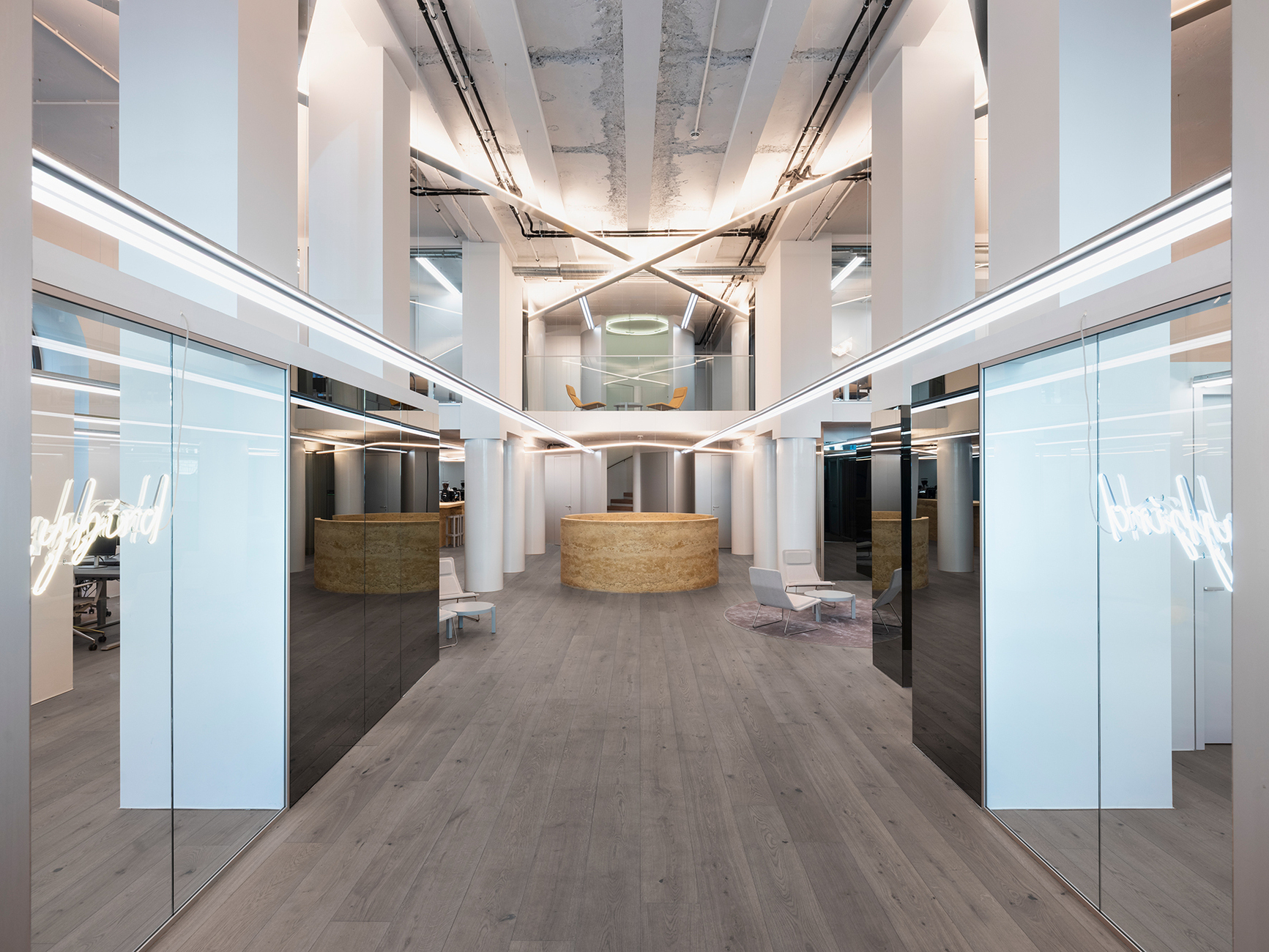
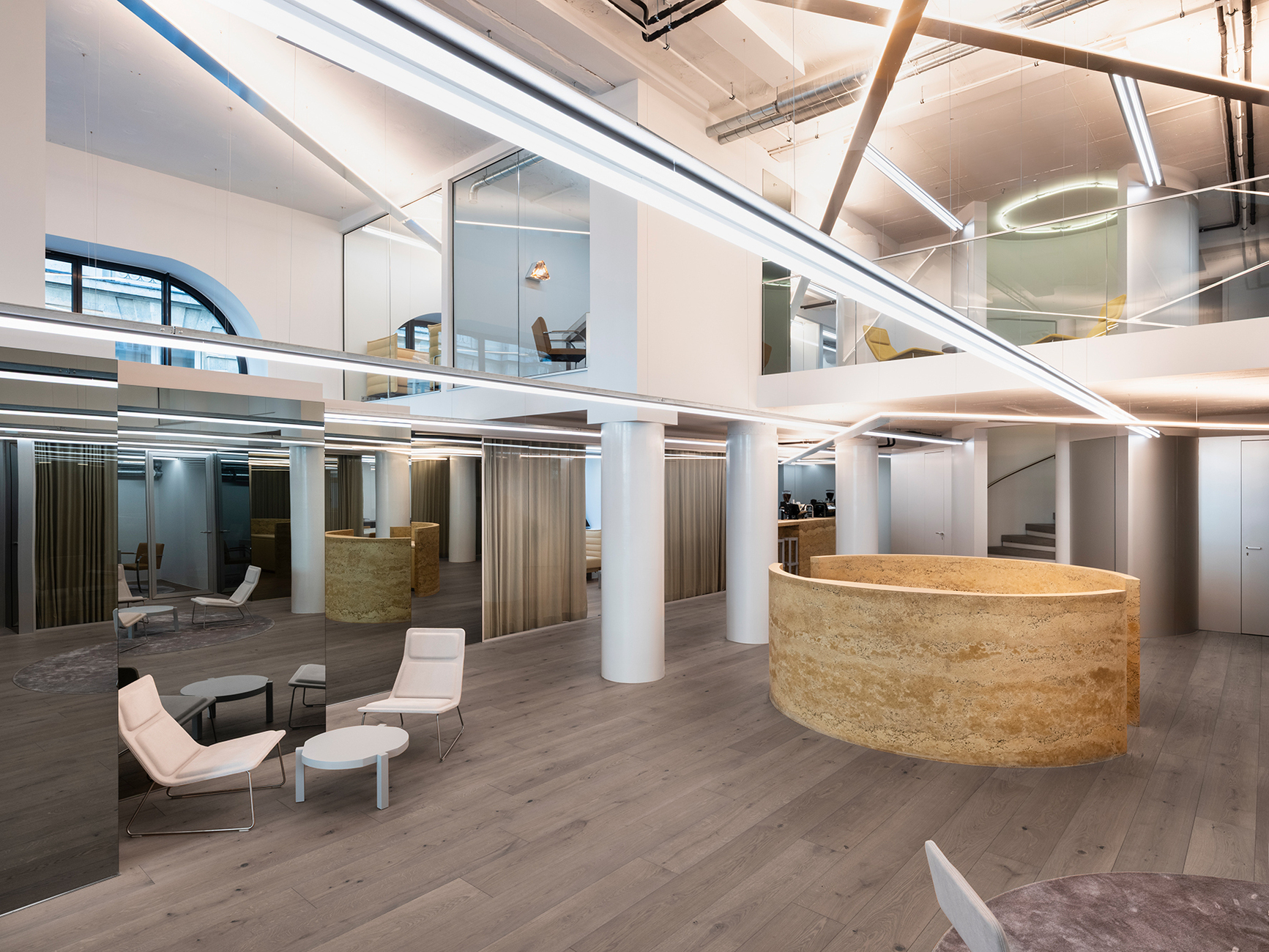
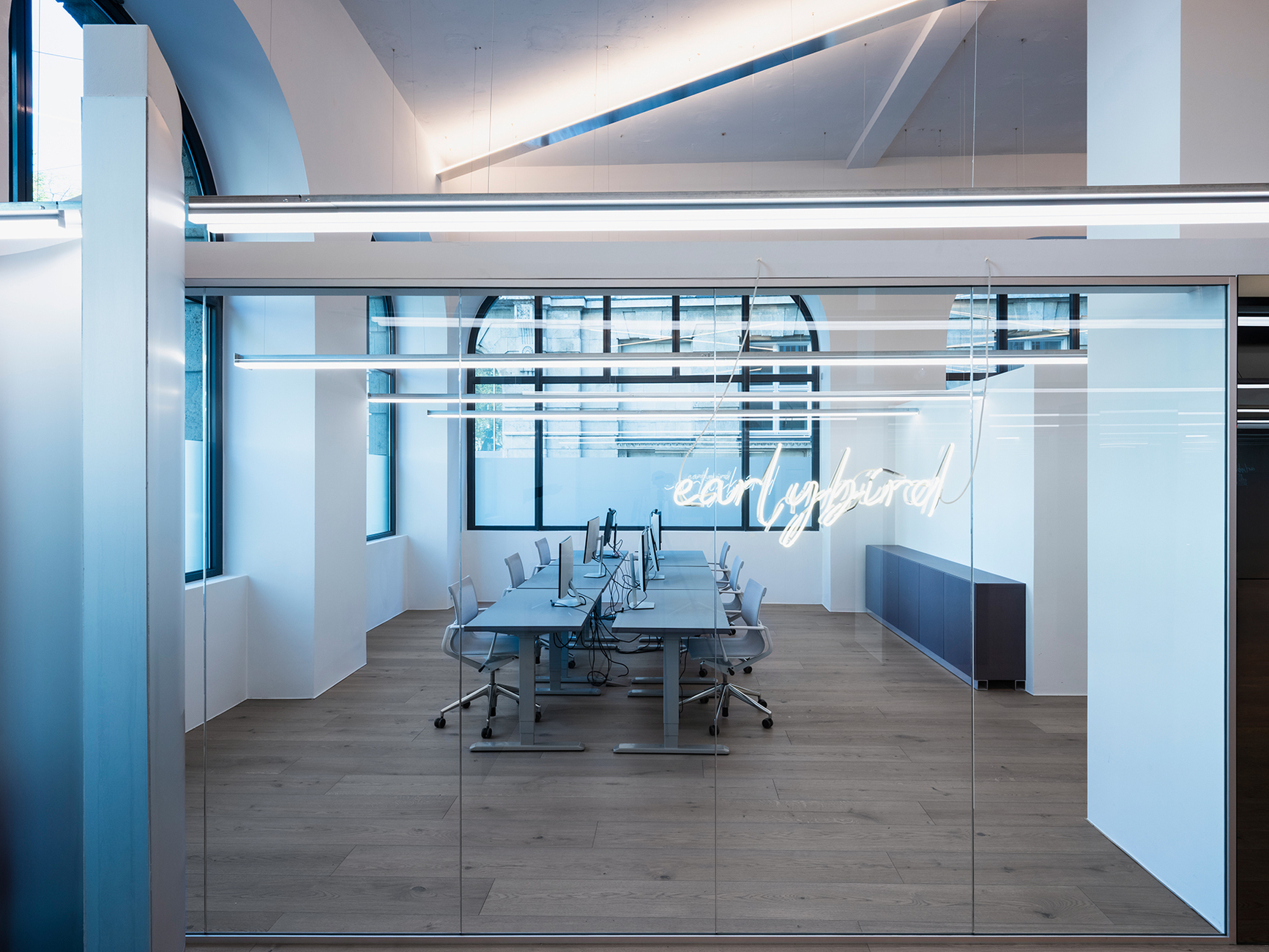
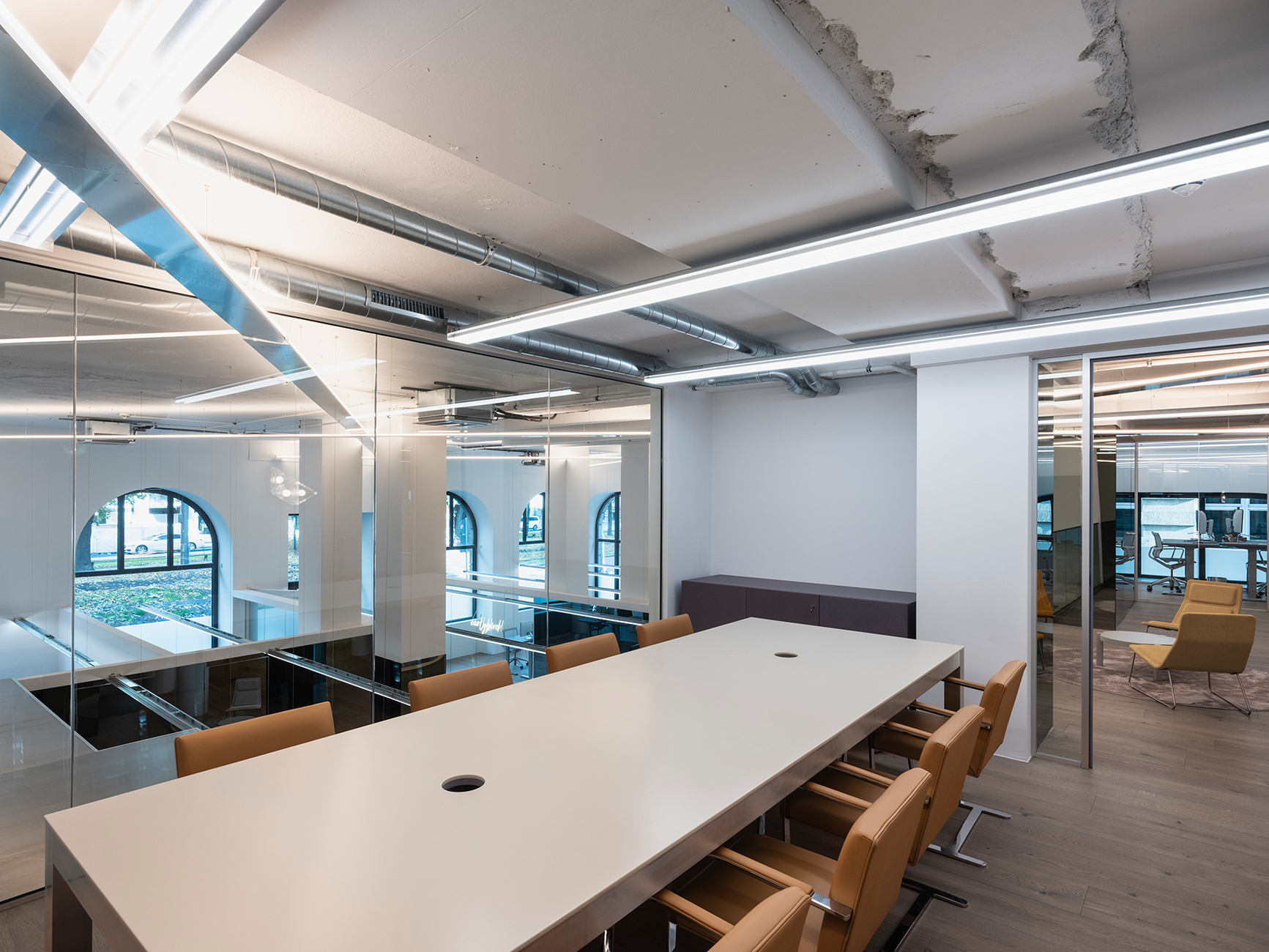
Ceilings up to six metres high and a pleasant sense of openness have since characterised the exceptional spatial experience. Lighting played a significant role: “Lighting design plays a central role in the design and was already a decisive criterion for the selection of our firm in the competition entry. It is not seen as an add-on measure, but as an integral part of the spatial concept,” says Judith Haase.
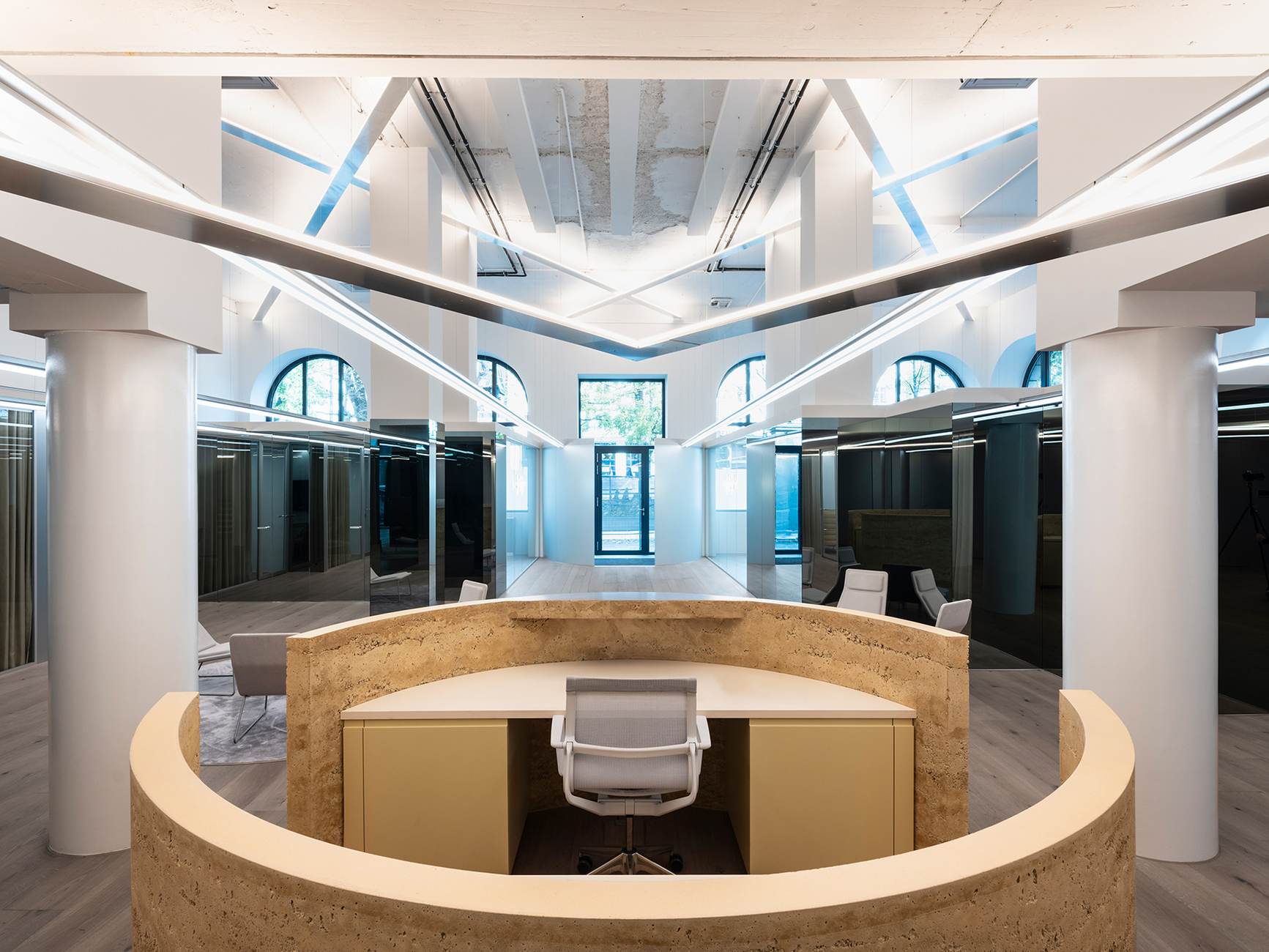
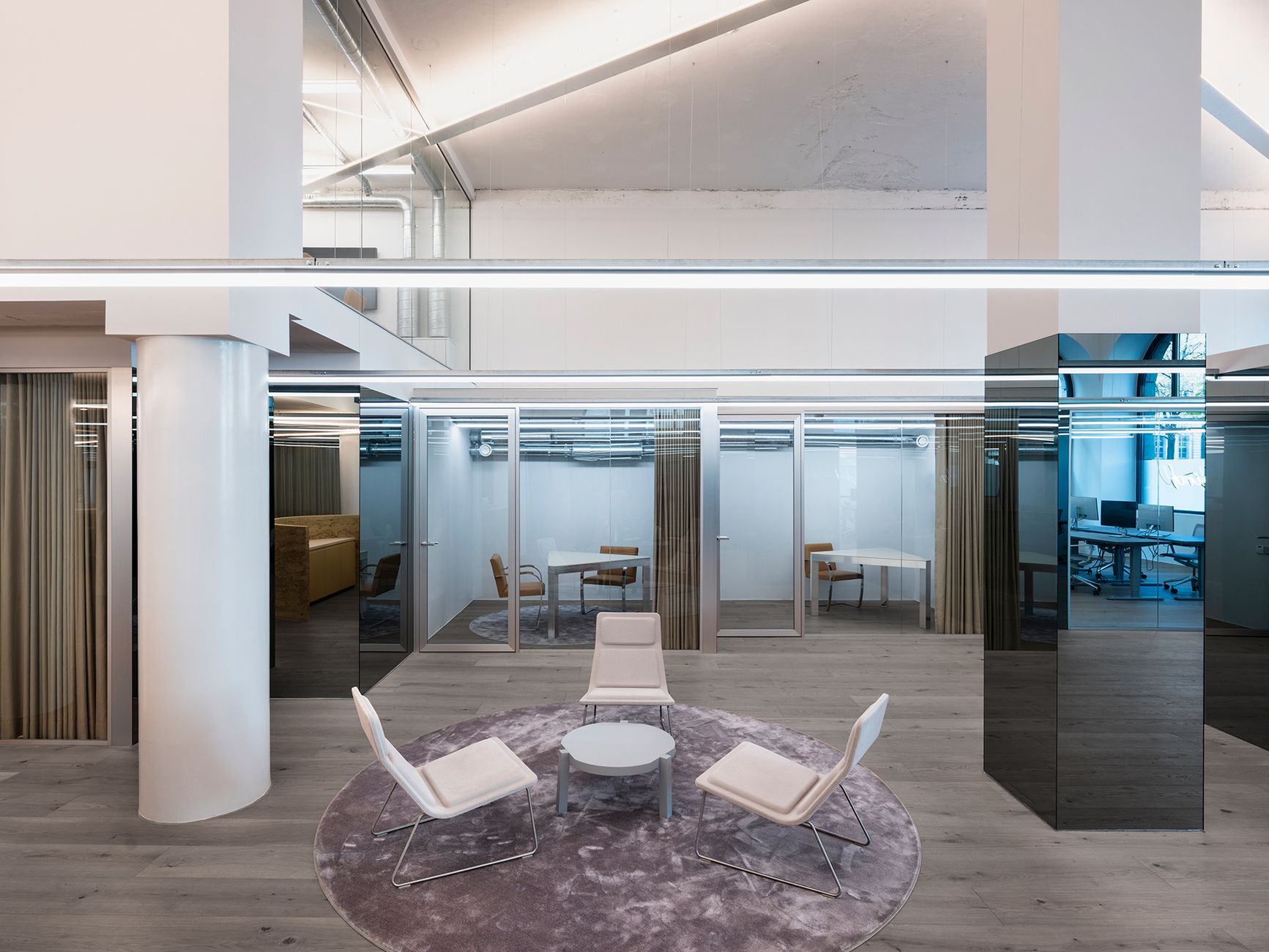
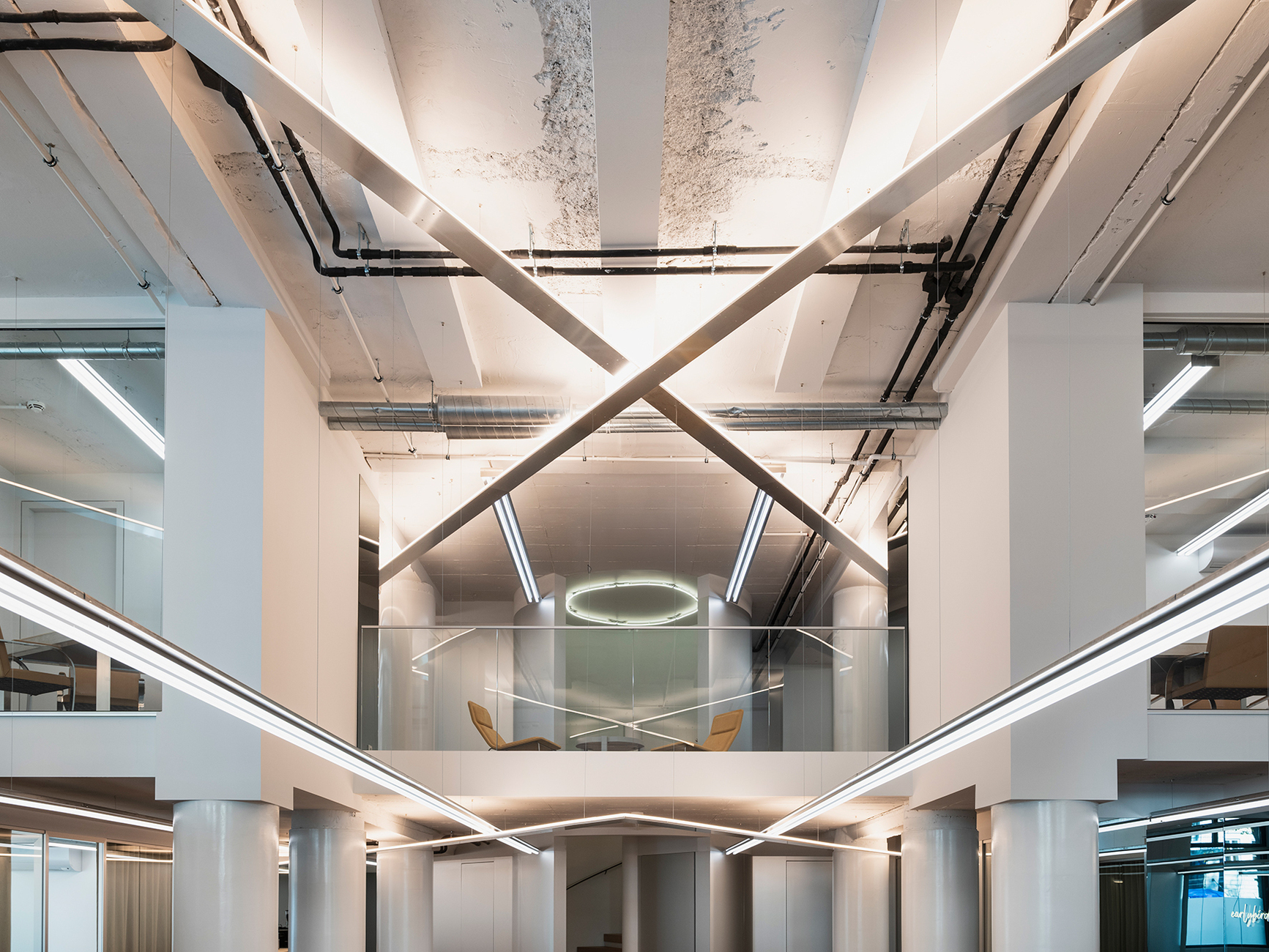
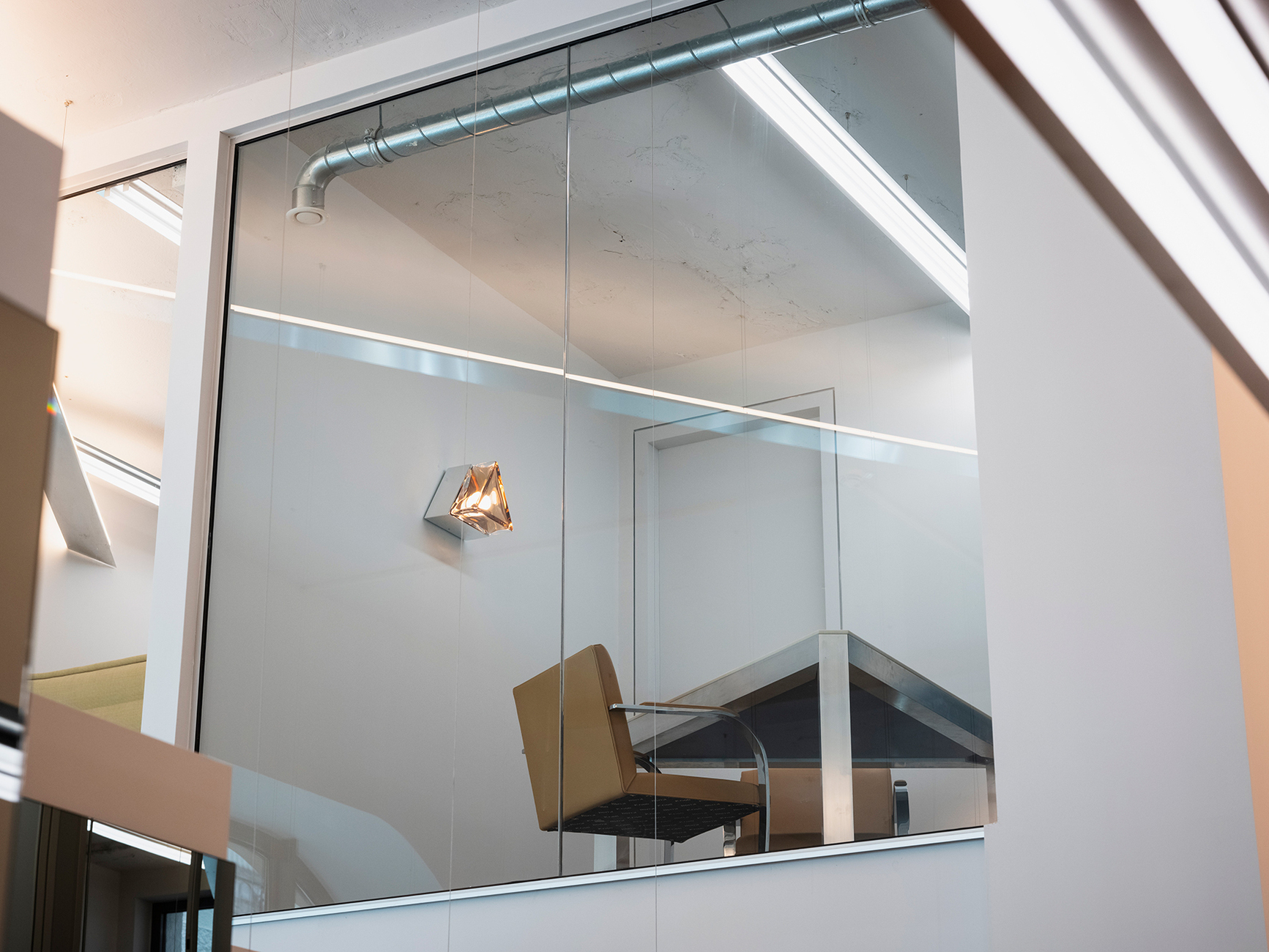
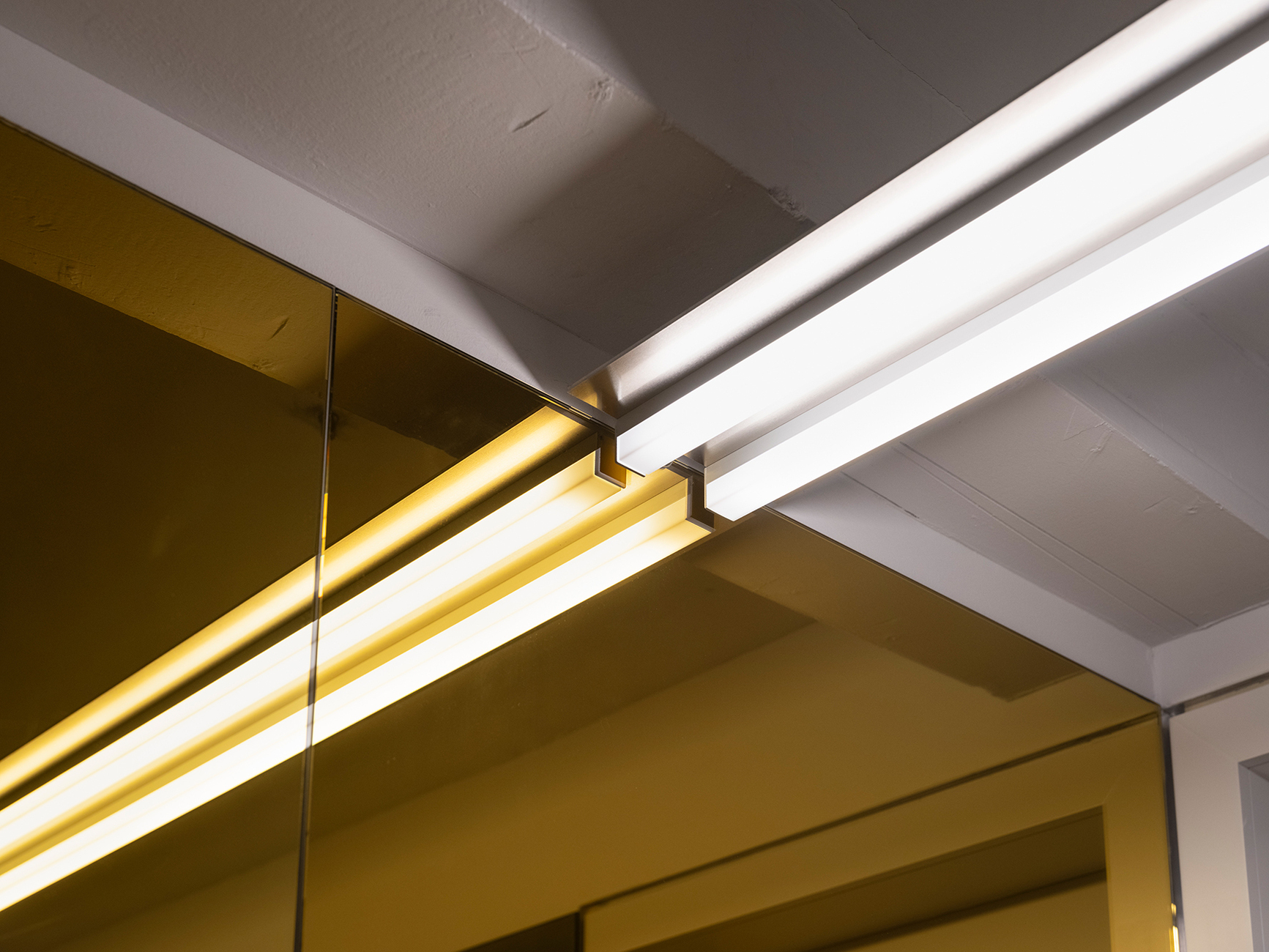
The implementation required a high degree of structural precision, which Holzrausch consistently delivered: the lighting concept is divided into two linear lighting systems at different heights, which run through the entire volume of the space. On the upper level, indirect, warm lines of light run diagonally across the room. They provide atmospheric ambient lighting and emphasise both the depth and the geometry of the space. These are complemented by lower, parallel lines of light with neutral white light, which are functionally oriented and specifically illuminate workstations and meeting areas. Holzrausch oversaw the technical implementation of these systems, particularly at the interfaces between the existing structure, fixtures and lighting design.
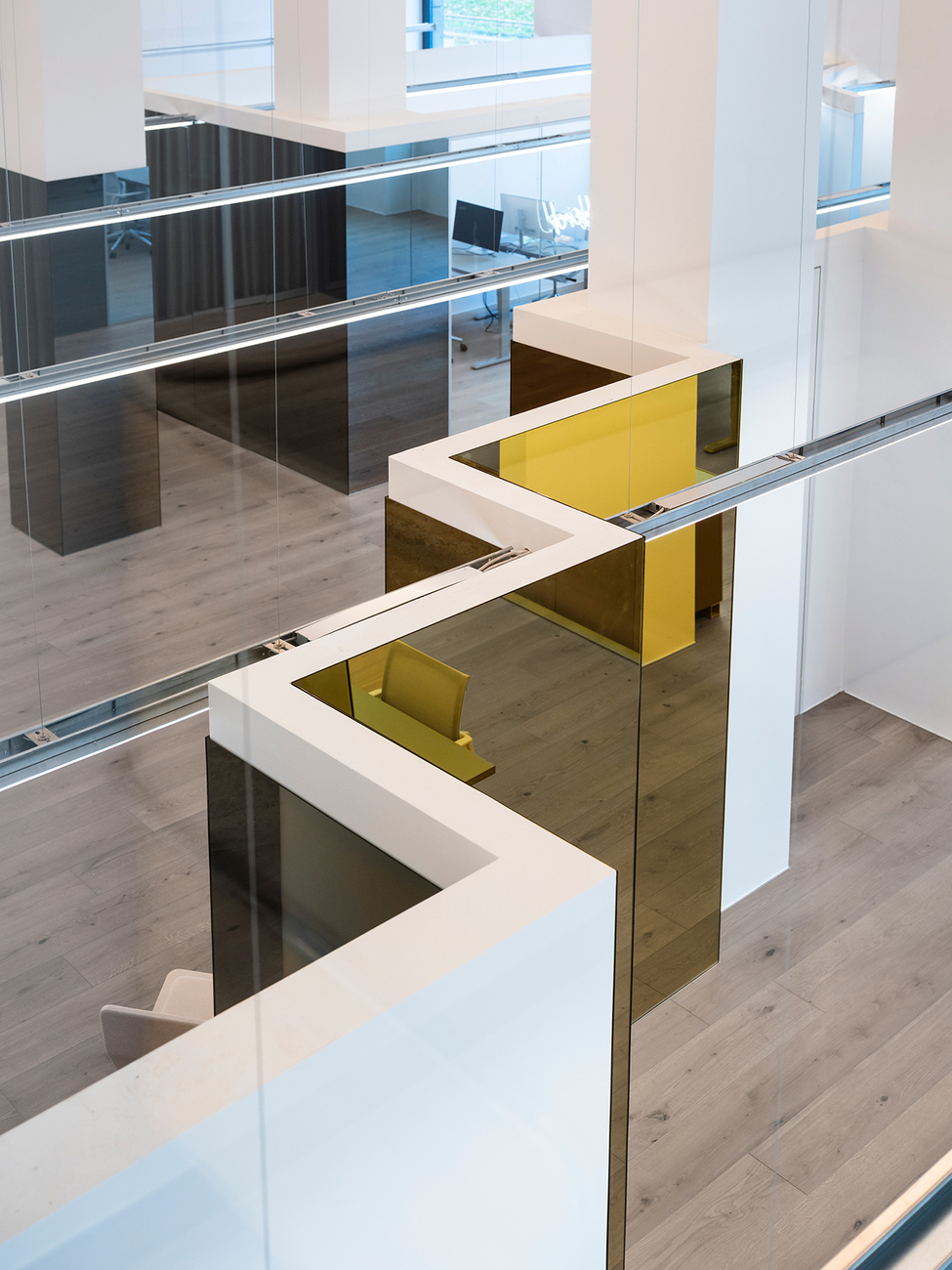
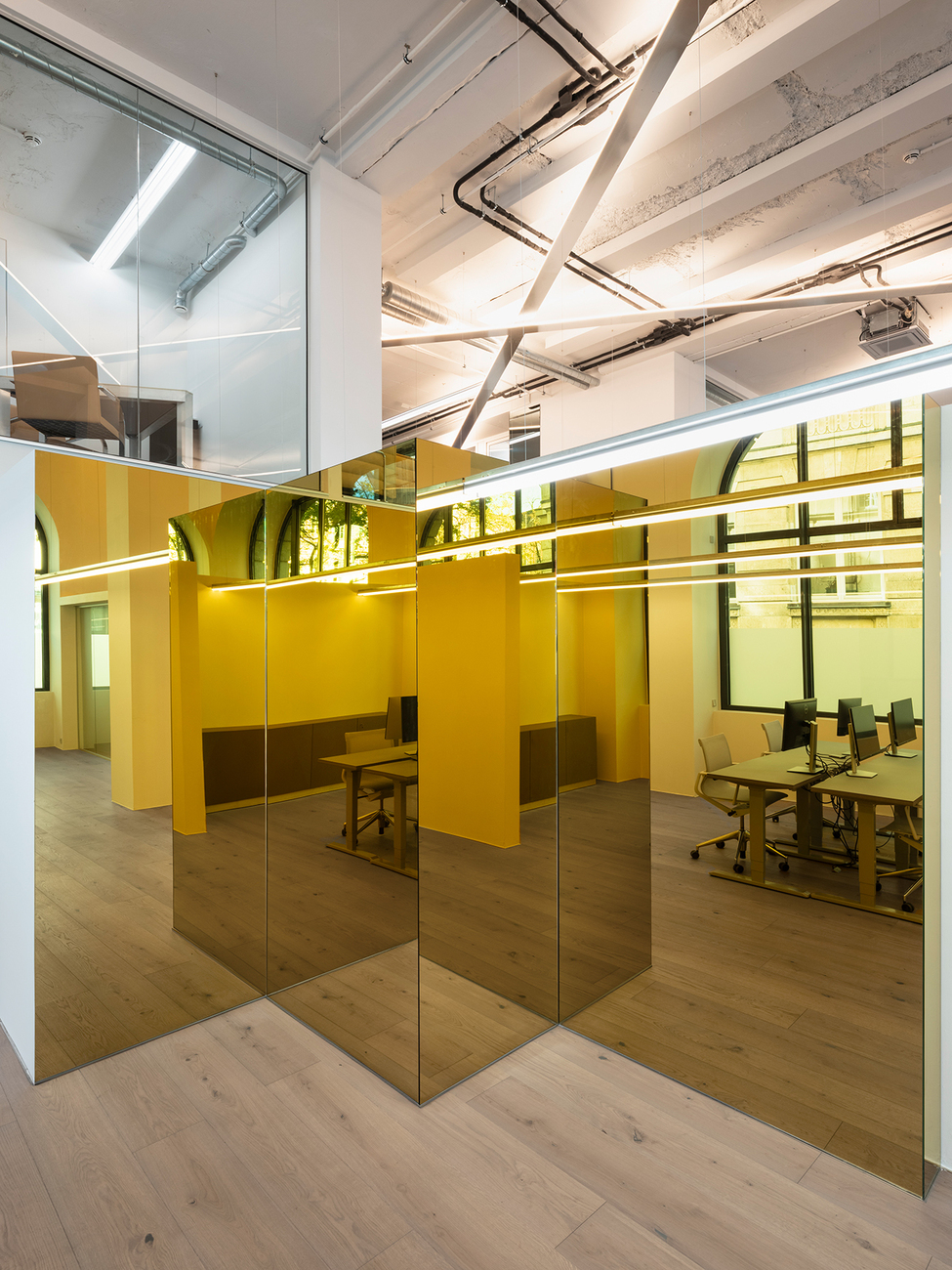
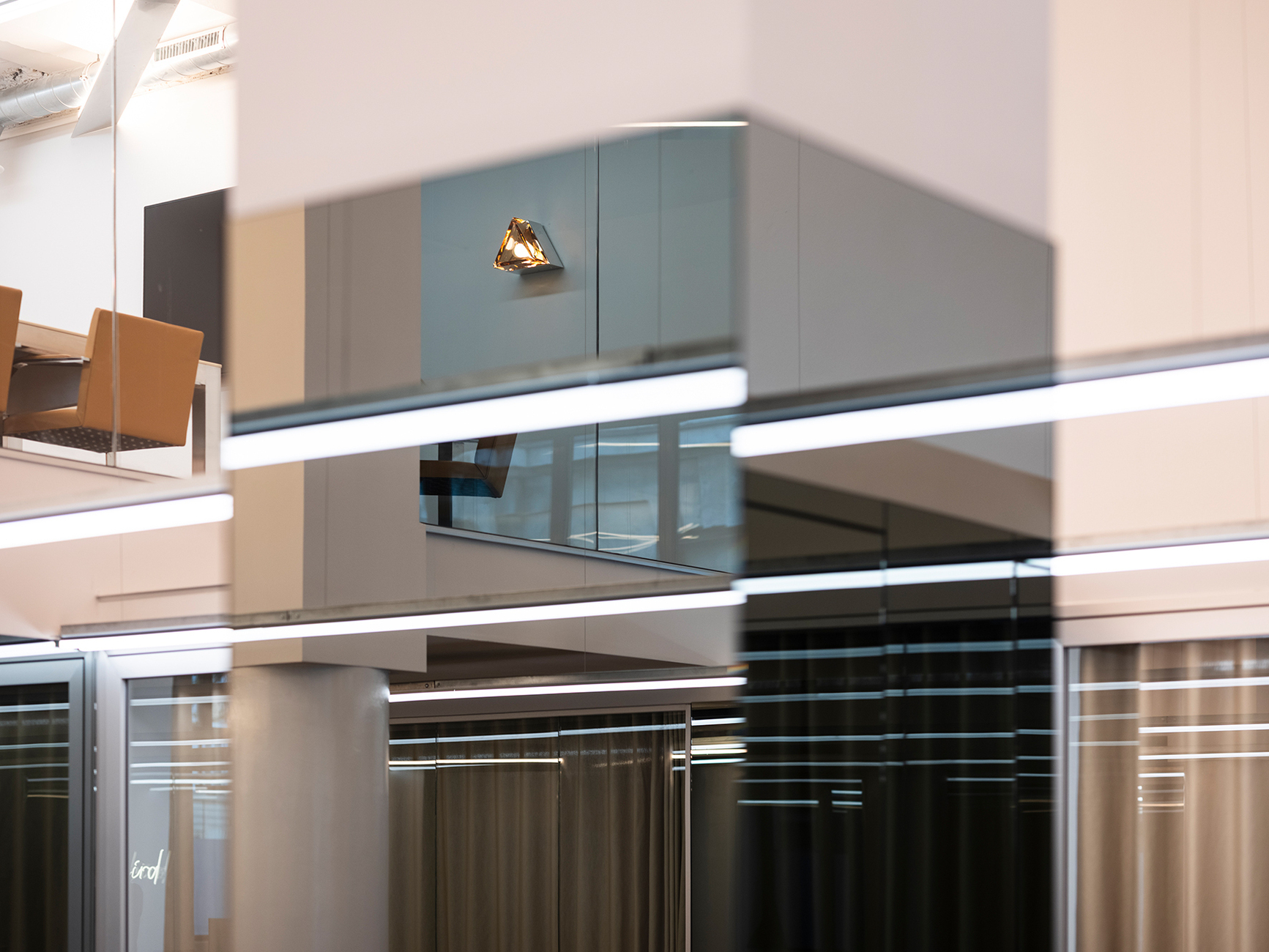
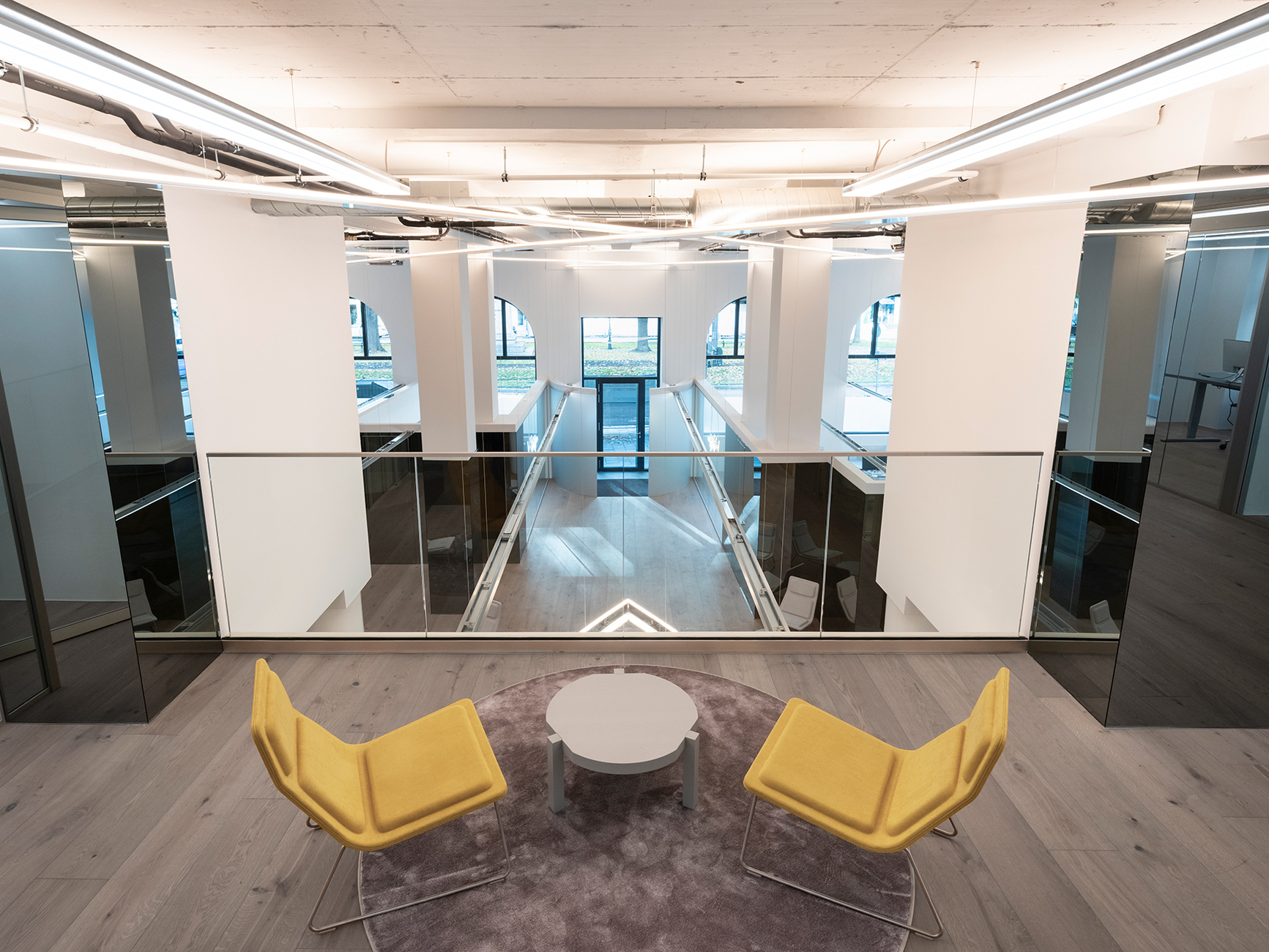
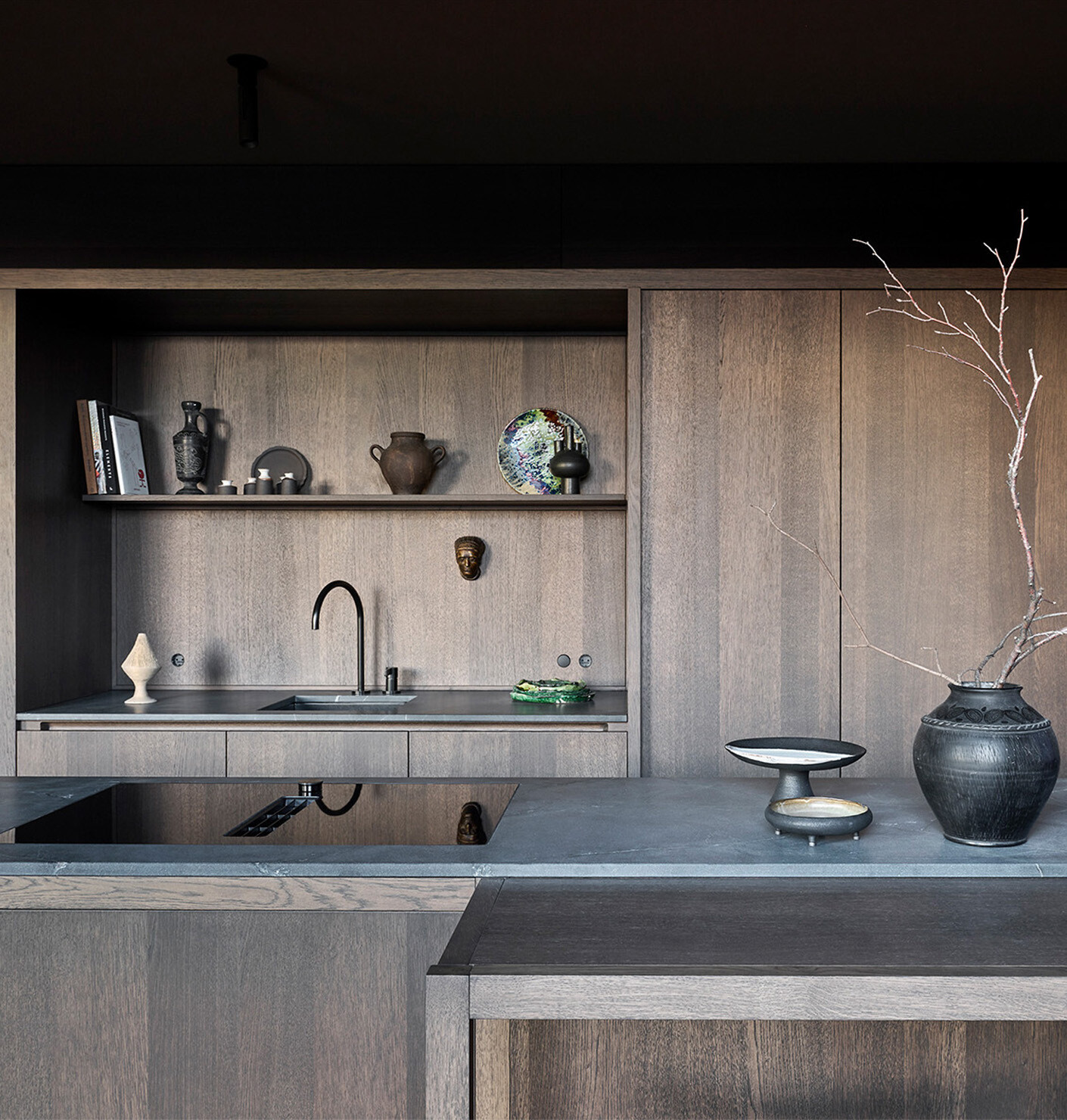
A defining feature is the consistent alignment of the light lines across the entire depth of the room. Mirrored surfaces at the ends of the room intensify this effect by visually extending the room’s axes and making the light lines appear to continue into infinity. “The design works deliberately with the existing spatial volume. Existing structures are revealed and their spatial qualities emphasised. The light is subordinate to the architecture, making it legible and tangible,” says Judith Haase. The precise execution of these details required close coordination between the architects and Holzrausch, particularly when dealing with irregular existing surfaces. The interior design also followed the principle of clarity and restraint. The starting point was the architectural studio Gonzalez Haase AAS’s own design philosophy, which is characterised by a raw, material-focused aesthetic. The client was concerned that this might appear too cold. The team therefore opted for a harmonious interplay with warm, earthy materials, whose texture, colour temperature and scale create a sense of intimacy and a pleasant atmosphere.
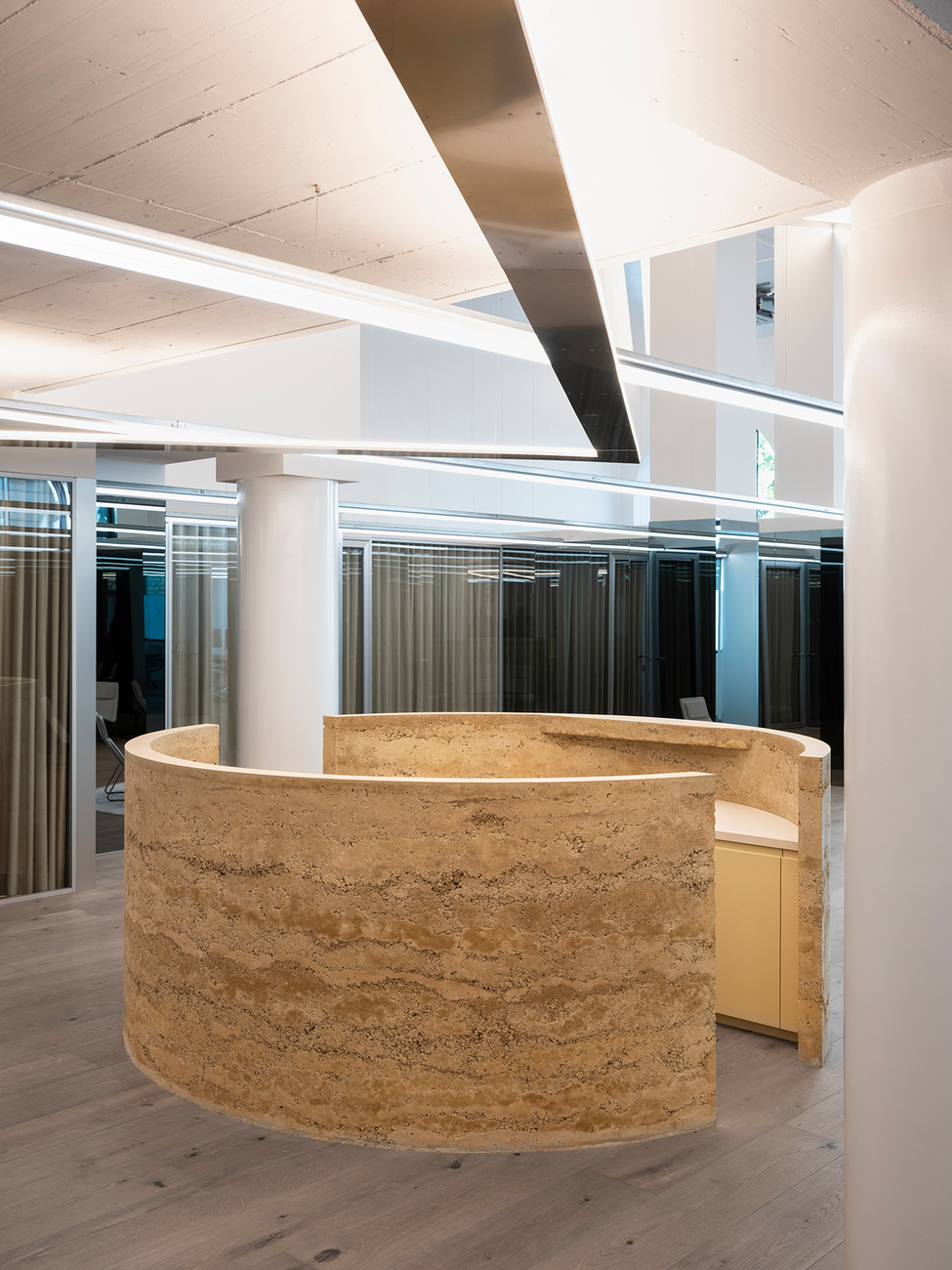
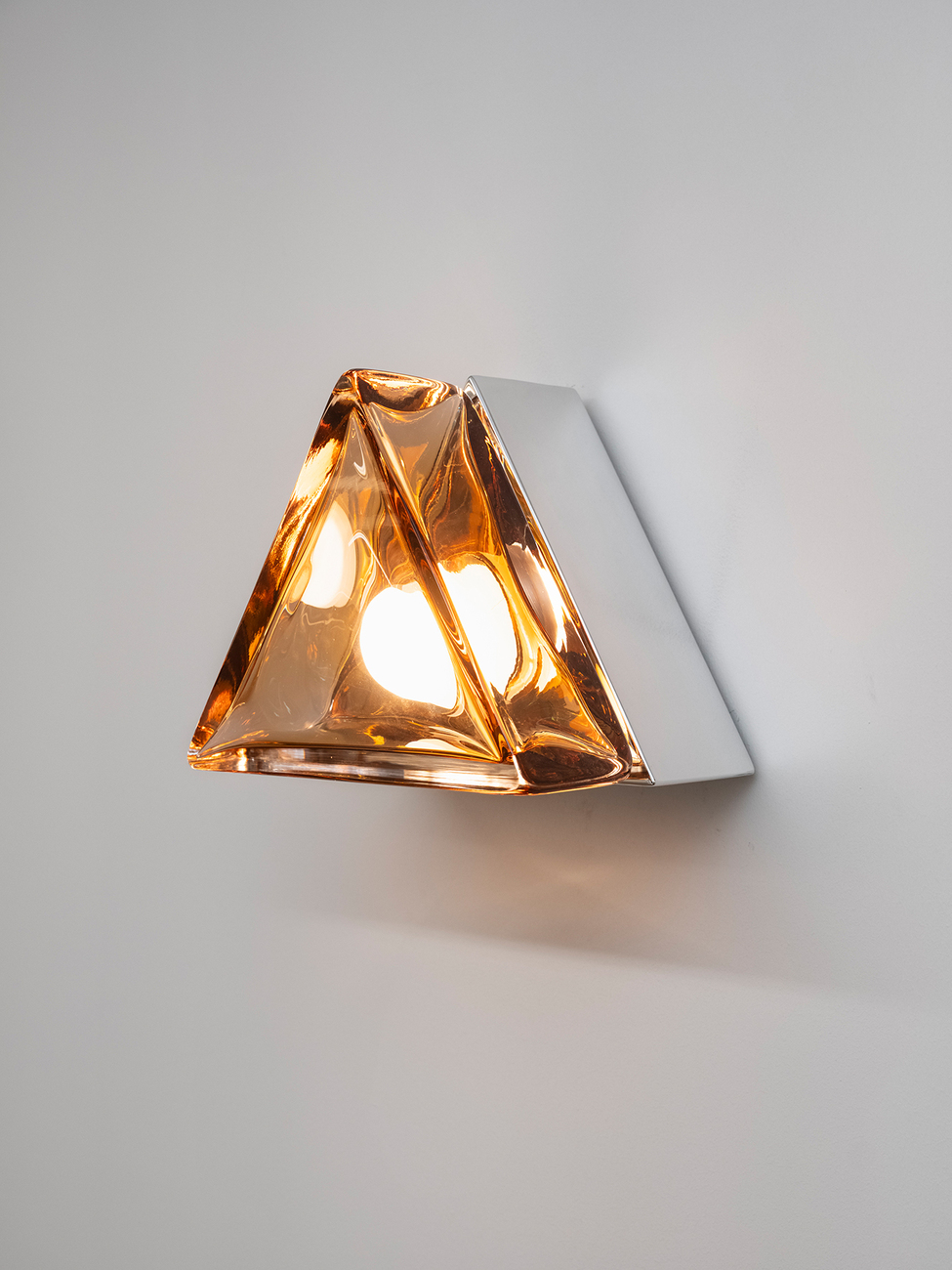
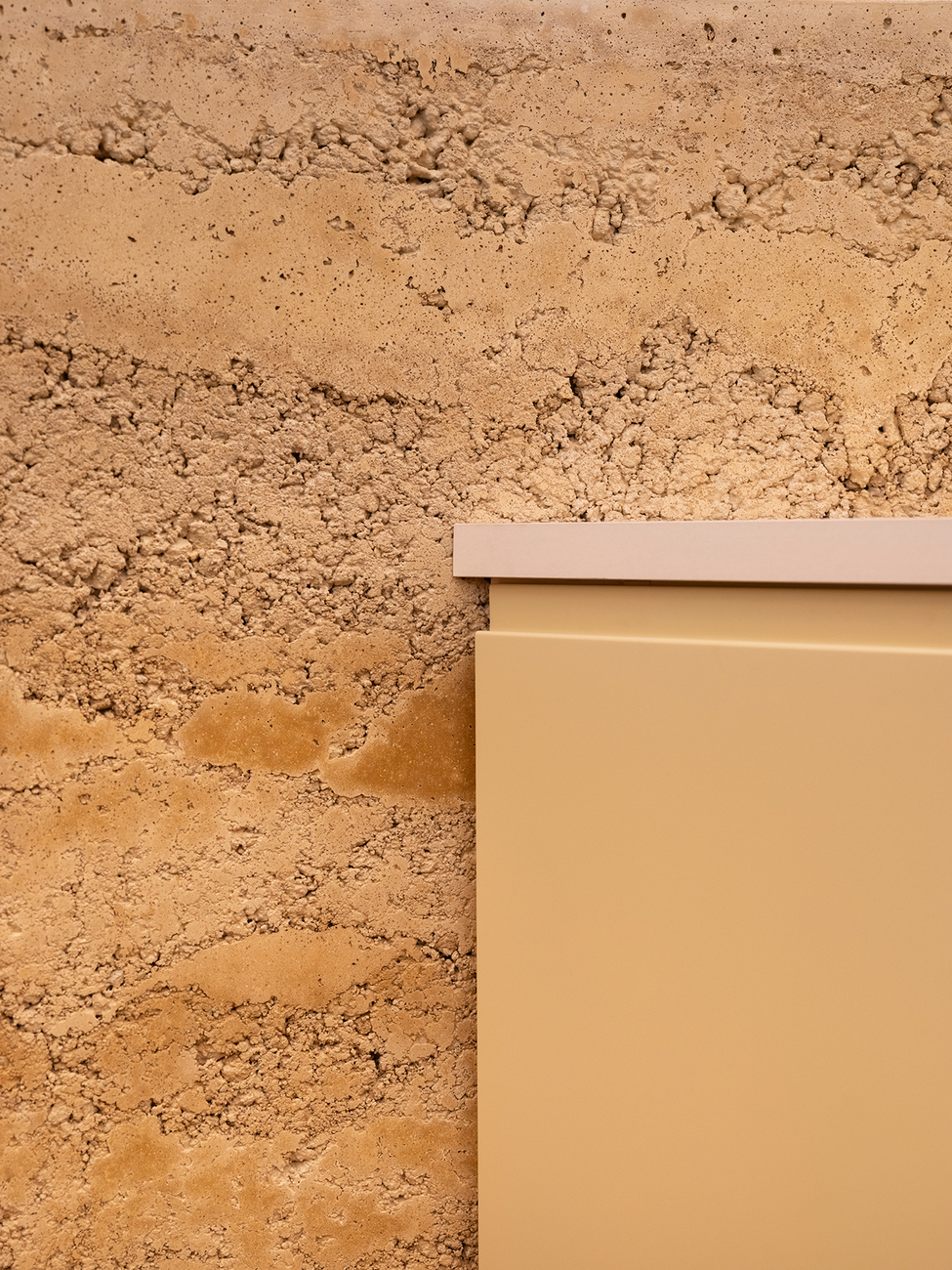
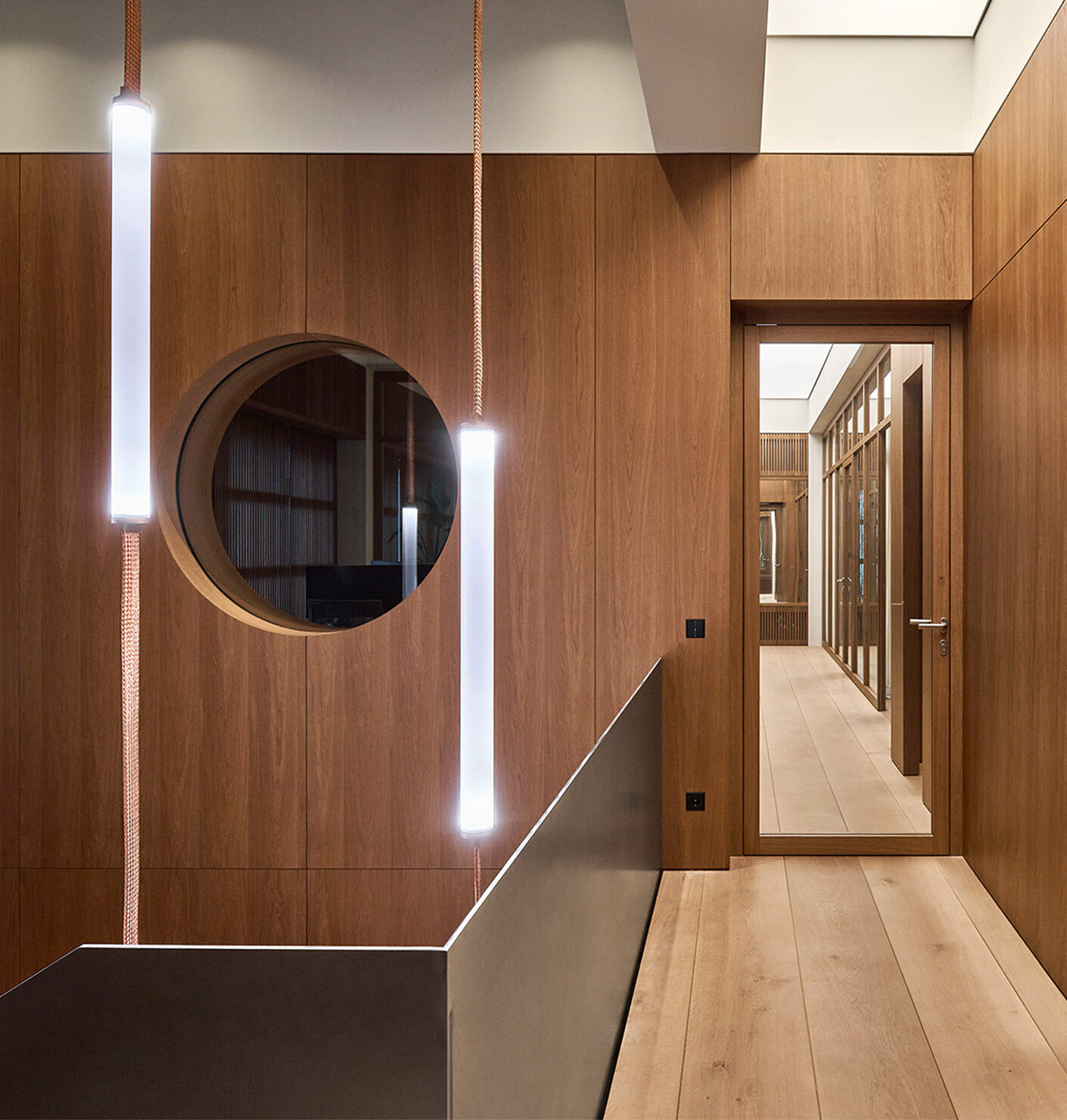
Key fixtures such as the reception desk and the freestanding coffee bar were constructed on site using compacted concrete and finished with ochre-coloured pigments. This colour scheme is echoed in the coloured rubber surfaces of the tables and in textile elements such as the curtains, armchairs and carpeted areas, coming together to create a calm overall effect. Golden accents emerge through the interplay of light and surface, as the warm light reflects off metal surfaces. “The colour scheme of the design arises exclusively from the materials used,” states Judith Haase. Holzrausch ensured a handcrafted finish that allows the character of the materials to shine through in every detail. Alongside the triangle as a recurring motif, the curve forms a visual thread: inspired by the existing spiral staircase, this is continued in the form of rounded wall sections, circular openings in meeting tables and round carpet elements. Here, too, the close interplay between design and execution, realised by Gonzalez Haase AAS in collaboration with Holzrausch, is evident. The result is a spatial composition that combines the spaciousness of the existing building with a precisely executed, contemporary design.