Mountains in Paris
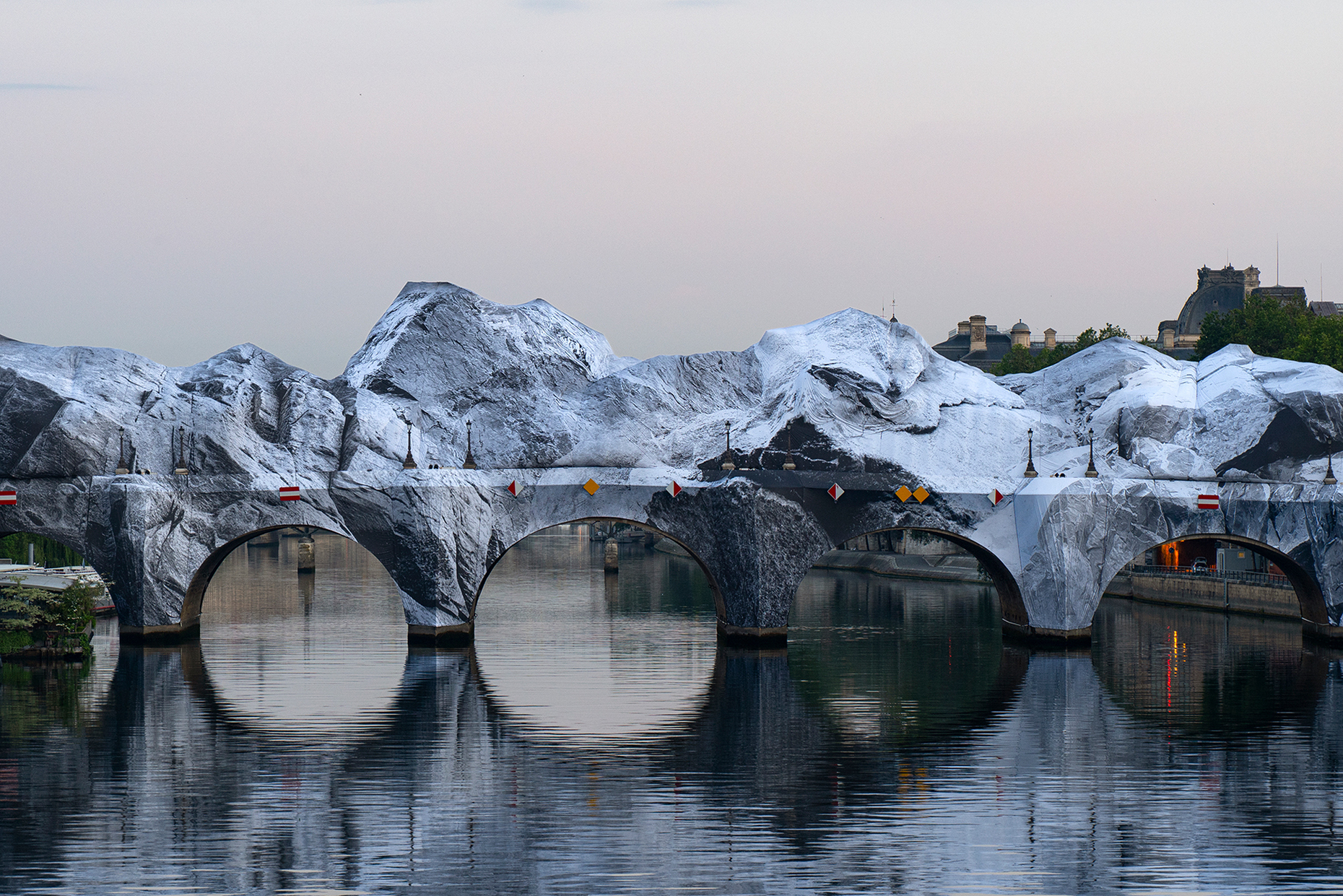
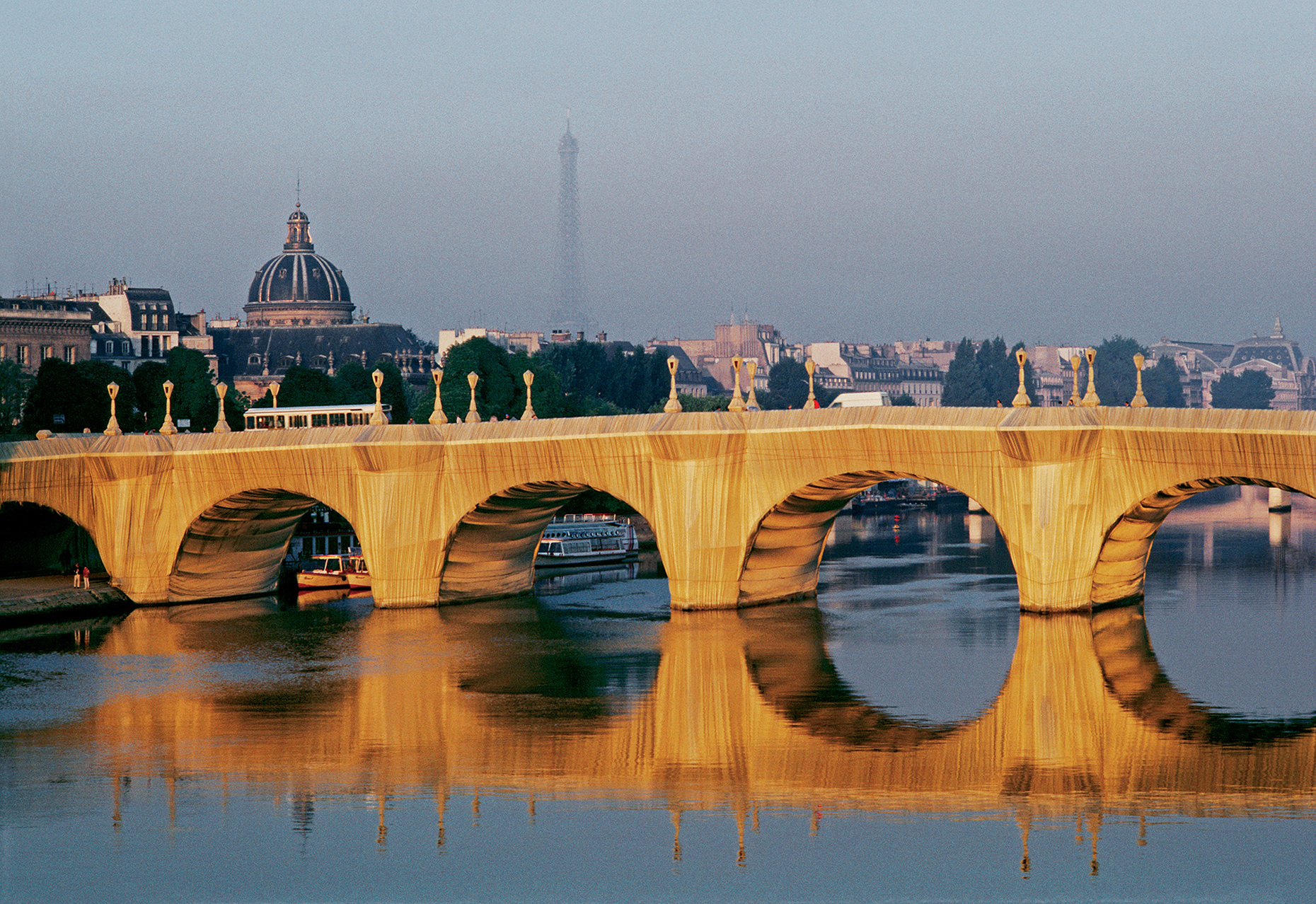
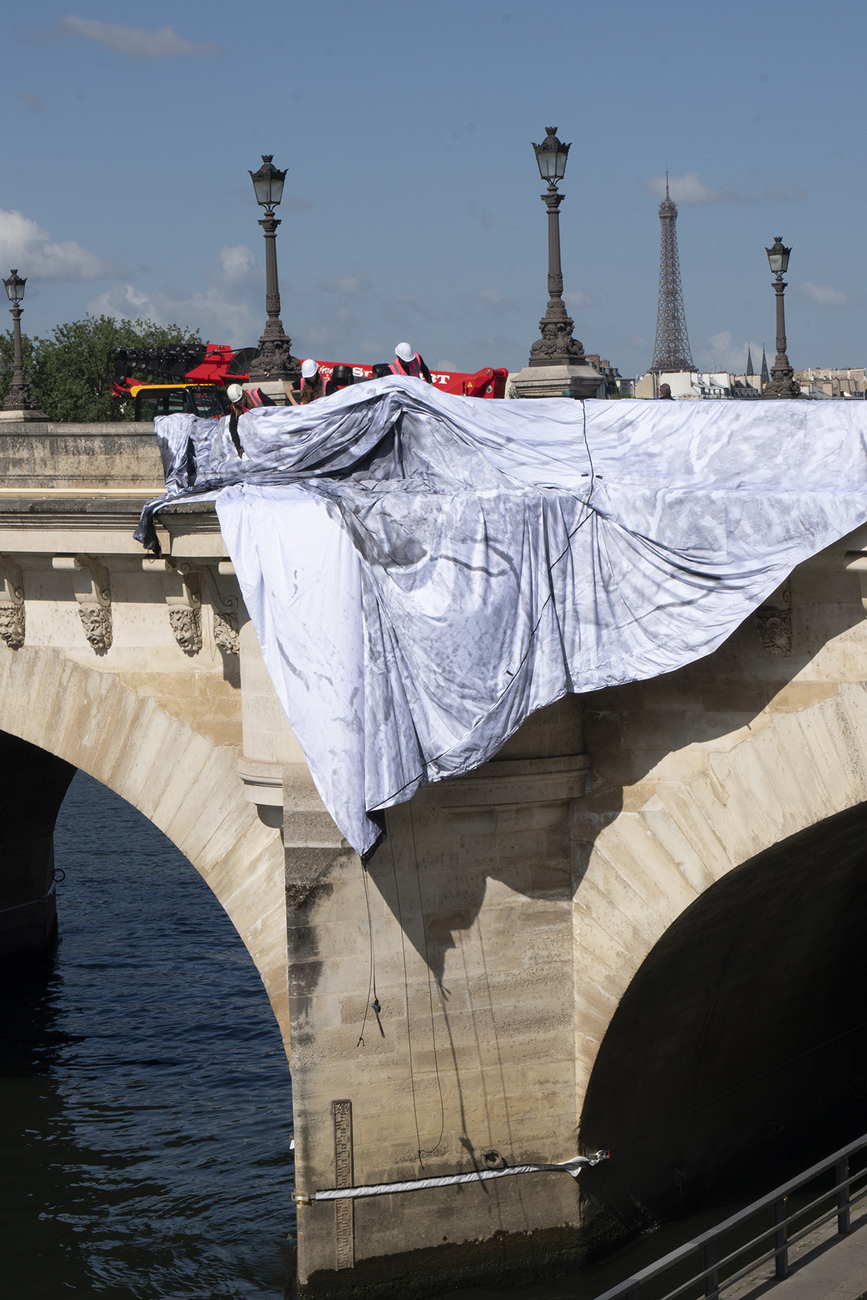
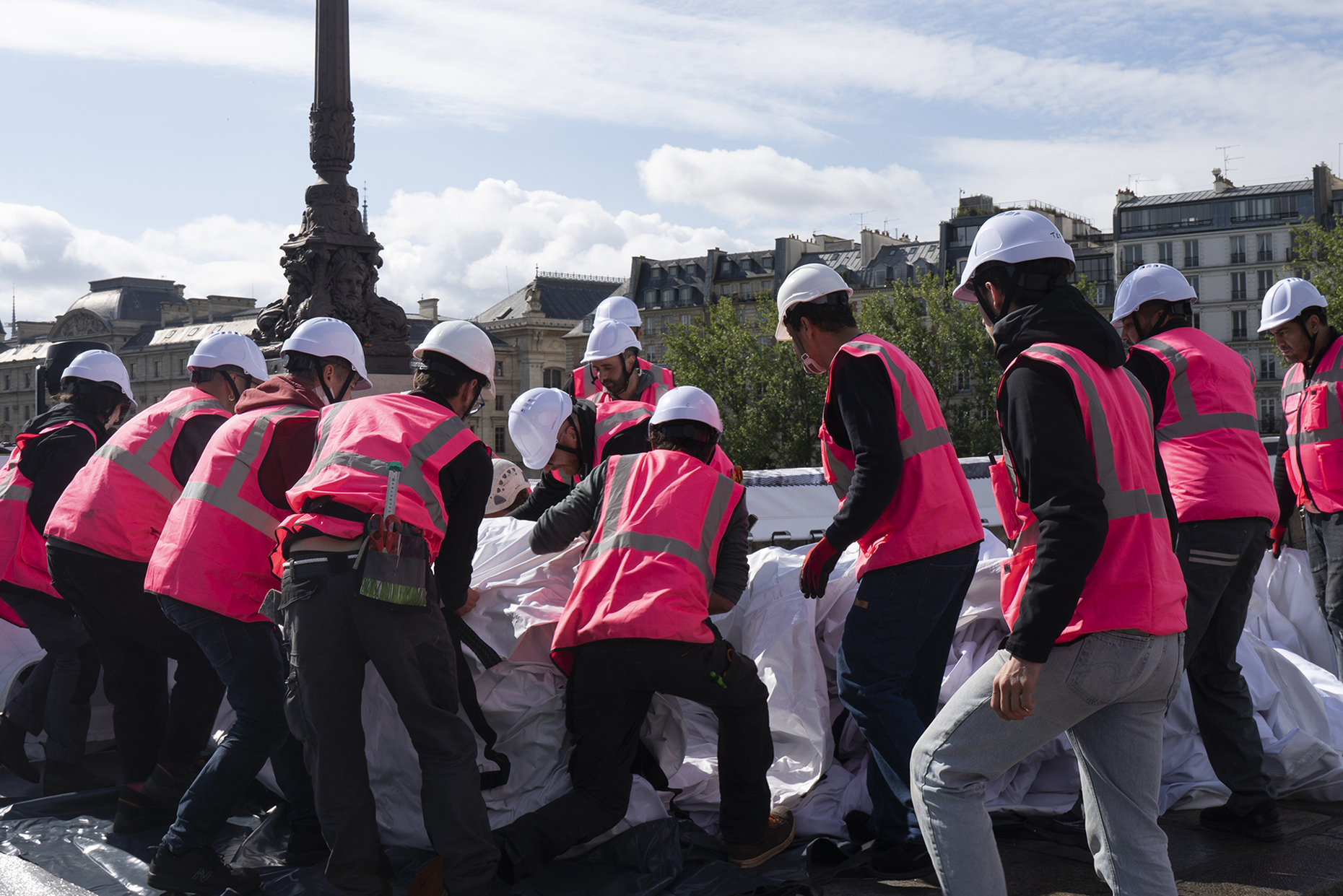
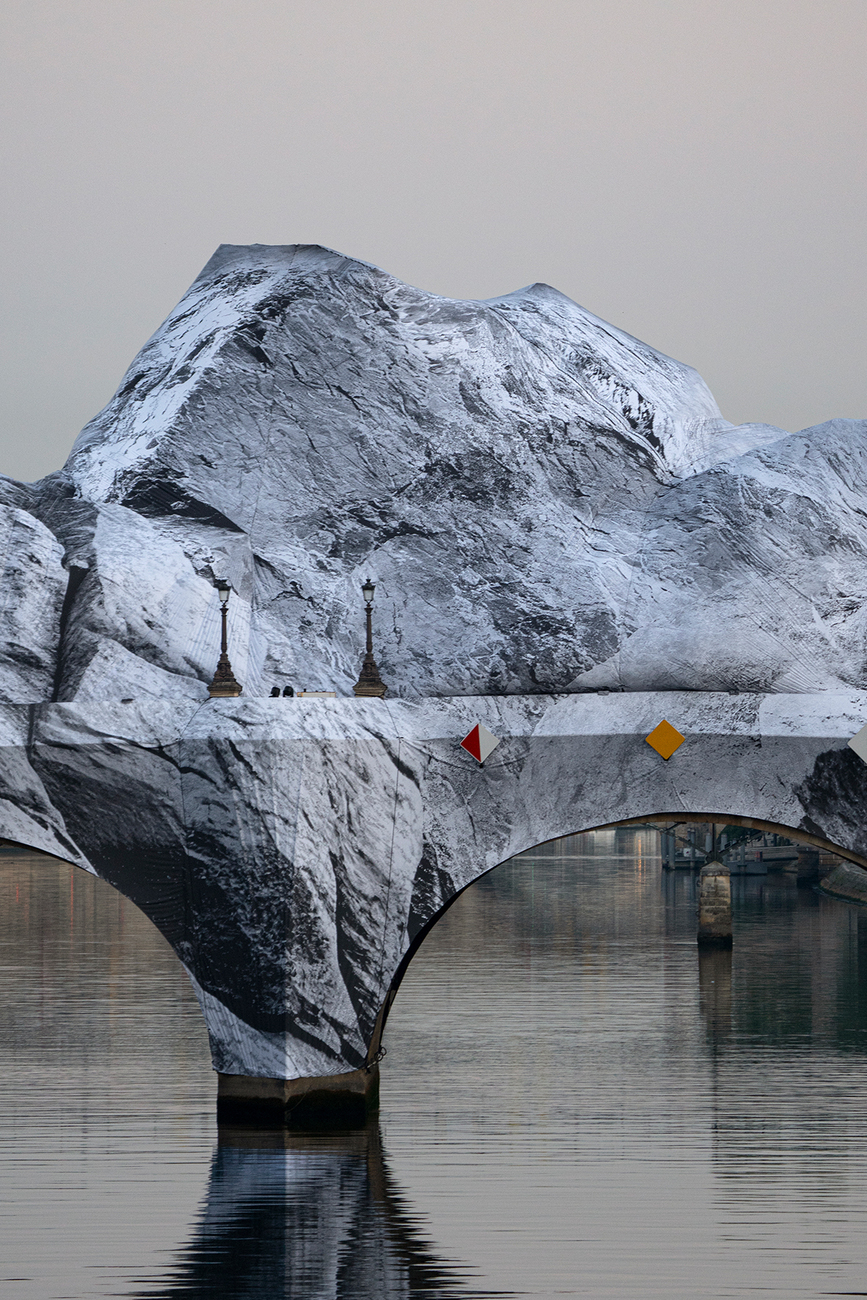
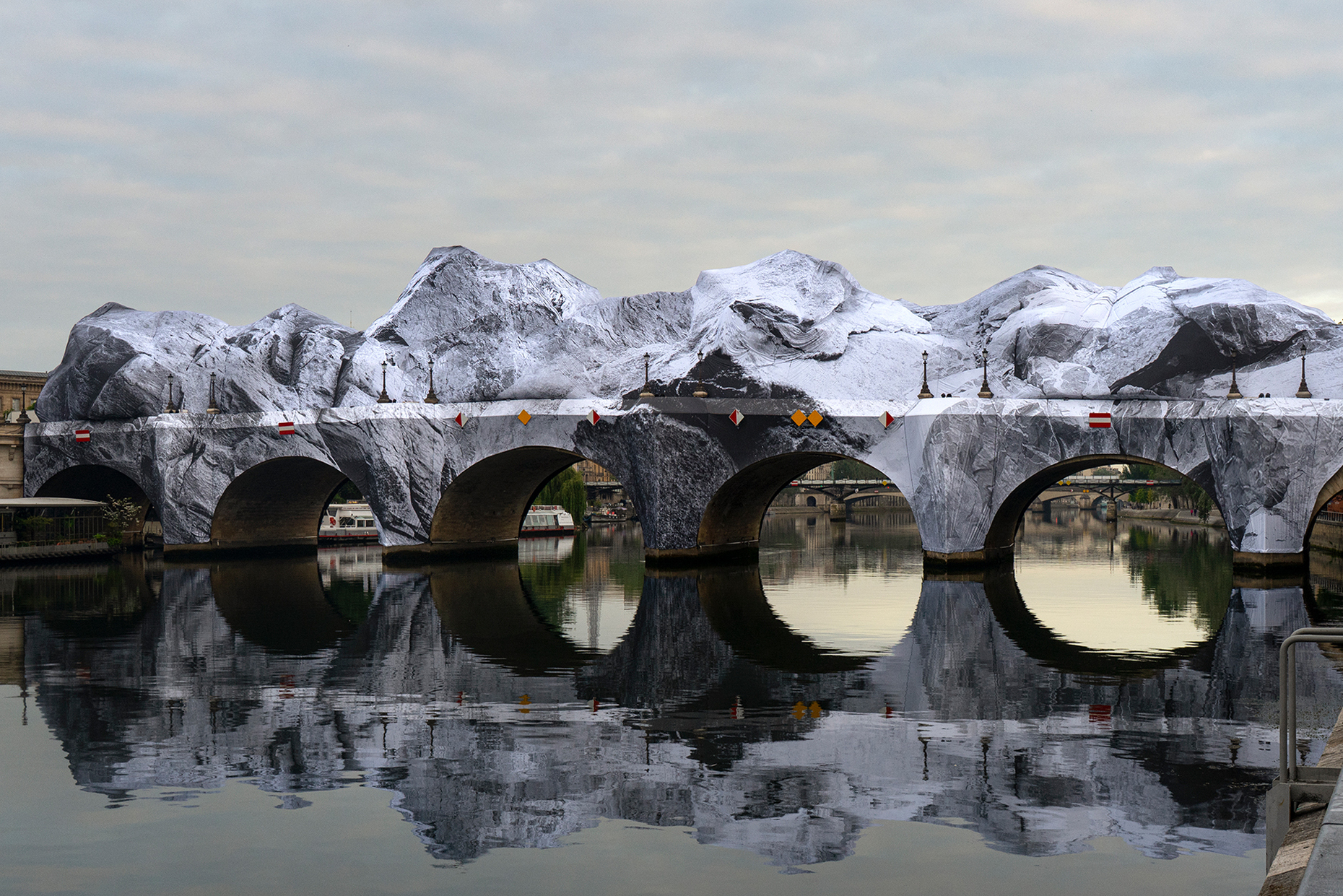
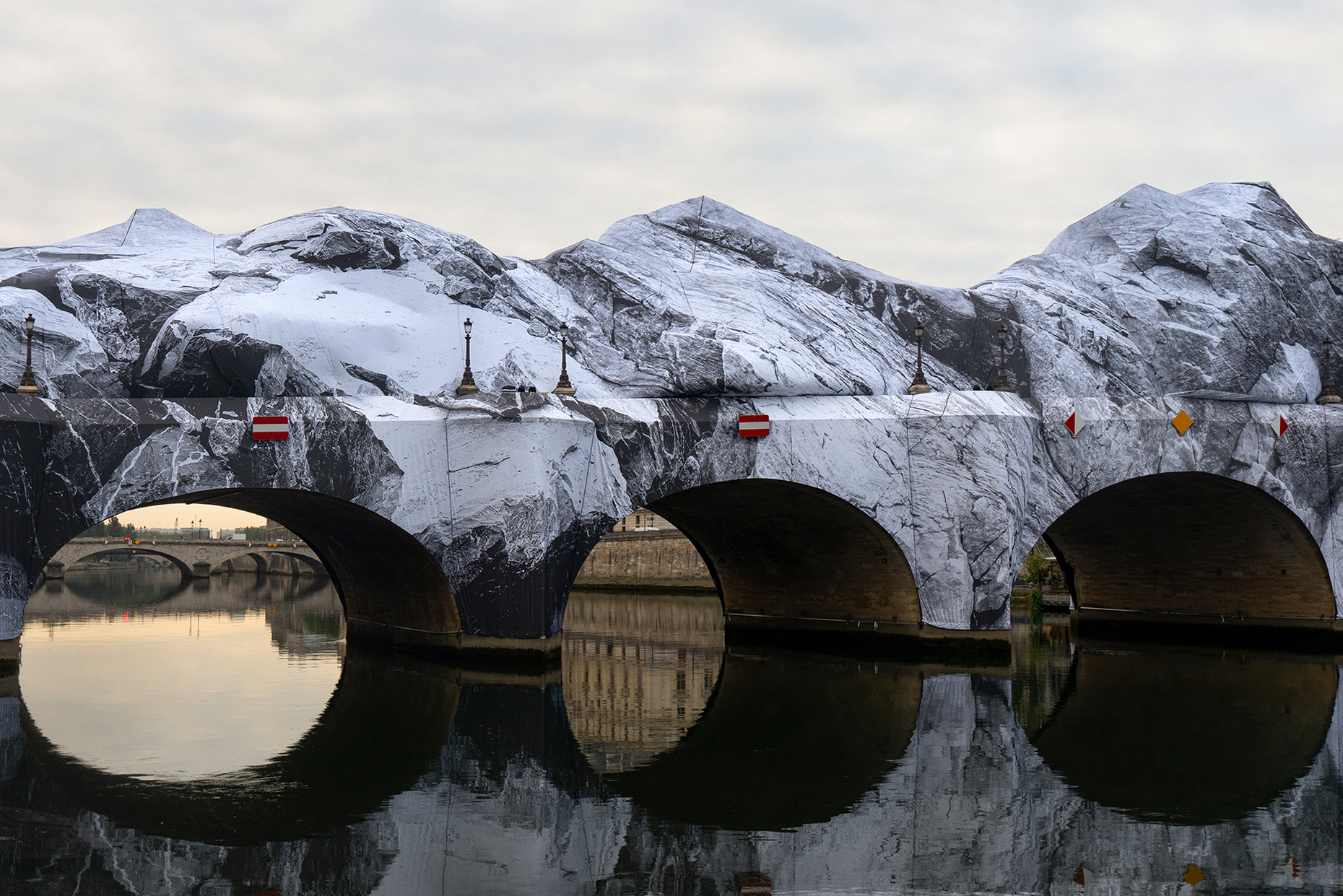
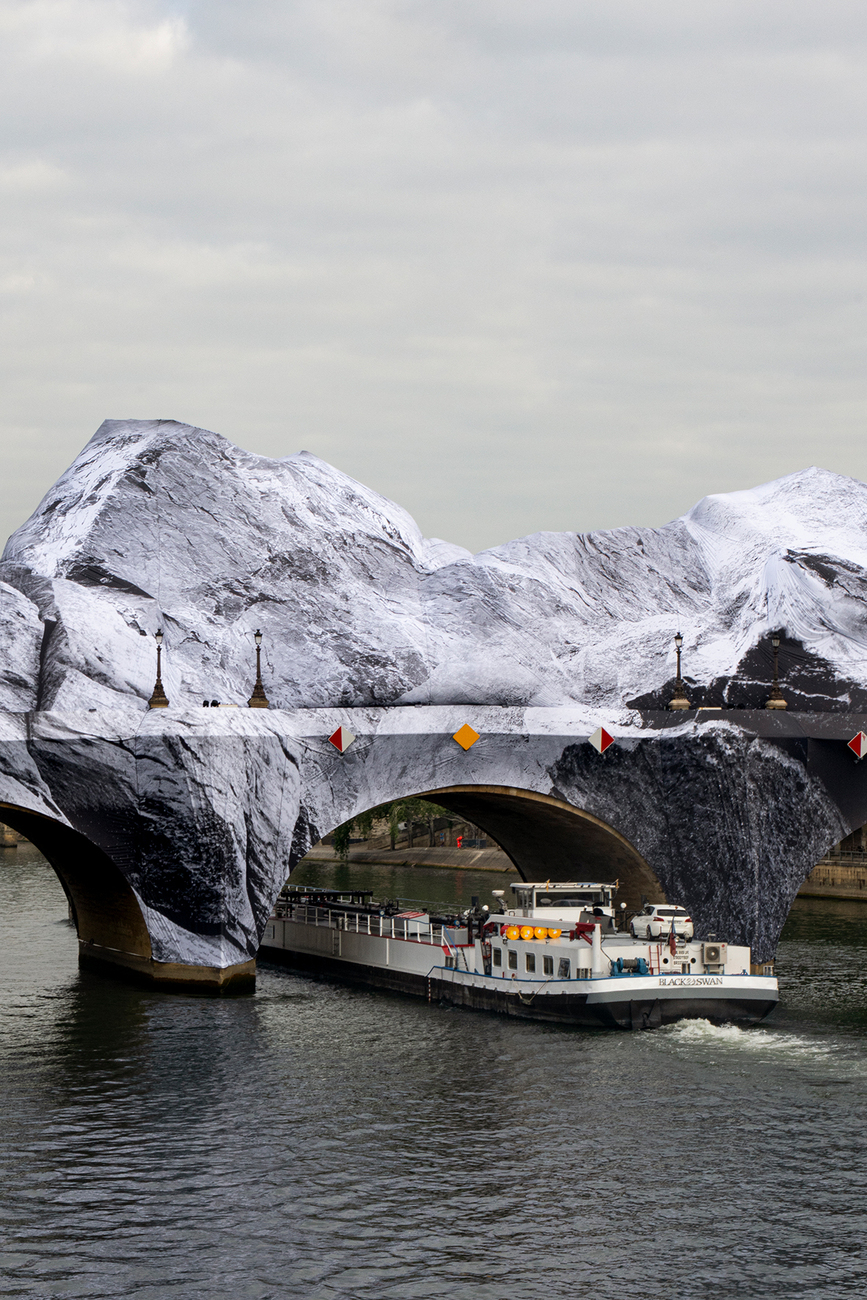
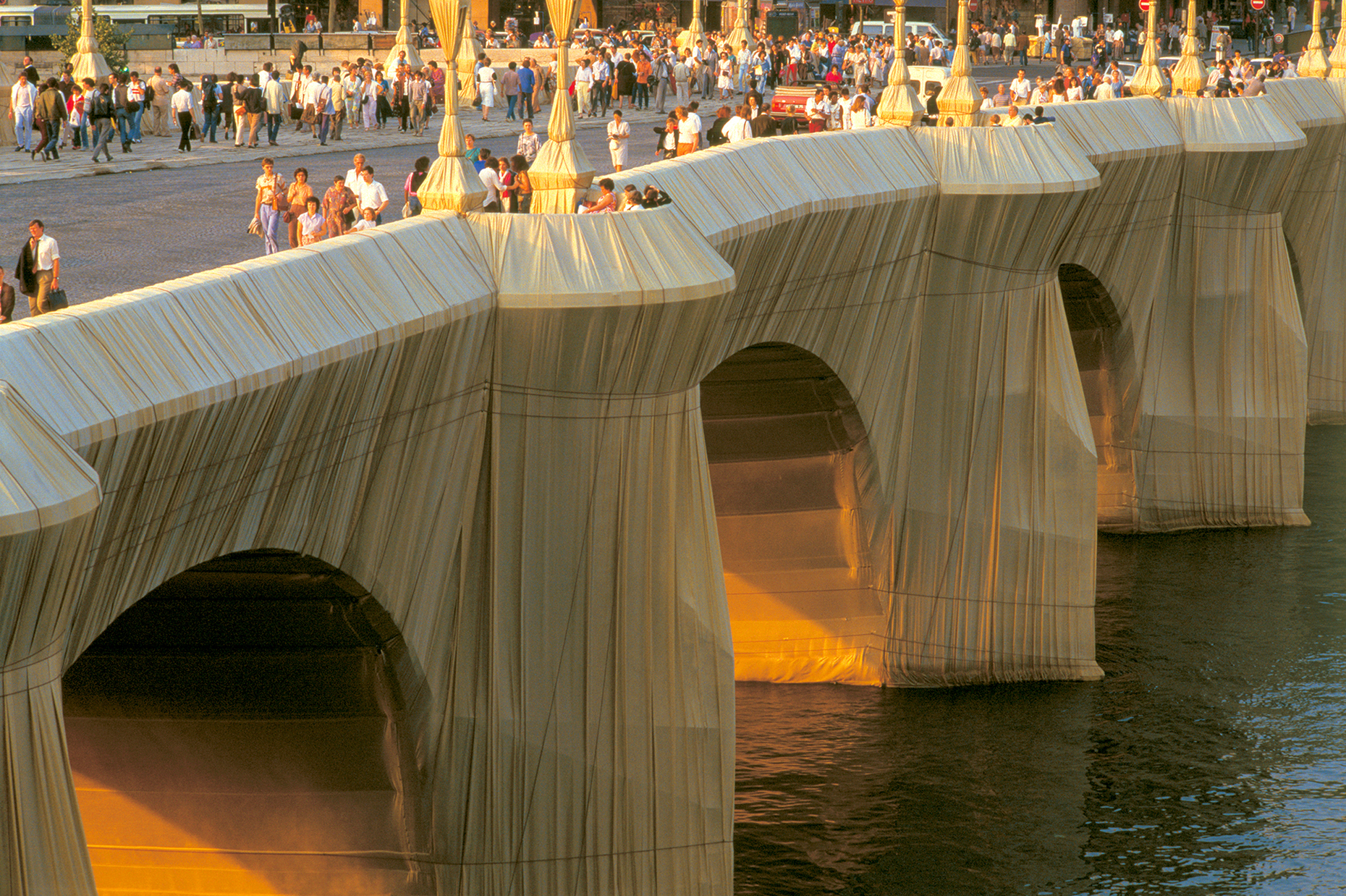
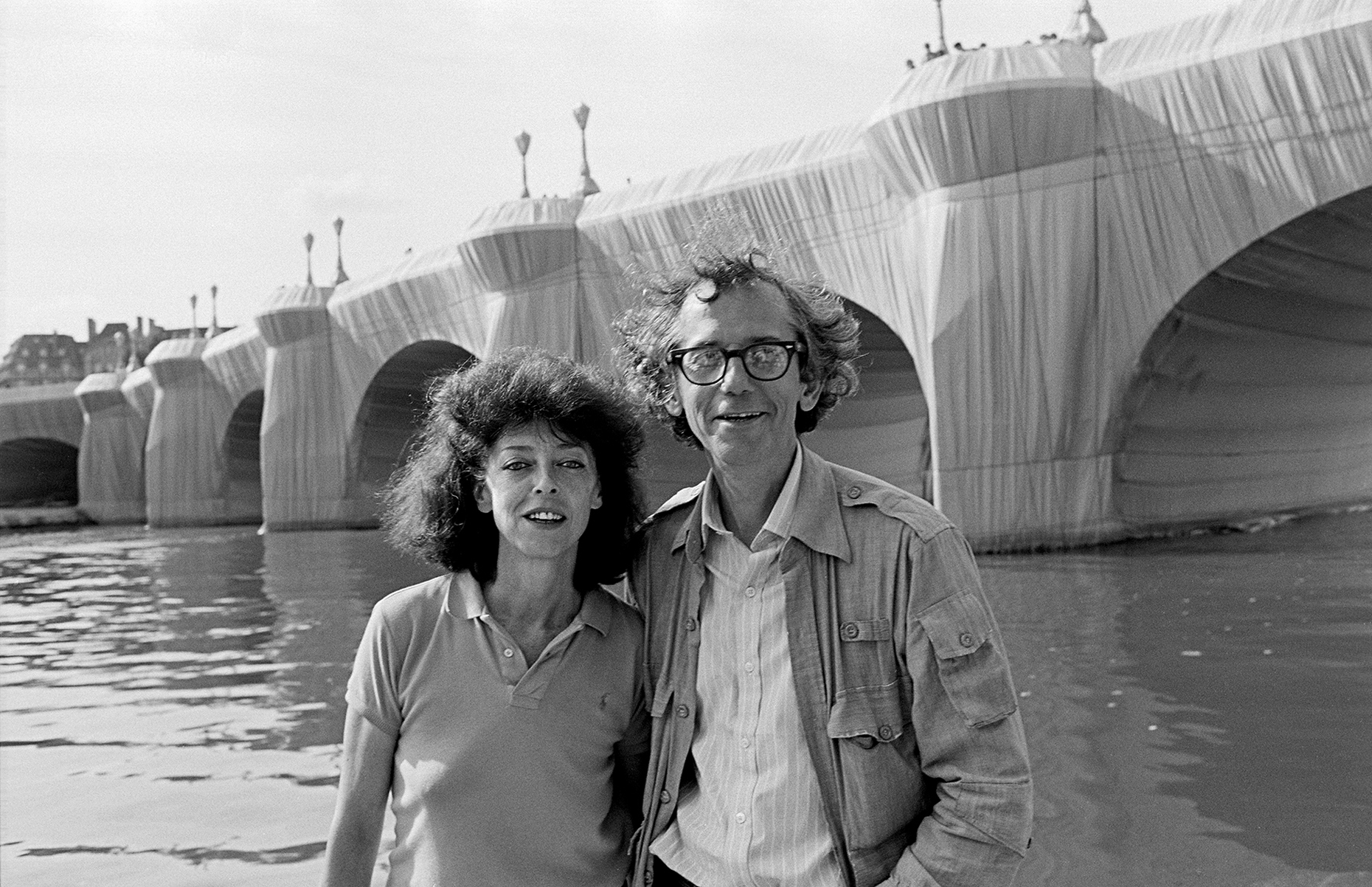
The Pont Neuf is currently being transformed into an unusual venue: “La Caverne du Pont Neuf” is a structure made of printed fabric being erected on Paris’s oldest bridge (completed in 1607), enveloping and extending the architecture. The installation is a tribute to Christo and Jeanne-Claude, whose wrapping of the structure forty years ago attracted international attention and continues to resonate today. From June 6 to 28, 2026, the work will be accessible around the clock and free of charge, thereby opening up a collective, democratic spatial experience.
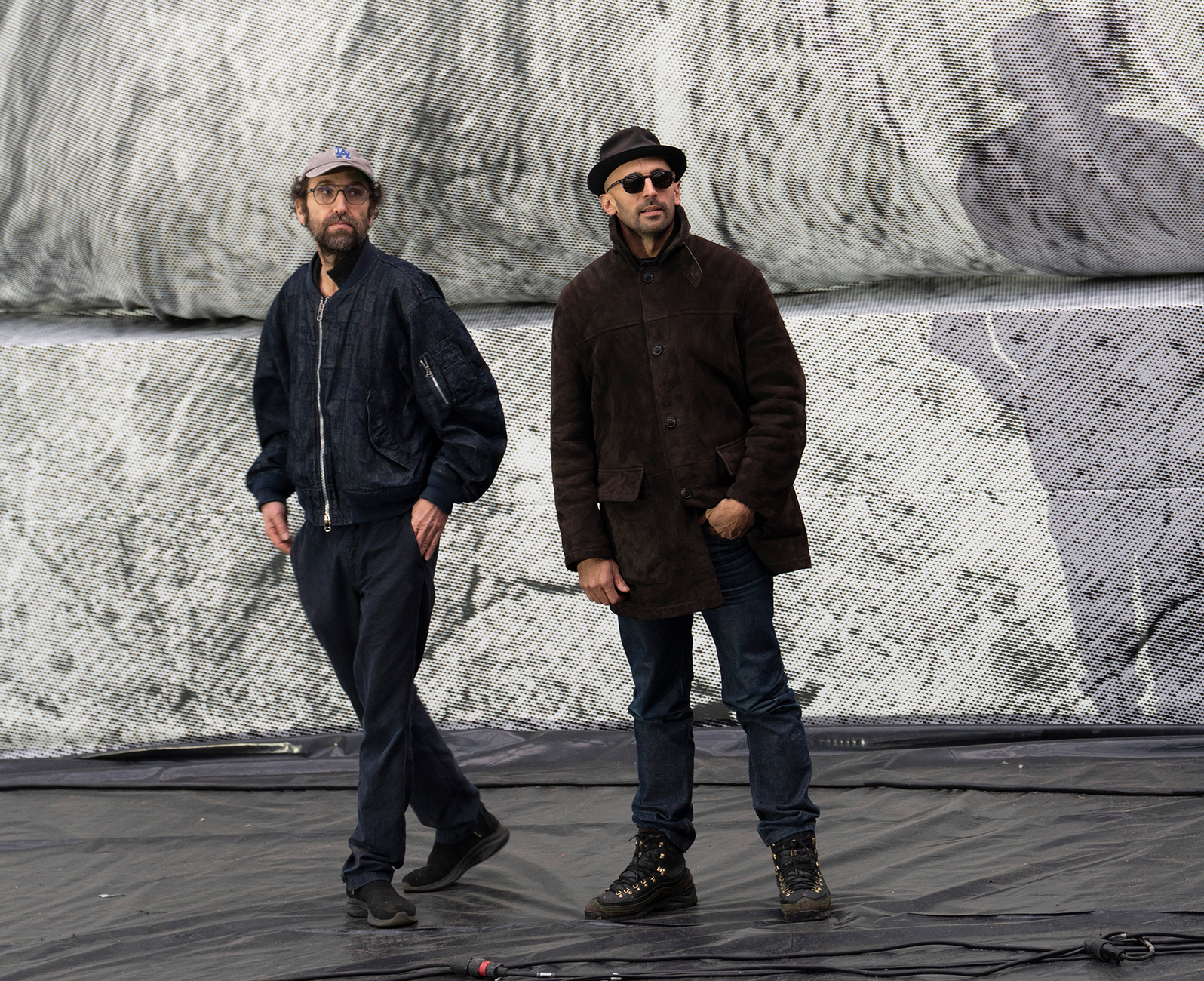
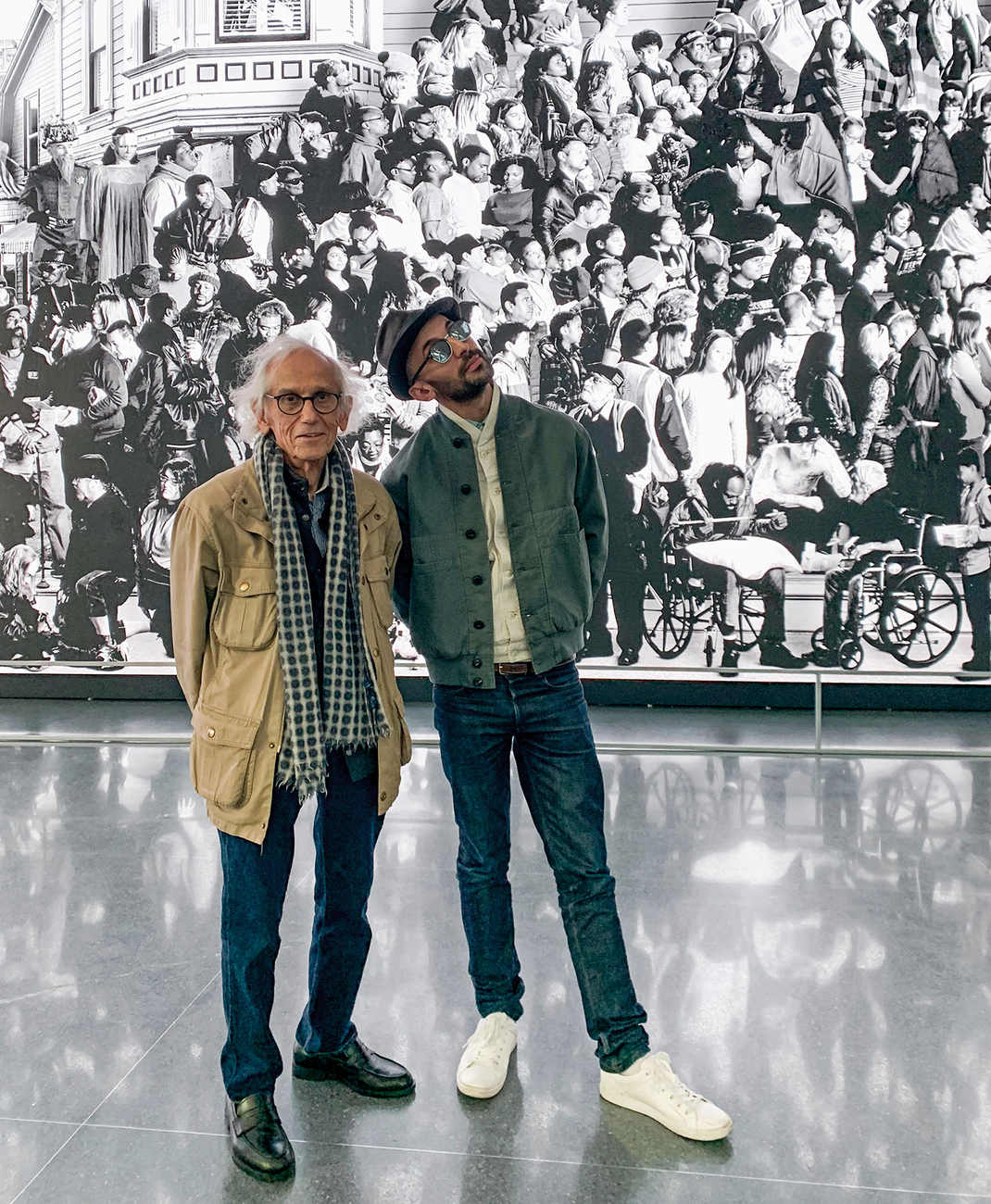
The project was conceived by JR, one of the most influential artists in the public sphere, whose works transform urban structures worldwide into spaces for social and visual dialogue. In 2004, he achieved his breakthrough with “Portrait of a Generation”, a series of large-format photographs of young people from the Parisian suburbs that replaced stereotypical images with new interpretations. Since then, JR has worked internationally, often in a participatory manner and with local communities – from an exhibition along the Israeli-Palestinian separation wall to projects in refugee camps, prisons, or at geopolitical borders. His vision for Pont Neuf was realized by a team of 800 people. Since the project’s initial planning, extensive technical studies have been conducted to obtain the necessary permits. The project covers an area of 2,400 square meters; to create the full-scale prototype of the textile covering, Paris Airport provided a hangar specifically for this purpose.
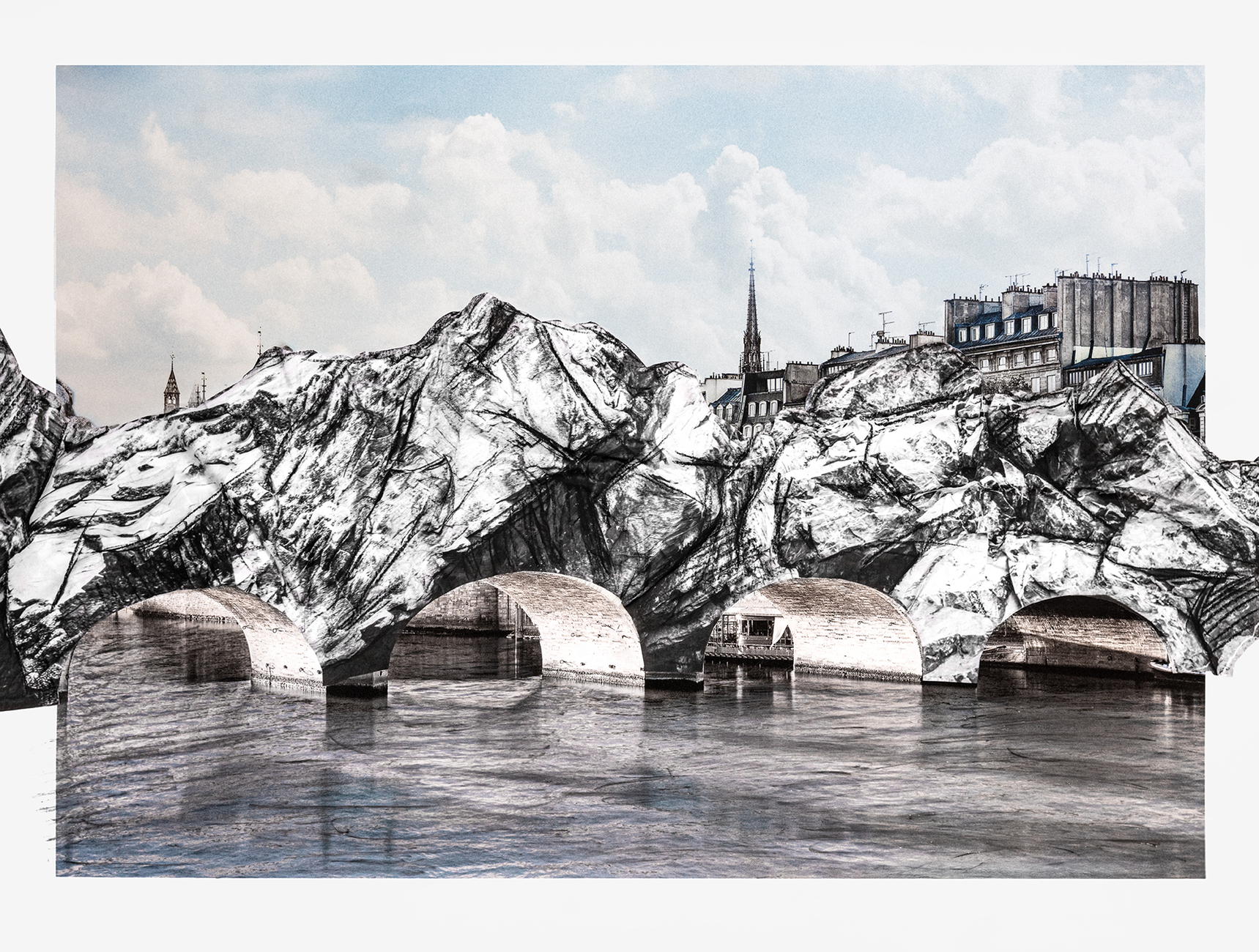
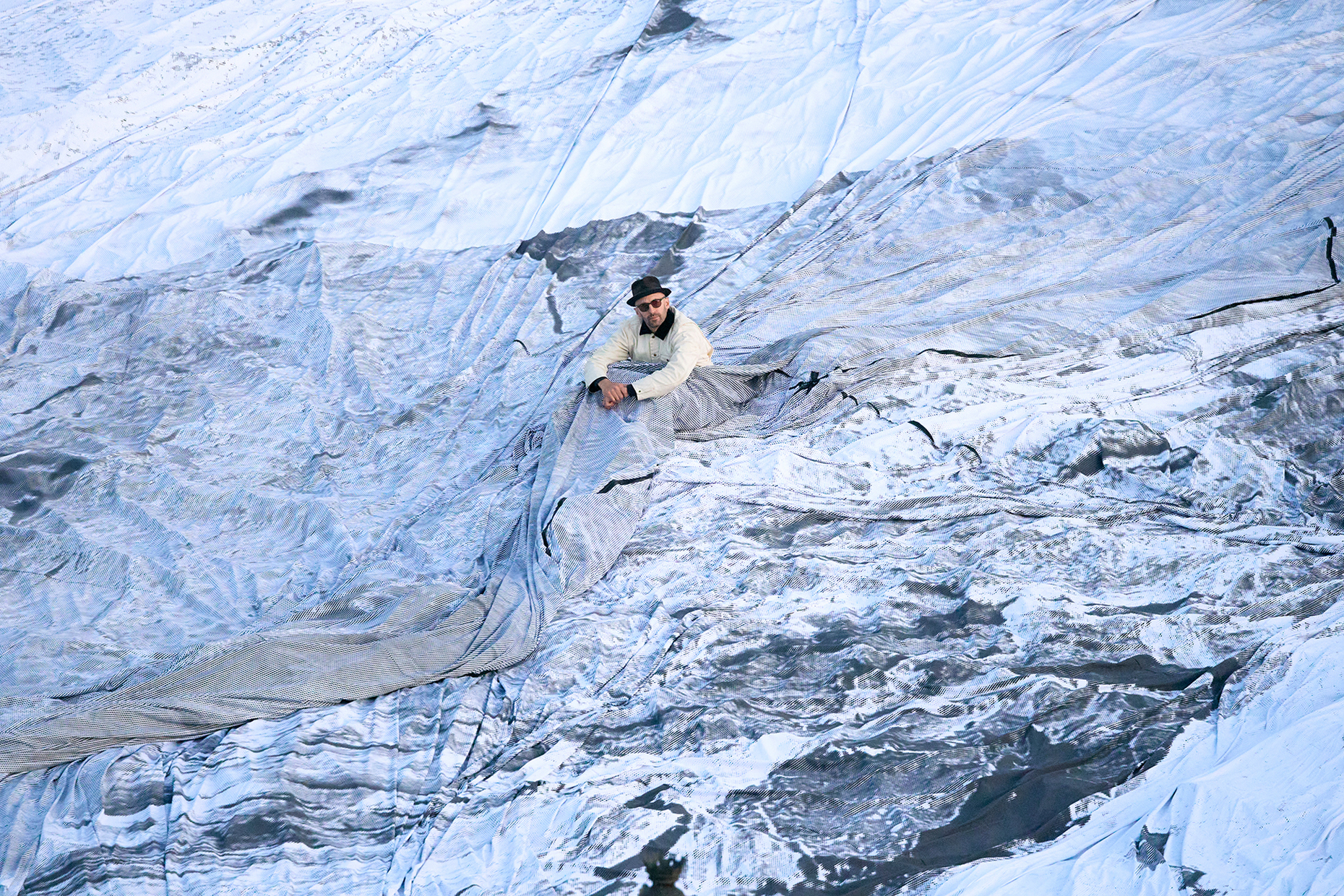
The installation, which stretches for approximately 120 meters, offers a spatial experience that is unique in this form. The work takes its starting point from the city’s origins: JR visually traces the path of Parisian limestone back to the quarries, linking the material’s origins with its current urban use. In this dense field of tension, raw materiality and urban elegance intertwine – a recurring motif in his work, in which he connects the past, the present, and social perception.
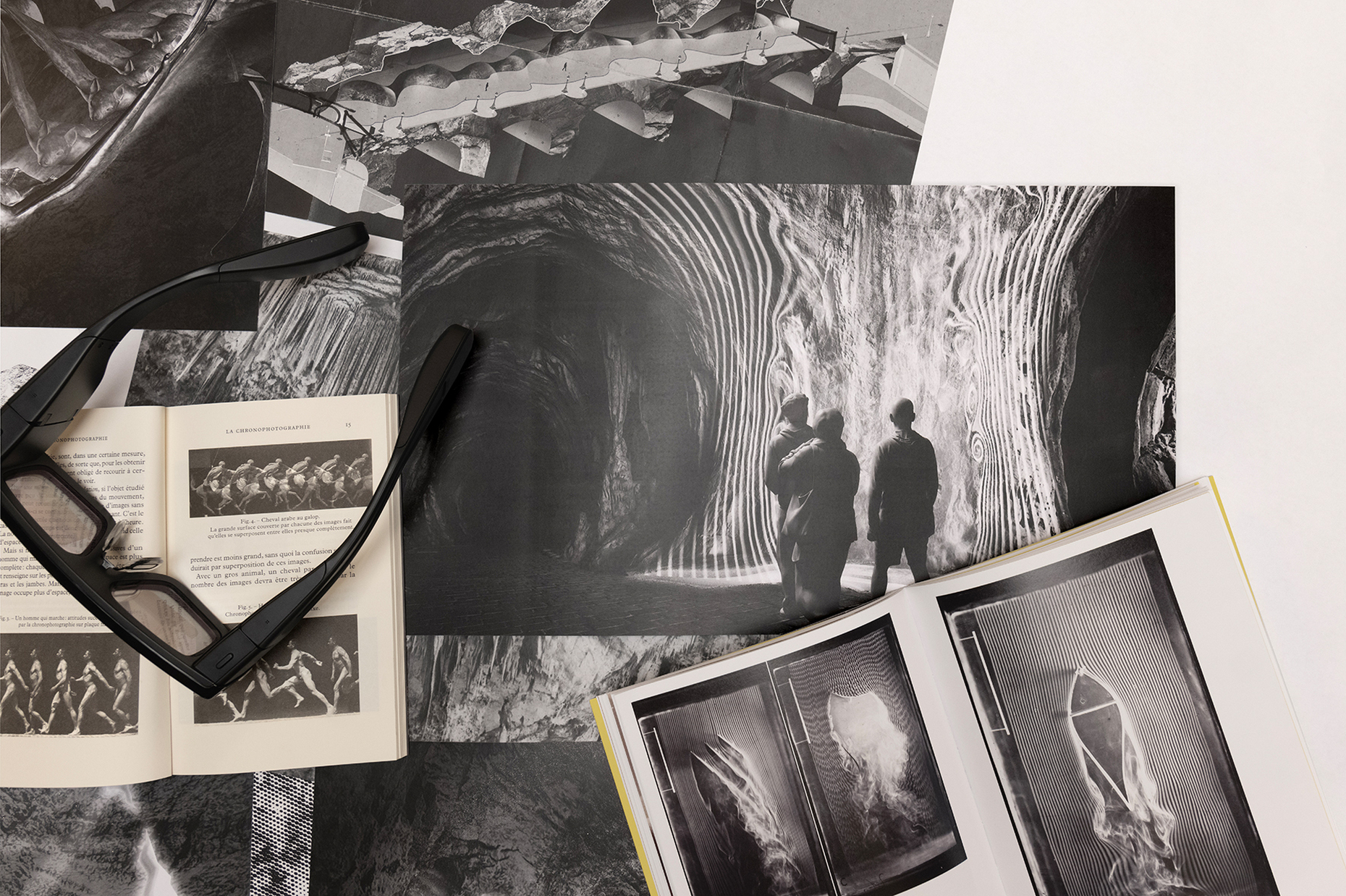
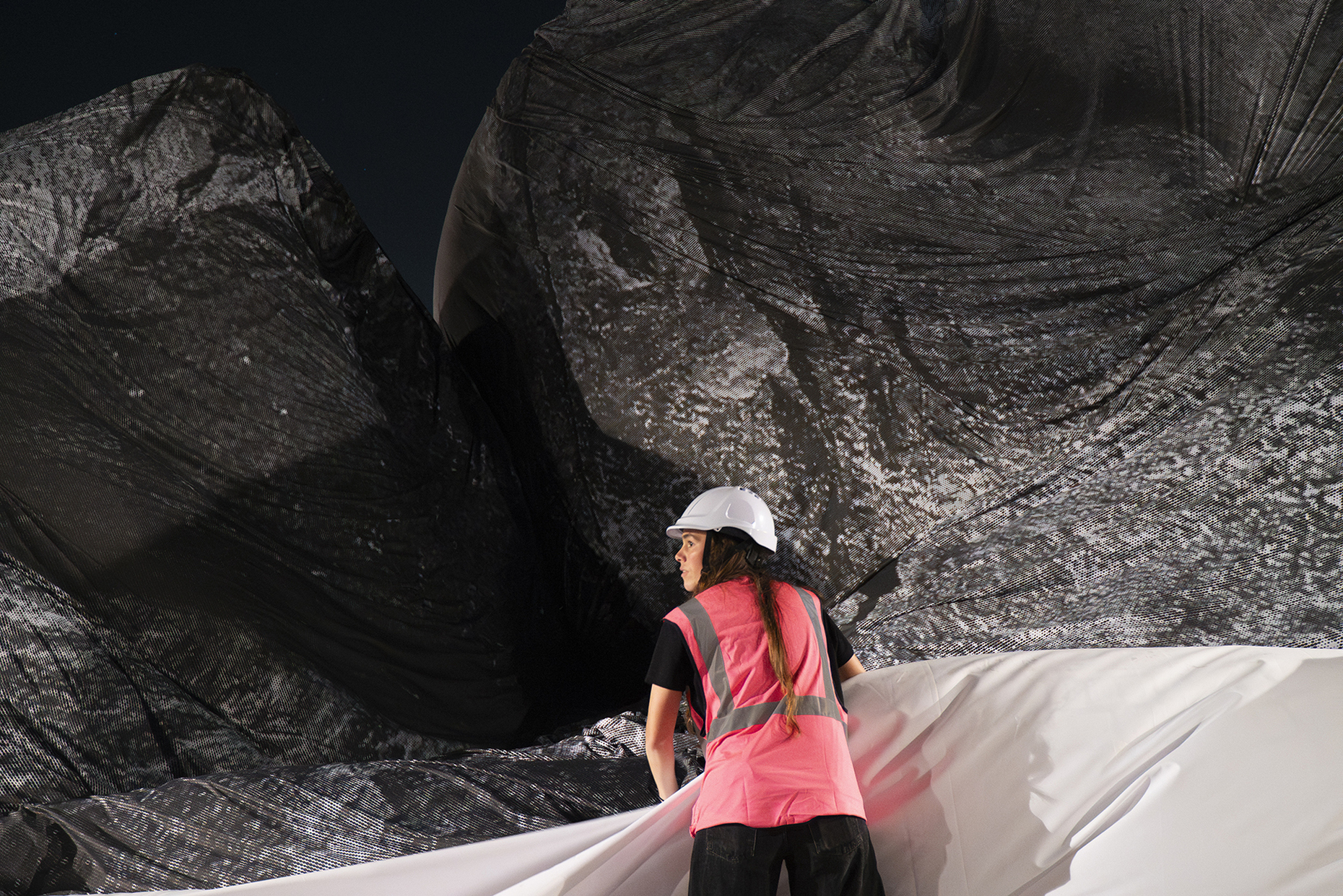
The rock-like structure of “La Caverne du Pont Neuf” appears massive from a distance, yet it is air that shapes its textile form and keeps it in balance. This inflatable architecture achieves a monumental form using relatively few materials, while also evoking the experimental approaches of Christo and Jeanne-Claude. Inside, this experience intensifies further: a sound structure developed by Thomas Bangalter lays over the space like an acoustic layer, while an augmented reality application offers additional visual layers. Thus, spatial, acoustic, and digital impressions intertwine into a continuous experience that continues JR’s cross-media approach – spanning photography, film, installation, and performance. "My vision for this project is rooted in both the past and present of this iconic bridge," JR explains. "I admire the legacy of Christo and Jeanne-Claude, and I share their idea that the mission of art is to make us think, to question what is familiar to us. The debate that a public art project can provoke is of equal value to its realization. Art is a transformation, and a way of renewing the way we look at
the world around us. Through the dream of La Caverne du Pont Neuf, this is what I hope to make possible in Paris".
The work’s presence is deliberately temporary. After three weeks, the structure will be dismantled, and the materials reused or recycled. This transience not only aligns with the tradition of Christo and Jeanne-Claude’s landmark works but is also central to JR’s understanding of art as a collective, time-bound event. What remains etched in memory above all is a new perspective on a familiar place and the striking experience of how art can transform public space. (am)
Update as of 2 June: The installation was damaged in a thunderstorm, so the opening has been postponed until a later date.