STYLEPARK PLANK
Architecture to sit on
As one of the earliest types of furniture design, the folding chair has always stood for versatility. Together with Plank, the designer and architect duo Matteo Thun and Benedetto Fasciana have now impressively reinterpreted this familiar piece of seating furniture with ‘Theo’. Rather than a traditional brief, the collaboration began with an idea: “To reimagine the archetypal folding chair as a contemporary piece of furniture that combines functionality, comfort and a strong aesthetic identity,” say Matteo Thun and Benedetto Fasciana. The name ‘Theo’ came about spontaneously. According to the designers, its simplicity and immediate clarity perfectly matched the essence of a design focused on functionality and precision.
Implementing this required longstanding technological expertise in woodworking – an expertise which Plank is renowned for. “The collaboration developed organically, shaped by a shared design philosophy and the desire to combine industrial expertise with a strong architectural vision. “Thanks to their experience, technical know-how and appreciation of the materials, we were able to explore the idea freely whilst remaining firmly grounded in the possibilities of production,” Matteo Thun and Benedetto Fasciana explain.
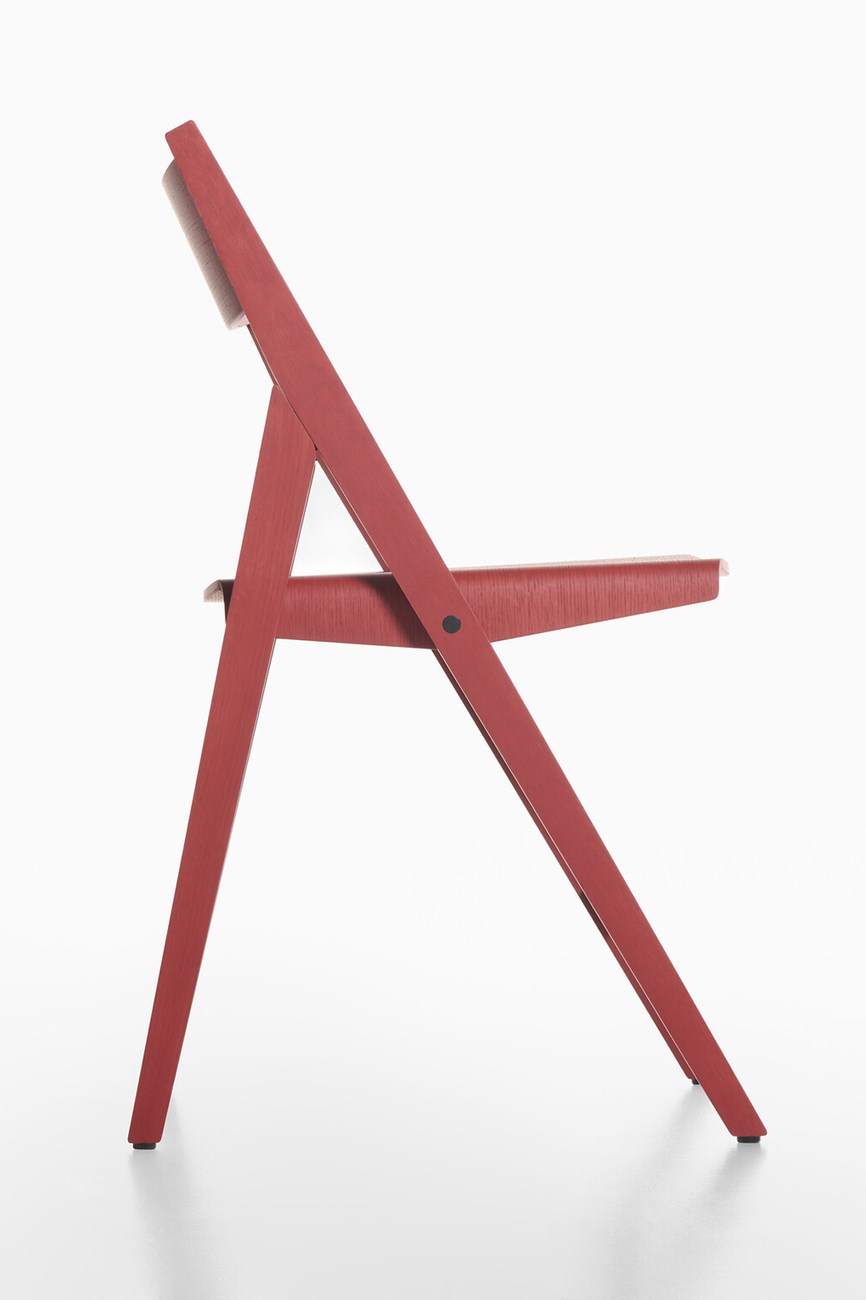
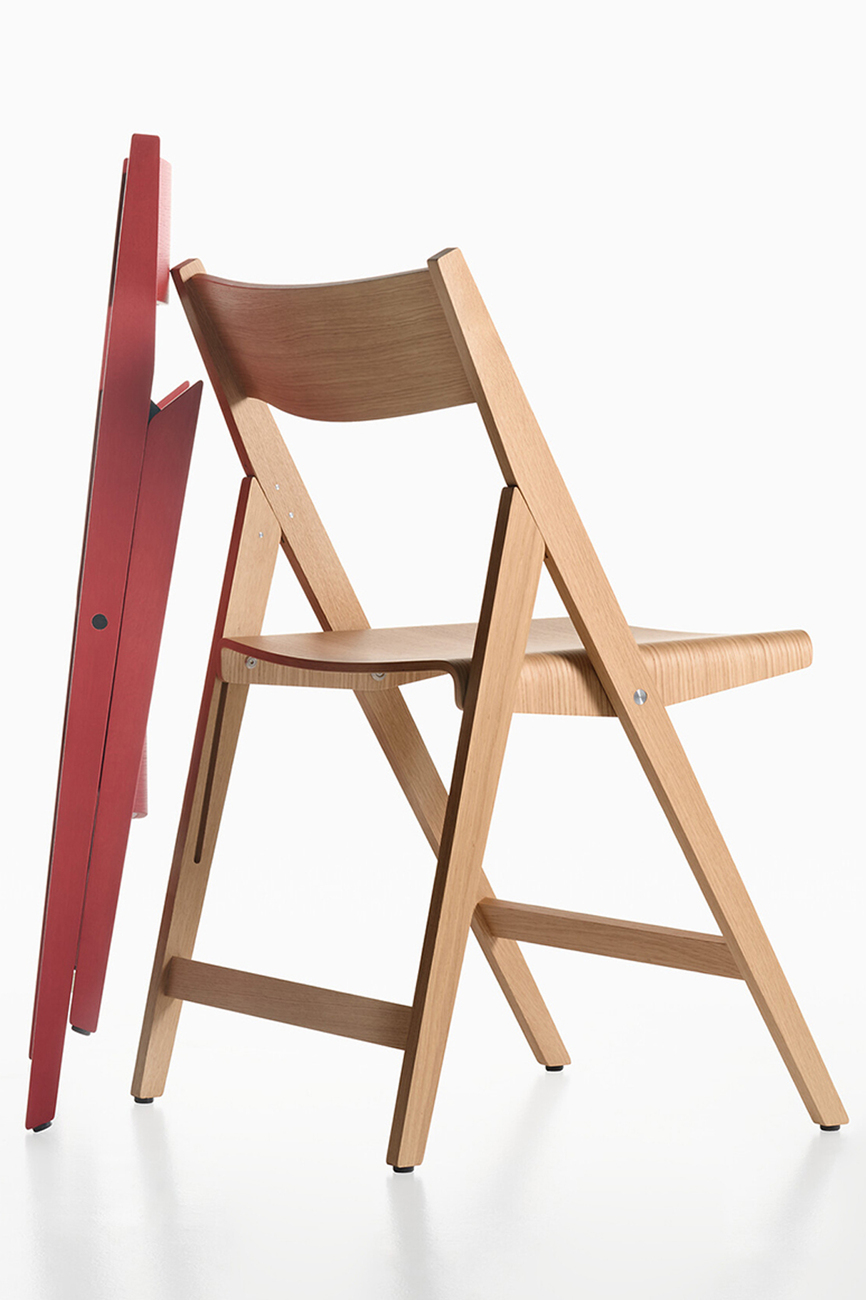
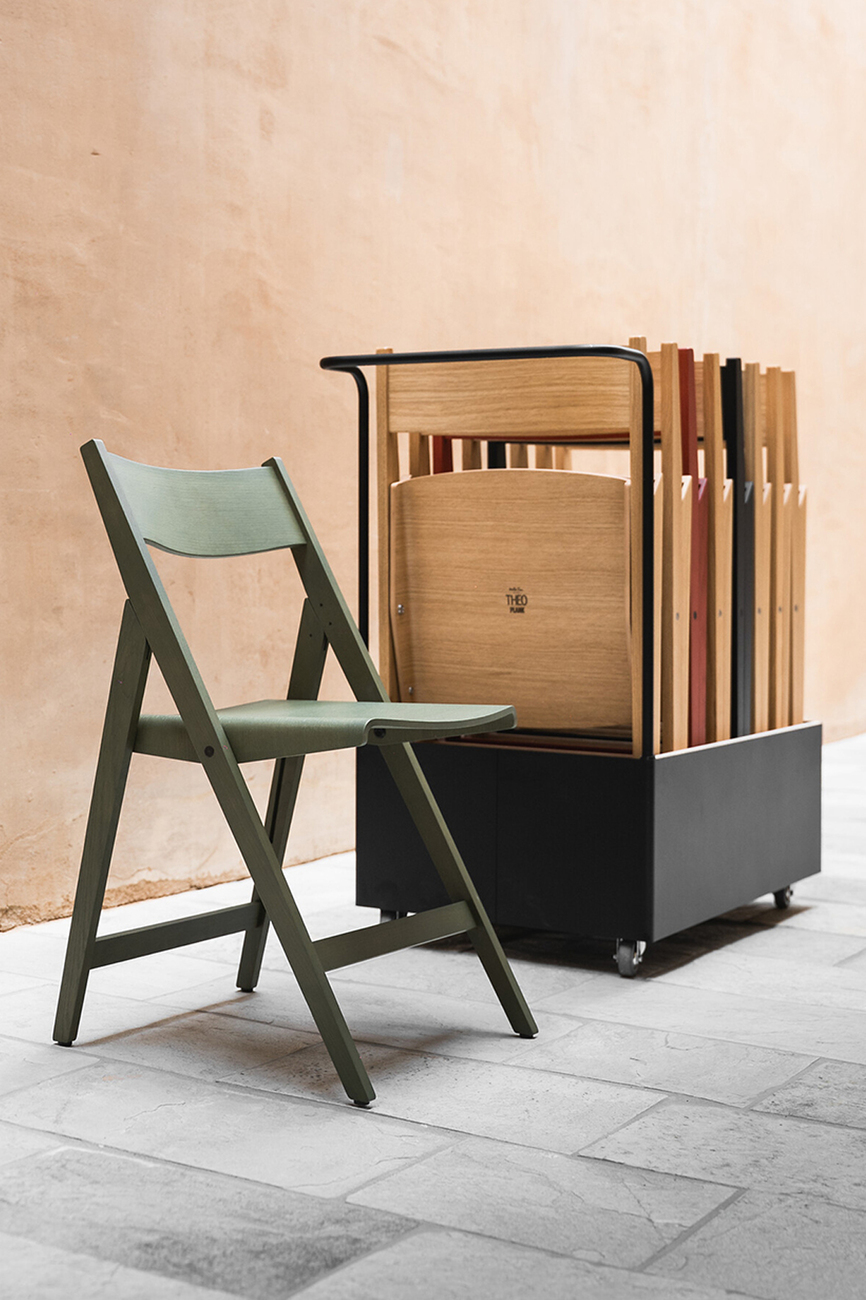
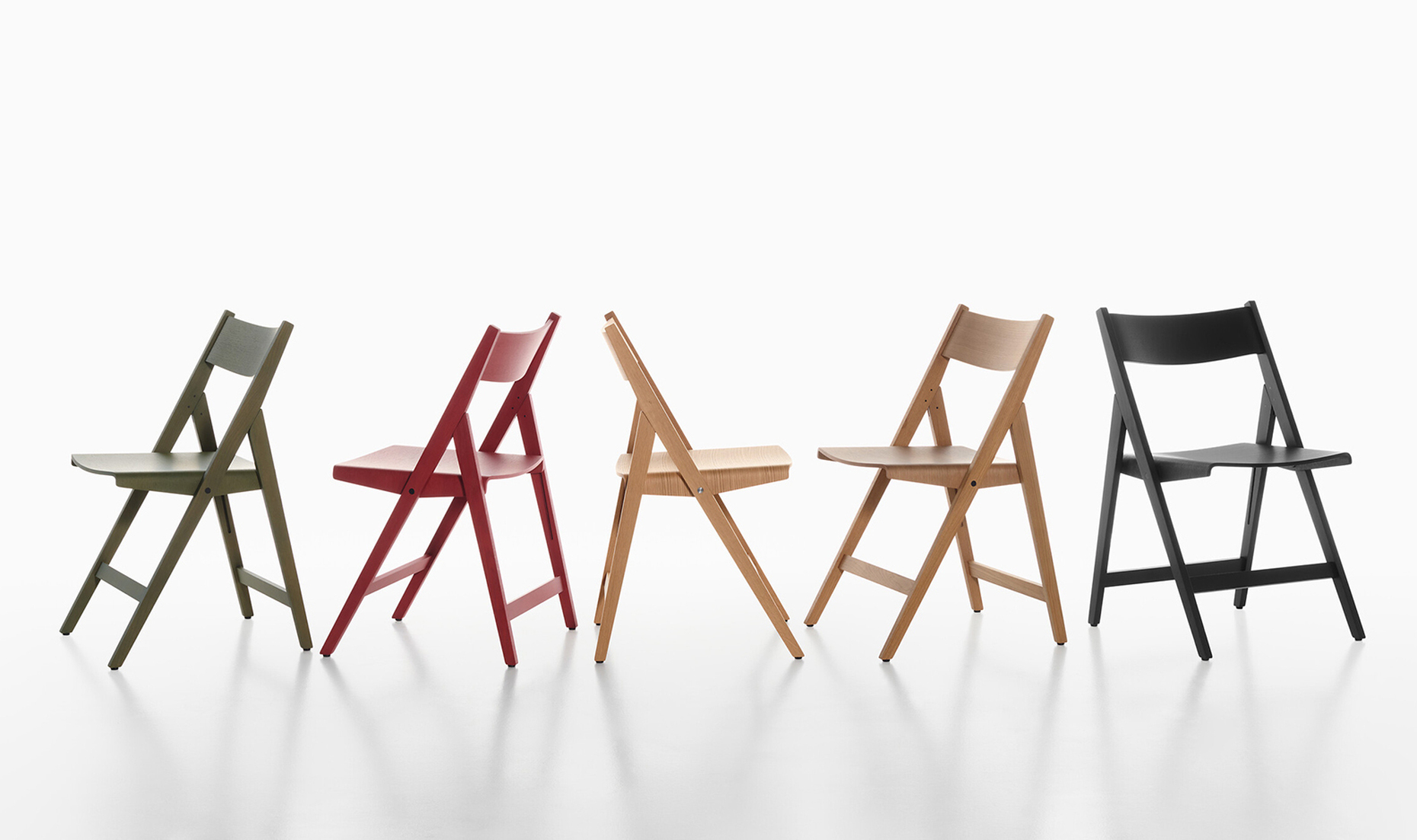
High standards in terms of comfort, functionality and efficient handling were already evident during the development of the folding mechanism: “The greatest challenge lay precisely in making the mechanism almost disappear,” explain the designers. A stainless steel system with concealed pins enables the chair to be stored in an exceptionally flat position. Behind this understated design lies an intensive development process in which design and technology were continuously harmonised. In terms of form, clean lines and gently rounded edges characterise the profile of “Theo”. The balanced proportions lend the design a sense of lightness, whilst the minimalist form draws the eye to the material – the construction is based on a solid oak frame, complemented by moulded, oak-veneered elements for the seat and backrest. “We wanted to pay tribute to wood in its most natural form and showcase its warmth, texture and beauty through a simple and carefully proportioned shape,” they say. And add: “Oak lends the chair warmth, solidity and elegance. Thanks to its natural properties, the chair appears both contemporary and timeless.”
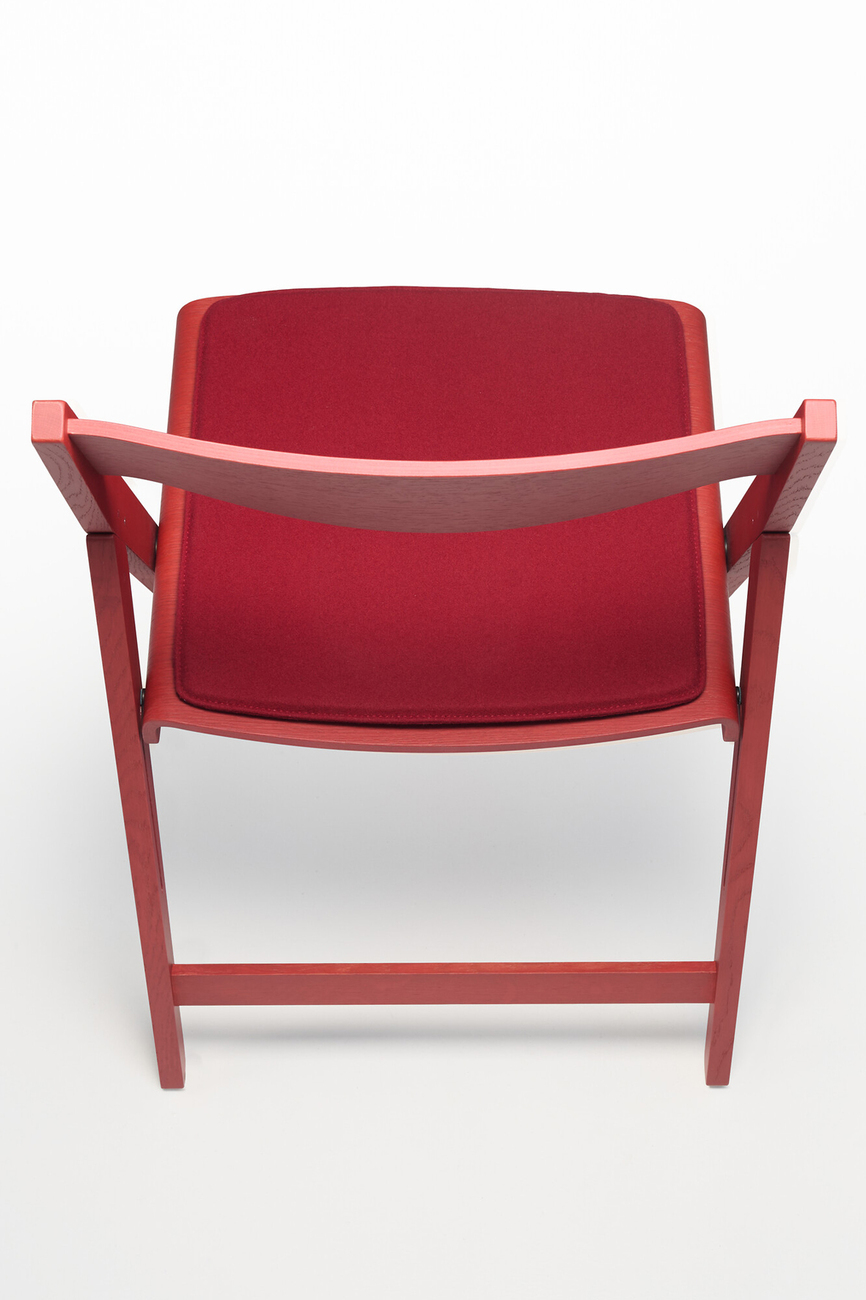
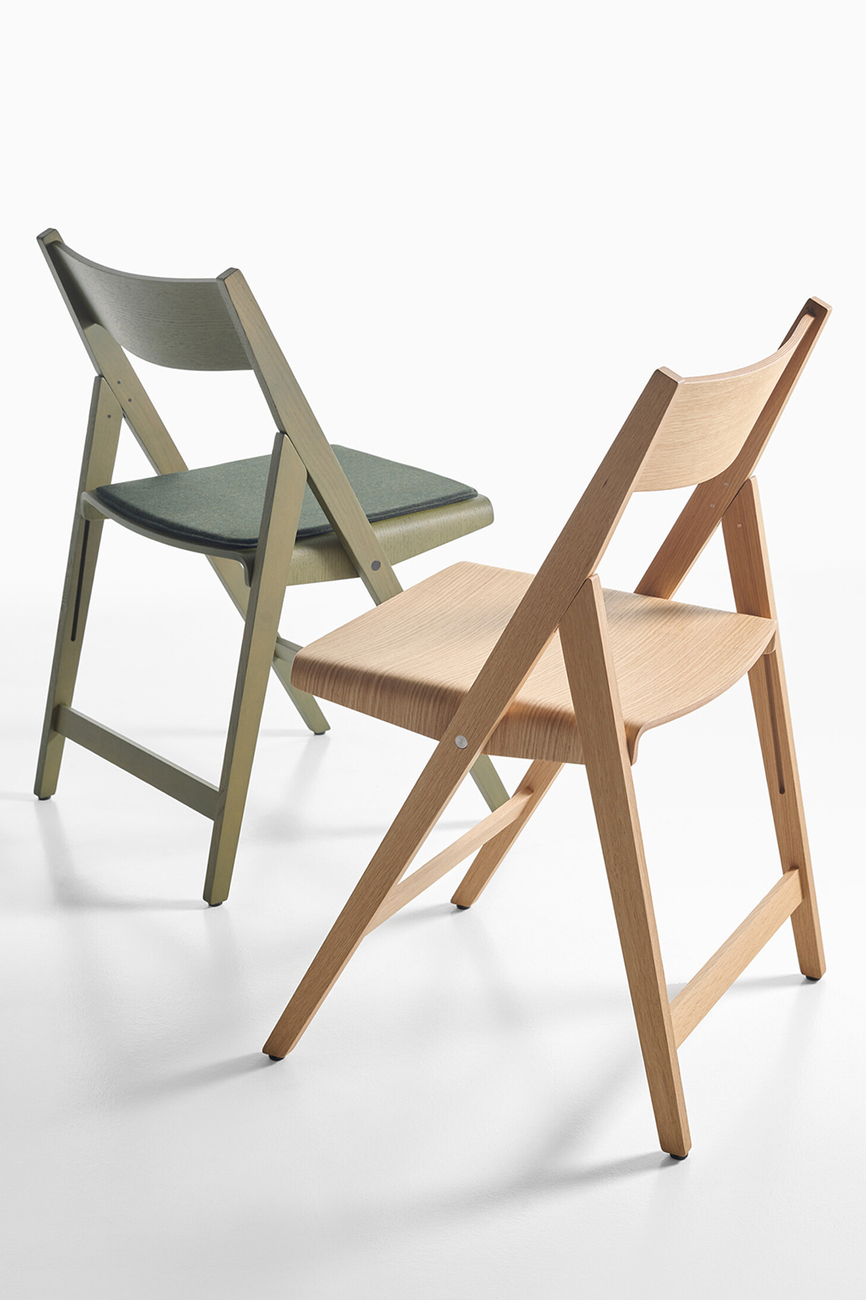
‘Theo’ is available in a natural or stained finish, as well as in walnut, reddish-brown, olive green and black. For bespoke interior designs, there is also a choice between subtle shades that highlight the character of the wood and striking variants that emphasise the shape as a statement. If greater comfort is desired, the chair can be fitted with an upholstered seat: The architects have chosen wool from the long-established South Tyrolean mill, Moessmer, and combined it with standard colour shades. The seat cover is also available in leather and fabrics from the Plank collection.
For logistics and storage, Matteo Thun & Partners have also designed an elegant transport trolley called “Trolley”: this allows up to eight “Theo” units to be transported and stored at the same time. In commercial settings in particular, this facilitates the rapid adaptation of room layouts and efficiently supports changing usage scenarios.
A clean design, high-quality materials and precision engineering are the hallmarks of “Theo”. At the same time, the folding chair forms the basis for a product range that is set to be expanded in future to include tables and chairs with armrests: “Thanks to the excellent collaboration with Plank, we have been able to develop a whole ‘Theo’ range, which will be available soon,” say the designers. “We are particularly pleased about this next step, as it will allow the original idea behind ‘Theo’ to evolve into a complete system.”