That fits!
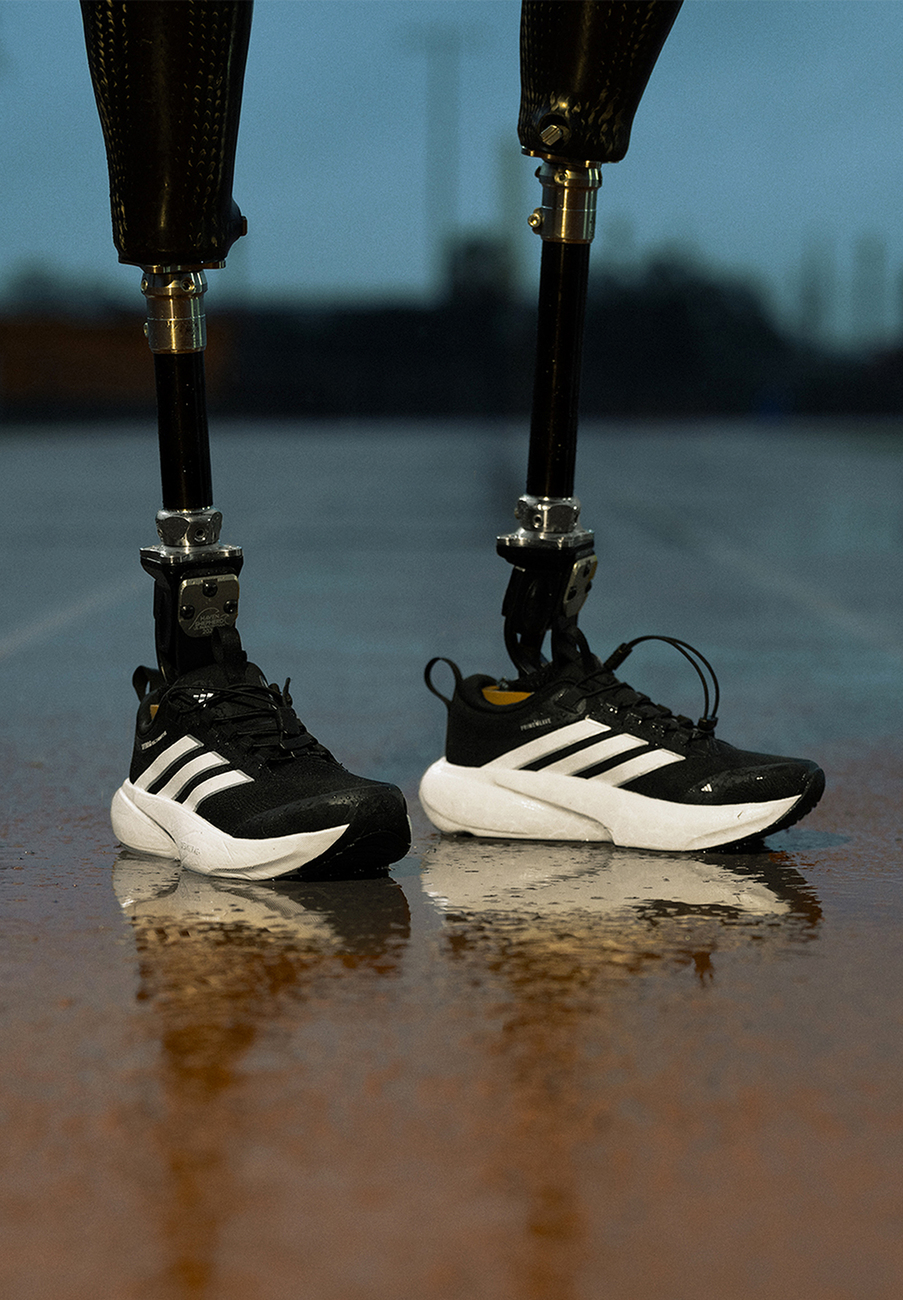
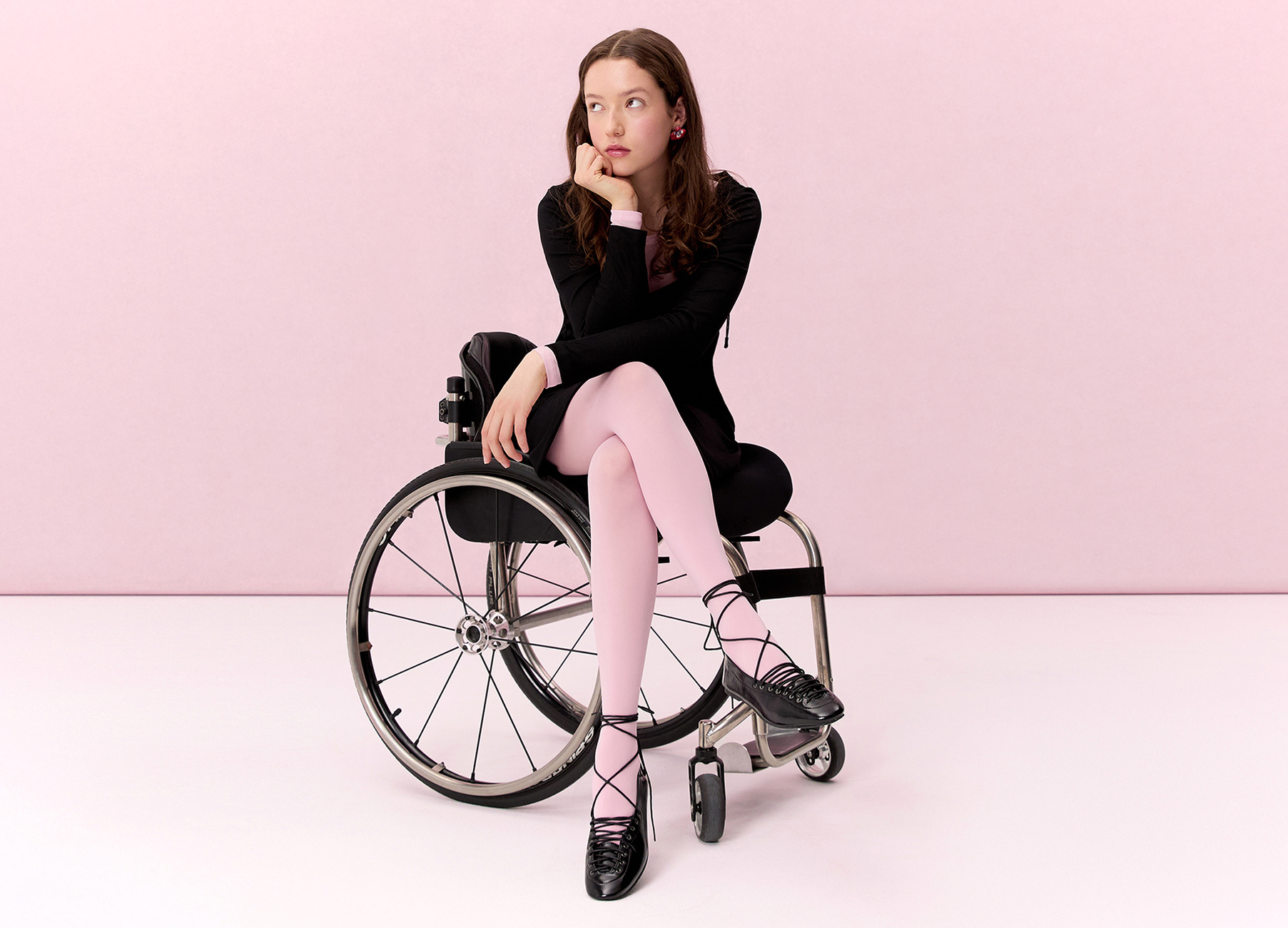
A visit to the Adidas store on Tauentzienstraße in Berlin: A mannequin with a prosthetic leg is wearing a sneaker with three stripes. What seems perfectly natural here is still far from the norm in the fashion industry. People with disabilities – including those of short stature, wheelchair users, and prosthesis wearers – are largely ignored and often only brought to the forefront for marketing purposes. This isn’t really surprising, as target groups outside the norm have a hard time in the fashion industry. However, current figures show that the adaptive fashion segment is economically promising, even when factoring in necessary investments such as basic research.
Growth Market
According to a report by the World Health Organization (WHO), approximately one billion people worldwide have physical disabilities—that is about 15 percent of the global population. The market for adaptive fashion is significant and growing steadily. The American market research firm Coherent Market Insights forecasts that the global market value of adaptive fashion will reach $20.05 billion by 2026, with an expected increase to $35.27 billion by 2033. Europe holds the largest market share at around 45 percent, followed by North America, comprising the U.S. and Canada.
Design Solutions
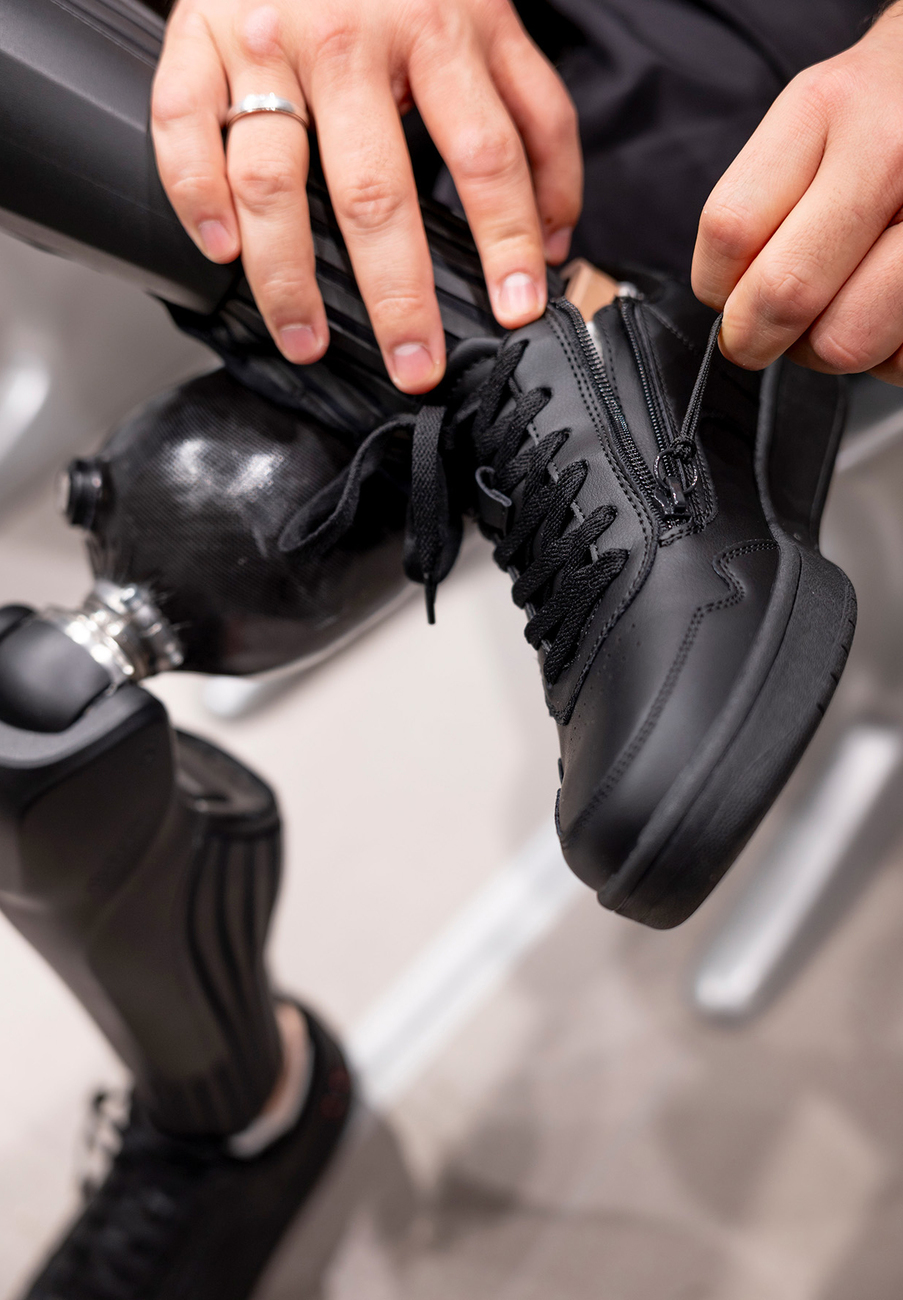
One reason adaptive fashion is a growing market is that the population in Western industrialized nations is aging, a trend often associated with physical limitations. As a result, for example, more shoes are coming onto the market that feature side zippers instead of laces to make them easier to put on and take off. Or models like the “Supernova 3 Adaptive” from Adidas, which were designed specifically for people with disabilities. In addition to a heel pull tab, the running shoe features a low-pressure lacing system and adaptive laces with an adjustable toggle and magnetic closure. Nike is another example of how major sporting goods manufacturers are incorporating inclusion into their design solutions. The American manufacturer offers the “Go Flyease,” a so-called hands-free shoe, in its lineup. It is designed so that a flexible yet stable heel element holds the shoe in the entry position. This allows you to slip effortlessly into the “Diving Board” and have your foot “snap into place.”
Fashion & Functionality
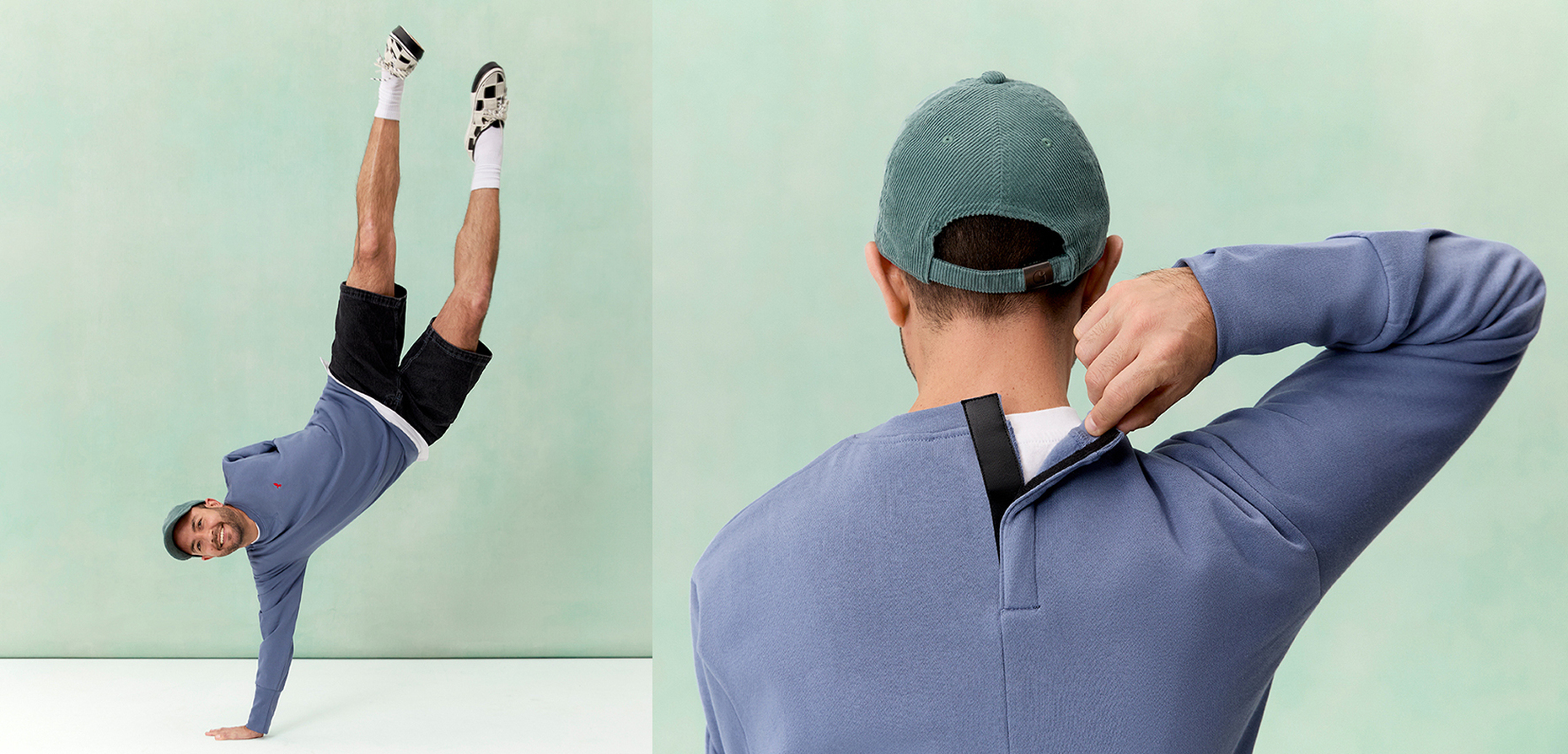
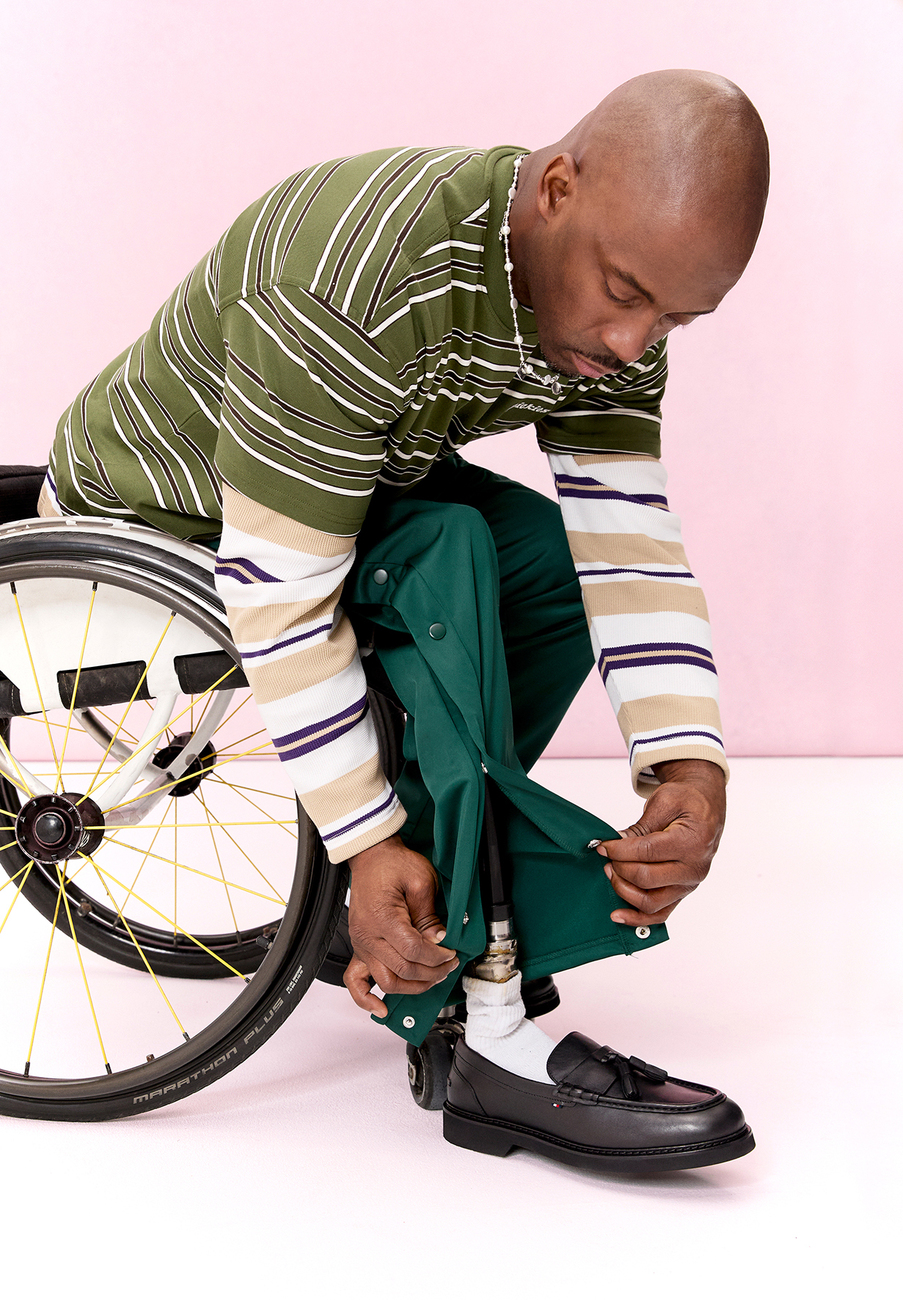
The German online retailer Zalando has also been active in the adaptive fashion market since 2022, with its product range including shoes, sportswear, underwear, and clothing for adults and children. “We ensure a trend-relevant selection through regular new collections and seasonal updates from both Zalando’s own brands and partner brands such as Tommy Hilfiger, Nike, Adidas, BOSS, and Next,” says Jemma Garner, Head of Diversity & Inclusion at Zalando. Throughdirect feedback from the community of people with disabilities, the company has discovered that fashion is the most important factor in purchasing decisions for this target group as well. In addition, adaptive fashion must always meet functional criteria. Hidden zippers, magnetic closures, and Velcro fasteners, for example, help people with limited fine motor skills put on pants, shirts, and blouses independently. For those who use wheelchairs or prosthetics, sleeves that are easy to open, shoes with wide openings, or cropped tops are particularly beneficial.
“Our collection is designed to offer people with disabilities and their caregivers functional, adaptable, and fashionable options that highlight their individuality,” says Philipp Hammermeister, who, as a senior fashion designer at Zalando, is responsible for the company’s private labels. He adds that the collections are continuously being refined—based on thorough research and in close collaboration with Ottobock, a leading German company in the field of orthopedic technology.
Still a niche market
Big players like Nike, Adidas, and Zalando, however, cannot hide the fact that adaptive fashion remains a niche topic and is often driven by individual passionate people or small teams. Izzy Camilleri, for example, is a pioneer in the world of adaptive fashion. For years, the Canadian fashion designer had been creating clothing for a client who used a wheelchair. In the process, she realized that there were very few companies specializing in this target group and decided to fill at least part of this market gap. In 2009, she founded her own adaptive fashion label. Among IZ Adaptive’s bestsellers are a pair of sweatpants tailored for people who use wheelchairs, featuring a nearly invisible zipper on the legs (“Men’s Zip Fly Sweatpant”). Another bestseller is an extra-long parka for wheelchair users (“Unisex Adaptive Seated Parka”), which also keeps the legs warm and is designed so that it doesn’t create uncomfortable wrinkles when the wearer is seated. A milestone in the development of adaptive fashion is the “Seamless Back Pant” designed by Camilleri—a pair of pants without back seams, intended to reduce the risk of life-threatening pressure sores. She learned during her training that the crotch seam is essential for a good fit, says the designer. In other words: Training should also include the field of adaptive fashion. Because only when there is an awareness of the lack of design solutions can these be developed.
Adaptive Mode as a Creative Discipline
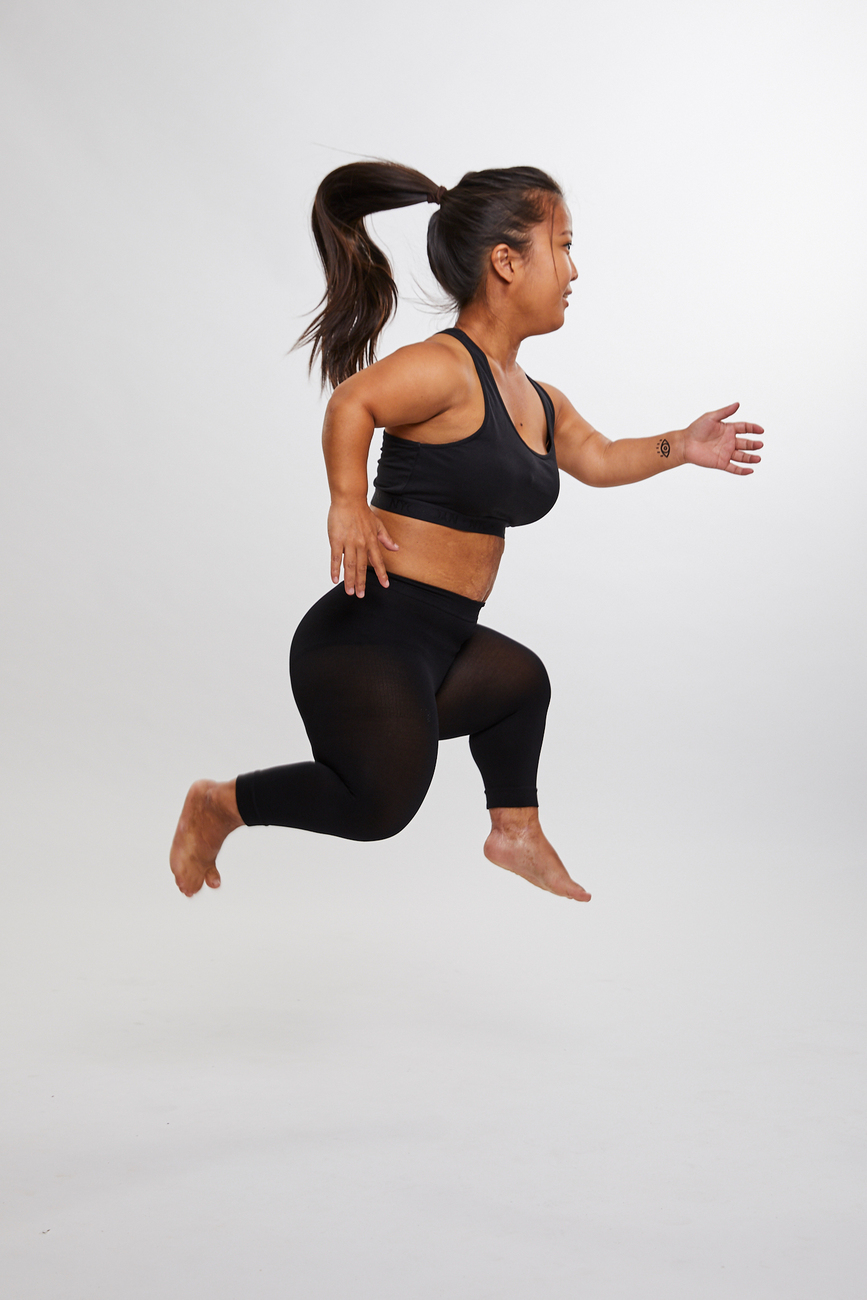
In Berlin, designer Sema Gedik works in the field of adaptive fashion and has named her company “Auf Augenhöhe” (At Eye Level). The name is quite ambiguous, as Gedik specializes in designing fashionable clothing for people of short stature. The idea came to her when she went shopping in Turkey with her cousin, who is of short stature, and realized how limited the selection was. To better cater to this target audience, Gedik and her team developed the world’s first clothing sizes specifically for women and men of short stature. Over the course of several years, they measured people with short stature and studied their proportions. The result: perfectly tailored cuts and styles, including items such as kimonos and blouses.
For Gedik, however, Adaptive Mode is not simply a technical solution, but a creative discipline. “We see our label as a catalyst for design decisions,” she says. “This leads to garments that take different body realities into account while simultaneously developing a clear design language.” Inclusion is the starting point for the design process at Auf Augenhöhe, which always considers social issues as well. This includes, for example, the question of how clothing can promote self-determination and visibility.