Thinking Beyond Transformation
The Danish architecture firm Cobe recently launched its exhibition at the Architektur Galerie Berlin with a well-attended opening reception. Until 4 July 2026, the renowned firm will be showcasing 17 projects dedicated to the concept of transformation, deliberately expanding its scope beyond purely architecture. At the opening, Olaf Grawert of b+ and firm founder Dan Stubbergaard gave speeches offering insights into a practice that has been in a state of constant change for two decades. The exhibition is curated with the belief that architecture is inextricably linked to its time. Architecture responds to economic conditions, social values and technological developments, while simultaneously building on existing structures and historical legacies. The projects on display demonstrate that this process is not only evident in the treatment of existing built environments, but also in the firm's own approach and working methods.
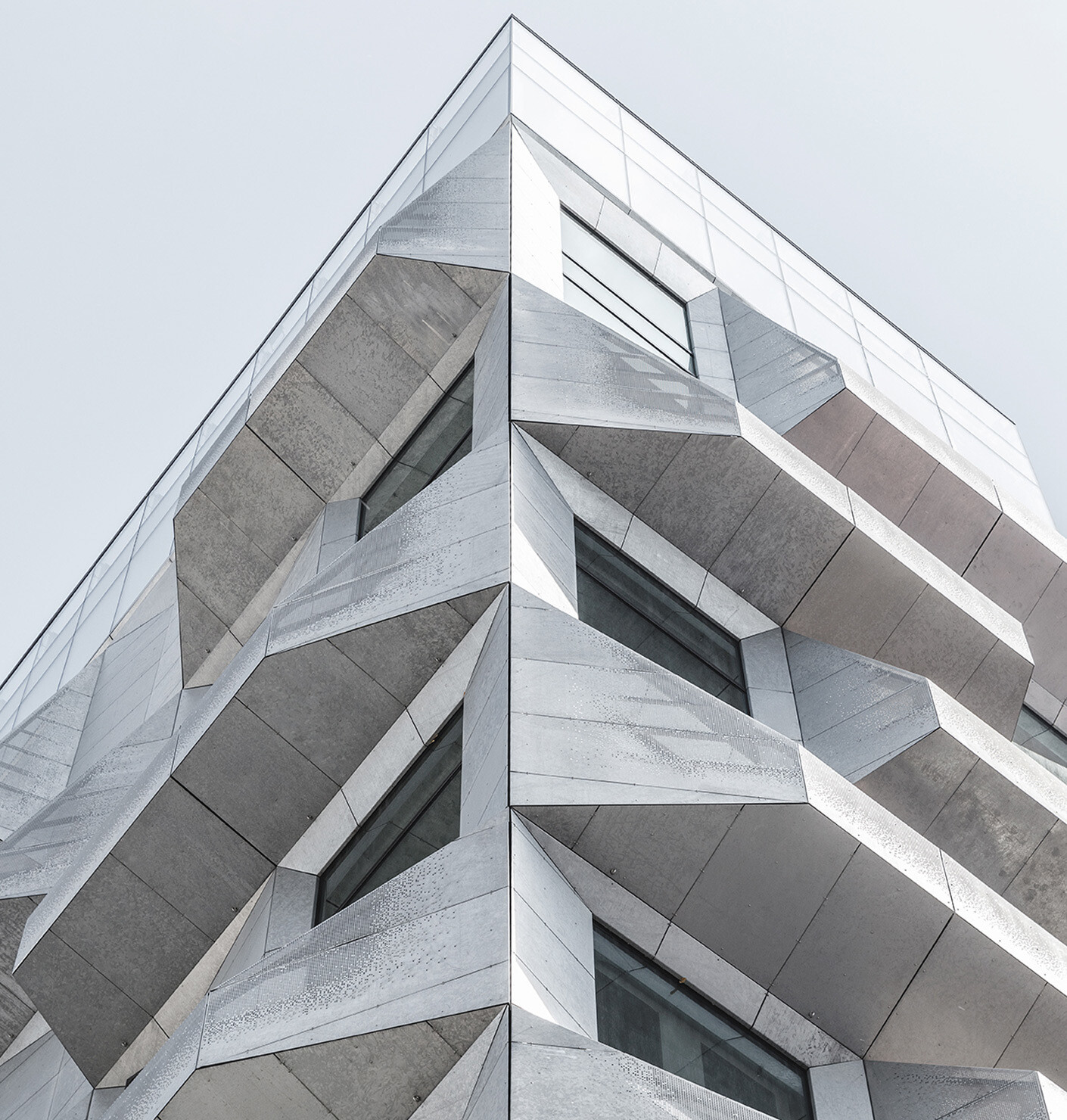
For the exhibition, projects of varying scales and typologies were selected – some completed over the past twenty years, and others currently in development. Alongside large-scale urban planning strategies, there are striking individual projects. Works such as the redevelopment of former industrial sites and the renowned Silo in Copenhagen exemplify the pivotal role of reusing existing structures in Cobe’s approach. The existing built environment is not viewed as a constraint, but rather as a productive starting point for creating new spatial and social qualities.
The conditions under which transformation occurs in architecture are the next point of focus. As tasks evolve, so do the requirements for the processes involved. While new construction projects often follow clear hierarchies and fixed procedures, the redevelopment of existing buildings requires more flexible structures, smaller teams and close interdisciplinary collaboration. Consequently, Cobe continuously adapts its organisation to current conditions. At the same time, evaluation criteria are shifting: alongside economic factors, cultural and social values are becoming more important, meaning the quality of a project cannot be measured solely by financial metrics.
To accompany the exhibition, Danish Architectural Press is publishing Cobe: In Transformation', which traces the development of the architectural firm’s practice over two decades. The publication weaves the individual projects into an overarching narrative that continues within the exhibition space. Limited-edition prints from the publication are displayed on the walls for visitors to take home. As these gradually disappear, the presentation changes over time and becomes a process in itself. Visitors can create their own compilations of the content at work tables and bind them on-site. The exhibition architecture's use of materials such as multiplex and aluminium evokes the aesthetics of a workshop, while also referencing Cobe’s working environment at Orientkaj in Copenhagen.
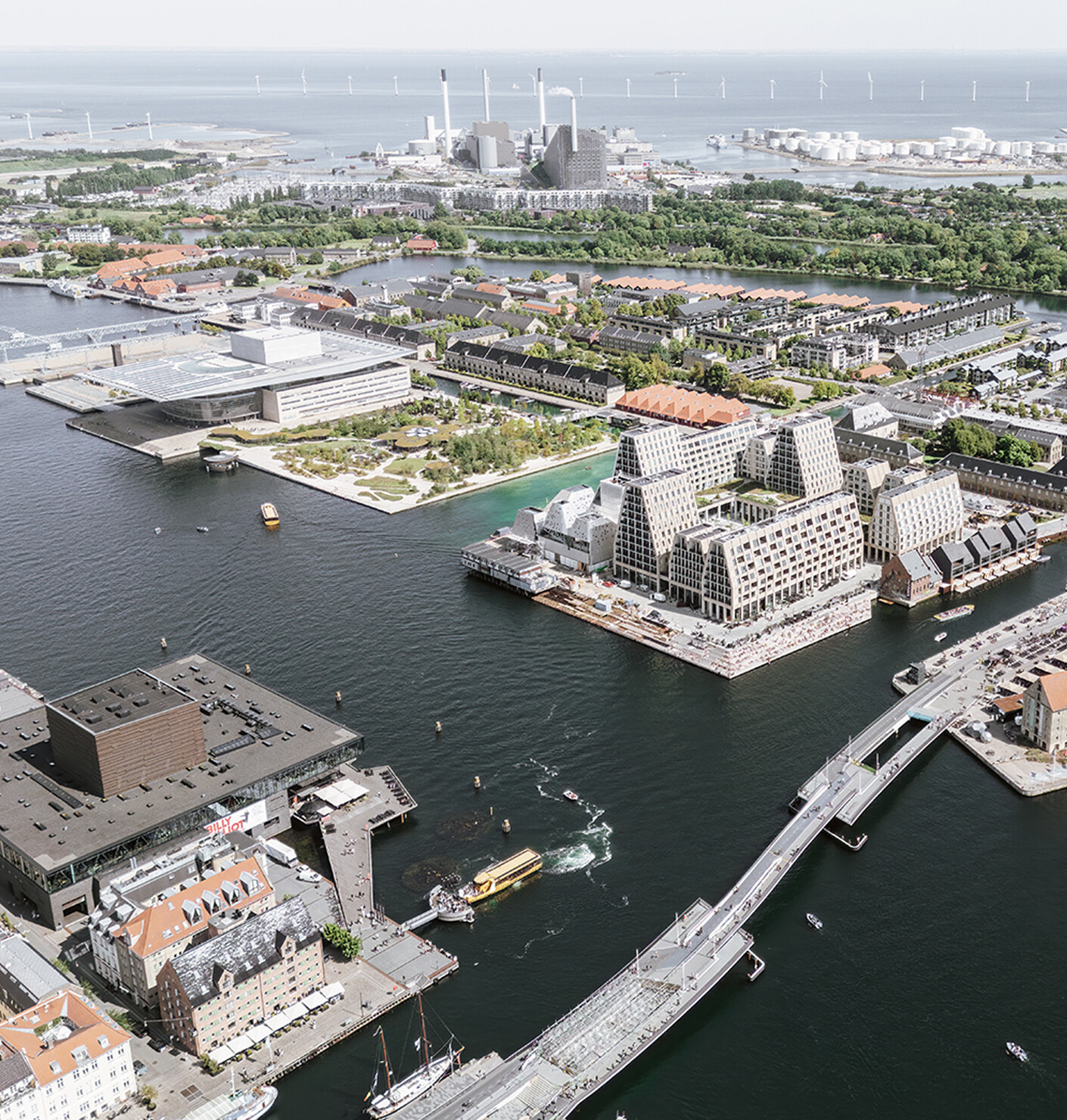
In June, a series of accompanying talks will complement the exhibition. Instead of the more traditional panel discussion format, Cobe has opted for a series of informal talks, bringing together internal perspectives and external voices from the fields of architecture and urban development. Specific projects and fundamental questions regarding the challenges of repurposing and the future evolution of the profession will be discussed. Moderated by Sigurd Larsen, these discussions will explore the themes presented in the exhibition in more depth. This presentation forms part of the firm's ongoing development. Founded in 2006 by Dan Stubbergaard, Cobe has since gained international recognition, particularly for its work in urban renewal. The master plan for Nordhavn in Copenhagen, which transformed a former industrial port into a vibrant urban neighbourhood, is just one of the things that made Cobe well-known. Since then, the firm has realised numerous projects centring on people’s everyday lives, while simultaneously strengthening the identity of their surroundings.
In light of this, the exhibition can be seen as a reflection of a continuous process of change. Rather than presenting transformation as a finished state, it shows how this approach applies equally to buildings and to the practice itself. It is in this context that the close link between architectural practice and the changing demands of the present becomes clear.
18 June 2026, 7 PM: Panel discussion: 'From the Engine Room': Featuring Jacob Blak (Head of Sustainability), Karoline Liedtke-Sørensen (Head of the Landscape Architecture Department), Mads Birgers (Head of the Urban Planning Department) and Ole Storjohann (Project and Sustainability Manager). Moderator: Sigurd Larsen
COBE in Transformation
Architecture Gallery Berlin
Karl-Marx-Allee 96
10243 Berlin
Opening hours:
Tuesday to Friday, 2–7 p.m.
Saturday, 12–6 p.m.
Free admission