Mobility under pressure
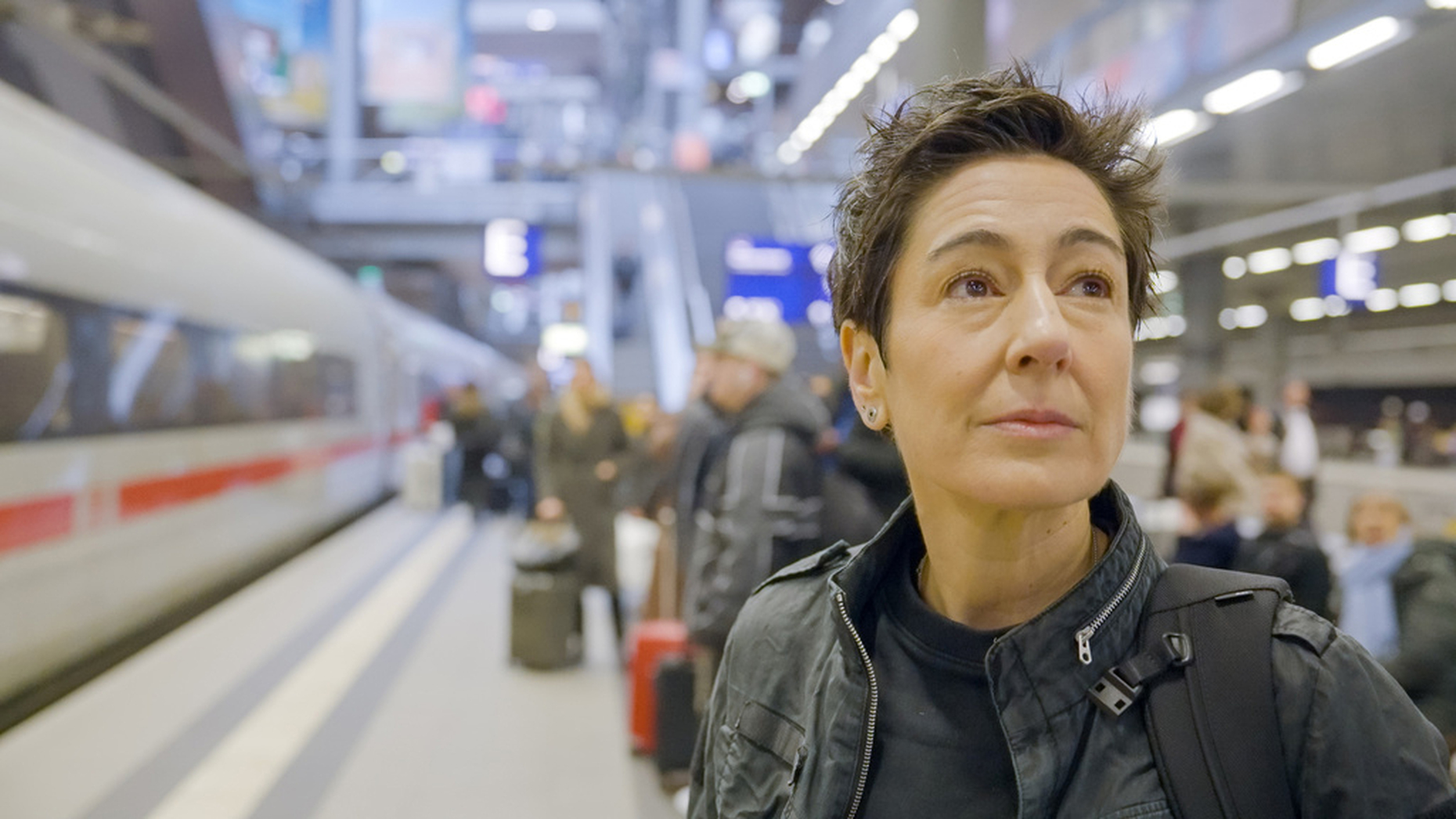
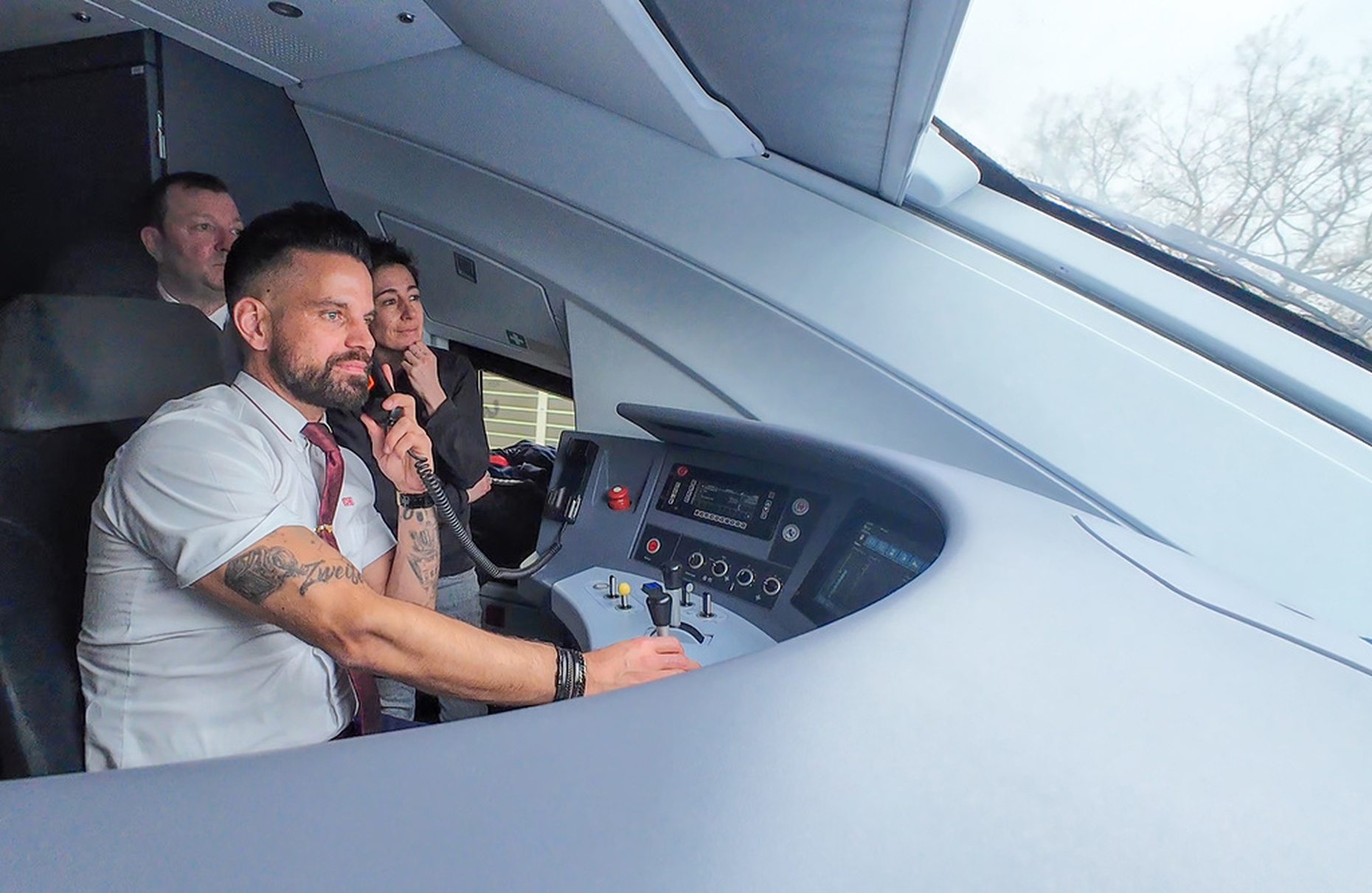
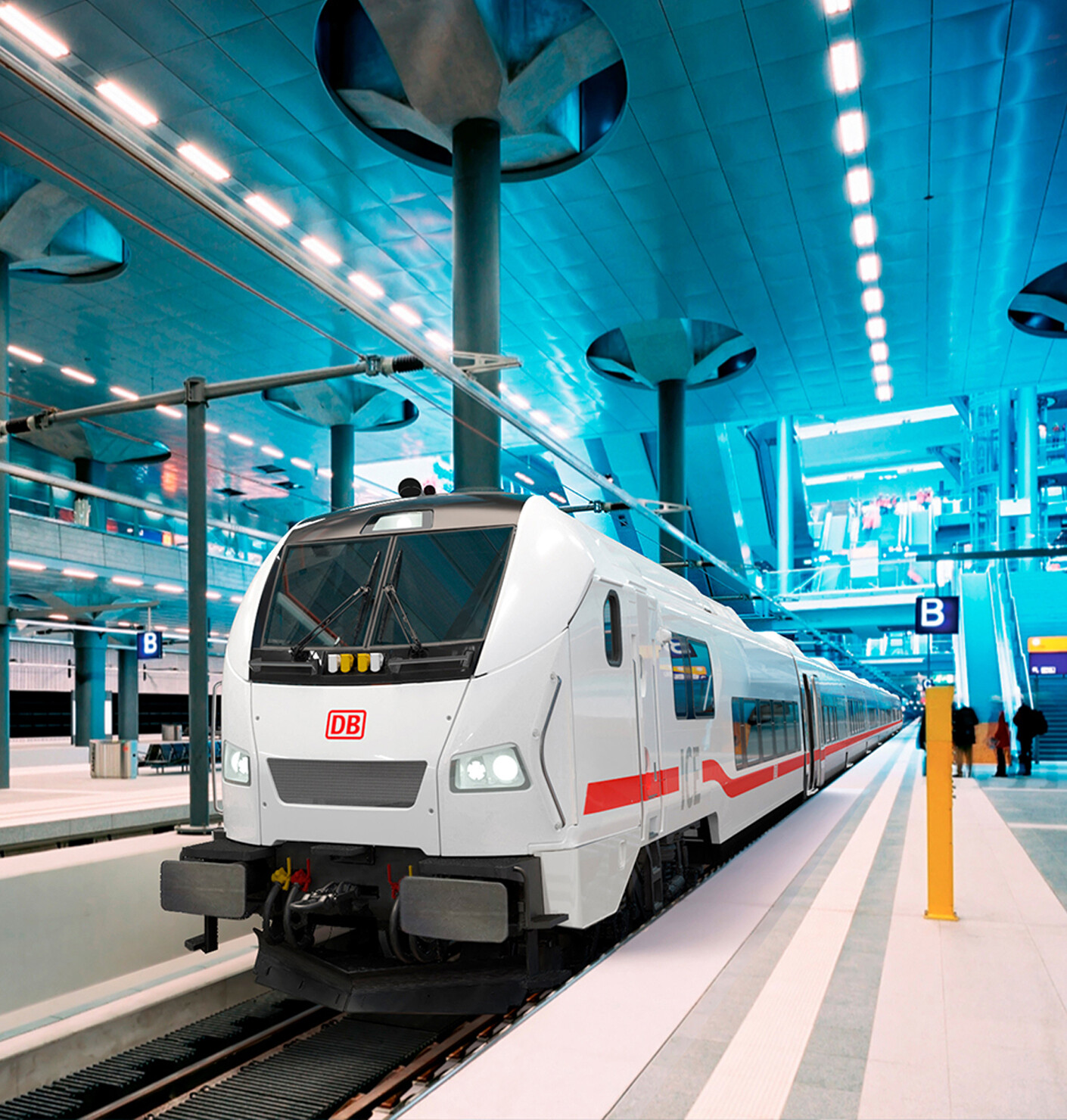
Whether on the way to work, to visit family, or on vacation: For millions of people, the train is indispensable. At the same time, hardly any other mode of transportation in Germany faces as much criticism: Delayed trains, last-minute track changes, and canceled connections regularly cause frustration. For this ZDF documentary from the series Am Puls, Dunja Hayali explores why a system that is crucial to the transportation transition and modern mobility is increasingly reaching its limits. During her investigation, she meets passengers who have lost their patience, as well as train engineers and employees who must deal with the consequences of an increasingly overburdened network on a daily basis. It quickly becomes clear that the problems go far beyond isolated technical malfunctions. Rather, a trend is revealed that has developed over the years and is now evident in numerous places.
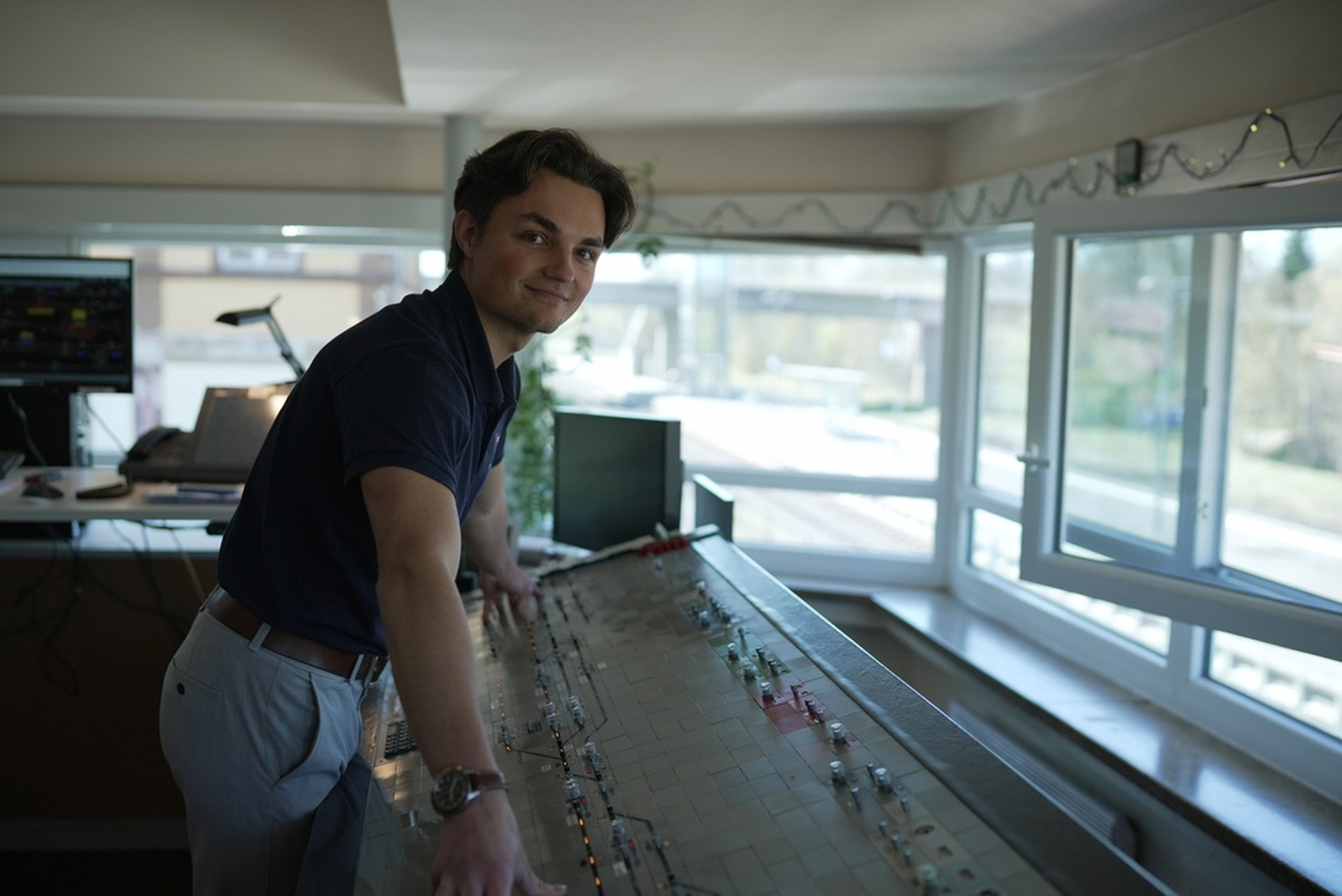
The focus is on infrastructure – dilapidated tracks, failure-prone signal boxes, and outdated technology are affecting punctuality and posing major challenges for both passengers and employees. The documentary shows how years of underinvestment have taken their toll and why every single defect can have far-reaching consequences for the entire operation. This is particularly striking in the case of the fatal train accident in Burgrain near Garmisch-Partenkirchen in June 2022. The crumbling railroad tie linked to the accident symbolizes the condition of many facilities and raises the question of whether warning signs are identified, communicated, and taken seriously early enough. The extent of concern within the system is also evident from the experiences of many employees. According to research by “Am Puls,” a survey conducted by the German Locomotive Engineers’ Union found that 80 percent of participants reported that they “never” or “rarely” receive feedback when they report defects on tracks or overhead lines.
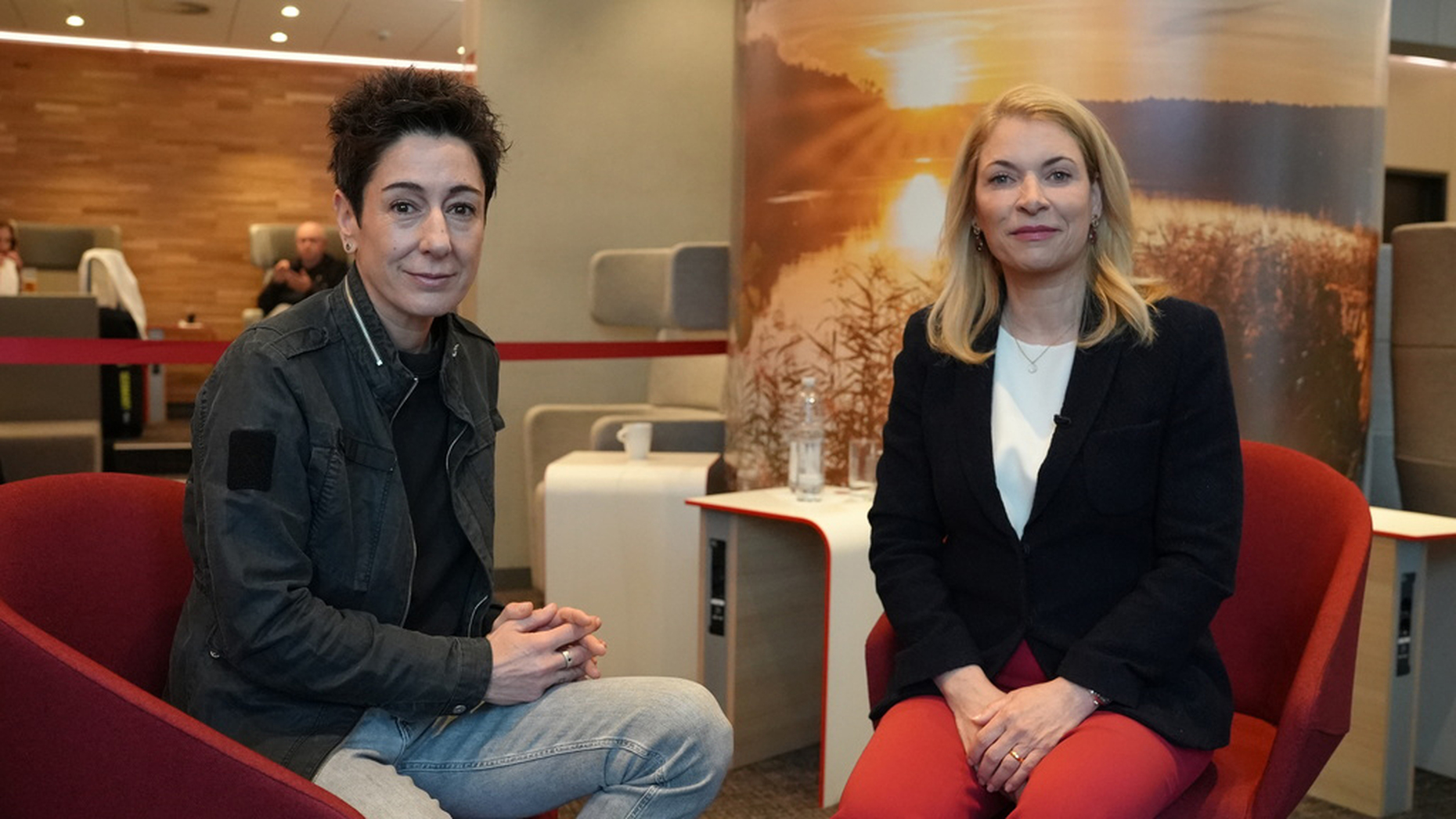
In addition to the state of the infrastructure, the film also examines the slow pace of digitization. Modern signaling and safety technology could increase capacity and ensure more stable operations, yet expansion has been progressing only slowly for years. Against this backdrop, the film seeks a conversation with the new head of the railway, Evelyn Palla, who addresses pressing questions about the company’s future in an exclusive interview. It becomes clear that the challenges do not lie solely with the railways. Politicians, who are supposed to steer and oversee the state-owned company, also bear responsibility for the lack of modernization. In a conversation with Dunja Hayali, Michael Donth, a longtime CDU transportation policy expert, admits with remarkable candor that the Federal Ministry of Transportation, which is responsible for the sector, “simply lacks the know-how.” Belgium offers a positive counterexample: There, the rail network was successfully and comprehensively digitized within a decade. Following a catastrophic train wreck in 2010, in which a train engineer failed to see a red signal, a clear master plan was developed and jointly implemented by policymakers, operators, and authorities.
ZDF: Am Puls with Dunja Hayali: Our Rail System – Loved, Hated – Dangerous? makes it clear that the crisis at Deutsche Bahn is far more than just a matter of punctuality and service. At its core, it’s about the future of mobility and the question of how people can continue to travel reliably, safely, and sustainably in the years to come. While the comprehensive renovation of heavily used routes and the digitization of the rail network are intended to lay the groundwork for more efficient rail service, it remains to be seen when the hoped-for improvements will become a reality in passengers’ daily lives. The documentary paints a nuanced picture of the challenges and illustrates the magnitude of the task of closing the modernization gap that has built up over the years and making Germany’s rail system more efficient and safer once again.