Designing the rules
The design approach for 'Matter' illustrates the transformation of intricate relationships into textile form. The new collection by Norwegian architecture and design studio Snøhetta, created in collaboration with Ege Carpets, was inspired by the observation that order no longer functions as a stable frame of reference. Systems overlap, dependencies shift and change becomes permanent. Environmental crises, digital connectivity and the ever-increasing density of information influence not only social processes, but also our perception of space. It is this complexity that formed the conceptual backdrop for the development of 'Matter'. The collection was overseen by Marius Myking, Head of Product Design at Snøhetta, who has expanded the product division within the internationally active studio since 2017. His approach combines architectural thinking with a deep understanding of materials and construction, shaped by experience in craftsmanship as well as industrial and architectural contexts.
The design process was based on generative methods, which are characterised by their clearly defined parameters and allowance for variation within established limits. “At 'Matter', technology was never viewed as an aesthetic in and of itself, but rather as a means of translating complex contemporary conditions into tactile and spatial expressions,” Myking explains. He adds: “Colour, rhythm, density and structure are carefully defined, while the generative process allows for variation within these limits.” This controlled openness is crucial to the impact of the surfaces. The goal was to create a textile surface with an inner dynamism that does not compromise its design coherence.
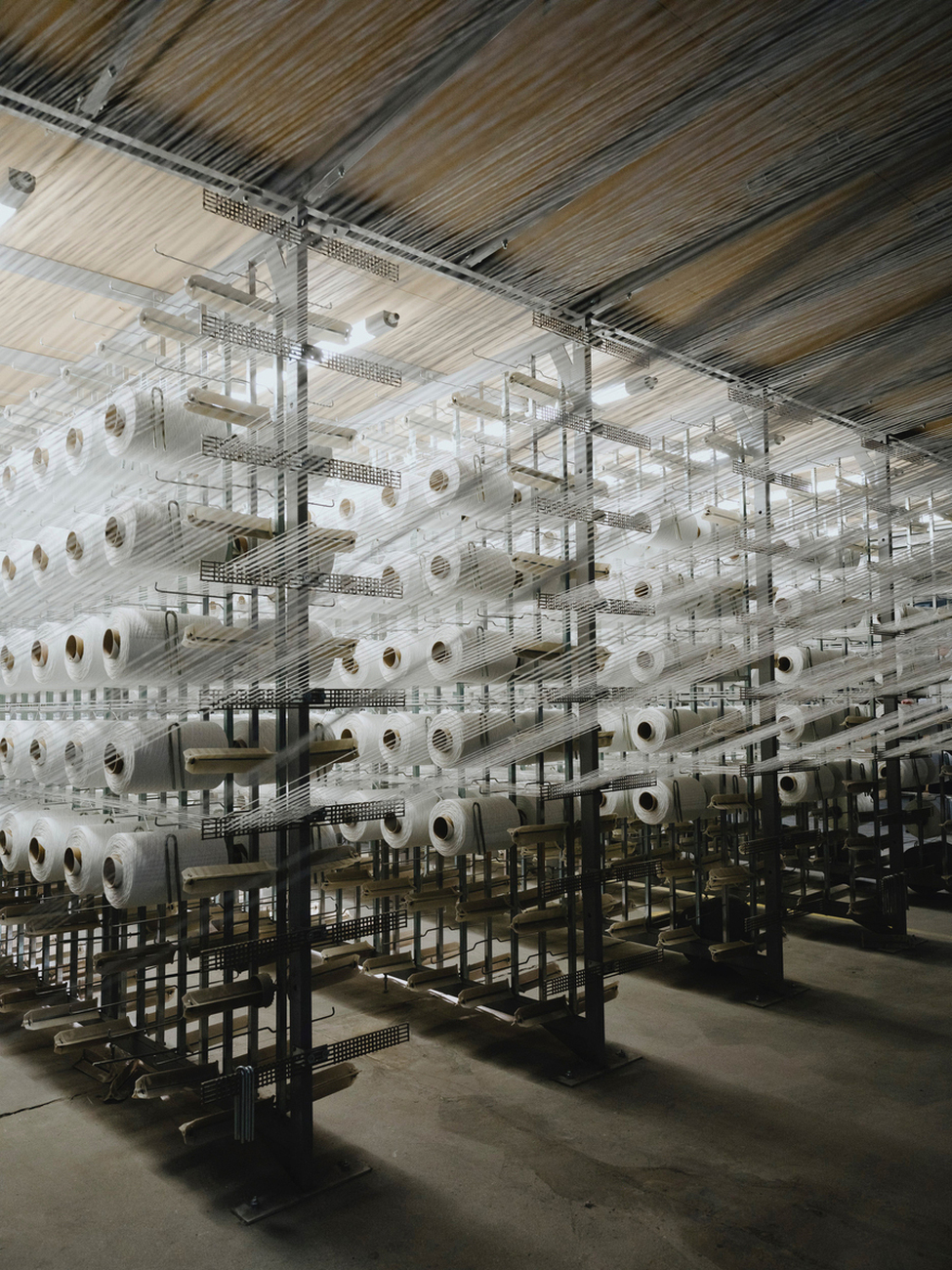
The Danish company Ege Carpets brought its weaving technology and decades of textile expertise to the process, working with Snøhetta to translate the digital structures into textile designs. The implementation took place on a micro-scale, with a focus on the effect within the architectural space. The interplay of warp and weft thus creates depth, texture, and a nuanced color palette that shifts depending on the angle of light and perspective. The surface, meanwhile, remains calm yet exhibits a subtle internal differentiation. Close collaboration played a central role in the harmonious interplay between design concept and technical execution: “The exchange with Ege Carpets was essential. The project evolved through a close dialogue between design aspirations and textile expertise,” says Myking. This process, he notes, refined and grounded the collection. “We didn’t implement a finished idea, but rather shaped a project through a collaborative process.”
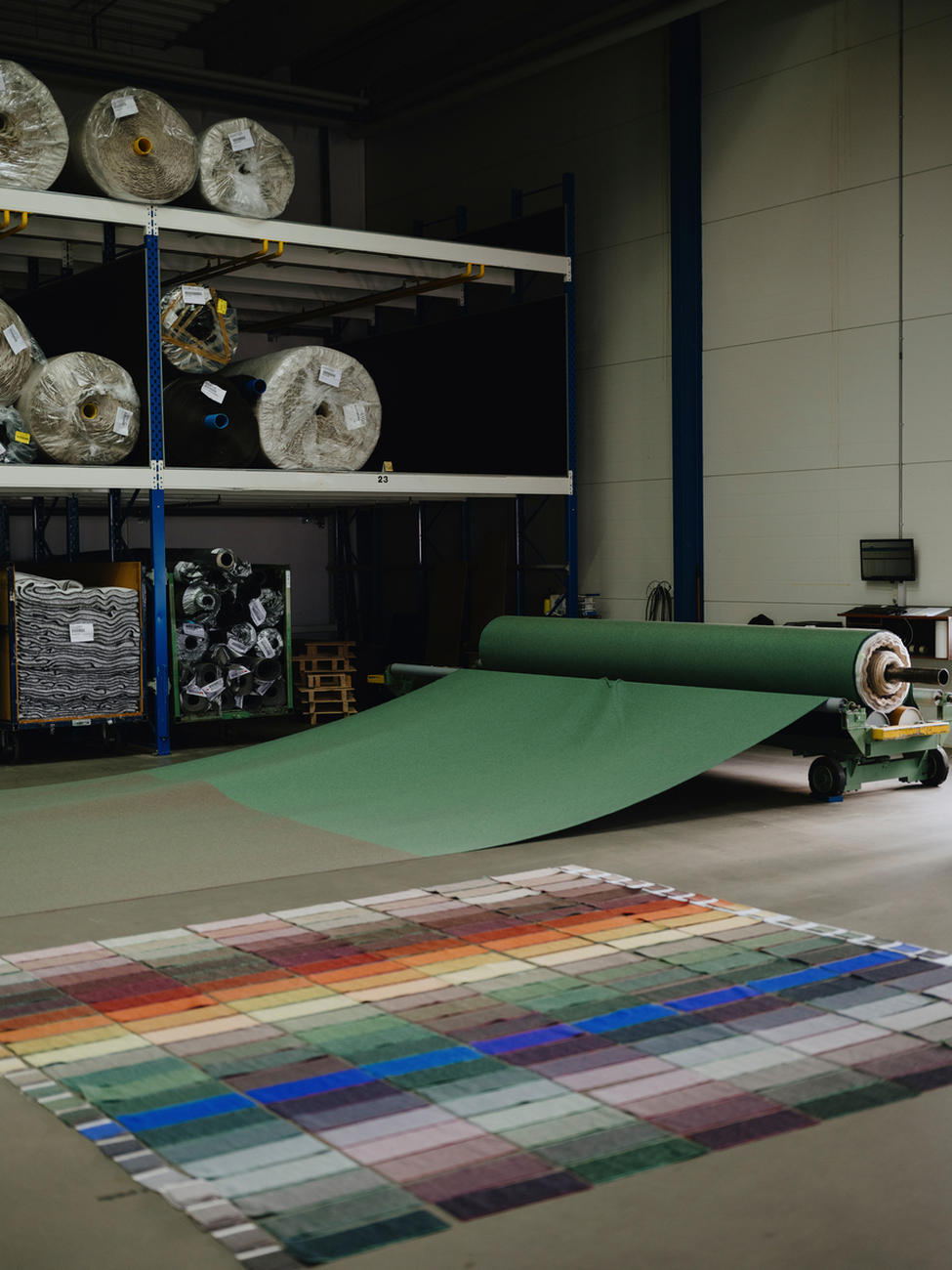
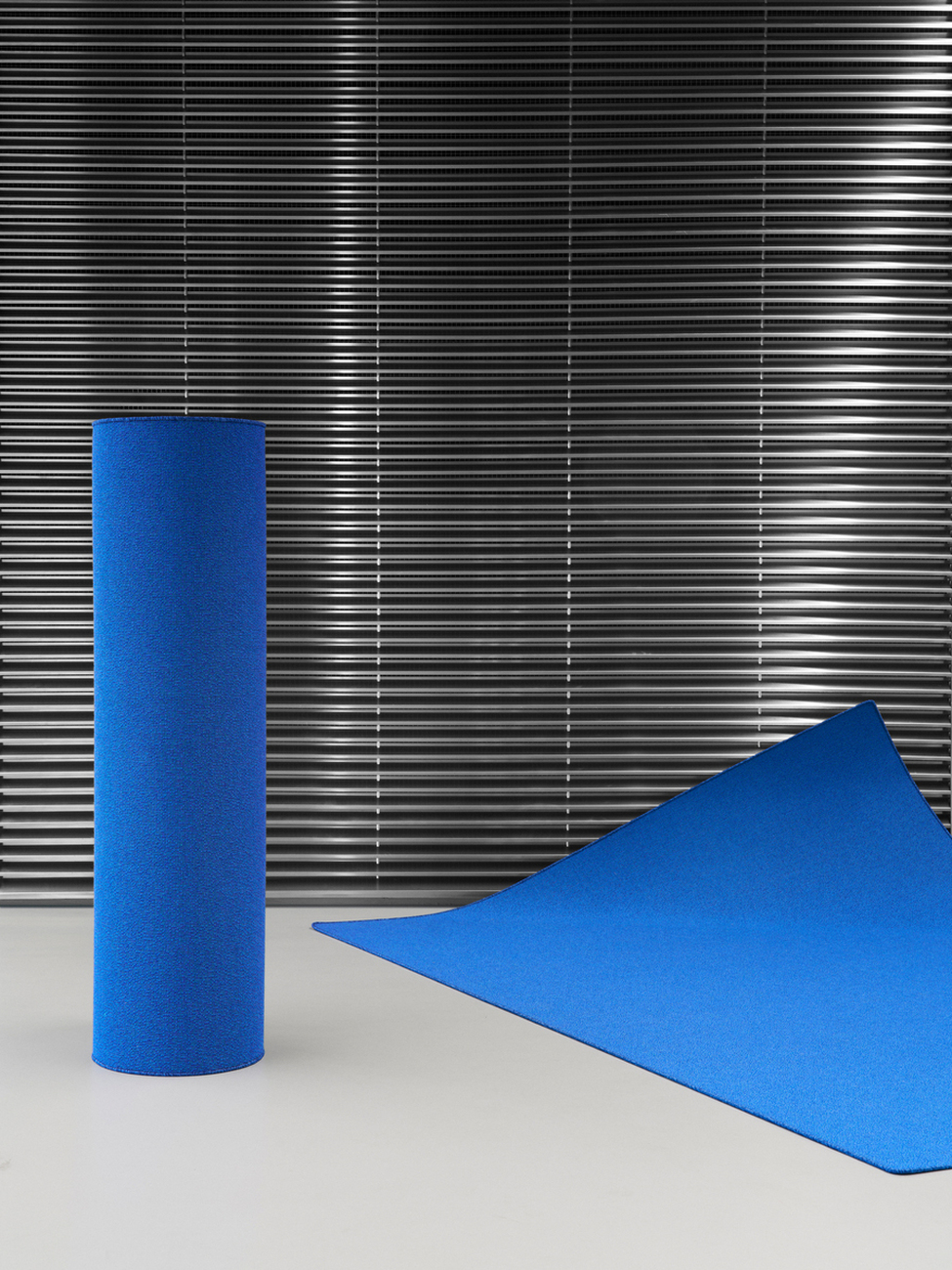
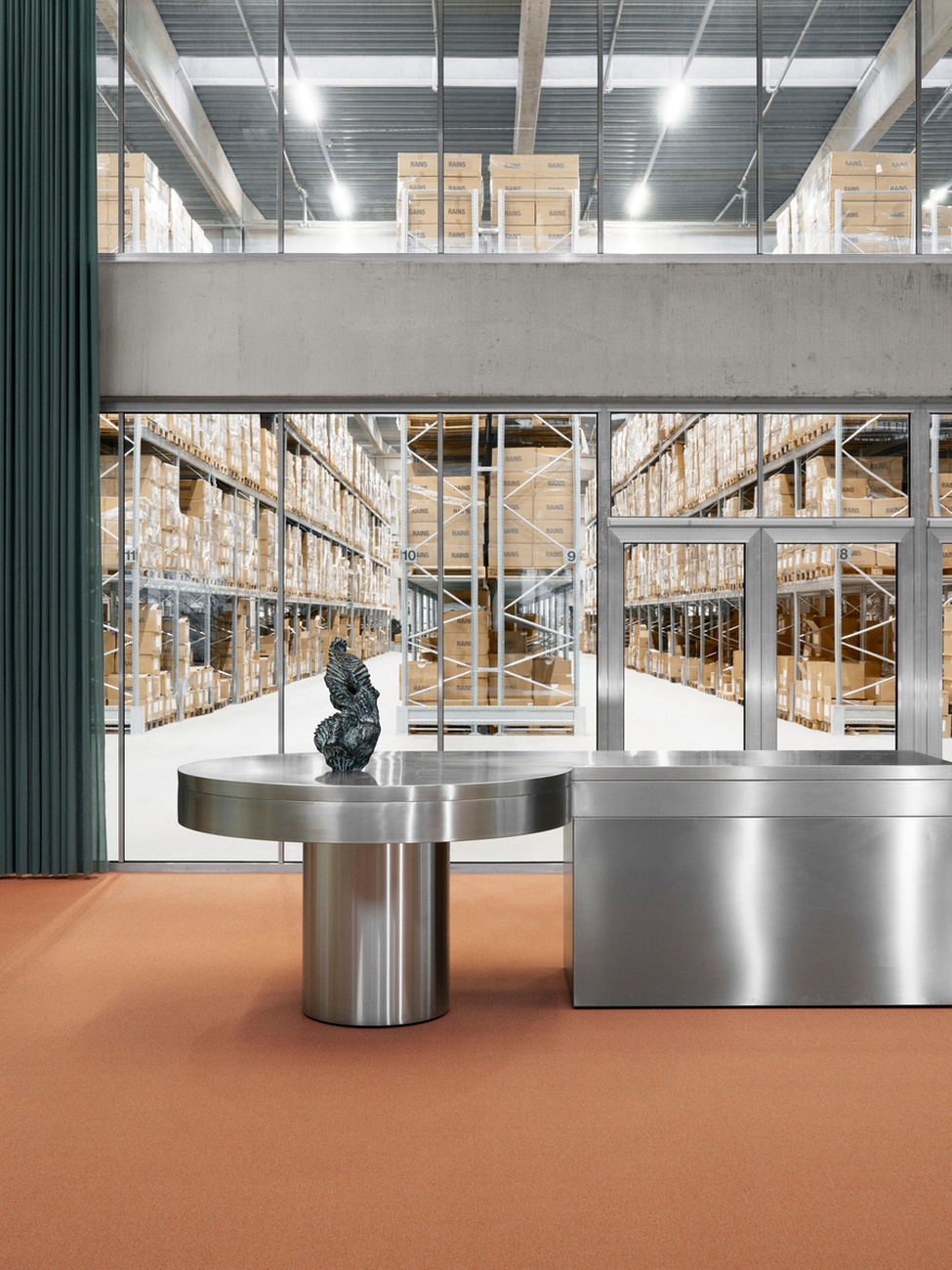
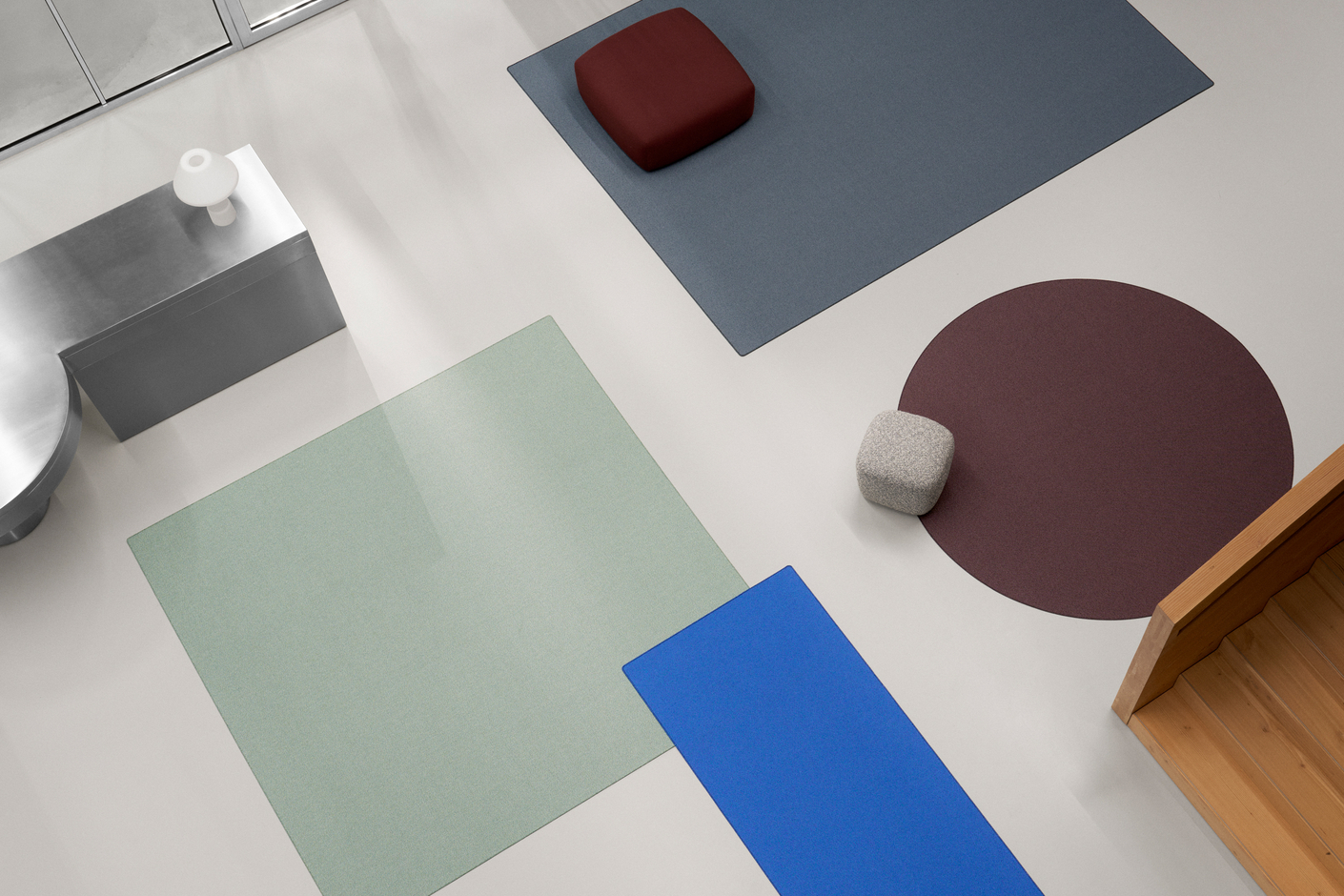
In this context, the question of longevity was also broadened: “Sustainability doesn’t begin with material selection, but at the start of the process,” says Myking. What matters most is how a product is conceived, developed, produced, and used over the long term. It relates to both technical properties and spatial and emotional aspects. A textile surface must remain relevant and be able to adapt to different contexts. In terms of design, “Matter” comprises two woven constructions with different tonal characters: While the variant in beige and gray tones is designed to be calm and understated, blue and green tones lend the fabric more depth. Both constructions are available in 18 color variations. Offered as carpet tiles, broadloom, or custom-made carpets, they can be integrated into various architectural settings.
Beyond the product itself, Snøhetta’s design approach is underpinned by a fundamental philosophy. 'Matter' represents a method, not a style. The focus is on the process by which the product is created. According to Marius Myking, generative processes should be understood as an extension of the design toolkit, intended to enhance, but not replace, design judgement. In the case of 'Matter', generative design was employed to create a textile surface in which order emerges through the interplay of structure, material and space. This approach demonstrates a broader understanding of what design can be, explains Myking. ‘Increasingly, the role is not just to design end results, but to shape the paths, rules, and relationships that give rise to them.’ In this sense, the framework becomes just as important as the form. This opens up new possibilities for dealing with variation, atmosphere, and depth in textile and architectural work.'