A progress report
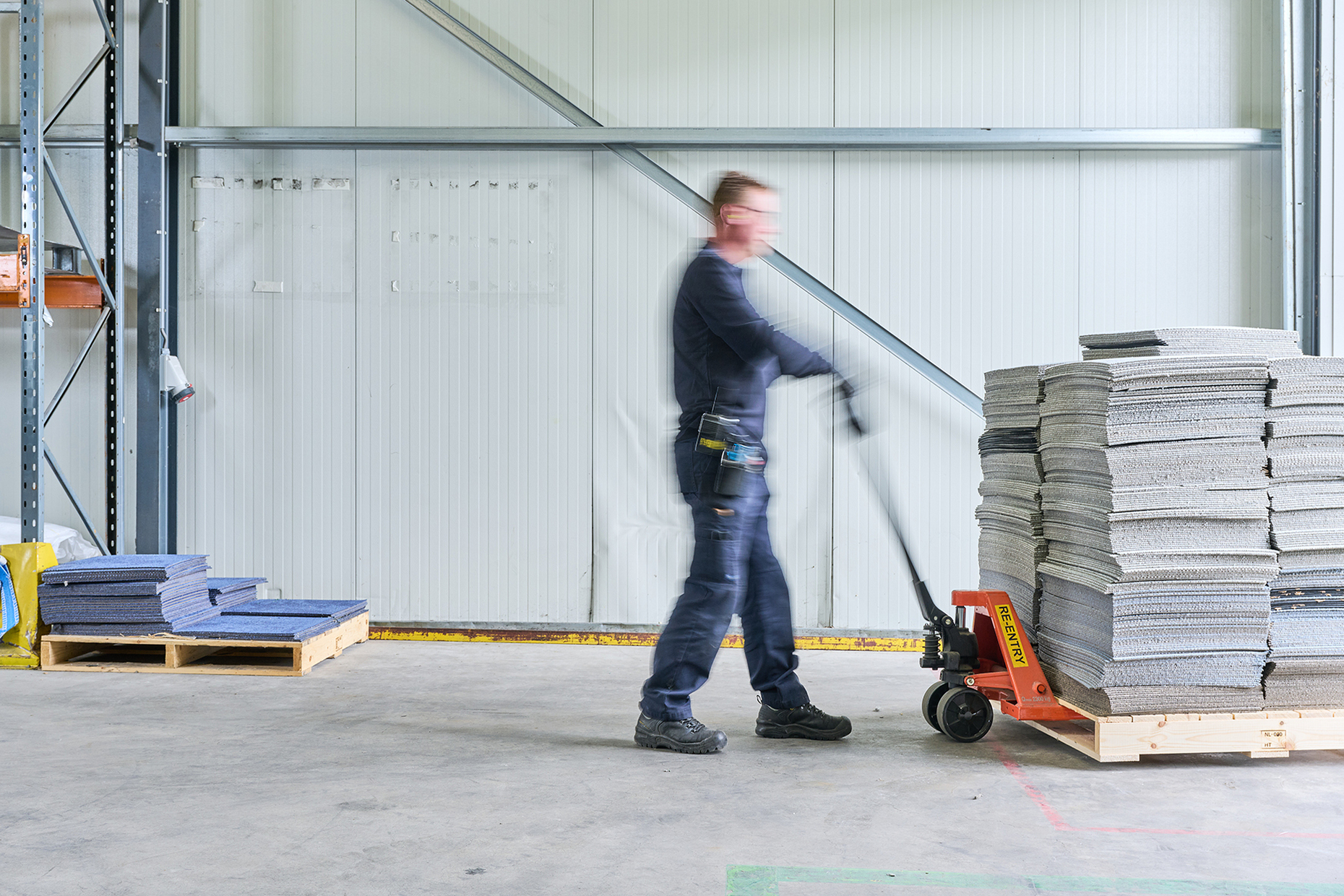
One of the simplest ideas of production is not so trivial in practice: the reduction of waste. As a globally operating company for flooring solutions, Interface launched its take-back programme back in 1995. The approach is particularly clever, as the processes at the end of the product life cycle are already considered during production and all components are known. The textile floor coverings are also particularly durable. Since the Paris Climate Agreement in 2016, Interface has taken back around 32,000 tonnes of used carpet tiles. Depending on the condition and composition, an individual decision is made as to which option from Interface's ReEntry programme makes sense. The first choice is reuse: "ReUse, that is the direct reuse of used carpet tiles by local partners, charitable organisations or social institutions, is the top priority and the most important part of ReEntry," emphasises Liz Minné. The company has recently invested in the second option: Minné announces that the efficiency of the recovery processes at the European production facility in Scherpenzeel has been drastically increased:
”The expansion of capacities at the site in the Netherlands represents a significant milestone for us.“
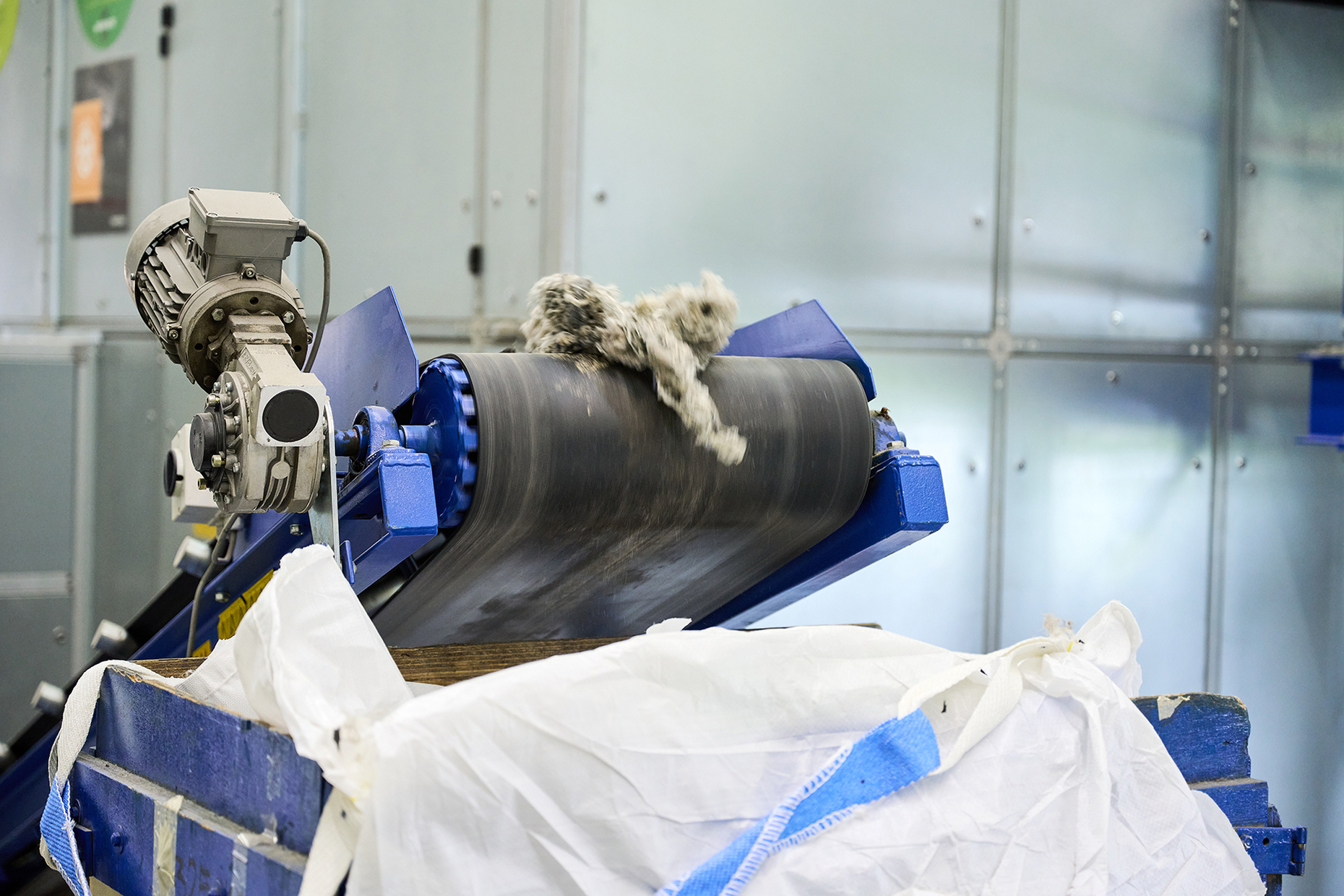
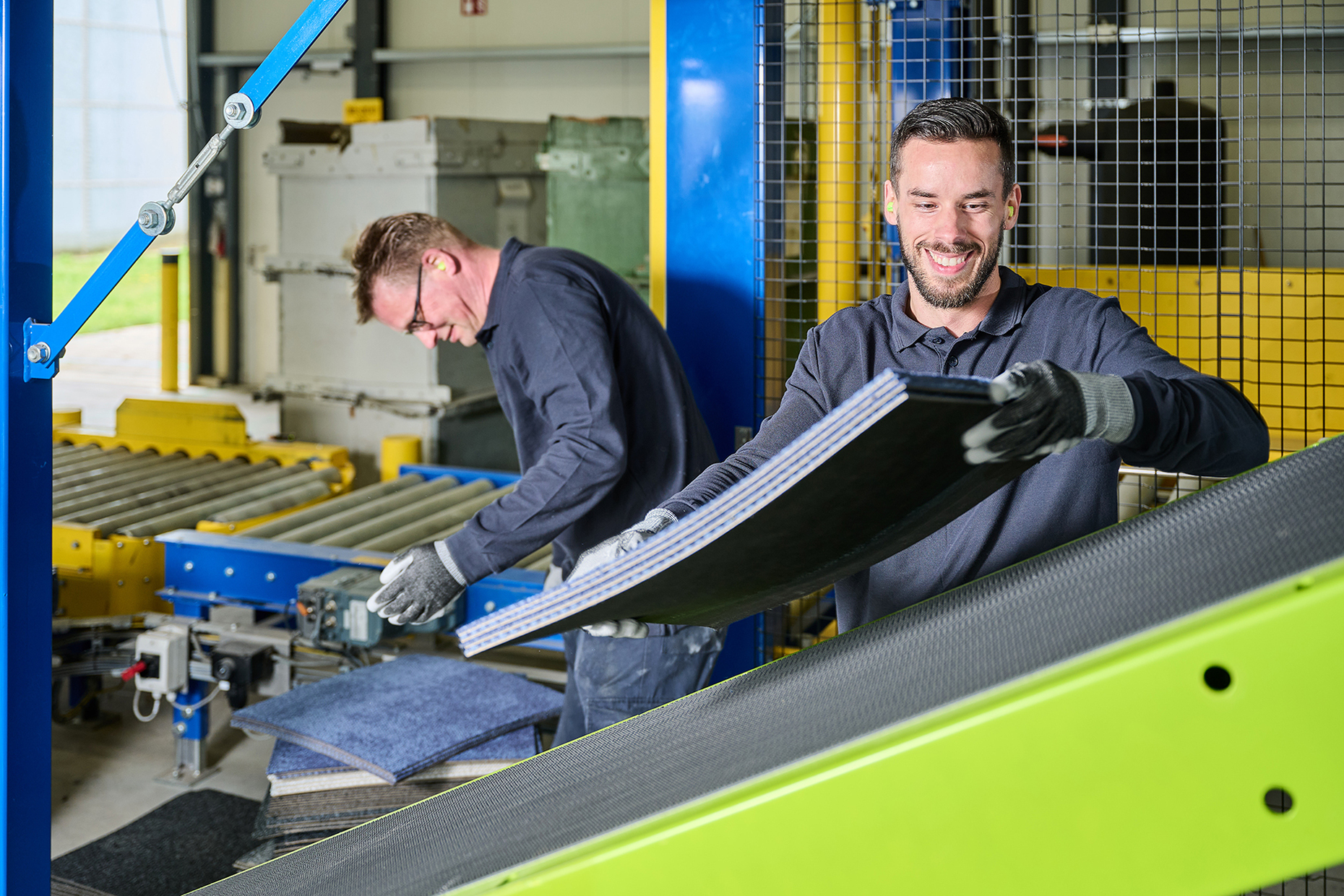
A machine processes post-consumer products. Carpet tiles with the CQuestBio backing are processed here. The yarn and backing are separated from each other and the different elements can be used directly to produce new carpet tiles or technical plastics. The Interface carpet tiles produced in Europe already consist of over 88 per cent materials that can be used to manufacture new carpet tiles or technical plastics.