Resonance Rooms
Anna Moldenhauer: You are a trained architect and describe yourself as an architectural designer. What do you mean by that?
Tom Bartlett: I studied architecture and worked for several interior design firms between my bachelor's and master's degrees. I became interested in creating spaces that were thought out down to the last detail and in which the architectural aspects offered resonances and moods that went beyond form, space, and light. I realised I therefore wanted to expand my architectural practice into interior design. I have always been interested in understanding human emotional interaction with space – how should visiting a hotel, supermarket, or office feel? Our projects are very diverse: for instance we are currently working out a hydroelectric system to supply power to buildings, while also specifying cushions!. This raises very diverse questions that the practise needs to be able to answer, for instance – how to transport concrete up a mountain or what colour the pipes on the headboard should be. Over 50 percent of our projects are with regular clients with whom we regularly carry out projects. I believe they come to appreciate our consolidated approach.
Together with interior designer Sasha von Meister and Architect Andrew Treverton, you design architecture and interior design for hotels, private living spaces, and retail. Your holistic approach always includes the identity of the location. Why is this crucial?
Tom Bartlett: In London, we live in places steeped in history: the buildings we inhabit have had many lives and uses before us. I have always found it interesting that the architectural profession in the 20th century implies that it should be someone, normally a man, deciding how we should all live and occupy space in general. At Waldo Works we do luckily have the luxury of being able to tell stories about places and people that are individual to them. That's why we strive to give meaning to architecture or interior design and try to make spaces which resonate with feeling.
For example, you work with the effect of colours in a room, preferably with shades of blue. How do you assign a function to colours?
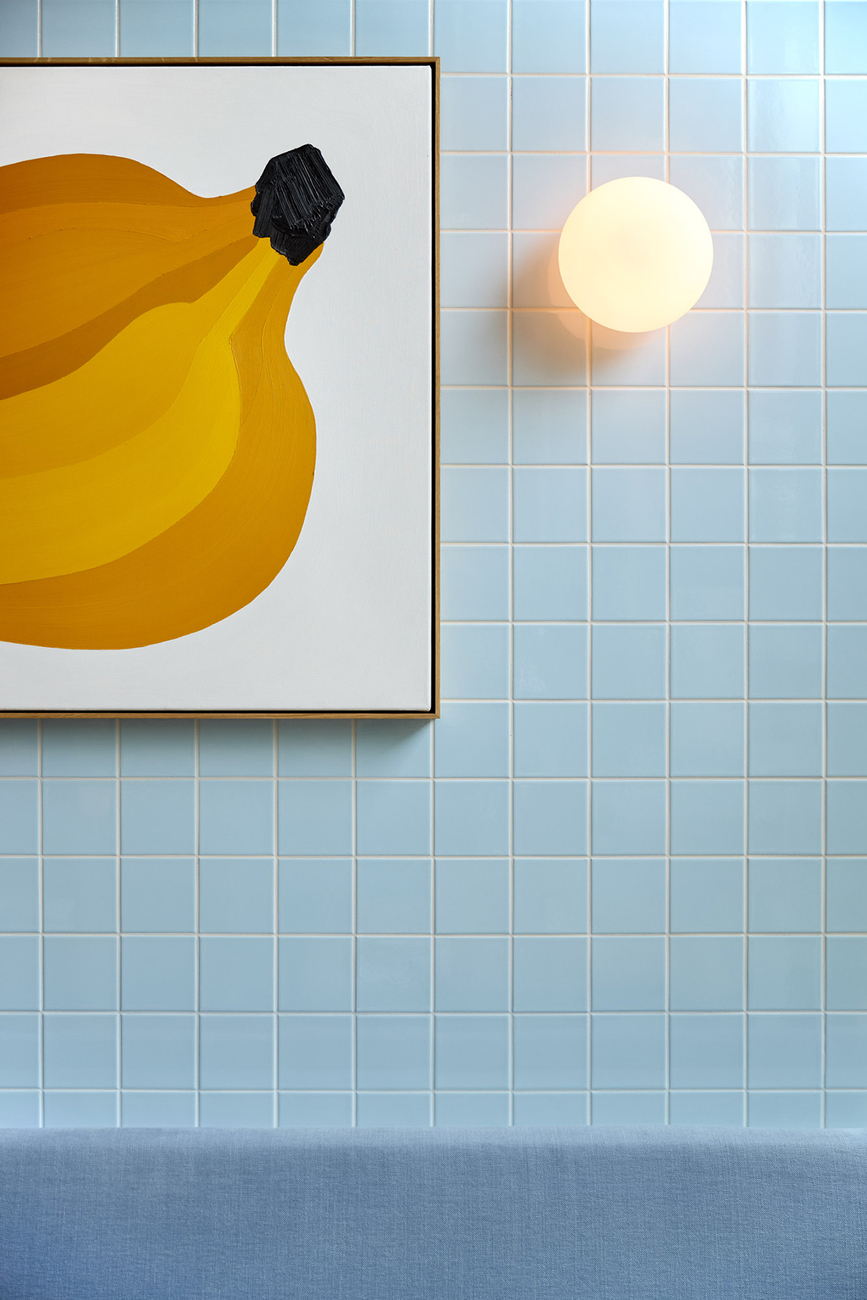
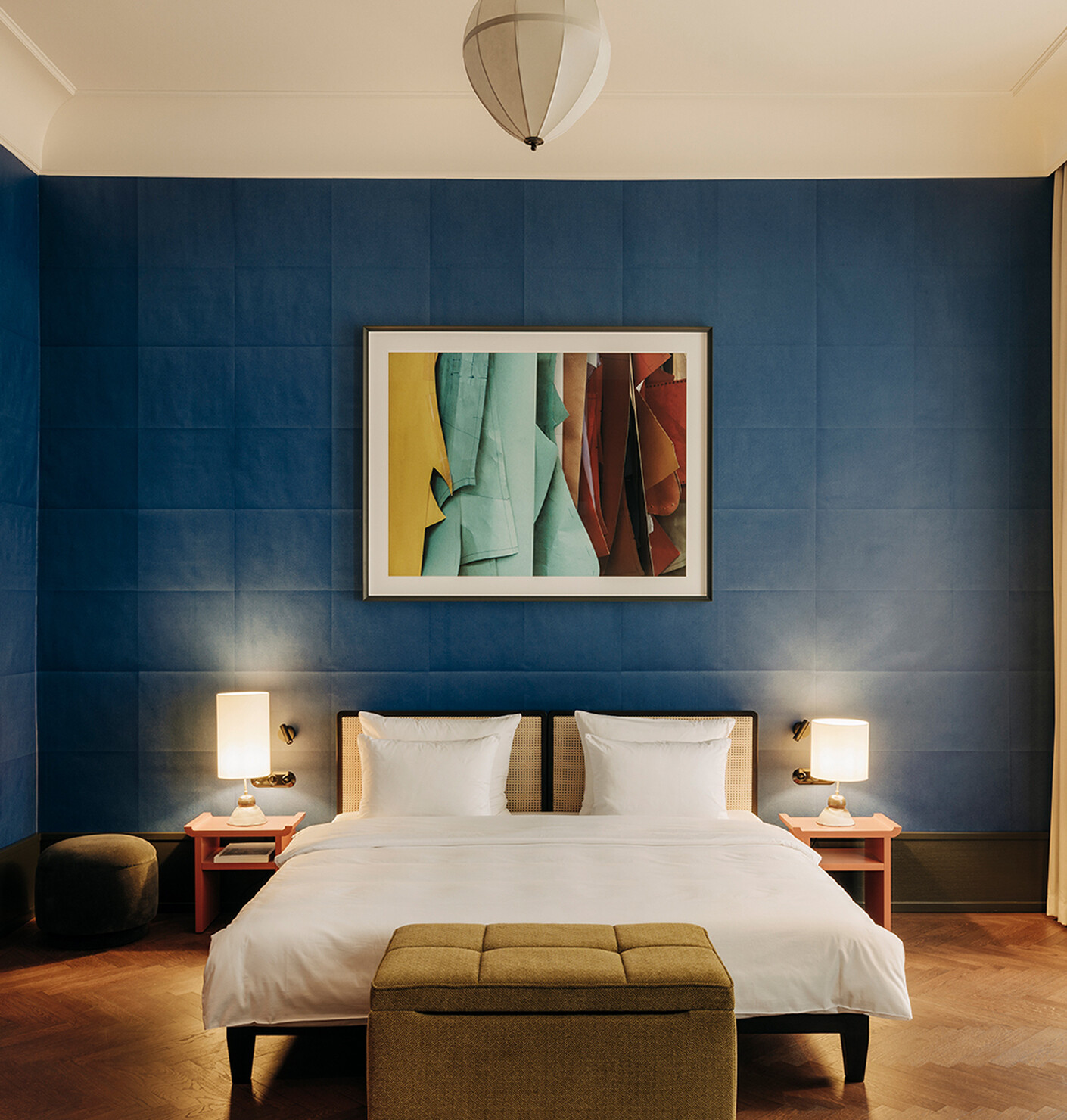
Tom Bartlett: I live in the UK, and given the winters of dark and damp weather, it's all the more important that homes feel warm and inviting. Colour is also in the British blood – my mother, for example, painted our living room red. I am always reminded of a time in my early career, I was asked to organise a party for Amnesty International that spanned five rooms. We assigned a different colour to each room. The party planner told me at the time that the guests would spend most of their time in the red room, which I completely ignored – but she was right. Colour does influence our behaviour, our movement, our mood. We never choose a colour for a project on its own, but always look at the context of use and adjacency. My colleagues sometimes get annoyed with me when I demand they have to lay out the entire scheme with every material sample before I can decide on the colour of the skirtings. (laughs)
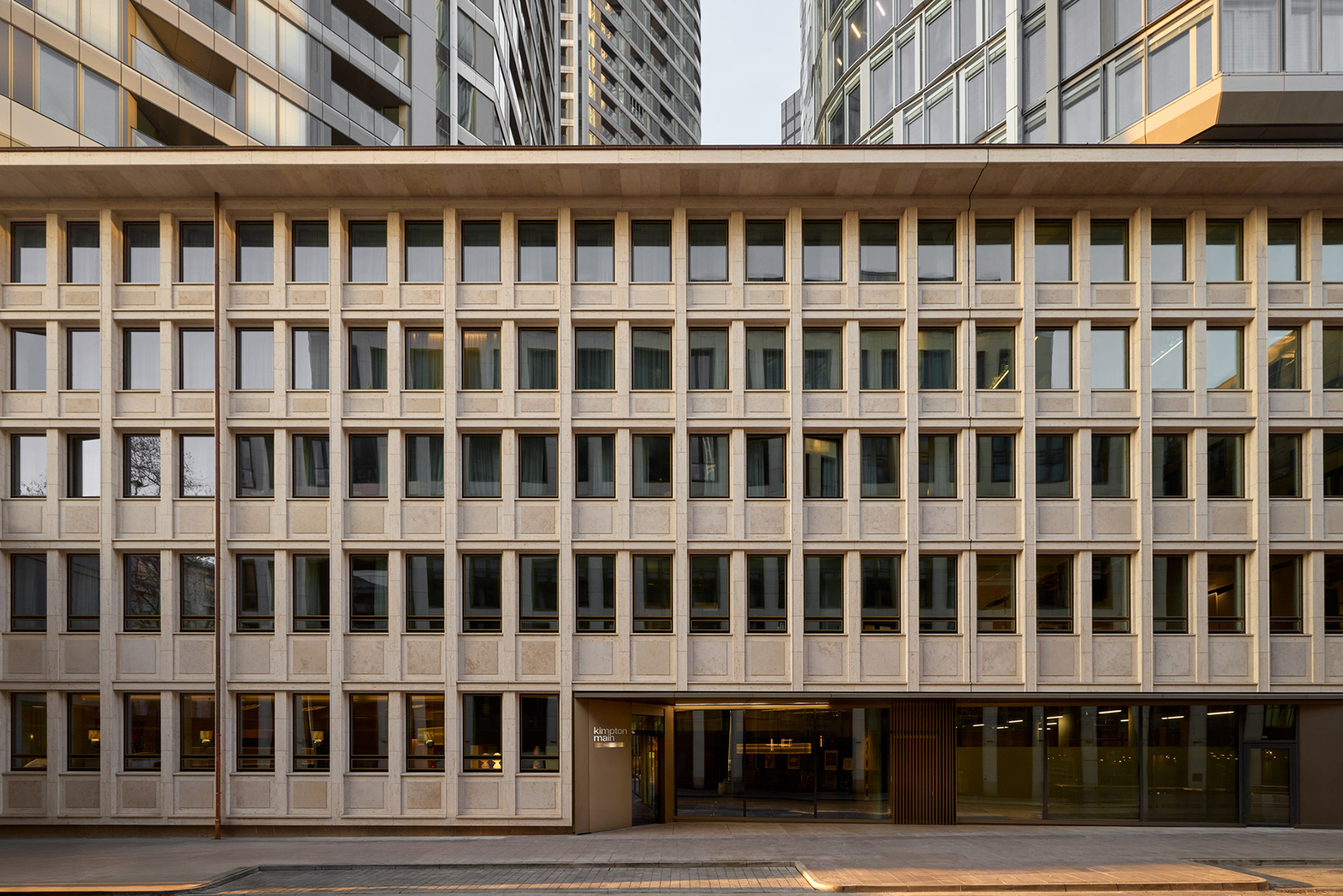
Looking at the interior design you created for the Kimpton Hotel: Frankfurt am Main is an international city and the hotel is the first Kimpton in Germany. The building was previously used as a bank. How did you use this complex situation to create a design that incorporates the identity of the location?
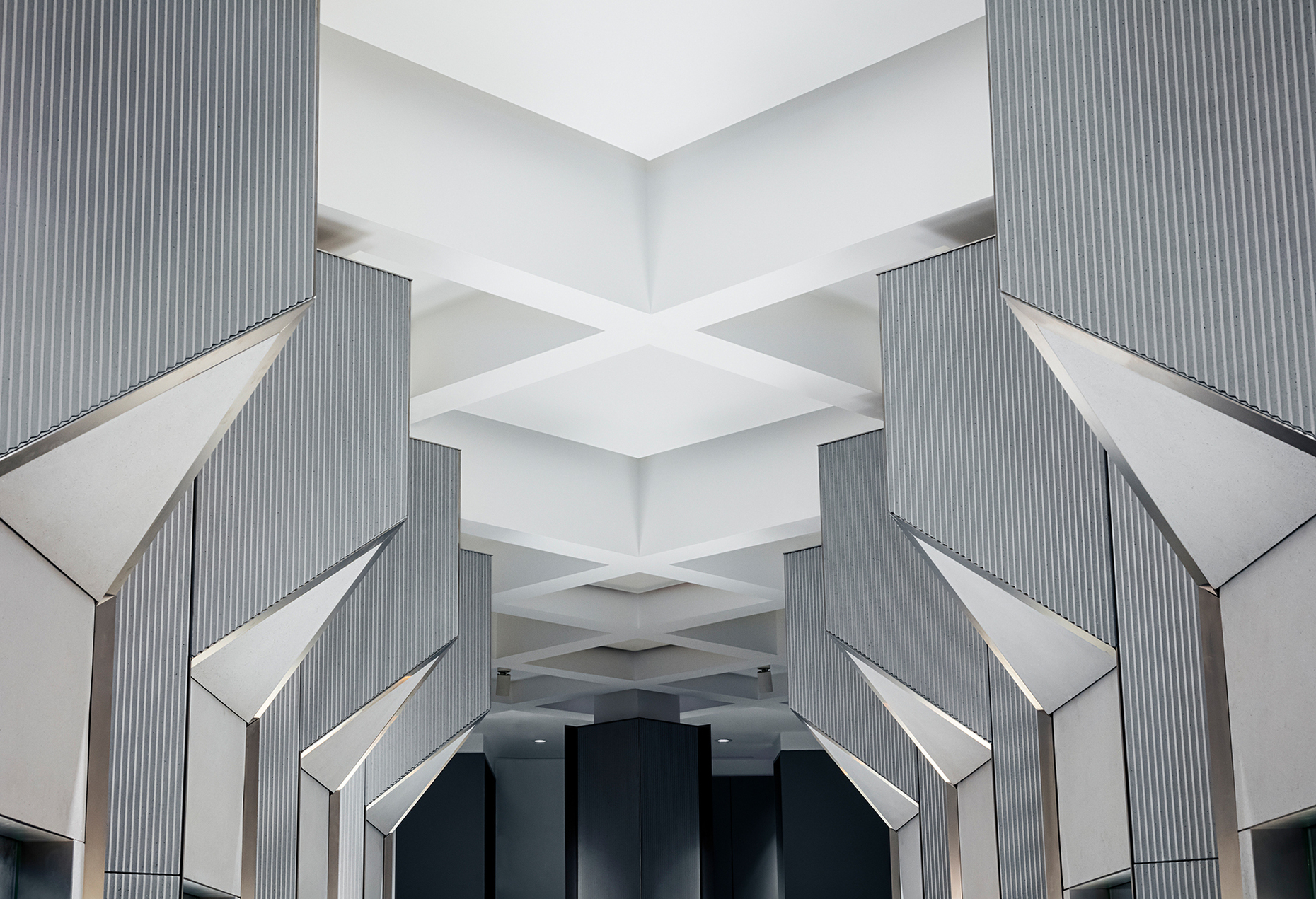
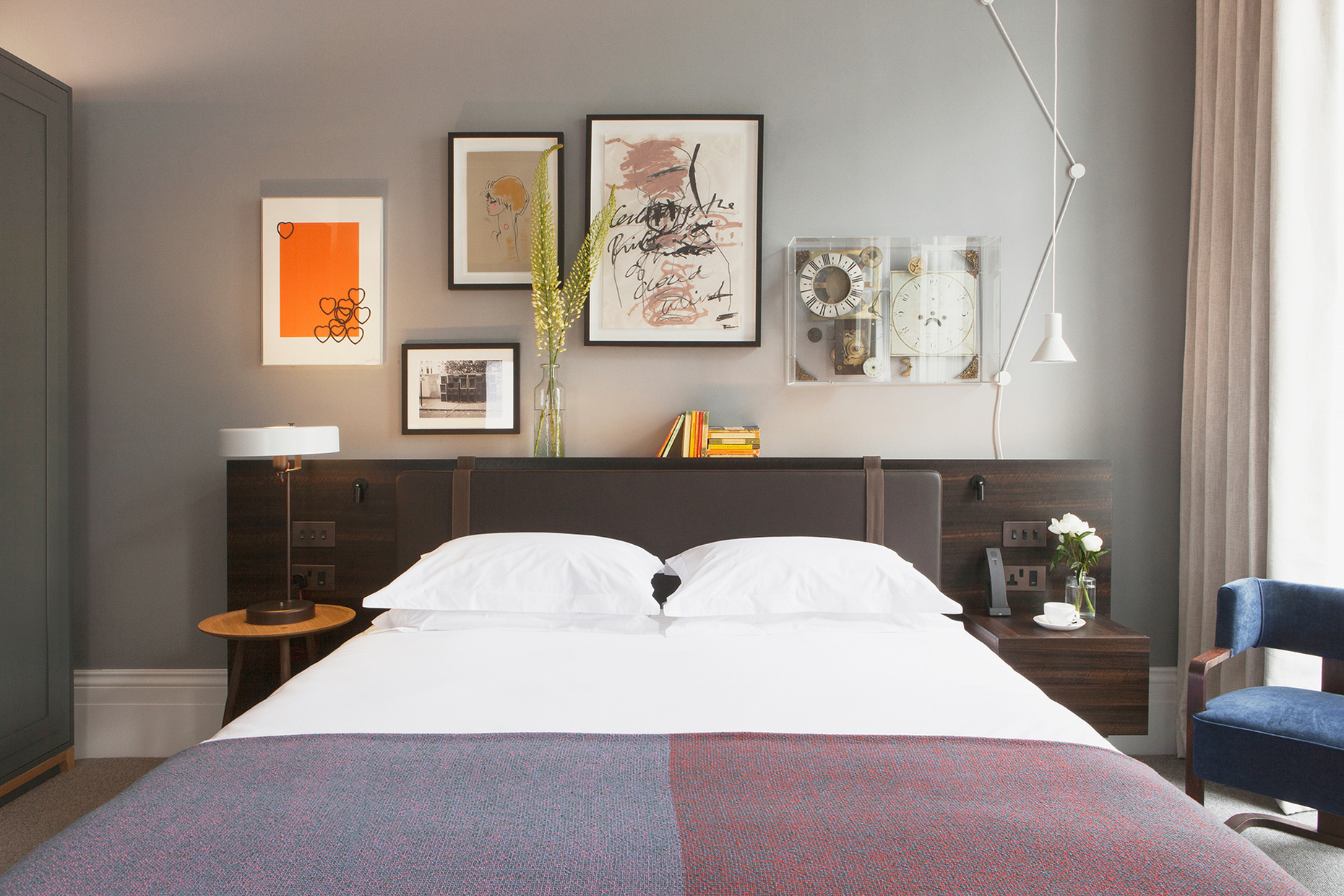
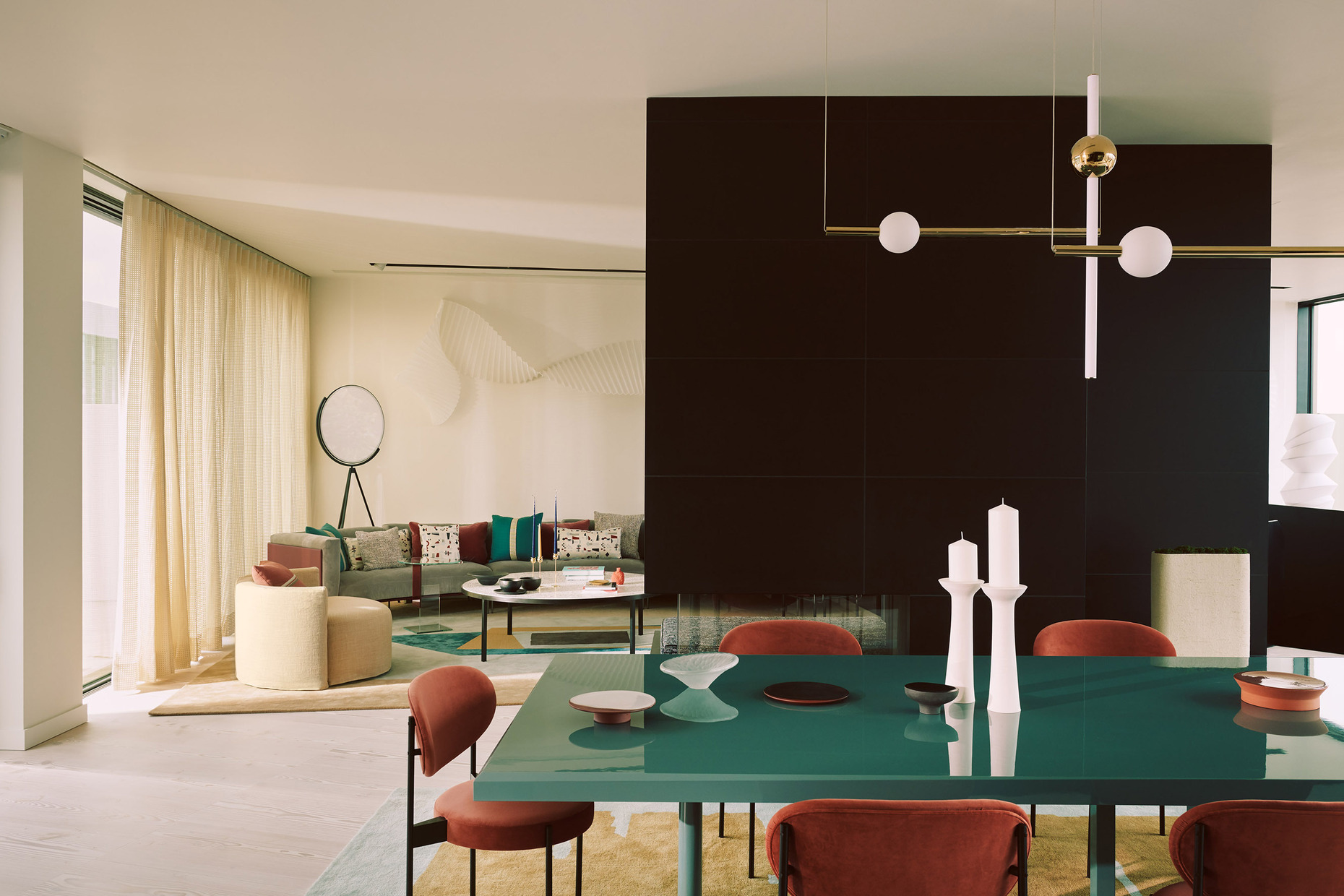
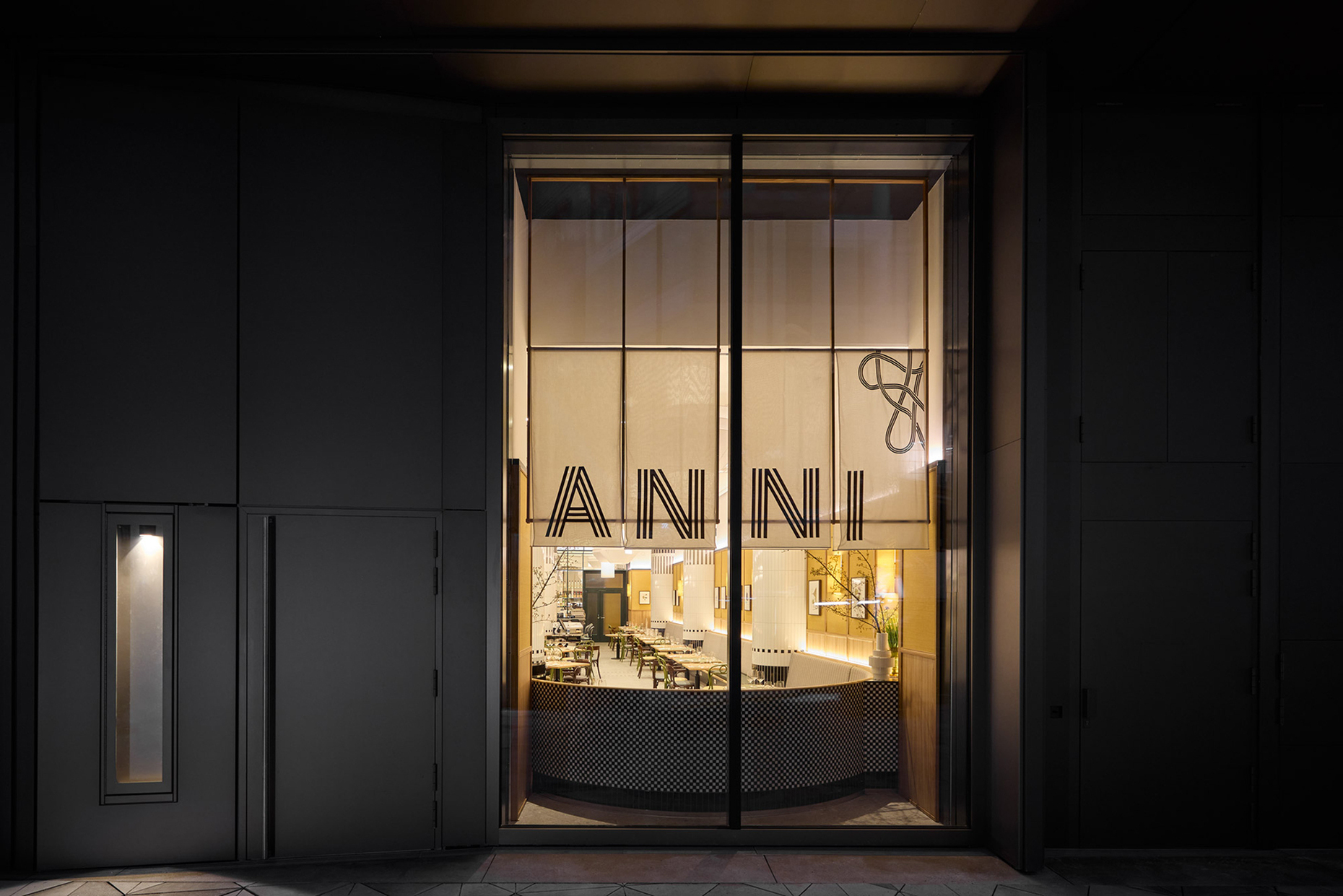
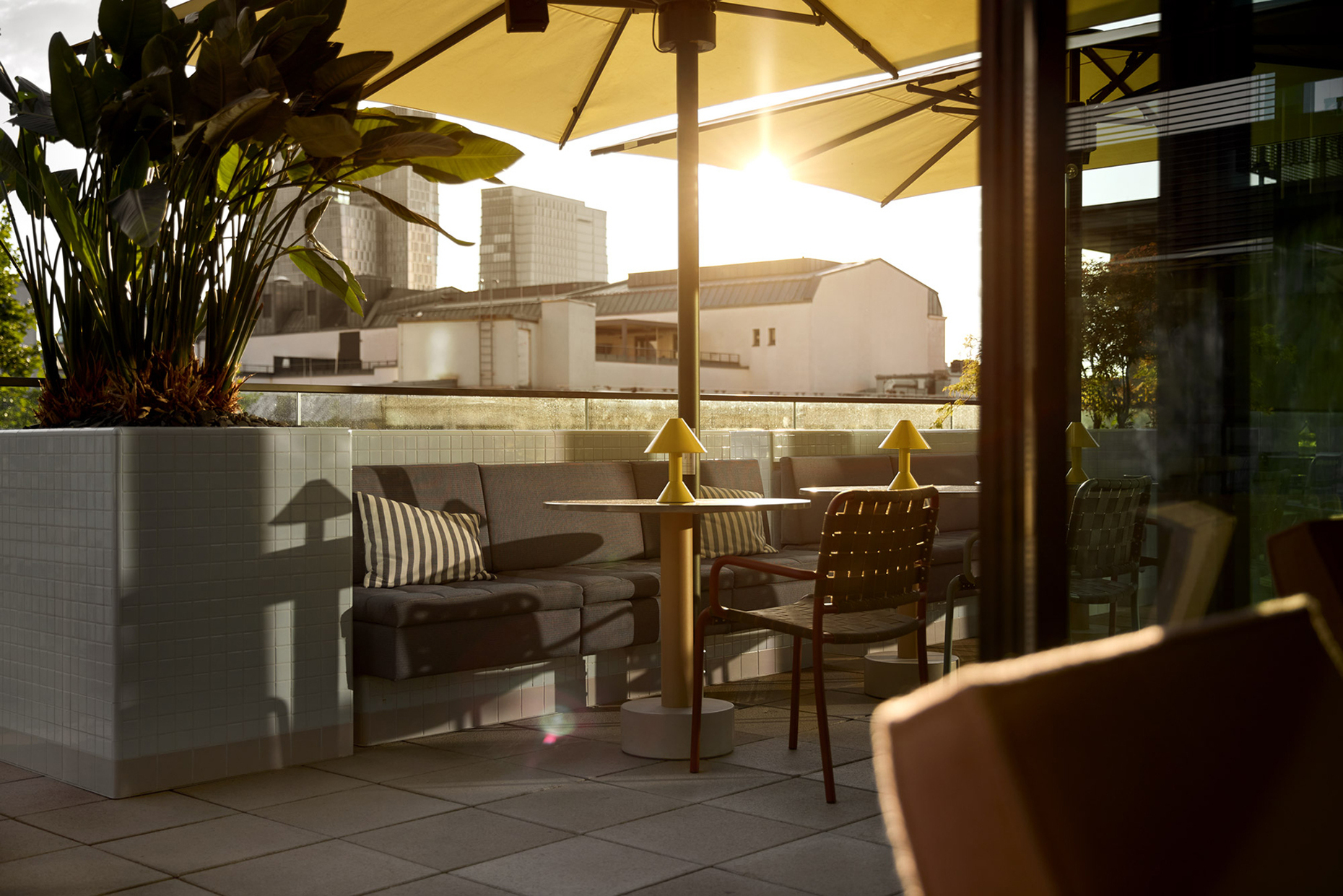
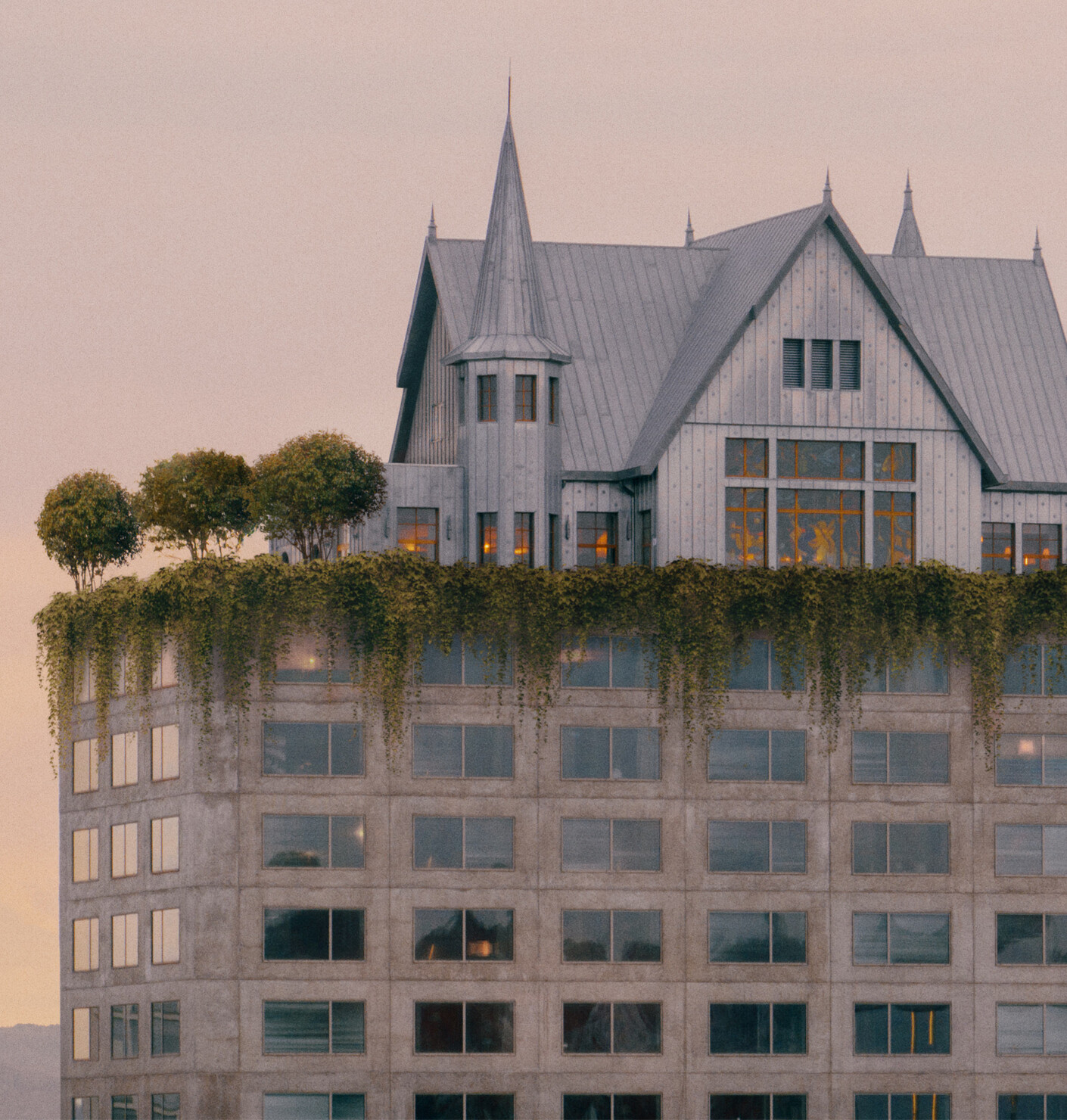
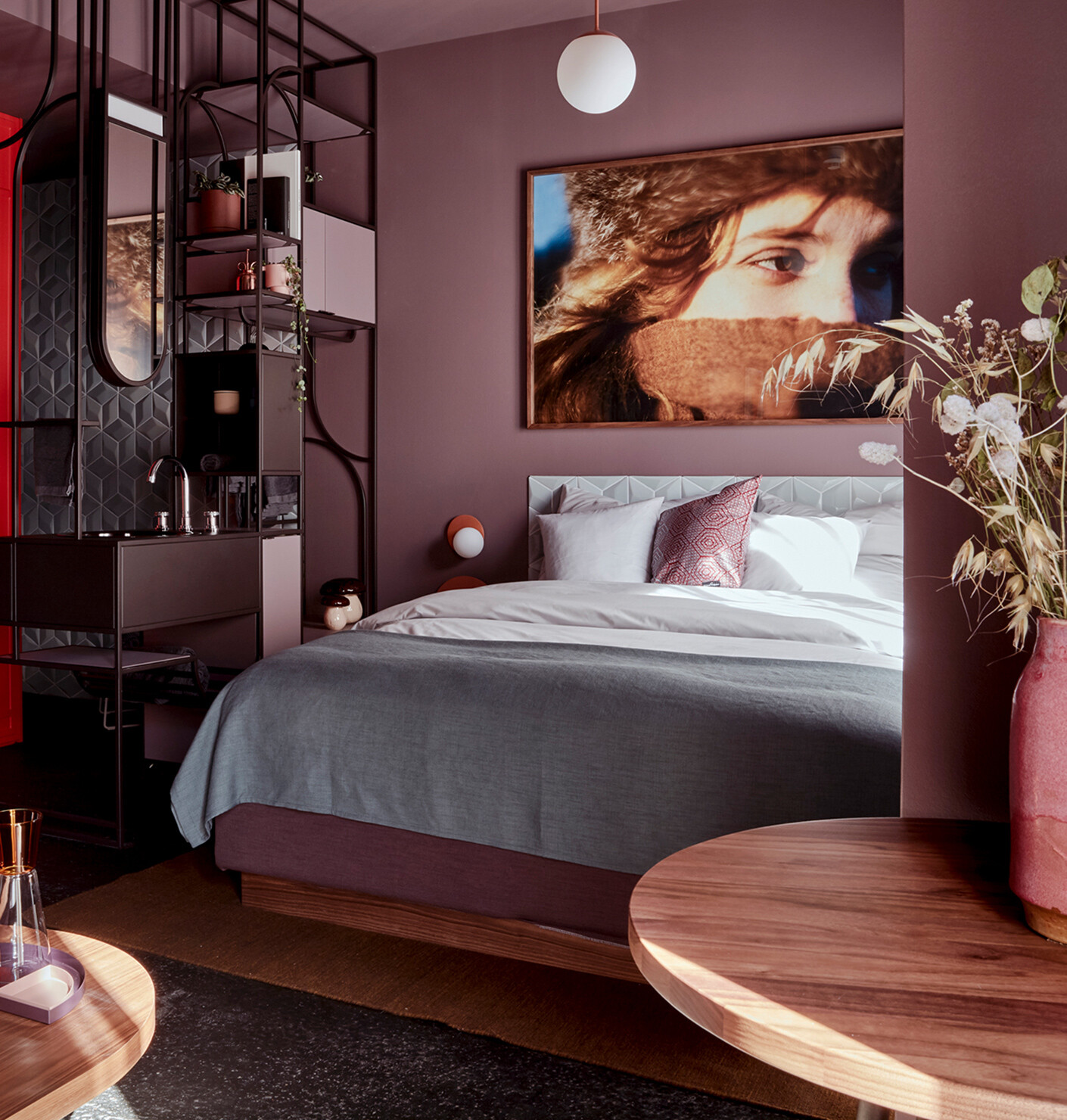
Tom Bartlett: The context led us to look at post-World War II modernism for the Kimpton Hotel in Frankfurt am Main – how Germany looked back at the glory days of the inter war Bauhaus in the 1950s and 1960s. Another inspiration was the United Nations building in New York City with its generous expanses of green marble, as it was once built for a world order that felt better and more future-oriented. We did a lot of research and also looked at the interiors of banks in the 1950s and 1960s, which were quite glamorous institutions at the time. The Brasserie "Anni" in the Kimpton Hotel is named after textile designer Annie Albers and is also a kind of homage to the Central European cafés, whose concept I love. The colour palette and forms of post-war artists such as Dan Flavin and Donald Judd were also an inspiration. For the design of the guest rooms, we generally took our cue from the Bauhaus and mixed in the rebellious elements of the Memphis Group to keep things from getting too cold. For the "Lazuli" bar, which hovers over Frankfurt like a cruise ship, we thought of a kind of Mediterranean Bauhaus, a modernism in pastel tones bordering on Art Deco. The bar runs through the middle of the room like a blue Cadillac, and the atmosphere of Lazuli is based on influences from Miami Beach to Tel Aviv. We wanted the interior design of the Kimpton Hotel to clearly distinguish it from other guesthouses in the city, a lot of which I have stayed in over the time of this project..
The building has many nooks and crannies, but thanks to the interior design, it feels elegant and cozy. How did you achieve that?
Tom Bartlett: I believe hotel rooms need to be both a place for the moment and also sustainably designed for the future. For instance, some Hospitality companies try to convince themselves that they no longer need a closet in their room, but I do not believe that is really a step forward! Alongside a beautiful design we are also very keen on practicality, the closet, the table, the nearby power outlet, and the space to put things down.
The use of ceramics in the interior design at Kimpton is also striking. While preparing for this interview, I read that you do pottery yourself. What do you appreciate about the material?
Tom Bartlett: It's remarkable that you mention that. My ceramics teacher and his dedication to the material had a big influence on me in this regard. It's a practical art, and I find that tension interesting. It has a presence that goes beyond its function. I also like the archetypal nature of the form and the colour of clay and glaze. For years, my house has been filling up with poorly shaped vases that I made myself. (laughs)
Your multifaceted work is always eye-catching, yet at the same time you are attracted to minimalism. What appeals to you about the concept of limiting yourself to the essentials?
Tom Bartlett: My longing for a white space probably stems from my architecture studies in Manchester, which were very straightforward. The design was always to the point, both theoretically and practically, and I admire that. I always felt that I was working on the fringes of this clear Bauhaus architecture, even though I understand it unconventionally with our approach. Minimalism can be so beautiful when it's done well, as by John Pawson or William Smalley.
The budget for many of your projects is sufficient to experiment. How does that influence your work?
Tom Bartlett: The clients always set the budget, and within any framework we believe it is possible to bring in ideas. The higher budgets can be more complex to implement, as basically everything tends to be custom-made. It is of course helpful to have a high budget and we consider ourselves lucky to have them on occasion, but that doesn't mean there are no limitations. Whatever the budget – we are always looking for surprising materials. For example, we found someone who recycles bricks into a terrazzo. We love to explore how things are put together. How do you build a wardrobe without ever seeing a hinge? What does it take for systems to mesh together? When we find a technique or process that excites us, we present it to our clients and these ideas do have more of a chance of being implemented if there is sufficient budget, which is the wonderful and liberating thing about it. It is a great privilege, and I am aware of that. At Kimpton our budget was conventional but here we had a large enough scale to be able to implement these ideas. It has been interesting to find that it is generally a little more difficult to apply tailor-made design items for projects in Germany, as the products generally have to be certified.
When reading about your work, the many categories into which one might classify it are striking. From the aesthetics of a "contemporary Bauhaus" to the label of being particularly "British." What are your thoughts on this?
Tom Bartlett: Commercial clients in particular look for references to familiar styles in order to understand what they can expect from our work. To a certain extent, this makes perfect sense, but the greatest joy comes from working together to discover something new. Our style is to create spaces that resonate. There are repetitions in the way we work, for instance we might use colour to enhance the function of a the space, but if you are asked to restore an 1880s log cabin hotel in Colorado, which we have, we wouldn’t design it in the same way as a new high-rise building in Frankfurt.
What are you currently working on?
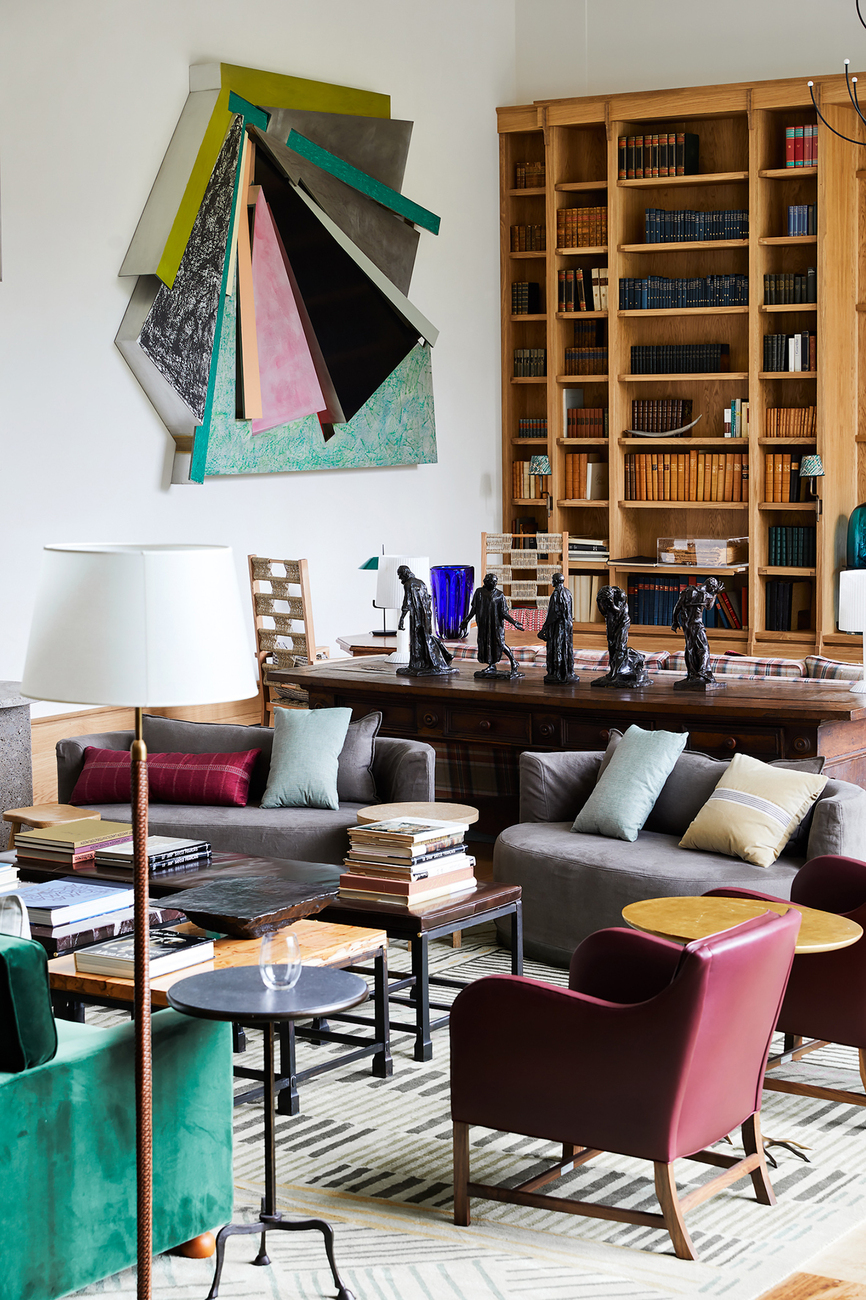
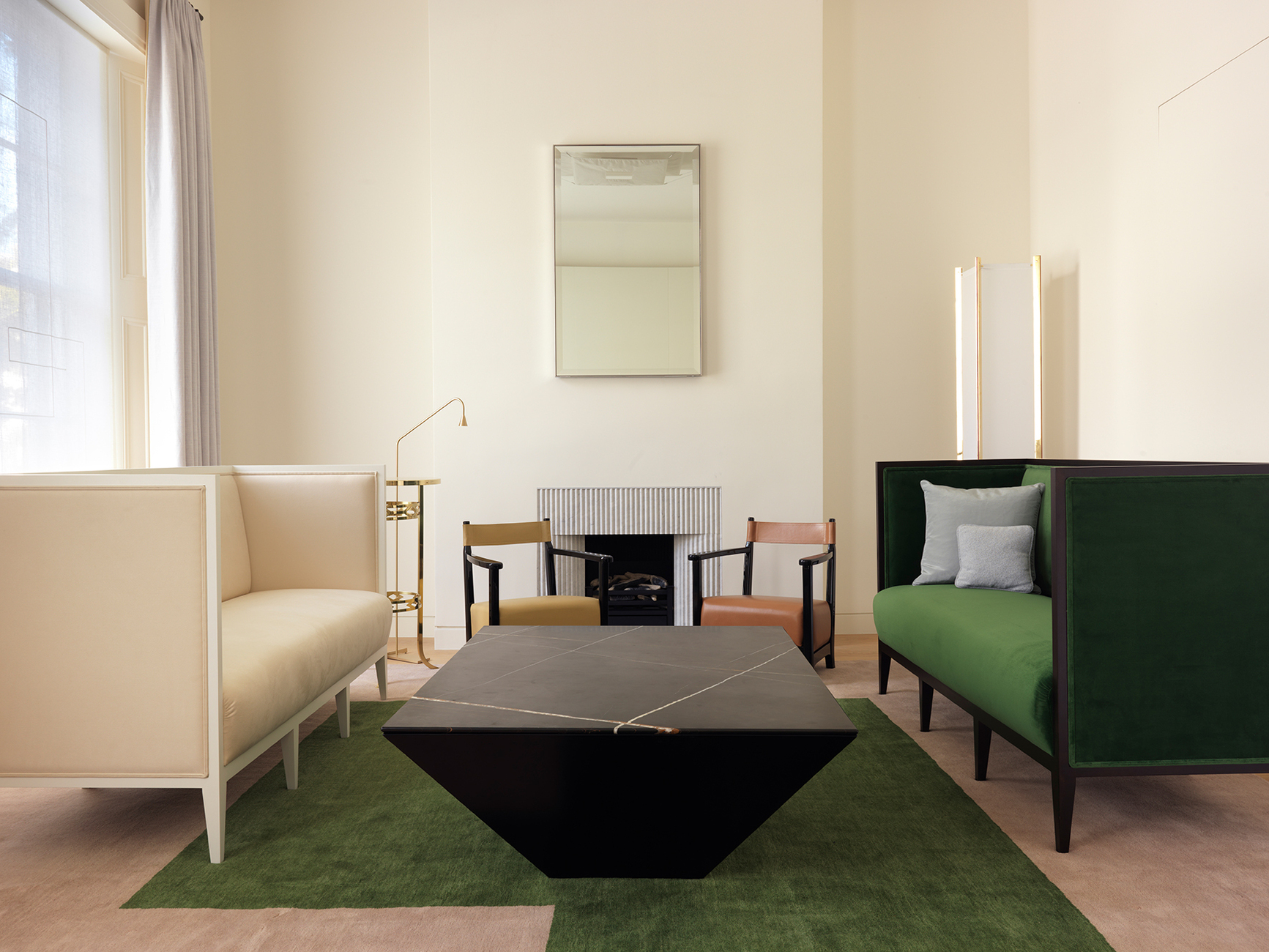
Tom Bartlett: For example, we are currently finishing a villa in Geneva that we have been working on since the coronavirus lockdown. At the same time, we are working in London on the conversion of a building in the Belgravia district that was once the seat of the Belgian embassy. A very respected art collector has acquired it, and we are transforming it into a house with a modern extension at the rear, a kind of pool underneath, et cetera. It is always exciting to work with a client that has an art collection, it makes the ends result so much more complete. Then there is our biggest project at the moment, a place called Knoydart, perhaps the last wilderness in the Scottish Highlands, which can only be reached by boat. We have restored the buildings on the site, built two more as well as a restaurant and spa building and are currently building two more houses. All of these places and spaces are designed by us down to the bed cushions. Interestingly there the power supply is off-grid, which has not always easy to work around, but it serves the purpose: a unique retreat in the wilderness.
You manage to find harmony in the contrasts through the curation of the spaces. What is essential for this?
Tom Bartlett: We try to give people a meaningful experience when they move around and interact with the buildings we are involved in. Our projects are not meant to clumsily radiate wealth or be trend-oriented, but rather to show that there is a deeper thought behind them both in function and feeling, and we believe that is what will make the experience of being in them elevated.