"Design creates order"
Robert Volhard: Patrick, we’re here in Paris – as a designer, you help shape the city’s public space: the design of many taxi signs, public toilets and the signage in the metro was developed in your studio. You hardly notice many of these things consciously. How does it feel to come across your own designs time and again in everyday life?
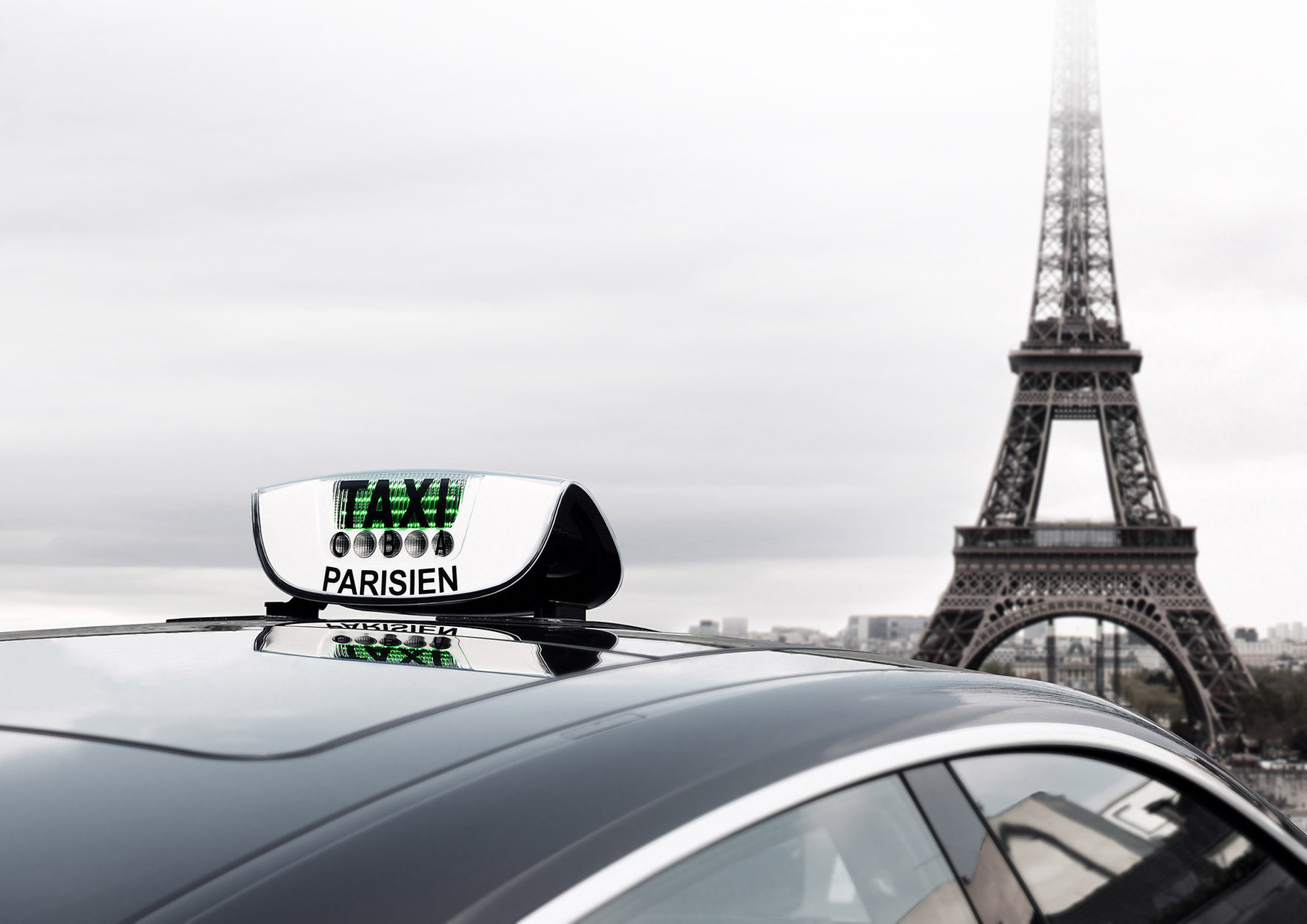
Patrick Jouin: I’m particularly proud of the taxi sign. Small elements like that contribute to a city’s beauty and create order within the chaos. Both are necessary. If everything were designed by a single person, it would be terrible – inhuman, even, almost like an exaggerated vision of Le Corbusier. Life in the city is complex. Within this urban disorder, we need structures that provide orientation and create identity. Street furniture or taxi signs are not merely functional or aesthetic – they foster a sense of belonging and, ultimately, social harmony. This social and political dimension of design is very important to me. If the metro transports people efficiently, then its surroundings must also be of high quality.
Your studio, Patrick Jouin ID, operates at the intersection of product design, interior design and architecture. How does this multidisciplinary approach shape your design signature?
Patrick Jouin: For me, there are no real boundaries between these disciplines. Everything starts with people. I work with a humanistic approach that recalls Renaissance thinking. It’s always about human needs: touching, seeing, sleeping, eating. Spaces are essentially an extension of the body – which is why, for me, everything is of equal value and interconnected.
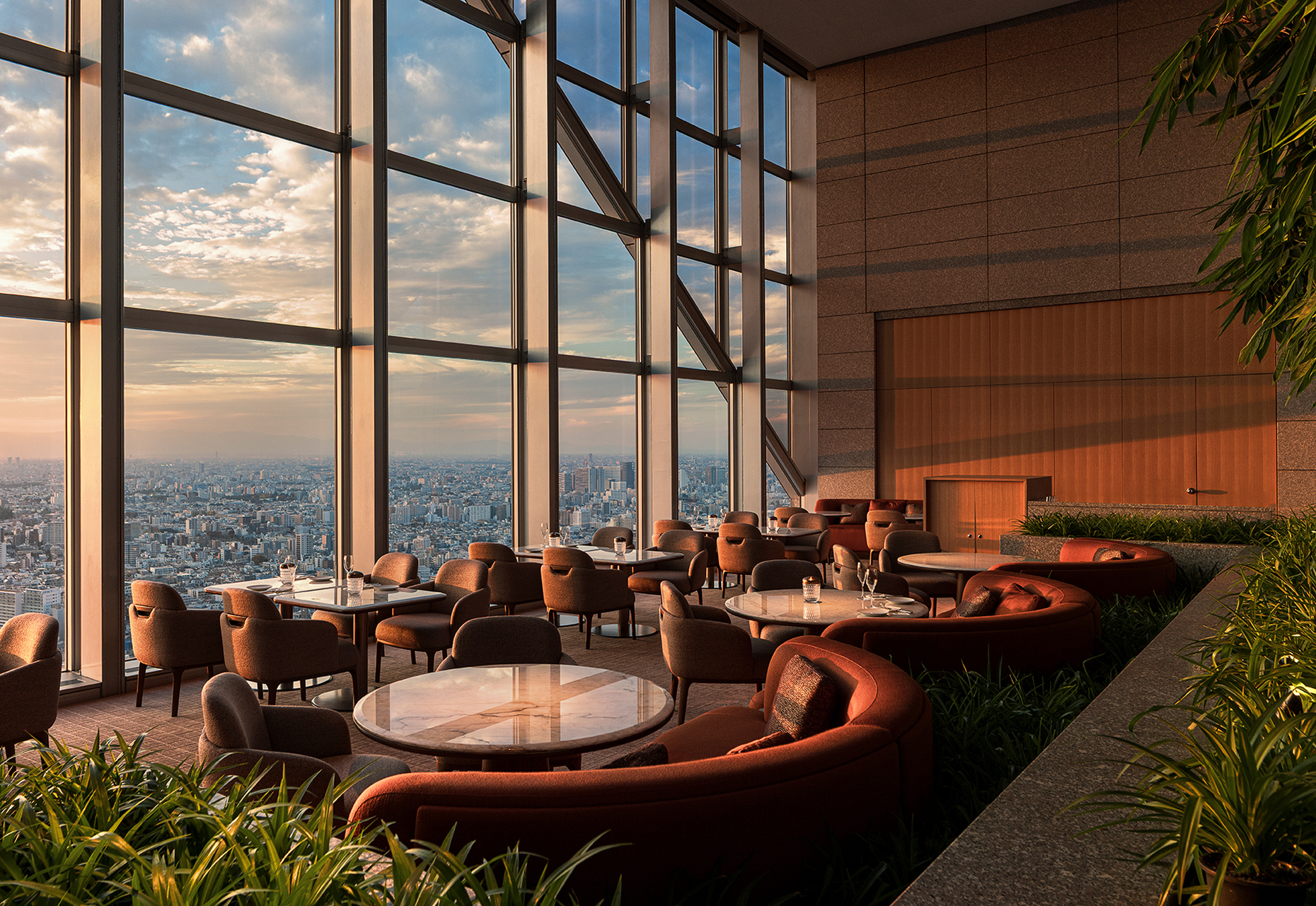
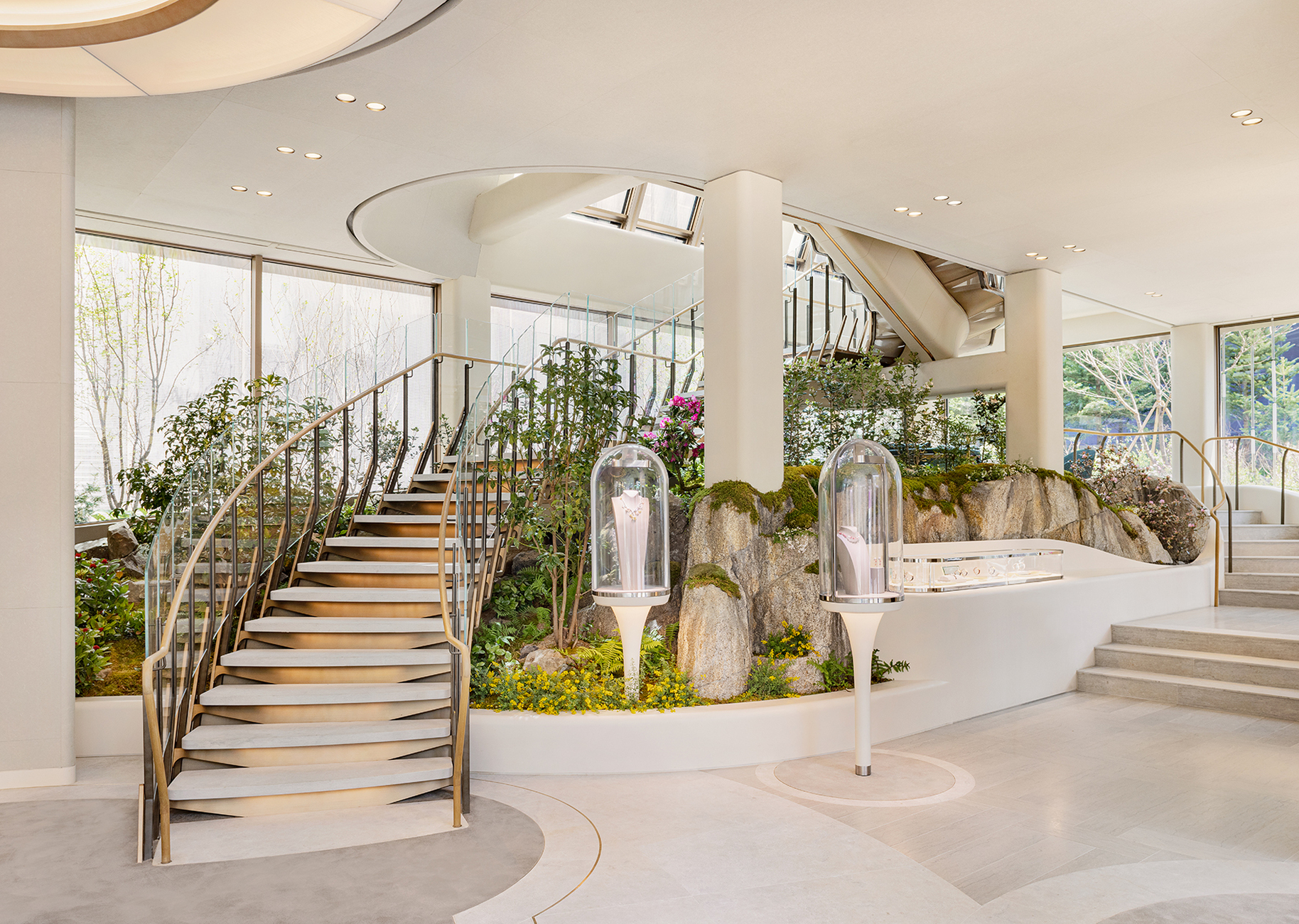
Since 2006, in addition to Studio Patrick Jouin ID, you have been running Studio Jouin Manku with the Canadian architect Sanjit Manku. With around 50 staff, you’ve realised projects such as the redesign of Montparnasse station in Paris, the renovation of La Mamounia in Marrakesh, and the careful refurbishment of Kenzo Tange’s Ayat Park Hotel in Tokyo, which features in the film “Lost in Translation”. You completely renovated the building without altering its character.
Patrick Jouin: Exactly. The building’s DNA was sacrosanct – the tower is iconic, partly thanks to the film. The hotel has a special atmosphere, which we were determined to preserve. We were able to change everything else. The original design is heavily influenced by modernism, very cool. I’m not a modernist myself: I appreciate functionalism, but I value sensuality. People want to touch things and feel at ease. That was missing from Kenzo Tange’s design. So we retained the DNA, but added this human dimension. That made a huge difference.
How do you juggle such a wide range of projects?
Patrick Jouin: I have a very good team. The actual creative phase accounts for perhaps ten per cent of the work; after that, the development begins. I need the variety of different scales. If I only had one project, I’d probably put it off – whereas having many projects energises me.
In Munich, you worked on the Bayerischer Hof, among other things. What exactly was the project?
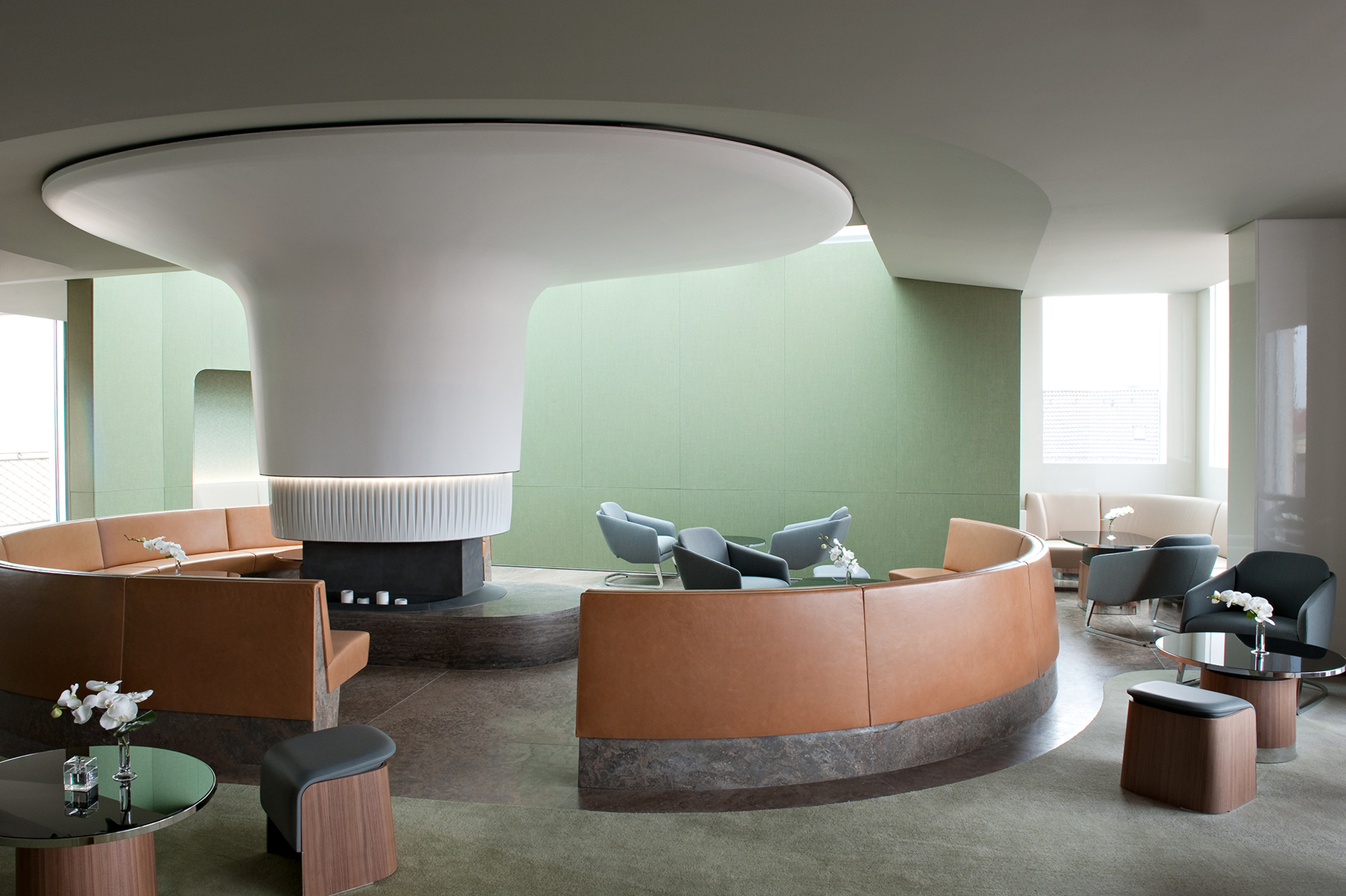
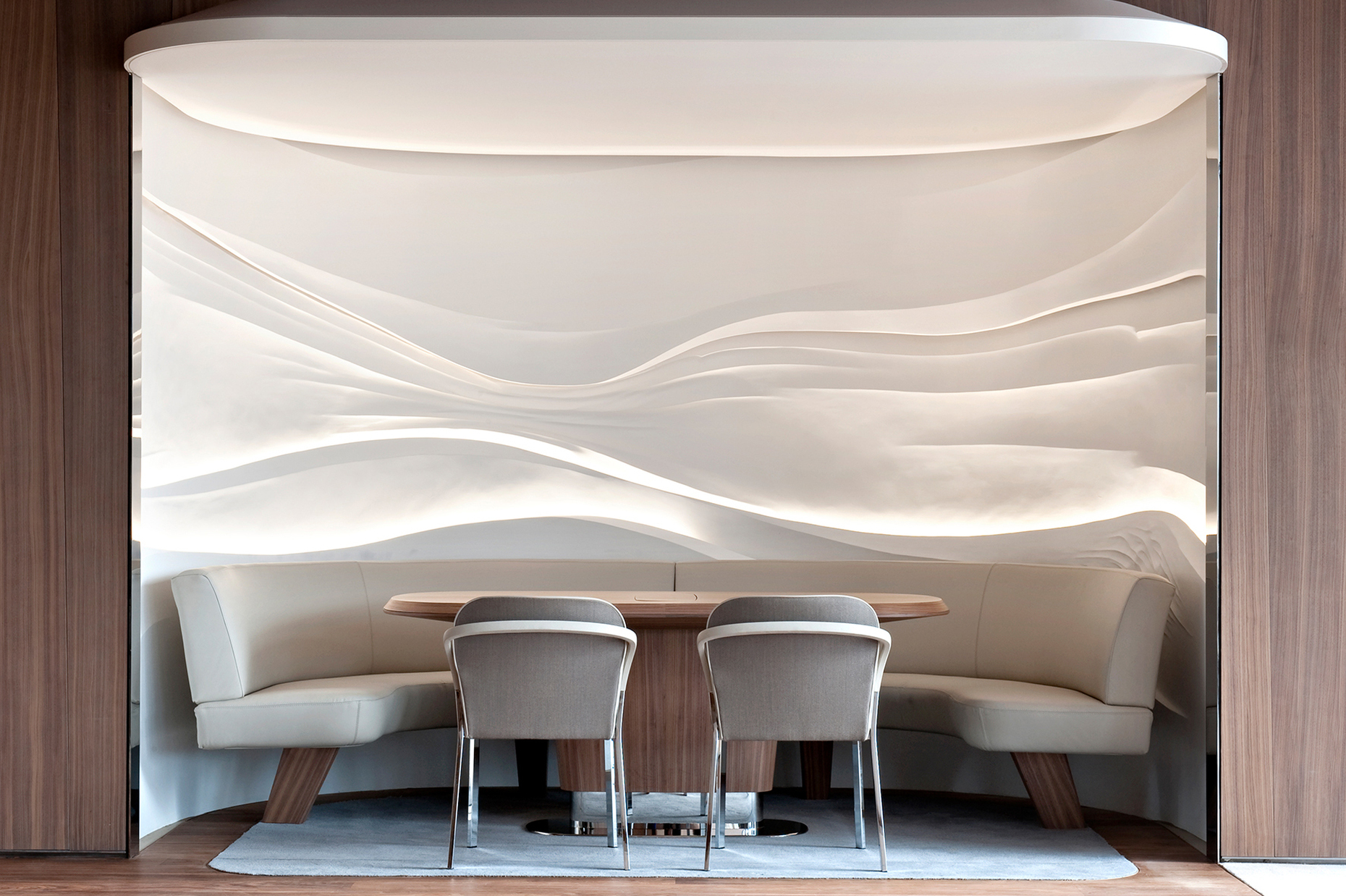
Patrick Jouin: That was a few years ago now. I designed a floor and a bar there – complete with a fireplace. It was the first time I’d consciously used colour in that context. The bar is decorated in shades of green, and I also used porcelain because this material has a special cultural significance in Munich. The project was developed in close collaboration with Innegrit Volkhardt from the family that owns the property. She is an extraordinary person, and together we were able to bring this idea to life.
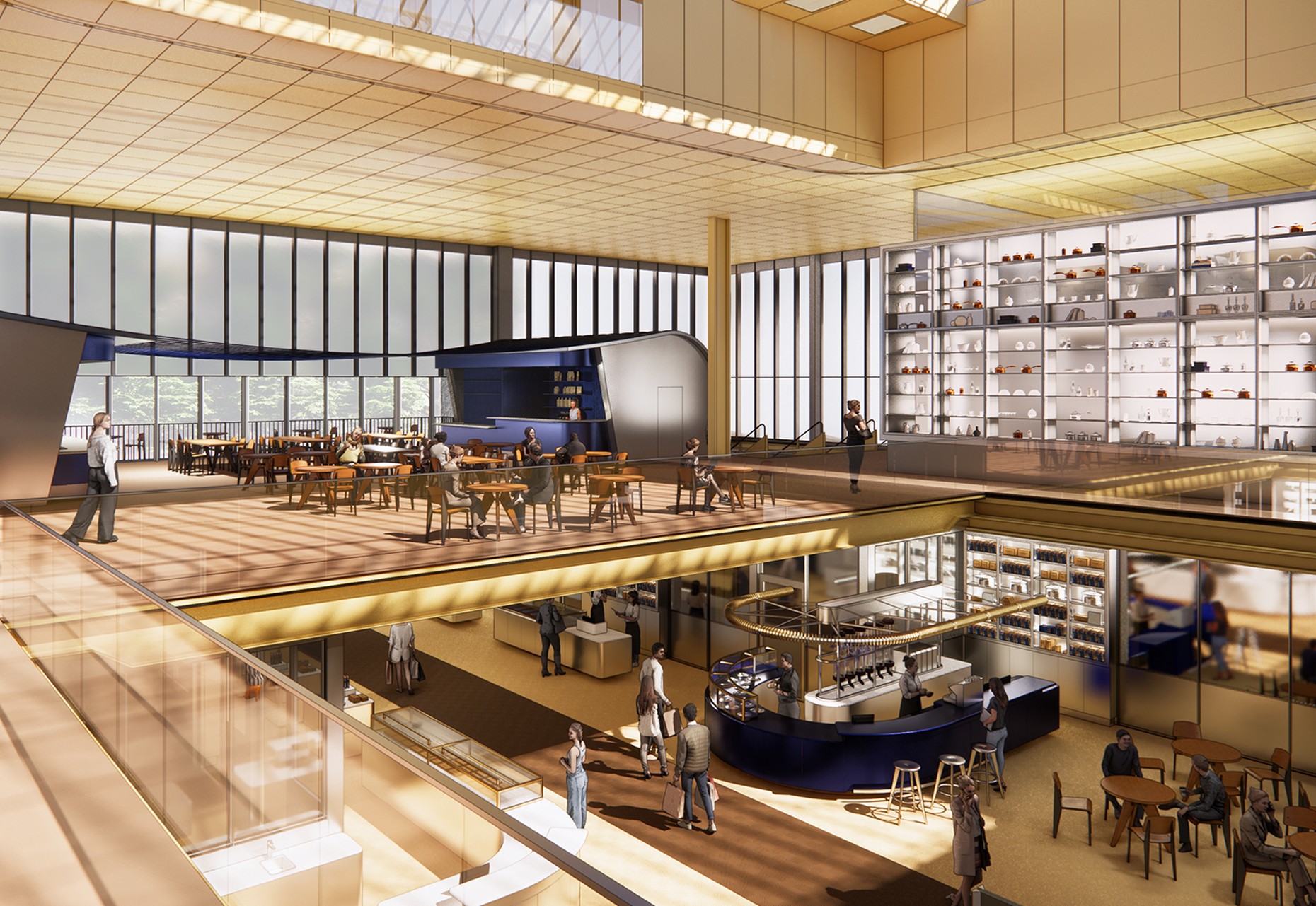
You have also been working with the chef Alain Ducasse for many years. One of your current projects is the “Maison du Peuple” in Paris – a gastronomic centre featuring workshops for chocolate, coffee, ice cream and pastries, as well as a dining room open to the public and a culinary residence. What is the current status?
Patrick Jouin: The project is almost complete. The building will be handed over in July, after which the interior work will begin. Everything is due to be finished by the start of next year – offices, production facilities and the restaurant. It’s an extremely exciting project.
What is your personal highlight of the project?
Patrick Jouin: It involves the renovation of a historic monument. In France, such a building is overseen by specialist architects – in this case, Perrot & Richard Architectes. Jouin Manku is responsible for everything that is newly integrated into the interior. Our concept is to leave the monument itself virtually untouched. Everything we install can be removed in 50 years’ time without causing any damage to the building . In this way, this significant work by Eugène Beaudouin, Marcel Lods, Vladimir Bodiansky and Jean Prouvé will be preserved for the long term.
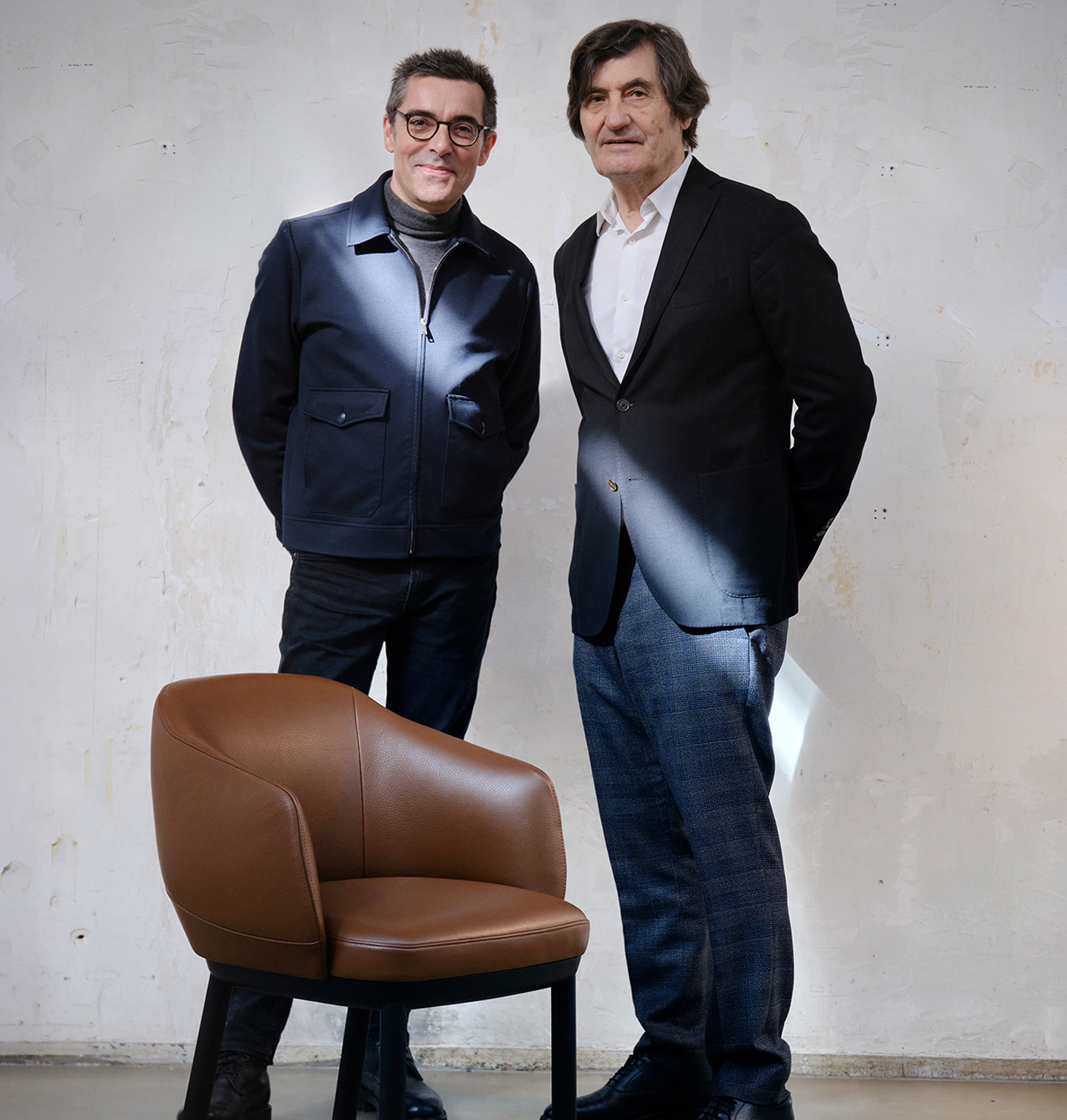
Your furniture design is also characterised by strong intuition and emotionality, as if looking at the new chair ‘Karen’ for Ligne Roset.
Patrick Jouin: Absolutely. A chair must first and foremost be physically comfortable. If you’re sitting uncomfortably in a restaurant, even the best food is of no use. Design isn’t just about the eye, but about the body. Design is made for the senses, not just for the eyes. It is deeply human-centred.
Yet one wonders: there are already so many chairs – why design new ones at all?
Patrick Jouin: Do we need them? No. And yet, at the same time, yes. Otherwise, we would have stopped designing chairs during the Renaissance. We humans need to express ourselves. We need to act, work, do something. That’s why we’re never finished.
You once said you dream of designing a complete house. What would this dream house look like?
Patrick Jouin: It would be a house with no boundaries between architecture, interior space and furniture. Everything would be coordinated, every movement deliberately designed – like a film set where every perspective creates a perfect moment. It’s about designing quality of life: for a family, for genuine encounters. Happiness isn’t easy to create, but design can help to make room for it.