Thinking ahead
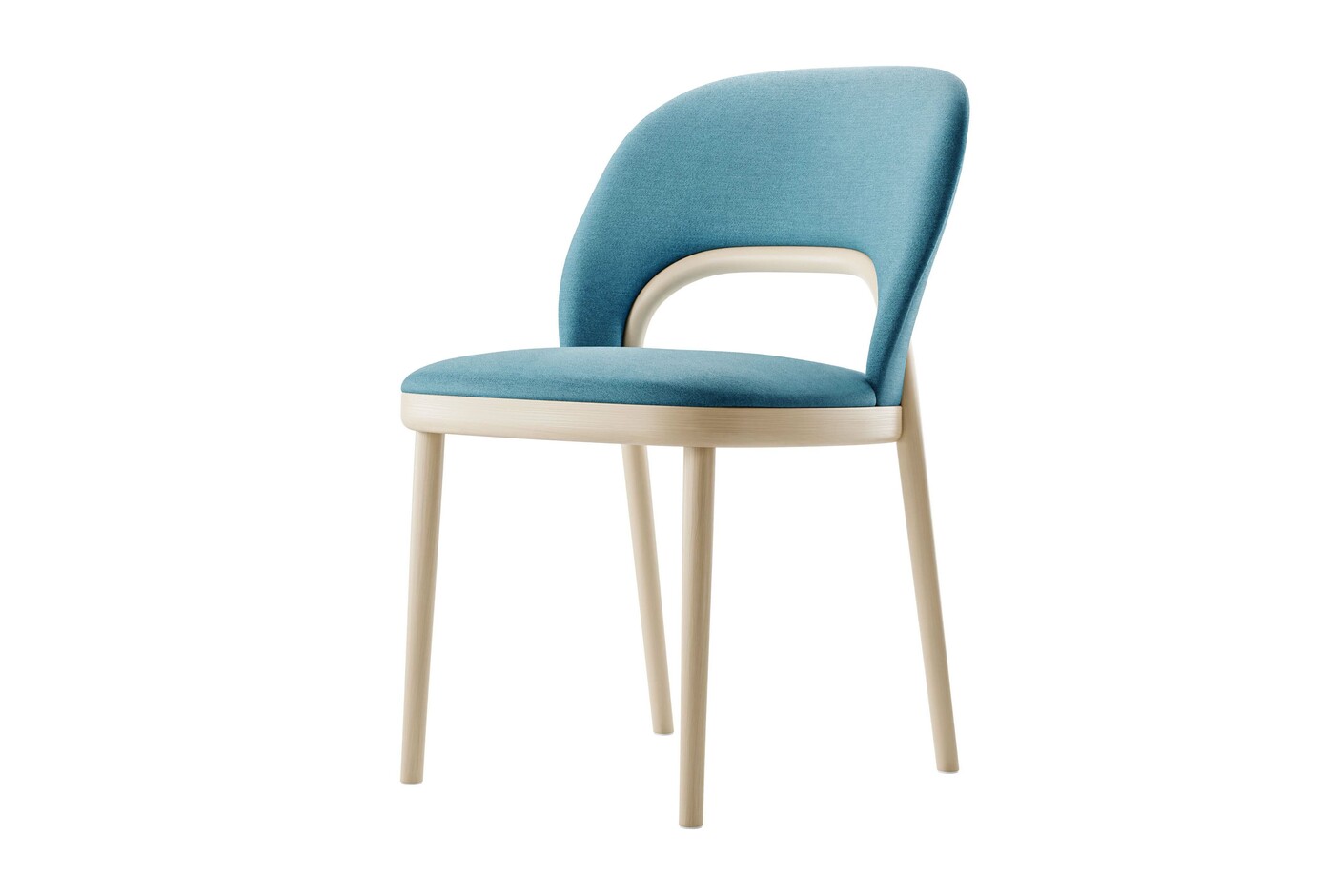
Anna Moldenhauer: With the ‘521’ chair for Thonet, what question were you able to answer that had remained unresolved during the development of its predecessor, the ‘520’ – which you also designed?
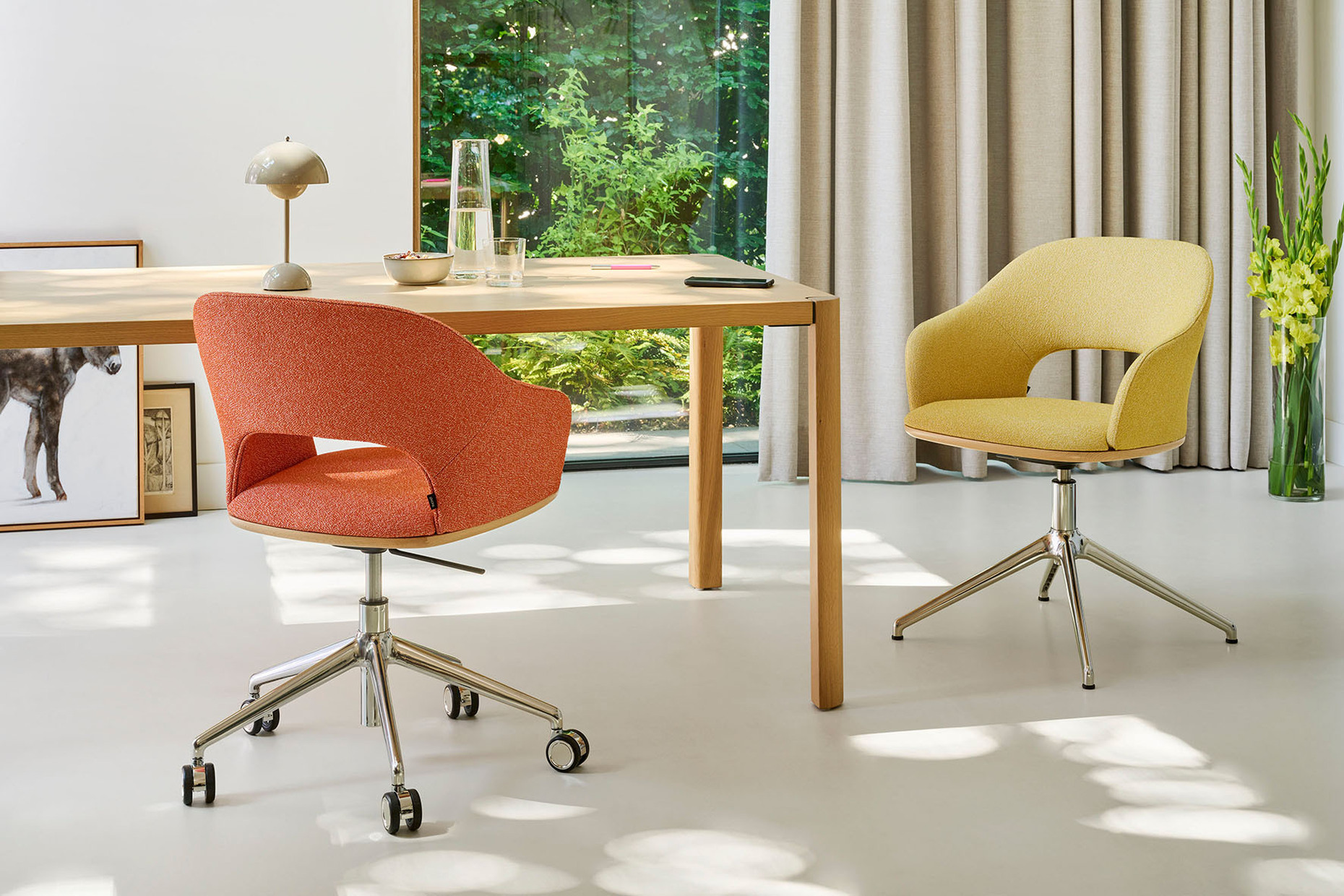
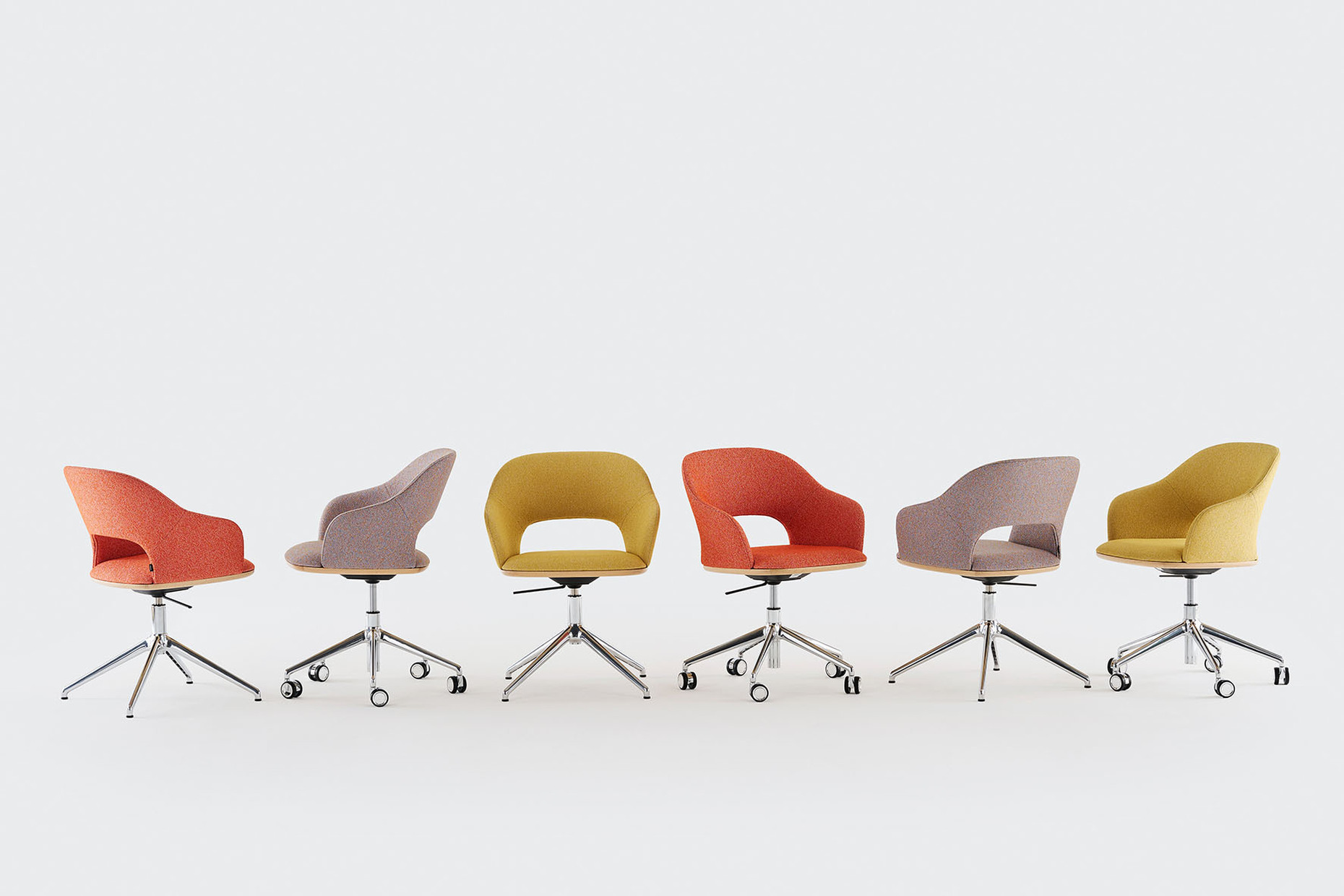
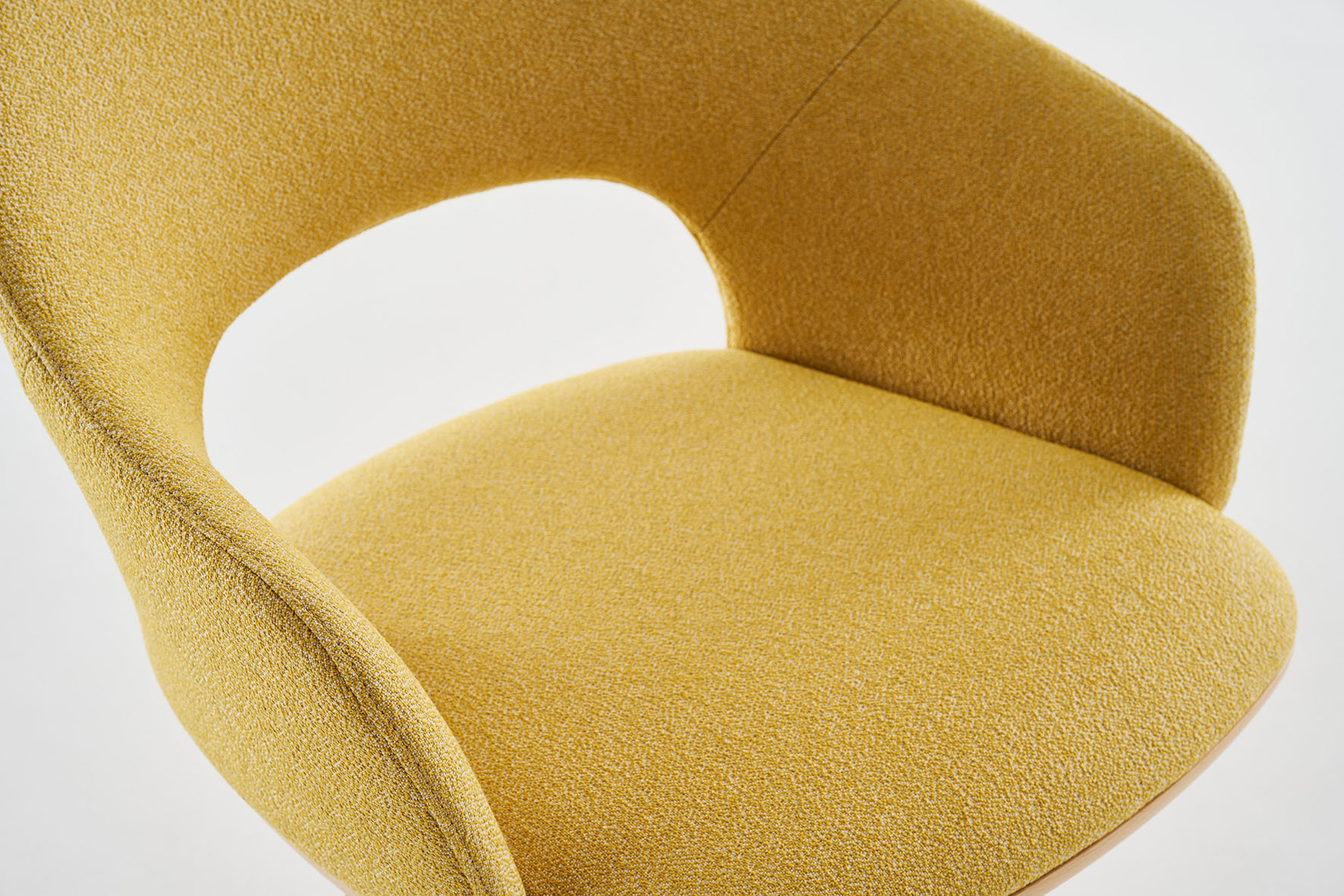
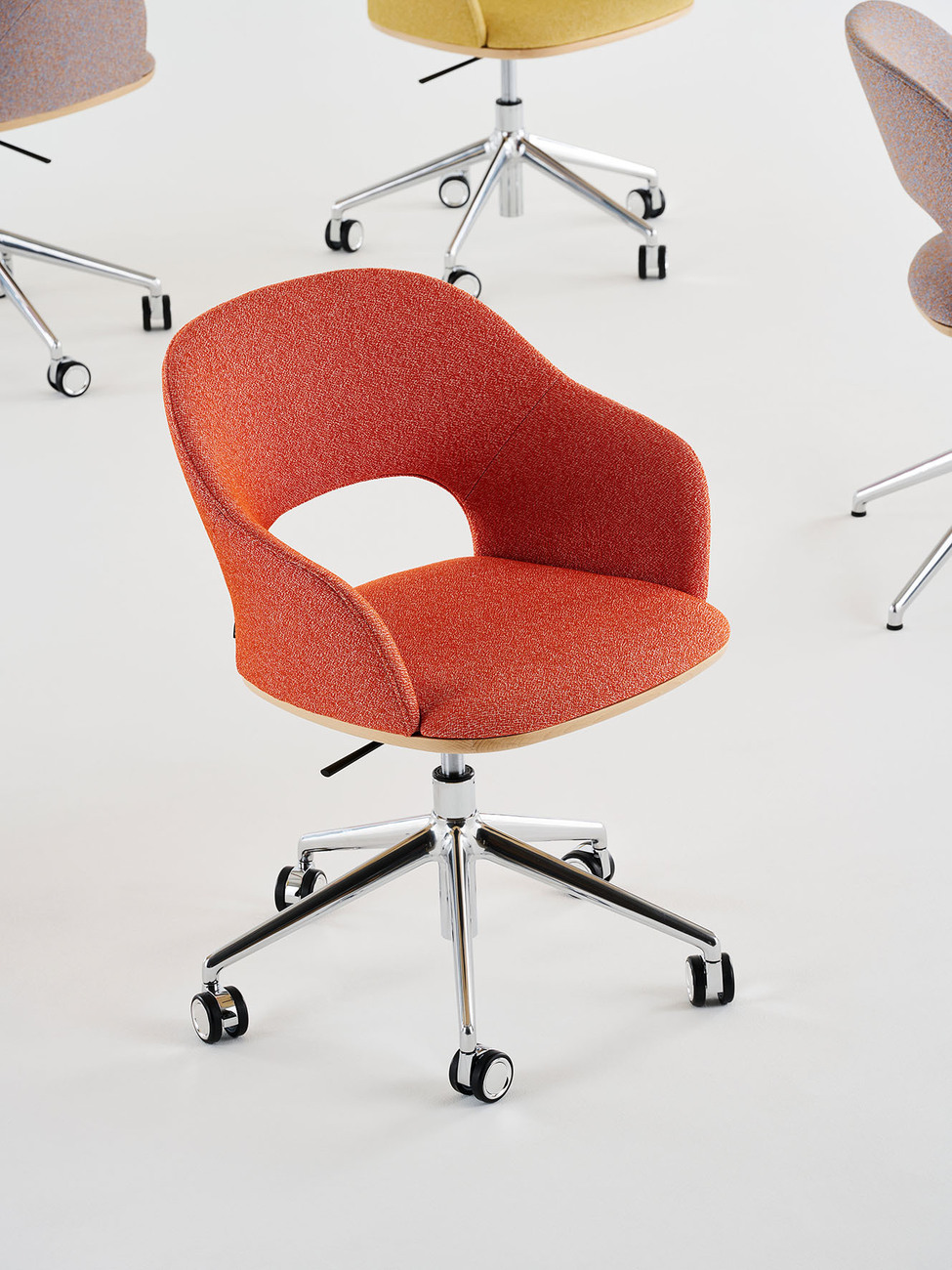
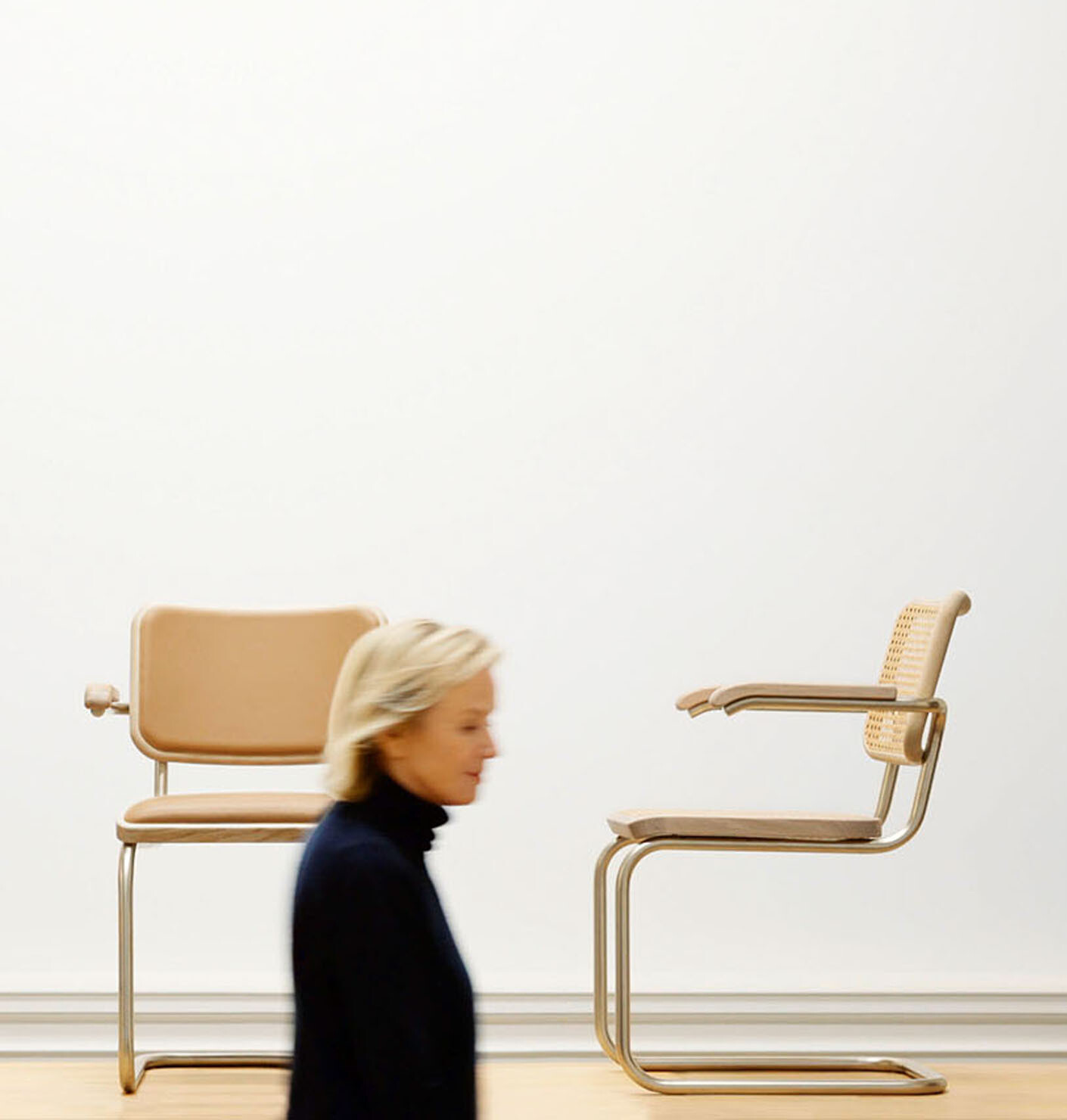
Marco Dessi: With the new “521” chair, we have responded to a very specific need that was emerging in the market: to interpret the theme of upholstery in a style that is unmistakably Thonet. Whilst there were already upholstered chairs in the portfolio, these were primarily designed for the contract sector and did not offer the cosy, sensuous feel that is increasingly in demand. The development process for the new upholstered armchair was very practical and characterised by a genuine hands-on approach. Versatility is deeply rooted in Thonet’s DNA: the designs can be reinterpreted time and again and adapted to different contexts without losing their identity. The design centred on the lightness of the cantilever chair, the tubular steel and the classic bentwood chairs. Ultimately, it is about structural elegance and high quality – with the ‘521’, we are deliberately placing these at the heart of the design. The design retains the lightness of the classic coffee-house chairs, yet appears distinctive and contemporary, ‘ready to fly’, so to speak. The connection to wood and bentwood remains, for example through the wooden seat. This enables us to confidently explore new areas of application with the collection and cater to a wide variety of usage scenarios.
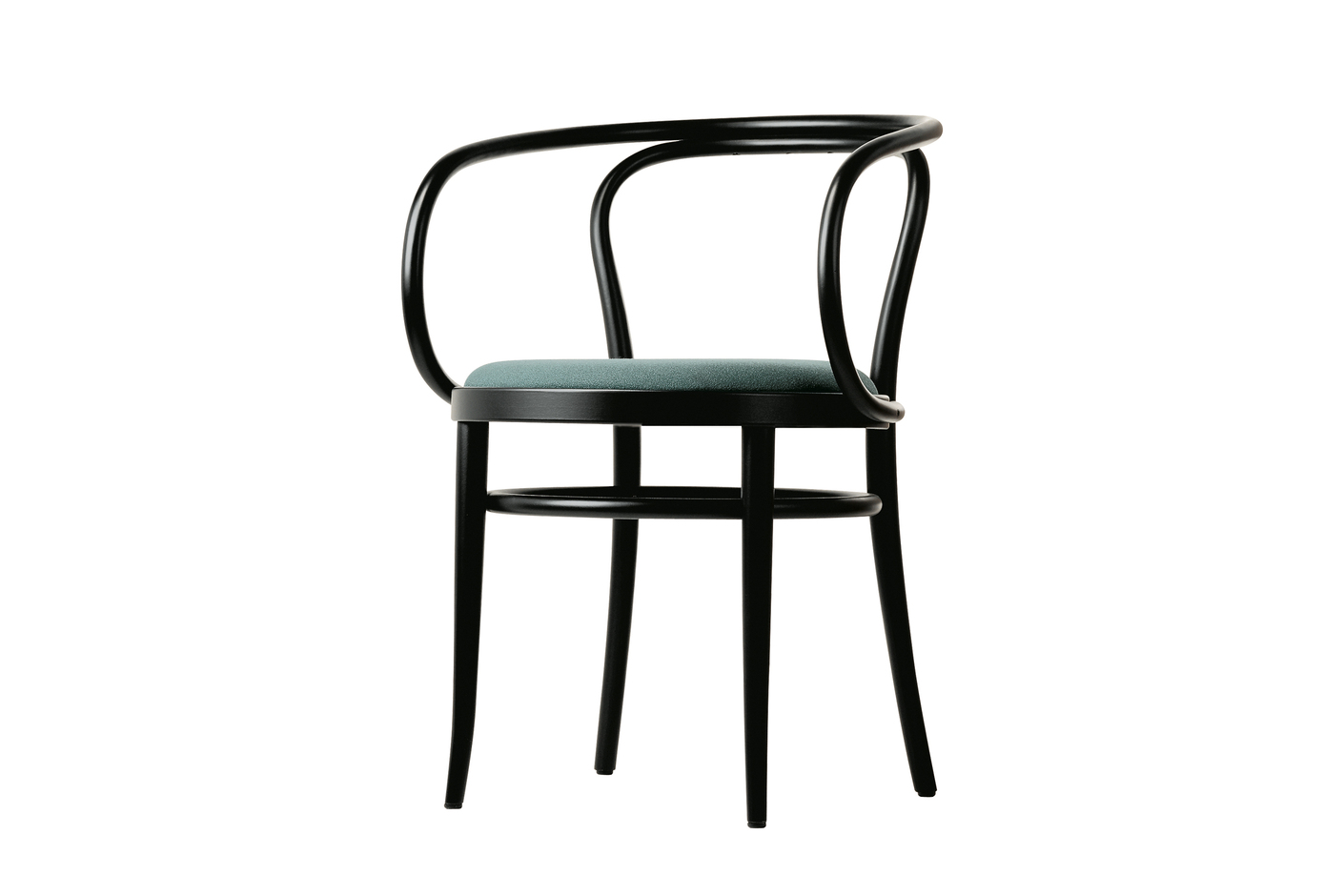
Marco Dessi: The briefing was surprisingly open. It centred on a topic that none of us were really familiar with in this form. At the same time, I already had experience with upholstered furniture and with long-established companies. For me, therefore, working with Thonet was a continuation of questions that have been on my mind for some time. I’m interested in the tension between the past, the present and the future: how do you deal with a strong heritage without getting stuck in it? How much craftsmanship is required, and how much simplification is possible? And how can a brand’s values be preserved without merely repeating them? A piece of Thonet furniture evokes an incredible wealth of associations. The answers emerged through the process of experimentation, and during this phase, the dialogue with Creative Director Norbert Ruf was hugely important. He has an extraordinary instinct for what the brand needs. Perhaps this is also because he is a designer himself. The decisive moment for me came when I was looking at the back of Thonet’s ‘209’ chair. I noticed this characteristic ‘hill’ – the line of the back legs, which rises towards the back and then slopes down again. At that moment, I thought: what would actually happen if we carried this movement further? If we removed the direct contact and worked with an upholstered shell instead? The concept was quickly sketched out, and at the second attempt we were able to convey it through drawings and visualisations. The result is a very high-quality armchair that is technically sophisticated.
Why was it important to you to come up with a new take on the historical form of the quotation?
Marco Dessi: This is primarily because, for many years, Thonet’s focus was very much on the classics and their production. From the 1980s and 1990s onwards, the company began, step by step, to create a new creative space. It therefore quickly became clear to us that, in our current development work, we didn’t want to reference historical forms; we didn’t want to design ‘neo-vintage’ furniture. The process was very intensive right from the start: we were in close dialogue, trying out ideas, discarding them again, and deliberately giving them time to develop. Sometimes you have to set a design aside for a few weeks to see whether it really holds up or whether you were simply carried away by your initial impulse. We paused time and again to check: Are we still on the right track? Does this feel like Thonet? How can we take the structural logic behind these classic designs a step further and translate it into the present day?
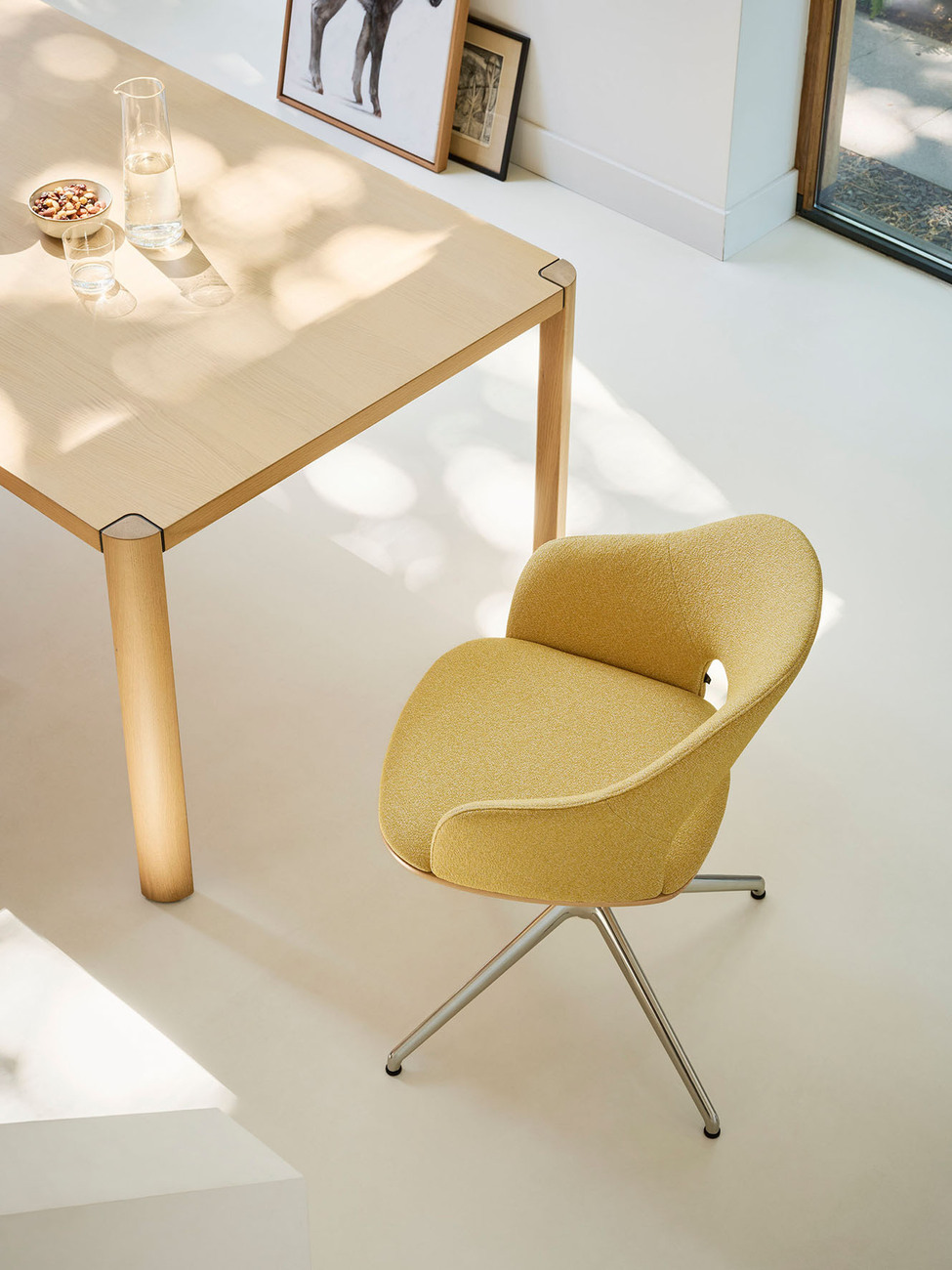
I also find the visible support plate fascinating; it subtly references Thonet’s craftsmanship. Is there any other detail of the ‘521’ that’s easily overlooked but is particularly important to you?
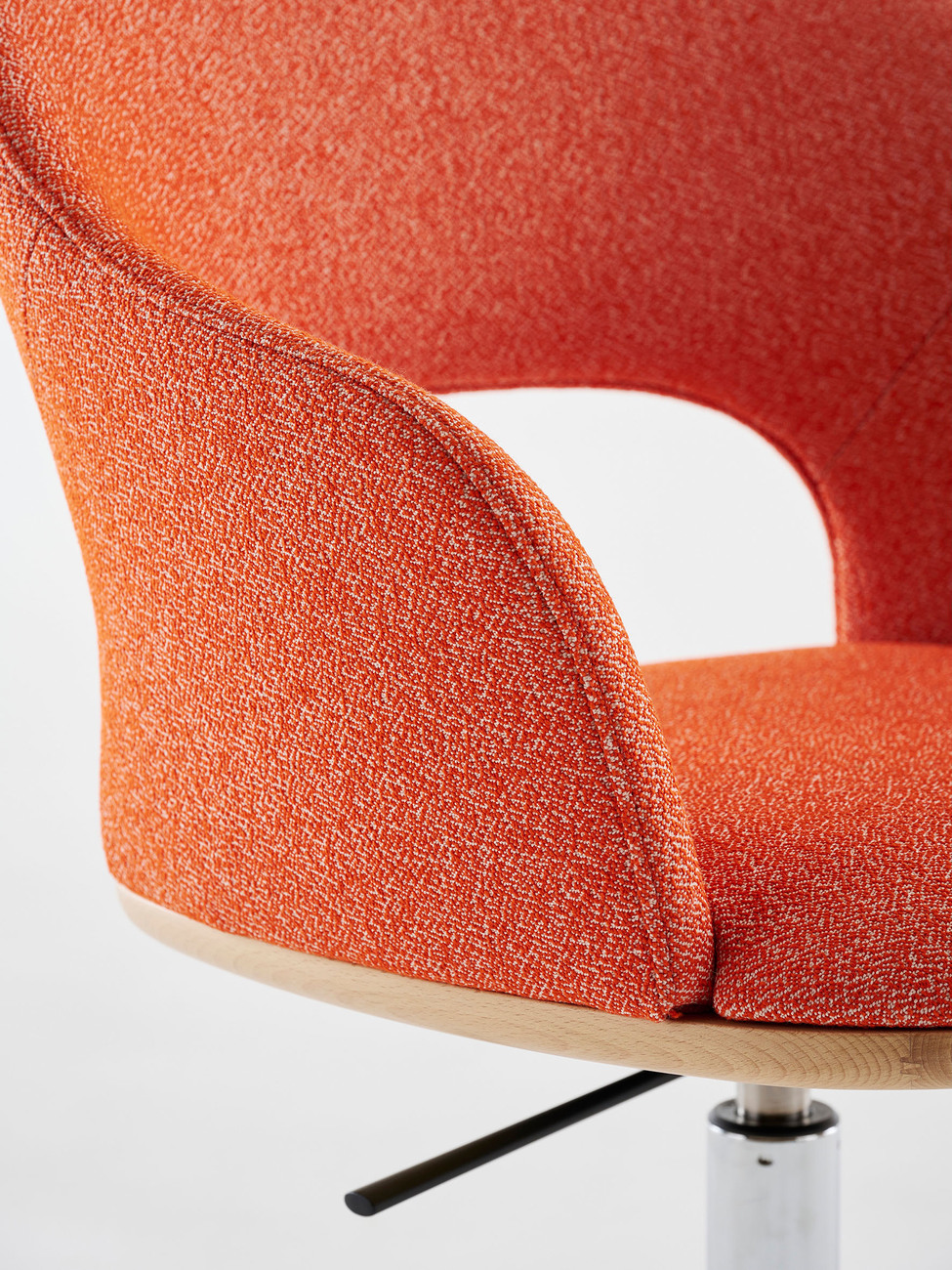
Marco Dessi: For me, there is one detail that is easily overlooked, even though that is where everything actually comes together: the point where the backrest, seat cushion and support panel meet in the back area. In the ‘520’, this point was still concealed by the rear leg. It is precisely here that the precision and quality with which such a design is realised become apparent. What is particularly interesting is that, whilst the ‘521’ appears very soft and rounded, its design language nevertheless follows a clear internal logic. It develops directly from the bentwood element and its radii. The geometry stems from a structural derivation that is deeply rooted in Thonet’s DNA. This logic gives rise to the harmonious interplay between the backrest, armrests and bentwood element. At the same time, a clearly defined opening has been created on the rear, lending the armchair an additional sense of individuality. It is precisely this tension that makes the ‘521’ so special to me. Our design has its own identity because it is the result of a consistent design process. Every line can be traced back to its source; every form has its origin in the construction. The fact that the chair now appears so natural and balanced is ultimately the result of this meticulous preparatory work.
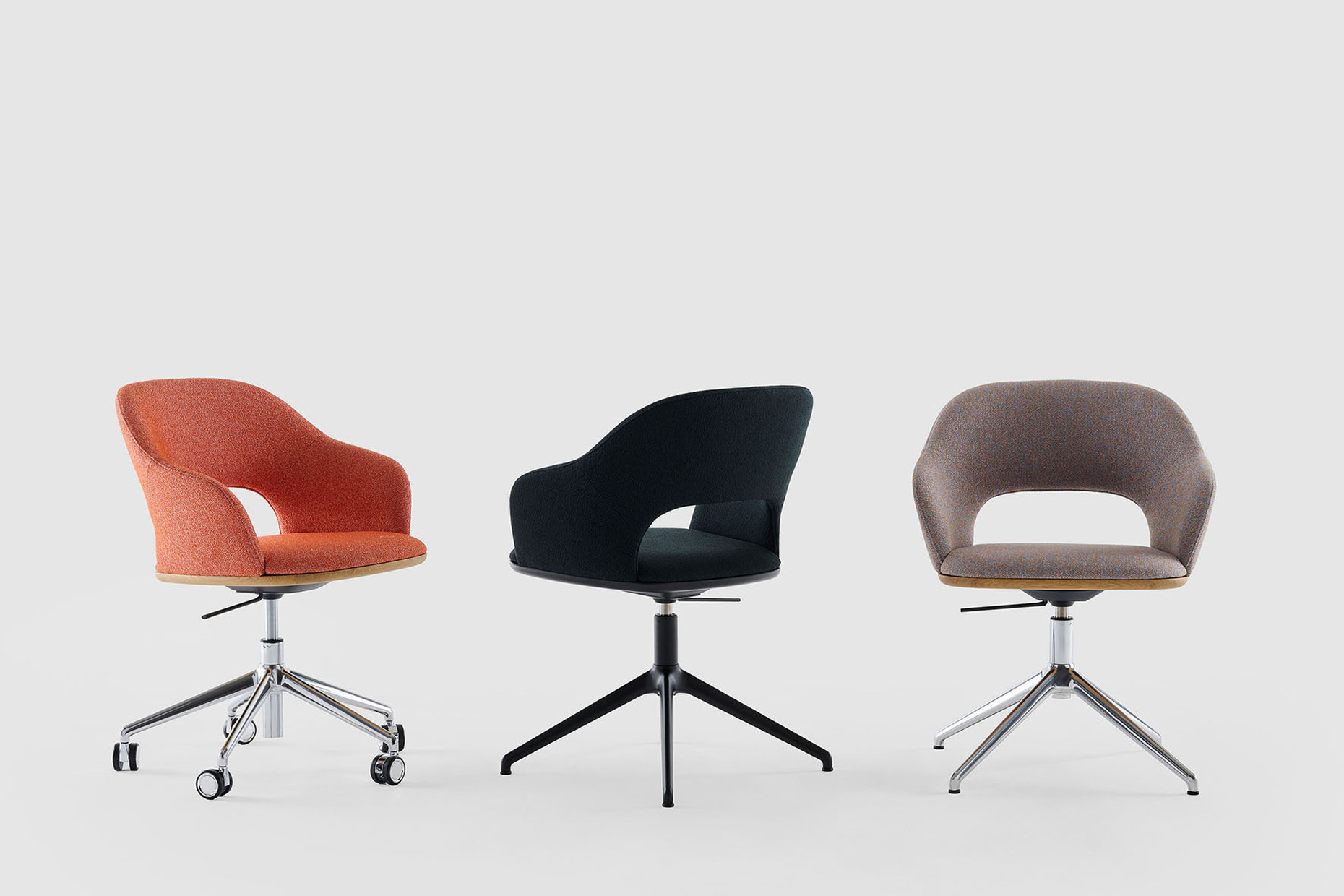
There are numerous configuration options for the ‘521’. What was important to you when developing this modular system?
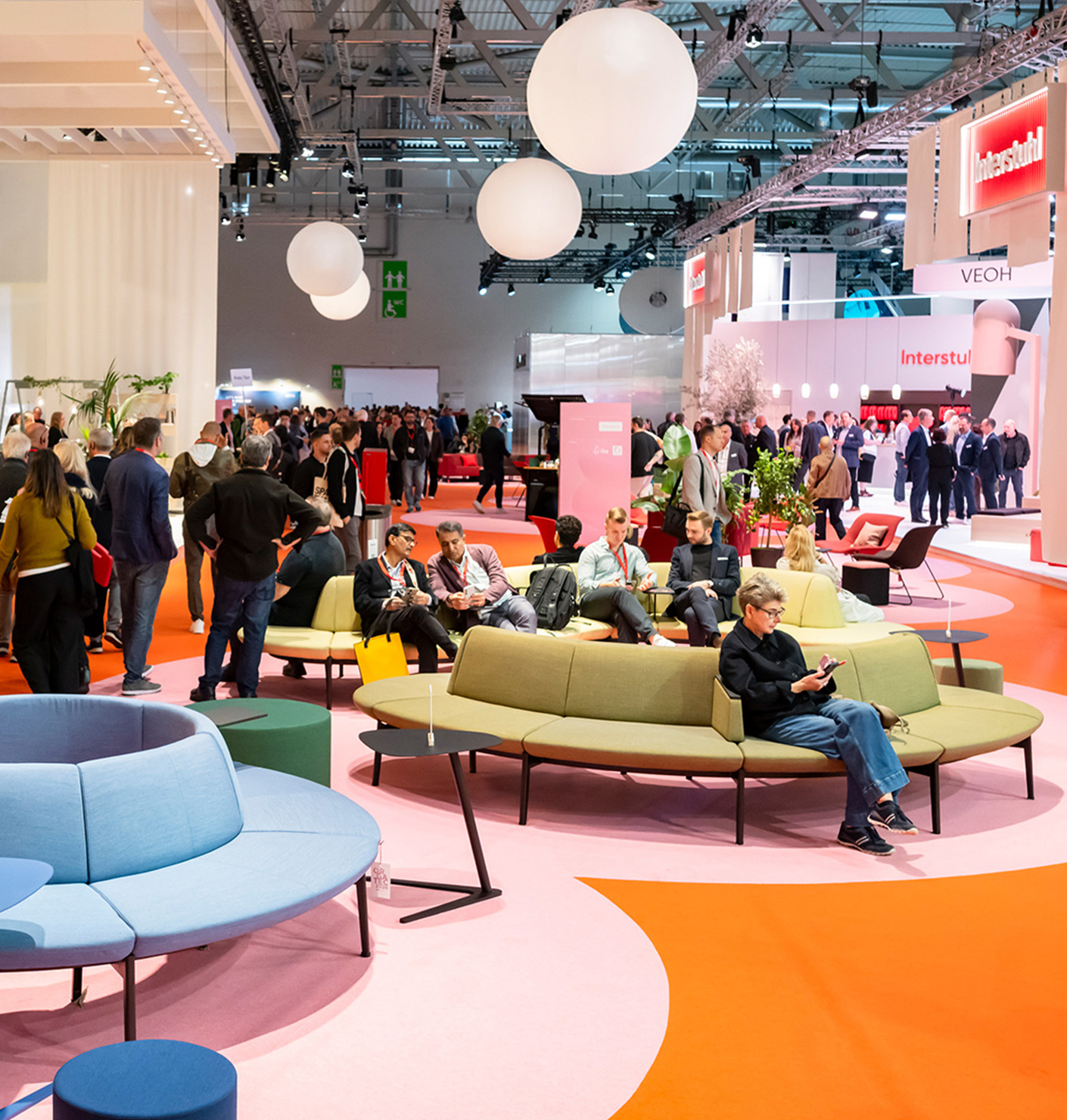
Marco Dessi: In my work, I am often guided by a specific impulse. I am interested in what happens when you reinterpret something familiar and take that idea further in a consistent way. In my collaboration with Thonet, this gives rise to a genuine dialogue. It is not just the designers who shape the process, but the company itself as well. That is precisely what makes for a successful collaboration. For me, designers are, in any case, composers: they bring together different influences to form a new response. With the ’521’, this led to a modernity that feels entirely natural. That’s why it was important to me that all the variants in the modular range should come across as different facets of the same idea. When I saw the ’521’ at the trade fair alongside the cantilever chairs and bentwood classics, I immediately thought: it belongs right here. To many, the chair seemed as though it had always been part of the collection. Many had the feeling that something new was emerging here. At the same time, the ’521’ builds on a central idea of Thonet’s: to design a good chair for as many people as possible. Perhaps that is precisely why the collection feels so natural.
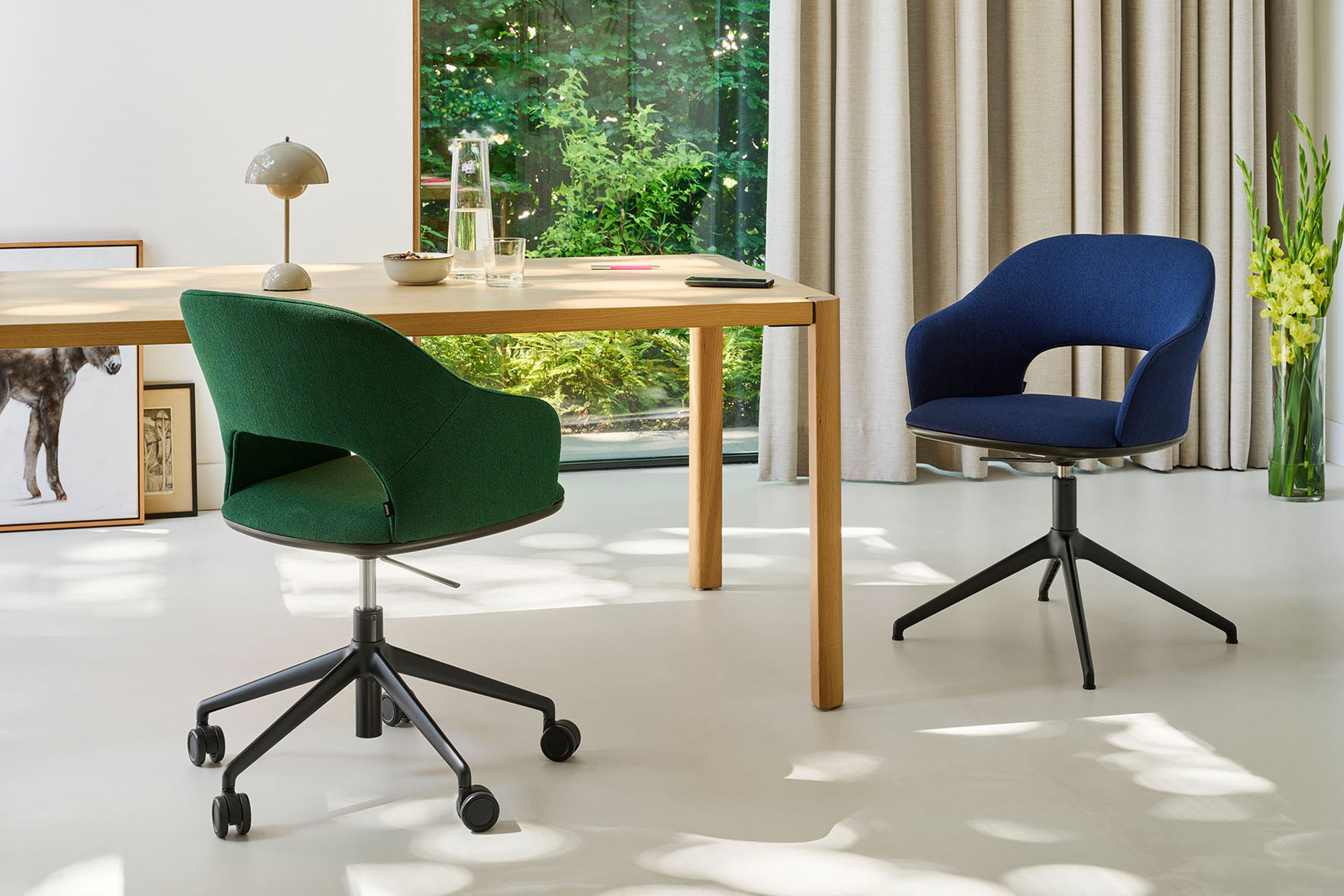
The ‘521’ takes the soft, inviting feel of the ‘520’ and adapts it to a workplace setting. Why does the world of work need more comfort these days?
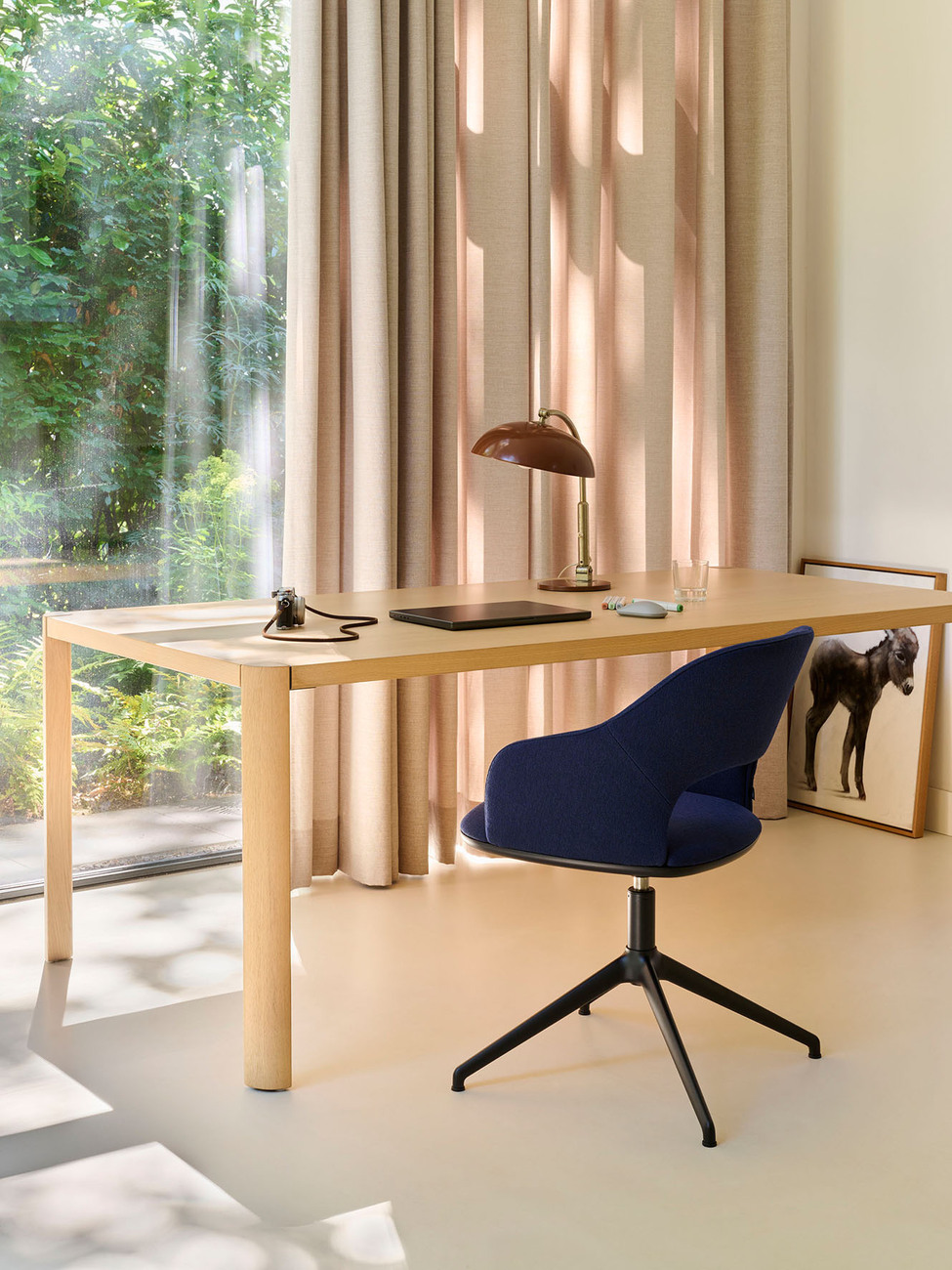
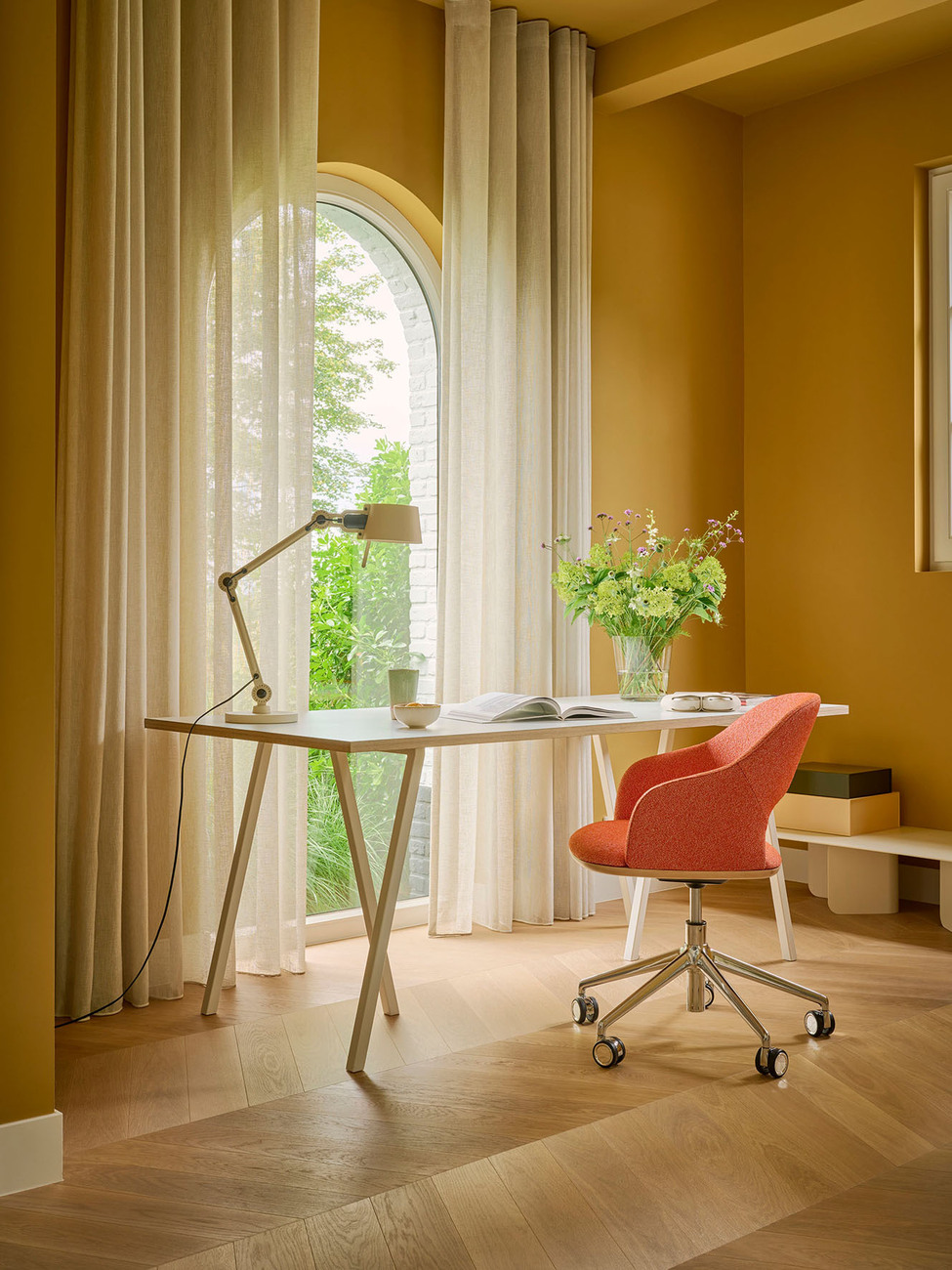
Marco Dessi: I have the feeling that this need has become much stronger in recent years. Undoubtedly, the experiences of the lockdowns, the pandemic and the rise of working from home have played a major role in this. Living and working are now much more closely intertwined than they were a few years ago. At the same time, our understanding of spaces has changed. Whether it’s a restaurant, a hotel lobby, a living space or a workplace: today we expect more atmosphere, more comfort and a higher quality of experience. Spaces should convey identity, surprise us and have character. Upholstered furniture makes an important contribution to this. It provides comfort, but at the same time opens up a wide range of possibilities for personalisation through colours, materials and different contexts of use. That is why a chair like the ‘521’ works not only in the office, but just as well at the dining table, in a lounge or in the hospitality sector. It represents a rethinking of existing typologies.
Added to this is a generational shift: younger generations take a much freer approach to design. Even industrial design languages, which were long regarded as functional or uninviting, have long since found their place in the home. This experimentation with different influences shows that what we are discussing today is more than just a trend or a stylistic exercise. Our aim was to give the chair a certain sense of calm without losing its precision. In this context, I like to speak of ‘visual comfort’. A chair should convey at first glance: ‘Come on, have a seat. You can stay here. You can feel at ease.’ This stands in stark contrast to the image of the office that prevailed for so long. In the past, workplaces were often places designed primarily to radiate discipline, efficiency and concentration, and their furnishings could at times seem almost intimidating. Today, nobody really wants that anymore. Neither the companies nor the people who work there. I’m much more interested in that pleasant sense of natural ease that characterises good Thonet furniture. You sit down, move about, turn a little, and quite intuitively find the right position. The chair doesn’t impose itself, but rather accompanies you. That’s exactly what I like about the “521”. It’s compact, yet at the same time feels open and inviting. It possesses a structural clarity without appearing technical, and a certain elegance without taking centre stage. For me, it combines many characteristics that are typical of Thonet: lightness, precision and the ability to blend quite naturally into different situations. Ultimately, it’s about creating a chair that you enjoy using. A chair you want to sit on, not because you have to, but because it exudes a certain naturalness and ease. For me, that was precisely an important quality of the design.
What are you working on at the moment?
Marco Dessi: We are currently continuing to develop the collection for Thonet and discussing what might become of the 521, and what variants and typologies might emerge. In the process, the various themes will become even more closely intertwined. Our aim is for the design to cover as many requirements and usage scenarios as possible. I’m really looking forward to that. Alongside this, I’m working on studio editions: over the past few years, I’ve started to build up my own portfolio of projects and designs. I’m interested in striking a balance between classic mass production and collectible design. The objects are conceived from an industrial perspective and are intended to remain accessible, whilst at the same time conveying a strong narrative. These free-form exercises are hugely important. They keep us creative, broaden our horizons and open up new perspectives. They enable us to pursue ideas before there is even a market for them. And sometimes it is precisely there that approaches emerge which, a few years later, strike a chord with the spirit of the times and drive the development of an entire industry.