Material as a Medium
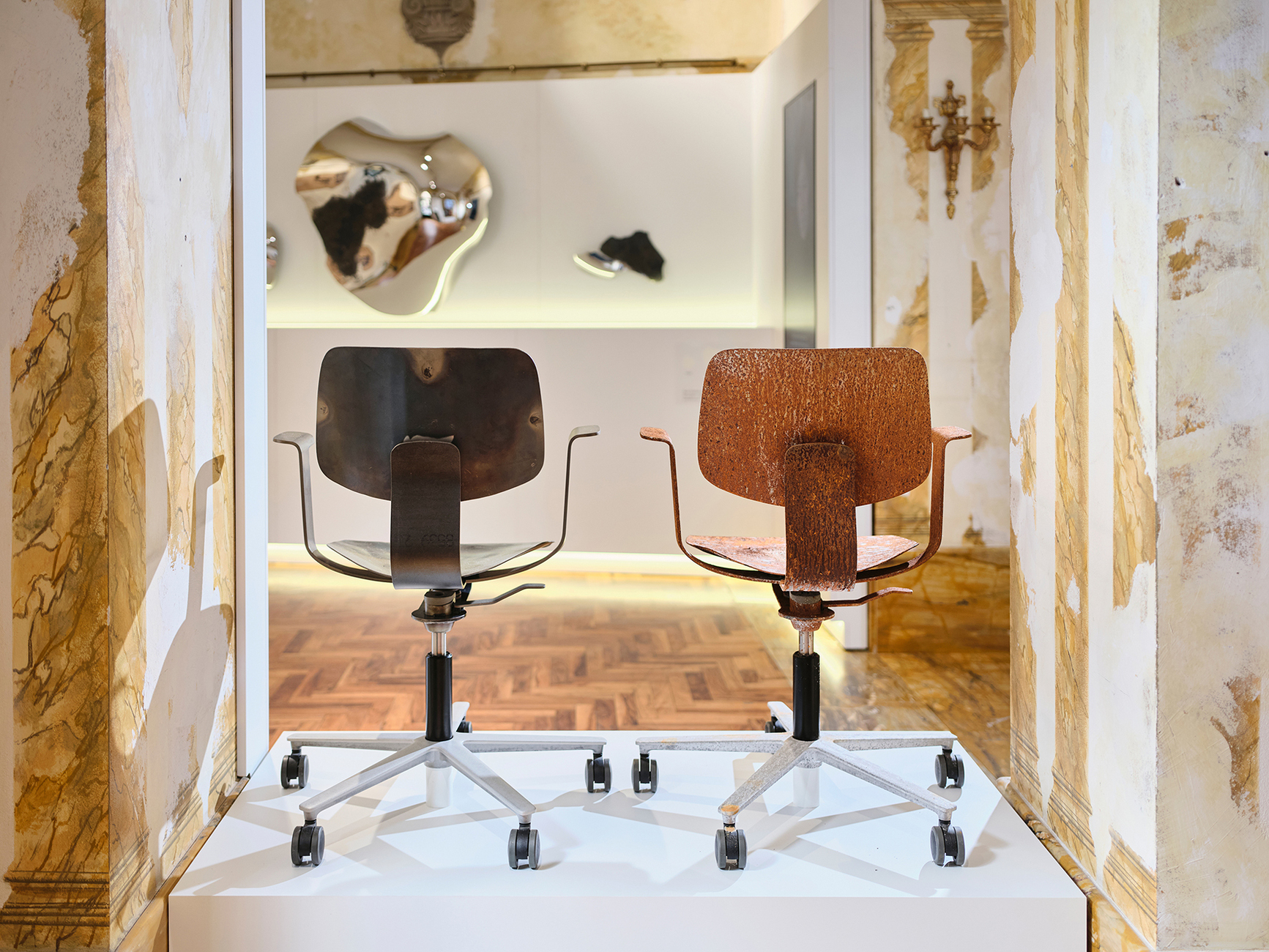
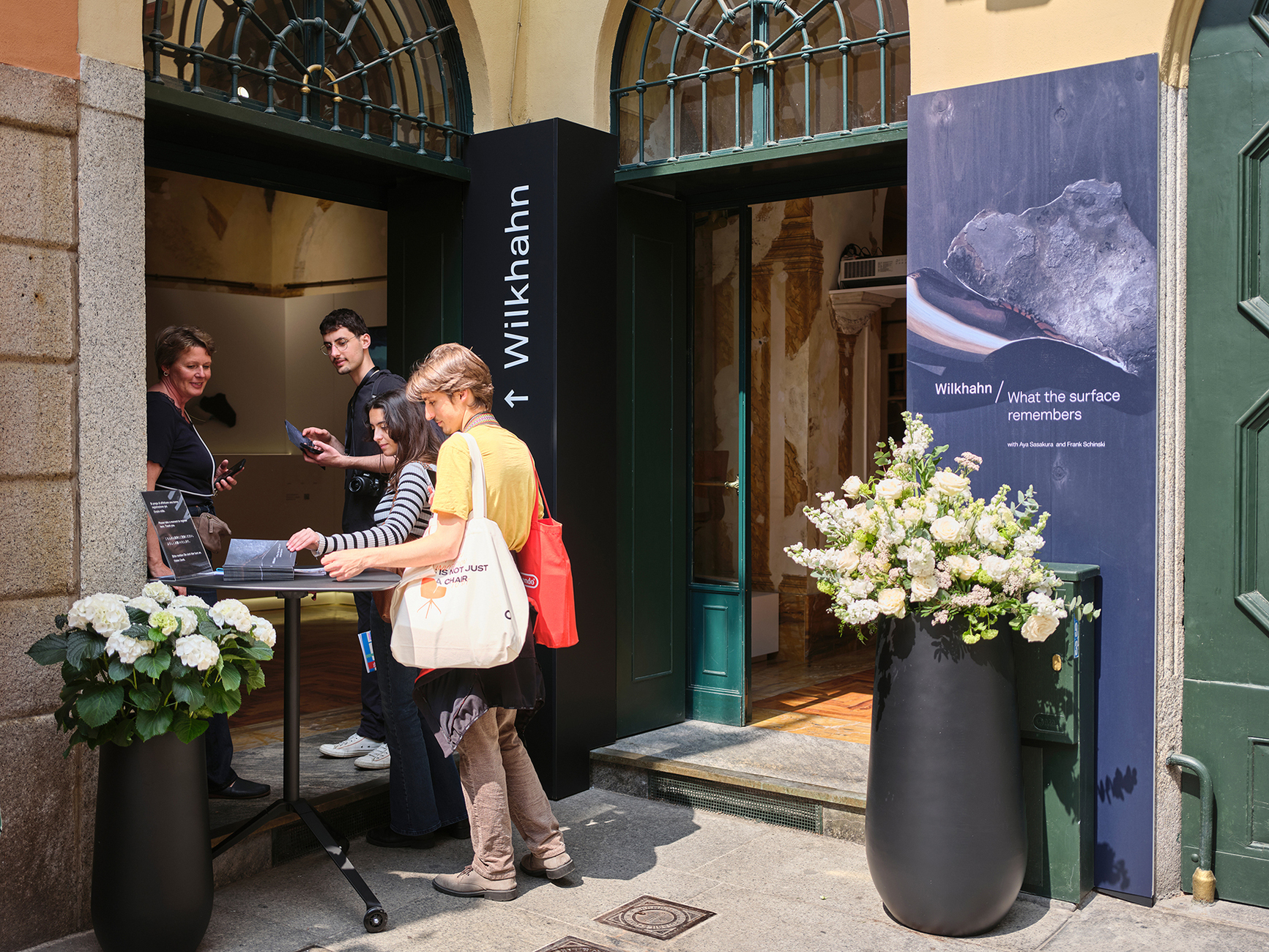
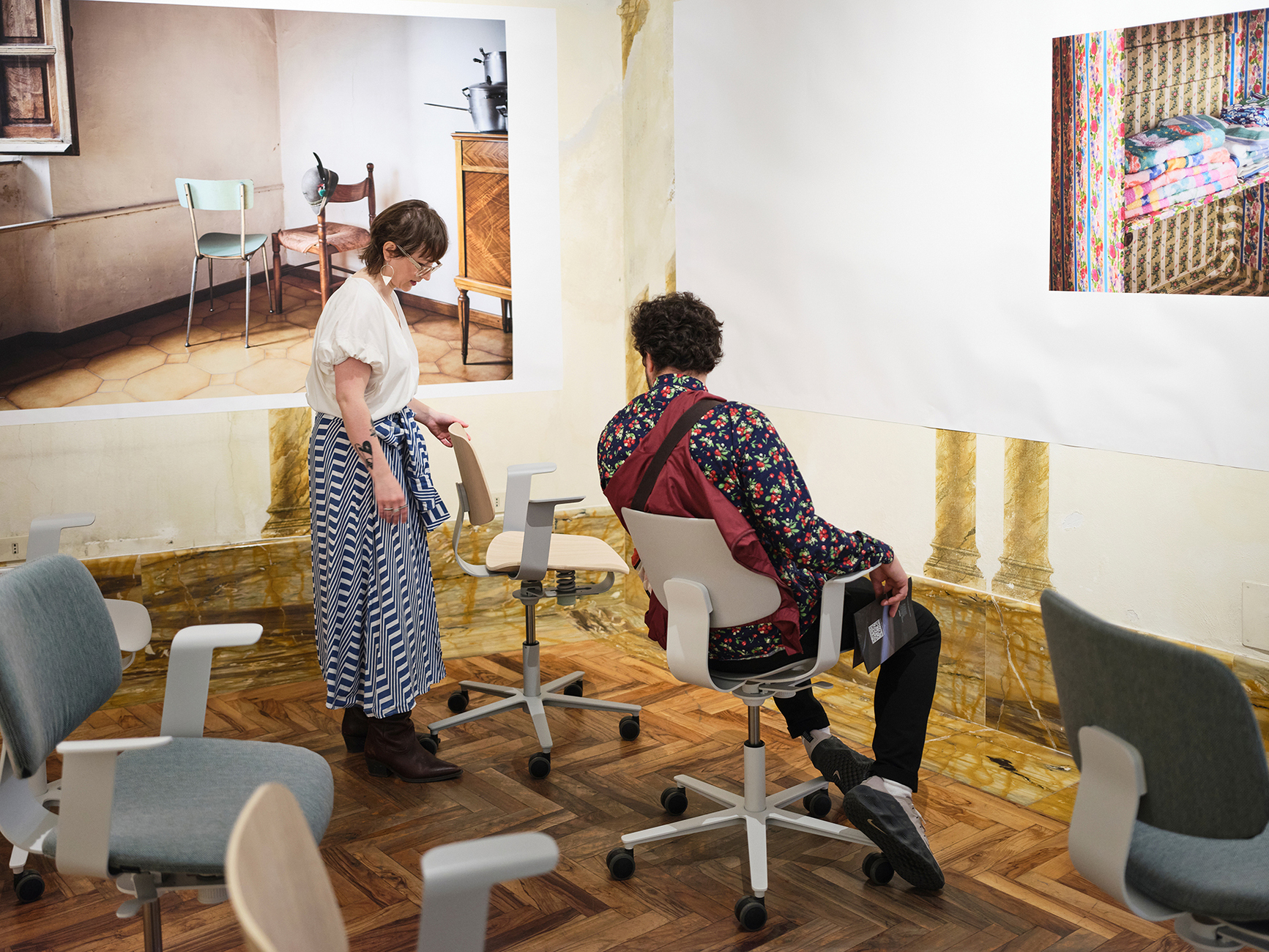
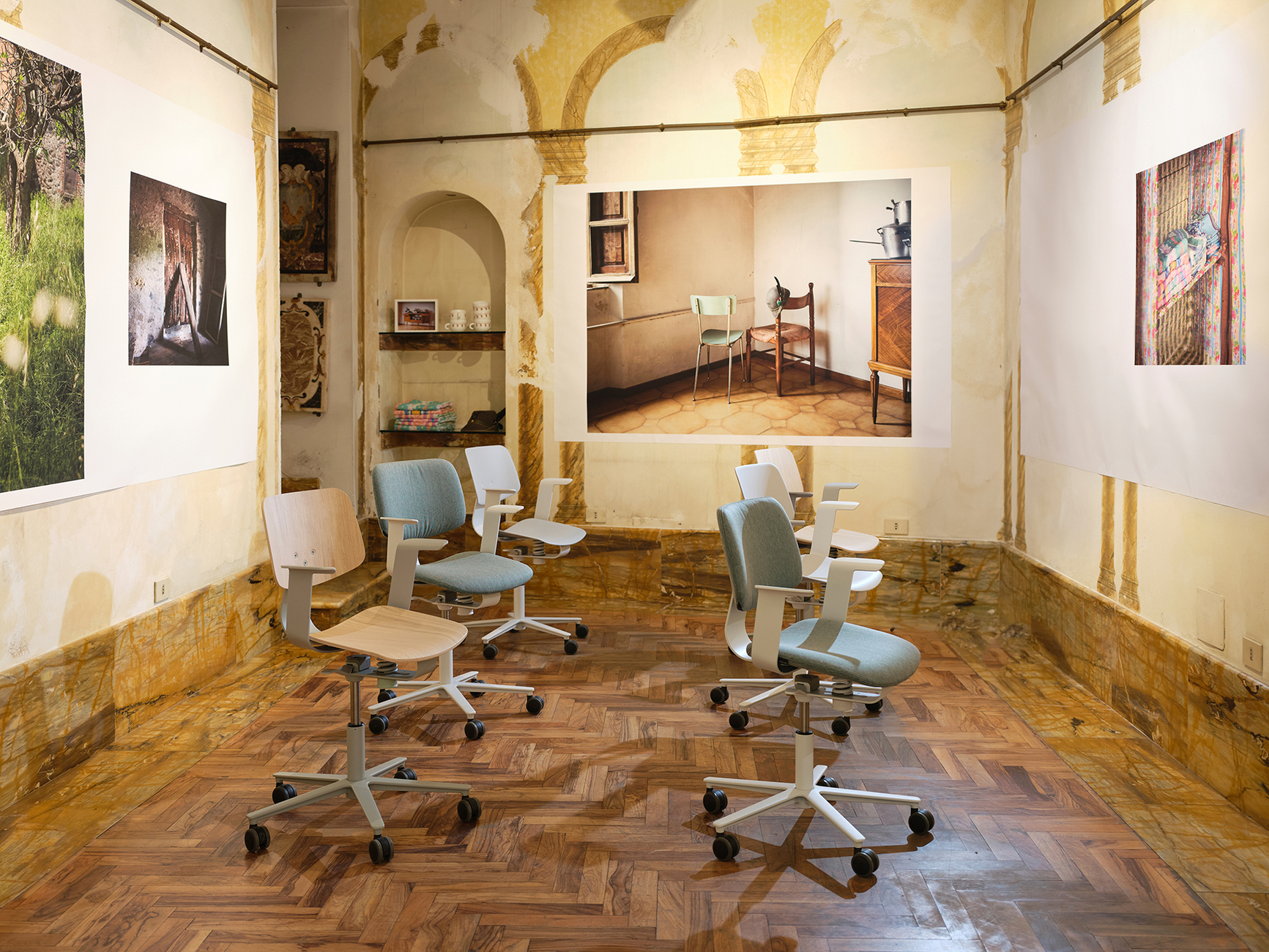
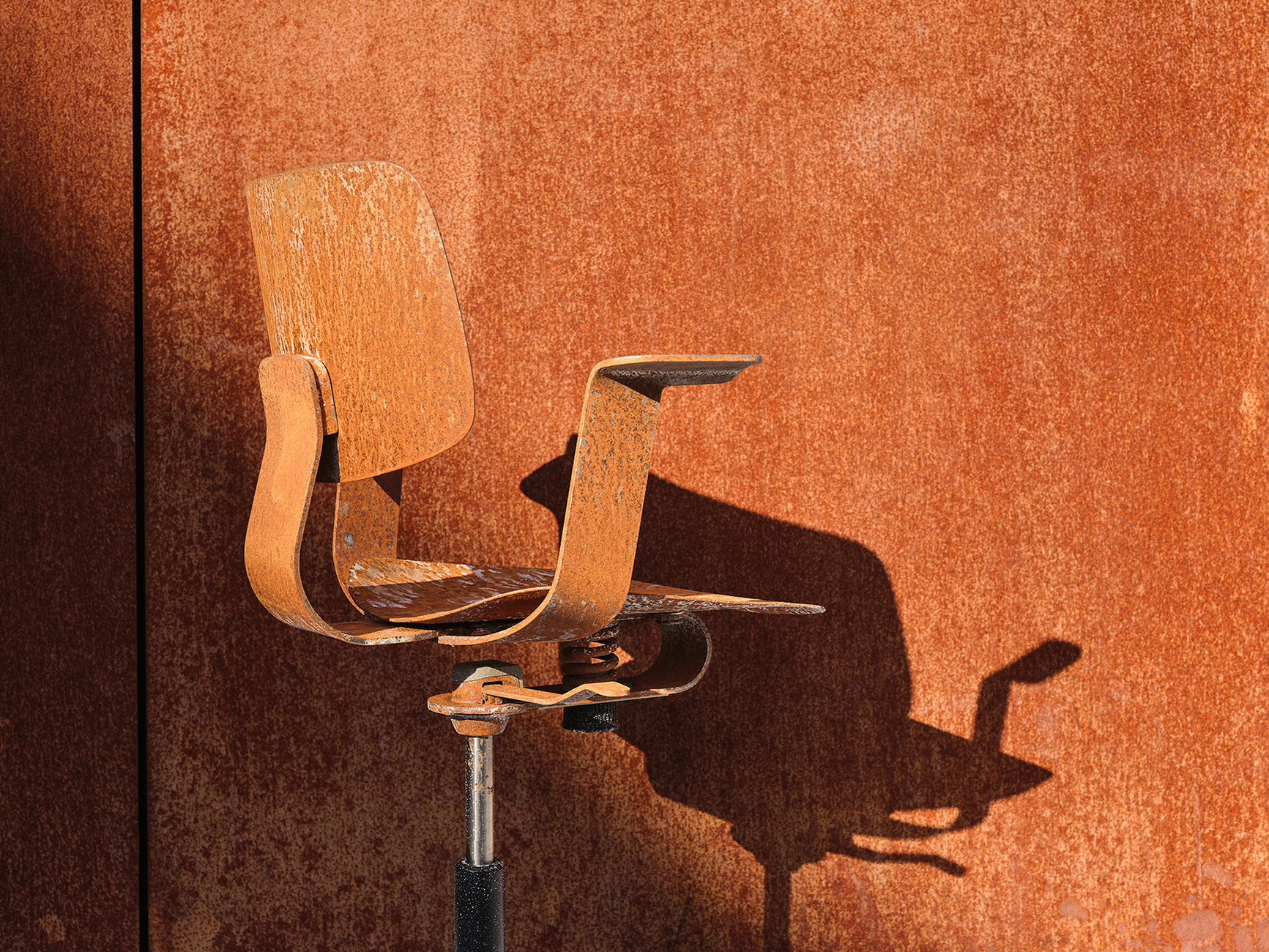
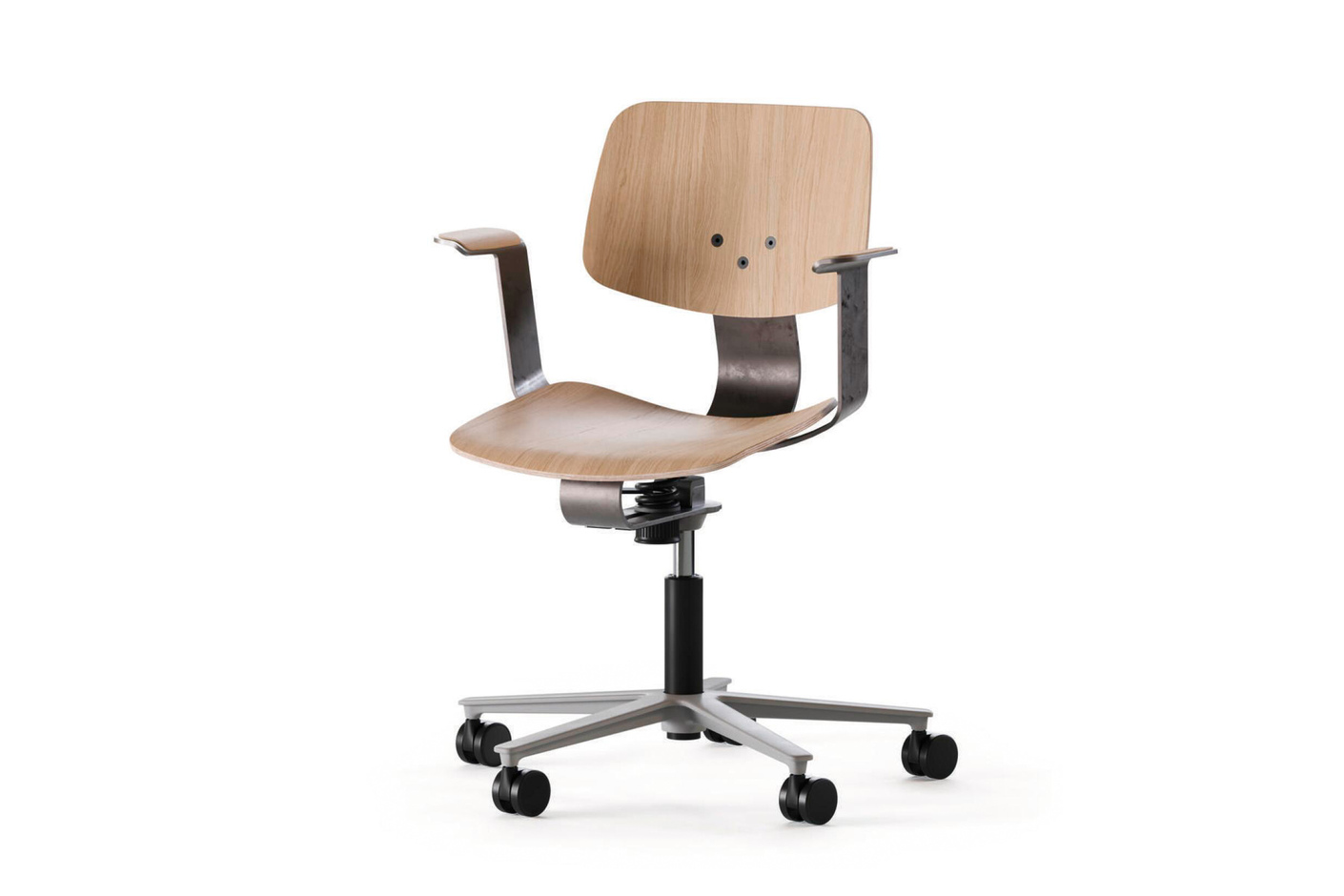
Under the influence of external forces, surfaces transform into vessels of change, with processes and time leaving traces that coalesce into multi-layered structures. Steel is one of the few materials that can bring this to life so impressively, with its cool austerity and unexpectedly sensual malleability creating a multifaceted image. At Milan Design Week 2026, Wilkhahn used the material's qualities to curate a dialogue with the installation “What the surface remembers”, presented in the Brera district. This installation presented design as an open process. The precise construction of the 'WiChair' formed the basis for this artistic exploration and was specifically reinterpreted for the exhibition as a material study in two versions: while the industrial model showcases the aesthetic purism of steel and reveals the traces of its manufacturing process, the fully oxidised version symbolises the imprint of time and environmental influences. The transformation of the material gives it its own striking character. It is an intriguing juxtaposition of openness and control, durability and change.
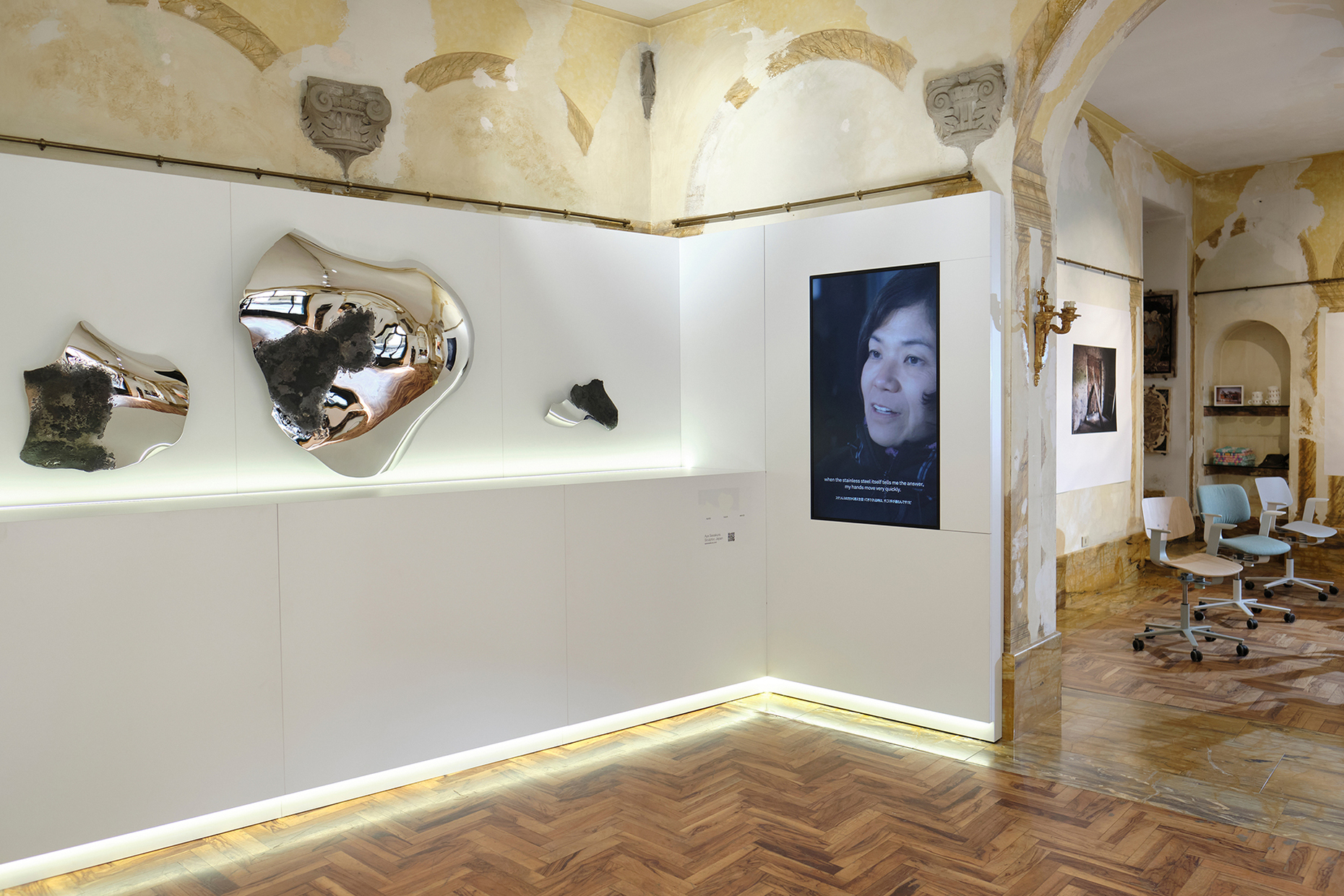
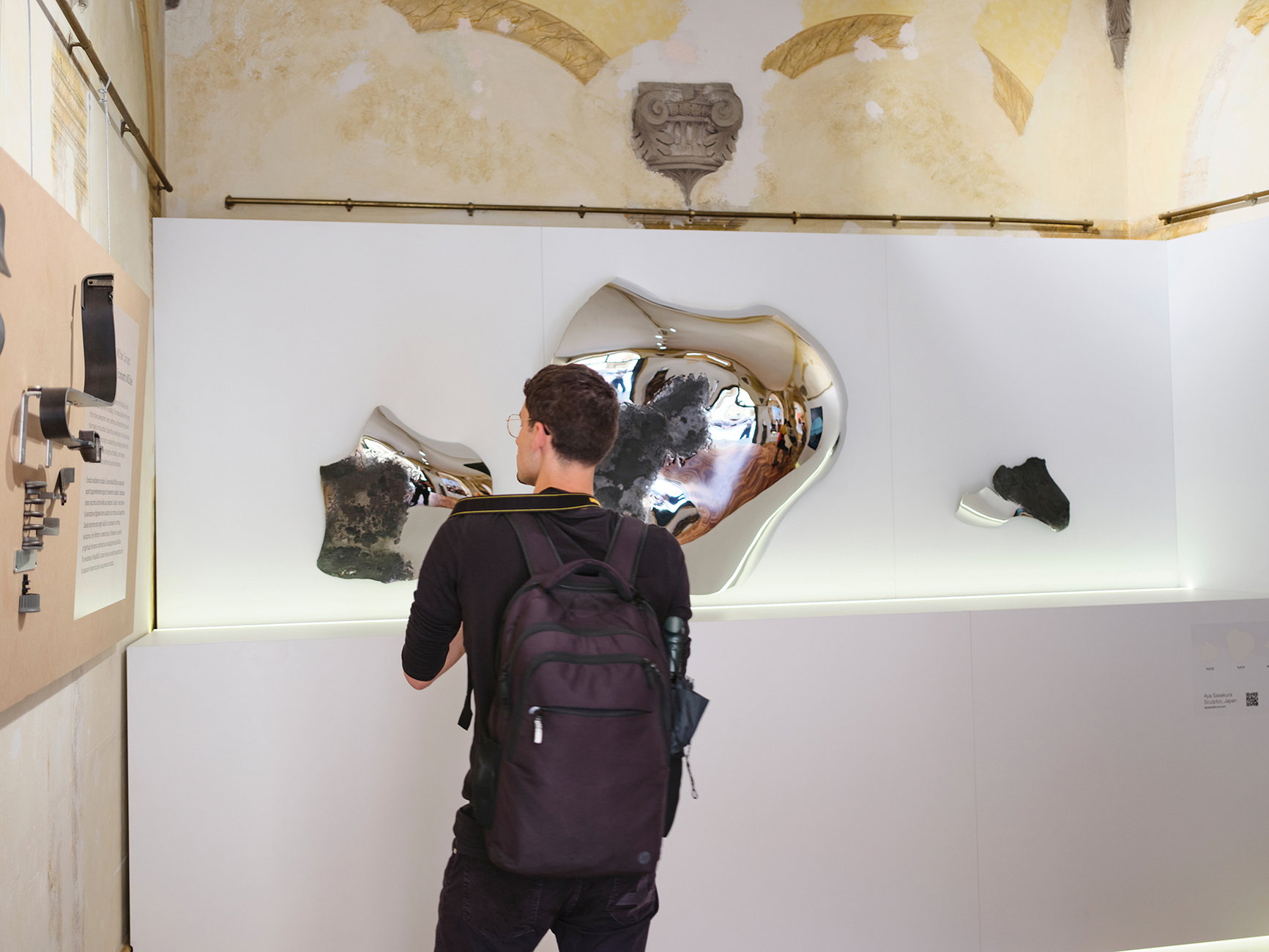
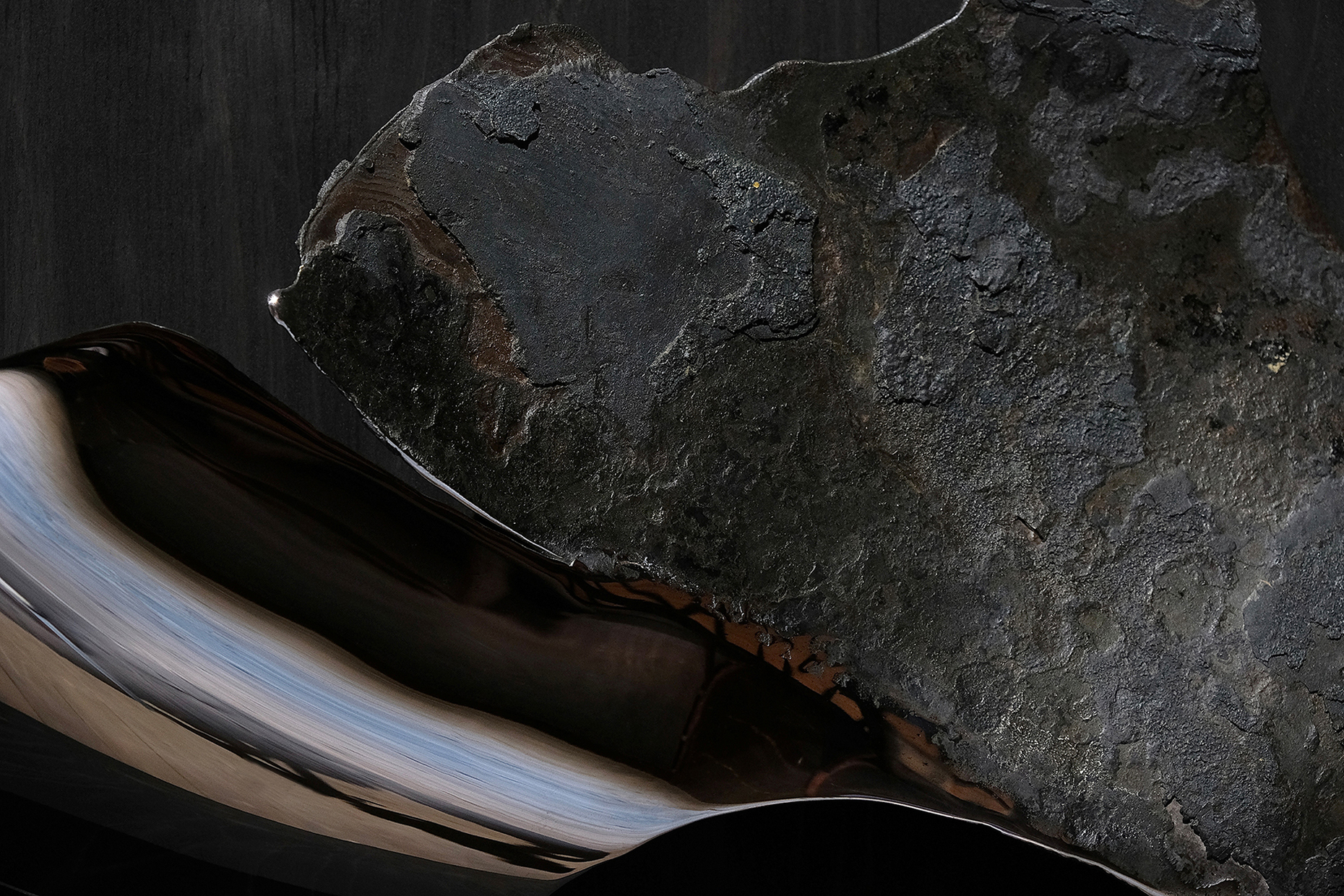
The multifaceted nature of the material was also evident in the works of sculptor Aya Sasakura. Drawing inspiration from the primal power of the sea, she created the fluid-looking objects 'Ebb' and 'Full' by hammering, firing and polishing stainless steel. Reflecting on the archetypal form of the 'WiChair', Sasakura says, 'I believe a chair can be described as a sculpture that you can sit on, touch, and physically experience with your own body. By sitting on the sculpture, you yourself become part of it. In this sense, you complete it.” Meanwhile, photographer Frank Schinski drew attention in his work to surfaces as repositories of time. His photographs of an abandoned house in Tuscany reveal traces of use and the effects of light with quiet intensity.
The works of Aya Sasakura and Frank Schinski demonstrate that design intensity often stems from a focus on the essentials.
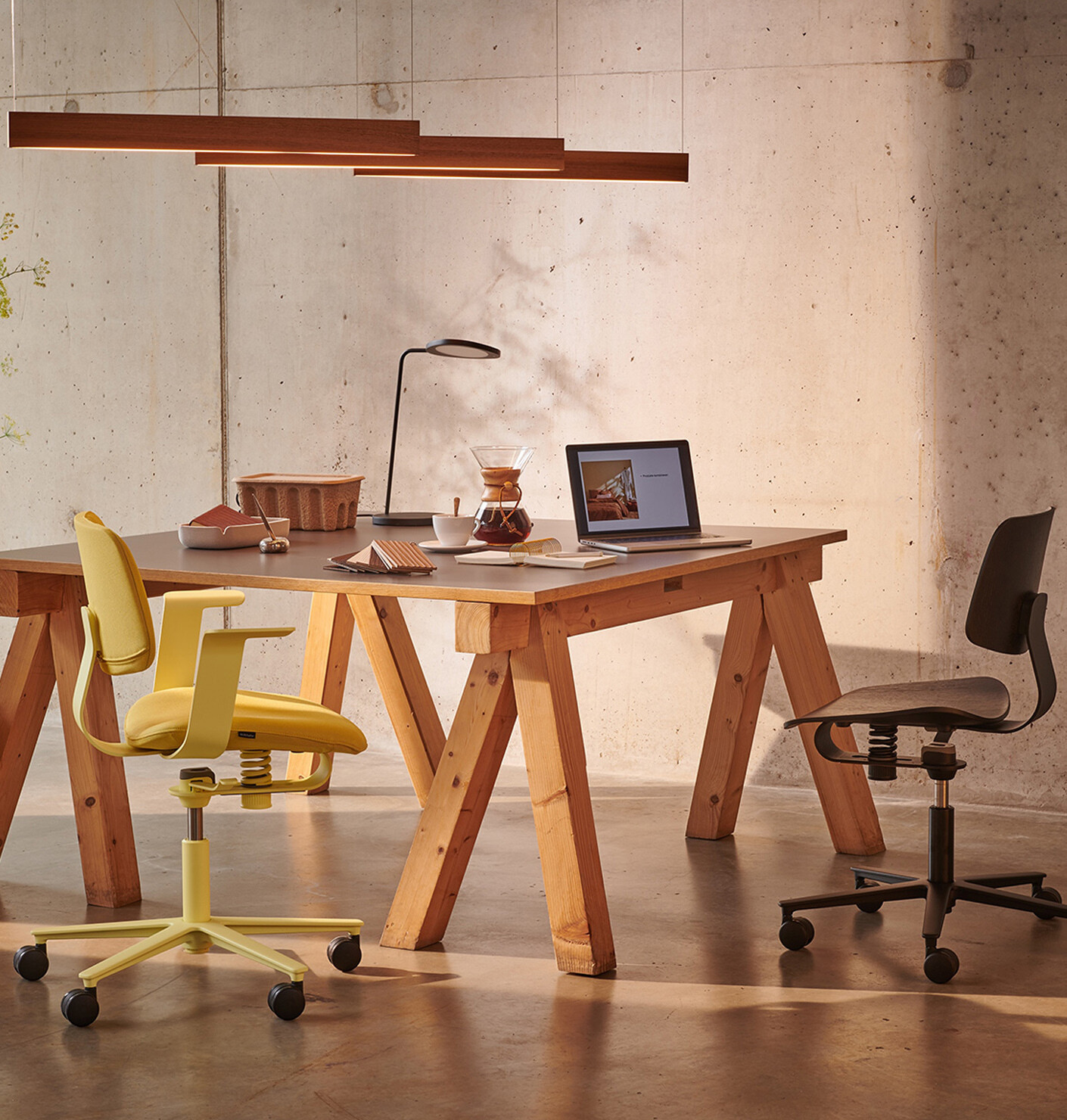
This approach aligns with Wilkhahn’s guiding principle, 'Less is more', which is consistently expressed in the 'WiChair'. The design is reduced to just a few precisely coordinated components made of FSC-certified moulded wood, steel and aluminium. The focus is on the material itself as a defining design element. Like the artistic perspectives presented in 'What the Surface Remembers', the 'WiChair' impresses with its clarity, minimalism and coherent material logic. Its distinctive design language blends naturally into various environments while simultaneously adding individual accents. The spring-loaded steel swing arm follows the body’s natural movements, and together with the ergonomically shaped seat and backrest, it ensures a comfortable and dynamic seating experience. A mechanism that can be adjusted according to body weight, along with optional interchangeable cushions, supports long-term, flexible use. Thus, the "WiChair" is a contemporary seating solution designed for quality and durability.