An empty stage
Anna Moldenhauer: Your series ‘Sentiment Index’ shows an empty city. People hardly appear in the photos, and where they do, it is more through their locations, means of transport or architectural traces. It seems like an alternation between presence and absence. You had just moved to Frankfurt at the time. Can you describe how you experienced the city during your first exploratory tours with your camera?
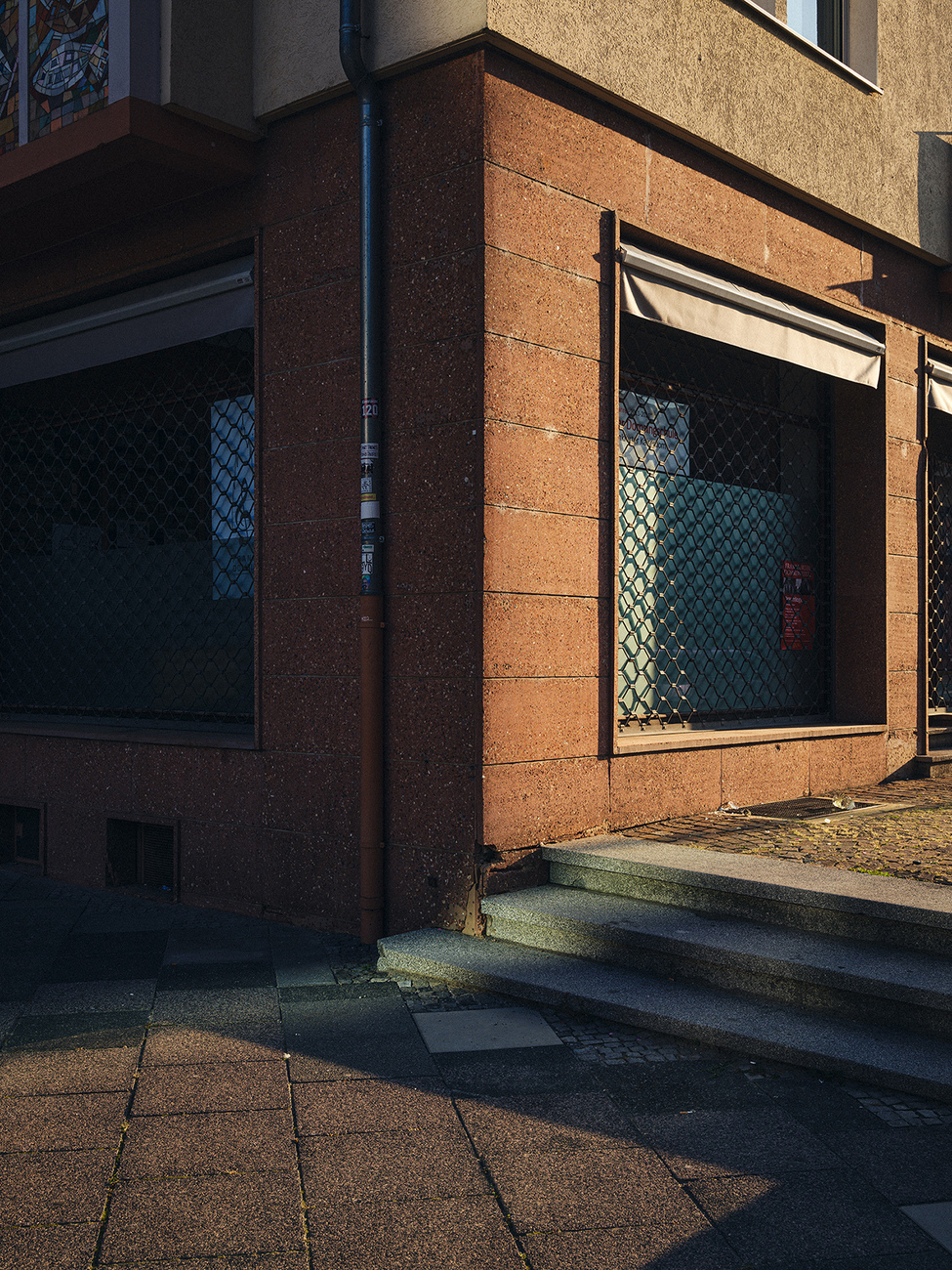
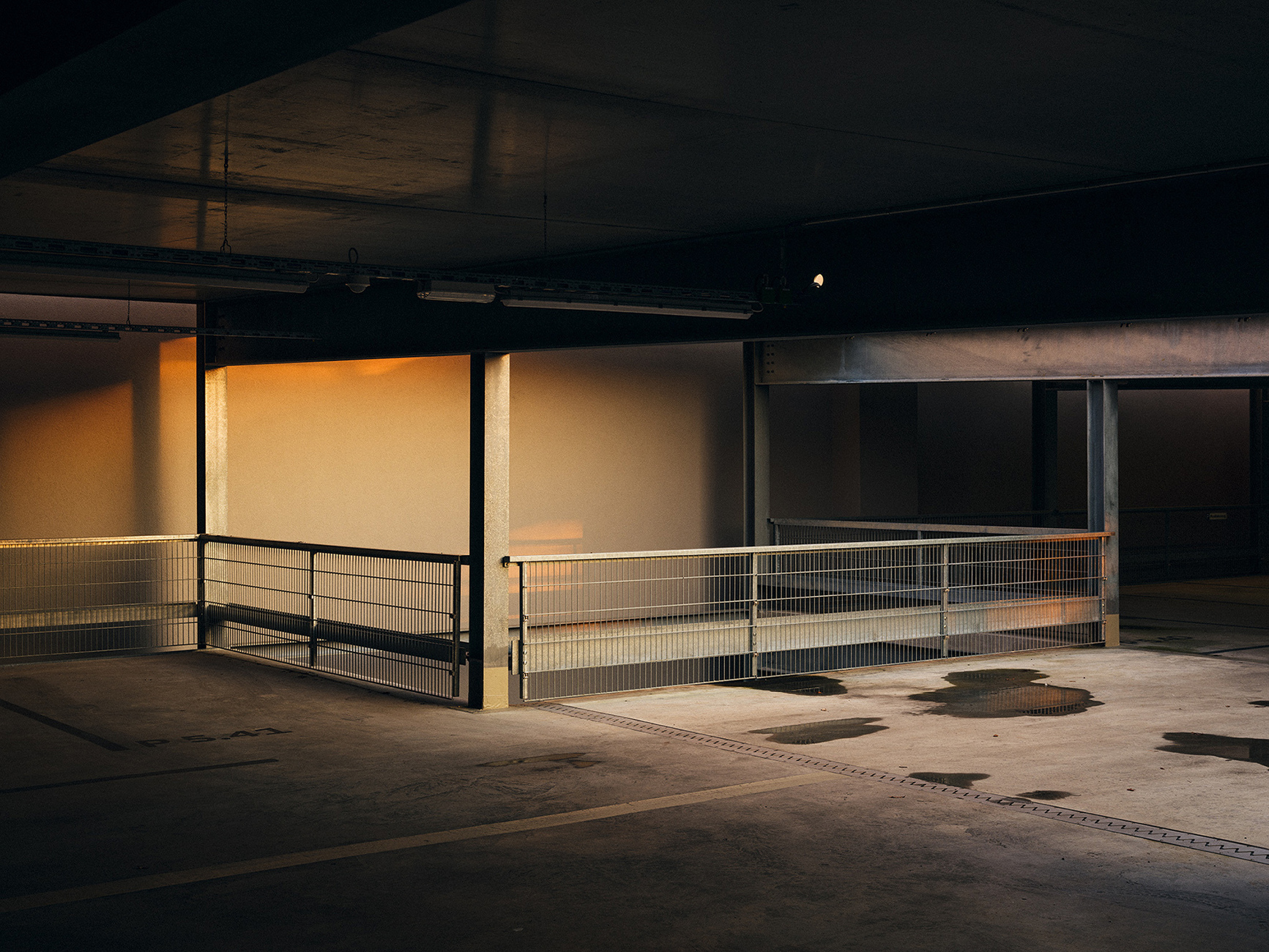
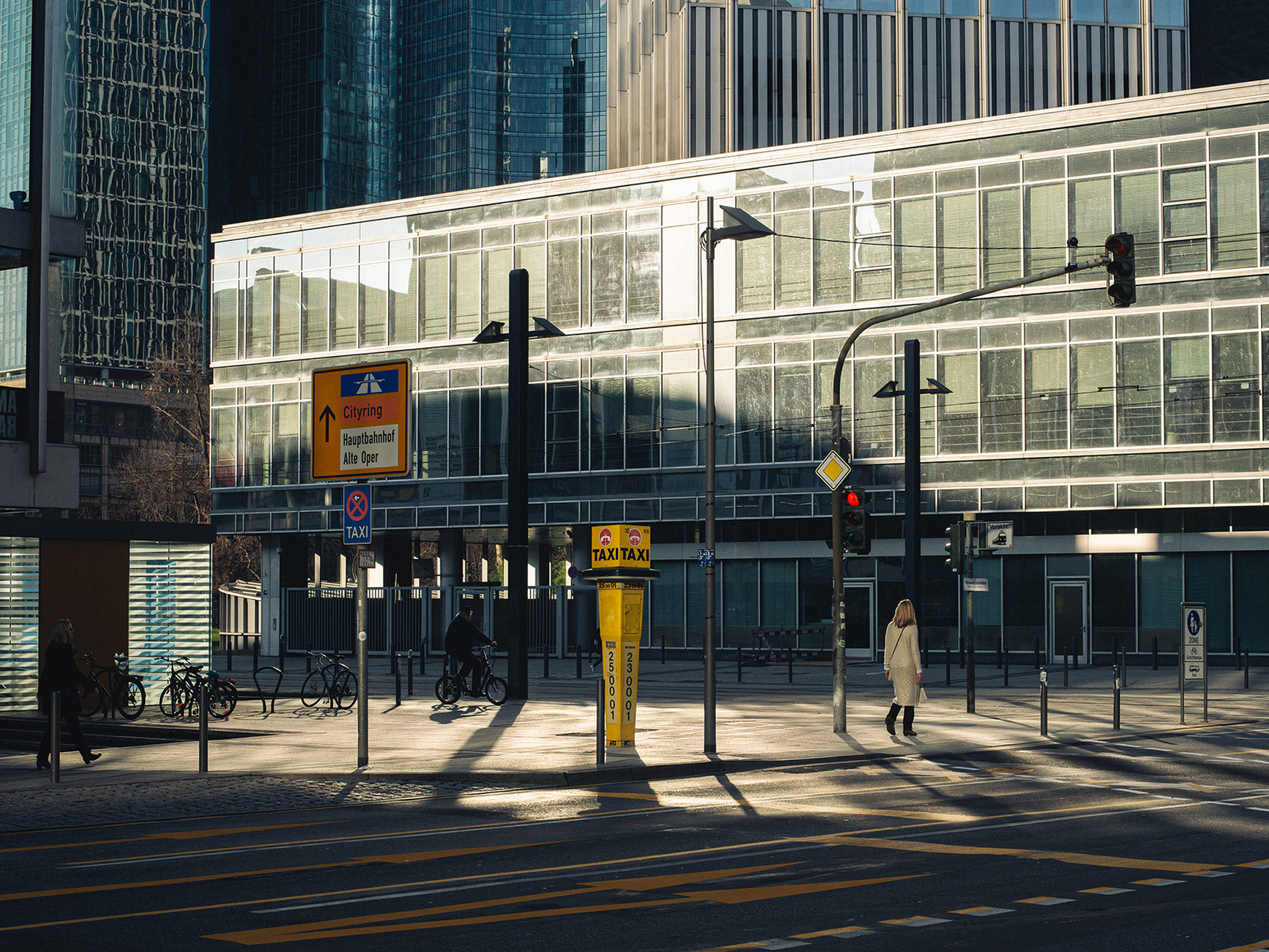
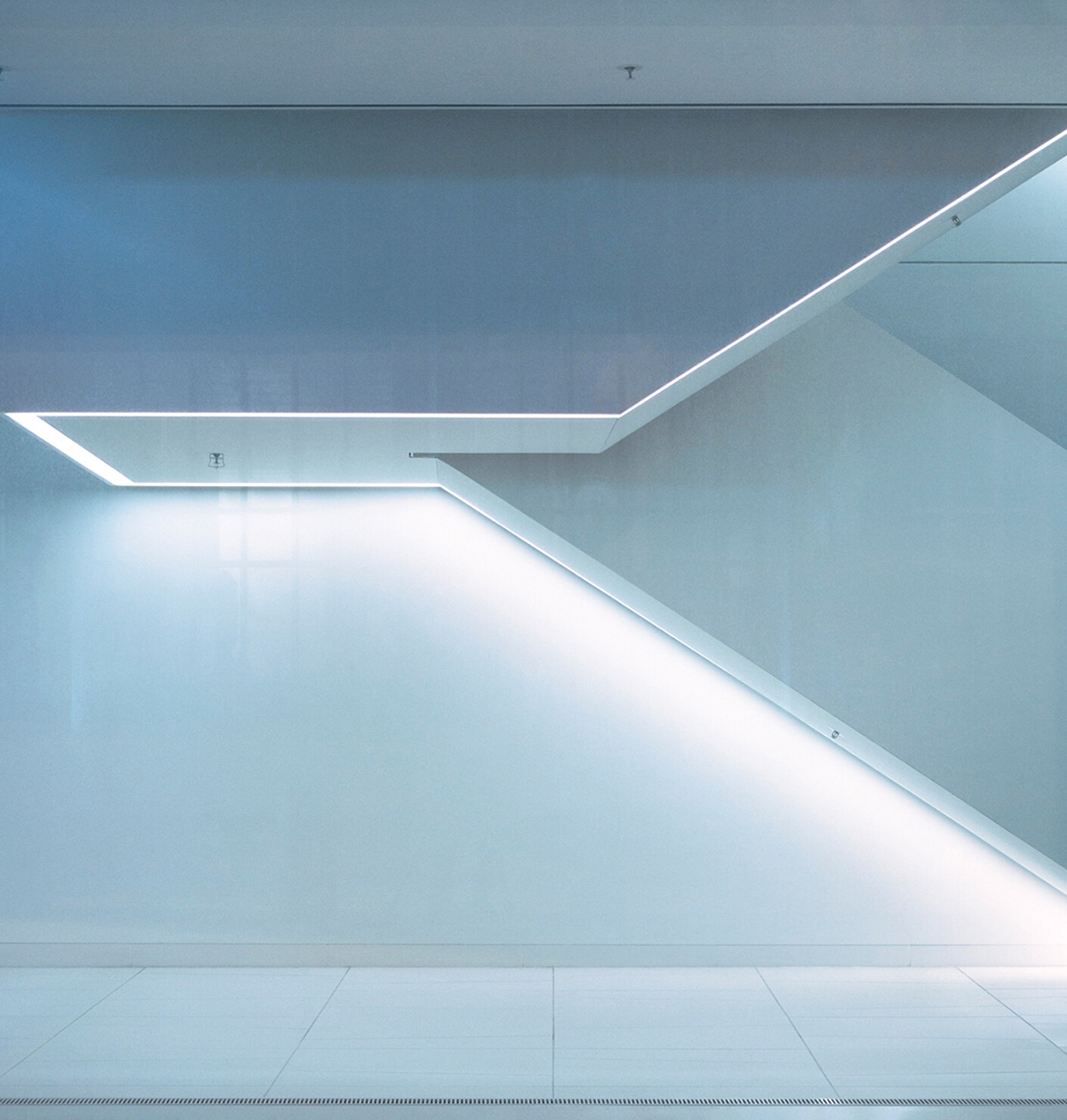
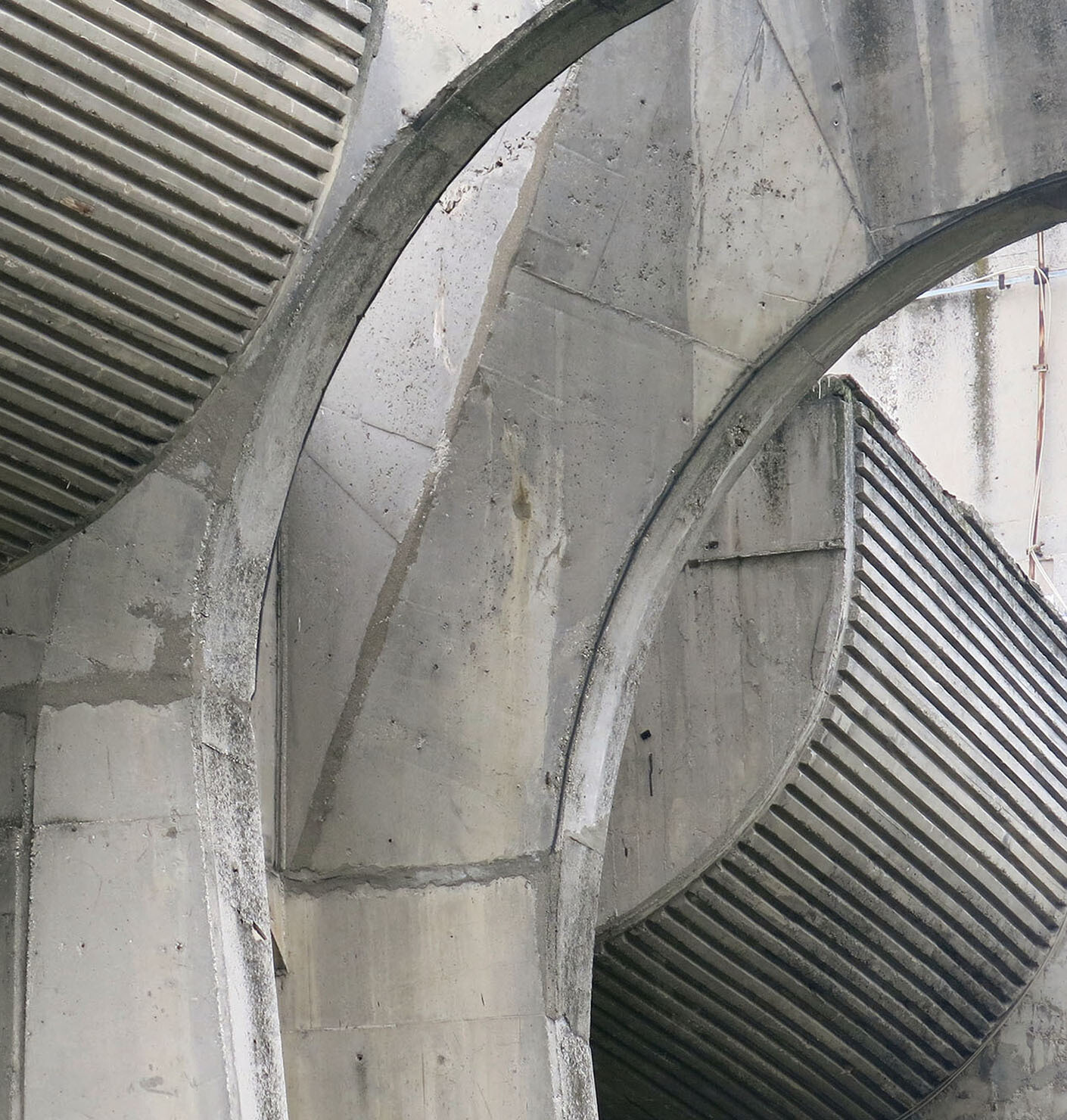
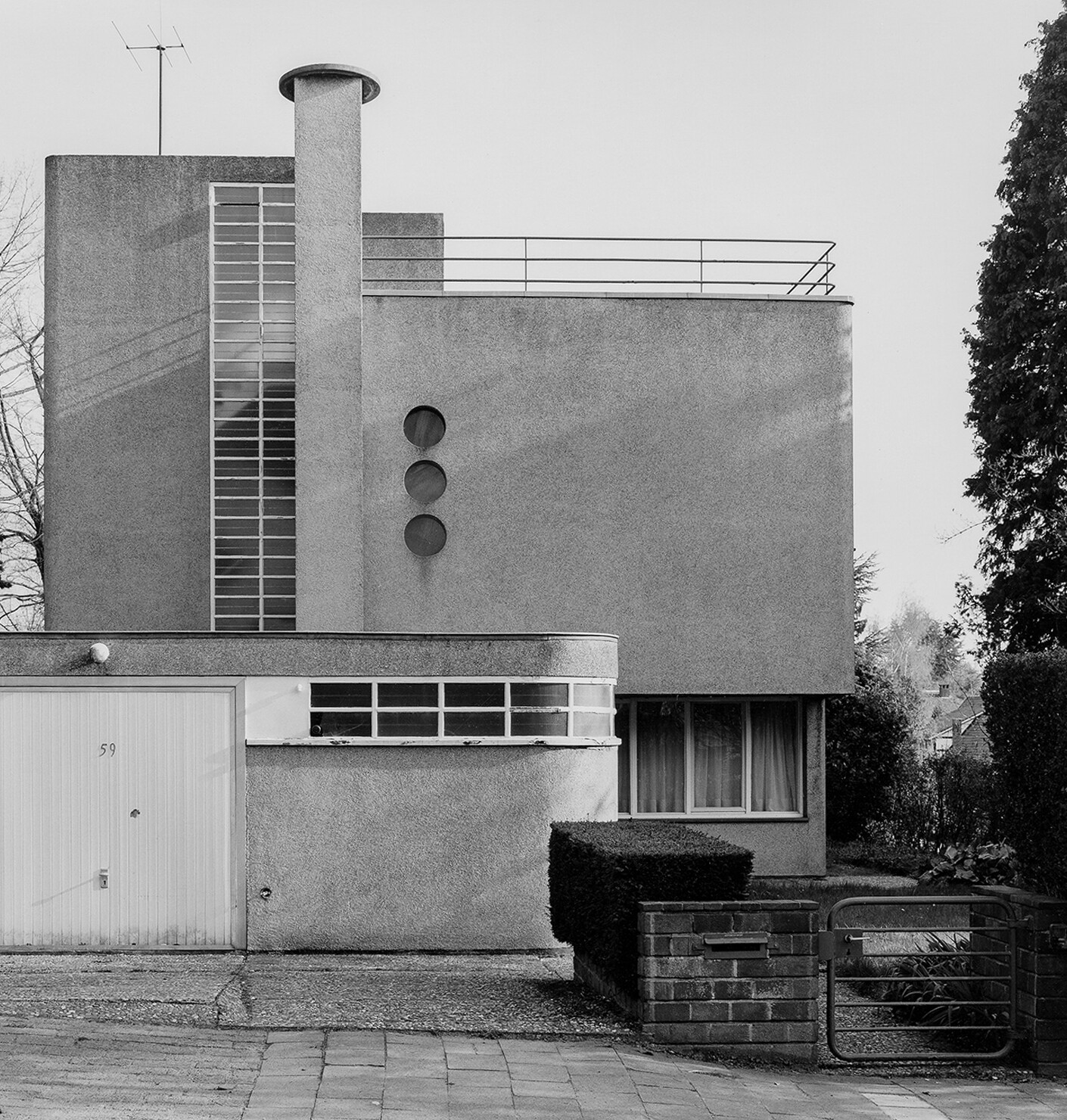
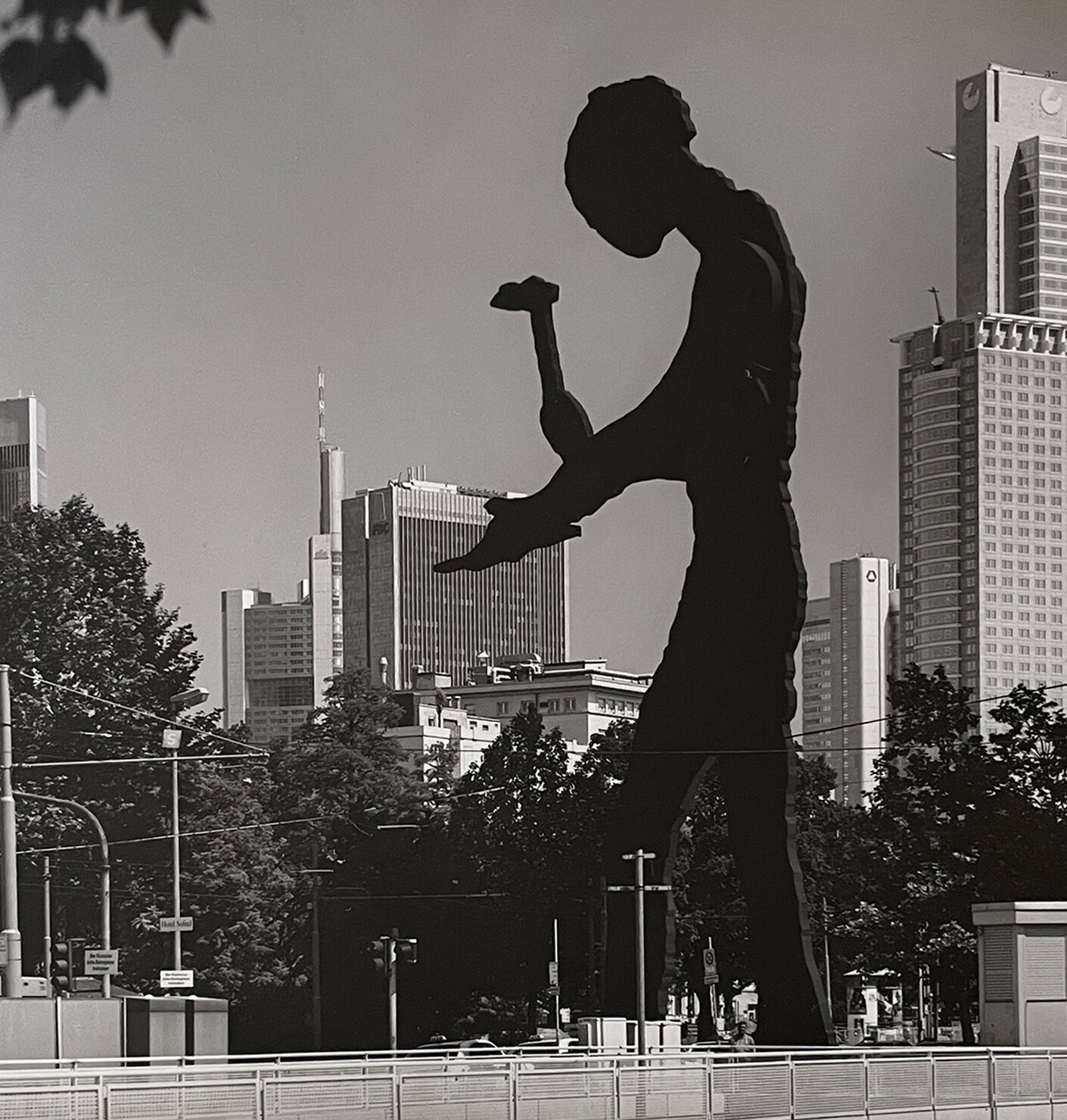
Wolfgang Stahr: My pleasure. Before moving here, I lived in Berlin for 25 years and only knew Frankfurt am Main from brief visits – mainly because my wife is from here. So I had a family connection, but no clear idea of the city. Just a vague feeling that it might be visually exciting. Some of the first pictures in the series were actually taken before I moved here, because I often had my camera with me when I visited. So I already had a basic interest in this dense urban structure. Moving here in the middle of the pandemic made the city seem exposed. There were no outdoor restaurants, significantly fewer people on the streets, and public spaces lay open before me. During my first forays, I quickly came up with the idea of really walking through Frankfurt, getting a feel for it – and taking my camera with me. The project developed almost by itself. Shortly afterwards, I realised that it could become a real work of art. I increasingly set off with my tripod and noticed how different even small details seemed to me after so many years in Berlin: how houses relate to each other, the typical Main sandstone in the old buildings, and this special Frankfurt density, where you can often see three or four decades of architectural history in a single glance. I felt very fortunate that the city was so empty. When life returned in 2021 and 2022, I simply got up very early – often before six o'clock in the summer – so that I could continue to take photographs in this tranquillity. My idea was to show the city as an empty stage. People do appear occasionally, but only sporadically – as accents, not as classic street motifs.
Did chance play a role in this? Or did you sometimes deliberately choose specific locations?
Wolfgang Stahr: Both. At first, I set off without a destination in mind. I had decided to cover as much ground as possible – including the outskirts. I didn't quite manage that, but I came close. At the same time, there were more and more moments when I saw something interesting as I drove by and thought, ‘I'll have to come back here when the light is good.’ So it was a mixture of strolling discovery and deliberate return visits.
I find the lighting fascinating: the images appear cool and calm, but at the same time the early sunlight lends them a warmth and familiarity. In preparation for the interview, I read that this atmosphere was once described as ‘cool, but with heart’.
Wolfgang Stahr: That actually comes from Florian Illies, who once said that about my work. And I can certainly relate to it. My visual language tends towards clear, two-dimensional compositions and a certain formal rigour – which is also related to my commissioned work, especially architectural photography. At first, however, I was simply overwhelmed by the diversity of the city and followed my instincts. It was only during the process that I realised how much the combination of my perspective and the warm morning or evening light transformed the city. It literally appears in a different light. In some pictures, references to other cities emerge – not only the obvious ones like New York City, but also places like Helsinki or East London. The light reinforced this sense of placelessness. In terms of photographic history, I wanted to move away a little from the purely documentary, factual and sober approach familiar from Thomas Struth's street photography, for example. I wanted to bring in more atmosphere, more ‘soul’ – because Sentiment Index is a personal portrait of a city.
The sun sometimes works like a spotlight, highlighting architectural details – as if you were rediscovering buildings.
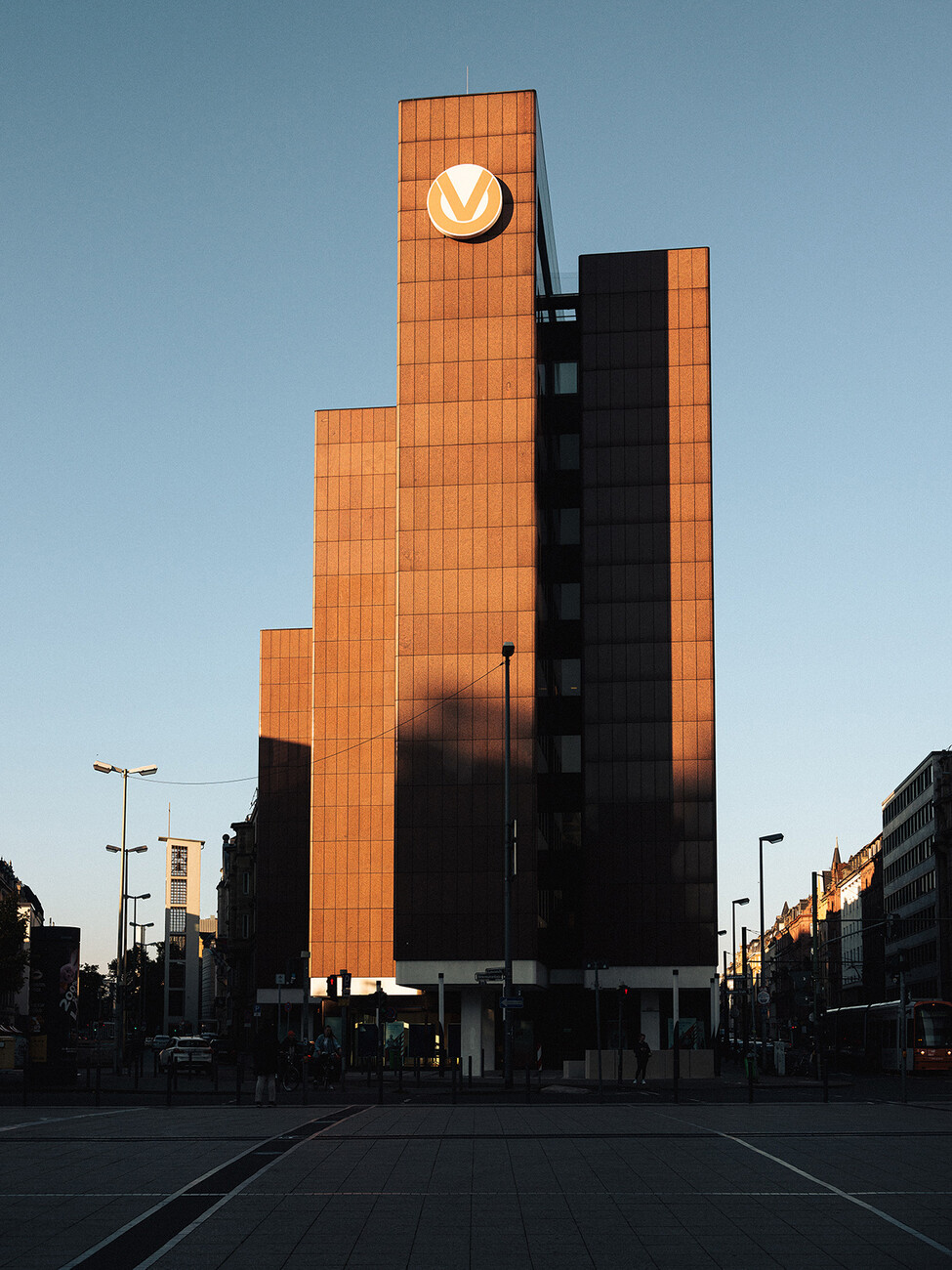
Wolfgang Stahr: I noticed that at the exhibition too: even Frankfurt residents asked where exactly some very well-known places were. One example is the brown building of Deutsche Vermögensberatung on Willy-Brandt-Platz. It's an extremely busy place, but the morning light makes the building look almost sculptural. I found it exciting that even people who walk past it every day suddenly see their city in a new light.
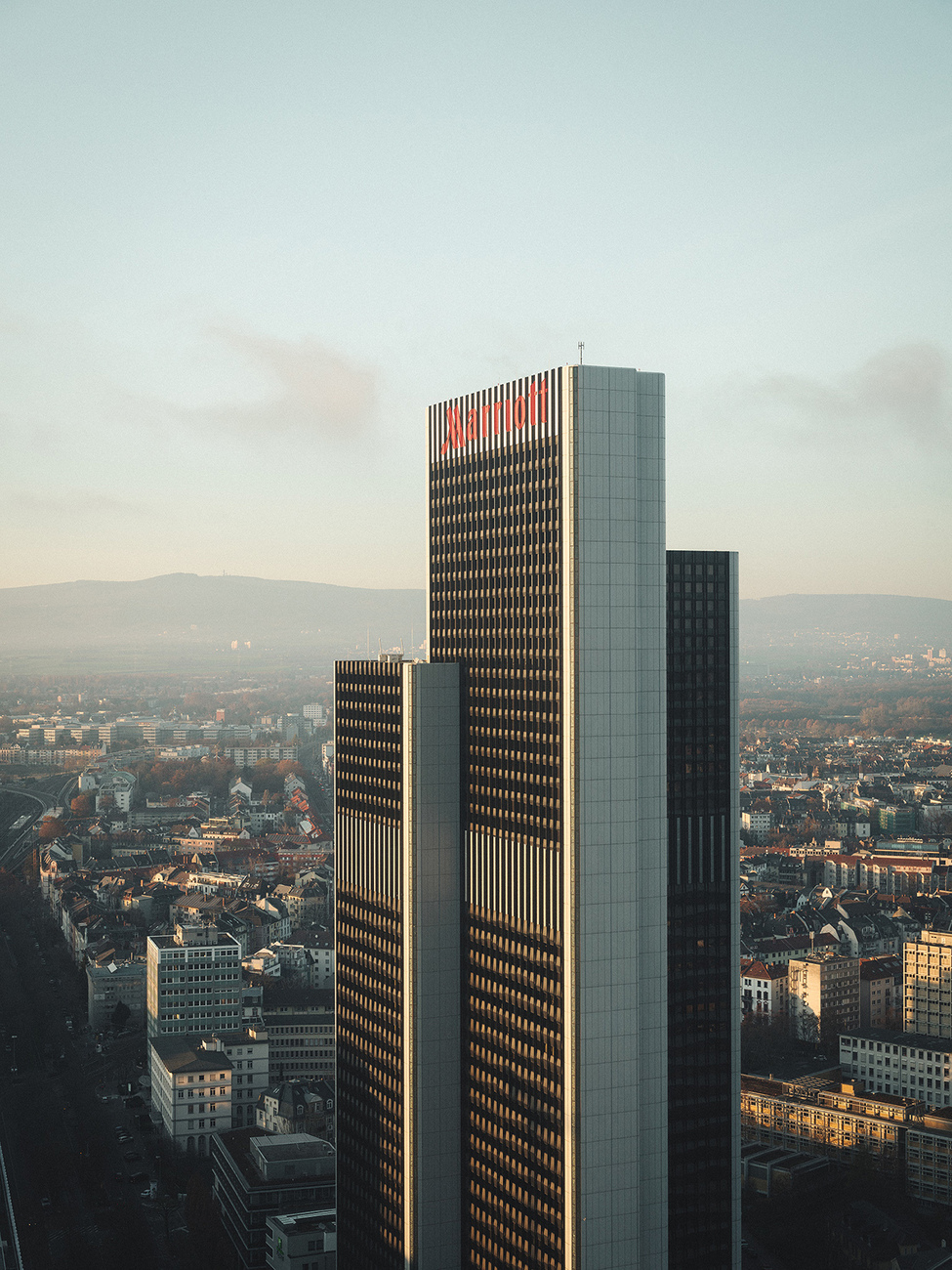
What I also found interesting were the stark contrasts of everyday life: an expensive car in a run-down backyard, the glass and steel skyscraper of a bank headquarters next to post-war architecture and traces of the city's rural origins. Frankfurt am Main has many layers. This is very clear in your photos. What attracted you to this?
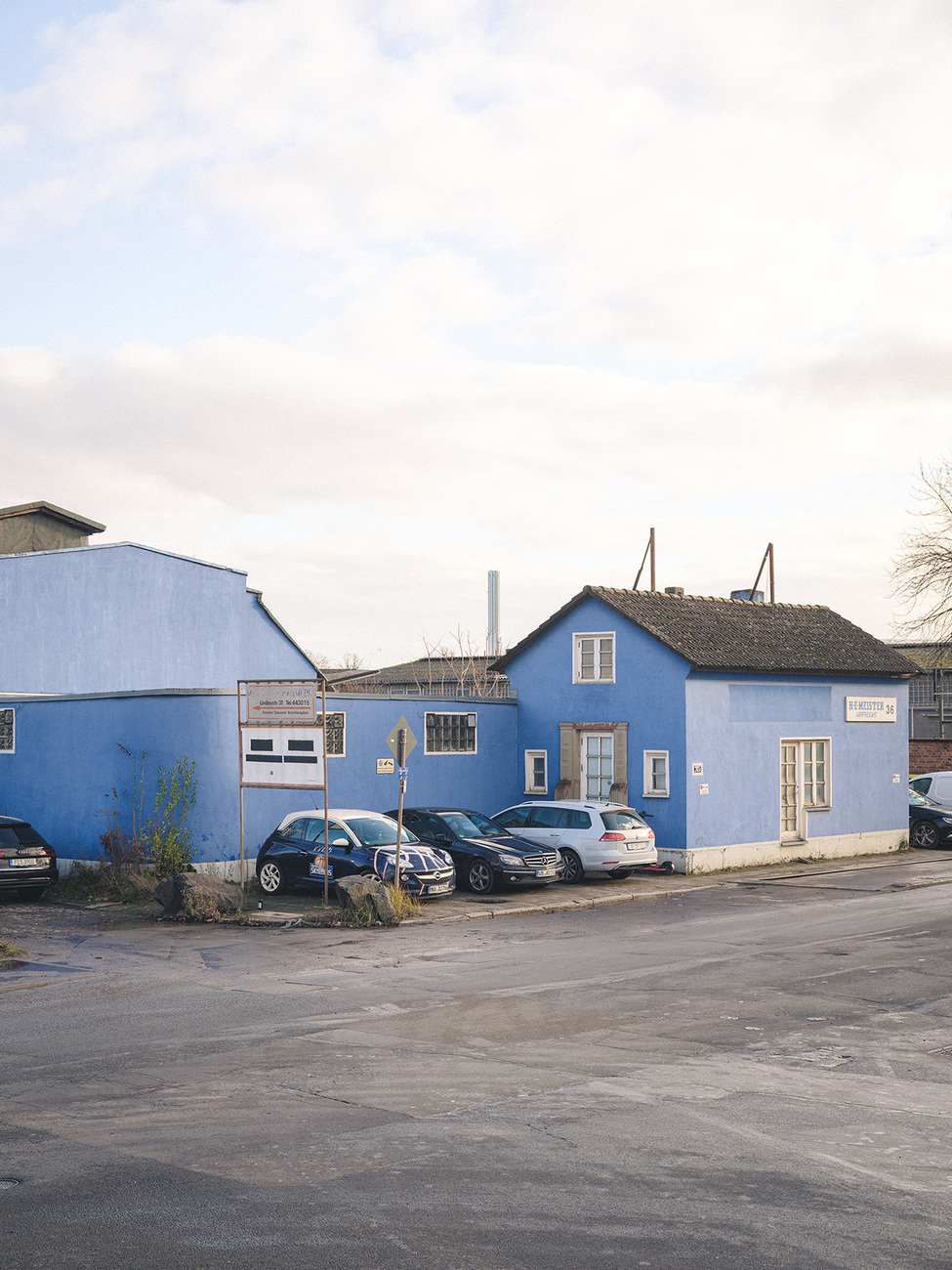
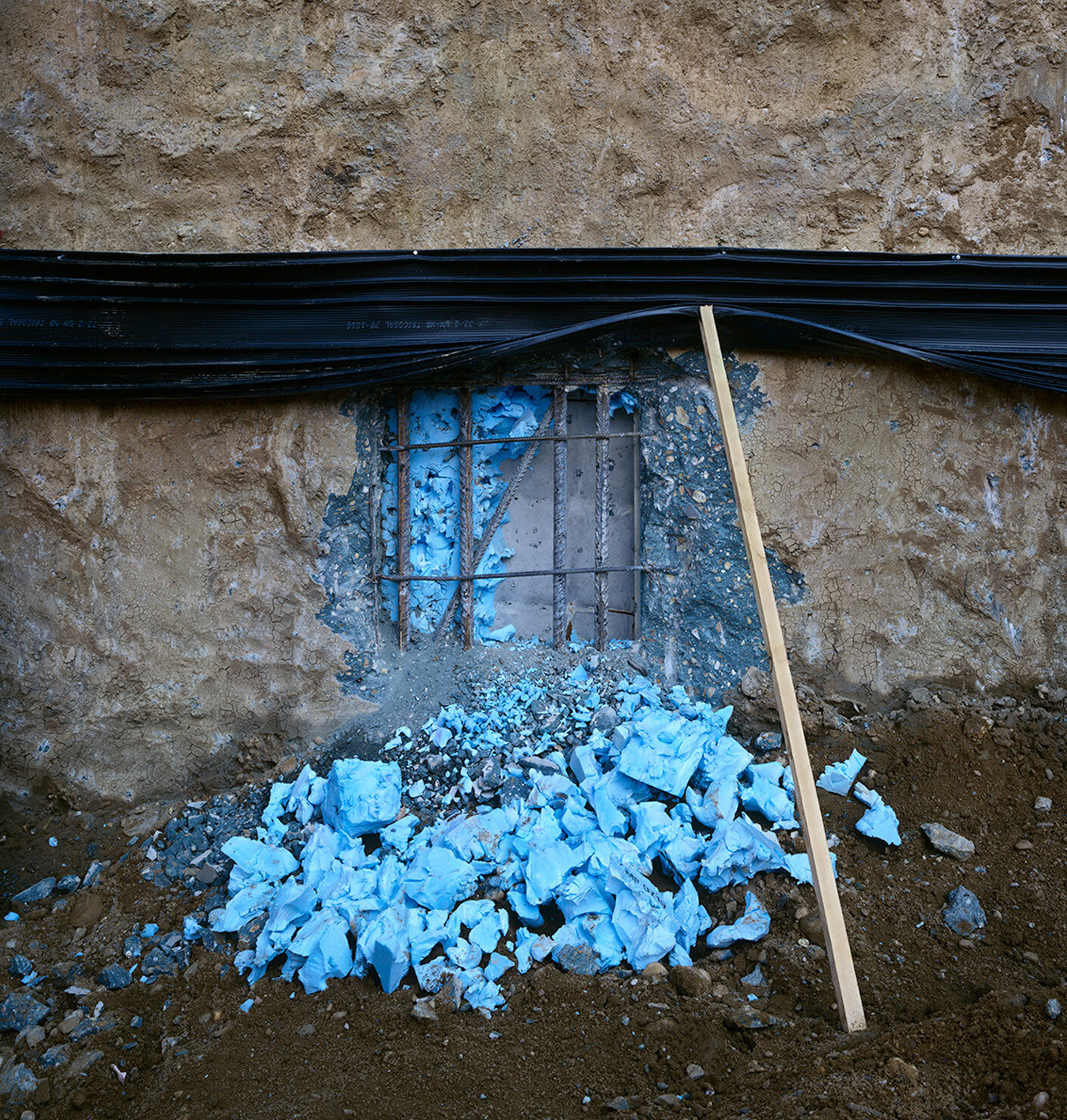
Wolfgang Stahr: Since I deliberately left people out of the pictures for the most part, I was able to use architecture and materiality as building blocks, so to speak, to tell the story of the city. I found it appealing to break Frankfurt down into fragments: sometimes a floor covering, sometimes a close-up, then a long shot. Frankfurt is unique in its density. Everything comes together here in a small space – architecture, history, social structures. Fragmentation was my strategy to make this visible: to use beautiful light, empty streets and compositional building blocks to create an image of the city as I perceived it as a newcomer. Perhaps the series could only have been created at that particular time. When I moved to Berlin after graduating, I hardly photographed the city there and later regretted it. In a new environment, you see everything with alert eyes. This state of mind lasted two years in Frankfurt – even mundane things seemed exciting. After five years of work, however, I realise that this view is no longer the same. I have arrived – and with that, the chapter is closed.
Red appears as a precise accent in the photographs. What role does this colour play for you?
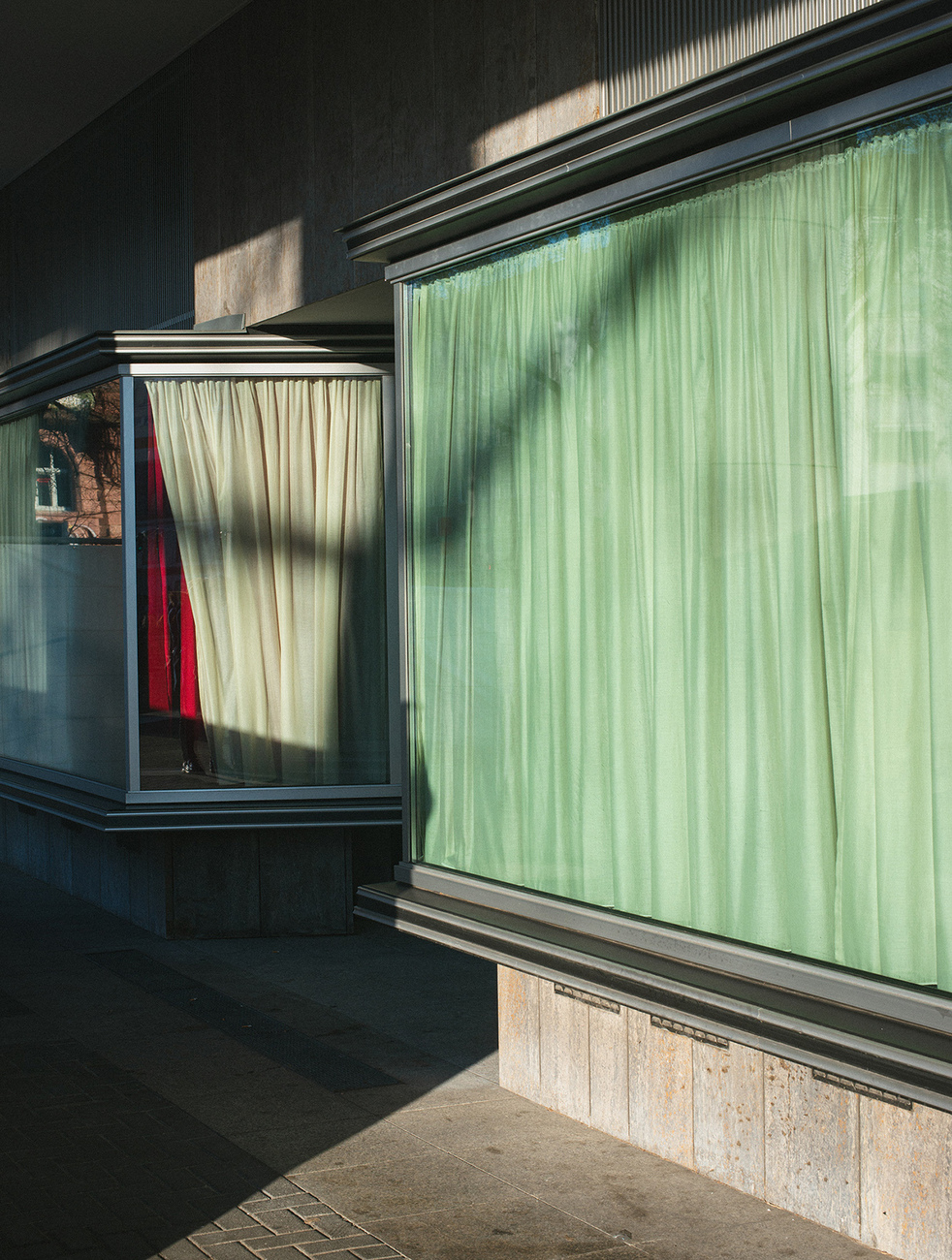
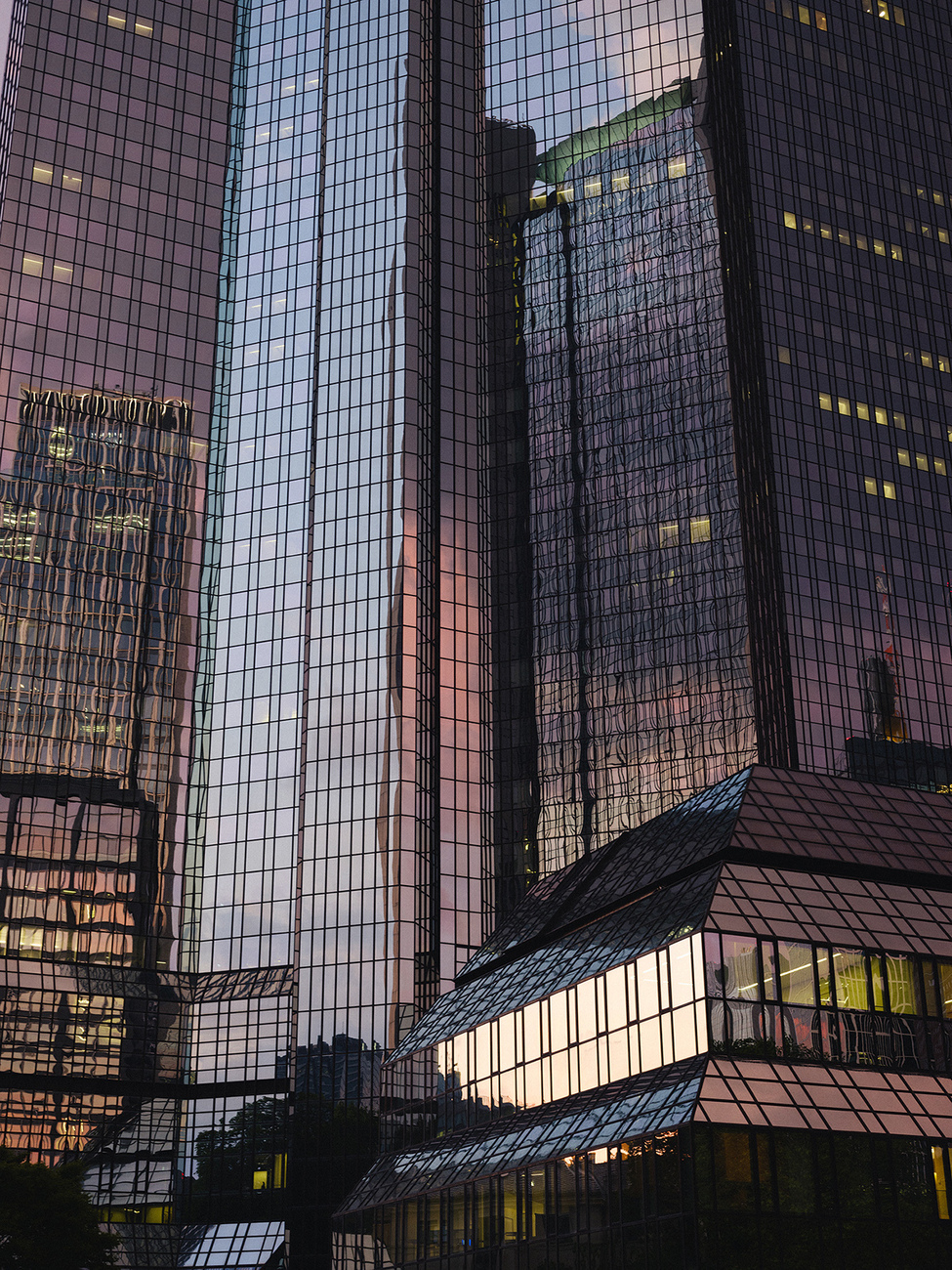
Wolfgang Stahr: Red has a special meaning for me – probably because of my analogue days in the colour lab. There is a typical ‘Kodak red’ that always appeals to me. And, of course, light plays a major role. Frankfurt often has reflected, indirect sunlight due to the glass facades of its high-rise buildings. This creates an almost theatrical atmosphere – the city looks like a stage. Moments like these automatically draw me in.
Nature also features in the series, appearing almost wild in comparison to the architecture. Why was that important to you?
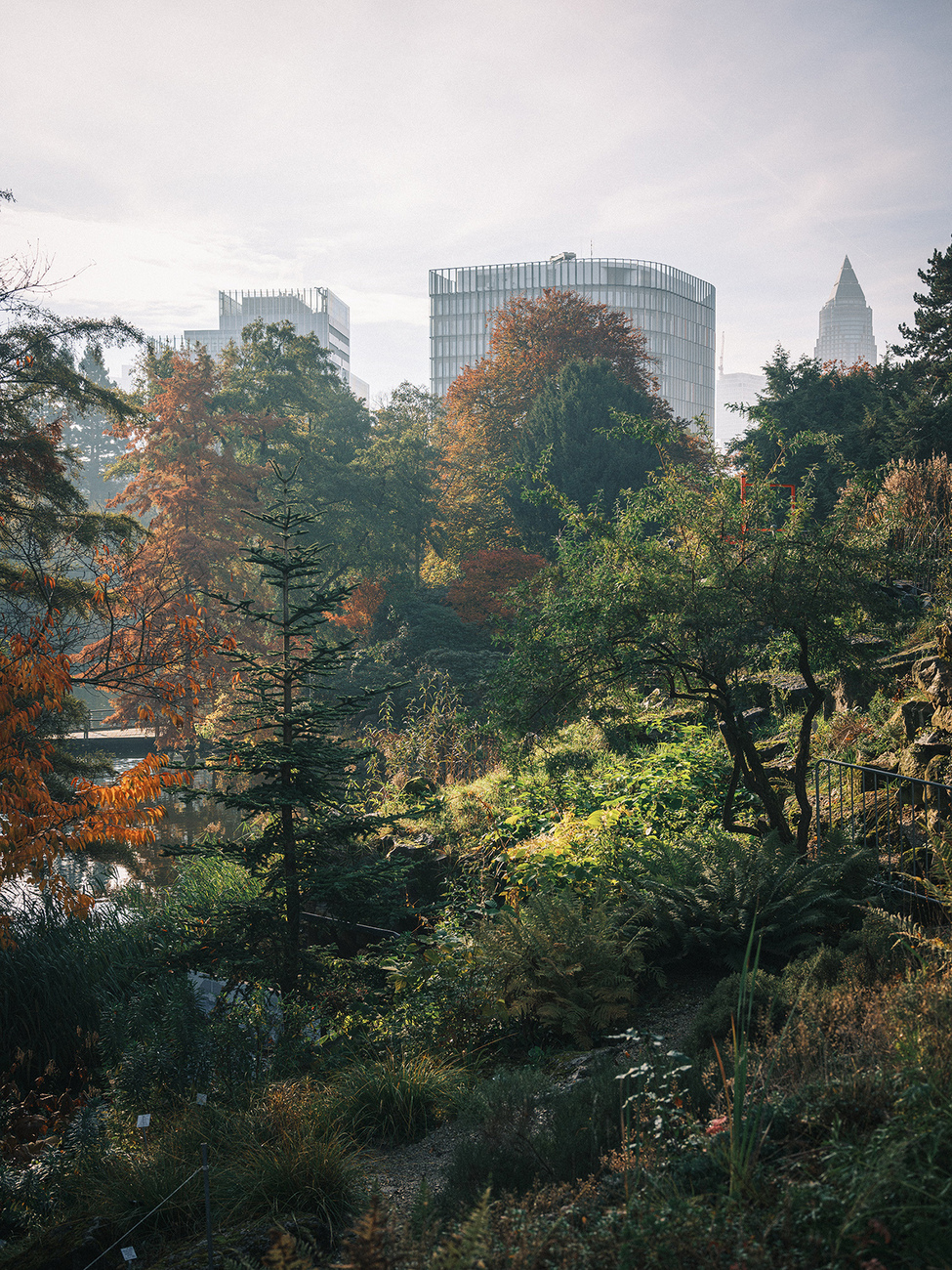
Wolfgang Stahr: Because a deserted city automatically appears very stony. Nature is an important counterbalance. Frankfurt has much more greenery than people often assume, and I found it exciting to capture moments when nature literally pushes itself in front of the architecture – like a curtain. Frankfurt has historically grown out of small villages, and this connection to nature is still palpable today. I wanted to make that visible.
You also photograph interior design. What is important to you in this regard?
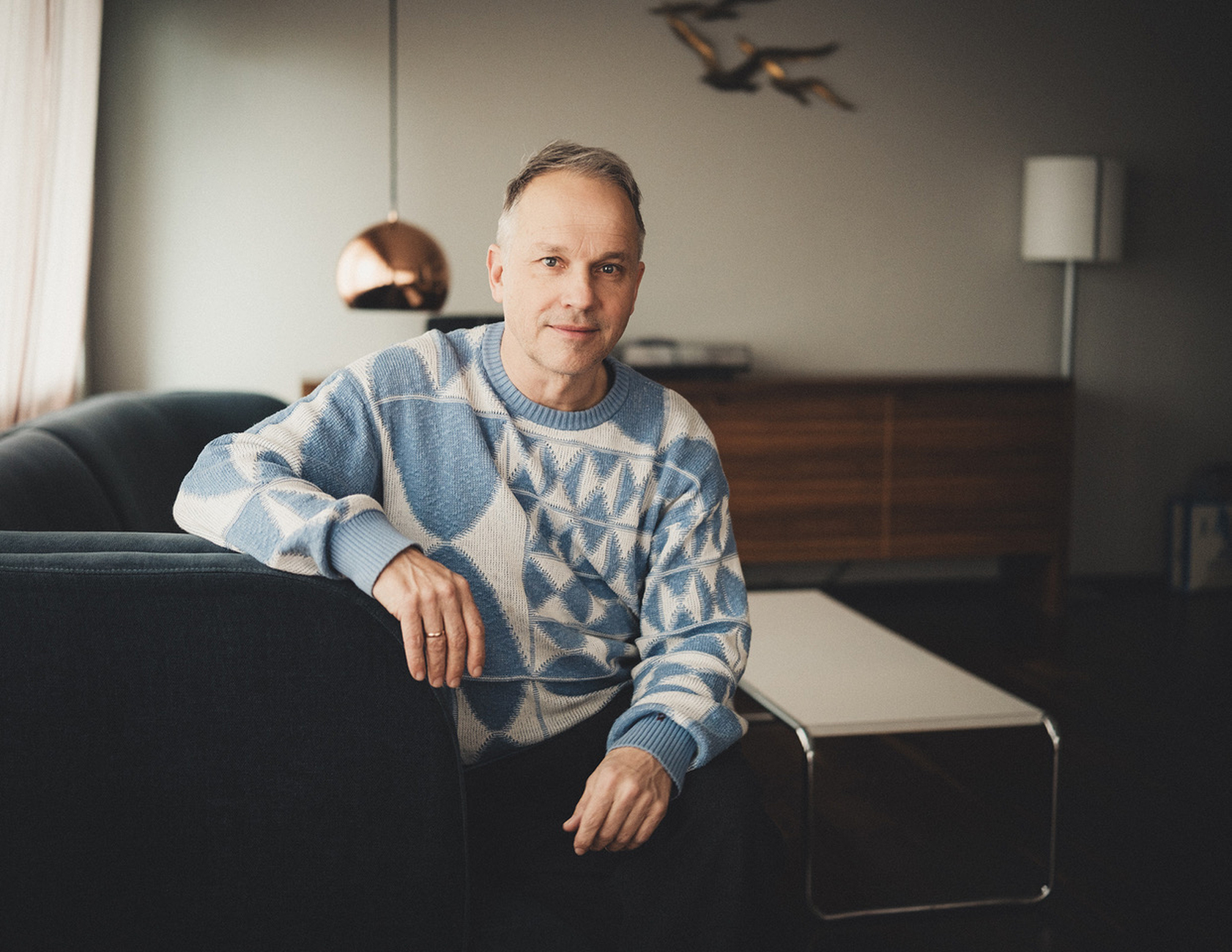
Wolfgang Stahr: I realised early on that I enjoy working with spaces – in images. Even when taking portraits, I often think about the space first, rather than the person. I like to describe people through their surroundings. I'm drawn to the creative aspect: photographing spaces in a way that creates atmosphere. What I'm not so good at, on the other hand, is classic still life – building something completely from scratch. I prefer to work with existing spaces and develop something from them.
Why don't you enjoy decorating your own rooms?
Wolfgang Stahr: Because it gives me too much freedom. I prefer to work within an existing framework – architecture, spaces, circumstances. Visualising from scratch isn't really my thing. Over the years, I've realised that I can work much better in existing spaces.
I would like to follow up with a look at your portrait work, which you just mentioned. The people photographed mostly display a concentrated mood and inner calm. How do you create this atmosphere?
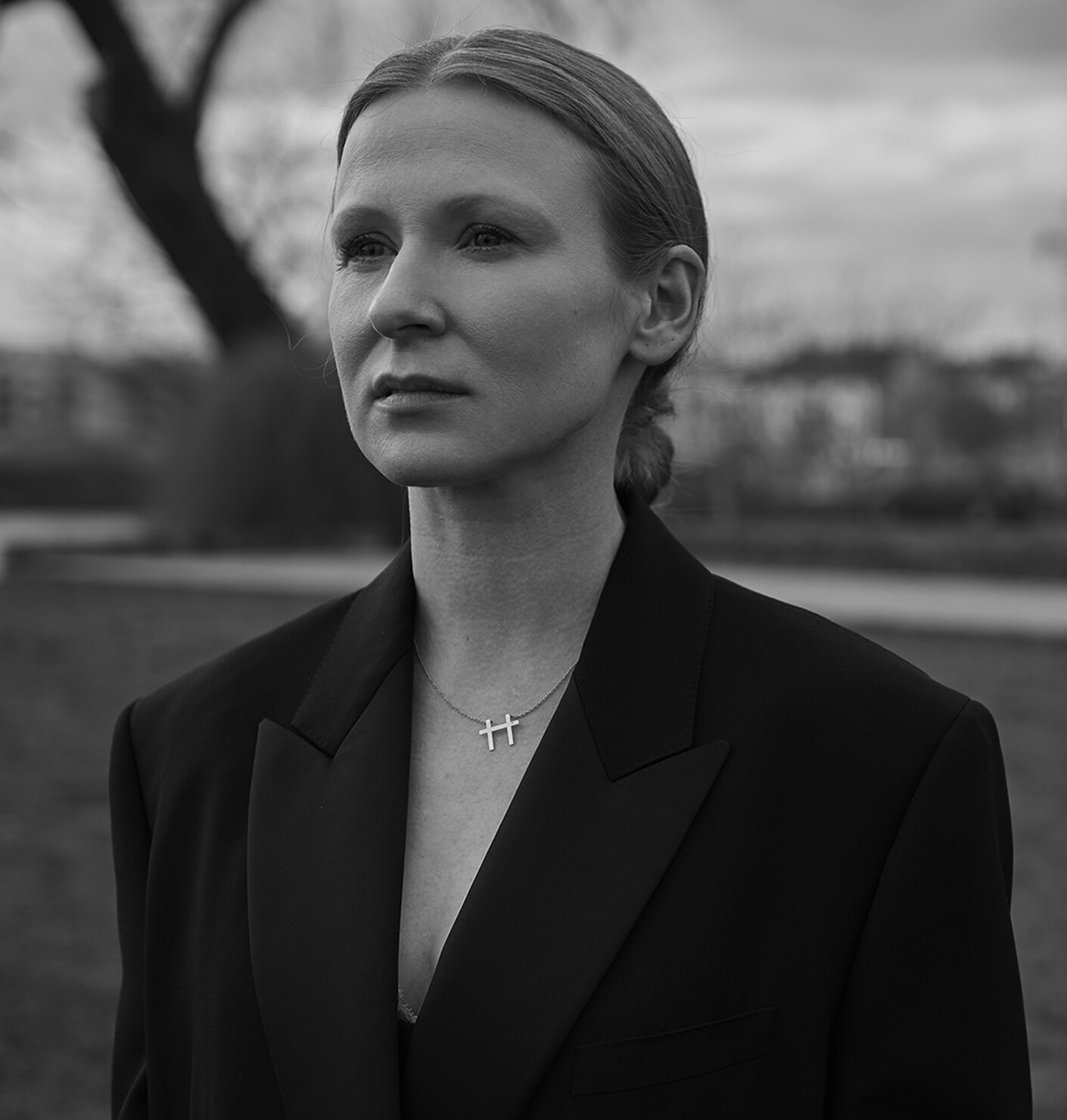
Wolfgang Stahr: Portraiture is always a collaborative effort. And I think it's okay for the picture to show that it's a deliberately staged moment. I like to work with a tripod and medium format. That automatically creates a sense of calm. I also set up the scene like a small stage: I look for the space, then a place for the person. This often creates a focused, open atmosphere – and a look that doesn't necessarily have to go directly into the camera.
Your works have sometimes been compared to paintings, for example by the writer and journalist Niklas Maak, who also wrote the afterword for the book. What is your view on this?
Wolfgang Stahr: That is a compliment, of course. I am certainly influenced by painting – by Vilhelm Hammershøi or the Dutch masters, for example – but I never work with a specific painting in mind. It is not a conscious process.
You say attitude is more important than technique. Can you elaborate on that?
Wolfgang Stahr: Technique is important, but secondary. It has become much simpler. Attitude concerns the fundamental questions: How do I interact with people? Which subjects do I choose? In what context do I show my work? These questions shape one's own photographic language much more than any camera.
And technically speaking, do you have any favourite pieces of equipment?
Wolfgang Stahr: I photograph about 90 percent of my work with Fujifilm digital medium format. The larger sensor offers more detail and tonal range.
Today, colour is largely created in post-production – and is very individual. Three people can develop the same RAW file in completely different ways.
Trends do influence this, but ultimately every photographer has their own impression of colour.
What are you currently working on?
Wolfgang Stahr: I have a full order book – lots of projects and trips lined up for 2026. I don't have any new freelance work yet. I'm collecting images first and waiting for a theme to emerge. That could take a while. One major project I'm currently working on is the complete photographic documentation of the new Hessischer Hof hotel. I'm really looking forward to that. The publication of ‘Sentiment Index’ symbolically marks my arrival in Frankfurt. It's bound between two covers – and that brings this chapter to a close for me.
Wolfgang Stahr
SENTIMENT INDEX FRANKFURT MAIN
With an afterword by Niklas Maak
KRAUTin Verlag, March 2026
220 x 280 mm, 120 pages
ISBN 978-3-96703-176-8
38 Euro