The sound of the system
Anna Moldenhauer: For your mechanical works, you recycle raw, ‘honest’ materials from industry and everyday life, such as cardboard, cables, DC motors, plastic bags and roof battens. After the exhibition, these materials are put to new use. Why is the cycle important for your work?
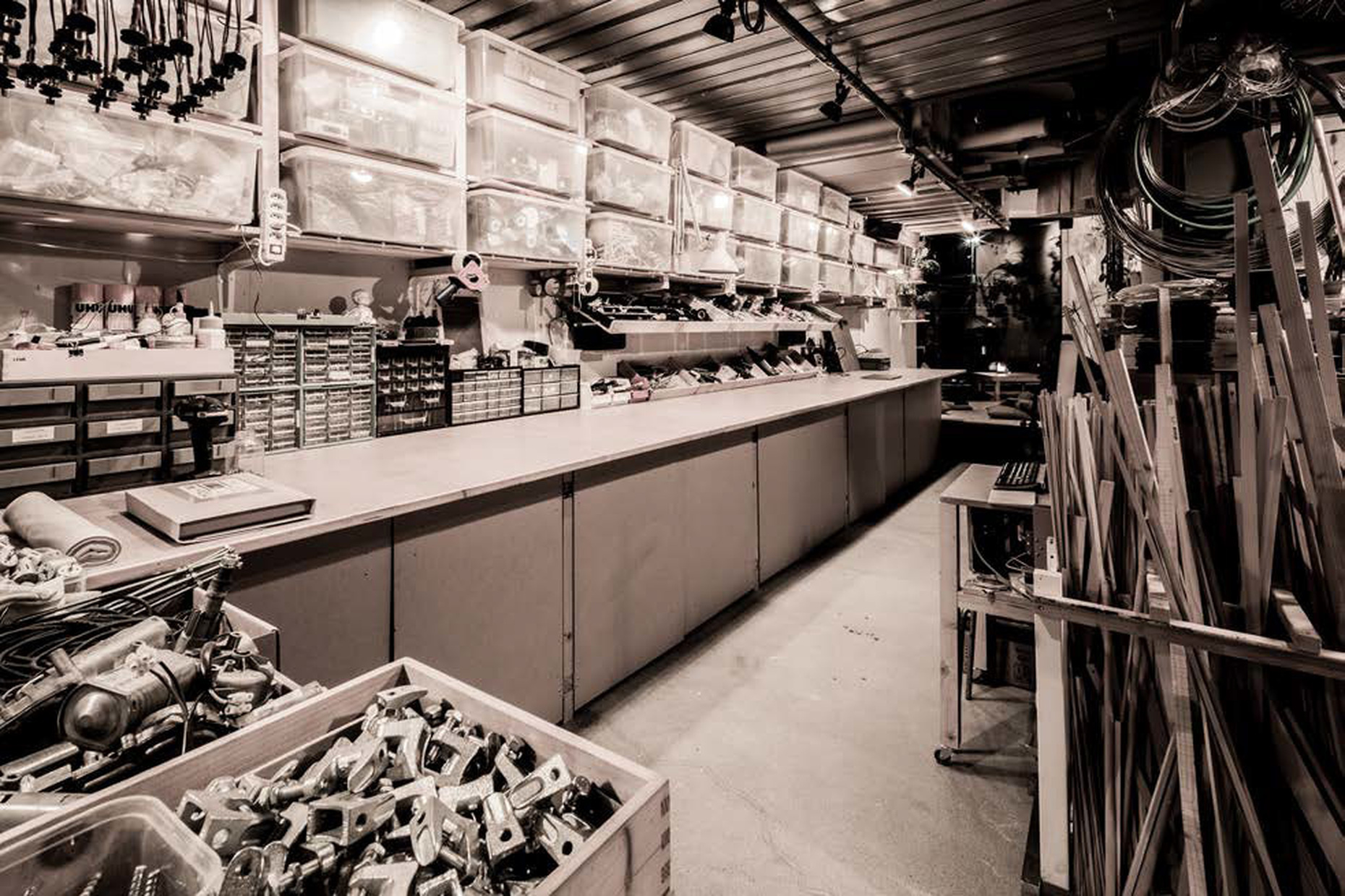
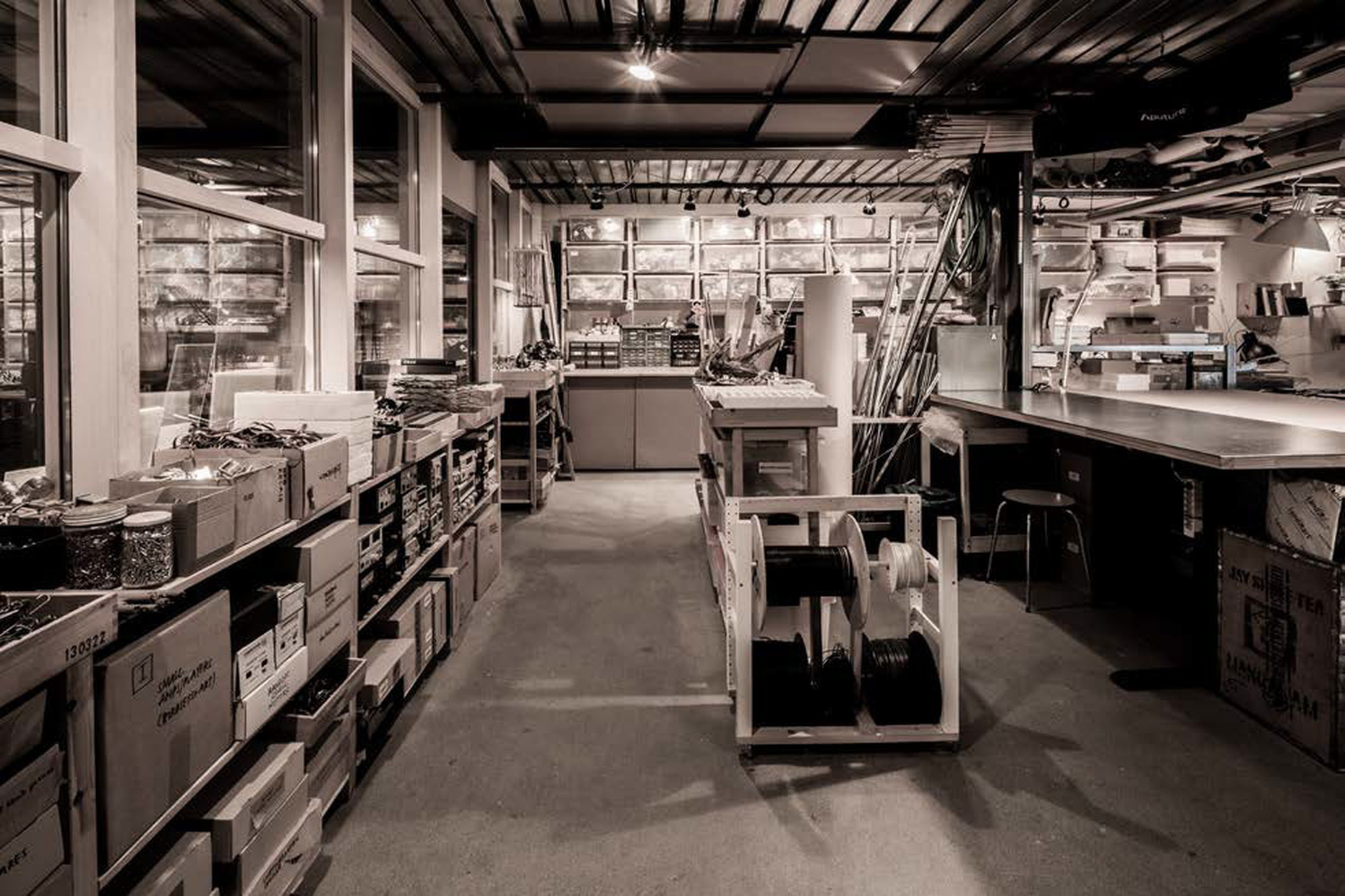
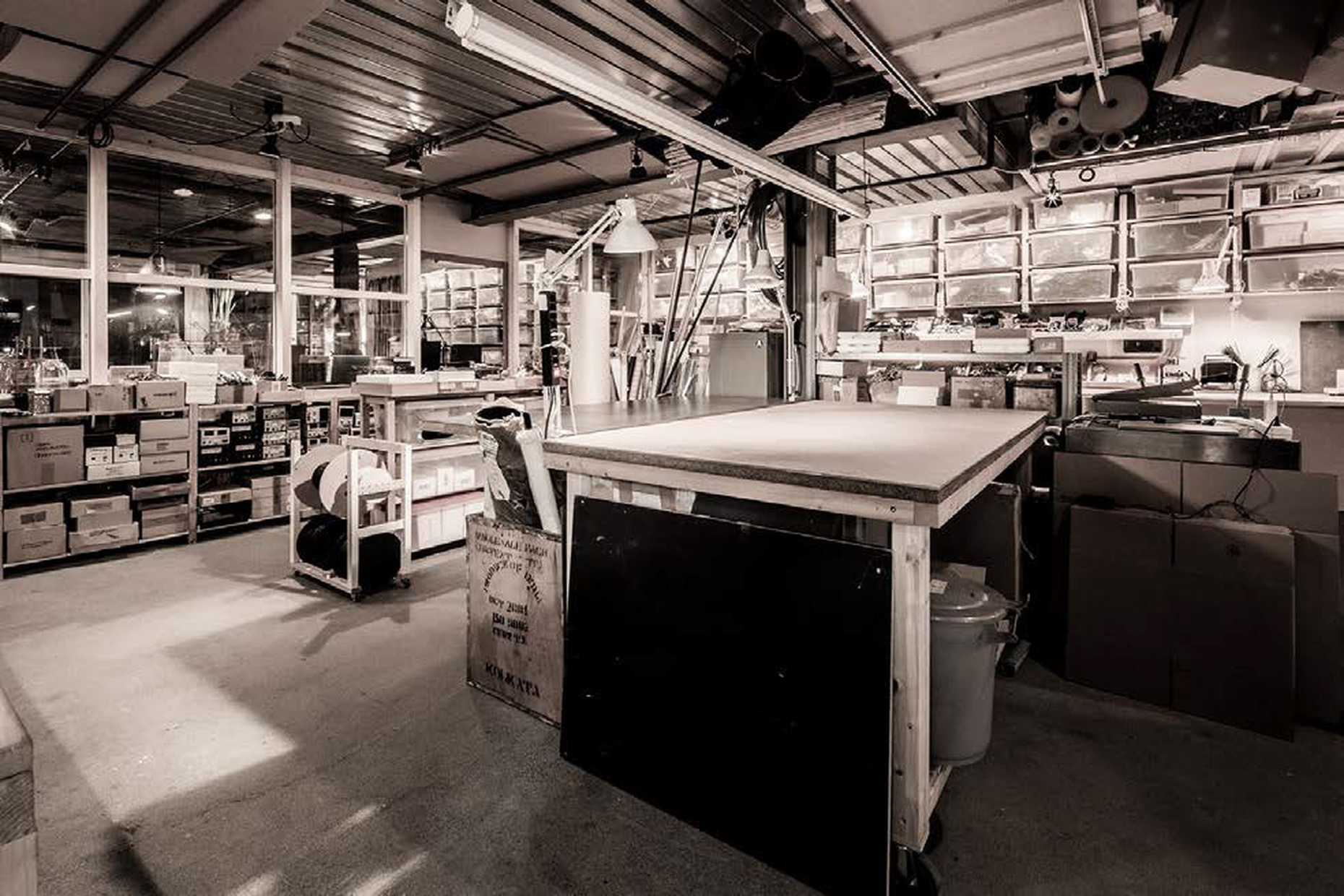
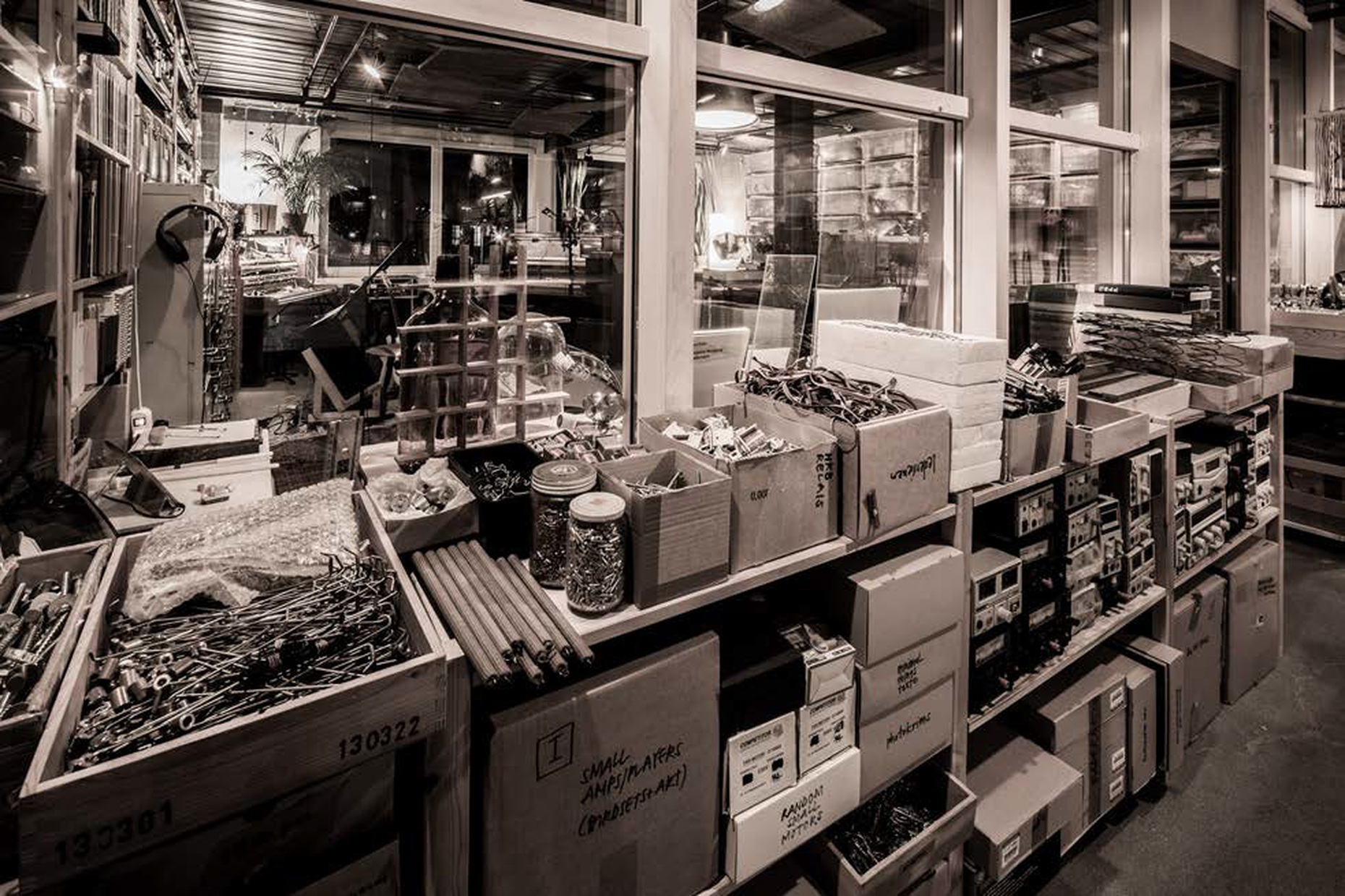
Zimoun: Actually, my studio has been part of a recycling loop for over 25 years now. On the one hand, I work mainly with recycled materials, and on the other hand, the works themselves are constantly being recycled and the materials used again and again for new installations. So although I create large-scale installations, I produce practically no waste in the process. This is not primarily relevant to me for ecological reasons, but simply out of pure appreciation for the material and the potential it contains.
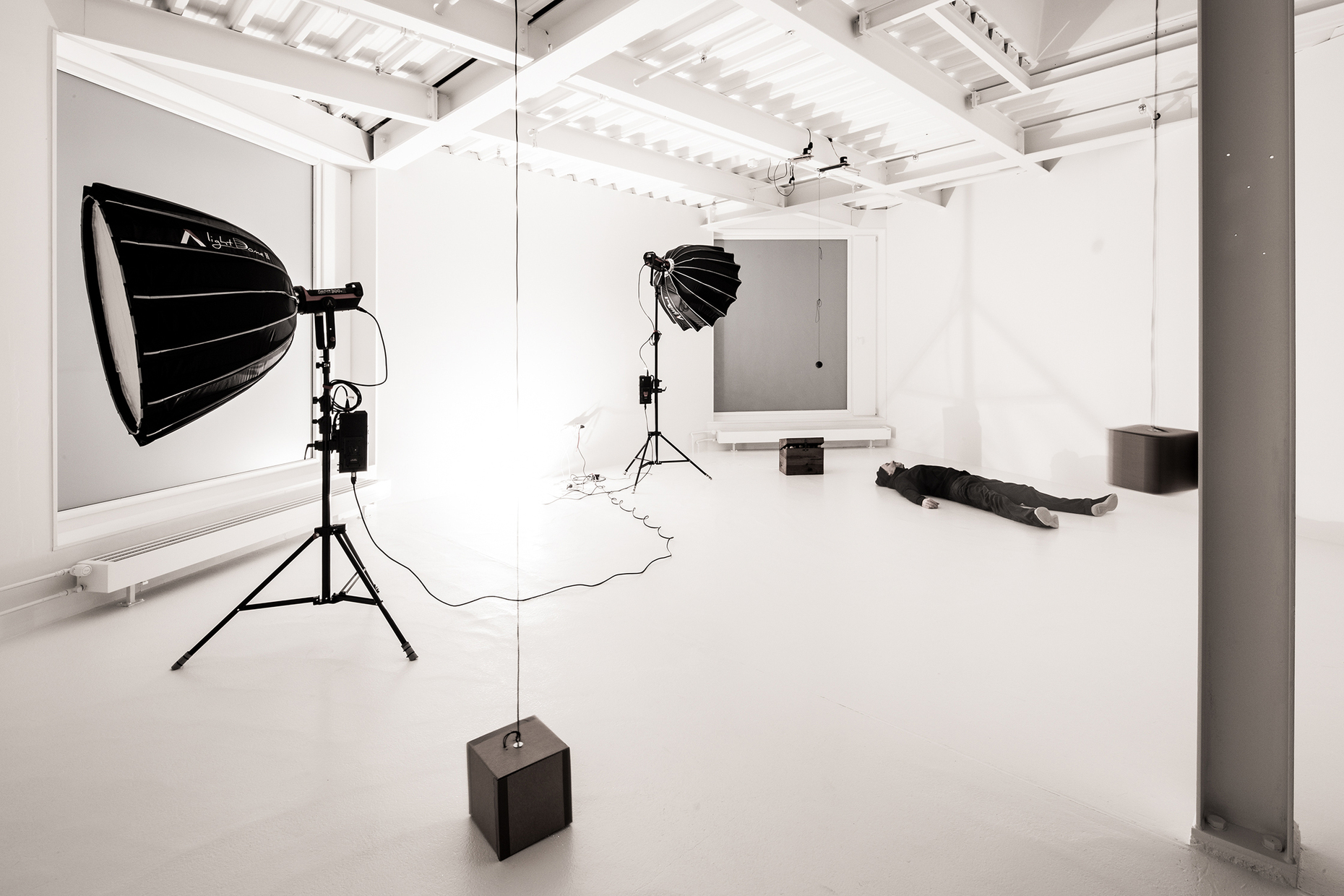
You create rotations and oscillations using simple equipment, orchestrating them into a geometric grid that is complex both in sound and visually due to its multiplication. These sound architectures form a symbiosis with the space, which becomes part of your installation. At the same time, the works are mostly conceived as site-specific. What factors guide you in deciding which installation is suitable for a particular location in order to achieve this unity?
Zimoun: My installation works are site-specific, so the space is always a central starting point. But other parameters also play an important role even before the design phase, such as the time available for development and set-up on site, the number of people who can help with the construction, or the financial framework within which a work can be realised. At the same time, prototypes, tests and experiments with new systems are constantly being developed in the studio, without knowing whether they will ever be used in a work. As soon as they prove their worth, these systems also become potential possibilities for an exhibition. It is therefore a kind of puzzle in which many small elements and framework conditions are brought together to form a work that fits the initial situation.
Why does the chaos in your works need control?
Zimoun: In my works, I define frameworks within which chaotic systems arise. There are also framework conditions for the chaotic systems themselves, such as technical ones: they should function over longer periods of time. But aesthetic criteria also play a role, such as the construction and materialisation of these elements and, in particular, their acoustic and visual behaviour. Many decisions are made and frameworks defined for a work in order to create the kind of chaos that interests me.
The thematic depth of your work is far-reaching, ranging from organic systems, automated processes and advancing robotisation to our throwaway society and the way our brains classify reality. Can your work also be understood as a critique of the system?
Zimoun: My work is based on many different interests, fascinations, debates and points of reference. I try not to focus my work on a single theme, but rather to create fields and states that ideally encourage observation, discovery, association and reflection on ourselves and the world around us. I try to generate potential for possible debates. In terms of my work, I consider a piece to be successful if it activates me anew each time to experiences it in many different contexts and directions and to link it to different themes. Of course, it is not only the work itself that plays a role here, but always also the person who experiences and contextualises it. My interests, inspirations and themes range from pure sound to three-dimensional sound in space and composition, to investigations of complexity based on simplicity and the question of when we perceive something as complex and why. But also from natural phenomena, from abstraction to absurdity to ecological, social and political aspects – or even philosophical, technological and sociological topics, such as how we function as a society, interact with each other, or are controlled and monitored. I am interested in art that activates and stimulates me aesthetically, emotionally and intellectually.
But to come back to your question: the works also trigger system-related themes for me, for example when I observe how numerous individual elements behave independently, feeding into a system and enabling and nourishing this system through their mass, but at the same time are trapped and isolated in their individual sectors – and as soon as they no longer ‘perform’ as desired, they are replaced or otherwise adjusted.
A dystopia?
Zimoun: In the world around us, there certainly seems to be plenty of potential for dystopian scenarios...
Your installations are handmade and appear so perfect in their entirety that they seem to have been conceived by a non-human system. What is the appeal of illusion for you?
Zimoun: At first glance, they do indeed appear perfect, but on closer inspection, imperfections within the individual elements often become apparent. Fine deviations and variations resulting from the handcrafted nature of the work contribute to the individual behaviour of the multiplied objects. This individuality, in turn, gives rise to the complexity that emerges in the works. I am interested in such apparent contradictions that are contained within one and the same thing. So I use simplicity to create complexity. Routine meets chance, order meets chaos, artificial systems develop organically appearing activities, or the mass makes the individually different behaviour of the individual parts visible and observable.
The titles of your works list the materials used. Why is there no need for interpretative aids?
Zimoun: I see my task as creating the works, rather than explaining them. Nor do I intend to prescribe a single specific and ‘correct’ interpretation, meaning or contextualisation. Only the visitor can complete a work. If nothing happens between the artwork and the visitor, a work remains merely an accumulation of material. However, prescribing a specific way of how to understand the work would limit the possible engagement with it. That is why I only refer to the material used in my work titles in the form of a kind of anti-title, because this is already obvious anyway.
The tension generated by your works has an almost hypnotic effect. They are so present and performative that one wants to watch them for a long time, even if the sequence does not change. To create them, you build prototypes that you develop further until the final construction is determined. What must be in place for you to be satisfied?
Zimoun: I try to create complexities in order to observe them over longer periods of time. In doing so, I look for ways to allow such complexities to arise without my direct, time bound intervention in the system. That is why I refrain from programming individual motors or other narrative or time-related processes. I look for systems and methods that generate a complexity that interests me solely through the dynamic behaviour of the materials and do not require further intervention. Systems that develop and maintain a life of their own, remain static and yet are in constant flux. Similar to natural phenomena, such as watching the moving sea or wind in trees or fields, these can have a hypnotic effect because the complexity and diversity in their entirety becomes so great that we cannot foresee them and they never repeat themselves exactly. Such complexity can be created in a single, small mechanical element, or it can arise through the multiplication and simultaneous individual activity of many elements.
In the development process, I look for the simplest and most minimalist designs and materials. It is an interplay of various parameters and criteria that are developed and continuously refined through numerous steps of prototyping and testing.