Courage, not demolition
Anna Moldenhauer: What does sustainability mean to you?
Barbara Buser: Sustainability is based on three pillars: social, economic and environmental. A project is only sustainable if it takes all three criteria into account and strikes a balance between them. The weighting need not always be the same, but all aspects must be taken into consideration.
Even before your career as an architect, the responsible use of resources was a matter close to your heart: for example, you persuaded your family to renovate your great-grandfather’s house rather than demolish it. As a student, you opposed the teachings of Jacques Herzog, then an assistant at the now-renowned architectural firm Herzog & de Meuron. He now holds your work in high regard. How did this strong conviction come about?
Barbara Buser: To give an example: I worked in Africa for ten years. When I came back, I experienced a real culture shock. Here, we live in immense luxury and generate a staggering amount of waste – in terms of materials, goods and human energy. I found that almost unbearable. I asked myself what I could do in my field – the construction industry – to counteract this. When I see the direction our world is heading in, I tend to be rather pessimistic. But I cannot simply stand idly by. That is why I am trying to change the things I can influence myself. Back then, the internet was something completely new. I imagined that it could be used to match the supply of building materials that nobody needs any more with the demand from people who rely on affordable materials – for example, for DIY projects, a garden shed or converting a garage. The idea was very well received, but it wasn’t financially viable – then we received support from the city. They couldn’t help us financially, but they put us in touch with jobseekers who could work with us. At first there were only a few – today, around 60 people work with us for six months at a time. They dismantle materials on building sites, prepare them and resell them. To me, that’s sustainable action: it has a social benefit because it provides people with work. It makes economic sense because the materials are cheaper. And it makes ecological sense because it generates less waste.
You acquire knowledge in a way that is both natural and tenacious. Whether it’s building wells in South Sudan, repurposing the former Sulzer engineering works, or setting up various interlinked businesses: you foster participation and bring people together. What does it take to initiate change as openly as you have been doing for decades?
Barbara Buser: I think that small successes prove you right. They give you the energy to carry on. I’ve experienced these successes time and again, and sometimes they’ve been quite significant. Naturally, that motivates you to try again. I’ve also been lucky enough to find some brilliant colleagues. I wouldn’t want to be without them for anything. On my own, I could never have achieved what we’ve managed to do together with these various teams.
Many of your projects are non-profit ventures. You once said that you “burn through money”. What you meant was that you forego a financial return in order, for example, to make rents affordable. Do you consider making such sacrifices to be part of acting responsibly in architecture?
Barbara Buser: That’s a big question. What bothers me most of all is that housing construction has now become a financial instrument. People invest in residential property because they can make a profit from rental income. I think that’s problematic. Housing is a basic necessity, just like bread. You can’t simply leave it entirely to the private sector. We can see the consequences, after all. In Berlin, for example, many public properties were sold off at rock-bottom prices, and today there is a shortage of affordable housing. Things would have turned out very differently if at least the land had remained in public hands. With leasehold rights, different approaches could have been taken – and still can be in future. The problem is that plots of land would now have to be bought back at current market value. Private property is a very strongly protected asset in Switzerland, just as it is in Germany. Nobody gives it up voluntarily. One exception is institutions such as the Edith Maryon Foundation. There, plots of land and houses are contributed with the guarantee that they will be used for social purposes in the long term. This is an interesting option, particularly for people without heirs.
You have demonstrated very impressively how it is possible to get investors excited about an idea, even with very little capital.
Barbara Buser: Well, it certainly takes perseverance, energy and imagination. You can’t just walk up to the CEO of any old bank and say, ‘I need twelve million.’ Back then, our office was at the Freie Gemeinschaftsbank, the anthroposophists’ bank. Whenever we had a new project, I’d speak to the director directly. We knew each other well. I’d say, ‘Paul, I need money. Are you interested?’
Did he understand straight away what it was all about?
Barbara Buser: Yes, he did. Thanks to our project, the bank has even moved from Dornach to Basel. This meant a relationship had been established long before I asked for funding. When a connection like that already exists, it’s naturally easier to get support.
Is aesthetics in sustainable construction also an important topic for you?
Barbara Buser: Of course. But perhaps it has a different aesthetic to that of high-gloss architecture. That makes it more exciting and vibrant. When I look at much of contemporary architecture, I often find it rather boring.
According to the “Countdown 2030” initiative, construction in Switzerland today accounts for around 80 per cent of the waste there. In your opinion, what would need to change for this situation to improve in the foreseeable future?
Barbara Buser: In my view, the first step would be to introduce a strict ban on demolition. New-build projects should only be approved once it has been demonstrated that the building components resulting from demolition will be reused. At the same time, renewable materials would have to be used. For me, those would be the key prerequisites. The problem is that many of the buildings being constructed today were planned ten or twenty years ago. The momentum of the construction industry simply carries on, and many young people are becoming disheartened by this. That is why I say quite clearly: a halt to demolition. At least until alternative building materials are established and it is ensured that existing building components are consistently reused.
I find that understandable. At the same time, I get the impression that, whilst sustainability was a major issue for a while and many companies used it in their marketing, it has since lost a great deal of attention.
Barbara Buser: A lot of it was pure greenwashing. Every few years, the topic is simply given a new name – at the moment, people are talking about the circular economy. I simply try to lead by example in the areas where I can make a difference myself. I think fighting a losing battle is a waste of energy. I enjoy my life and the comforts we have. I also have a hot shower. I don’t want to be too hard on myself. But I don’t want to give up either. I try instead to hold up a mirror to people, very gently. Often they don’t even realise it. When I discuss flying with someone, they often end up saying, ‘But you fly too, don’t you?’ And that’s true. If it’s necessary, I fly as well. Nevertheless, I’m in favour of significantly increasing airfares, taxing aviation fuel and creating a level playing field compared to rail and cars. I’m currently travelling through Germany by train for a month. I have a Senior Interrail ticket and, in Switzerland, a Generalabonnement. It’s a brilliant service. Of course, there are problems too, such as delays. But generally speaking, I really enjoy travelling by train. I am by no means against mobility. I would simply be in favour of reflecting the actual costs of flying more accurately. In Switzerland, there is currently an initiative calling for aviation fuel to be taxed in a similar way to petrol. The expected revenue could be channelled into expanding and making rail travel more affordable, and partly returned to the public.
Are society’s efforts still too tentative, or receiving too little support?
Barbara Buser: I think this record-breaking summer is at least making some people stop and think. That they realise the consequences affect them personally, and not just people somewhere far away. Becoming aware is the first step. But what really matters is actually taking action. And so far, I haven’t seen enough happening in that regard. I am regularly invited to conferences, but often it all comes down to just talking. Much of it has little practical impact. That’s why I don’t travel across the country for a one-hour talk. I’d rather join in via video chat.
In your opinion, why is so little happening?
Barbara Buser: I think many people are very afraid of change. Even if a change brings improvements, it initially requires effort. My father always used to say: “Thinking hurts.” Unfortunately, I have to agree with him to some extent. Yet I think it’s a marvellous thing that we’re able to think at all. When I look at the younger generation, I sometimes wonder where things are heading. Nowadays, too, a great deal is being delegated to artificial intelligence.
You are not only a pioneer in sustainability, but also a pioneer in equality. How have you championed equal pay and acceptance?
Barbara Buser: Sometimes you really do have to take a stand. During my first assignment in South Sudan, it was suggested that I be employed on a 50 per cent basis and my partner on a 100 per cent basis. To which I asked: “How is that supposed to work? Am I only supposed to travel to South Sudan part-time, or come back after one year instead of two?” I deliberately pretended to take the suggestion at face value. Besides, I wasn’t dependent on this job. It was neither an attractive country nor a traditional role for architects; I was, after all, hired to build a well. The local priest initially said: “You just want to earn more money.” But that wasn’t my aim. I simply wanted to earn as much as the men. I would have been happy with any wage, as long as the same conditions applied to everyone. Of course, in the end I received the same pay.
Intriguing that it was taken for granted that the woman only works and earns half as much.
Barbara Buser: The most surprising aspect was that one of my female colleagues actually said: “I don’t want to work full-time. I have to cook for my husband and do the washing.”
This shows just how deeply rooted the mechanisms of patriarchal socialisation are.
Barbara Buser: Exactly. She took up a 50 per cent post. Another colleague, however, found my argument convincing. The employer then protested indignantly: “But then I’d have to employ all women on a full-time basis!” They clearly hadn’t anticipated that. Interestingly, when I was working in Africa, this was never an issue. I was responsible for the budget and nobody questioned it. Managing money entails power and responsibility. One must not shy away from either.
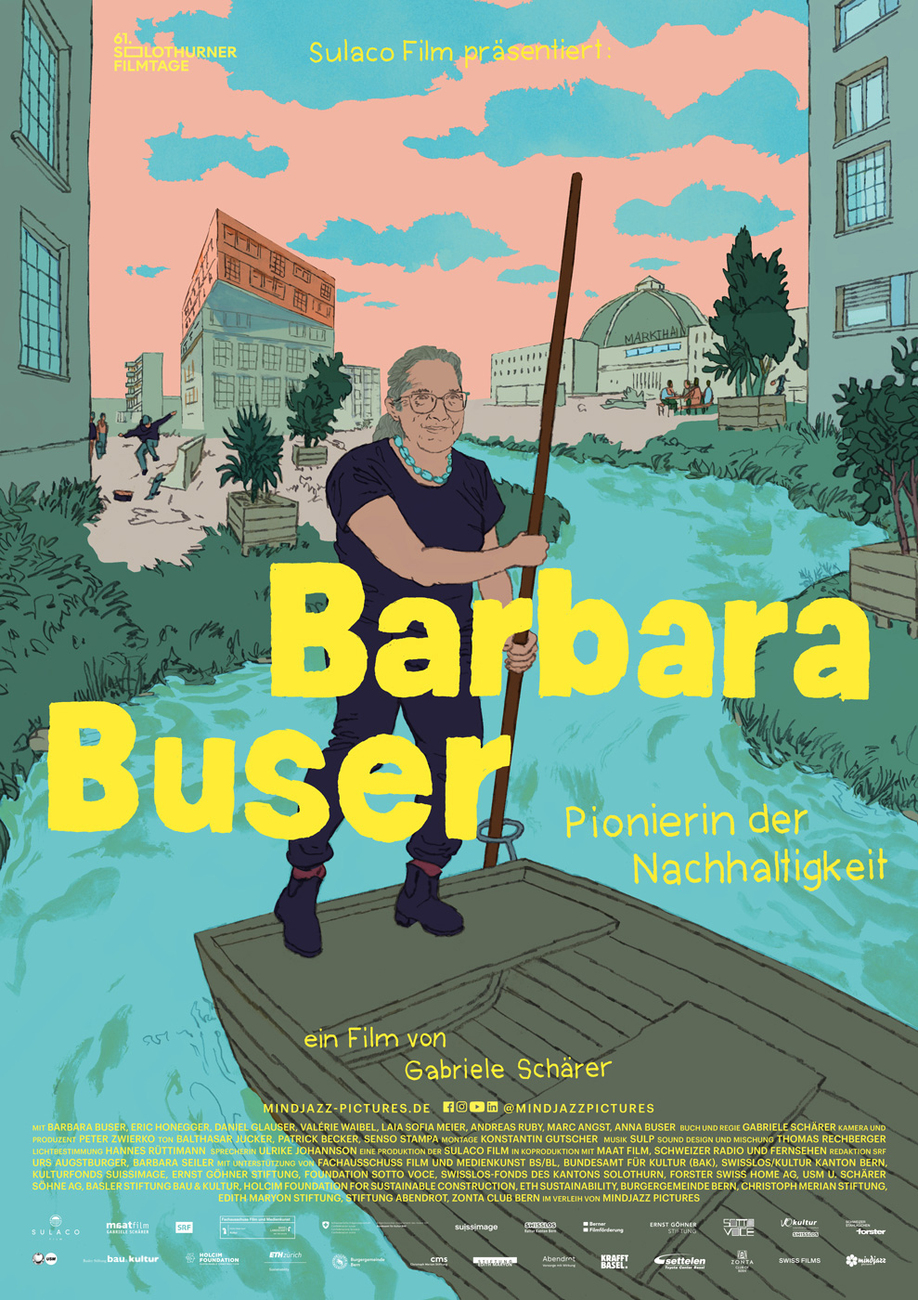
Let’s move on to Gabriele Schärer’s film. How did this project come about?
Barbara Buser: Originally, she wanted to make a film about care work. She had selected four women for this. After our conversation, however, she felt that the themes and experiences of my life were so multifaceted that they could form the basis of a film in their own right. In the end, we produced around 90 hours of footage. This was edited down to just under two hours of film.
How did the film come about?
Barbara Buser: I had no direct influence over that. I was allowed to read the script and we organised the filming locations together – it is, after all, a documentary. Once the 90 hours of footage had been shot, I didn’t hear from the director for almost a year. Apparently, that’s not unusual in the film industry. I didn’t particularly like that. At some point she got in touch again and asked if I’d like to watch the almost finished film.
And what did you think of it?
Barbara Buser: I had a preference that, unfortunately, could no longer be accommodated. The component exchange doesn’t feature at all in the film. I thought that was a shame. She said it was too late for that now and that I should have raised the issue earlier. We did discuss it at length. Of course, I understand her point of view, but I still would have liked a solution to be found. That has remained a slight disappointment for me.
Perhaps we’ll need a second film, then.
Barbara Buser: That would certainly be possible. I could talk for hours just about the component exchange alone.
That’s a good point. You send these so-called ‘material hunters’ out across the city. How does that work? How do you find the buildings and materials?
Barbara Buser: A great deal is based on intuition, experience and observation. When I see a publication about construction, I take a closer look. You keep an eye on planning applications, follow developments and note where buildings are standing empty. The sooner you find out about this, the better. Then you can contact the owners and ask what their plans are. Perhaps a building can be preserved or put to a different use. There are many ways to get involved.
And how does the component exchange actually work?
Barbara Buser: For example, staff review applications for demolition and actively reach out to property owners. The building components exchange has now been in existence for more than 30 years. These days, many people feel guilty about disposing of building components that are still in working order or demolishing entire houses.
That’s certainly a welcome development.
Barbara Buser: Yes. These days, lots of people get in touch with us of their own accord. The Bauteilbörse’s telephone number is displayed in countless workshops and businesses. Word has got round.
You even wanted to have the name registered.
Barbara Buser: Yes. We tried to have “Bauteilbörse” registered as a trade mark with the Federal Office for Intellectual Property. After two years of processing, we were told that the term had since become part of the public domain and could therefore not be protected. (laughs)
Actually, it’s quite a positive thing. Of course, I would have been delighted if the name had been protected. But looking at the bigger picture, it’s good when others take up the idea. Anyone who replicates the concept is welcome. We’re still only saving a fraction of the components that are otherwise disposed of. For example, there’s now also a ‘Bauteilbörse’ in Bremen.
The film is narrated very calmly; the long tracking shots and sections without a narrator or dialogue leave plenty of room for observation. You see her world as if through the director’s eyes. What do you hope the audience will take away from it?
Barbara Buser: Above all, I want to reach young people who have not yet been fully shaped by existing structures. I want to encourage them to think for themselves and not to look exclusively to so-called star architects for guidance. In future, there will be fewer traditional new-build projects than many students might expect. At the same time, there are countless opportunities in the existing building stock: preserving, improving and adapting buildings for new uses. A large flat, for example, can be shared by creating a second entrance or extending the stairwell. There are many creative possibilities. There will be more than enough work for the younger generation.
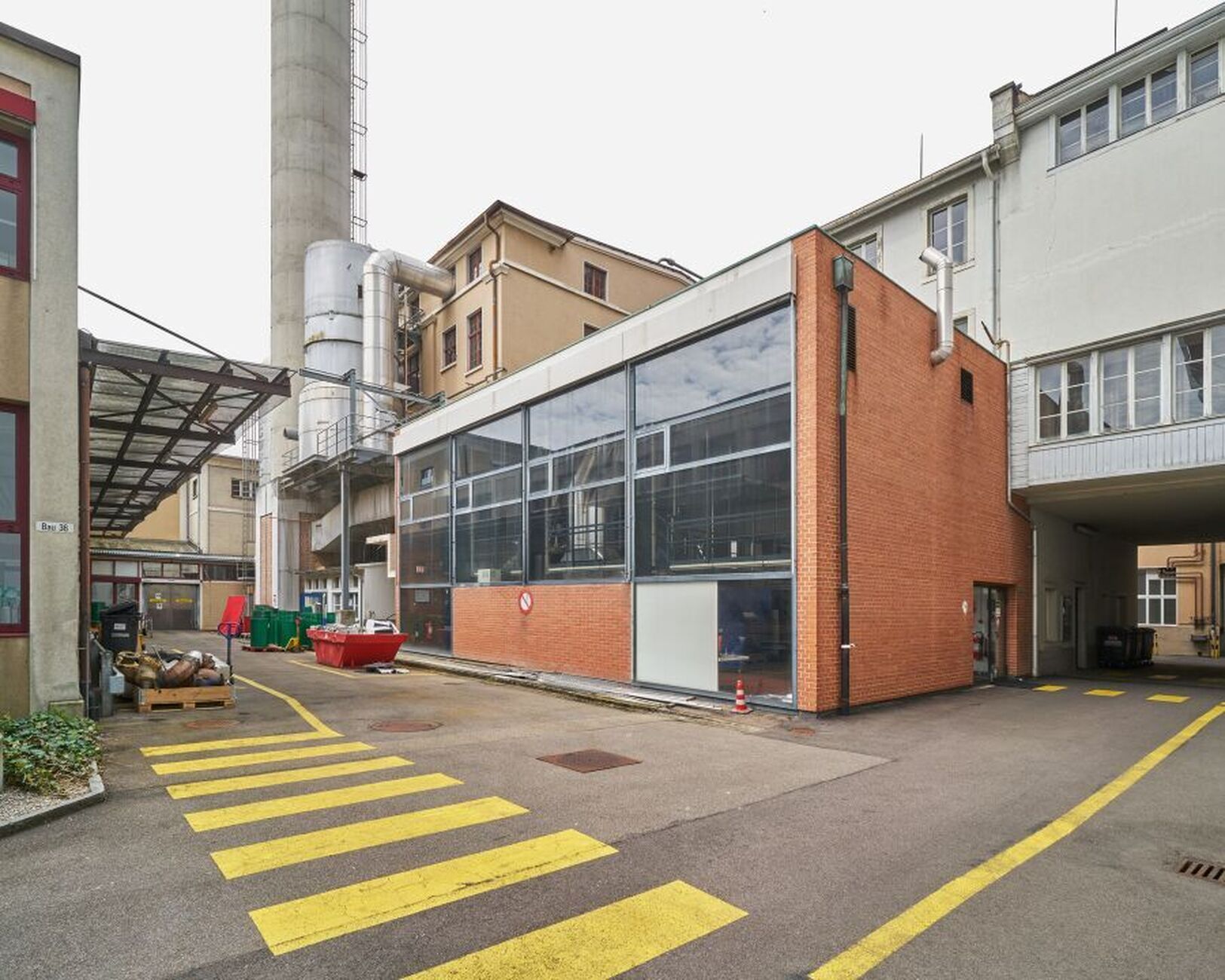
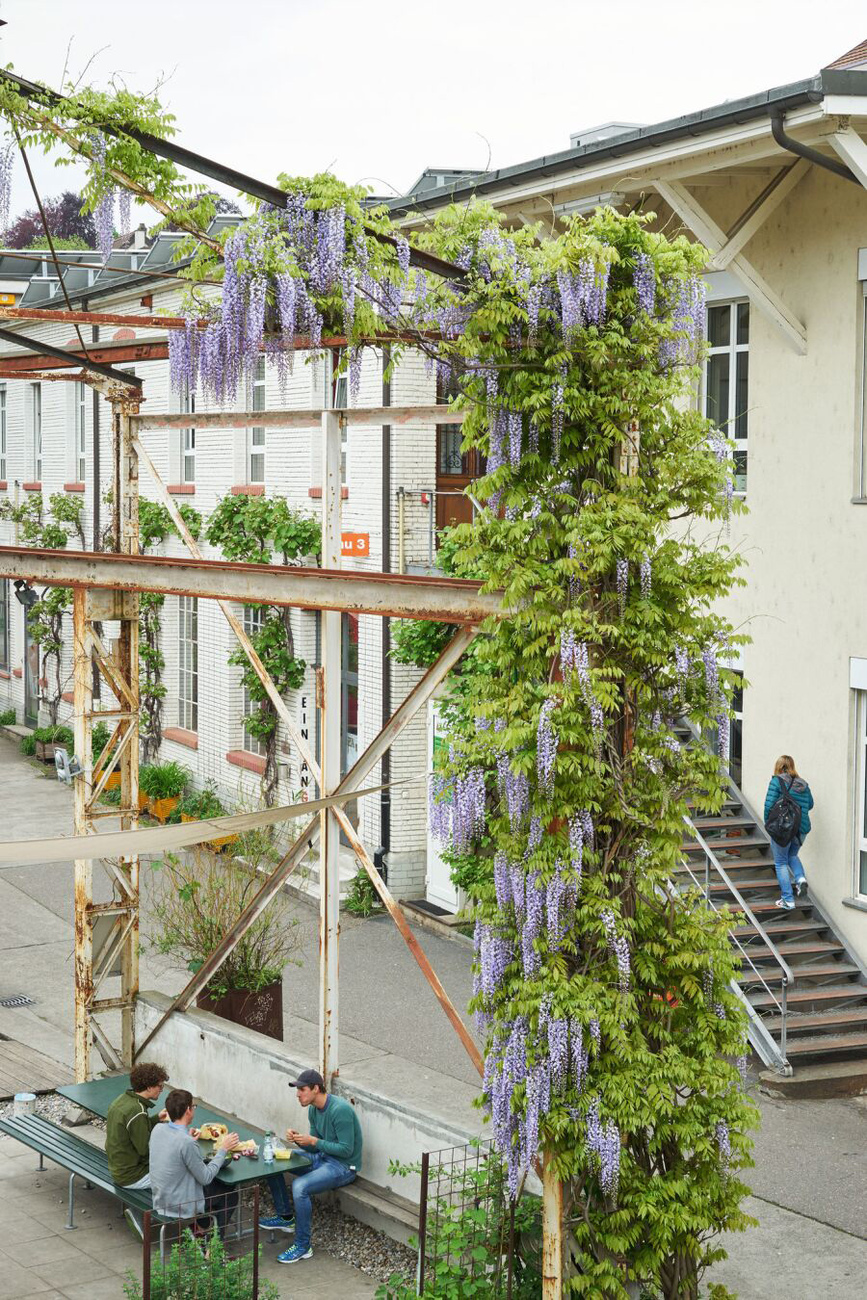
I think that’s exactly what the film conveys so well. It shows that change is possible. Even on huge industrial sites, you can start and, step by step, create something new.
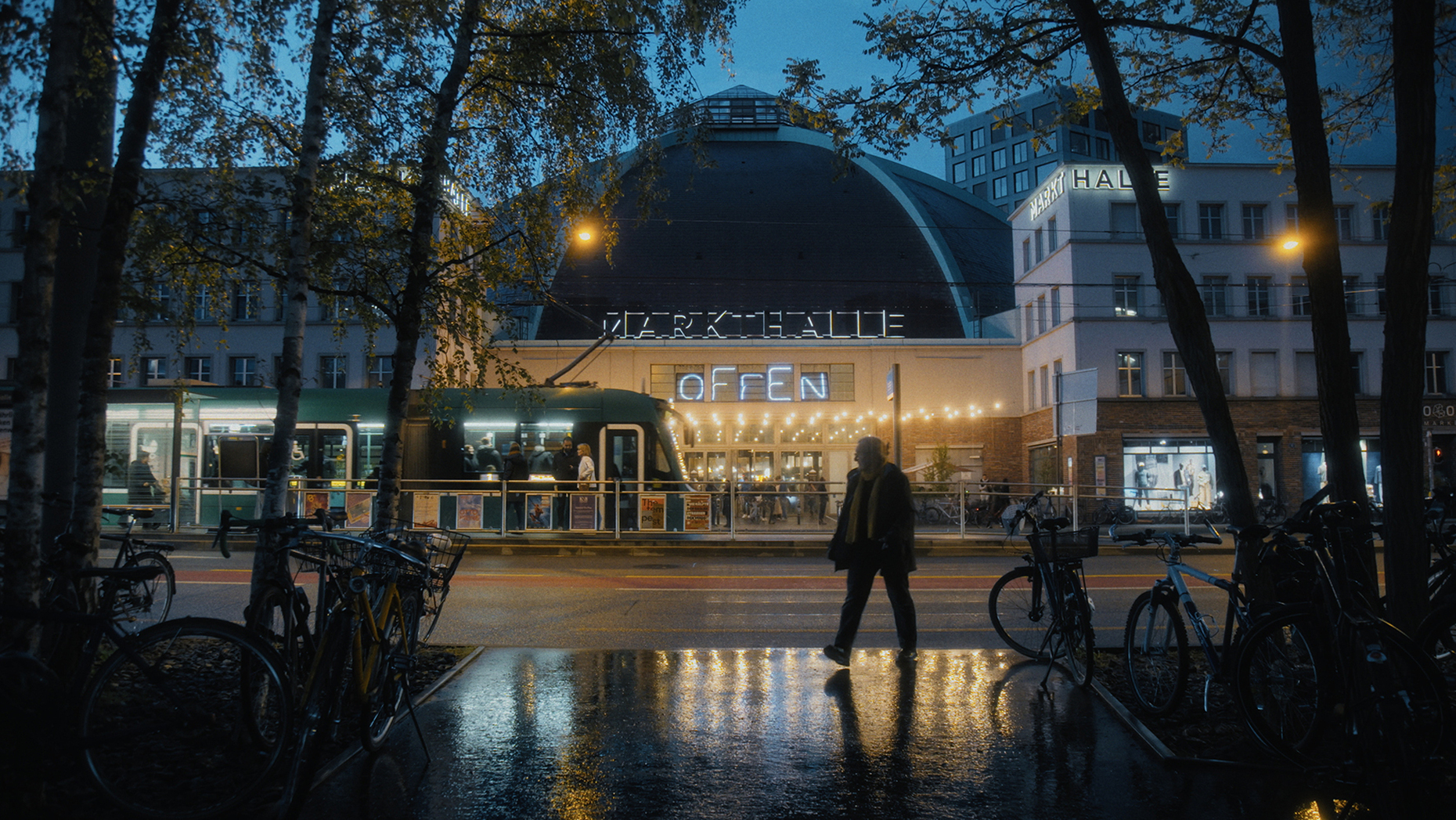
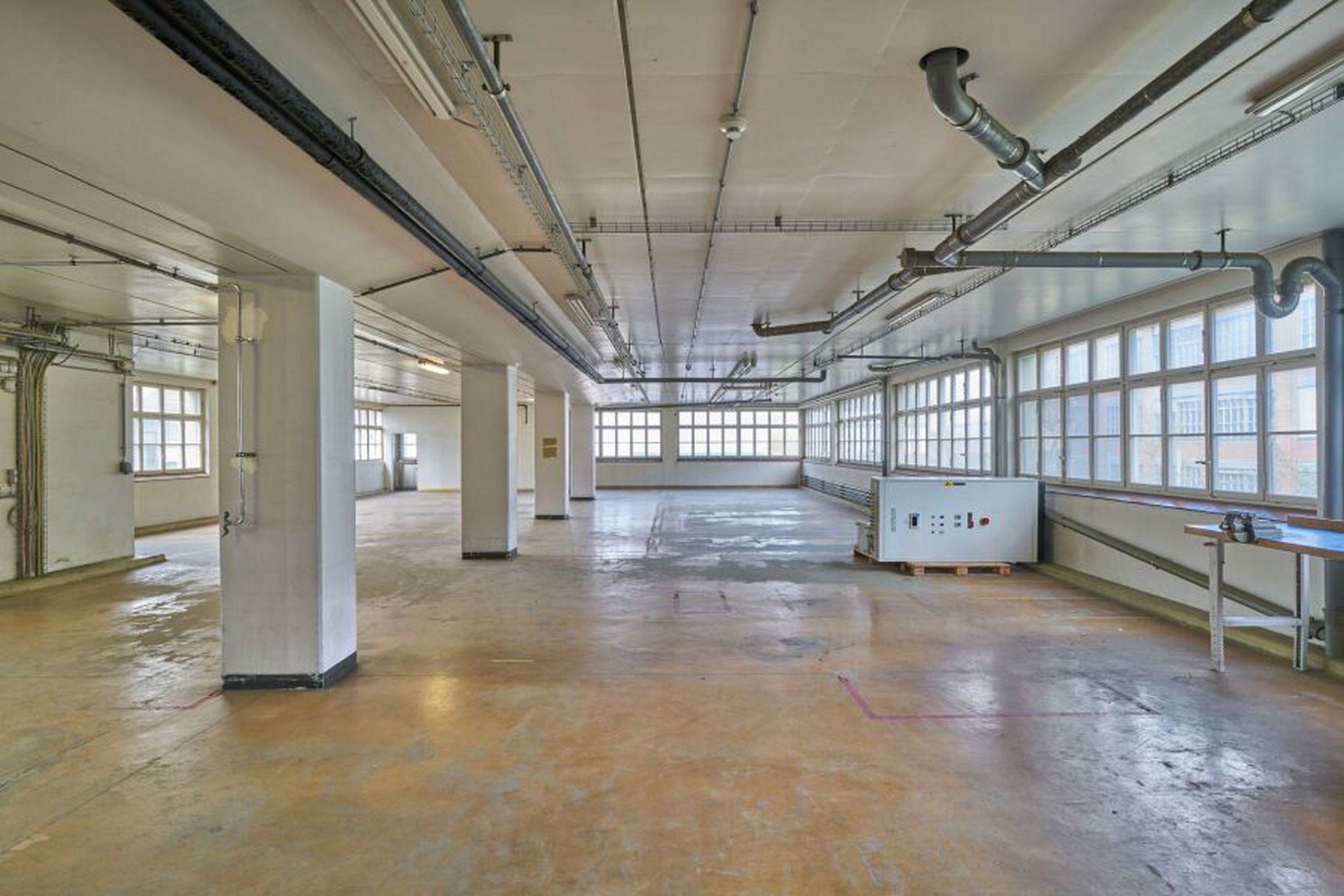
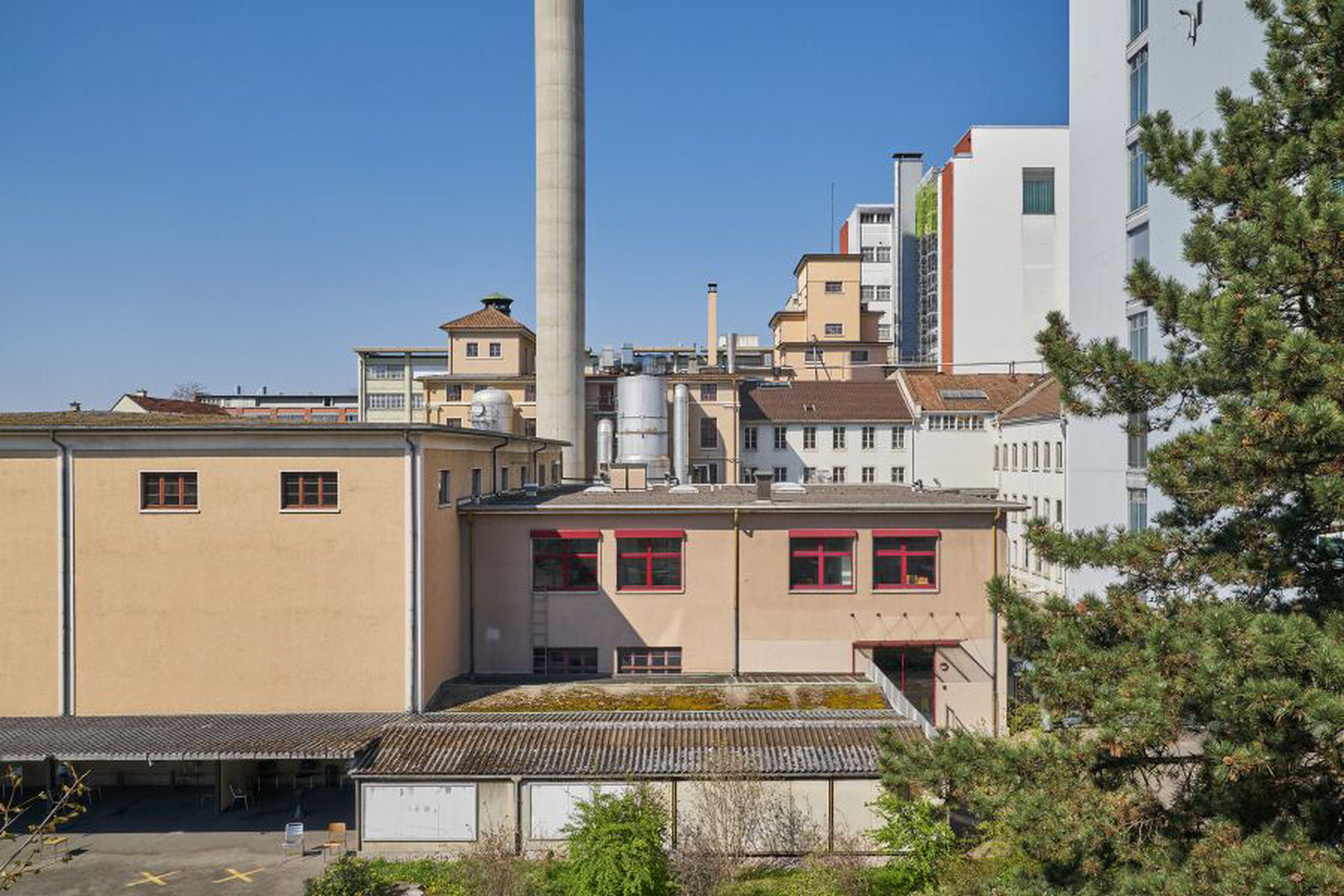
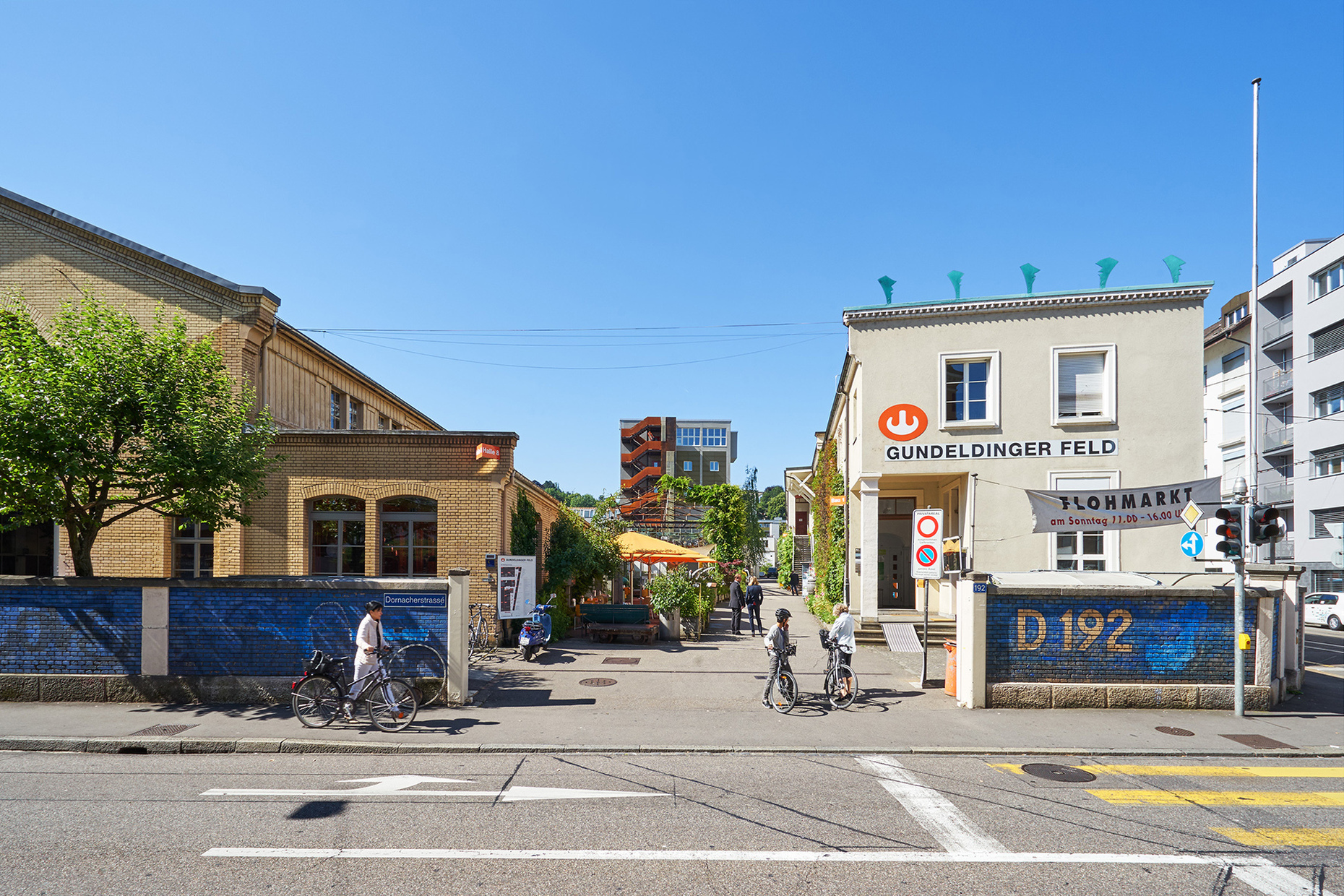
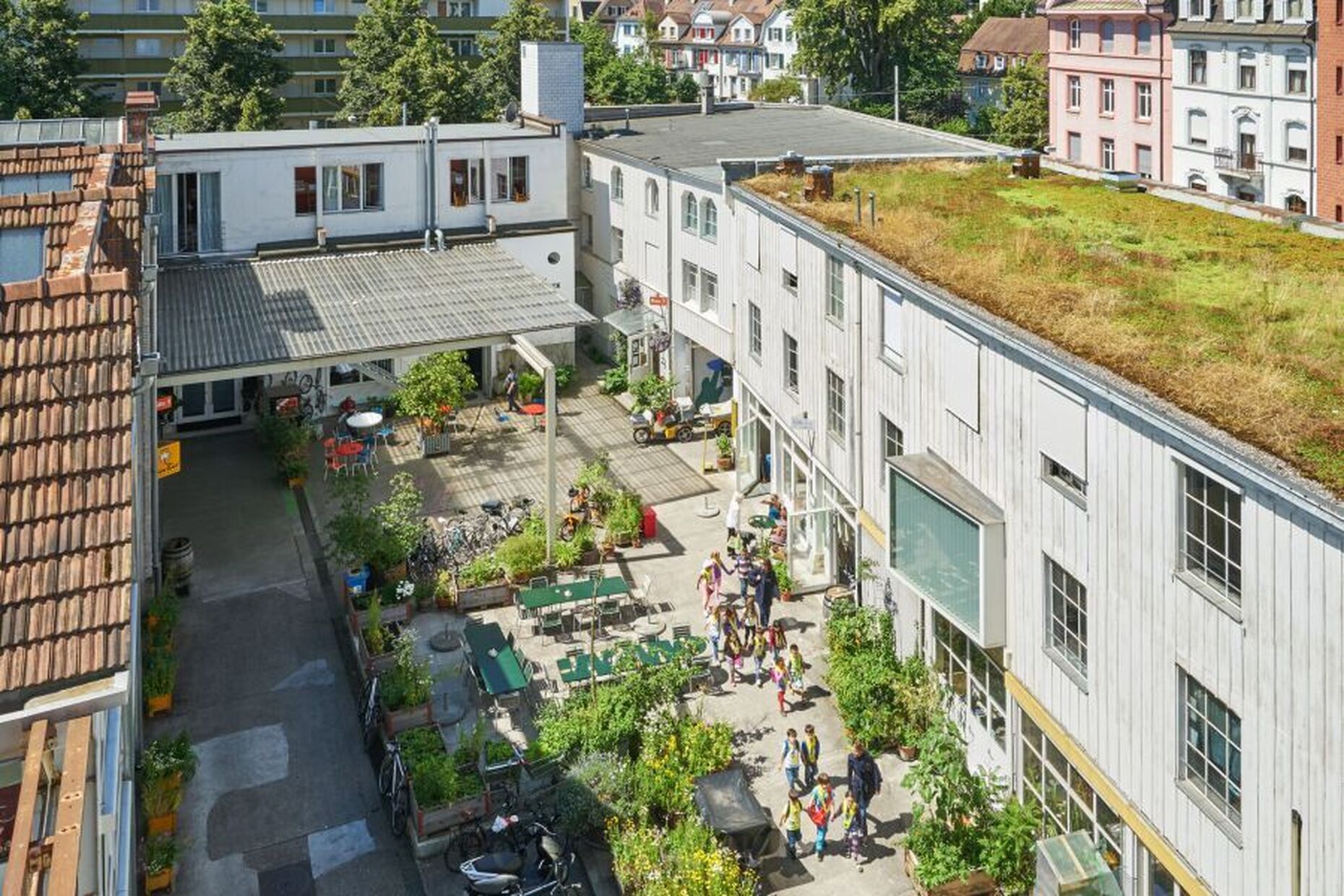
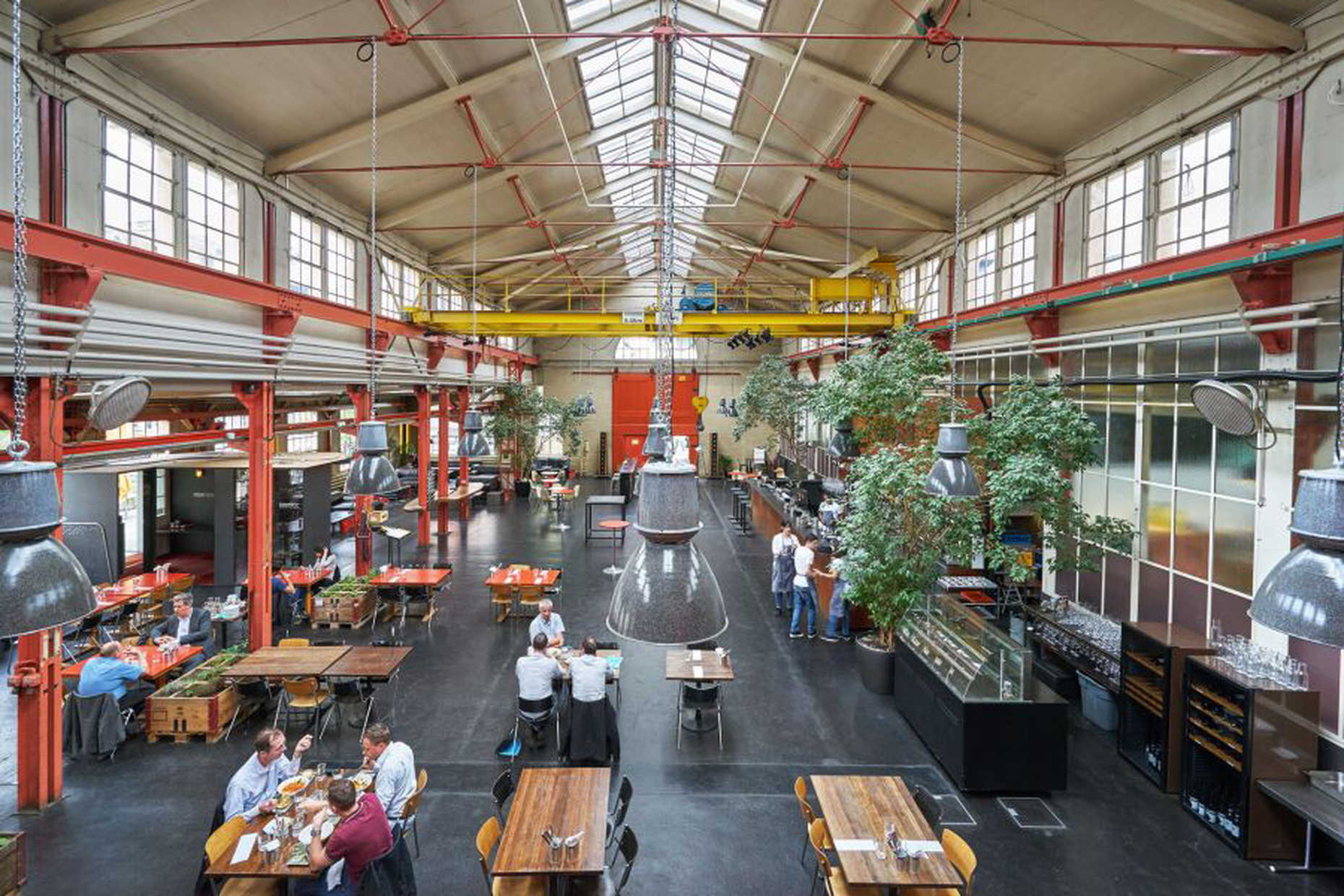
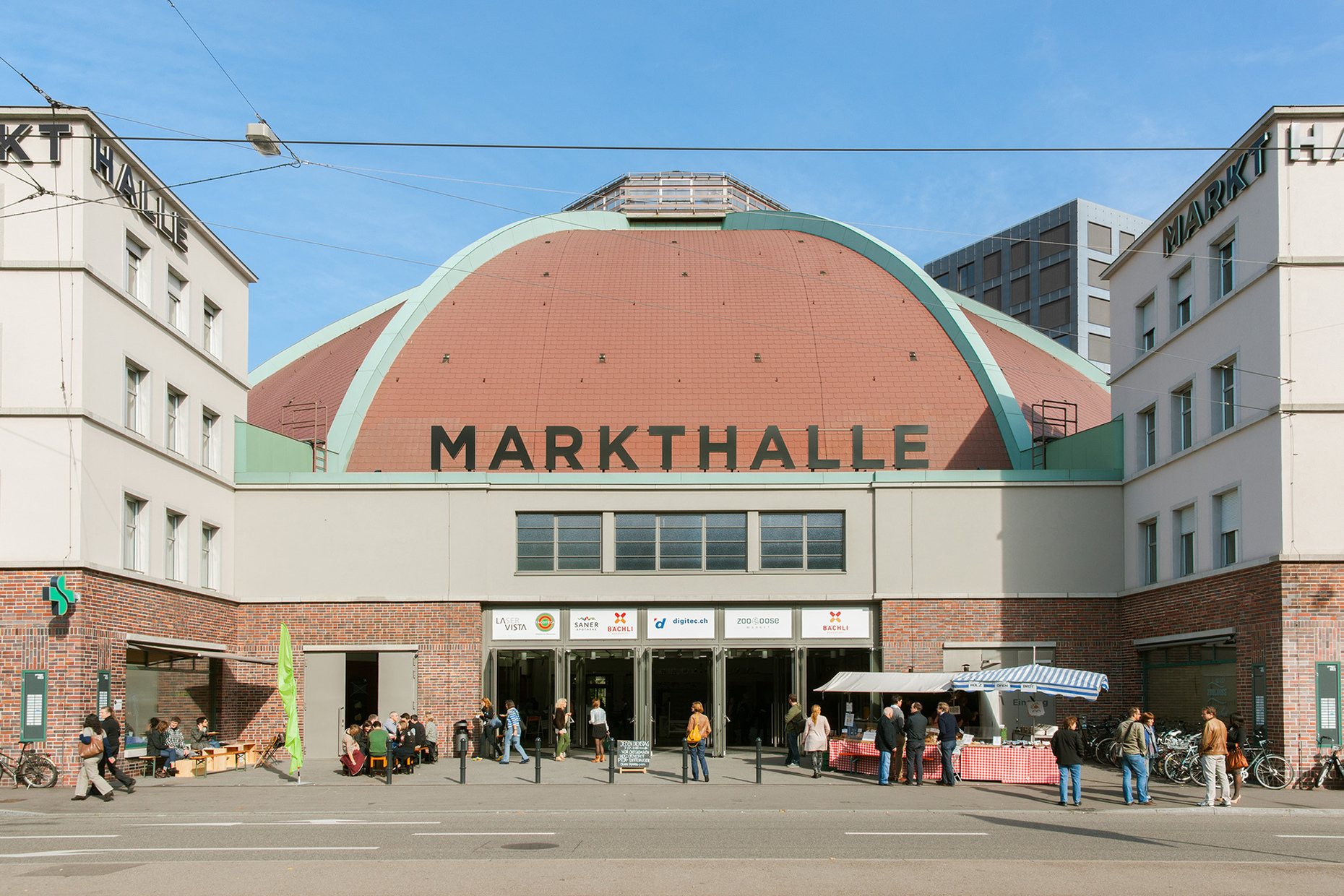
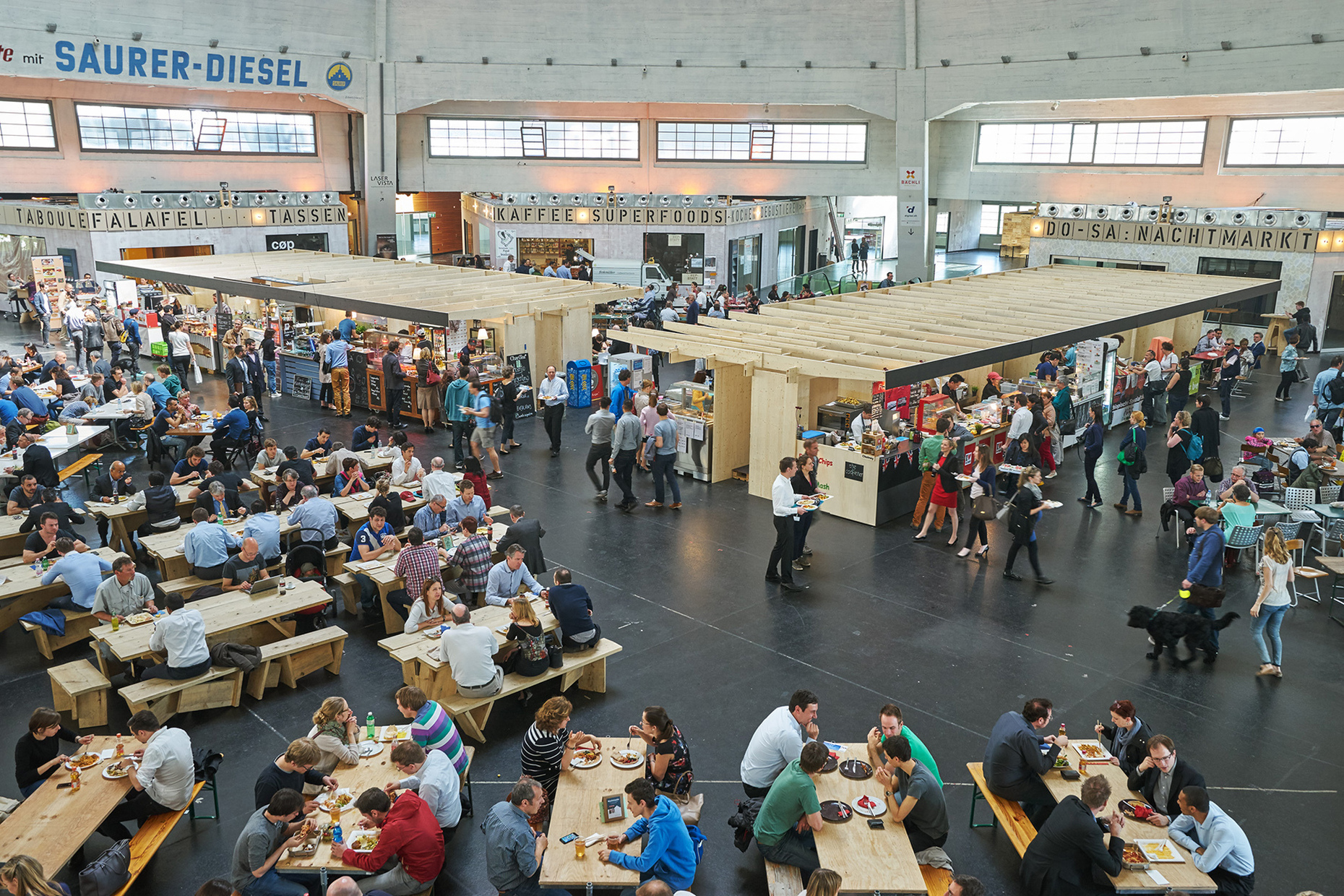
Barbara Buser: Exactly. Sites like these can be developed in stages. You don’t have to tackle everything at once. You can start with one part, gain experience and then carry on. If something doesn’t work out, the risk remains manageable. Large companies, on the other hand, often want to implement everything at once. They invest millions in planning and concepts. Then a consultation or a political decision might come along, and the project fails. If you start small, you can get people on board and keep checking whether the approach you’ve taken is working. The Markthalle is a good example of this: we started with five stalls. That became six, then ten, and today there are 24. Around 2,000 meals are now served there every day. You have to start small. And you have to get people on board; that’s how you build acceptance. Eventually, the money will follow, because people can see that things are actually moving forward.
I was impressed that, during the planning phase for the conversion of the Sulzer and Burckhardt engineering works into a Basel neighbourhood, you set up a fax machine to collect the public’s suggestions. As a result, 400 proposals were received. You spare no effort in promoting participation and forging links between people and architecture.
Barbara Buser: I’m not building this for myself, after all.
But you're making your knowledge and your work available to society. In doing so, you're going to a great deal of trouble that many private investors would not go to.
Barbara Buser: Exactly. The focus is usually on developing and controlling everything ourselves. But I’m not the one who’ll be living or working there later on. I want people to feel at home in these places. That’s why we only start renovating once we already know the users or tenants.
The rooms can then be adapted to suit actual needs.
Barbara Buser: Exactly. We design the spaces in collaboration with the people who will be using them. That’s why we see far fewer changes in tenancy later on. It would be desirable for far more architectural projects to adopt this approach.
Since 1998, you have run the architectural practice in situ together with Eric Honegger. Now that you are in ‘active retirement’, you run Studio Buser together with your daughter. At the same time, you have taught for many years at ETH Zurich, where you yourself studied. You are familiar with both professional practice and teaching from a wide variety of perspectives. What advice would you like to give to the younger generation?
Barbara Buser: You shouldn’t let laws, regulations or a lack of money put you off – just get started. You have to try things out and get your hands on the materials yourself, to grasp them in the truest sense of the word. It could be a table, a garden shed or something completely different. You should also learn to look closely at your surroundings. I see a potential project on almost every street corner. You can ask yourself: What’s happening here? What could be changed? Who could help with this? That’s exactly where participation begins. I could never have achieved any of this on my own – it always took people who were willing to take on responsibility and get involved. In Tanzania, it often bothered me that many projects started with the question: ‘Who has the budget?’ Then they would first look for a funding pot and subsequently devise a project that fitted that funding pot. In my view, it should work exactly the other way round. First, you need an idea. Then you need people who say: ‘I want to make this happen.’ After that, a place where this idea can take root. When these three things come together, the funding usually follows. You have to say to yourself first: ‘I’ll do this.’ And then you can ask: ‘Who’s with me?’ The tasks have become so complex that a single person can neither grasp the full picture nor tackle them alone.
Is there a project that’s still on your wish list?
Barbara Buser: I haven’t really given that any specific thought yet. The Frank site, which we’re currently working on, is already a real dream project. From the very beginning, it was important to me that it be organised on the basis of leasehold rights, so that the land remains secured in the long term and doesn’t come back onto the market after just a few years, becoming more expensive if sold. In principle, I’d like to see similar projects in many towns and cities: market halls, repurposed factory sites, large building materials exchanges and places where existing structures are further developed rather than replaced.
That would indeed be a lovely prospect.
Barbara Buser: Yes. But this also requires the appropriate funding mechanisms. The recycling industry, for example, was established through advance disposal charges. Something similar could also help in the construction sector. With sufficient funding, more building components could be salvaged, stored, processed and reused. Another wish of mine is that significantly more women become active in all areas of the construction industry. I am convinced that our built environment would then look very different.
Tip: On 20 November 2026, Barbara Buser will be at the Schauburg in Karlsruhe as part of her cinema tour