Fail better
Ladies and Gentlemen,
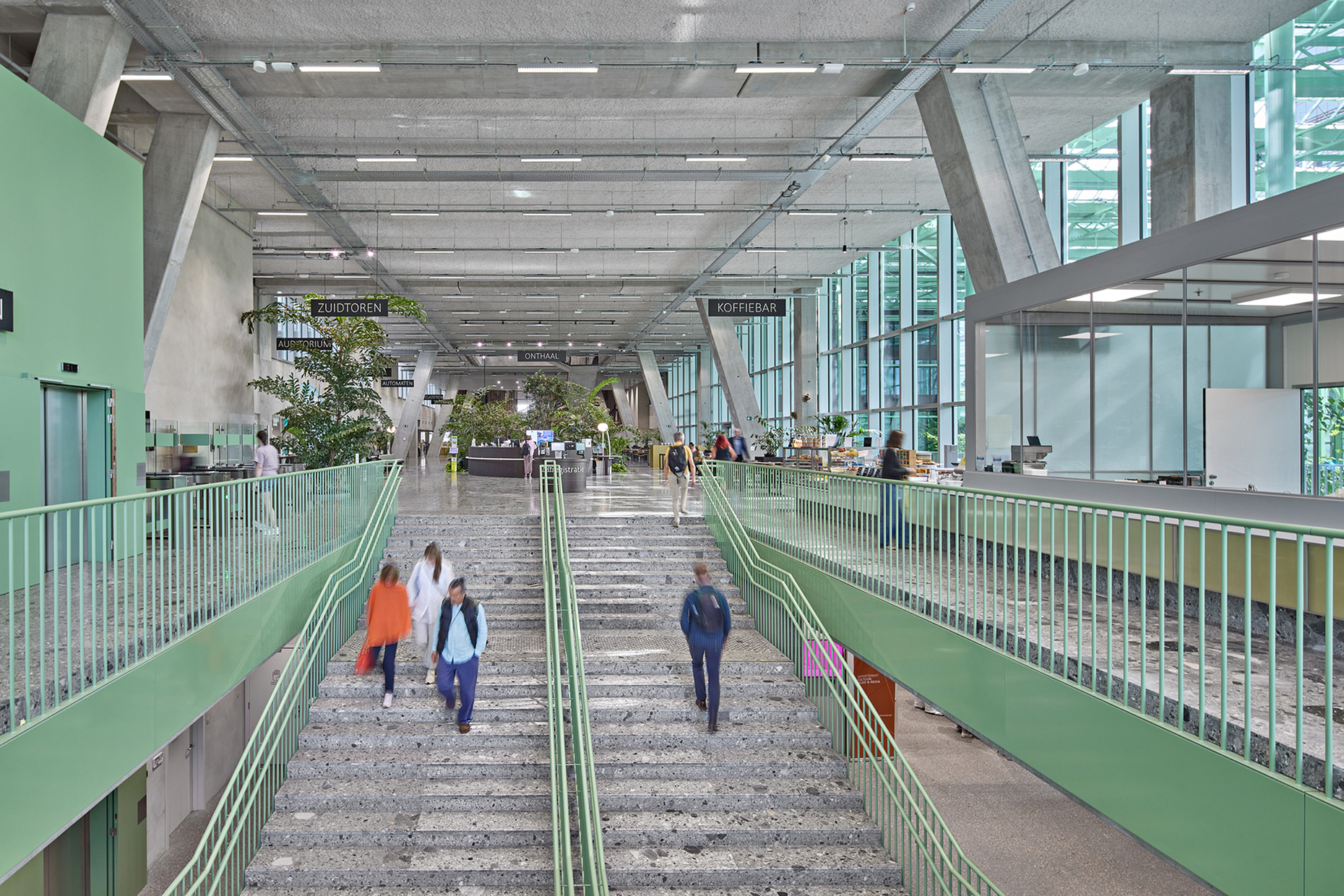
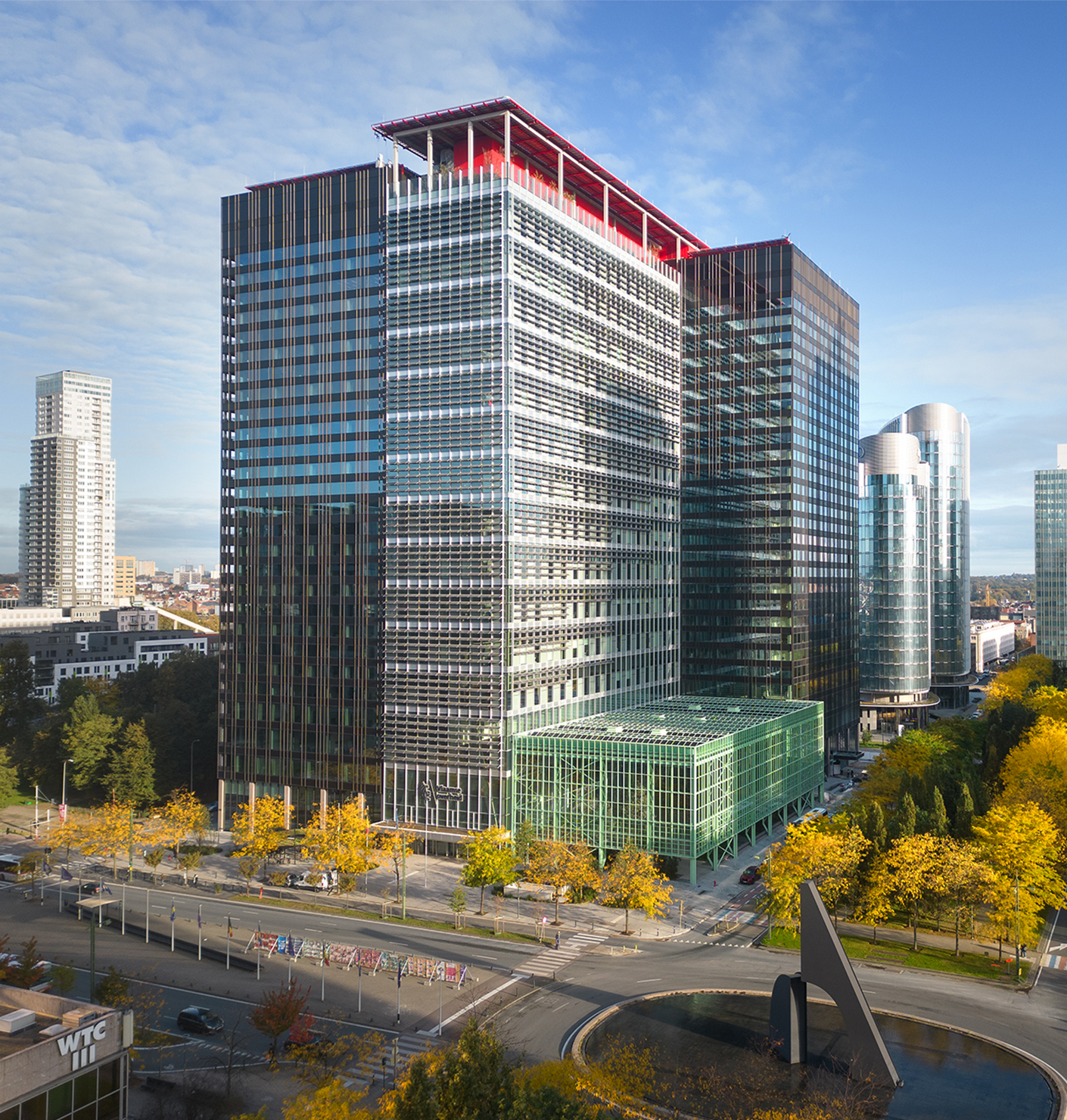
It is a great pleasure to celebrate the jury’s choice of ZIN for the International High-Rise Award 2026. It is a remarkable choice, because the project looks slightly out of character for this award. Measured against the canon of high-rise architecture, ZIN comes armed with a series of formidable fails. Only a few years ago they would most likely have disqualified it. Today, in 2026, they may be the very reasons it won. So maybe we can read the jury’s decision as a quiet sign that our idea of what a high-rise could be is changing.
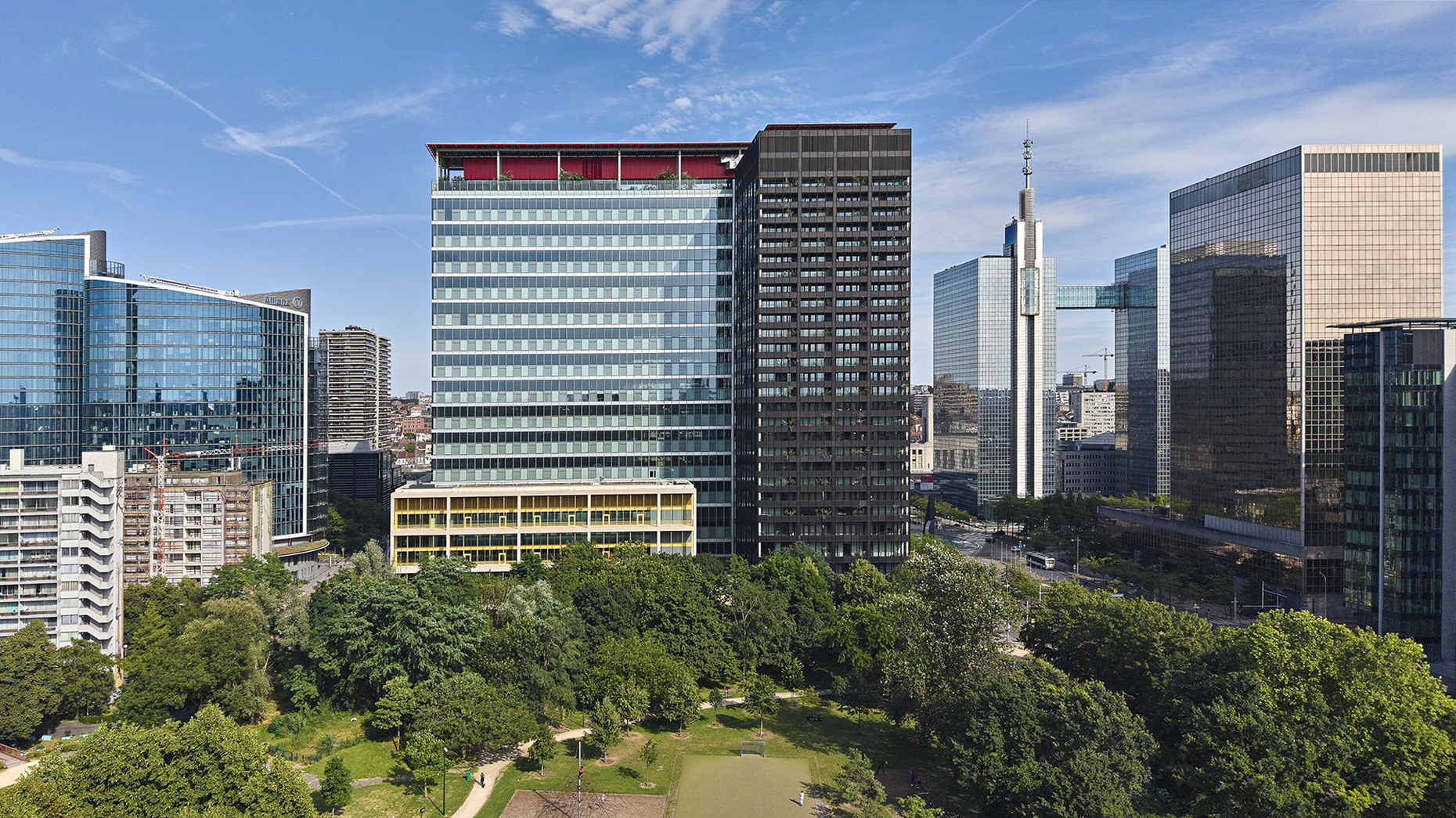
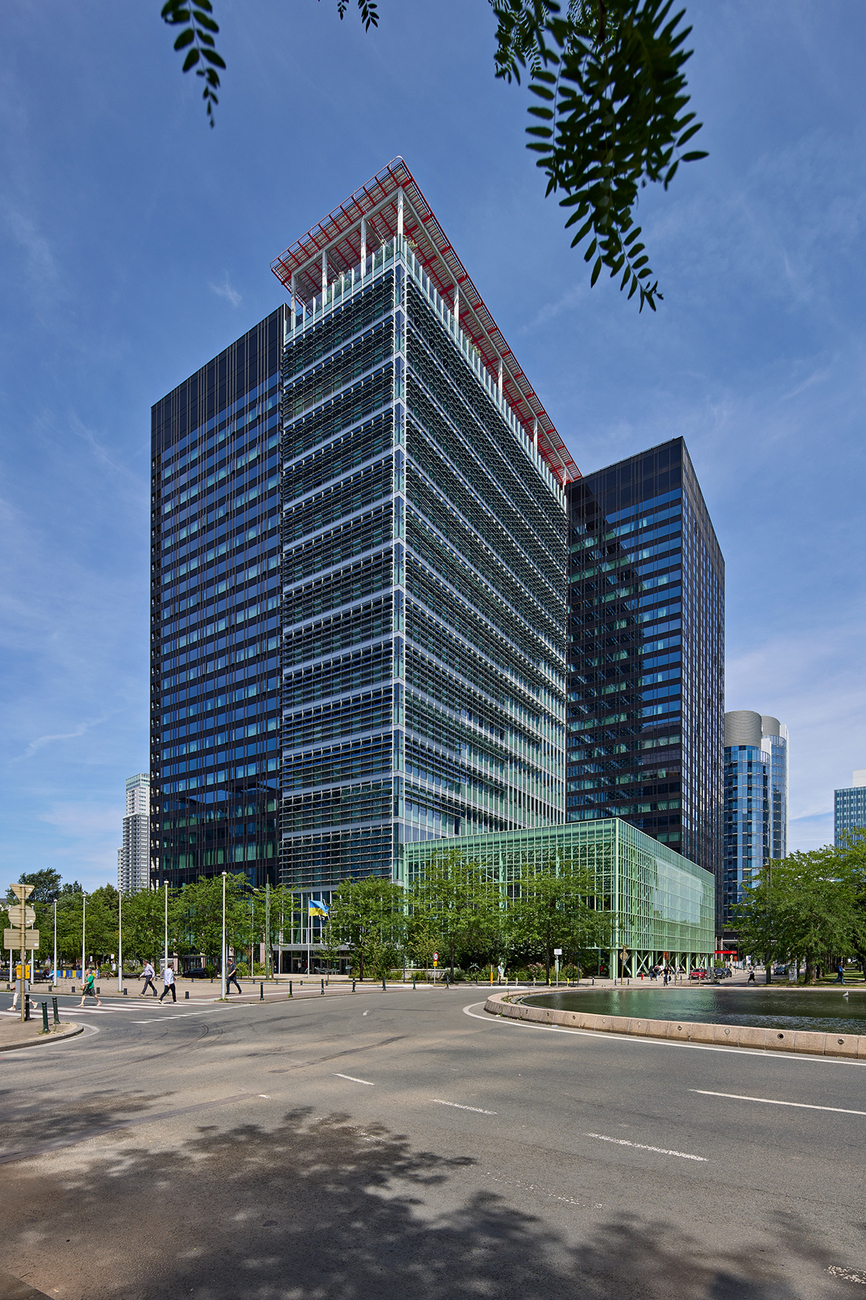
Perhaps no building type is as infatuated with its own narrative as the high-rise. And that narrative is hard to separate from a very old trope: height as an expression of power, and of a rather male kind of power. ZIN shows no ambition to prolong this narrative. At 111 metres it is not even really tall. This award requires 100, so ZIN clears the bar with modest room to spare. And with the layered depth of its volume, it can hardly be called slender either. Thus ZIN elegantly bypasses the clichés of phallic architecture. Well done. That’s fail number 1.
Fail number 2: ZIN is not particularly photogenic. Most high-rises aspire to an iconic shape that is recognizable from every angle. They tattoo themselves into the skyline and elbow their way into our imagination. Let’s try a little experiment. Please close your eyes for a moment. Now think of Paris and think of a building. How many of you saw the Eiffel Tower? (Many hands in the audience go up). You see what I mean.
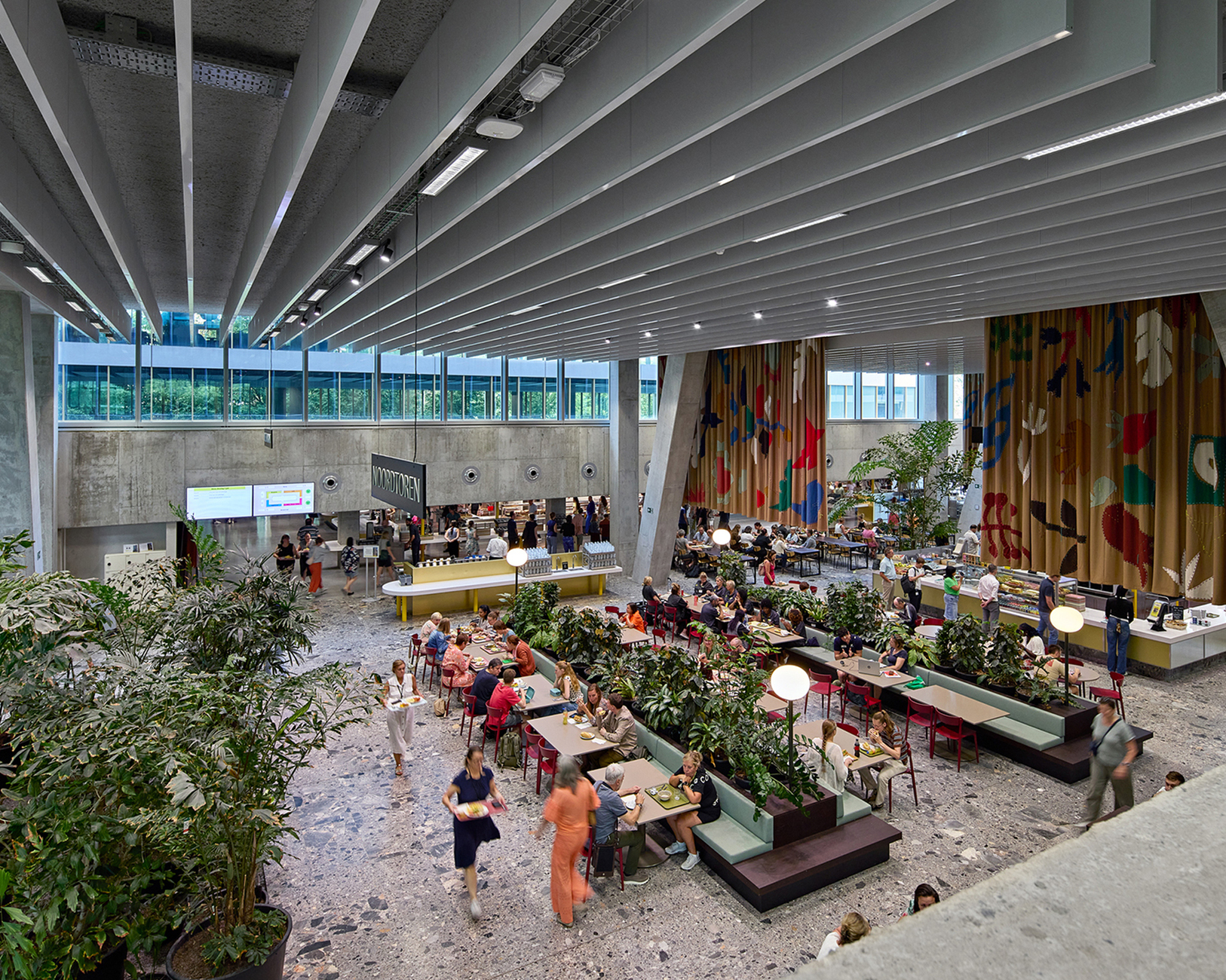
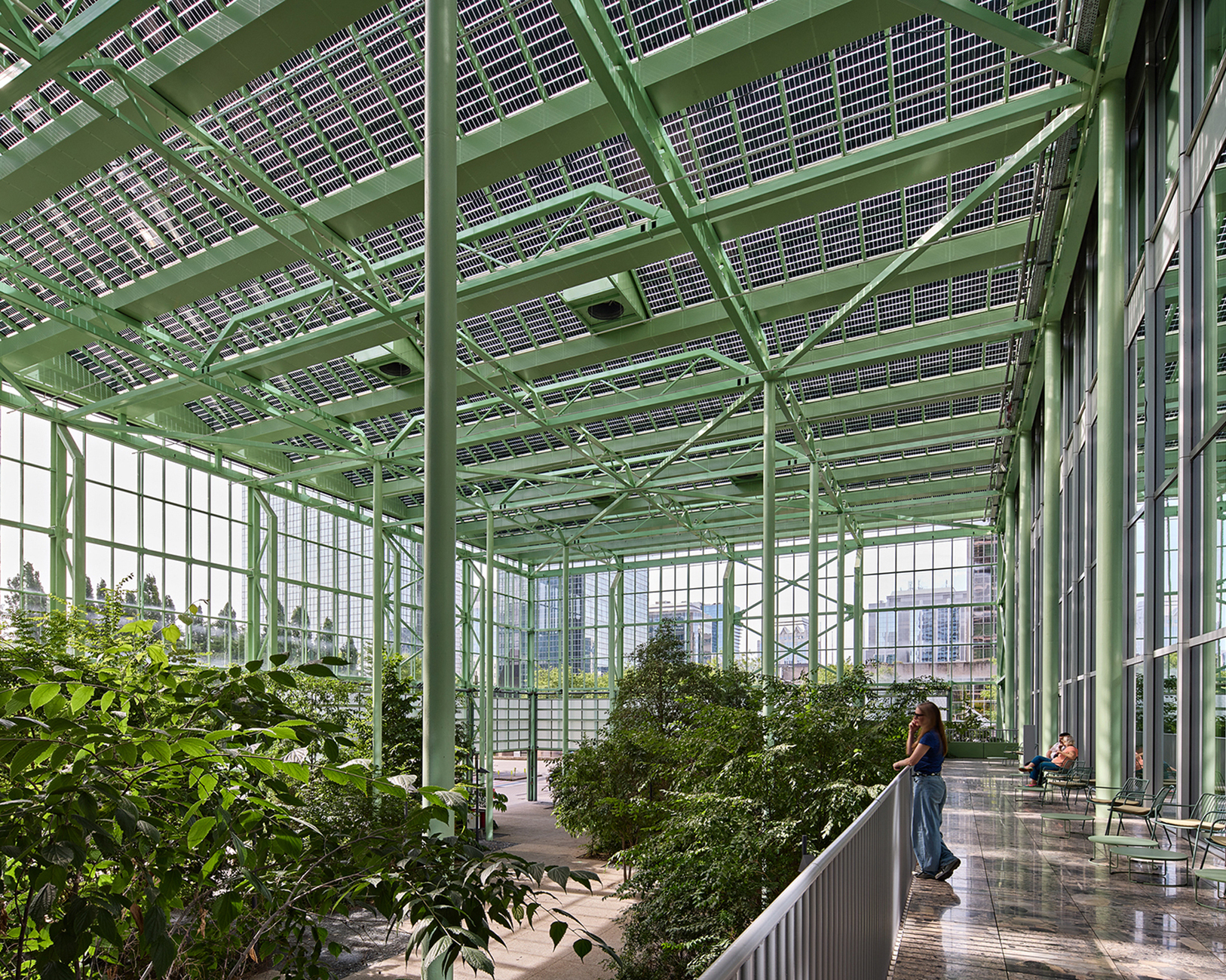
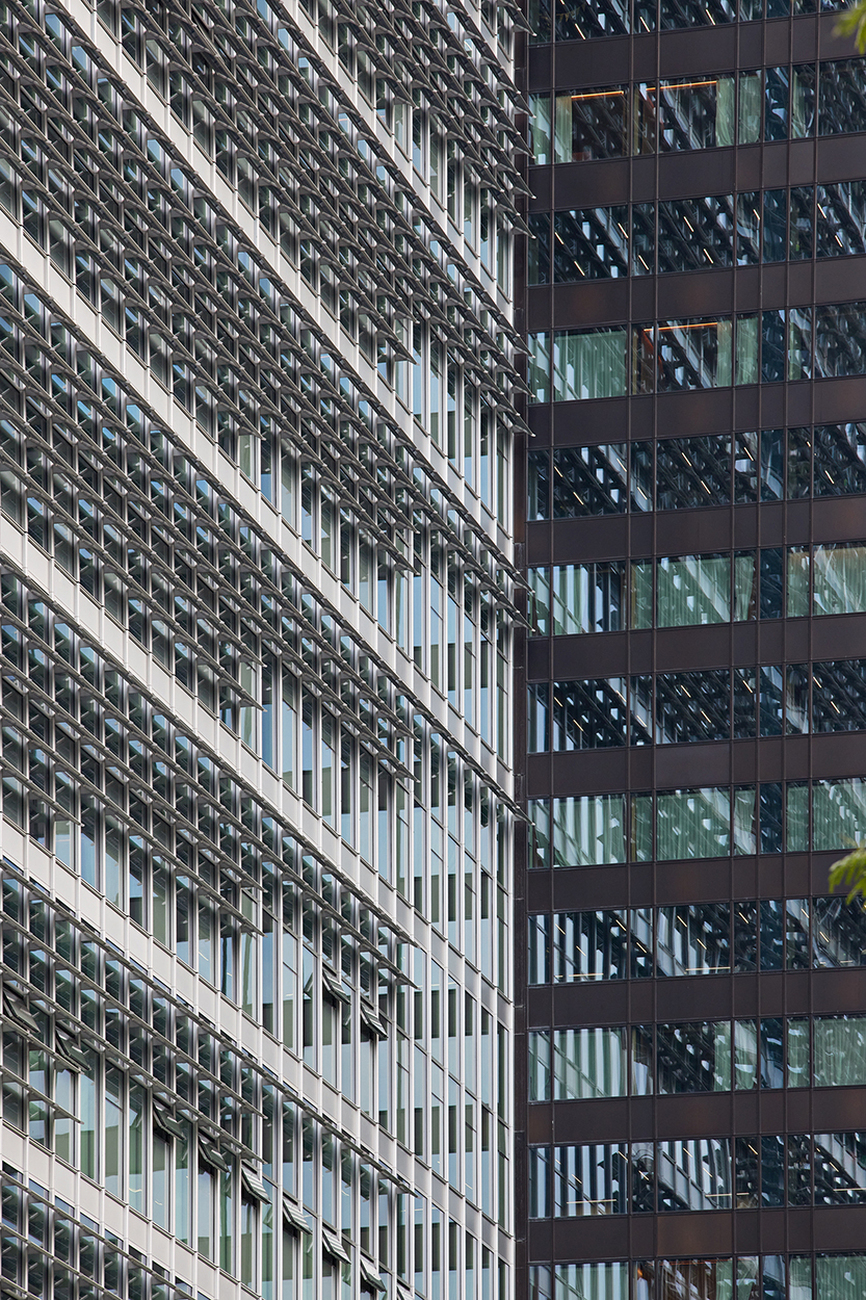
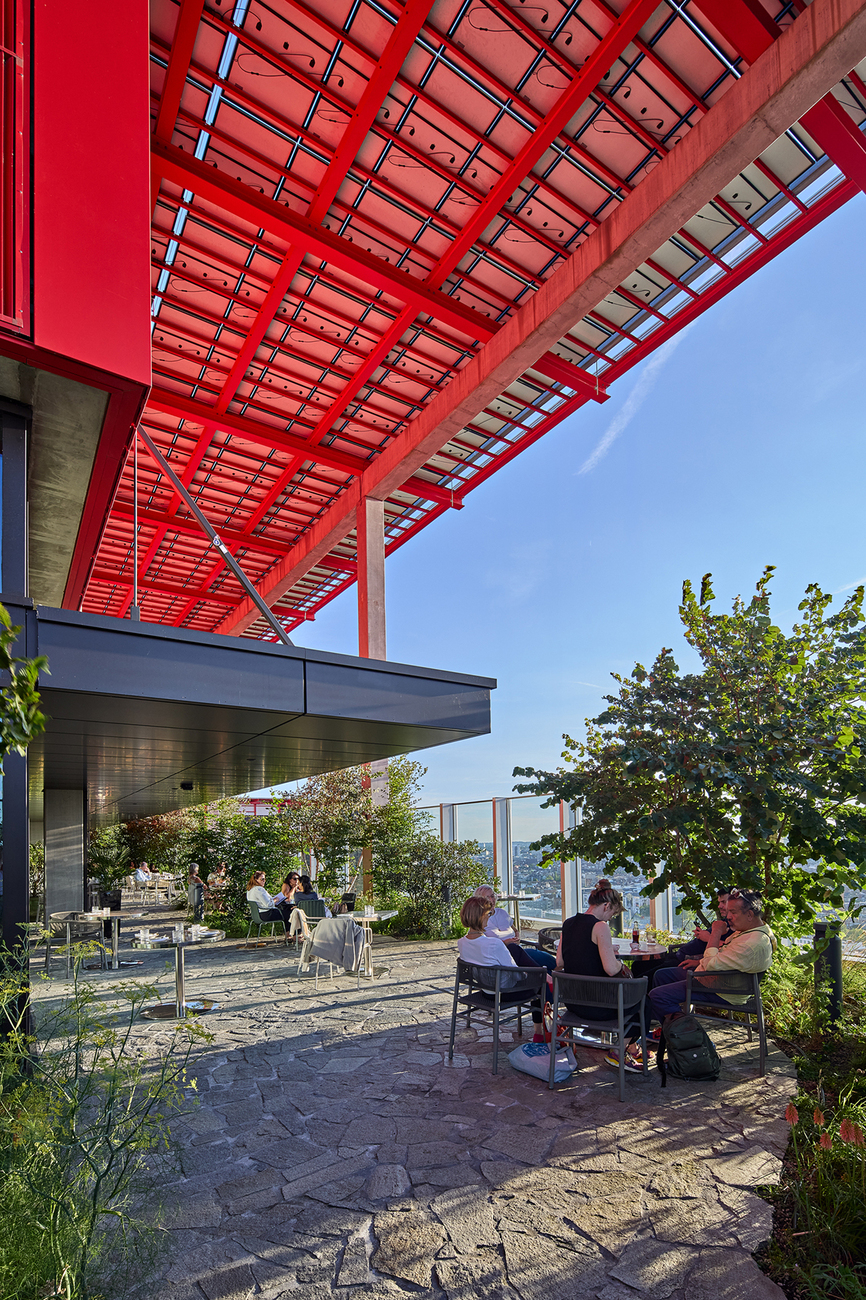
ZIN doesn’t trigger this short circuit between idea and image, because it is not an icon. Its outline is rather messy, and it looks different from every position. Sometimes it looks like different buildings. Well, maybe Zin really is more than one building. Arthur Rimbaud, the great French poet, found an elegant way to paraphrase this identity confusion: “Je est un autre” – « I is another ». (note the way in which Rimbaud hurts French Grammar). By contrast, the World Trade Center of Brussels clearly wanted to be an icon. Its two towers rising heroically from the podium almost formed a 3D logo. ZIN undoes that logo by slipping a third volume between them. The architects call it the “volume capable”. A funny name, but also a fitting one, because this volume is indeed capable of something. It turns two solitary towers into one building.
Which brings us to fail number 3: ZIN is deeply romantic, and in the canon of the high-rise, romance is not a category. I visited the empty World Trade Center in 2018. The architects told me they wanted to bridge the gap between these two forlorn towers. Standing at a window in one tower, looking across at the other, so close and yet out of reach, I could not help thinking of Wim Wenders’ classic road movie Wrong Move (Falsche Bewegung) from 1975. Two strangers, played by Hanna Schygulla and Rüdiger Vogler, sit in two trains leaving the same station side by side. The trains run in parallel for about a minute or so, and during that time our protagonists, each clenched behind their train windows, are connected by virtue of a bi-directional gaze that seems capable to overcome their physical separation. That is what the volume capable about. It is the architectural equivalent of that gaze, a bridge between two estranged towers that had stood side by side for fifty years without ever meeting.
Fail number 4: ZIN is not pure. In an ideal world, the architects could have connected the two towers by simply filling the gap with a new building, while keeping the towers as they were, of course renovating and updating them to today’s standards. But exactly this update proved impossible. That turned out to be impossible for various reasons. Only the foundations, the podium and the two concrete cores could be kept. For a project that set out to avoid demolition, that must have been a big disappointment.
This is where it is useful to employ the German word for a change, because it has a more interesting version of the word: Enttäuschung. We usually put the emphasis on the second part of the word: Ent-täuschung. But that’s actually misleading, you are stressing the frustration of being duped. If you emphasize the prefix, Ent-Täuschung, you start to realise what the word could also mean: to liberate yourself from a deception (sich von einer Täuschung zu befreien). It's actually no drama, because you simply become aware of the fact that something is not what you thought it was.
And in this situation the architects committed fail number four, which is my favourite one: They weighed reality higher than their initial concept, which, paradoxical as it may be, is precisely what allowed them to stay coherent to their original ambition. If they could not save the towers materially, they could still keep them conceptually – and they did that in a way which reminds me of the Ise Shrine in Japan. Since the 7th century this Shinto shrine has been rebuilt every twenty, most recently in 2013, for the 62nd time. The permanence of this building rests on the continuity of an idea, not of its matter. ZIN does the same but even goes one step further. It continues the idea of the towers without copying them to the latter but evolving them in terms of their shape and program.
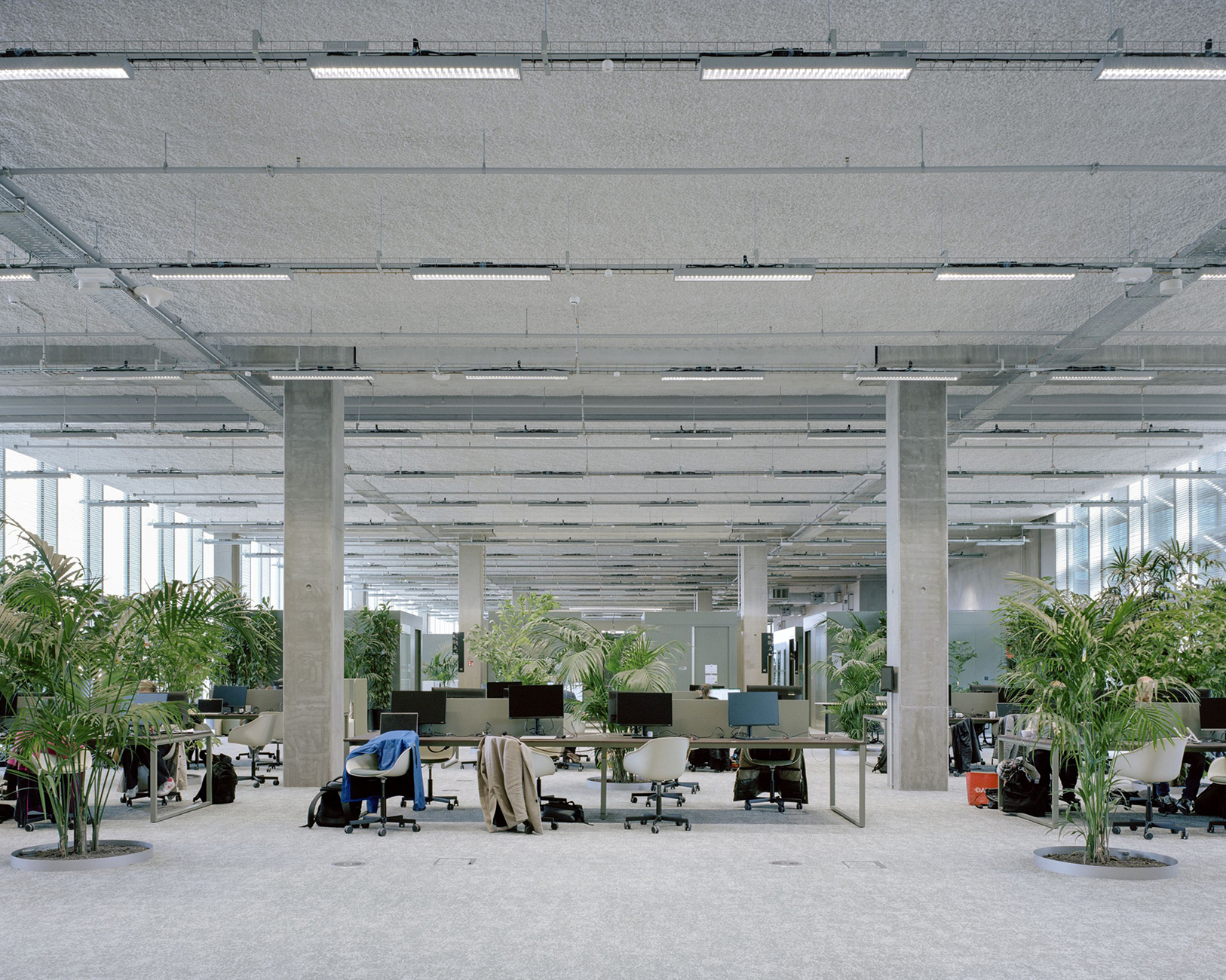
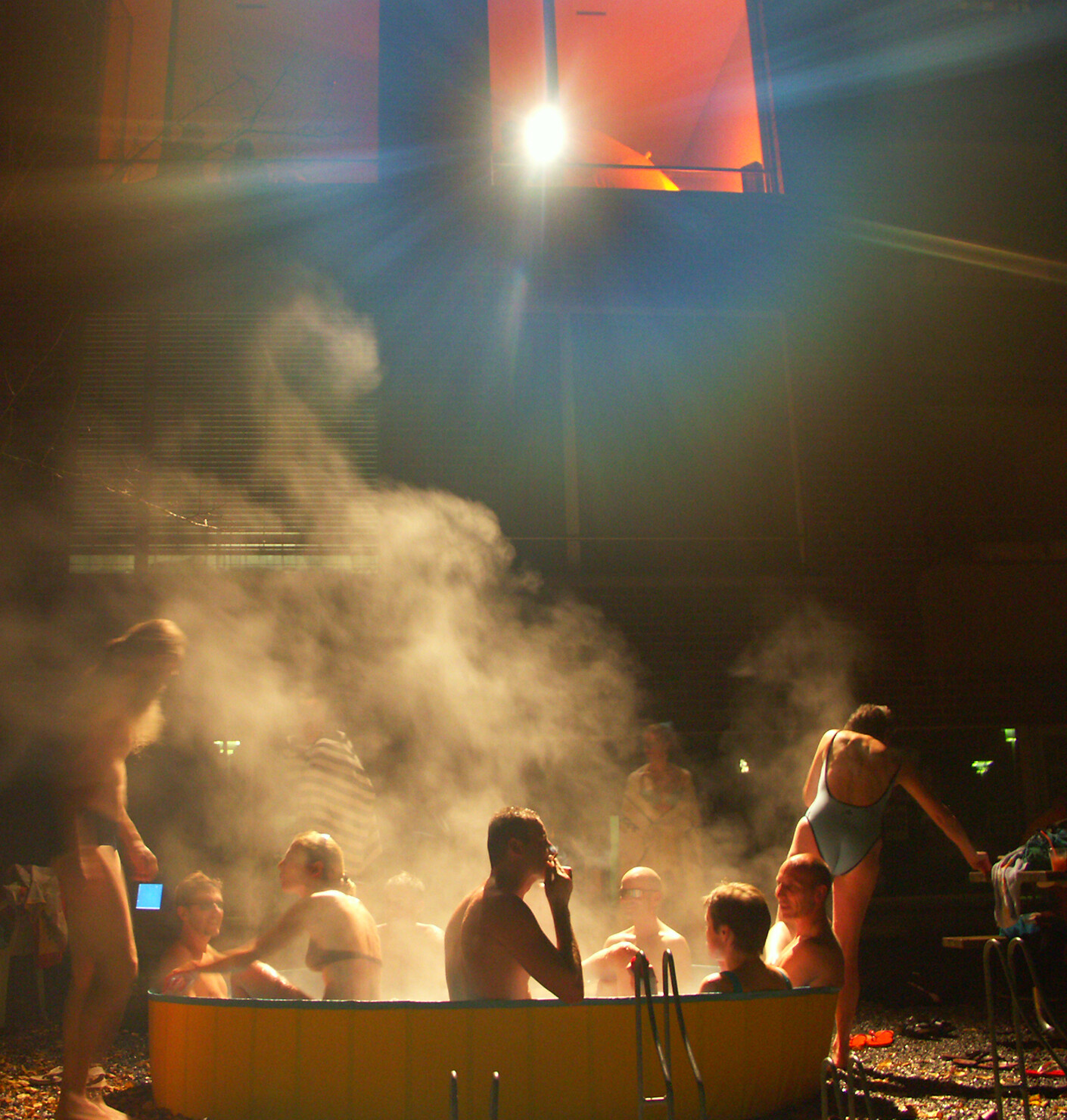
With that we come to fail number 5: Originally the architects had envisioned another future for ZIN. Before there was any competition brief, 51N4E had turned the empty north tower into a laboratory for a year and a half. Architecture schools, cultural initiatives and the architects’ own office moved in to find out, by trial and error, which mix of uses such a tower could hold. Then the Flemish Government offered to rent most of the offices for eighteen years, and that research was put on the shelf. But it is not lost. When the lease runs out, this building will already know what to do next.
Of course I know how hard it is for us to embrace failure. We are far too spoiled by success. Therefore, we should take the chance and celebrate the courageous decision of the jury to honour a building that failed in all the right ways. And no one has described the virtue of fail better than Samuel Beckett in his precious words: “Ever tried. Ever failed. No matter. Try again. Fail again. Fail better.”