SUSTAINABILITY
Keep cool
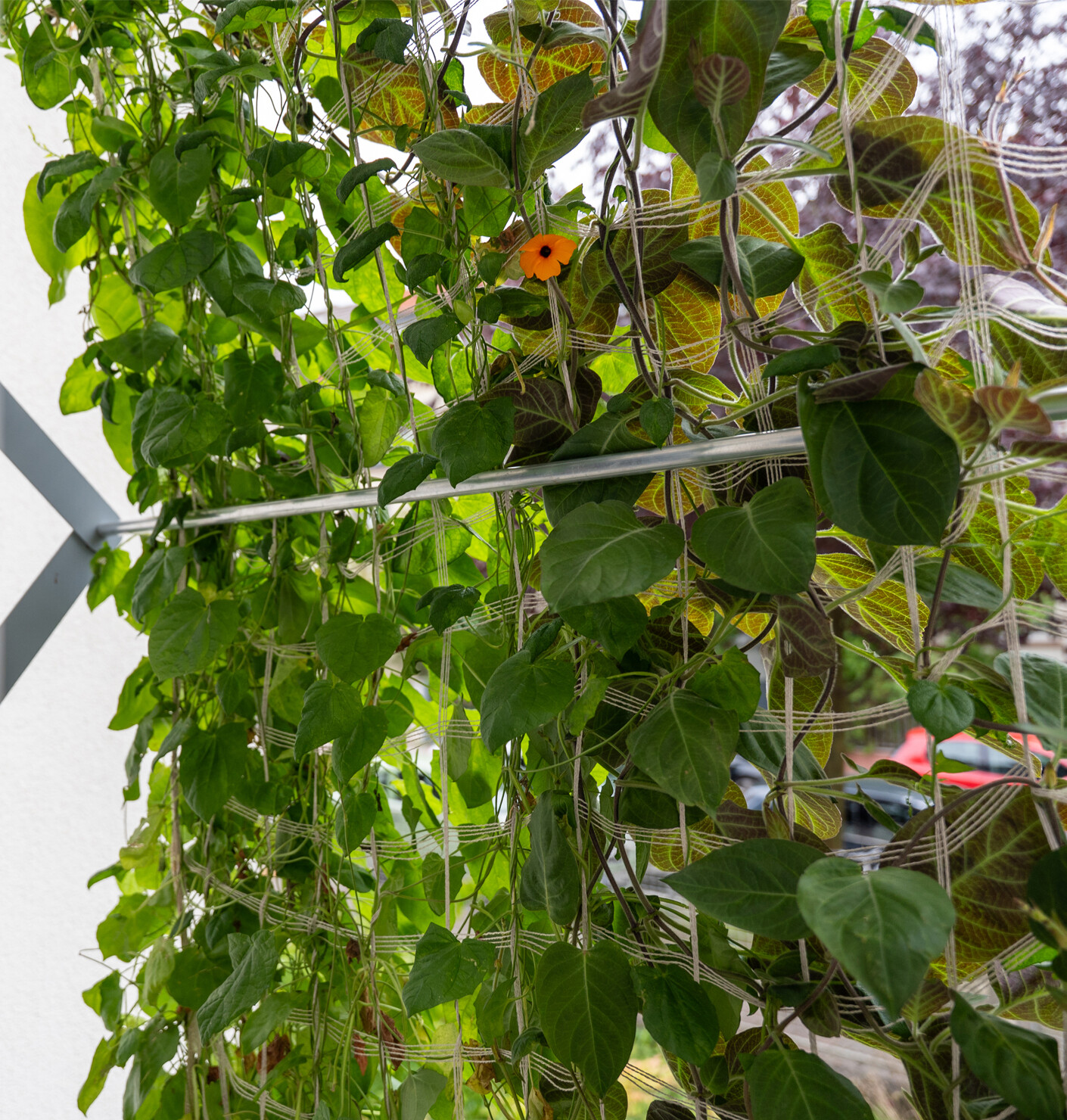
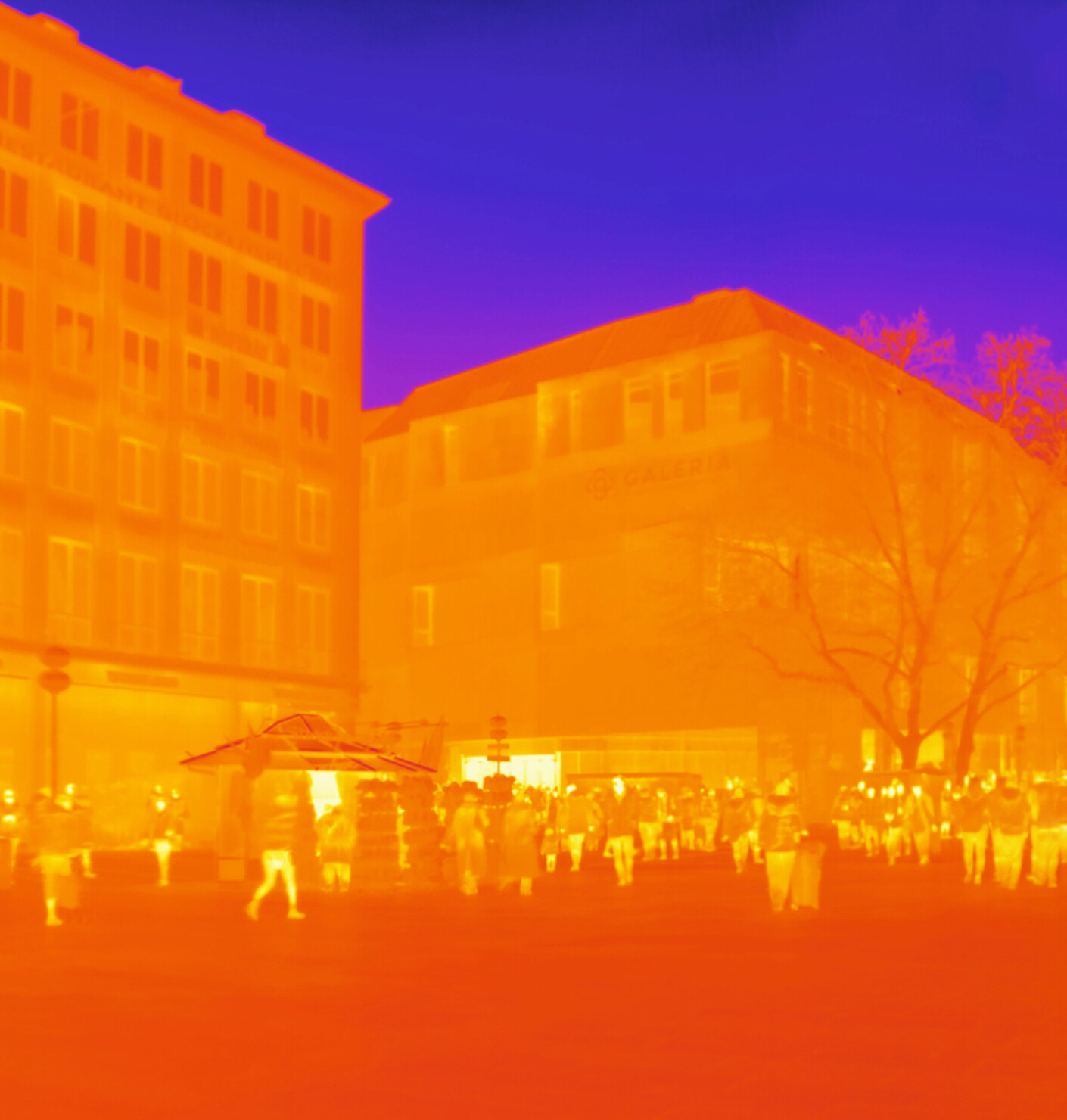
The climate crisis has long since reached our cities. Heat waves, droughts, water shortages and increasingly frequent heavy rainfall are noticeably changing everyday urban life. What can be done? In collaboration with Philipp Deilmann, Architects for Future, and the Helmholtz Climate Dialogue Platform, the curatorial team – Katharina Böttger, Jonas Malzahn and Mathias Schnell (Studio Central) – has developed “Too Hot – Scorching Cities, New Ideas” at the German Architecture Museum (DAM). The exhibits demonstrate how cities can address the challenges posed by climate change and illustrate the new forms of coexistence, planning and construction that are emerging as a result.
The concept is practice-oriented: Rather than presenting theoretical future scenarios, the exhibition showcases projects that have already been implemented, well-considered strategies, and ongoing discussions. The focus is on thirteen European cities that, despite their differing climatic, political and social conditions, have one thing in common: they are all seeking ways to make their urban spaces more resilient and liveable. This creates a multifaceted panorama of urban transformation, ranging from Finland to Greece and from small towns to metropolises.
'Too Hot' clearly shows that there is no one-size-fits-all solution to the climate crisis. Instead, cities require flexible strategies that are tailored to their specific geographic, social and political circumstances. For example, while Copenhagen is redesigning parks and squares to serve as retention areas for heavy rainfall, Barcelona is relying on green street corridors and new public spaces to combat urban overheating. In Paris, green roof structures represent a modern take on the city’s traditional zinc roofs. Meanwhile, Vienna is testing energy and cooling systems for entire apartment blocks, and the Polish city of Łódź is restoring rivers that were once channelled underground, bringing the water back into the urban space.
The exhibition portrays climate adaptation not as a purely technical or planning-related task, but as something that touches on social and political issues. Who benefits from new green spaces? How can climate protection and affordable housing be reconciled? And what role do citizens play in shaping their cities? Many of the projects presented navigate the tension between ecological necessity and societal interests.
The municipal strategies, architectural solutions, and civil society initiatives highlighted in the exhibition are inspiring: In Totnes, for example, citizens are organizing the local transition away from fossil fuels and developing community-based models for a sustainable future. In Frankfurt am Main, meanwhile, it becomes clear how initiatives are working to preserve green spaces and cold-air corridors, thereby sparking key debates about growth, climate resilience, and quality of life. The exhibits illustrates that the transformation of cities is not driven solely by politics and public administration, but relies significantly on the commitment of their residents.
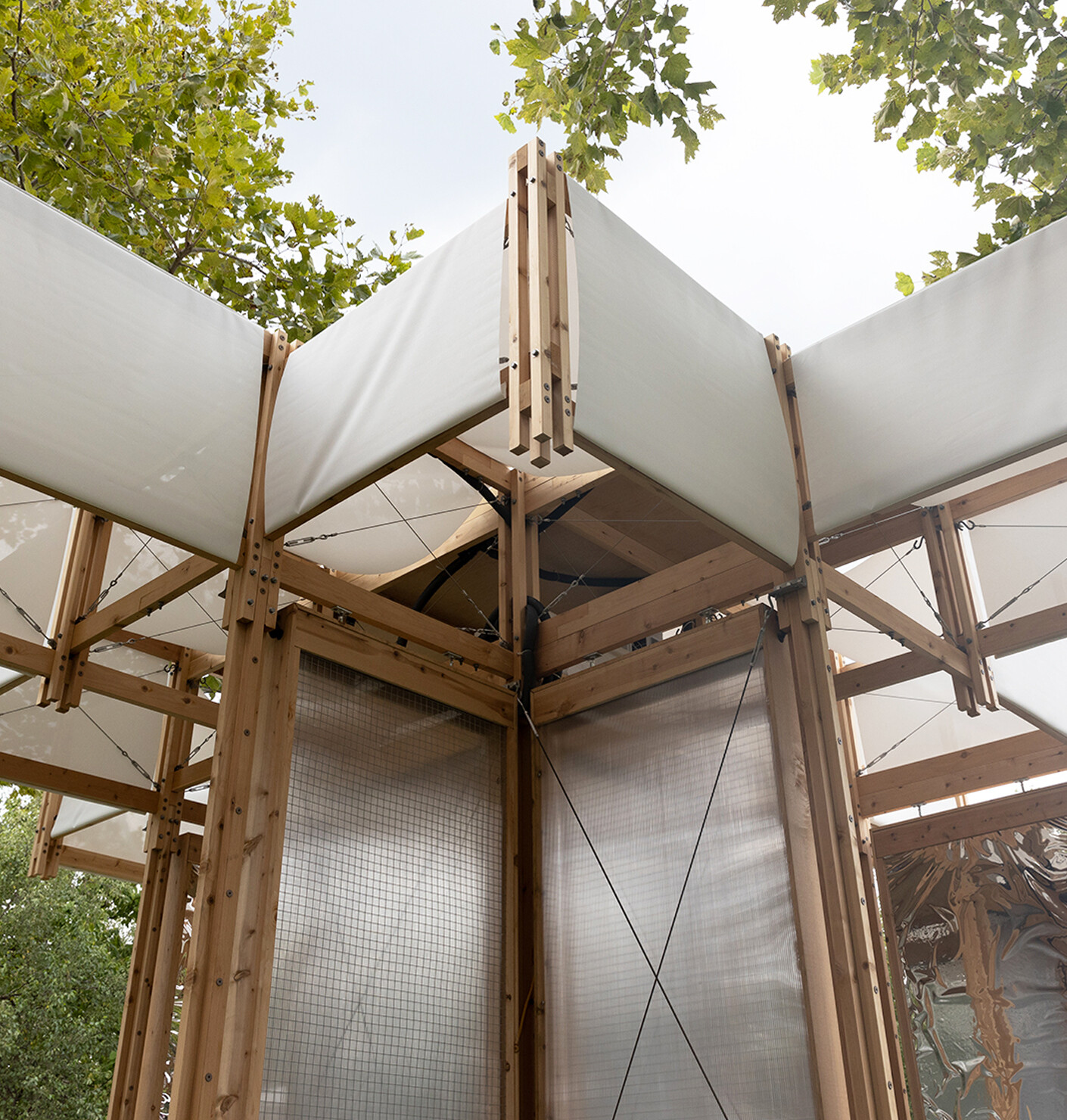
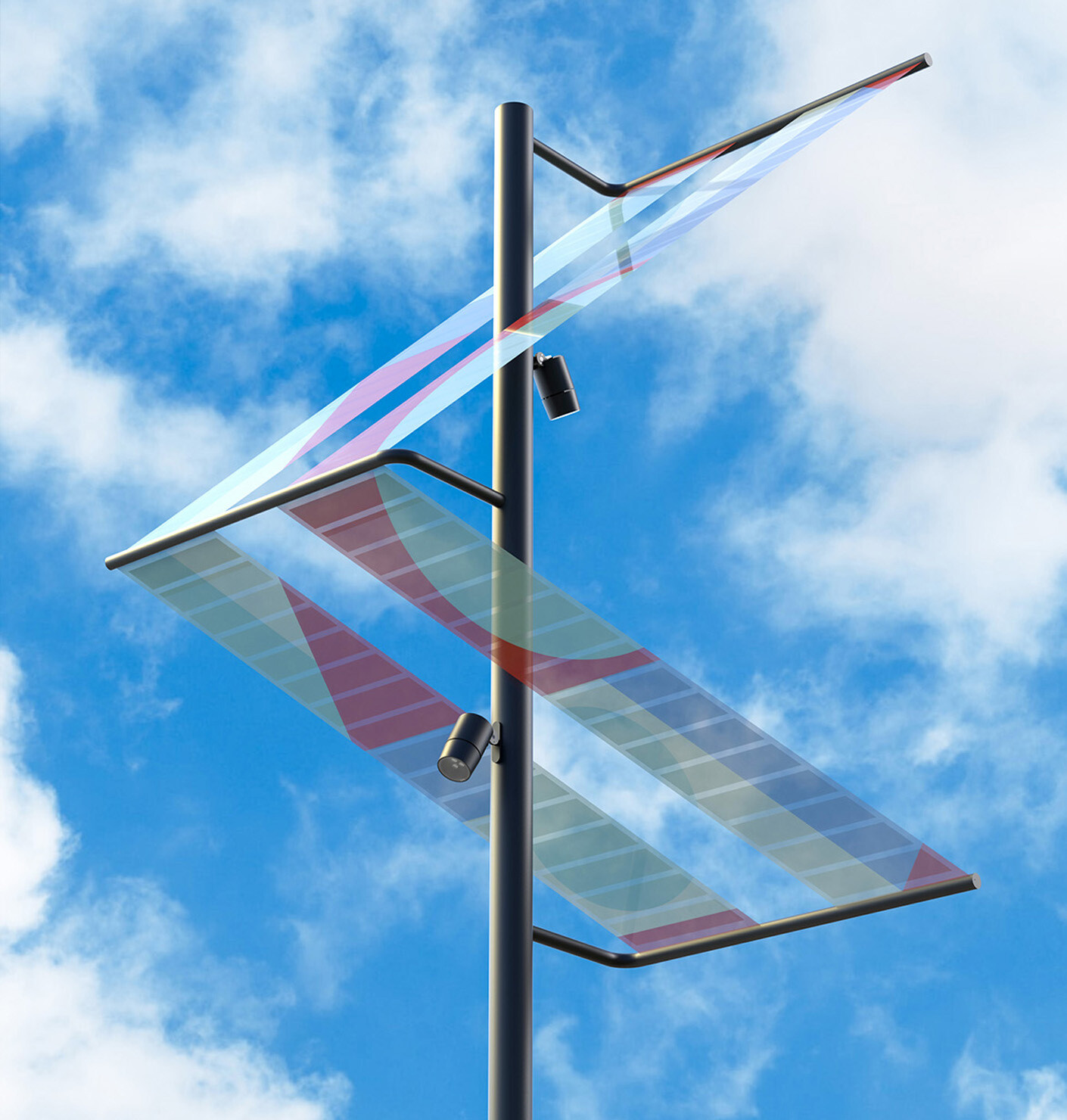
To make the complex interrelationships between urban development and climate change tangible, the display combines scientific findings, planning concepts, and artistic perspectives. Interviews with experts on health, social justice, resource management, and greenwashing broaden the perspective beyond architecture. The installations and monitoring stations make climatic processes visible and showcase the solutions through which research and planning are responding to the challenges of a warming world. This paints a picture of a European urban landscape in transition. “Too Hot – Scorching Cities, New Ideas” demonstrates just how far the transformation has already begun – and that the question of a climate-just city is ultimately also an exploration of how we want to live together in the future.
A three-part podcast series on Frankfurt am Main, Liepāja, and Paris is being released to accompany the exhibition on kntxtr.
Too Hot – Scorching Cities, New Ideas
Through February 7, 2027
Schaumainkai 43
60596 Frankfurt am Main