YOUNG TALENTS
Luxury redefined
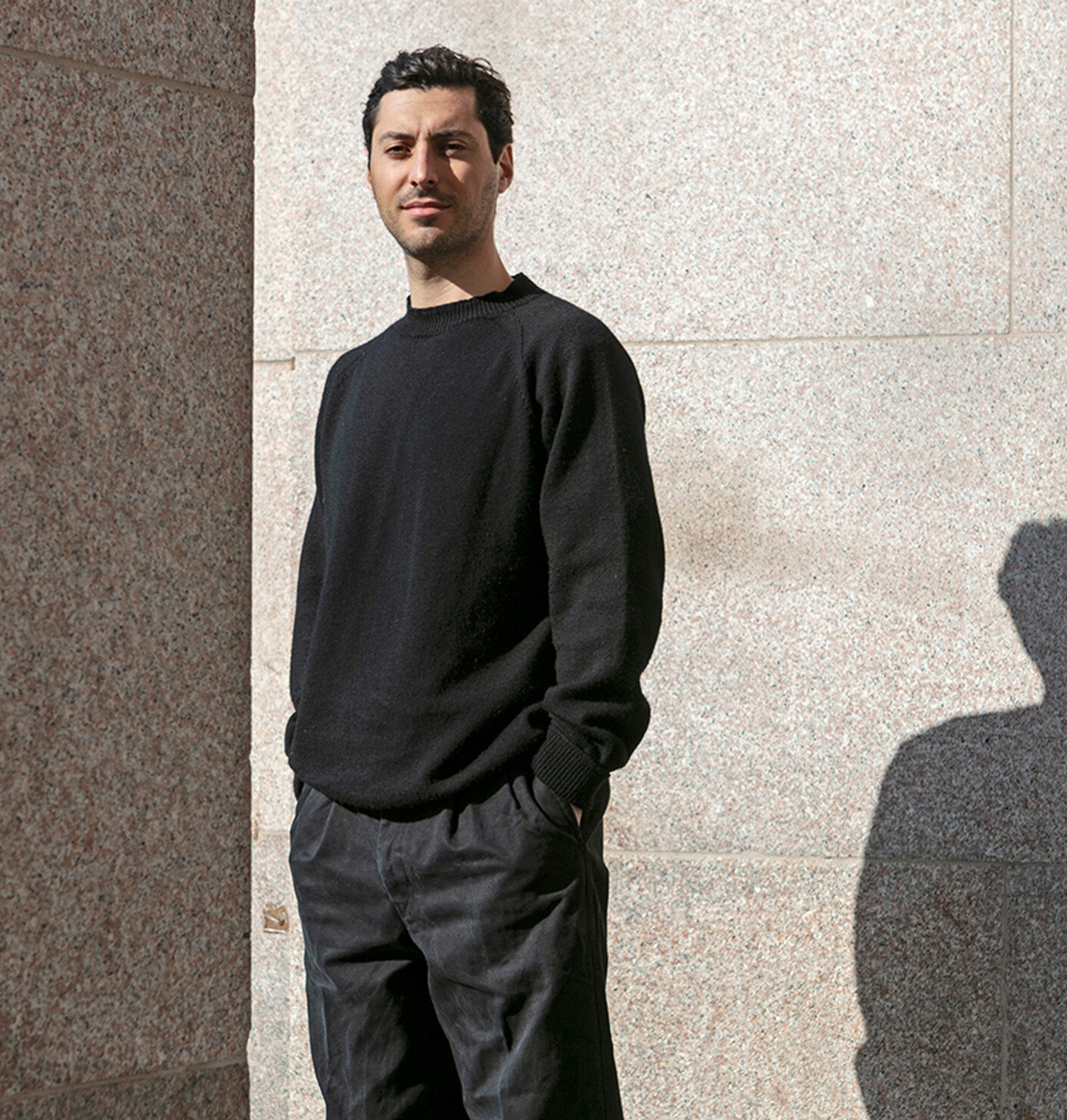
It is winter and grey outside the door of Atelier Ferraro. Even before the interview begins, the question arises: why Munich and not Capri, where the architect, interior designer and product designer was born and raised? The answer to this question becomes clear in the course of the conversation, along with a wealth of circular thoughts, sensual designs and bright colours.
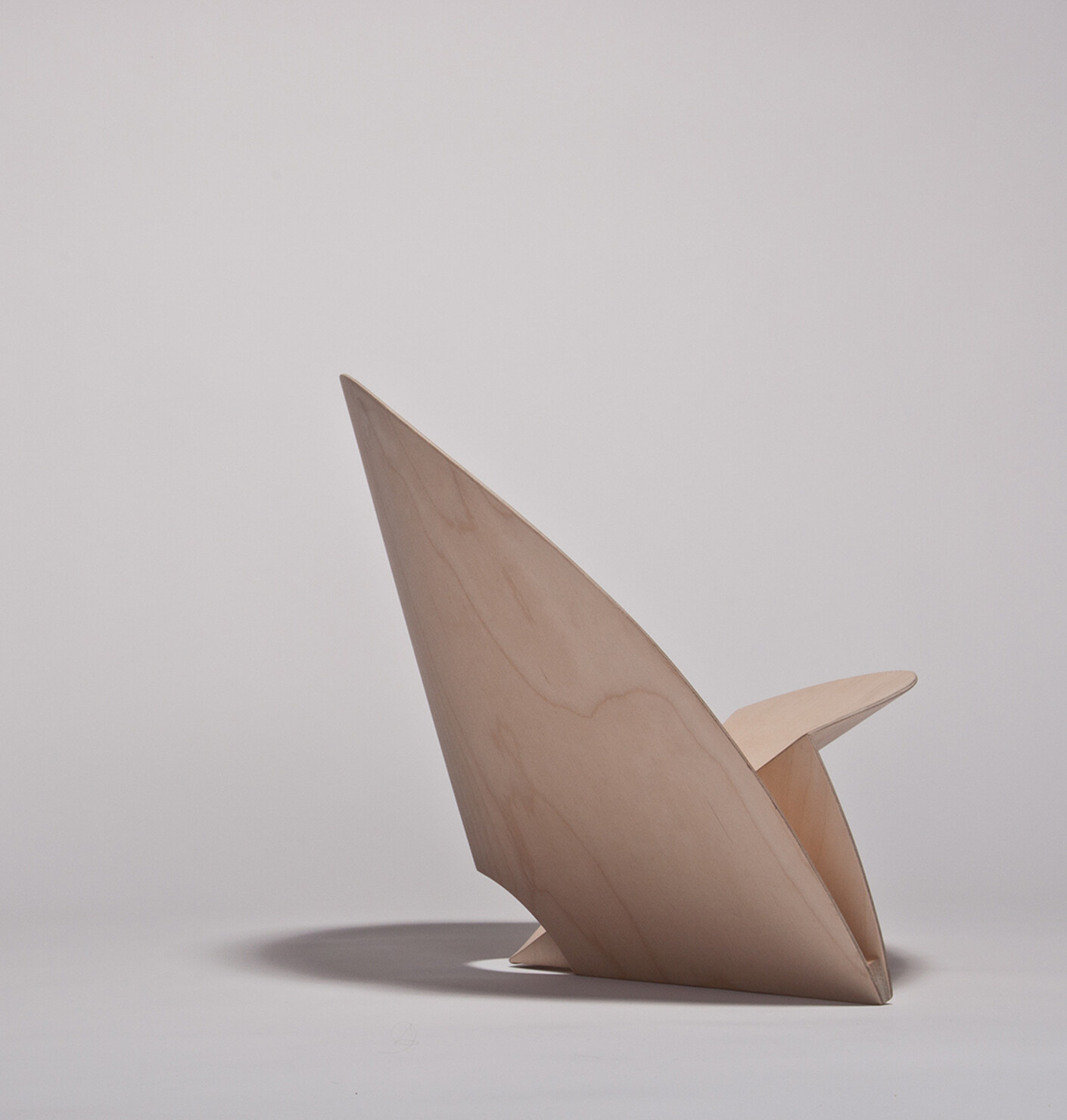
The climate beyond normal temperatures actually plays a central role in Emanuele Ferraro's work. With his chair ‘MAX 1.5°’, made from recycled furniture, he unambiguously addresses global warming and designs chameleon-like furniture that flexibly adapts to different stages of life – from a lounge chair to a chair or children's chair to a coffee table. A forward-looking design that earned Emanuele Ferraro a place among Italy's 100 most important designers. Recognition for his commitment to creatively addressing the challenges of the modern world.
The decision to study architecture in Pescara and Patras was not a long-held plan, but rather a coincidence. ‘A good friend raved about it and I became curious, without really knowing what to expect,’ he says with a laugh. Even during his preparations, the then 18-year-old discovered the Bauhaus teachings for himself, above all the combination of craftsmanship and design. It's a combination that continues to influence his design work to this day. ‘I started out working as a traditional architect, but now I also work as a product designer and interior designer. Buildings are large, complex and require many decisions and stakeholders. Furniture design, on the other hand, is leaner, faster and offers greater creative freedom.’ Since founding Atelier Ferraro, he has moved effortlessly between disciplines, designing detached houses for well-known footballers, creating prestigious offices in Munich and developing furniture and objects in collaboration with both large and small brands. What connects all his projects is the synthesis of traditional craftsmanship, contemporary design language, sustainability and functionality.
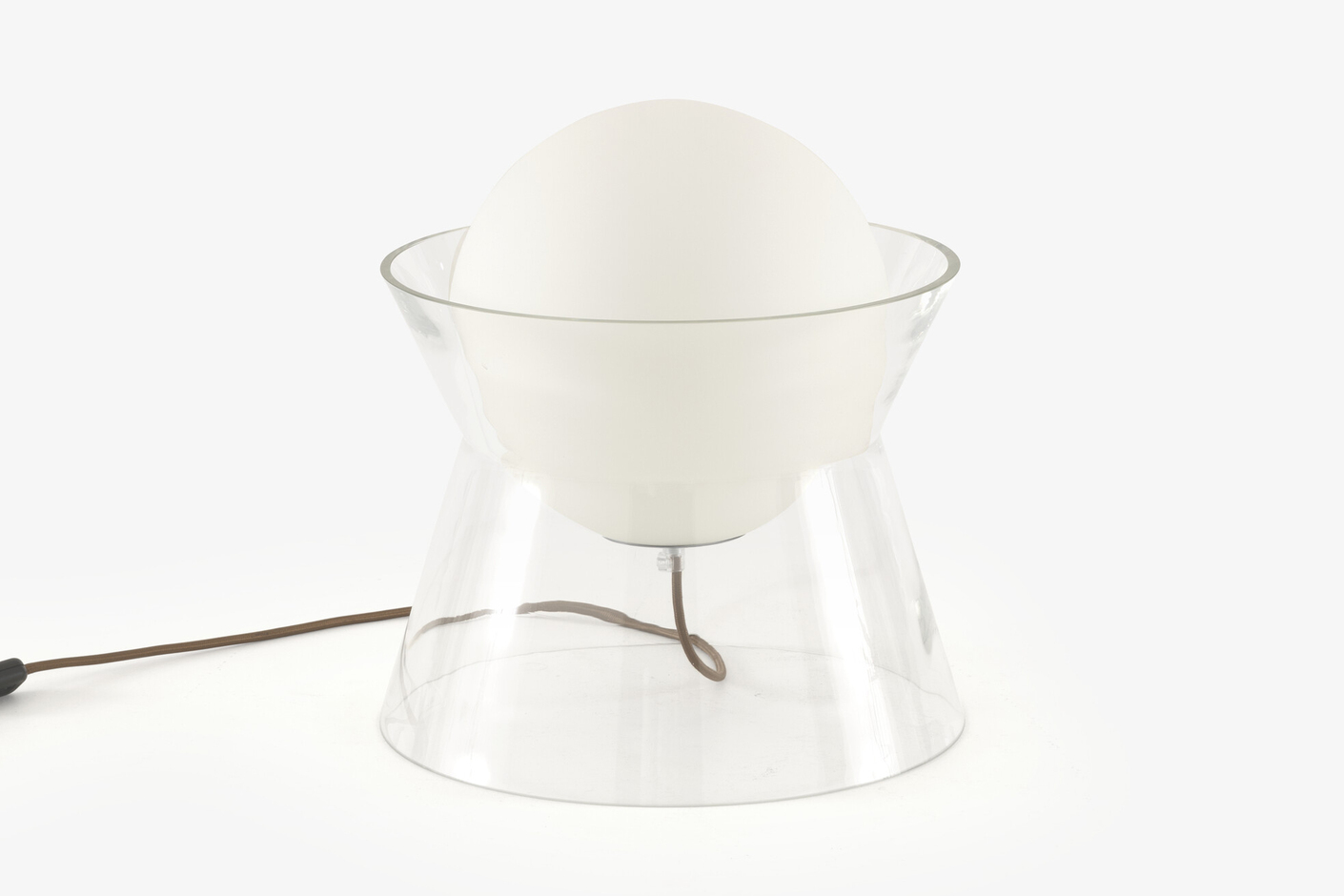
Two of his latest designs also reveal that Emanuele Ferraro – apart from regular visits to his family on Capri – loves to travel, even to the moon in his thoughts. ‘From the moon’ is a hand-blown glass lamp created in collaboration with renowned French furniture manufacturer Ligne Roset. "I had wanted to design a product made entirely of glass for a long time.
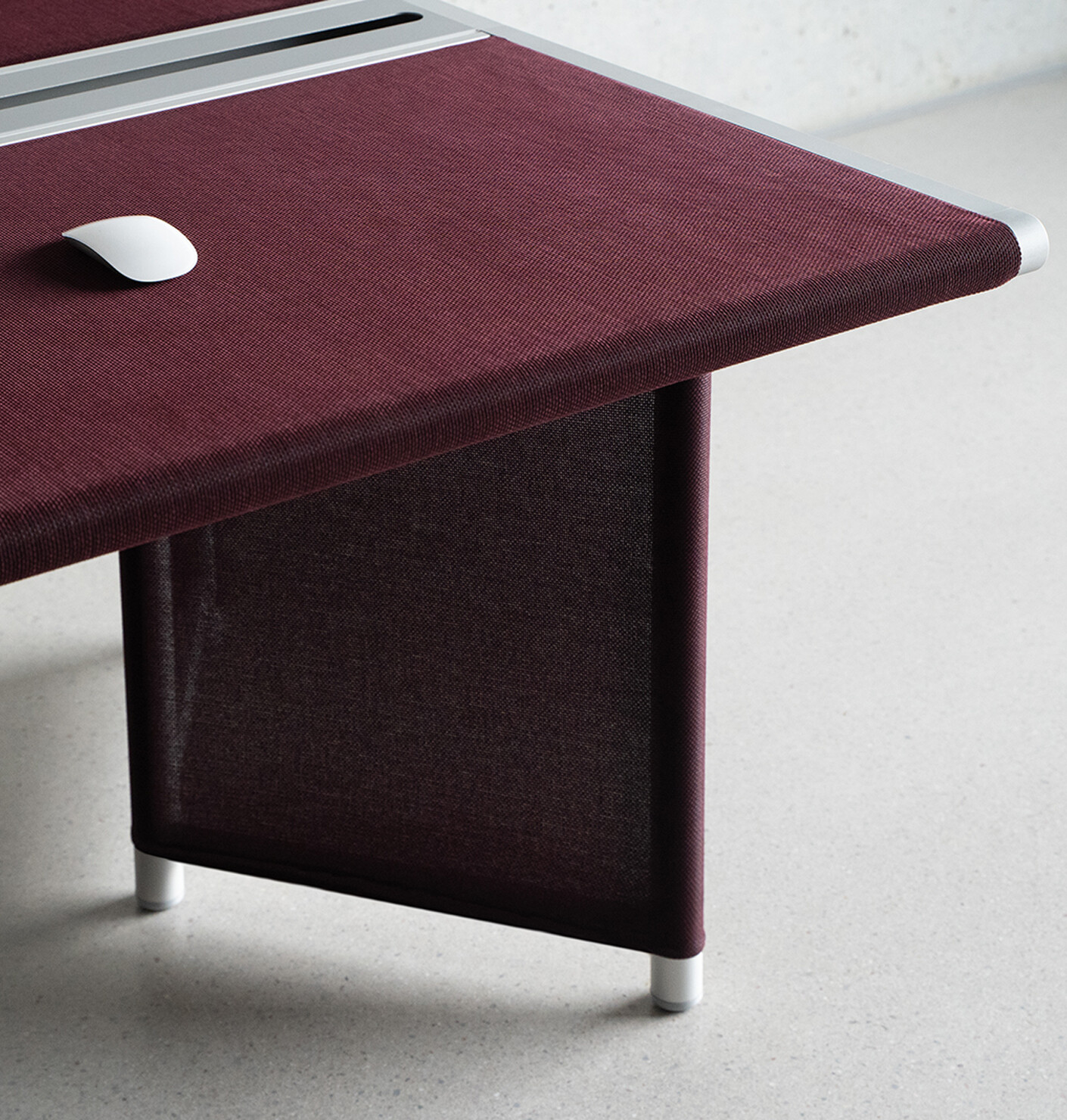
The "India" table, made from recyclable aluminium and designed for Ripa Design, also reflects this feeling. Together with a sustainable approach that ties in with "MAX 1.5°". "As a couple, a small table is usually enough, but with children you suddenly need a bigger one. ‘India’ is designed so that the legs remain the same for the entire collection. Only the table top is returned, which is 100 per cent reused," explains the designer. The name is personally inspired: "When I travelled through India with a friend at the age of 16, I was impressed by the openness of the people and their ability to make something special out of even the simplest things." In this sense, "India" is a tribute to convivial moments and shared meals – characterised by simplicity, lightness and respect for our environment.
Following in the footsteps of his role model, architect Laurie Baker, who lived in India for over six decades and combined sustainable architecture with social commitment, Emanuele Ferraro is once again questioning the nature of design identity. "After colonialism, India sought a new self-image, which Baker, together with other maestros such as Correa, Doshi and Rahman, helped to shape architecturally. We too are at a turning point today. In the age of consumer colonialism and the constant flood of images on social media, the crucial task of our generation is to develop an authentic design attitude that ranges from the smallest object to the architecture of a house. Ideally, our traditional idea of luxury will be deepened: not as an expression of exclusivity, but as a conscious, sustainable decision in favour of the enduring," says Emanuele Ferraro. This attitude was also reflected in his teaching at the Rosenheim University of Applied Sciences, where he encouraged students to gain practical experience early on and to understand design as a holistic process.
Atelier Ferraro calls for a change in mindset: materials should be local, high-quality and durable – ideally lasting for generations. As the slogan says, ‘You never truly own a Patek Philippe, you just look after it for the next generation.’
This results in a new understanding of luxury that focuses on excellent workmanship and emotional attachment rather than fast-paced change and interchangeability. Because quality creates appreciation, which leads to better care, more conscious use and longer retention of objects. And perhaps also a willingness to pay more for them. ‘It's better to buy less and buy good things that last,’ says Emanuele Ferraro. A network of selected companies in South Tyrol, Veneto and Bavaria gives Atelier Ferraro's projects the precision and depth that makes both tailor-made interior solutions and prototypes for international design brands possible.
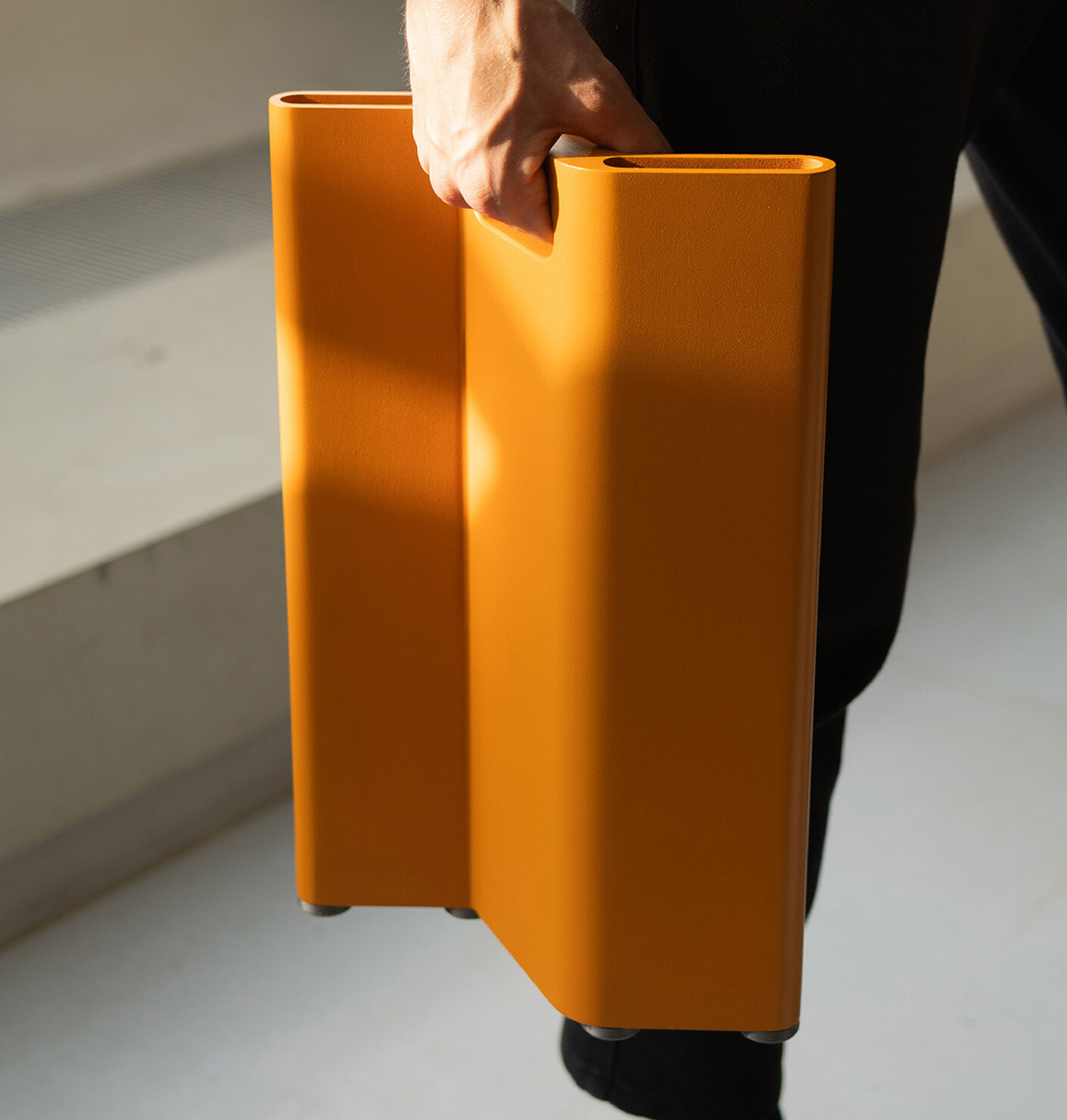
So why not Capri? When the architect met his now wife, a German, he applied for a job with Max Dudler in Munich. With success – in every respect. In addition to new architecture and design projects, such as the temple-like ‘Punta’ table for Portego, which exudes stability in rich colours, Atelier Ferraro has also made a name for itself in the design of tailor-made interior projects in the high-end sector. Here, too, the focus is on timelessness, regionality and precision. After all, the design of rooms has a positive influence on residents and visitors alike. In the best case, this influence lasts for generations.