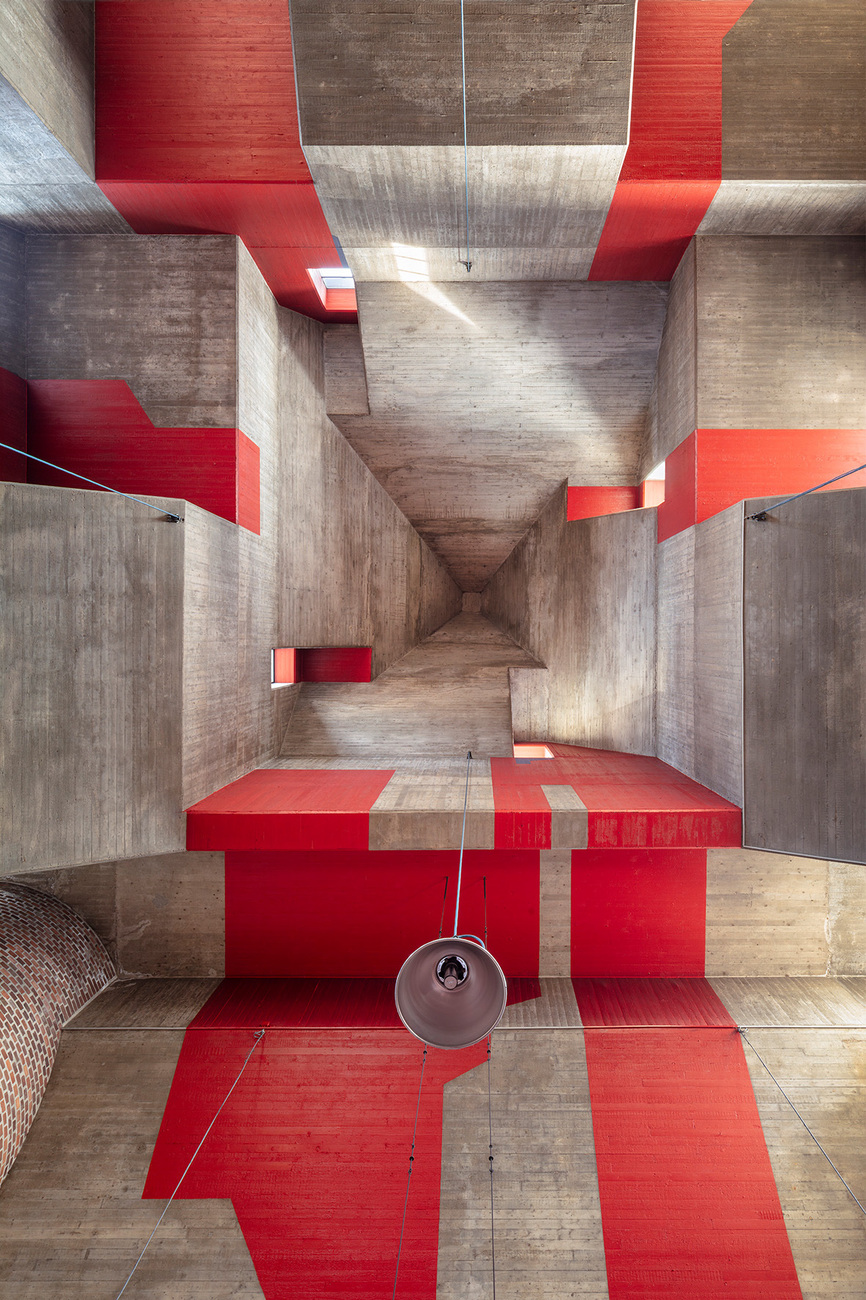
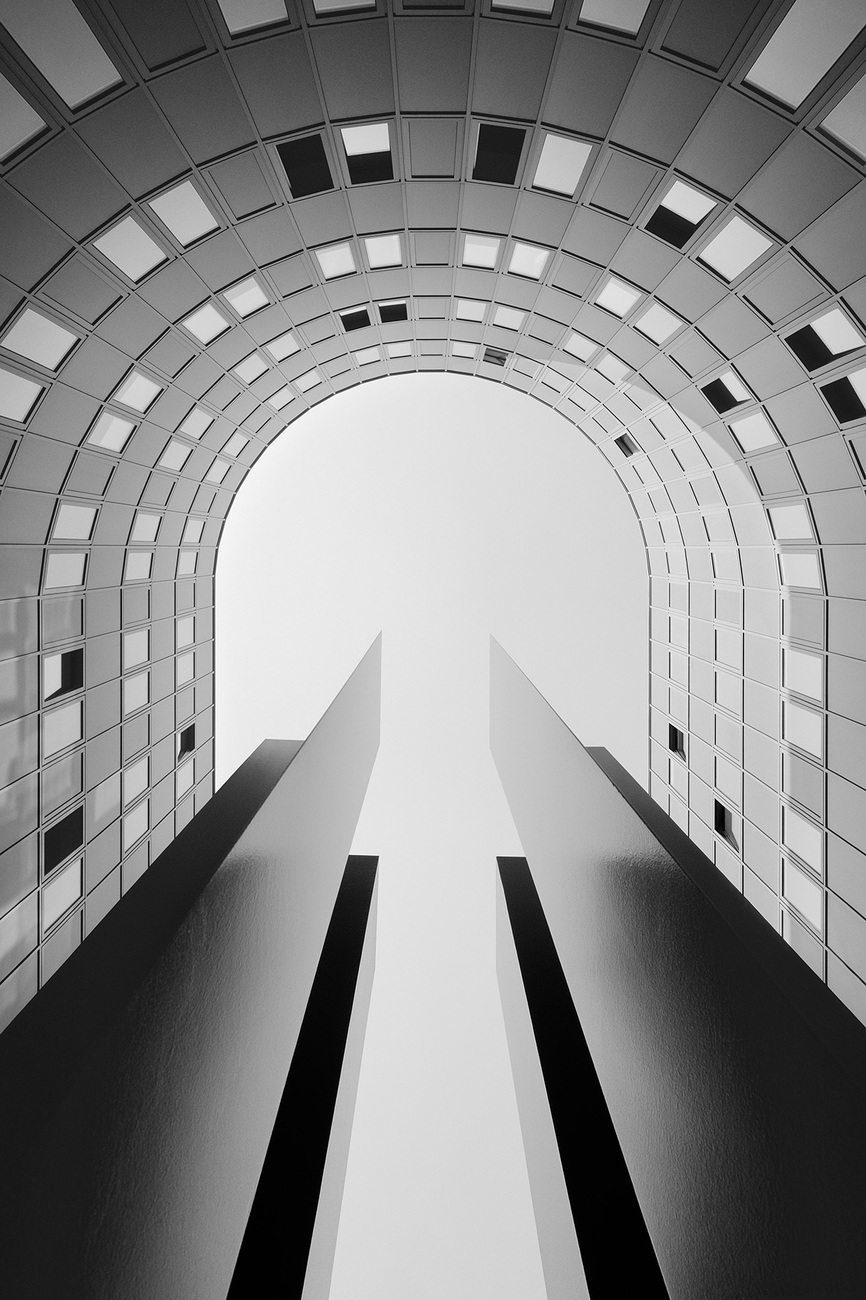
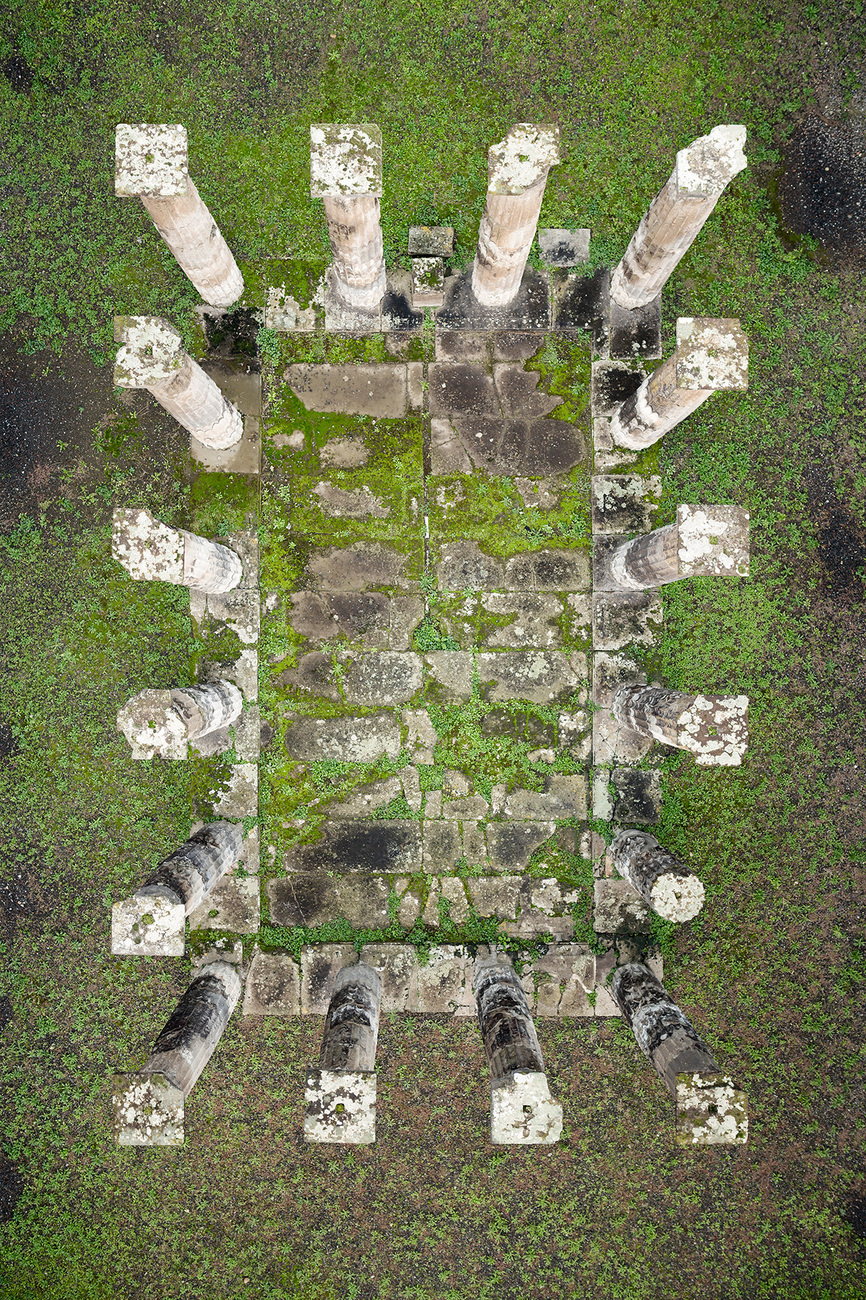
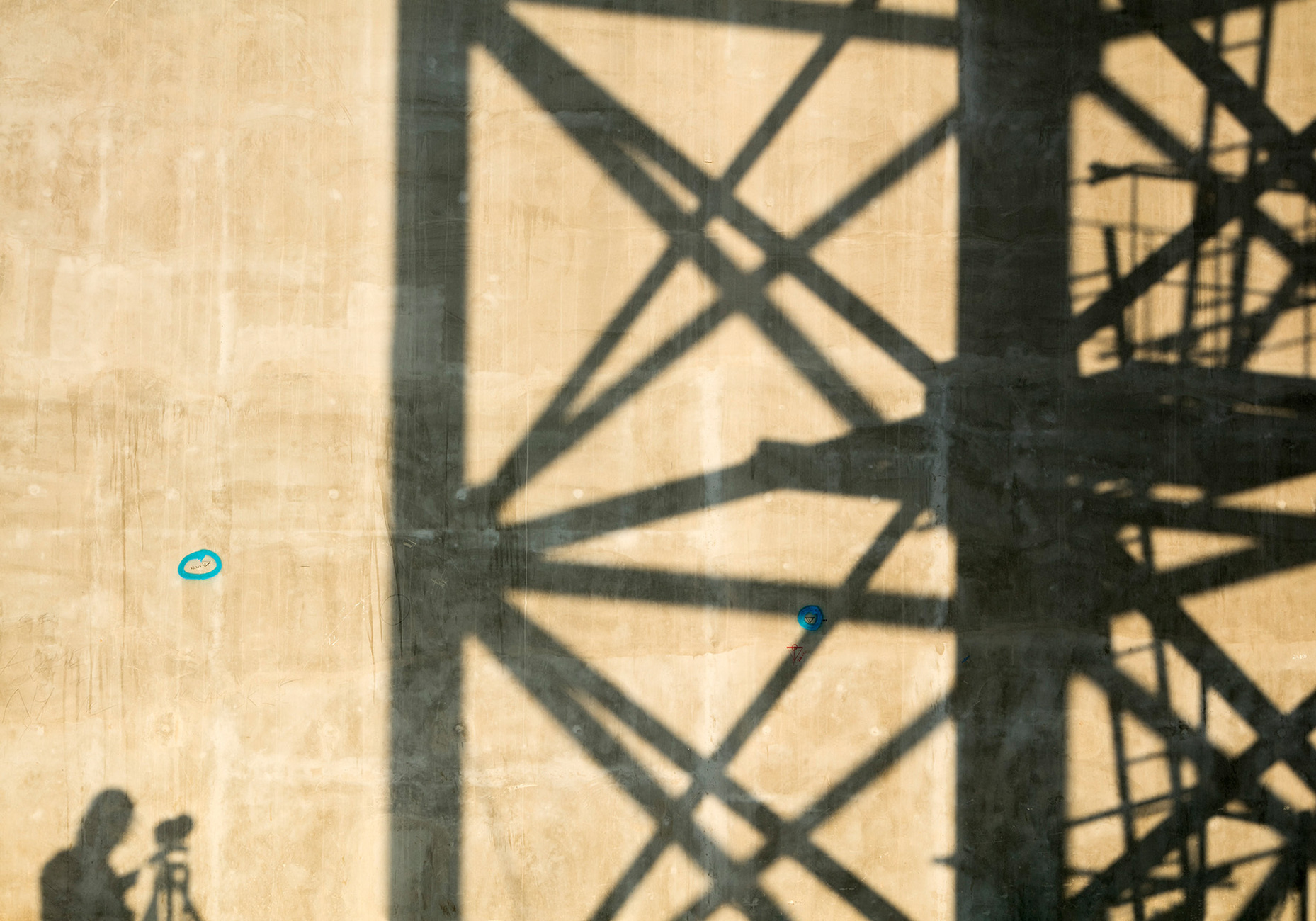
The view from above
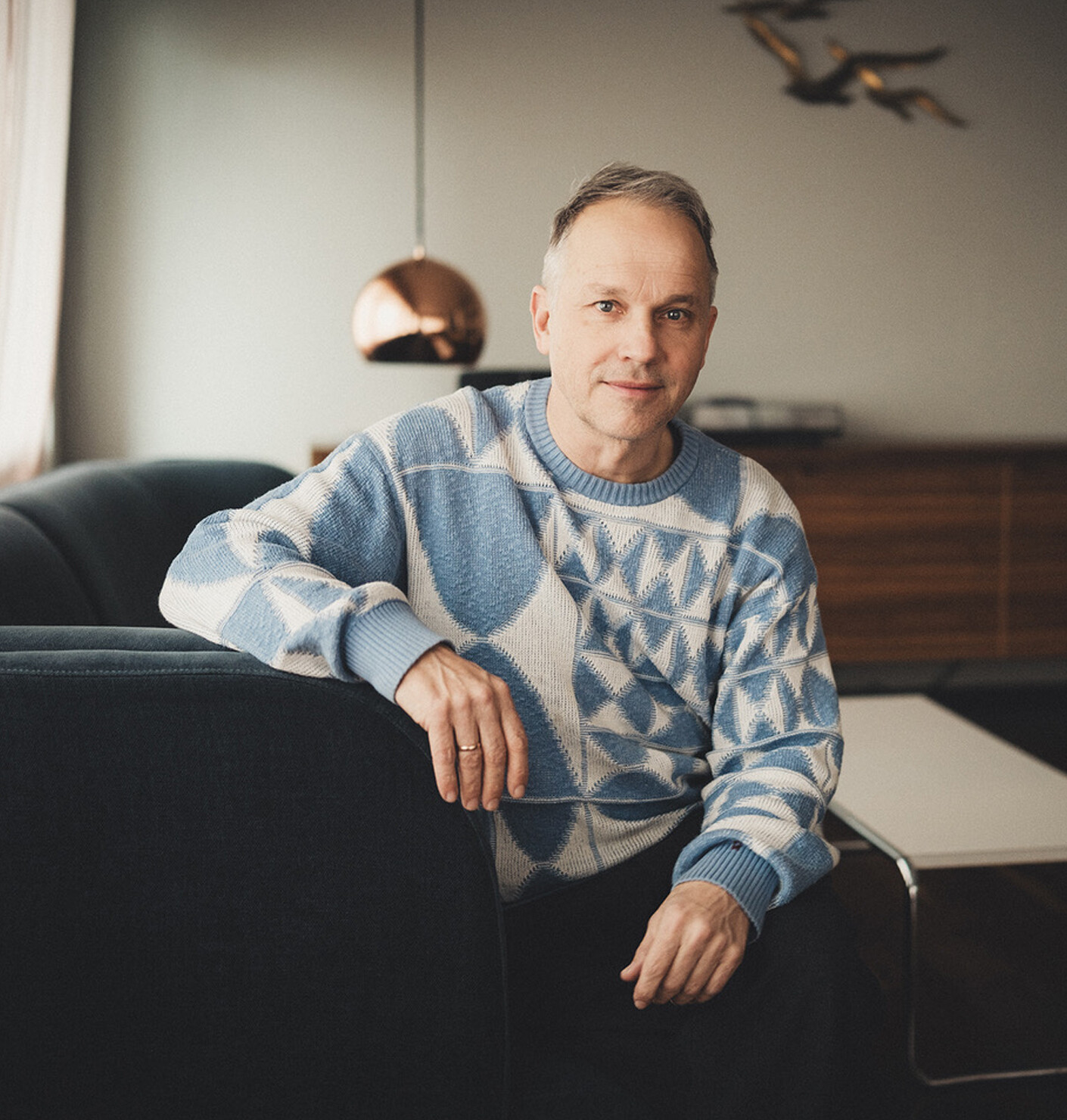
Anna Moldenhauer: You received your first camera from your father, who was a headteacher. You began documenting your surroundings at a very early age as a result. You have been working as a freelance architectural and urban photographer since the 1980s. What inspires you about this work today?
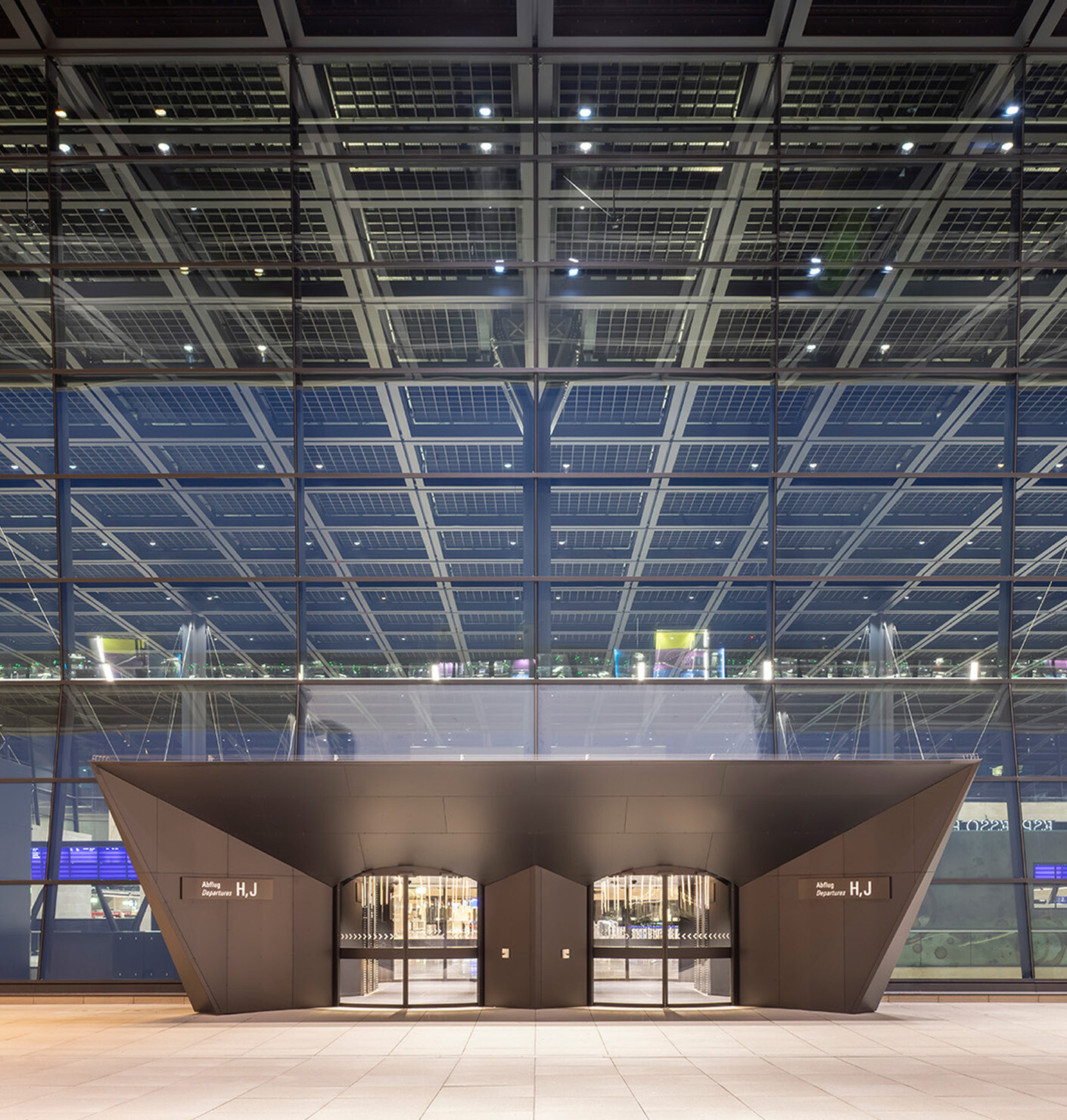
Hans Georg Esch: In fact, I started taking photographs of my home region when I was about twelve, because my father needed pictures of castles, fortresses, bridges and half-timbered houses in the Rhineland for use as teaching aids. I was fascinated by photography right away. I went on to complete a traditional apprenticeship in portrait photography, but architecture never let go of me. I’m interested in the built environment, particularly the question of how to make it visible. Through my work, I have become a witness to our times, in a sense. Initially, I did a lot of work for the glass industry, photographing major projects such as the Messeturm. These images caught the attention of renowned architects such as Helmut Jahn and Bill Patterson, leading to further commissions. Consequently, I was able to witness developments such as urbanisation in China first-hand through my camera. These experiences have permanently sharpened my perspective. To this day, I am driven to create surprising images that open up new perspectives.
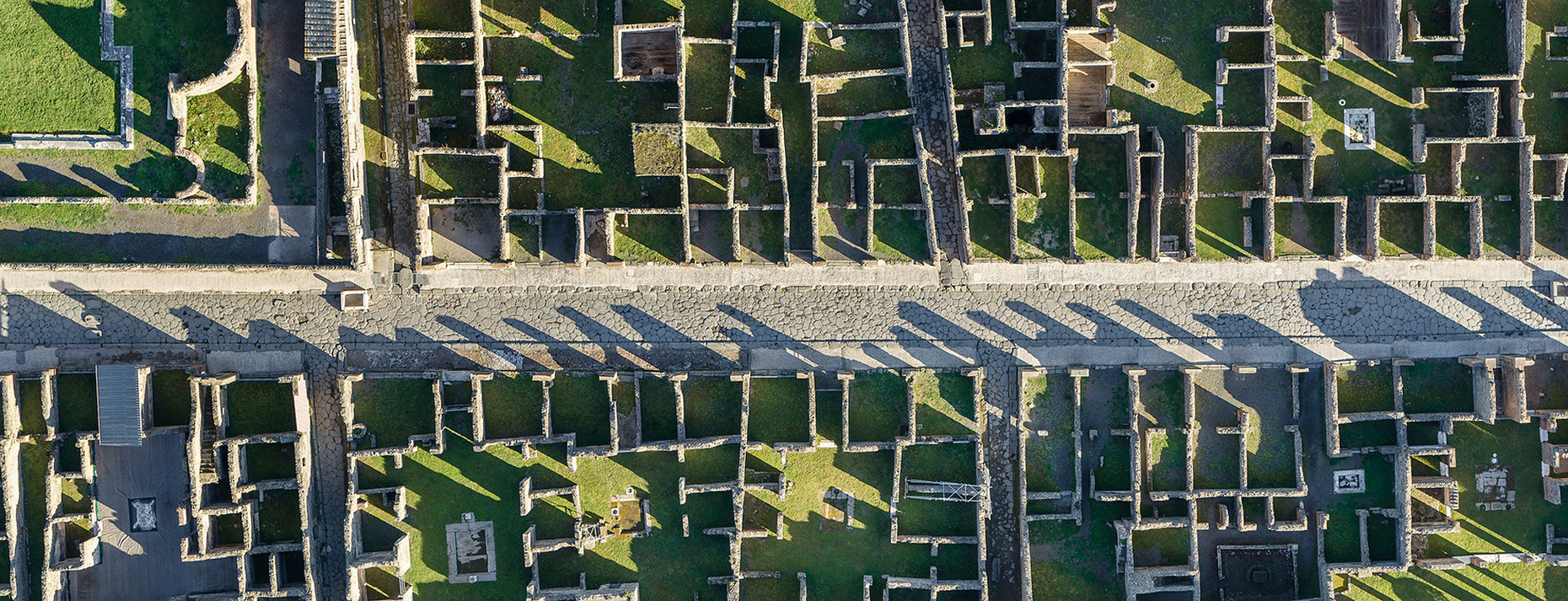
In addition to the architecture of major cities, you have also photographed the archaeological site of Pompeii, which has been captured countless times. How do you approach such a subject in a fresh way?
Hans Georg Esch: I quickly realised that most photographs of Pompeii are purely documentary records of the excavations — technically perfect, but always taken from the same perspective.' Hardly anyone views the city as a whole. That’s exactly where I started. Using a drone to capture images from unusual angles, I was able to reveal Pompeii as an urban structure. It was important to photograph at times when there were as few people on site as possible. The result surprised even those in charge, leading to a permanent exhibition. Essentially, I transferred my focus from modern cities to antiquity.
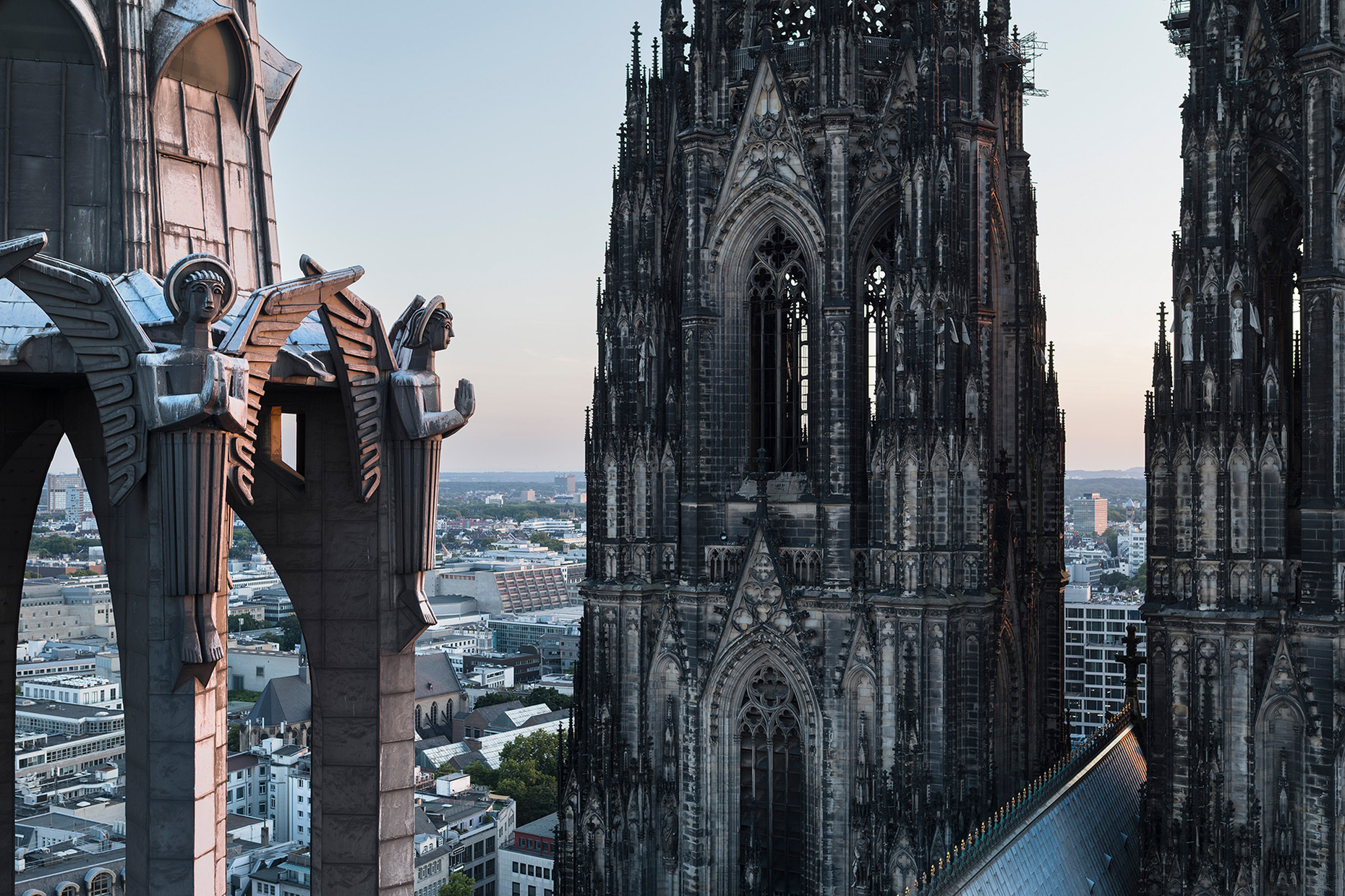
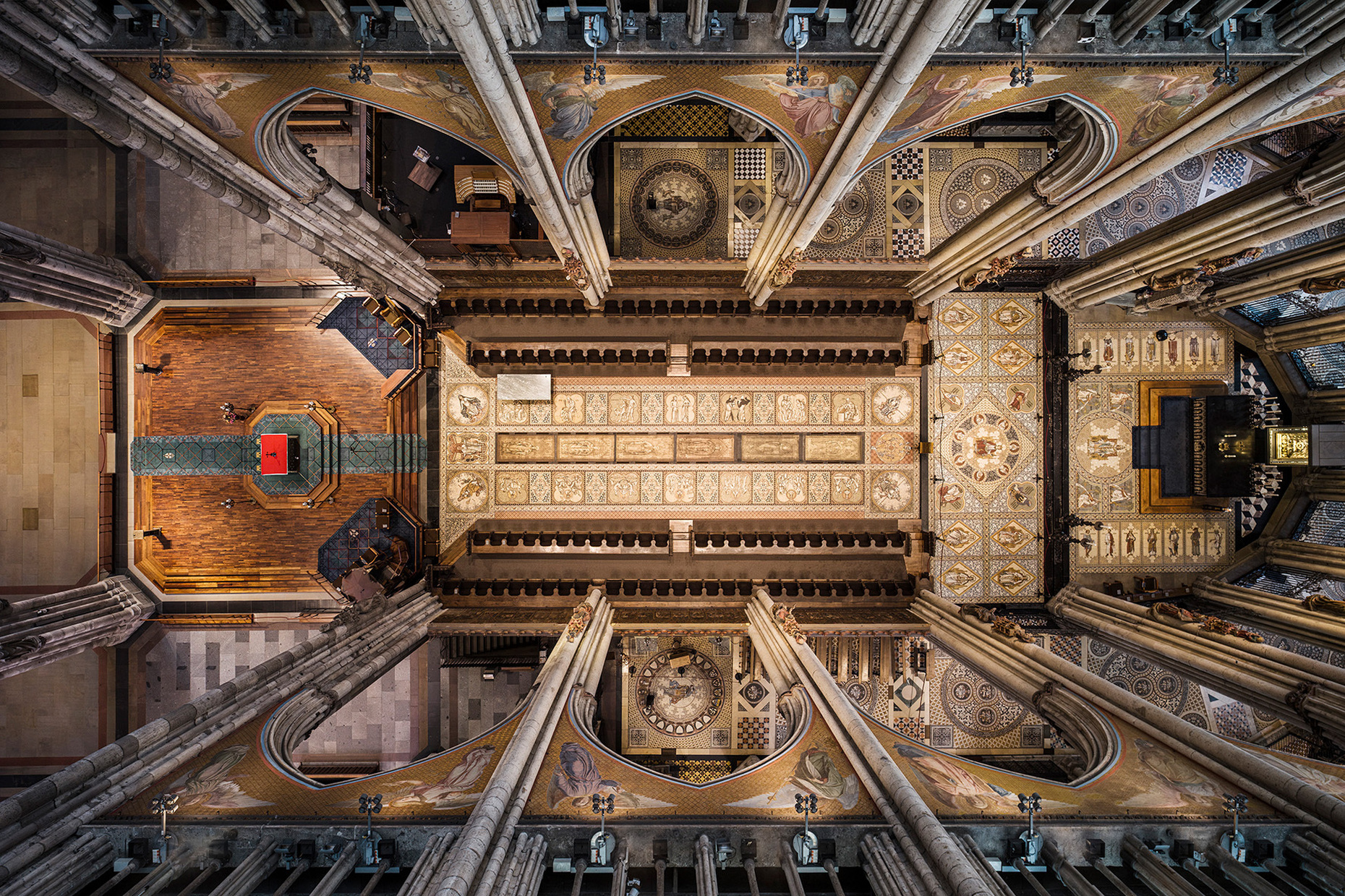
This architectural perspective is evident throughout your body of work, as can be seen in your photographs of Cologne Cathedral.
Hans Georg Esch: Yes, the same applies there too. My aim is to discover new perspectives. The cathedral is one of the most photographed buildings in the world. Using a drone allowed me to capture views that were previously almost impossible to obtain. My goal is not just to depict the building itself, but also to reveal its relationship to the city.
Cologne plays a significant role in your work. What is it about this city that fascinates you?
Hans Georg Esch: Cologne is my home, so it's only natural that the cathedral, its location on the Rhine, the bridges and the city's great architectural diversity shape my interests. I have carried out several projects there, including some focusing on the city's bridges. I believe it is important not only to travel the world, but also to discover relevant topics in my own region.
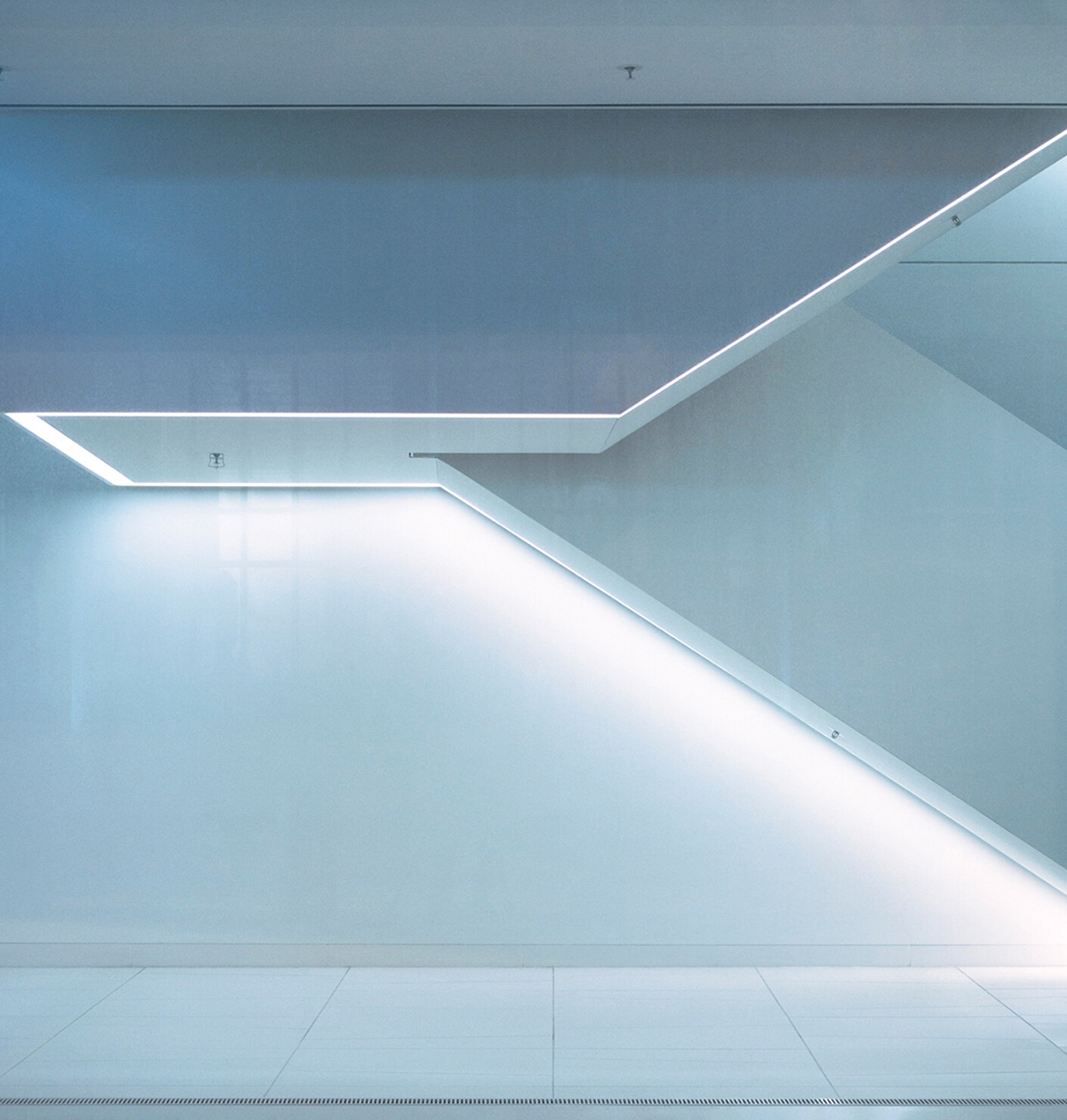
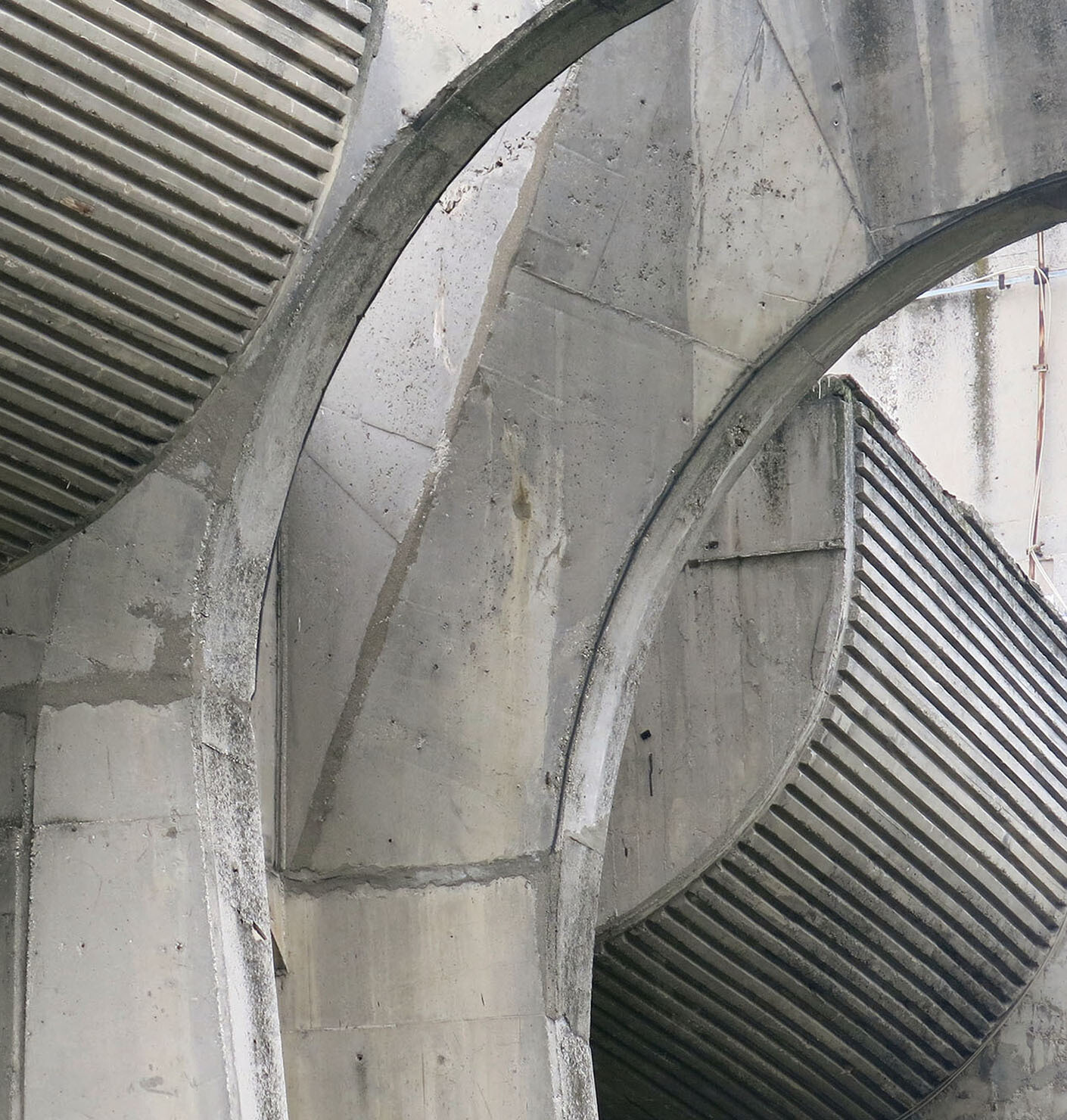
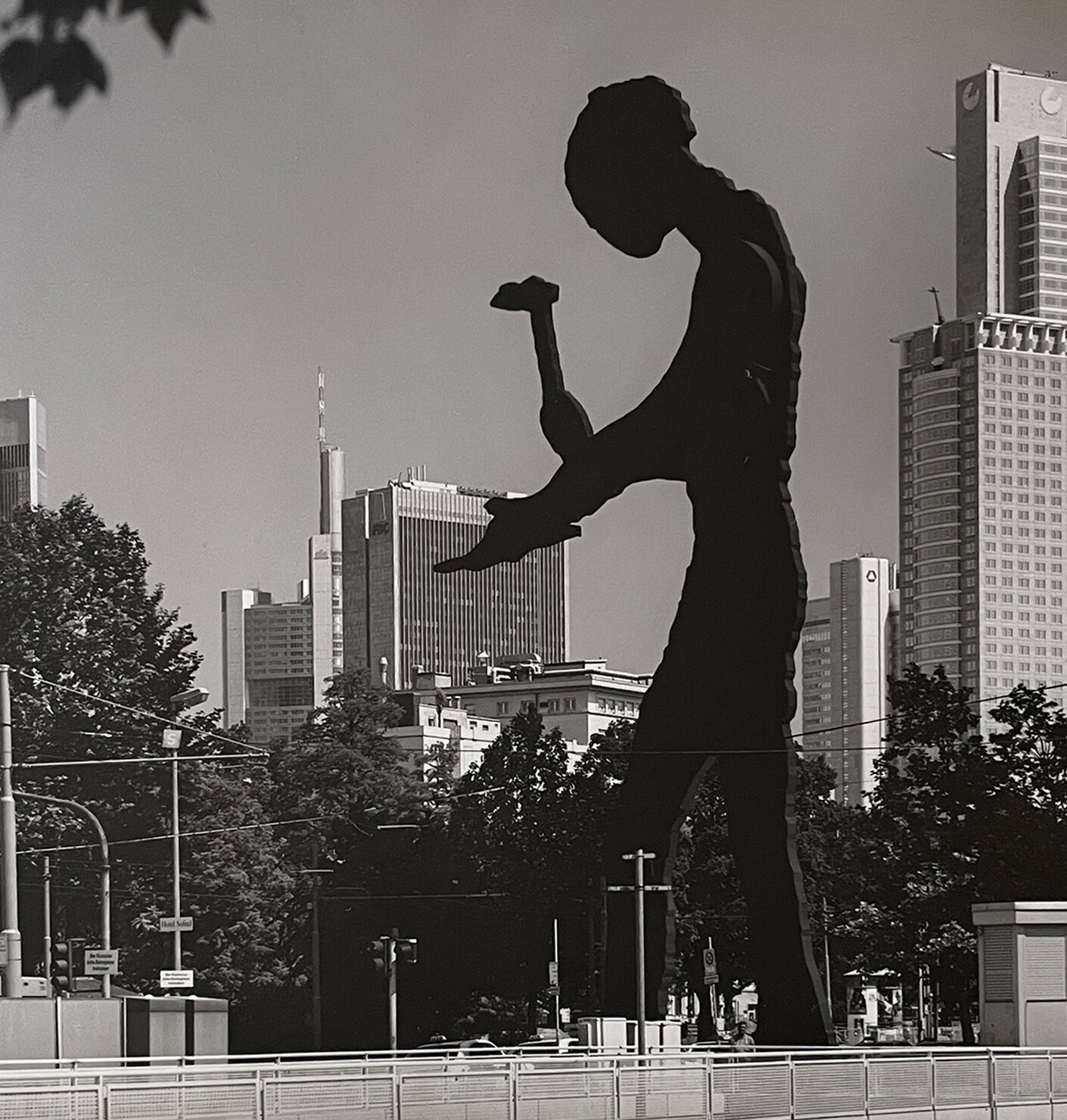
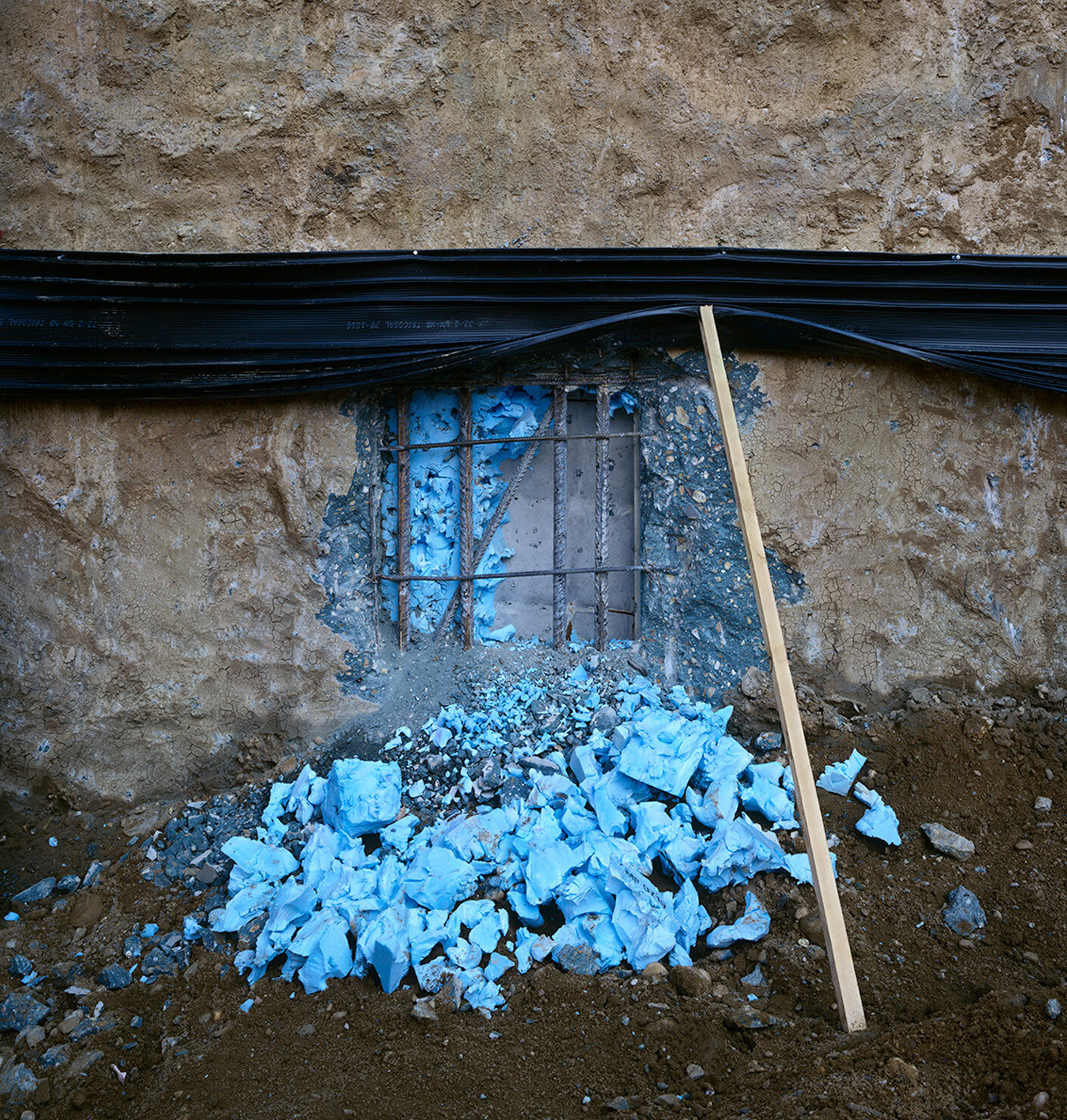
The curation of your current exhibition, “Hans Georg Esch · The Architectural Gaze · Epochal Global,” at the MAKK makes use of juxtapositions. What is it about?
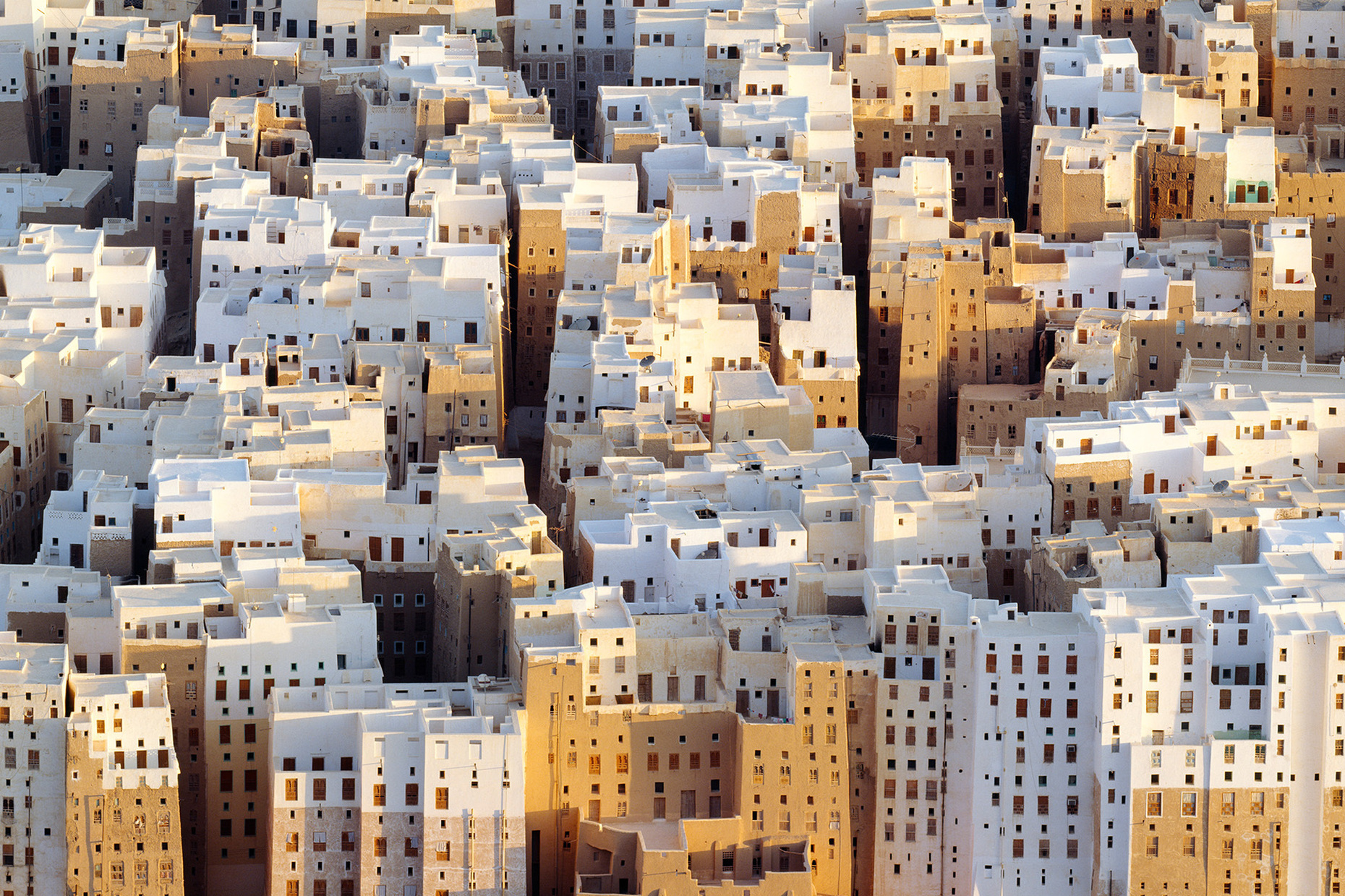
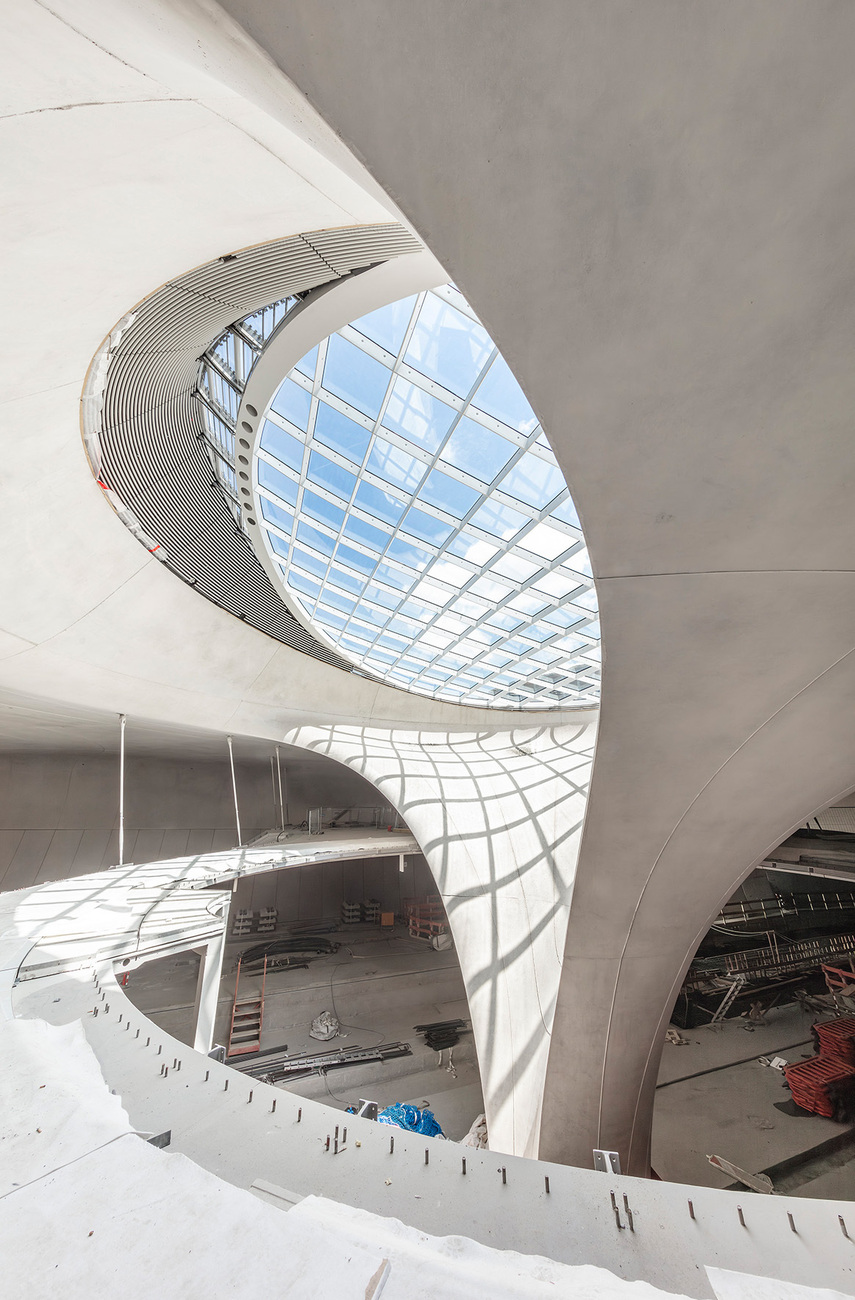
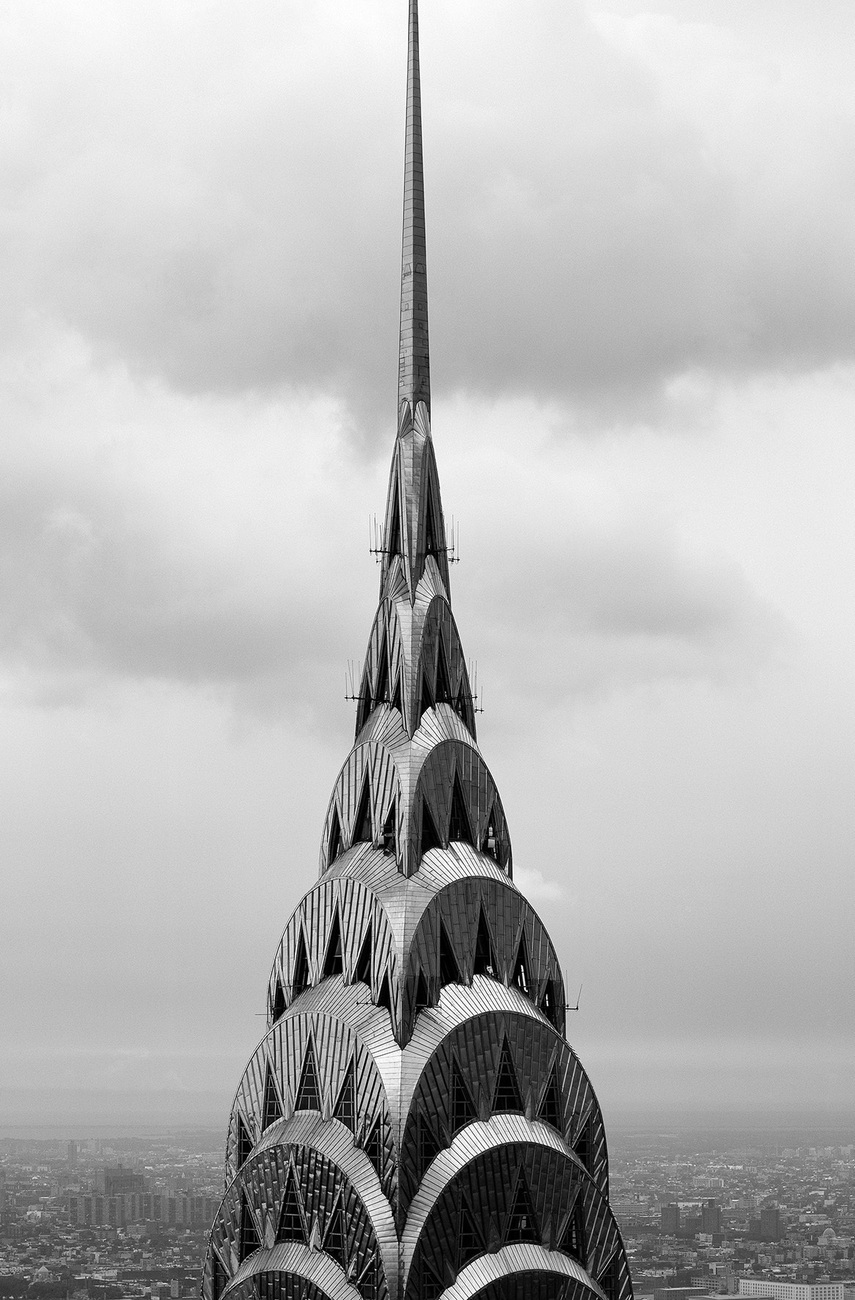
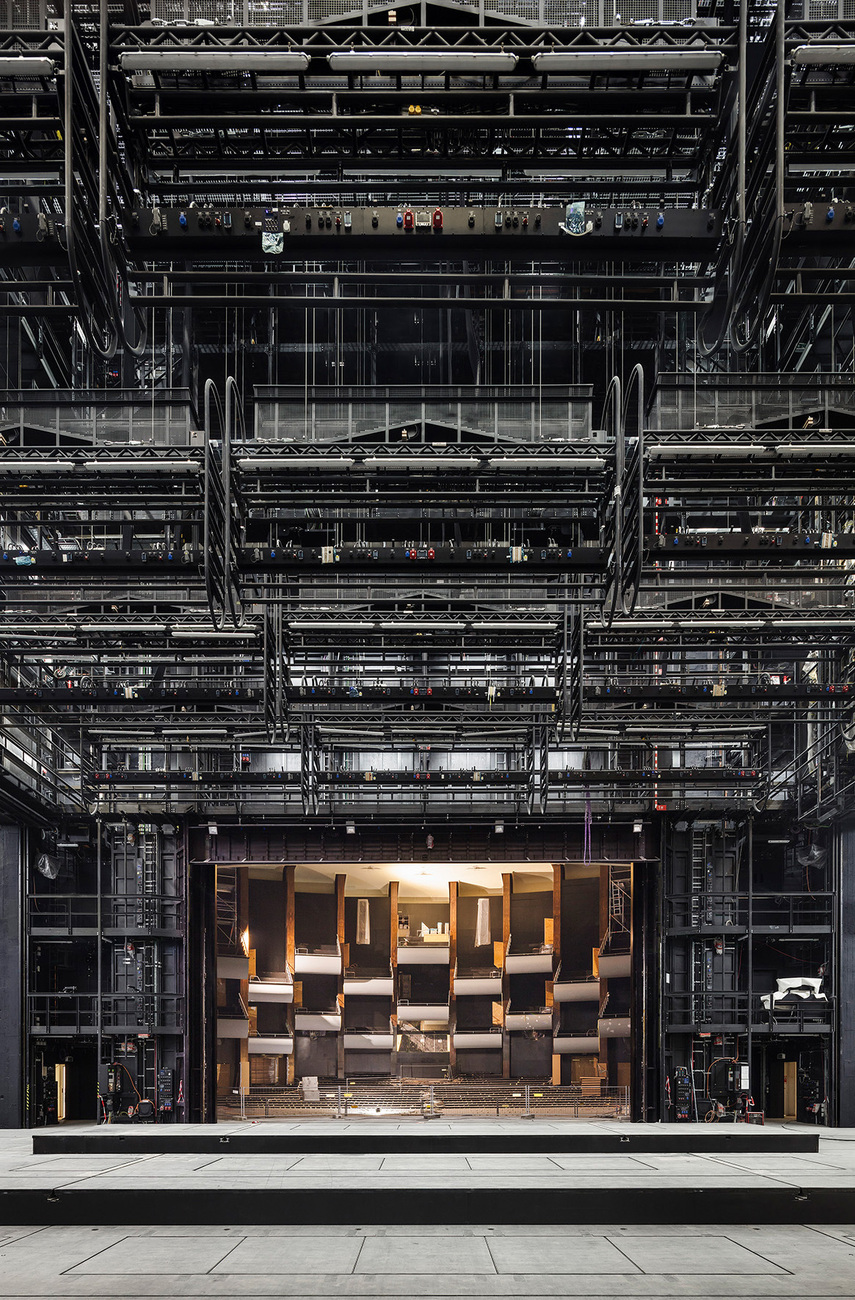
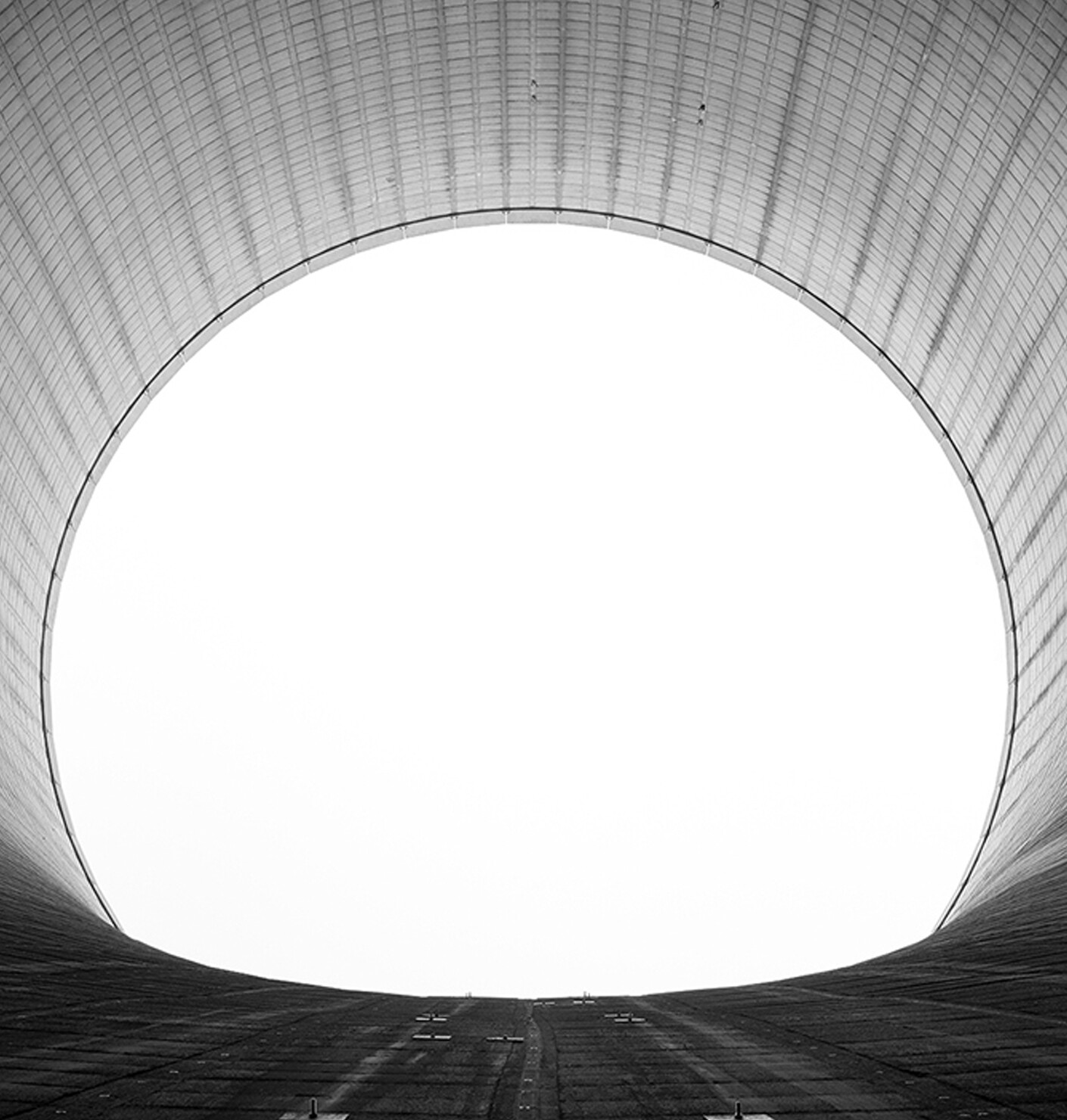
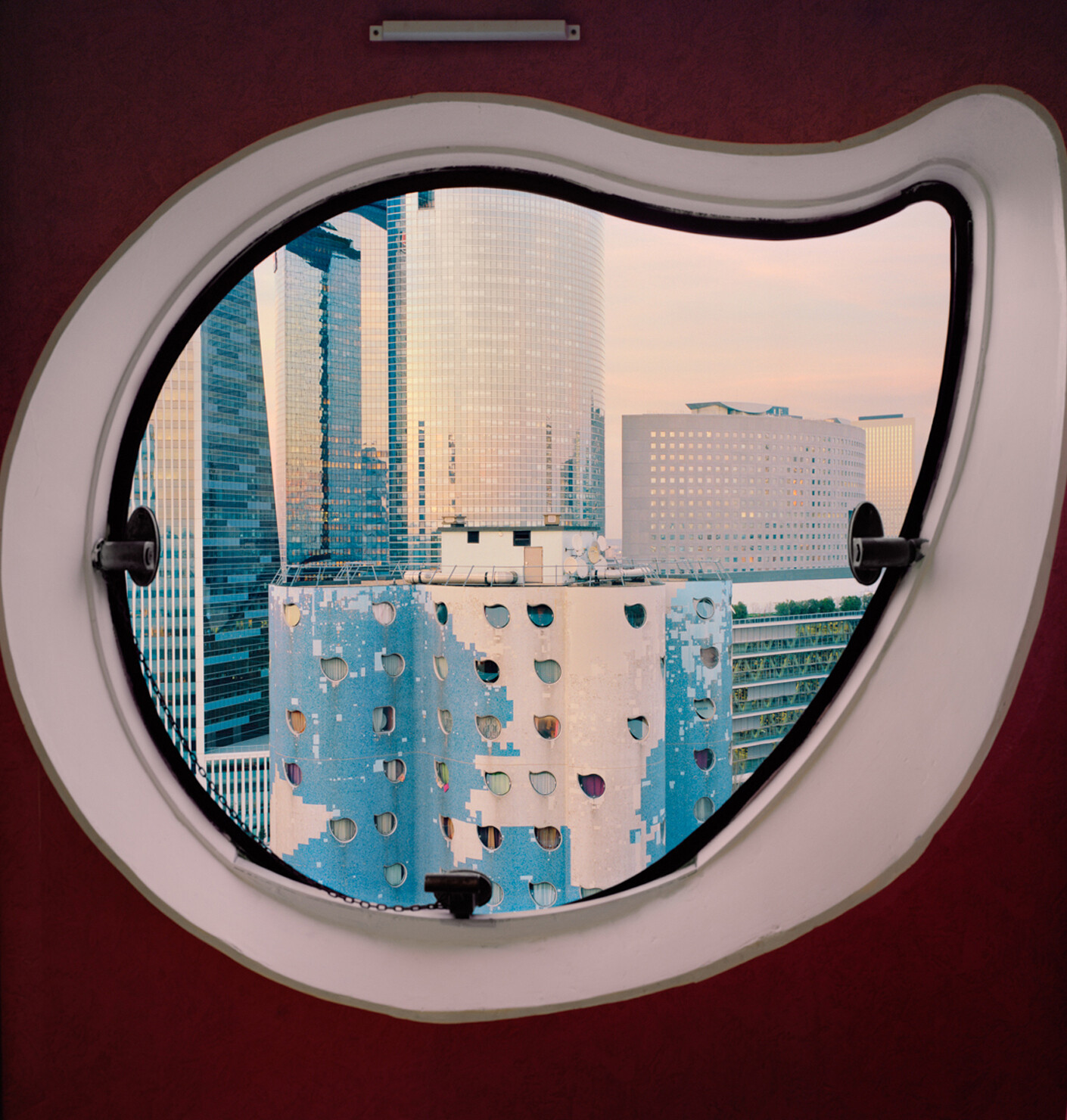
Hans Georg Esch: We present buildings from different contexts in dialogue with one another, focusing on their formal and architectural similarities.' This establishes new links between places that are geographically distant. These juxtapositions reveal new perspectives and connections that were previously unseen.
Your images have a strong presence. When do you consider an image to be iconic?
Hans Georg Esch: That’s for the viewers to decide. For me, it’s all about capturing the right moment, and light plays a central role in that. I deliberately avoid manipulation and create the desired moods right at the moment of capture, rather than through post-processing. Authenticity is very important to me.
Why is the subjective perspective so important in architectural photography?
Hans Georg Esch: Because diversity is essential; if everyone took photos the same way, it wouldn’t be very exciting. I see my role as bringing out aspects that go beyond mere documentation. Often, the most interesting images emerge precisely when they can’t be planned.
You have been working closely with architectural firms such as christoph ingenhoven architects and gmp Architekten for many years. What makes this collaboration special?
Hans Georg Esch: It’s an ongoing dialogue that, over time, has led to a shared understanding of architecture. This process gives rise to images that define a project and often shape how it is perceived. This can only work on the basis of trust and over an extended period of time, because in the end, it’s usually just one or two photographs that truly capture the essence of a building.
You also work with film. What made you choose that medium?
Hans Georg Esch: We were among the first to engage intensively with architectural film, including in collaboration with gmp Architects and my former colleague Prof. Oliver Schwabe, who now teaches in the “Film” program at Dortmund University of Applied Sciences and Arts. The medium opens up new possibilities because it allows us to show spaces in motion and convey relationships in a different way. However, it is important not to simply animate photographs.
You have always been open to new technologies, developing a digital view camera, among other things. You are also considered to be one of the first architectural photographers in Germany to work digitally. Have these technologies changed your perspective?
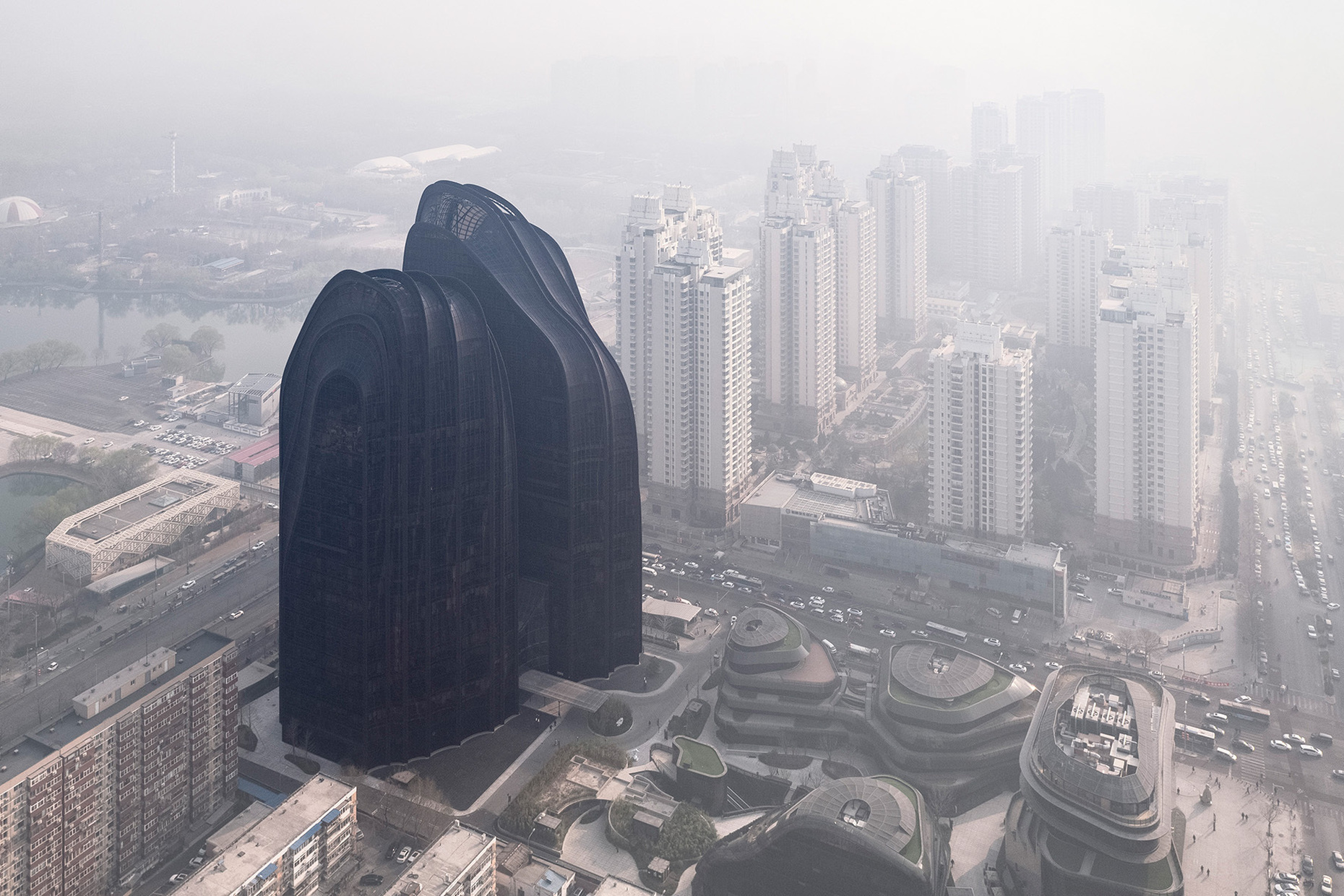
Hans Georg Esch: We also designed one of the first drones in collaboration with Leica. My approach as a photographer hasn't changed, but the way I work has. Digital technology has made many processes faster and more spontaneous. It is now one of my most important tools, as it enables me to achieve perspectives that were previously almost impossible, particularly in large cities. It allows for flexibility with shorter exposure times and different colour temperatures. I like to describe it as an aerial tripod that can be used anywhere. Of course, using it also requires experience and good preparation. In some cities, such as Beijing, flying drones is strictly regulated, but ways can still be found. For a project there, for example, we collaborated with the military. I generally don't fly the drone myself, but operate the camera simultaneously. Therefore, it is crucial that the drone pilots are highly trained and have extensive flying experience.
How do subjective perspectives and teamwork interact?
Hans Georg Esch: I’ve been working with many members of my team for years; they know my work style very well. At the same time, younger colleagues bring fresh ideas to the table, especially in the technological field. I find this combination extremely enriching.
In addition, the architecture of your studio in Hennef is quite unique: designed by Nebel Pössl Architekten, the building follows the contours of the hillside. What was the idea behind it?
Hans Georg Esch: The building was designed to blend harmoniously into the site while remaining functional. Light, space, and clear workflows play a central role in the studio’s operations. Equally important to me was creating an atmosphere of openness, both in terms of the physical space and in terms of collaboration. The goal was to create a place that offers tranquility while also inspiring creativity.
Which places are still on your bucket list?
Hans Georg Esch: There are still many places I’d like to visit, including the Persian architecture in Isfahan, Iran. However, due to the current situation, it’s difficult to take photos there right now.
Your photography is also highly original, as demonstrated by your work for lighting manufacturer Artemide and carpet manufacturer Carpet Concept, for example. What is most important to you?
Hans Georg Esch: I always try to develop something unique. I’m not interested in traditional product photography, but rather in revealing new connections. That’s how unexpected and extraordinary images come to be.
What are you currently working on?
Hans Georg Esch: We are currently working on a book about Cologne Cathedral, a series on the Sagrada Família in Barcelona, and a project on religious architecture around the world. We are also preparing several exhibitions. So there is still plenty to do.
Hans Georg Esch · The Architectural Gaze· Epochal – Global
June 11 – September 27, 2026
Opening: June 10, 7 p.m.
Hours
Tuesday – Sunday 10 a.m.–6 p.m.
Closed Mondays
First Thursday of the month 10 a.m.–10 p.m., except on public holidays
MAKK – Museum of Applied Arts Cologne
An der Rechtschule 7
50667 Cologne
Phone: +49 (0)221 221 238 60