“Relevance doesn't happen by chance”
Robert Volhard: You commute between several cities. Where is your home base?
Philippe Nigro: I own a small apartment in Milan, but I was born in Nice and spend just as much time there. This balance gives me freedom. Plus, from Nice, it’s easy to get anywhere, which is a great privilege.
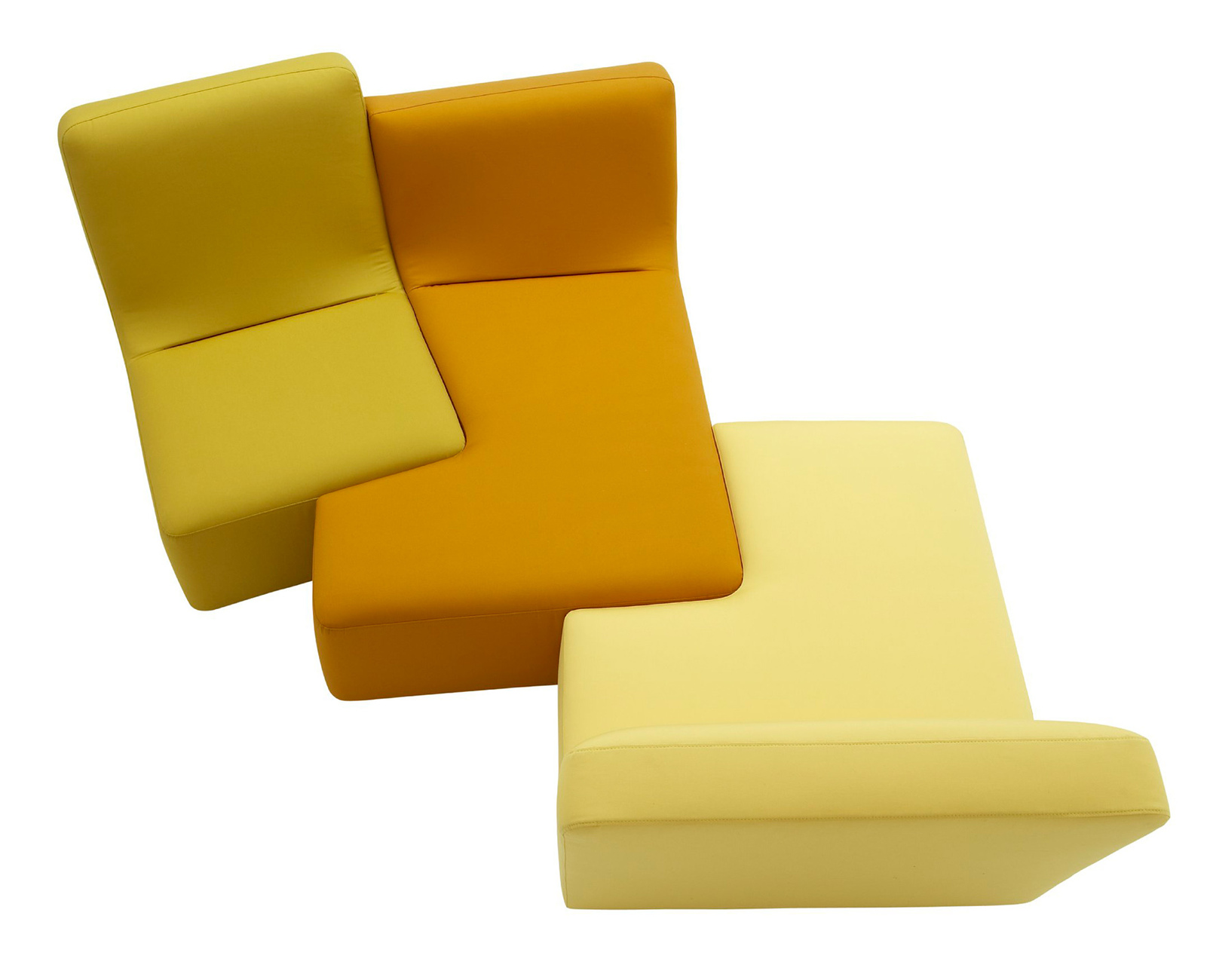
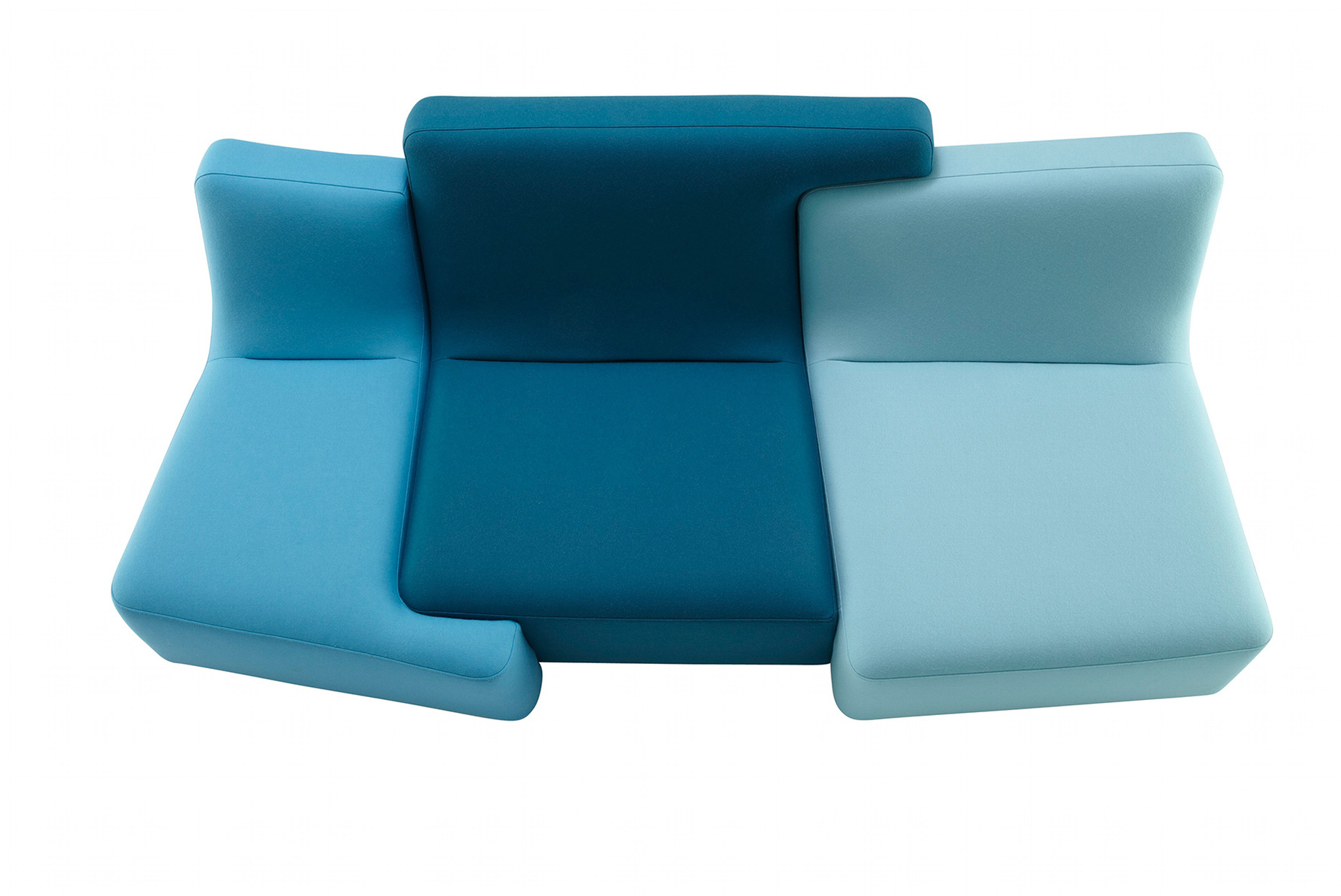
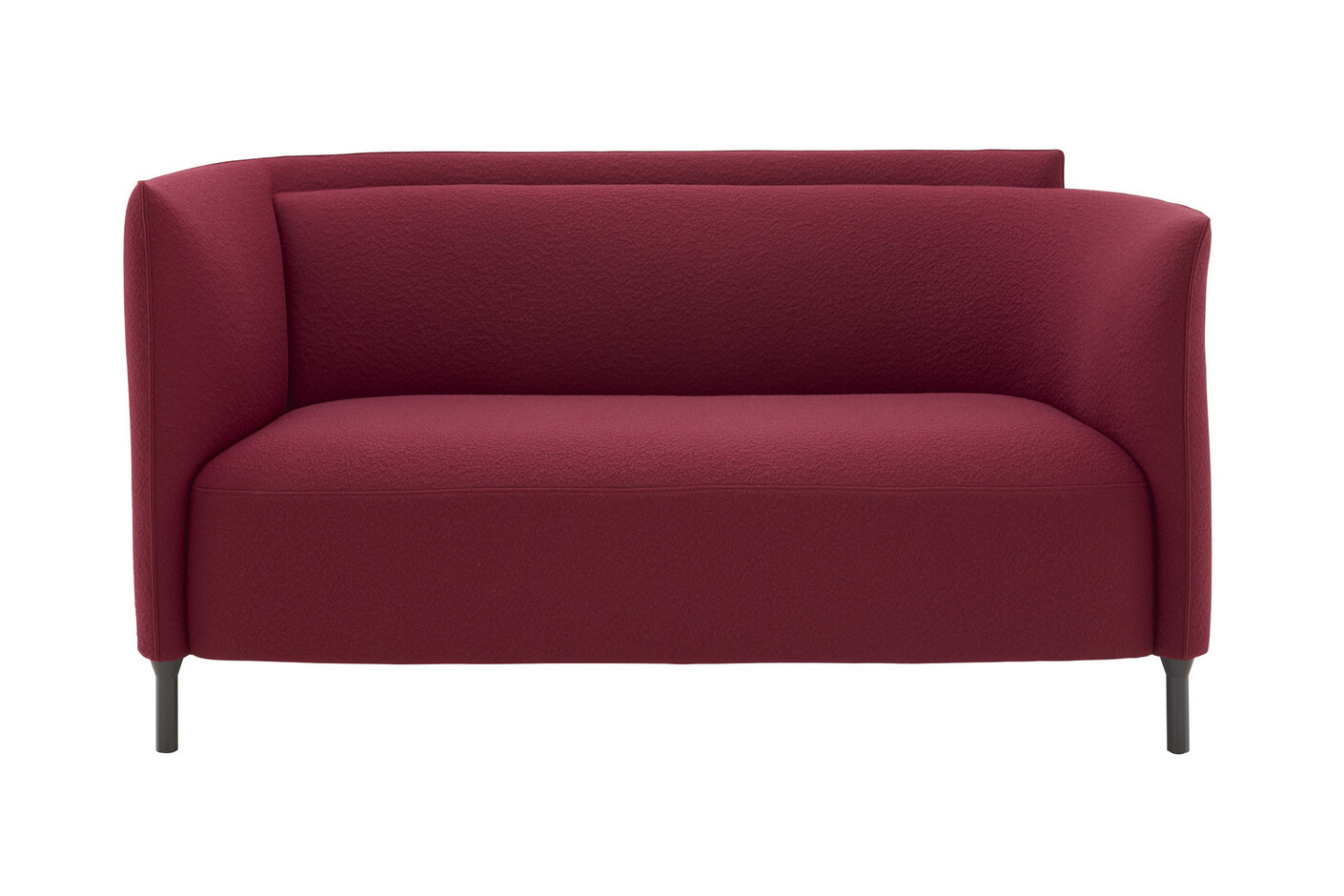
You've been collaborating with Ligne Roset since 2009 – your first piece of furniture together was the “Confluences” model, your thesis project at VIA University College. What do you value most about this collaboration?
Philippe Nigro: For one thing, the brand itself is very exciting. Ligne Roset is uncompromising in its commitment to innovation—not only in the sofa segment, but also in accessories and smaller pieces of furniture. This openness is extremely motivating for designers. For another, Ligne Roset is a family-owned business, which has become rare these days. When the family remains actively involved, it creates a different, very human dimension to the collaboration. I work regularly with Michel Roset, who has a deep understanding of design, a great sense of humor, and is also very open-minded. Last but not least, the company is based not in Paris, but in a small town near Lyon. This shapes the company’s ethos: a certain modesty, honesty, and down-to-earth attitude. This combination is what makes our collaboration so special.
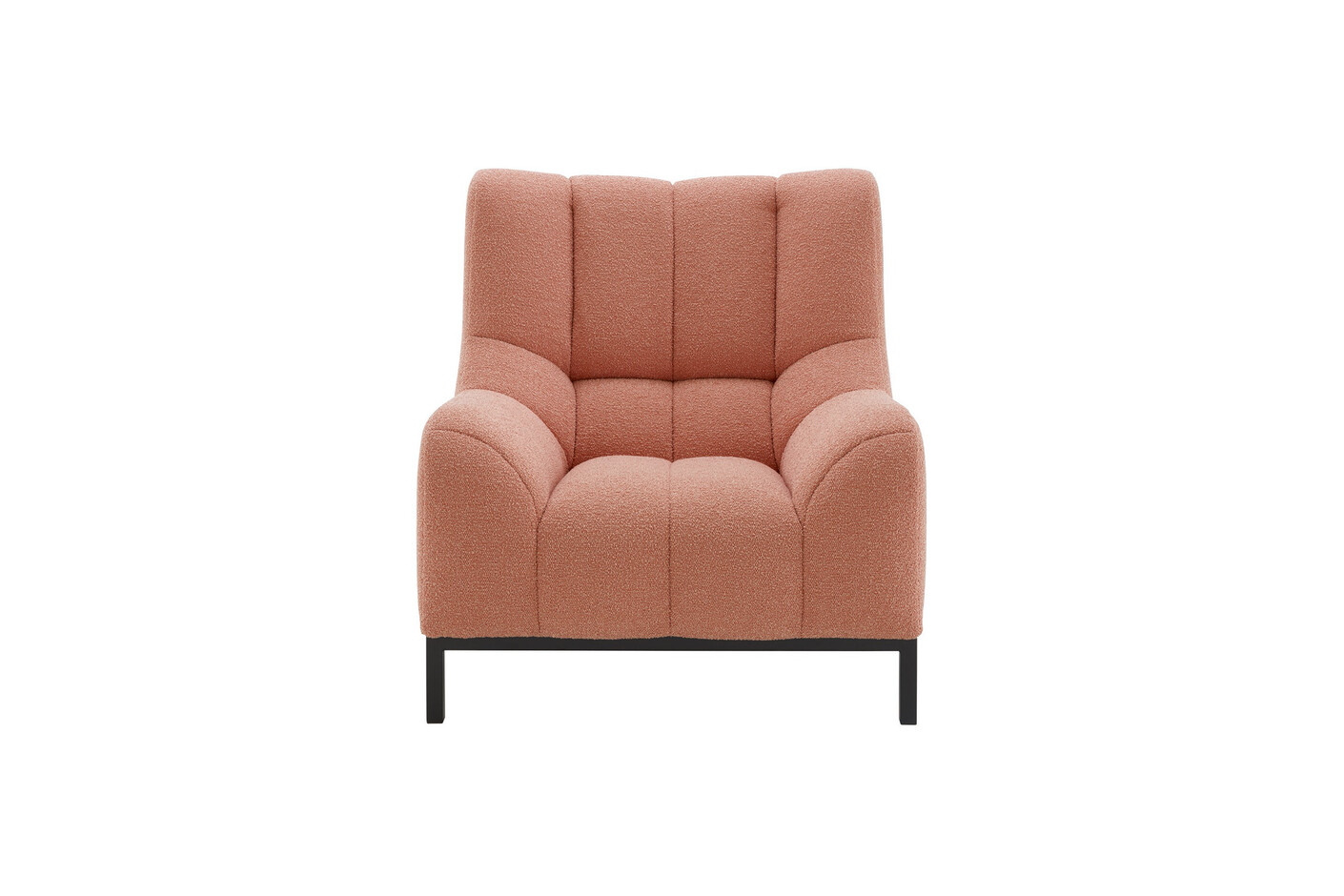
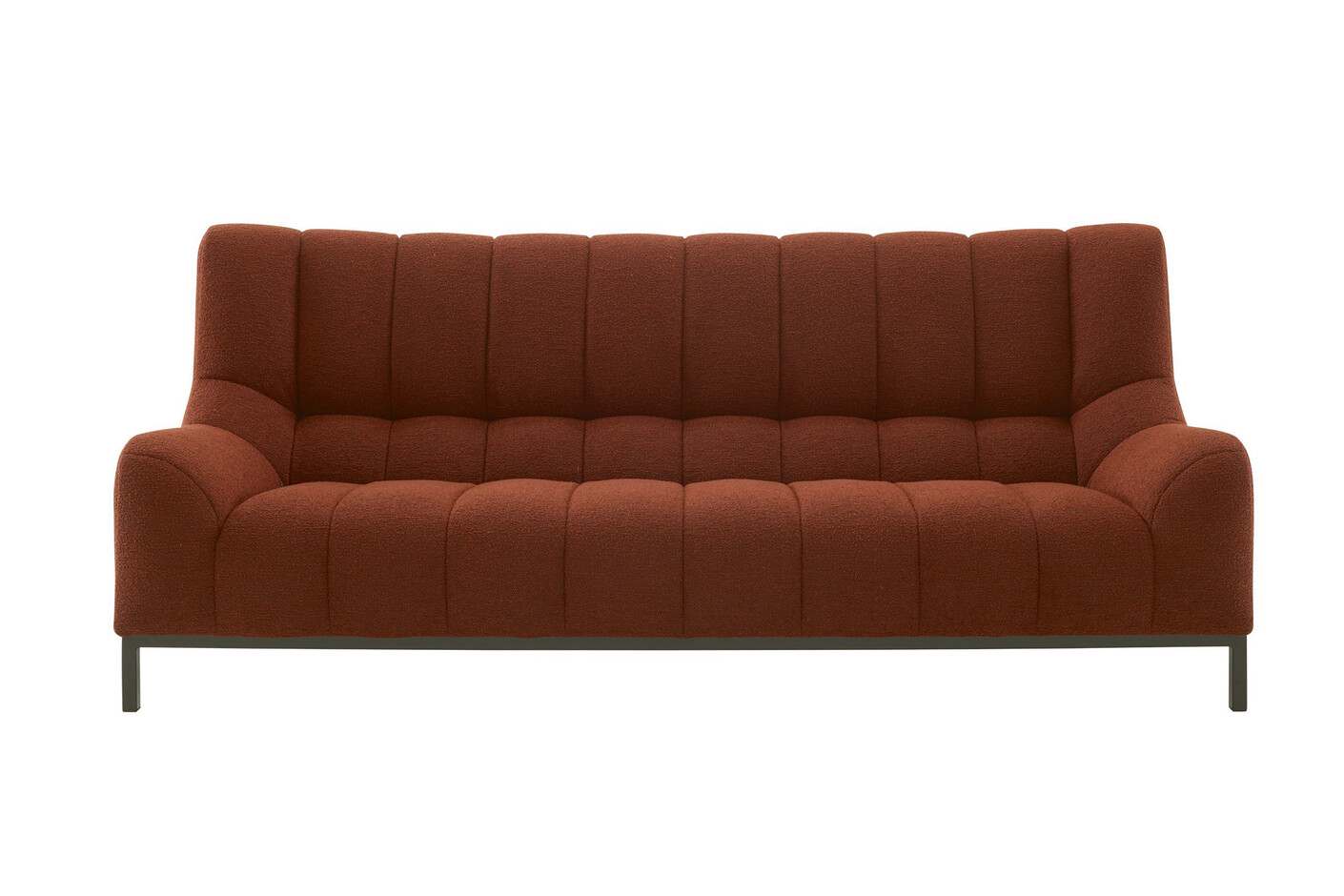
You have designed a wide range of products for Ligne Roset – from sofas and armchairs to mirrors and lighting fixtures. How do you maintain design consistency across this range?
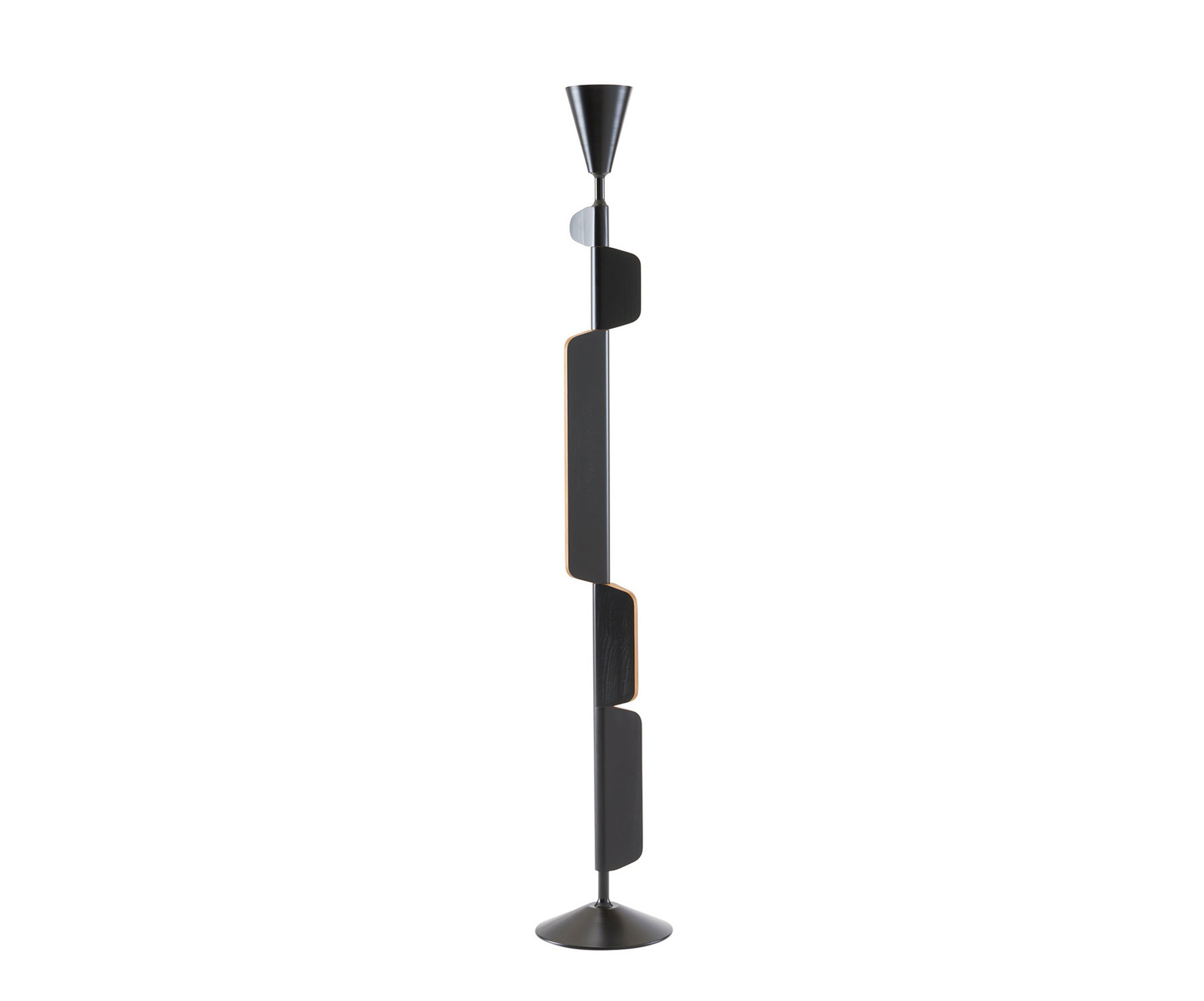
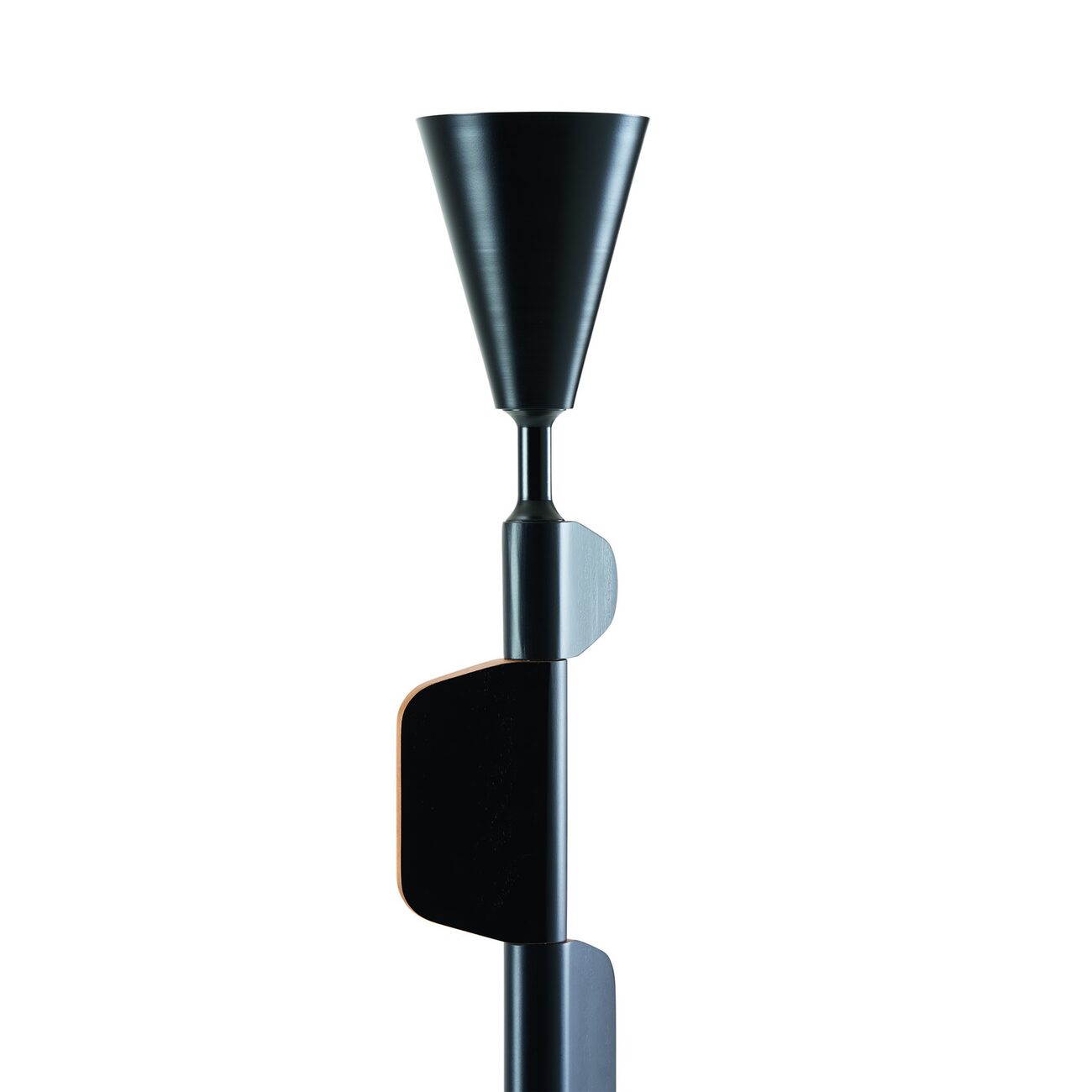
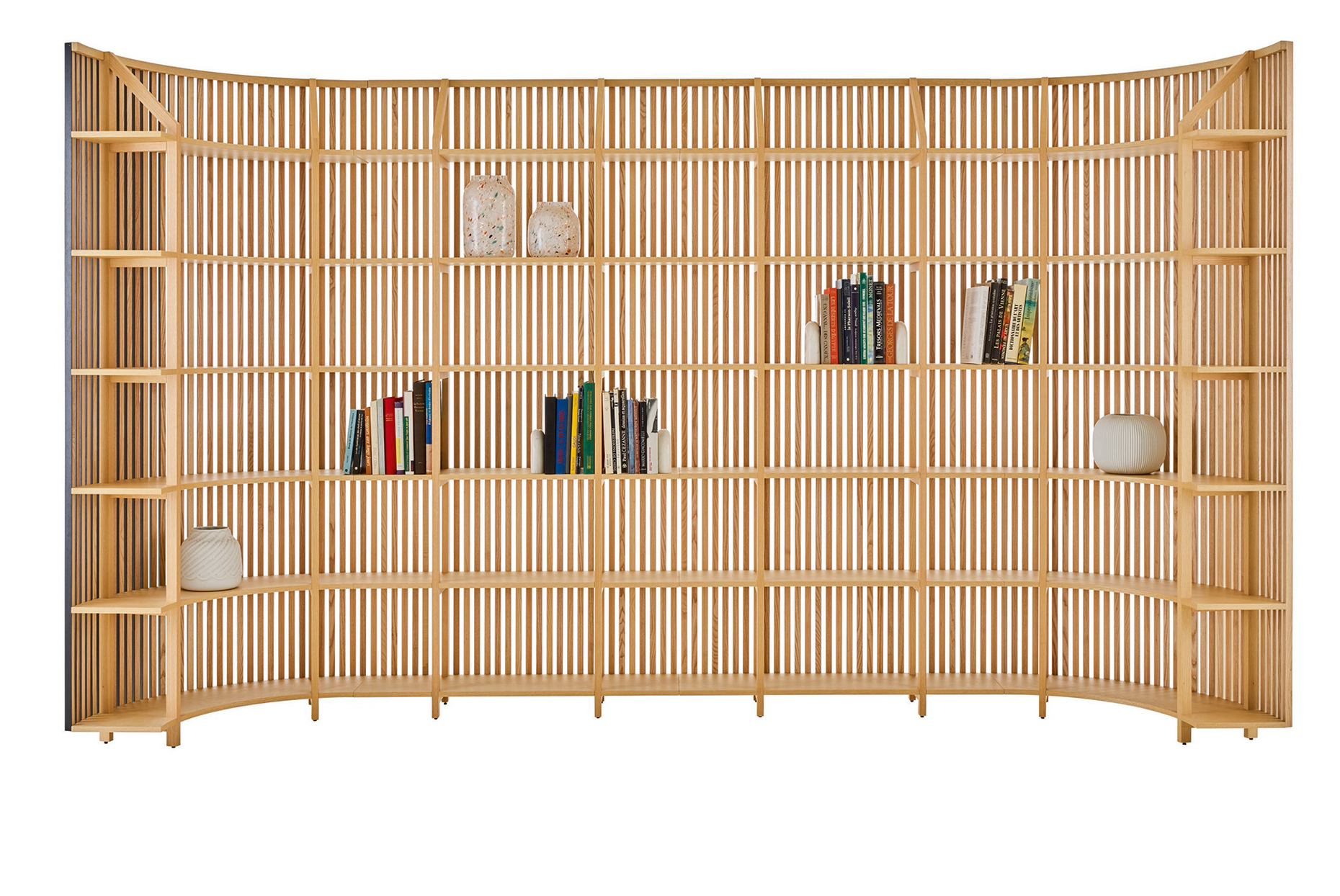
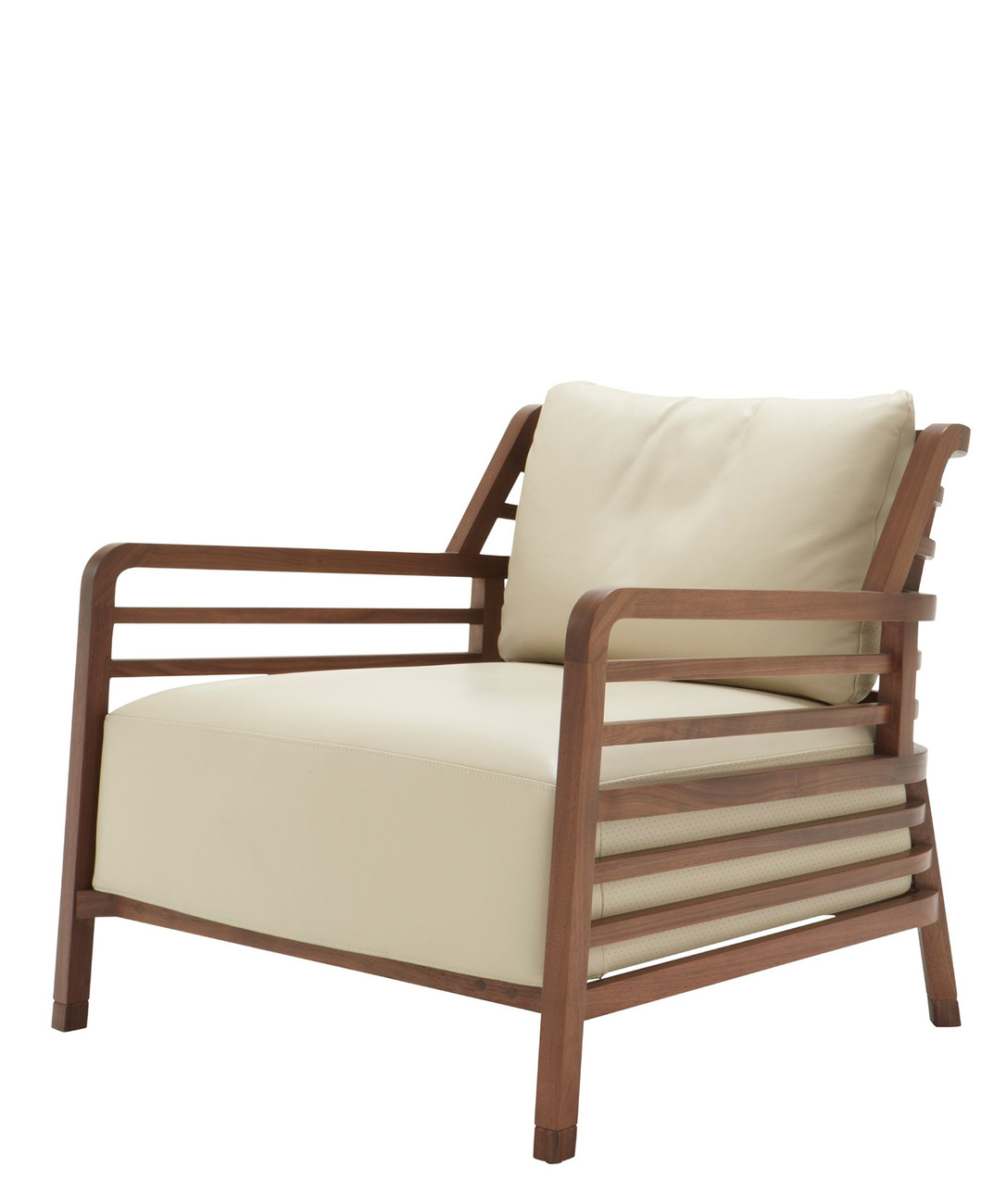
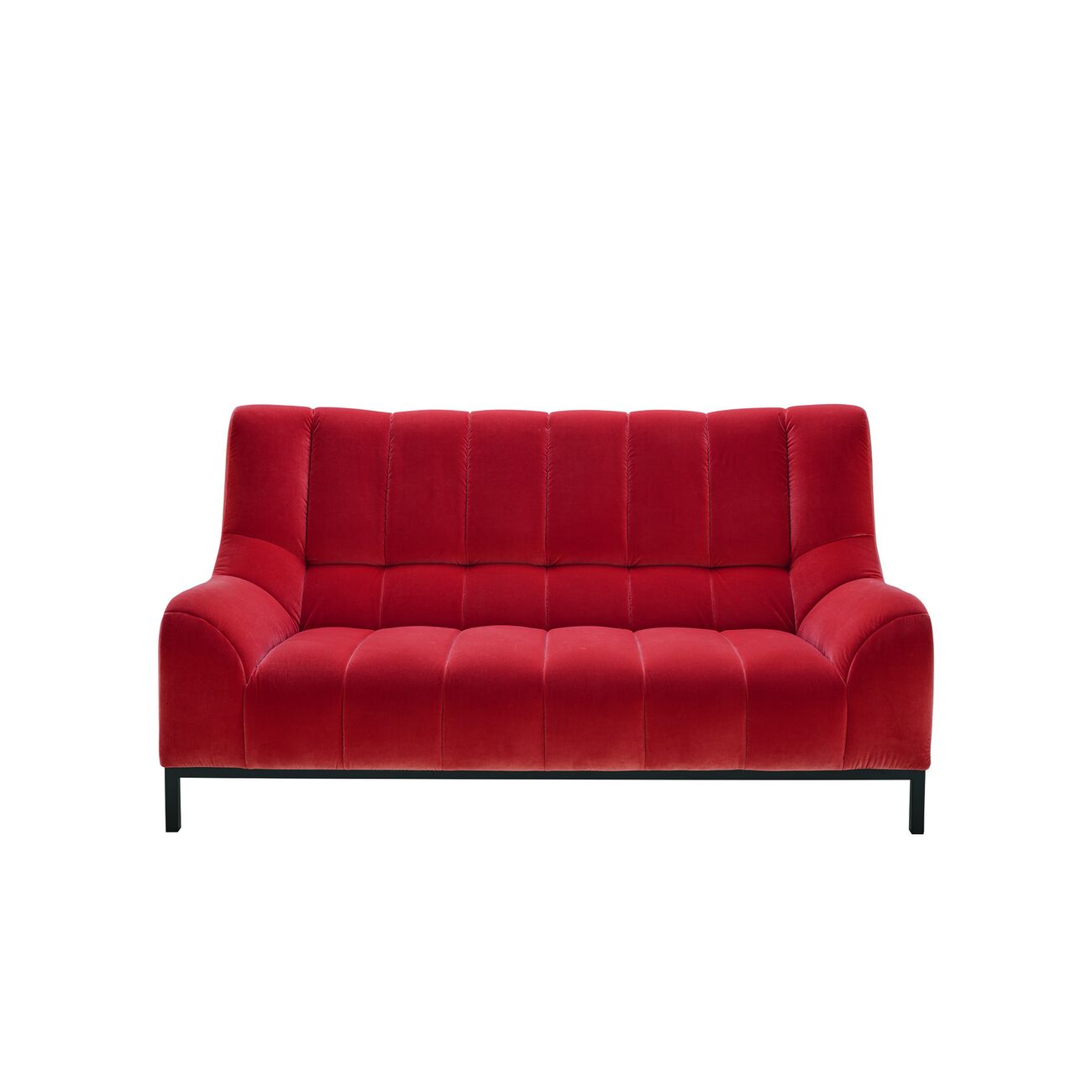
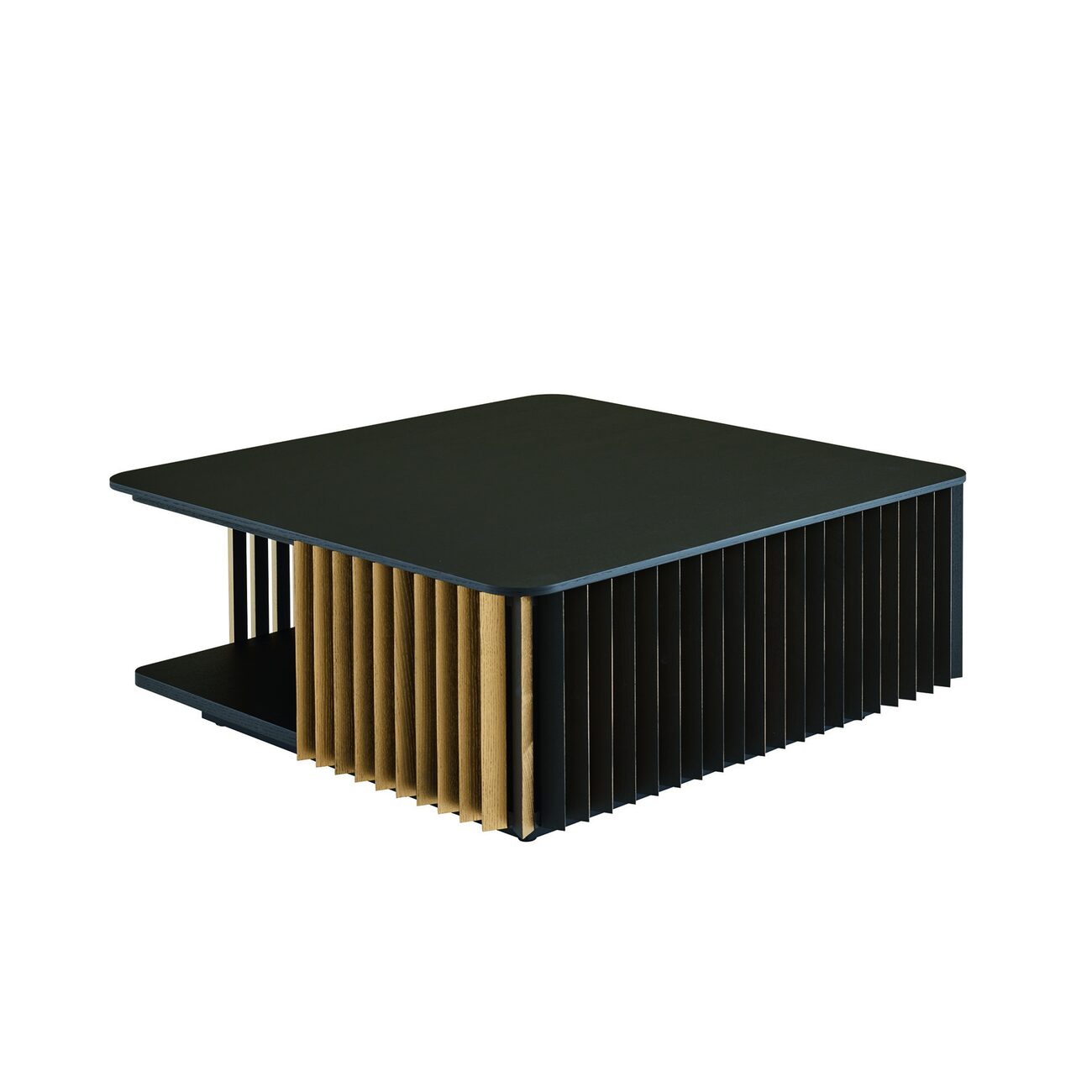
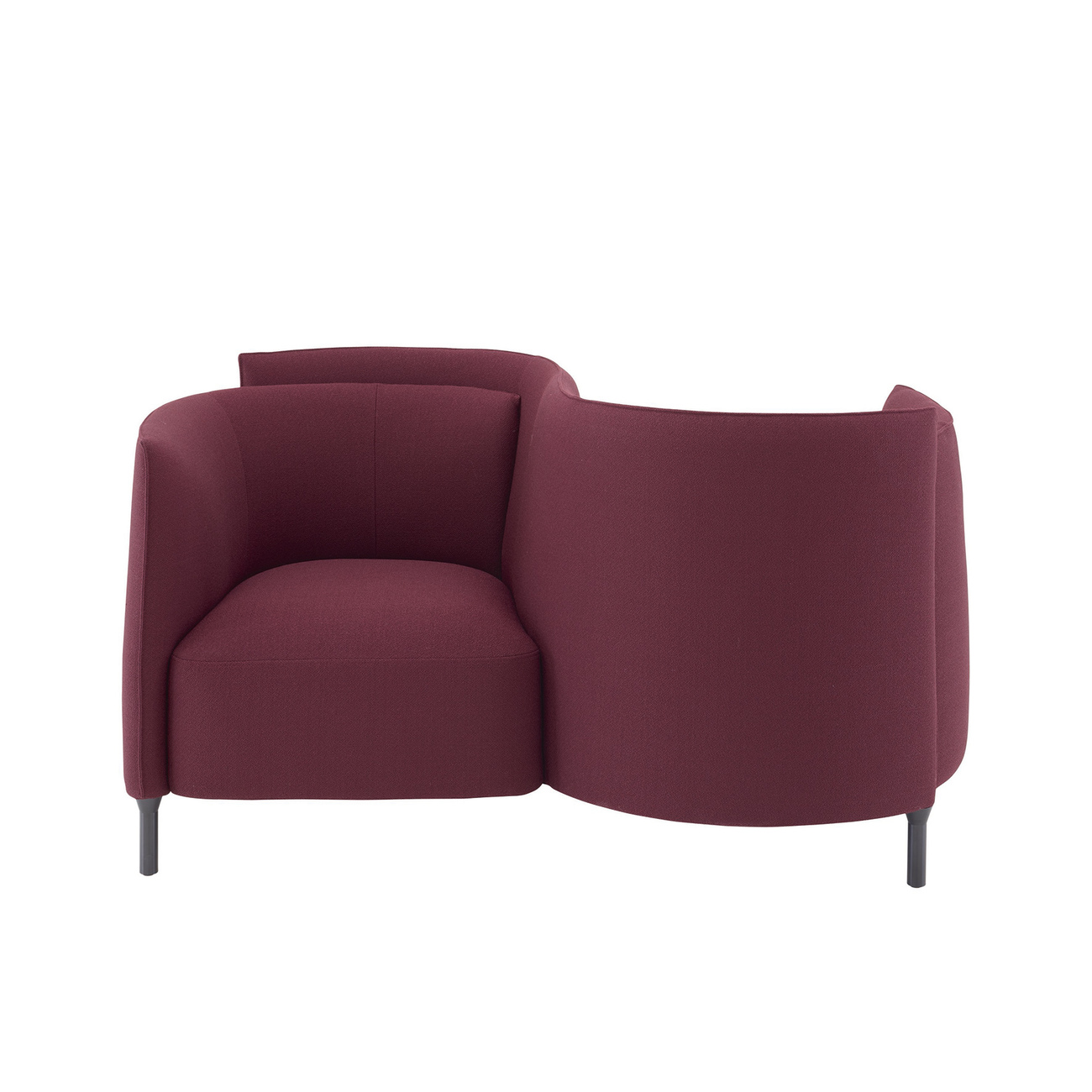
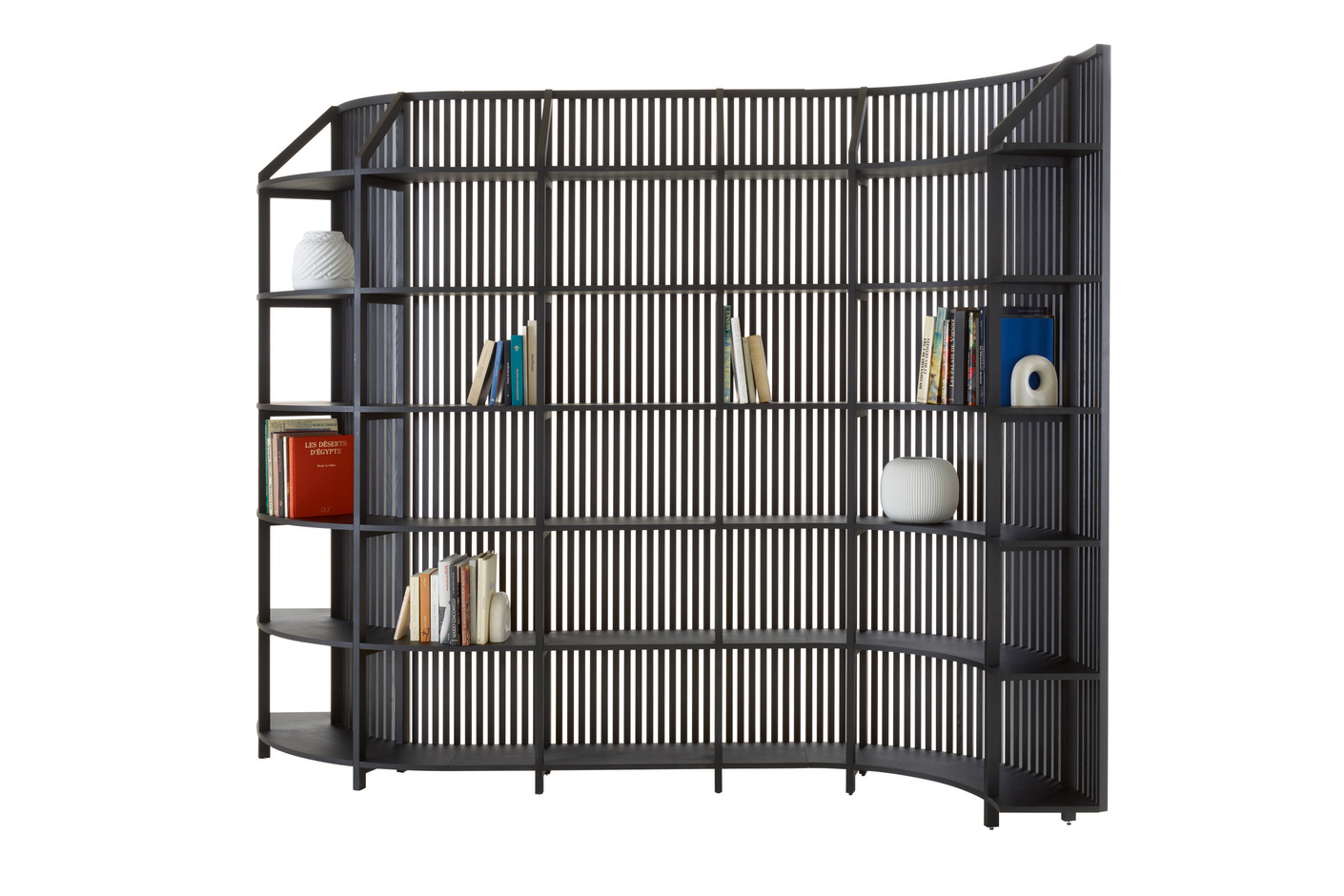
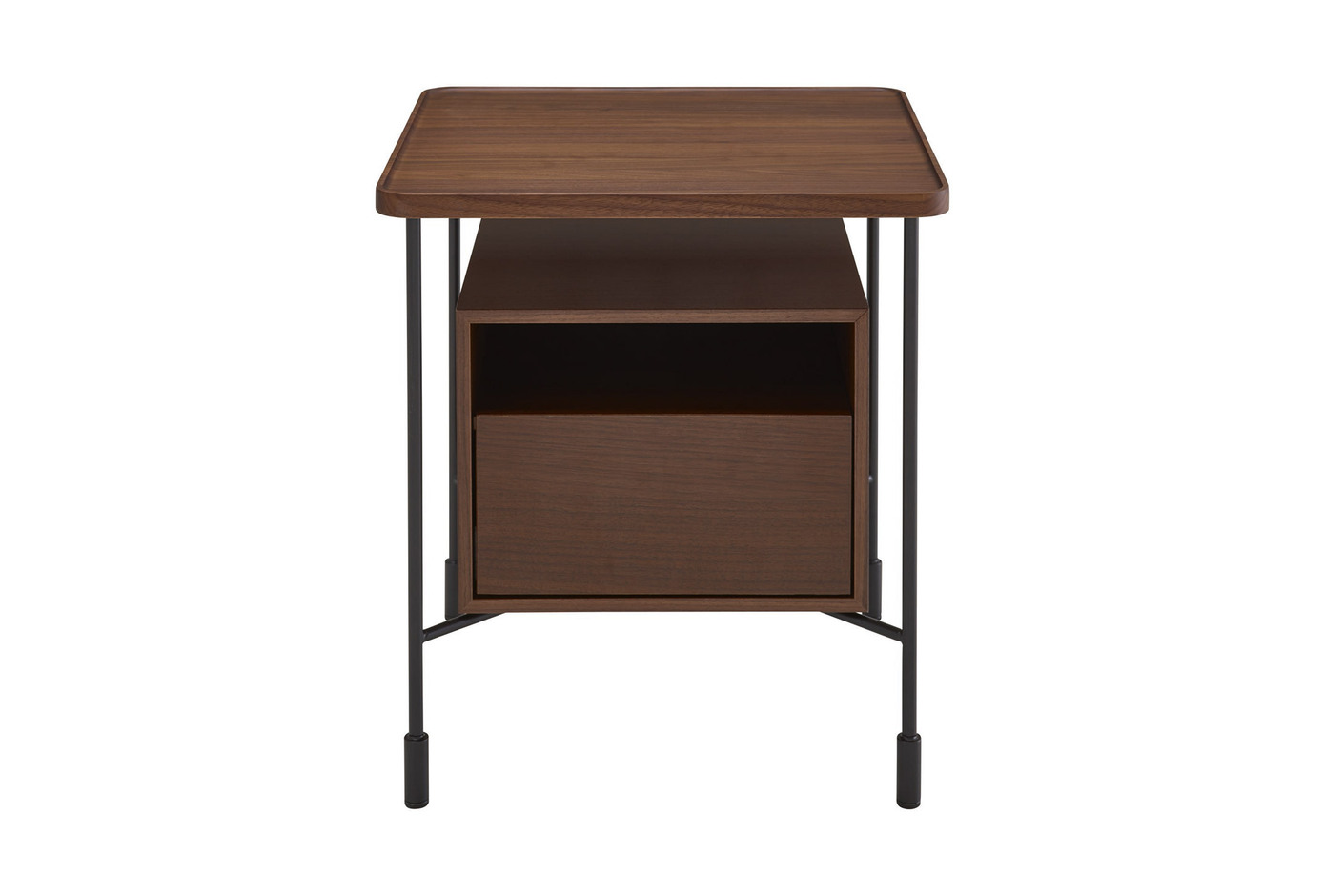
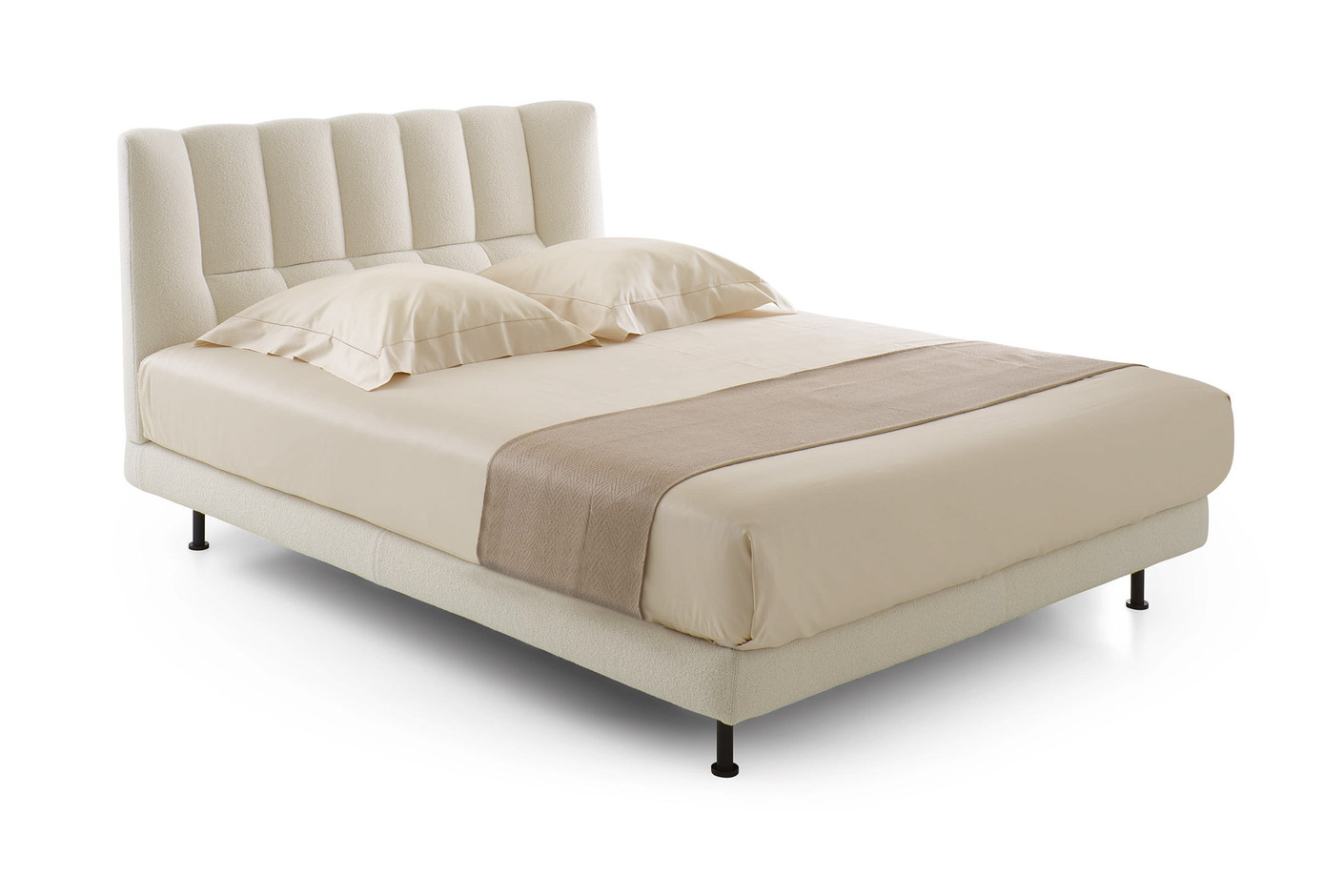
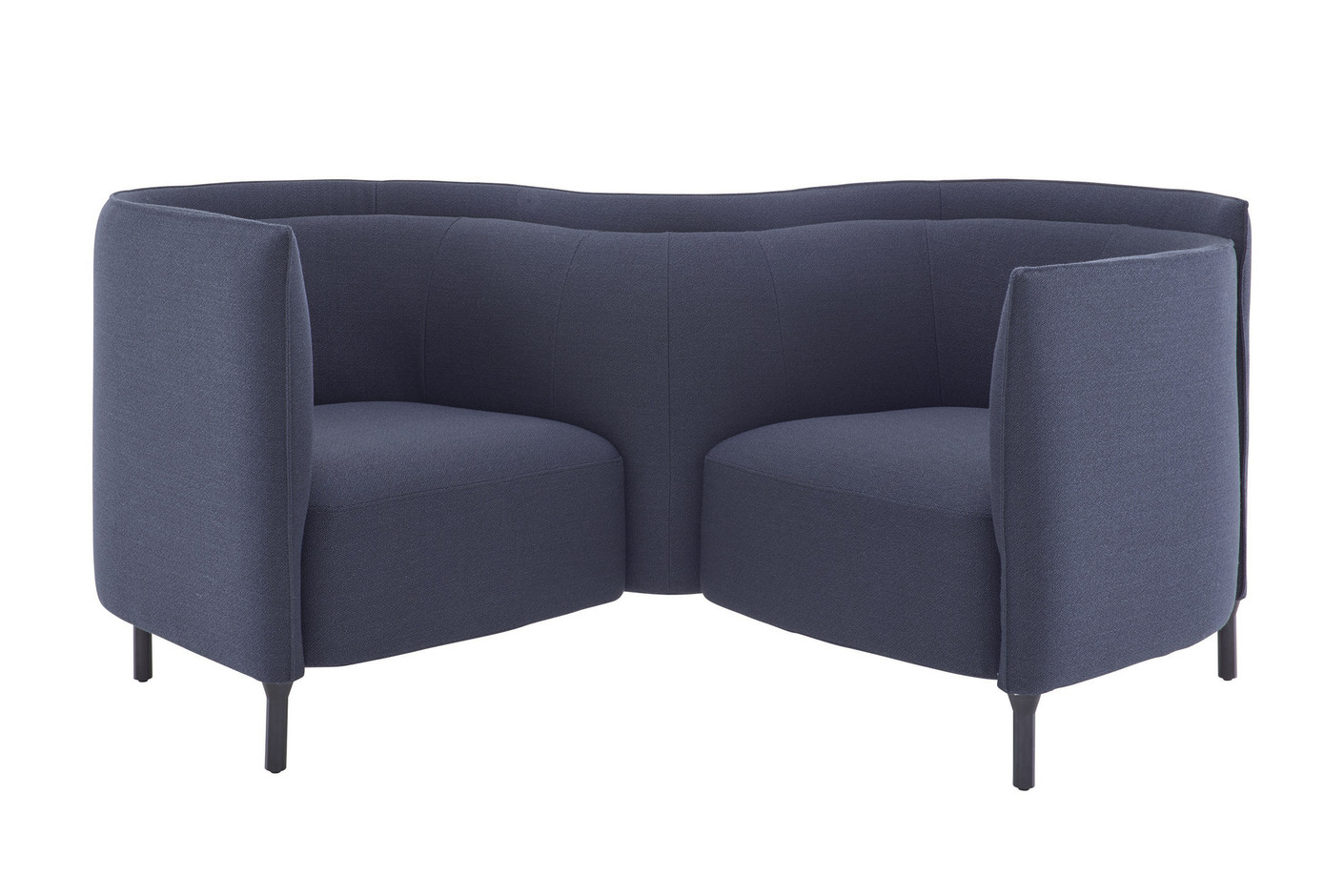
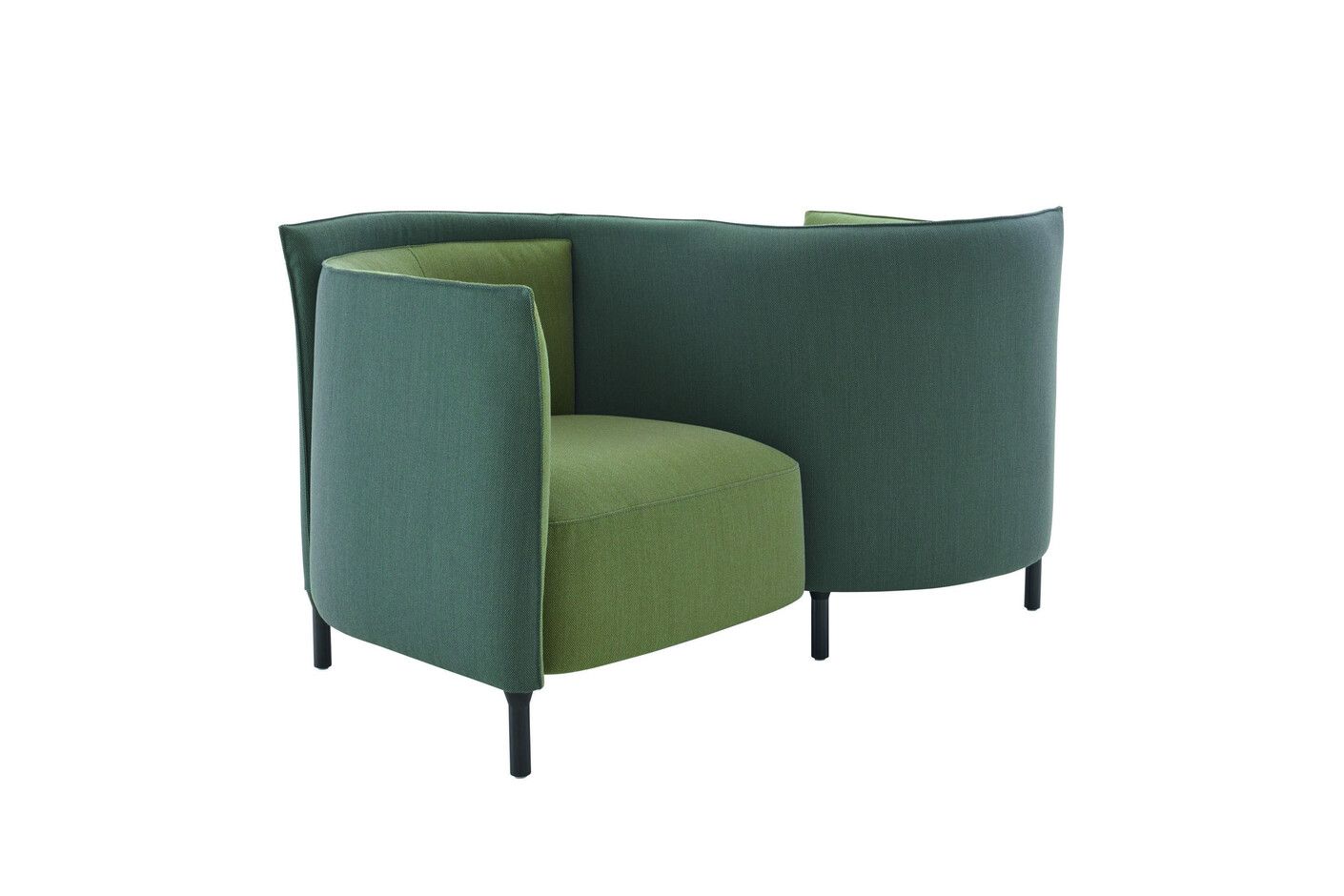
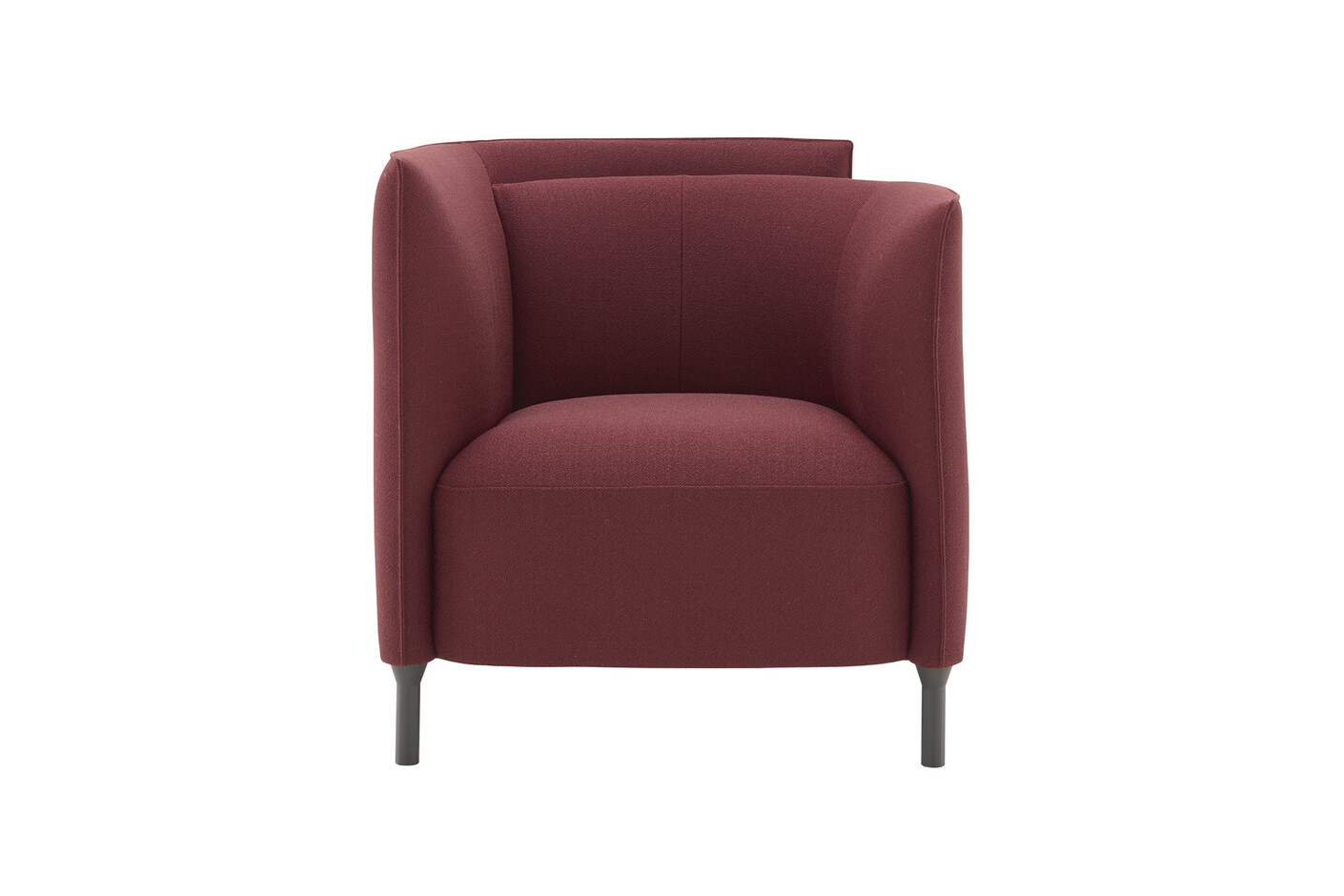
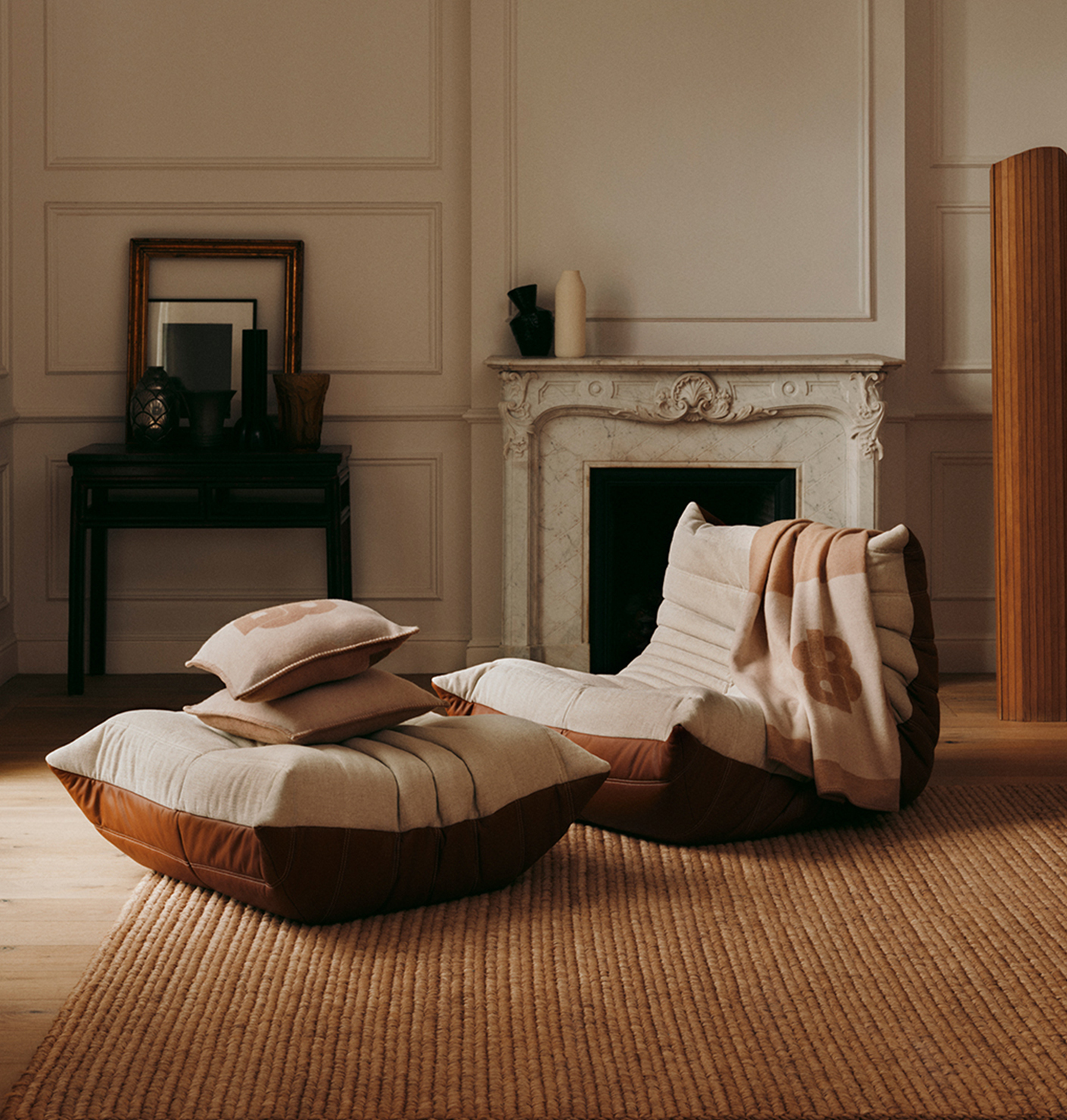
Philippe Nigro: The starting point has always been sofas and armchairs – the core of the brand. That’s where Ligne Roset’s DNA is most clearly expressed. Over time, other categories were added, such as lighting and smaller pieces of furniture. At the same time, the company has become increasingly aware that a home is created through the interplay of many elements. Accessories, small pieces of furniture, and lighting play a significant role in shaping the atmosphere. The goal is to design all these objects in a coherent way and bring them together in the spirit of the brand.
You've worked independently for many years. How do you view the increasing use of artificial intelligence in design?
Philippe Nigro: That’s a big question, and one that’s still open-ended. I usually work alone, without a large team, in a very direct and intuitive way. I haven’t dealt much with AI so far. I know I’ll have to engage with it more closely in the future. For now, however, I still view this development with some distance.
You often talk about relevance in design. What does that term mean to you?
Philippe Nigro: Relevance means meaning. An object should be well-made, without waste, and with respect for resources. This approach is essential today. At the same time, it’s about creating an emotional connection between the object and the user. Even though many brands are in the high-end price segment, I try to make my designs as accessible as possible. Design should not exclude, but rather connect.
In addition to product design, you also work as a scenographer. How do these disciplines influence each other?
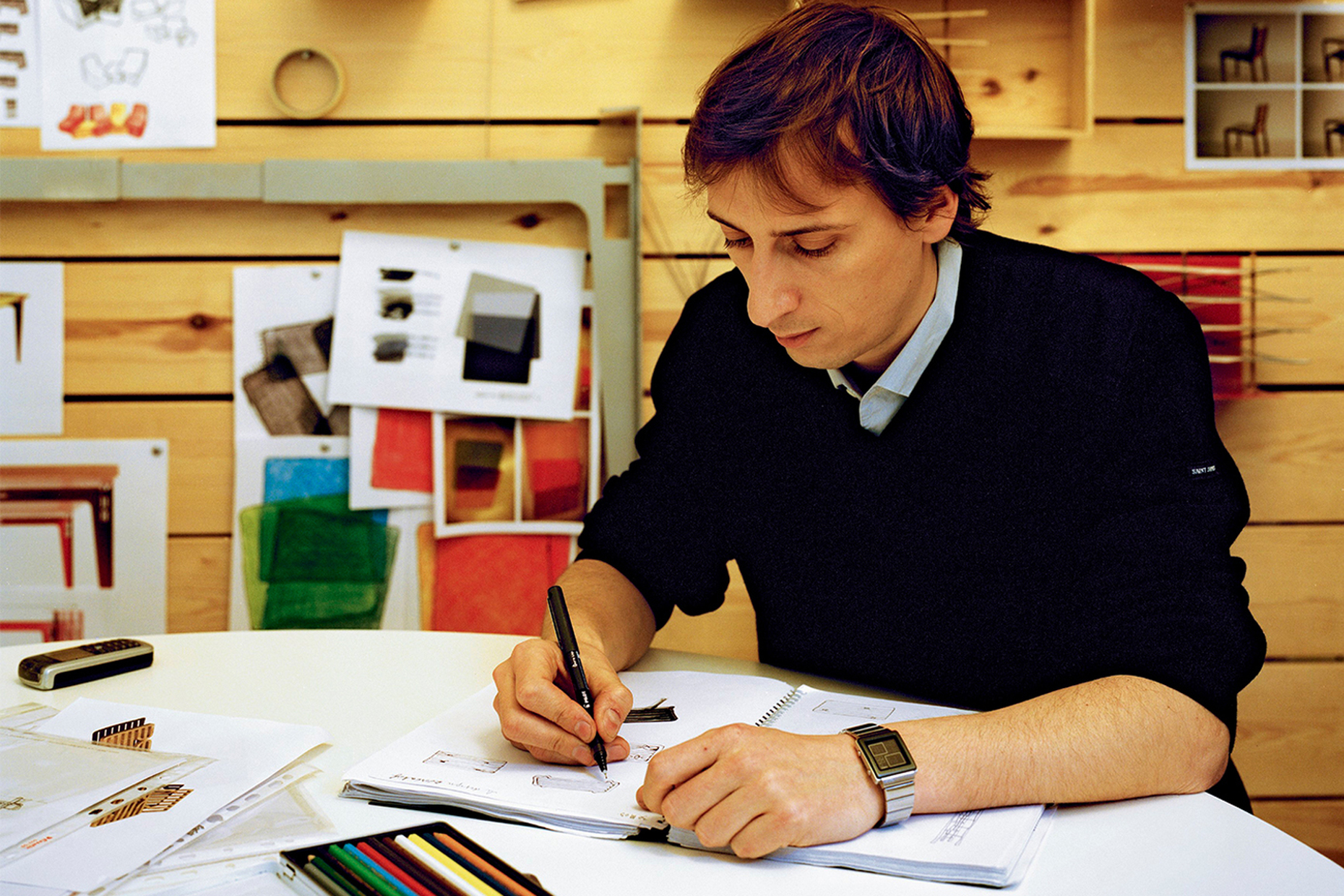
Philippe Nigro: Scenography is exciting because it is temporary and creates a different relationship between space and people. The scale changes, and so does our perception. You do a lot of work virtually, using 3D, but the result only becomes apparent in real space. That uncertainty is what makes it so appealing. For me, the shift in scale is central – as is evident in my current showroom project in Berlin, where design, art, and architecture are deliberately interwoven.
How do you perceive the current mood in the industry, especially looking back on this year's Salone del Mobile?
Philippe Nigro: This year is unusual. There are fewer truly new developments; rather, there are refinements of existing work. Many manufacturers are proceeding cautiously—the economic situation leaves little room for experimentation. This makes it all the more important to remain open to new ideas.
Is there a dream project you'd like to bring to life?
Philippe Nigro: I don’t really think in fixed categories. I’m primarily interested in shifts in scale, whether it’s an industrial product, a machine, or an architectural project. Architecture fascinates me greatly, even though I’m not an architect. Buildings can evoke powerful physical and emotional experiences – as seen in the works of Herzog & de Meuron or Renzo Piano. Someday, I’d like to play an active role in shaping this effect of space.