Featured
Complexity mastered
Anna Moldenhauer: The Lindner Group has been a long-standing partner of Frankfurt Airport. How has this partnership evolved, leading up to the current major project in the new Terminal 3?
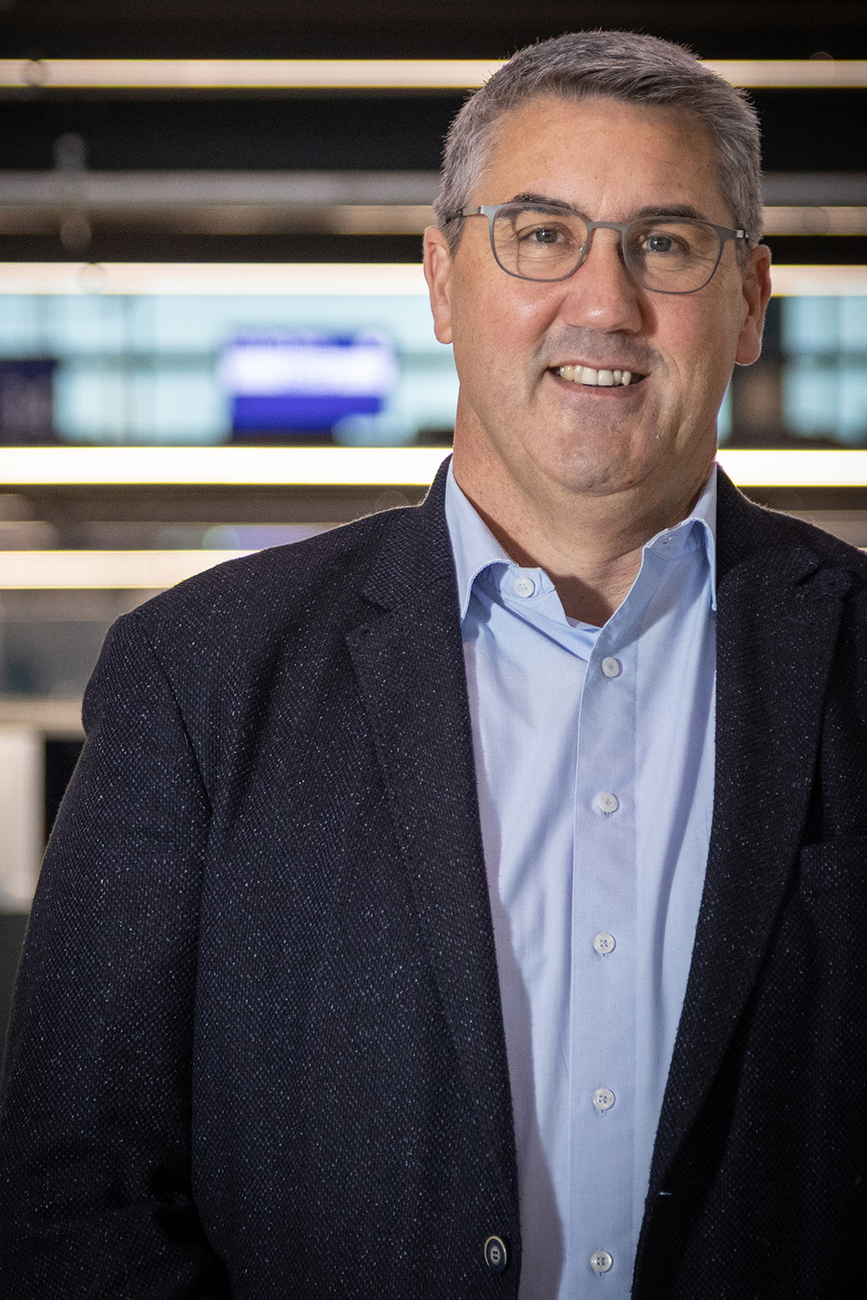
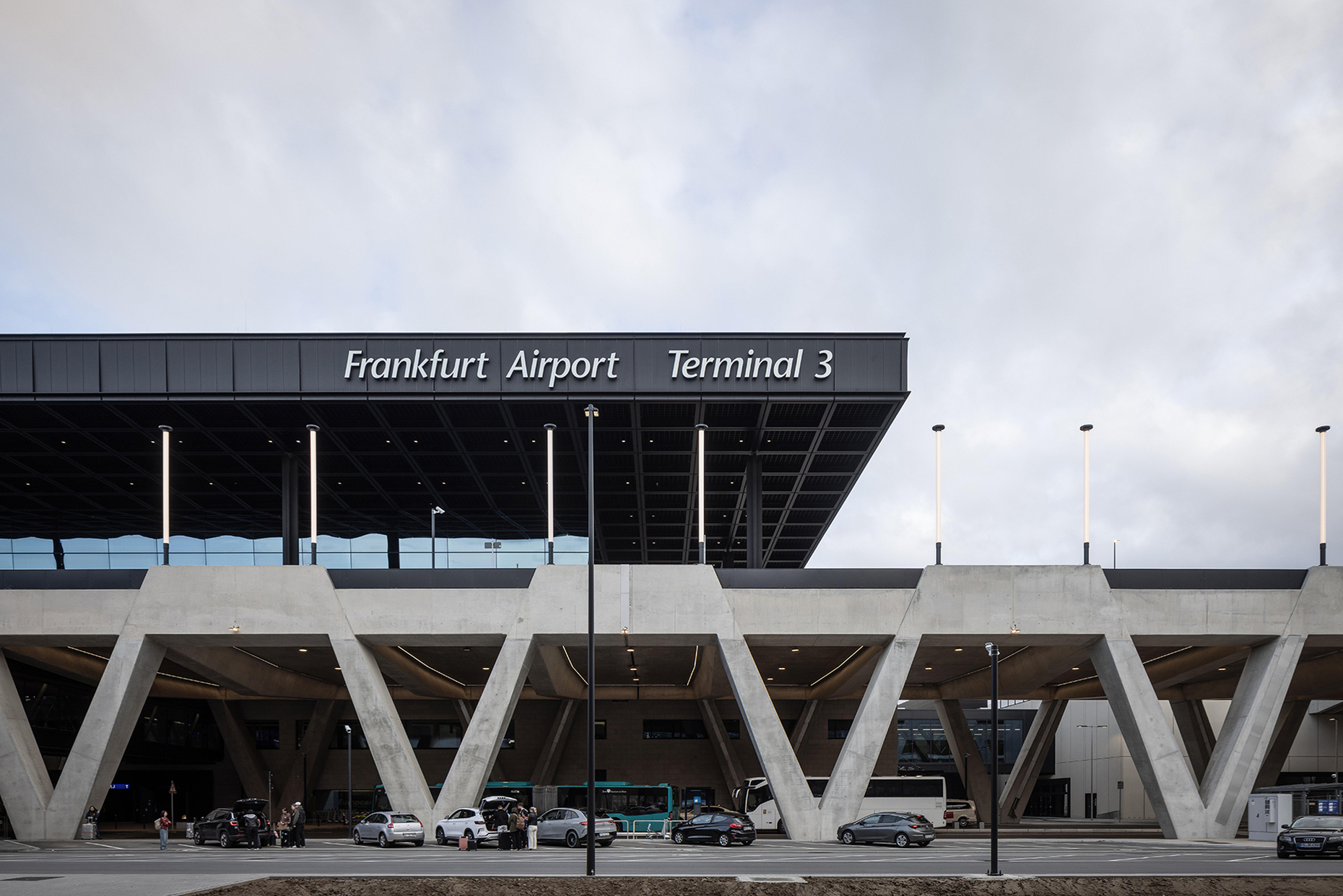
Rainer Aman: That actually goes back a long way. An early major milestone was a project in Terminal 2 in the mid-1990s, where we installed large-scale flooring and wall cladding. Since then, there have been numerous follow-up projects, often in existing facilities, which were always challenging. At the same time, we worked on other projects at the airport, such as for Lufthansa or Heinemann, and in the process developed further connections with Fraport. A major step forward was the expansion in Area A, followed by other large-scale projects, such as those around 2012. However, the project truly reached the scale we see today with Terminal 3. We began work on this in 2015, and in 2017 we received the request to serve as the general contractor for Gate G. That was a project that far surpassed anything we had done before.
As the general contractor for Pier G, the Lindner Group served as the primary point of contact for the client. In your view, what was key to successfully carrying out this project?
Rainer Aman: The key was having a very strong team, both internally and externally. From the very beginning, we shared the common goal of successfully implementing the project. The collaboration worked very well—at the same time, coordinating a project of this magnitude was an enormous challenge, both in planning and execution. We worked as part of a joint venture (ARGE) consisting of Adolf Lupp GmbH + Co KG (structural work), Caverion Deutschland GmbH (building services), and R + S Solutions GmbH (electrical services).
What is particularly impressive is that, despite the pandemic, supply chain bottlenecks, and rising costs, the project was completed on schedule and within budget. How was this achieved?
Rainer Aman: A key factor was the close and trusting collaboration with the client. Unlike usual practice, the tasks were not awarded to numerous individual contractors but were bundled into larger units. The coordination meetings were clearly structured and efficient—with short decision-making processes and designated points of contact on both sides. Problems were addressed openly and resolved together. In addition, we had defined clear responsibilities early on, including within the bidding consortium. This prevented many frictions later on.
Among other things, you have implemented ceiling, floor, and wall systems, often with large spans and special requirements. Can you give an example of such a custom solution?
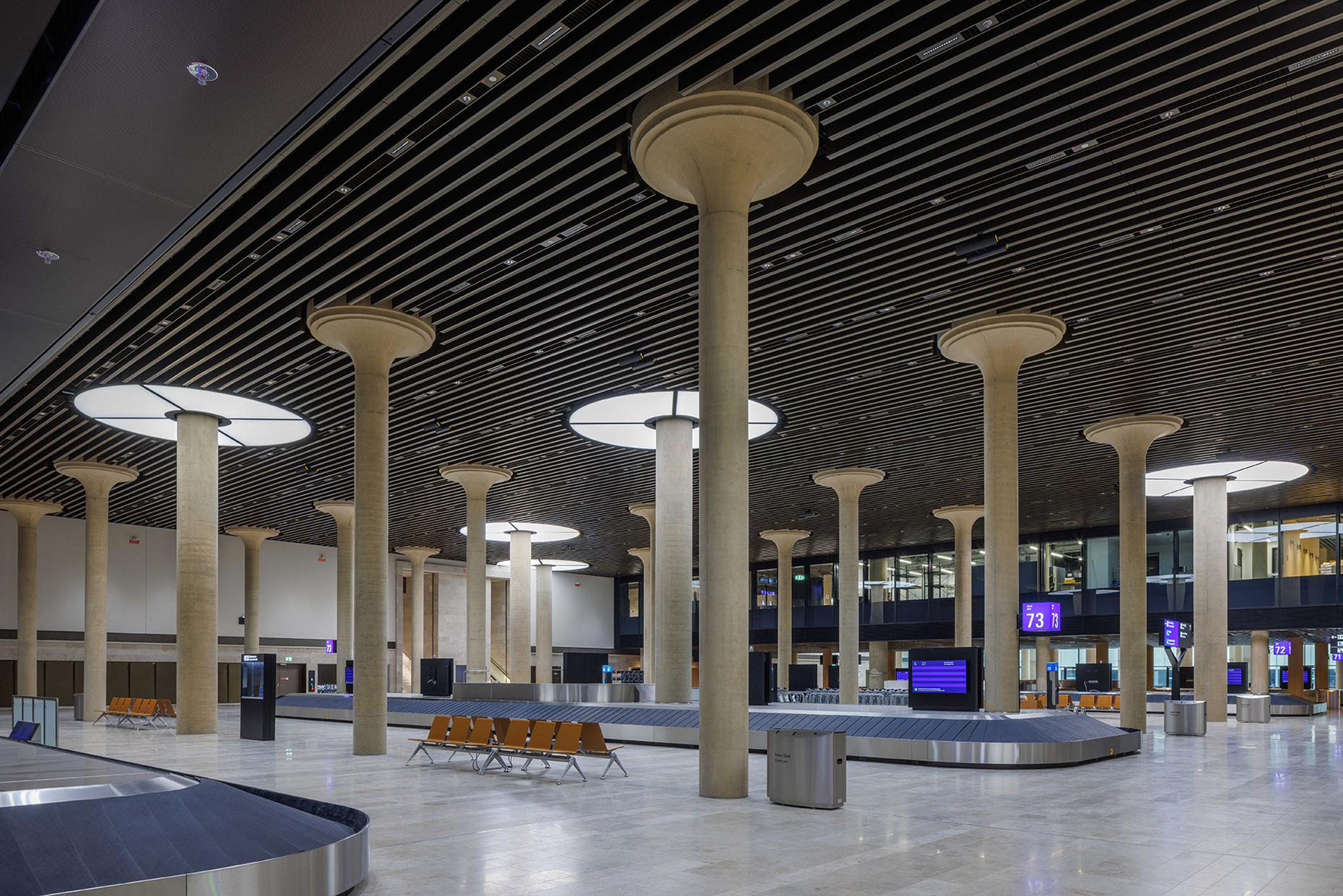
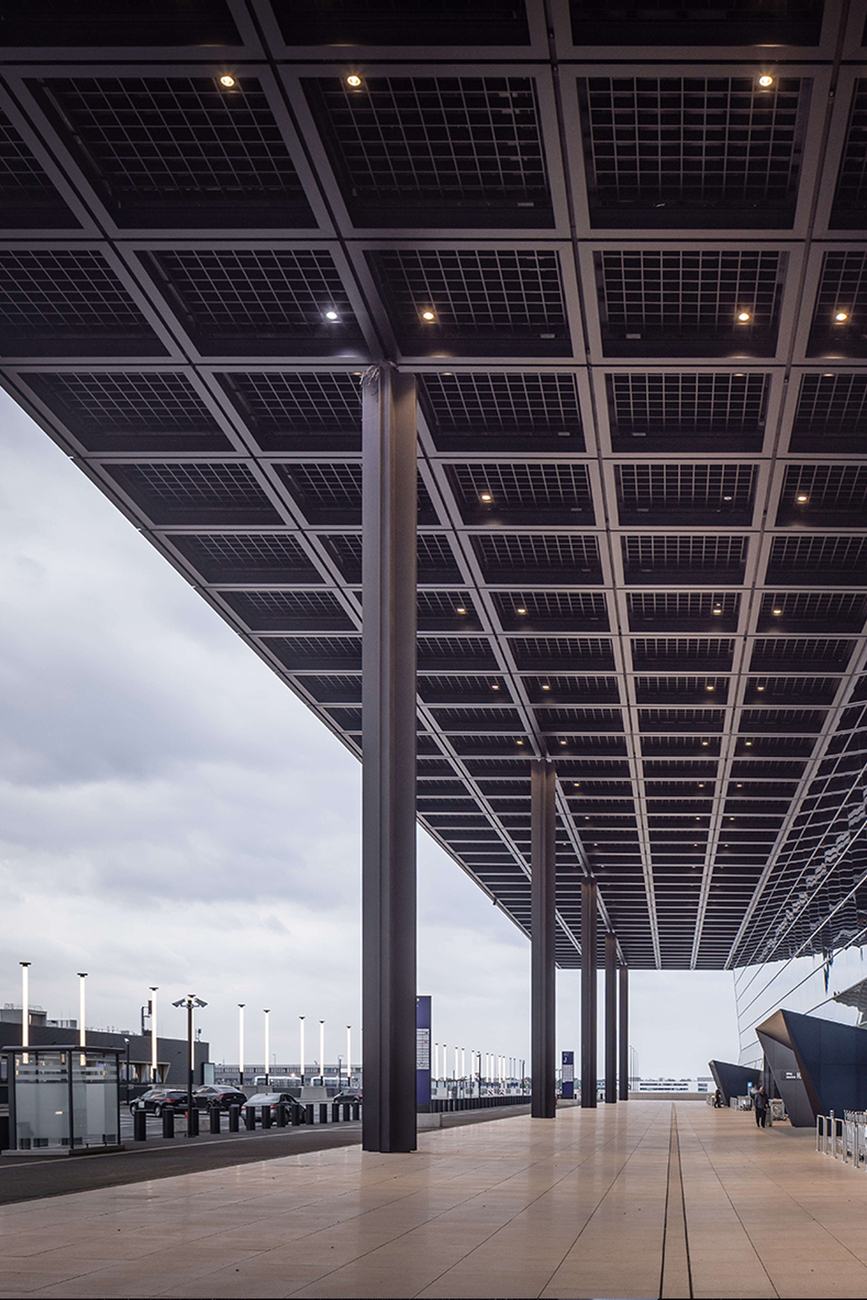
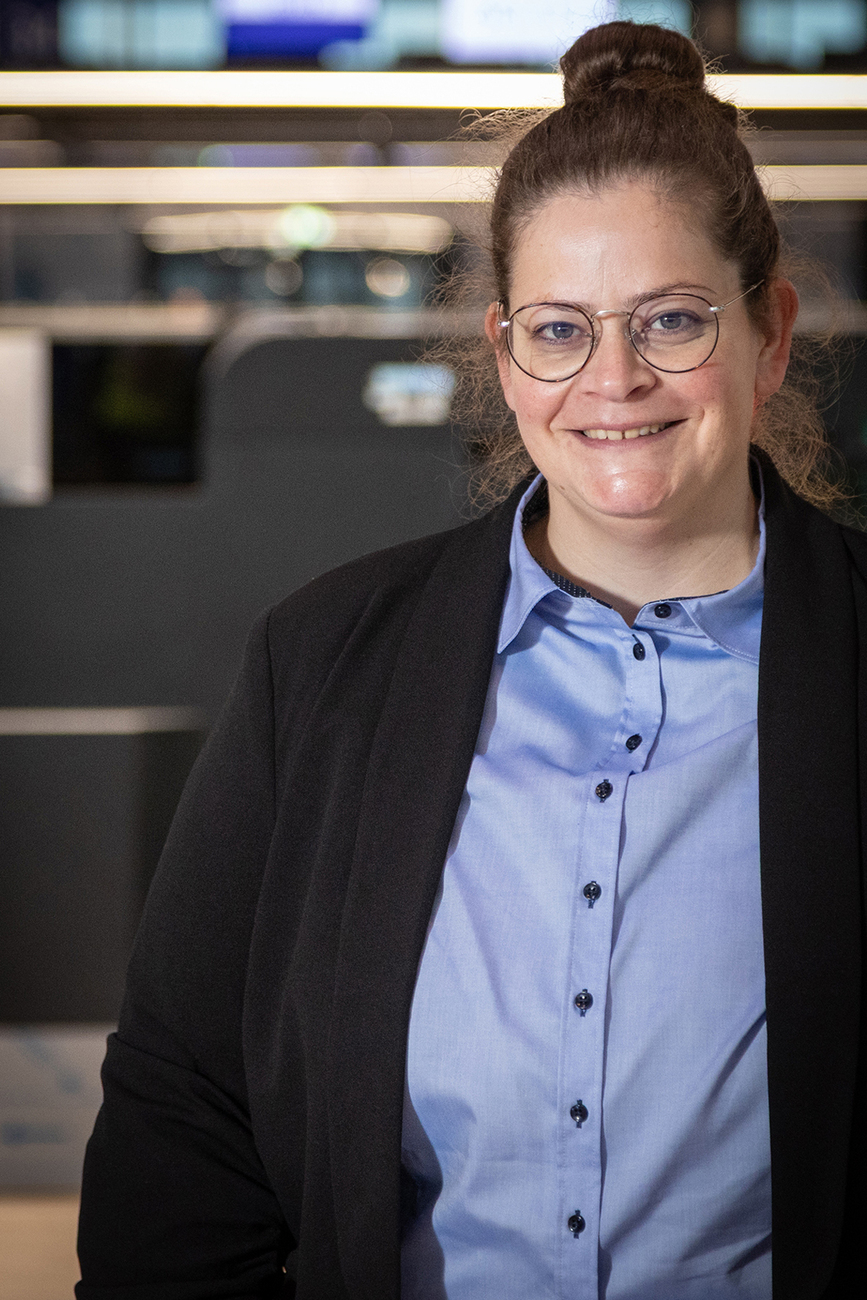
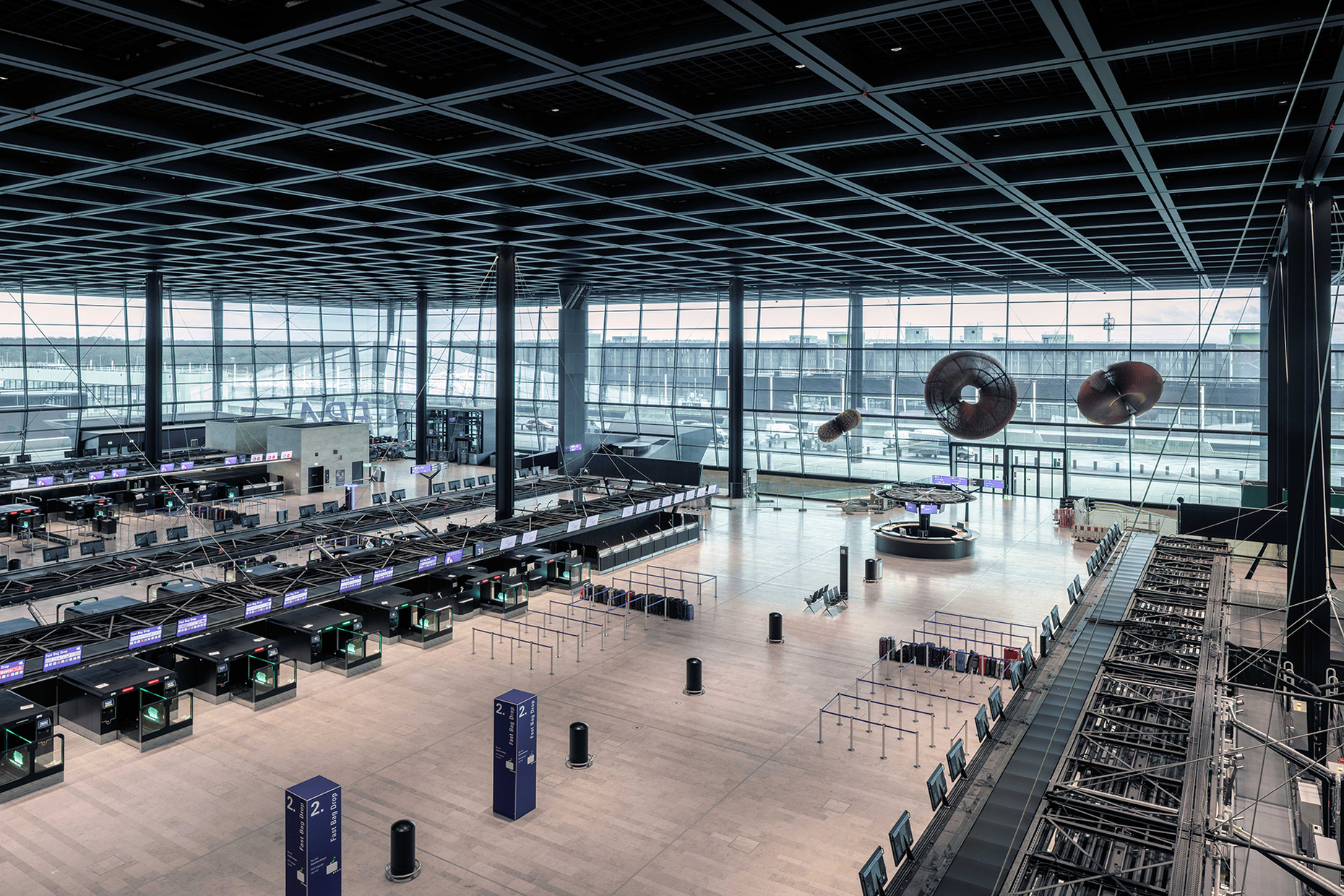
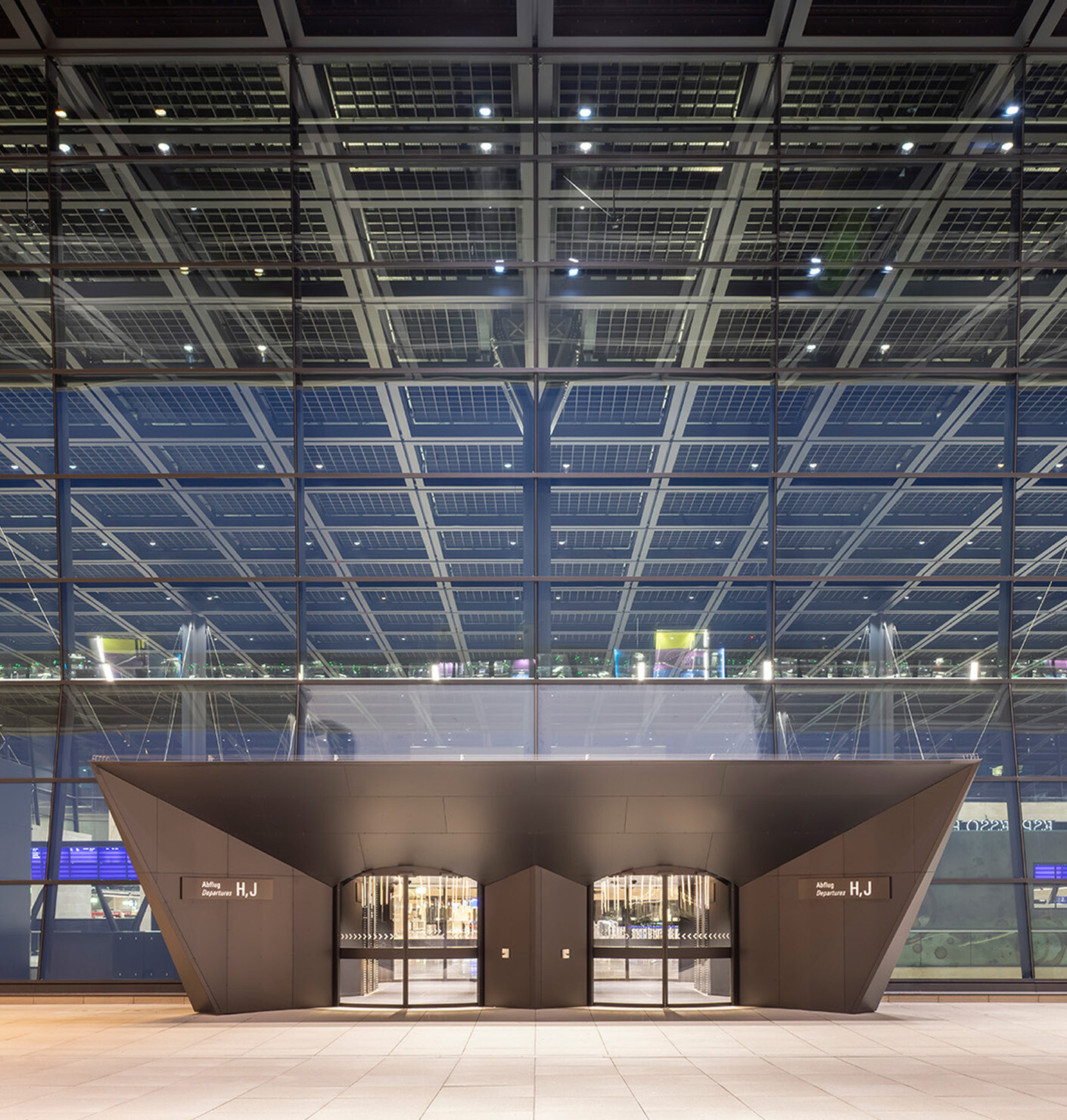
Franziska Wischnewski: A prime example is the ceiling in the check-in hall. We’re talking about ceiling panels measuring approximately 4.5 × 4.5 meters, which were installed at a height of about 18 meters. The challenge was to utilize the existing steel structure while simultaneously meeting both design and functional requirements. We developed the entire system ourselves – from the design to the structural analysis – and tested it extensively in advance. For the installation, we ultimately used a special crane system that allowed for precise placement of the elements without disrupting the ongoing construction process.
Rainer Aman: The original plan was to erect a complete scaffolding structure over the hall floor. However, that would have been very costly. The development of the alternative lifting technology was therefore a crucial step.
How was coordination organized on the construction site—especially given such complex processes?
Franziska Wischnewski: This required very detailed planning and close coordination in advance. Logistics was a key factor throughout the process, from delivery to installation. We set up dedicated areas for prefabrication and temporary storage and worked closely with all trades. Open communication was crucial in this process.
In an interview with the Lindner Group, Prof. Christoph Mäckler, the architect of the new Terminal 3, emphasized that your solutions are functional while also possessing their own design quality. How do you achieve this balance?
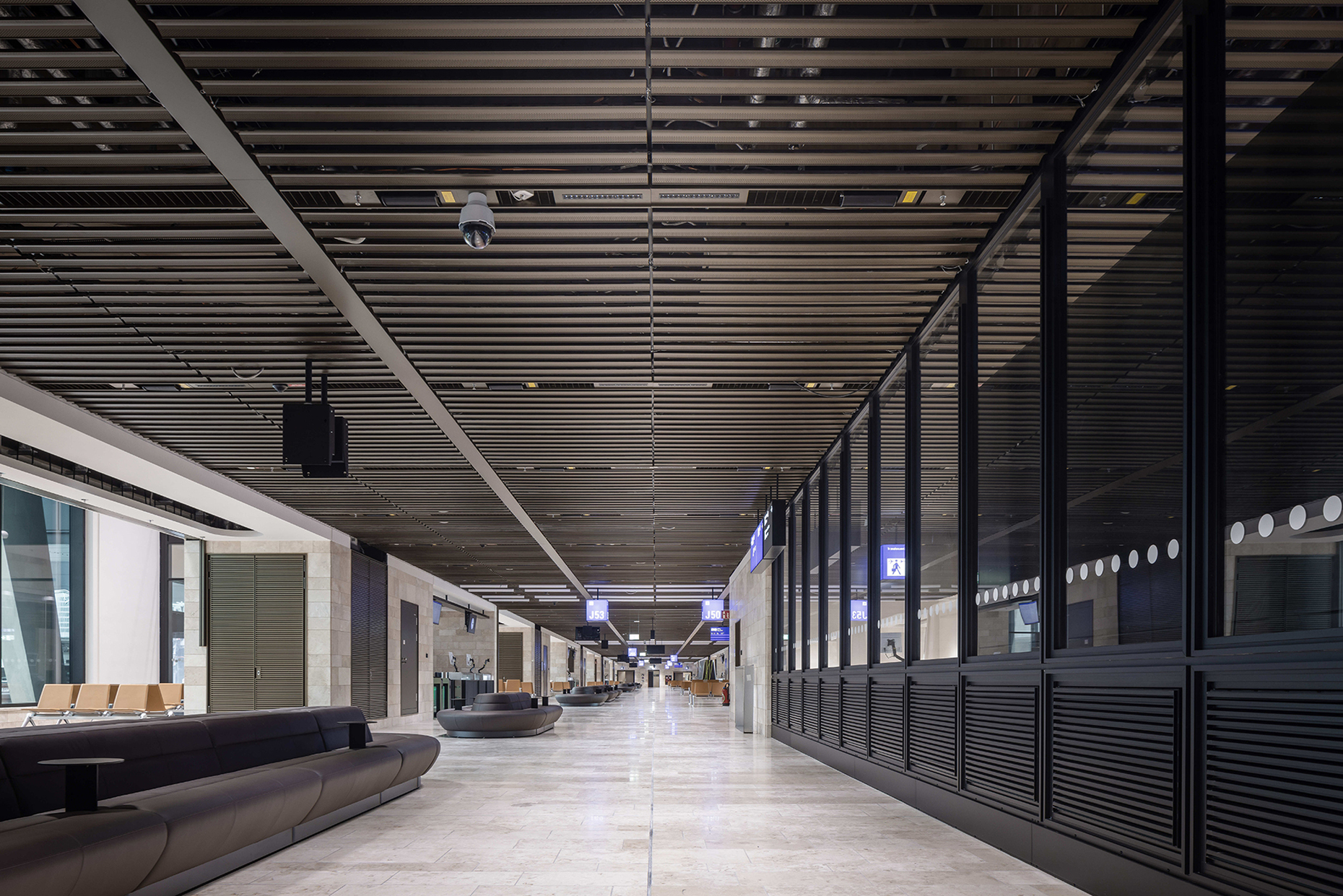
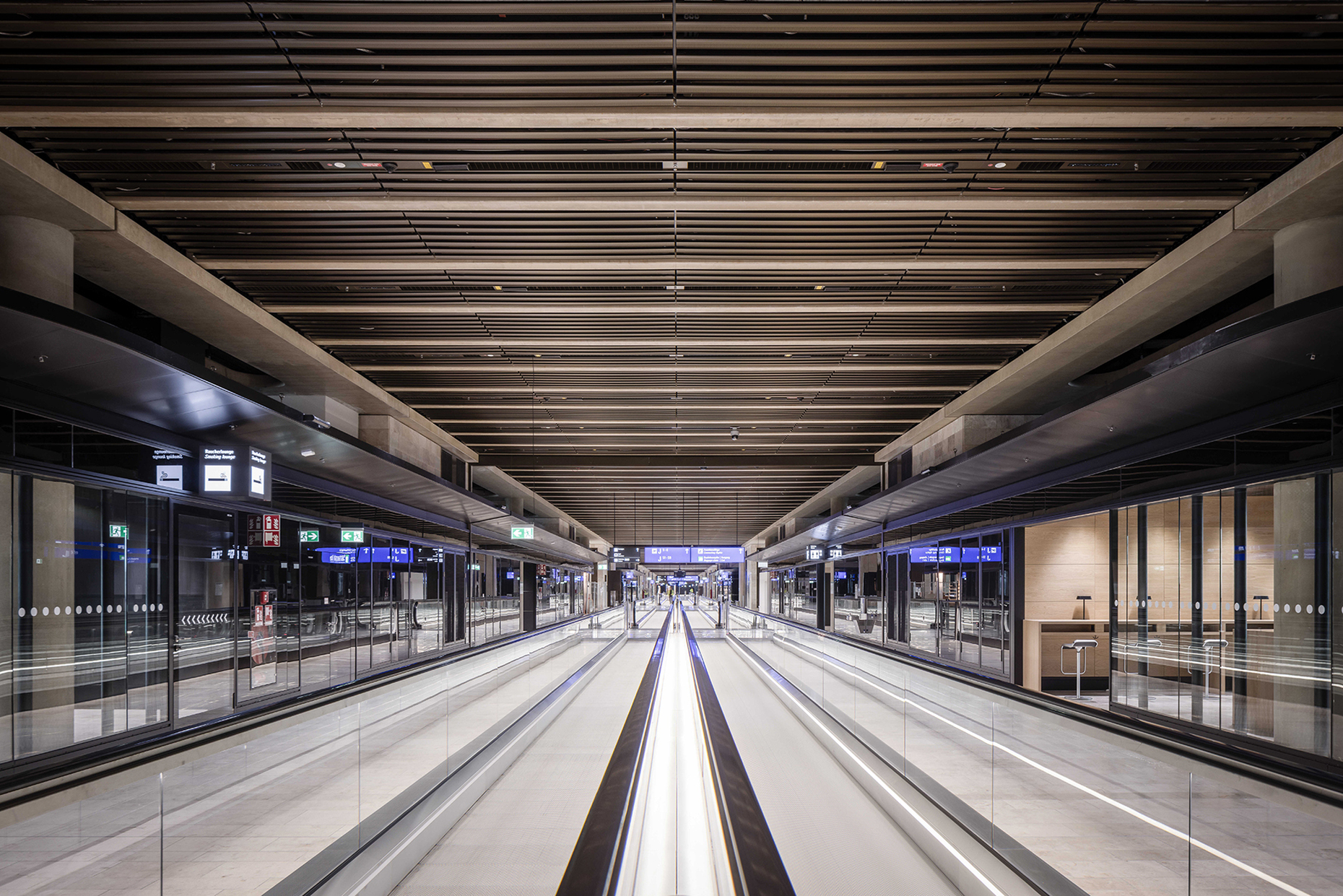
Rainer Aman: One example is the heating and cooling ceilings, which were also specially developed. The challenge here was to combine technical requirements with a unique design. We worked closely with the architectural firm, developed samples, and presented functional prototypes early on. The combination of technical expertise and design excellence was therefore crucial from the very beginning.
Soil systems also play an important role. What was particularly noteworthy here?
Rainer Aman: A heavy-duty floor was installed in the check-in hall that can withstand extreme loads—such as those from vehicles or specialized equipment. Underfloor heating is also integrated. We develop and test such systems extensively in-house under realistic conditions. In total, we installed approximately 30,000 square meters of Lindner flooring systems at Terminal 3. In addition, we carried out extensive finishing work tailored to the various functional requirements of the different areas: among other things, approximately 2,000 doors in a wide variety of designs, 5,000 square meters of glazing, as well as insulation, fire protection, and metal fabrication work. A large portion of the products installed were manufactured directly at our Lindner production facilities.
What were the key lessons you took away from the project?
Franziska Wischnewski: For me, the most important issue is communication. On projects of this size, it’s crucial to work together openly, honestly, and in a solution-oriented manner.
Rainer Aman: I would add that very detailed planning is essential up front. We’ve learned that you have to plan even more thoroughly than you might initially think – especially when dealing with complex interfaces.
What does working at Lindner mean to you personally?
Rainer Aman: Above all, the variety of projects, the collegial atmosphere, and the opportunities for professional development. Many of my colleagues have been with the company for many years—that creates continuity and strong teams.
And what's next for the airport project?
Rainer Aman: At Gate G, certain areas—such as the check-in counter and the baggage conveyor system—are already in operation. We have been supporting the development of Frankfurt Airport for about 30 years now and can look back on a very strong partnership. A major project like Frankfurt Airport is constantly evolving; the details will become clear over the coming years and decades. This is also the concept behind Terminal 3: flexible and quickly adaptable to new circumstances. We look forward to serving as a reliable partner once again for whatever the future holds.