Courage to experiment
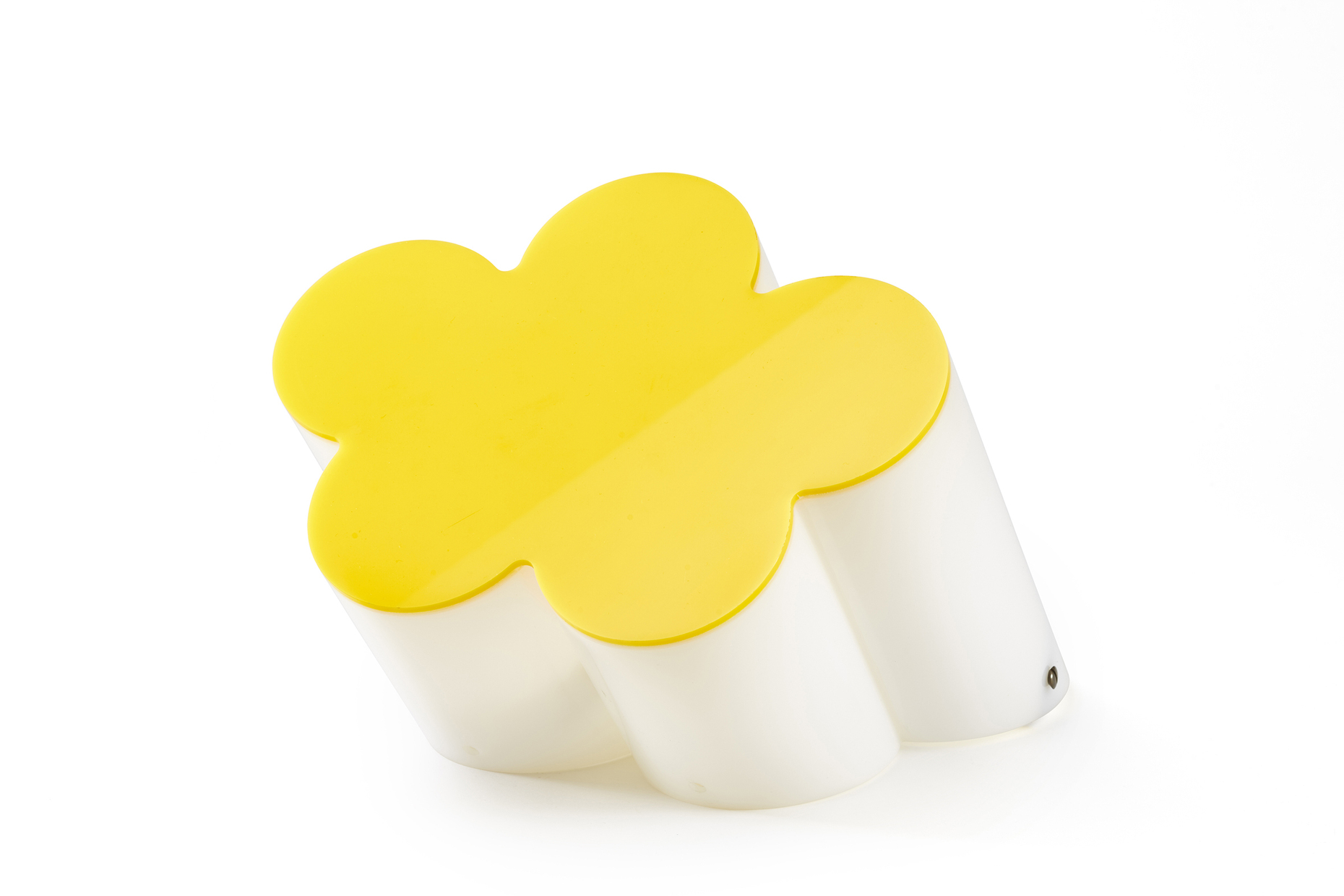
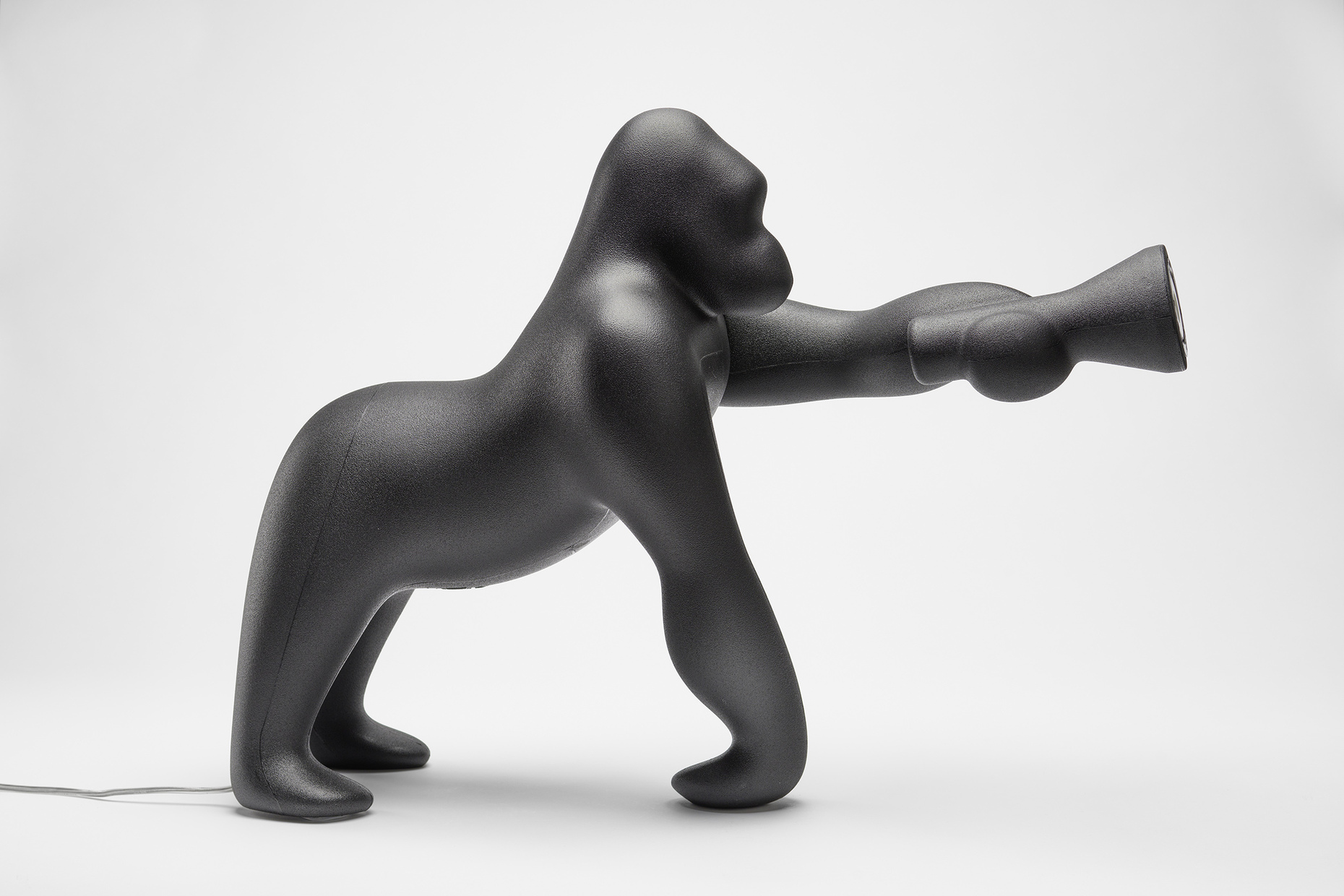
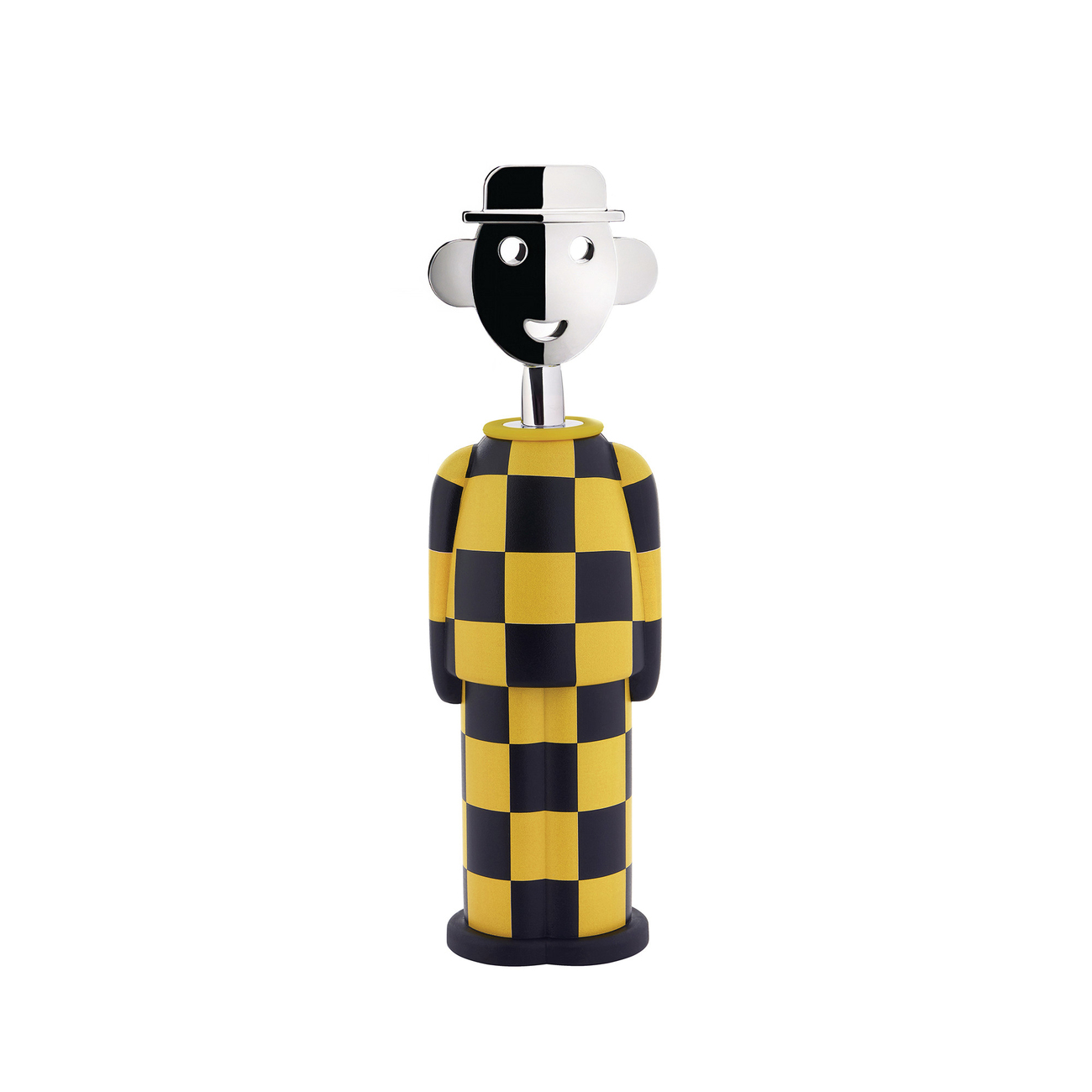
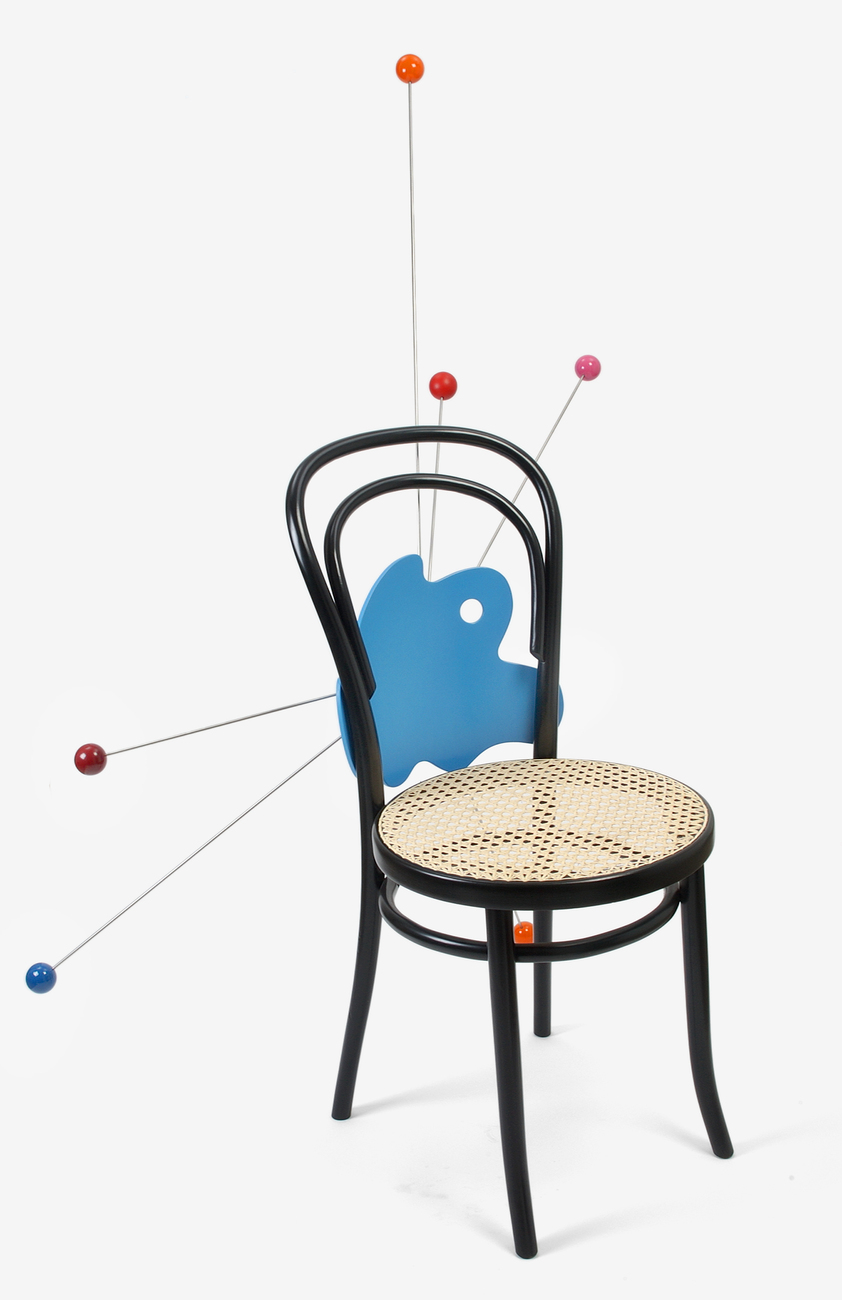
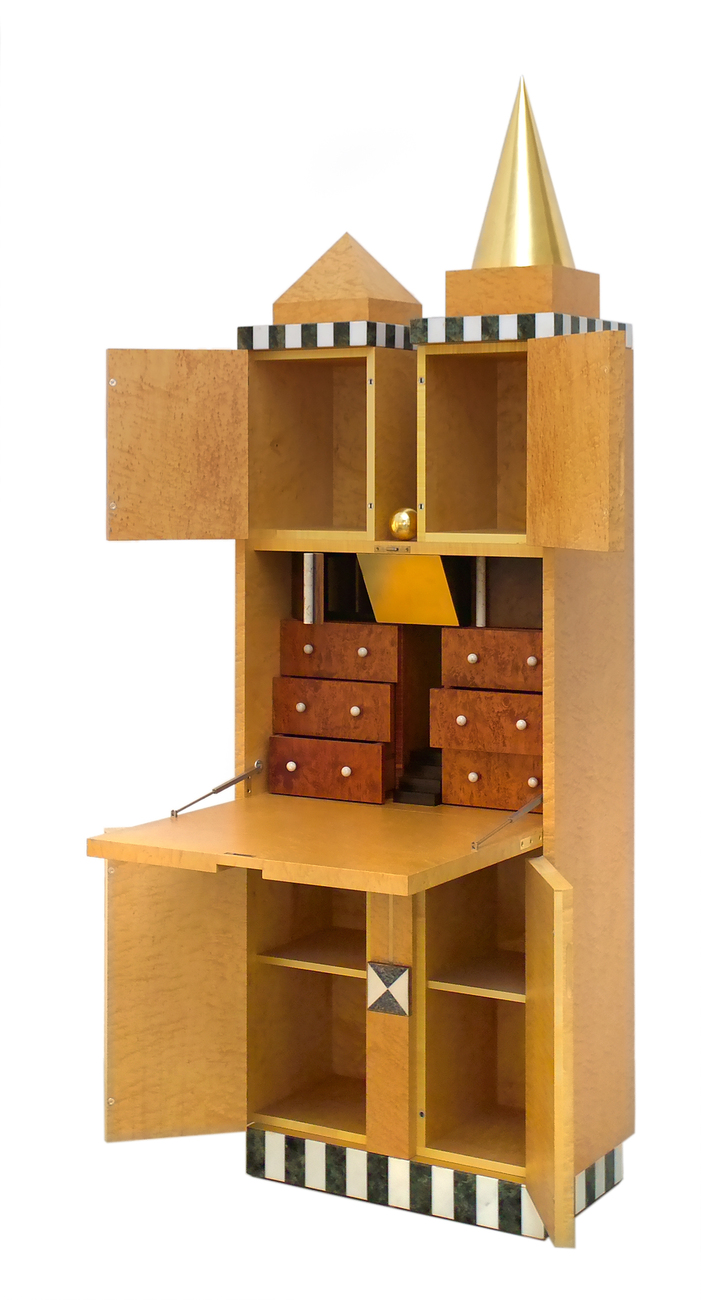
What is kitsch and what isn't? How can unconventional forms contribute to a revolution in design? And what does sustainable design look like? Visitors to the two exhibitions ‘Fun Design I Circular Design’ at the August Kestner Museum can explore these and other questions. The ‘Fun Design’ section provides an overview of what the term means and where the origins of this design movement lie. Offering imaginative designs that contrast with forms derived from function, the highlights range from the influence of surrealism to the Memphis Group, which shook up the dogmas of modernism with its experiments in form and new living concepts. Part of the presentation is the introduction of Seletti and Qeeboo, two Italian companies that attract attention with designs ranging from striking to provocative. References to the Radical Design movement, in which representatives opposed functionalism and commercialism and used design to demand critical awareness, also show that striking does not necessarily mean insignificant.
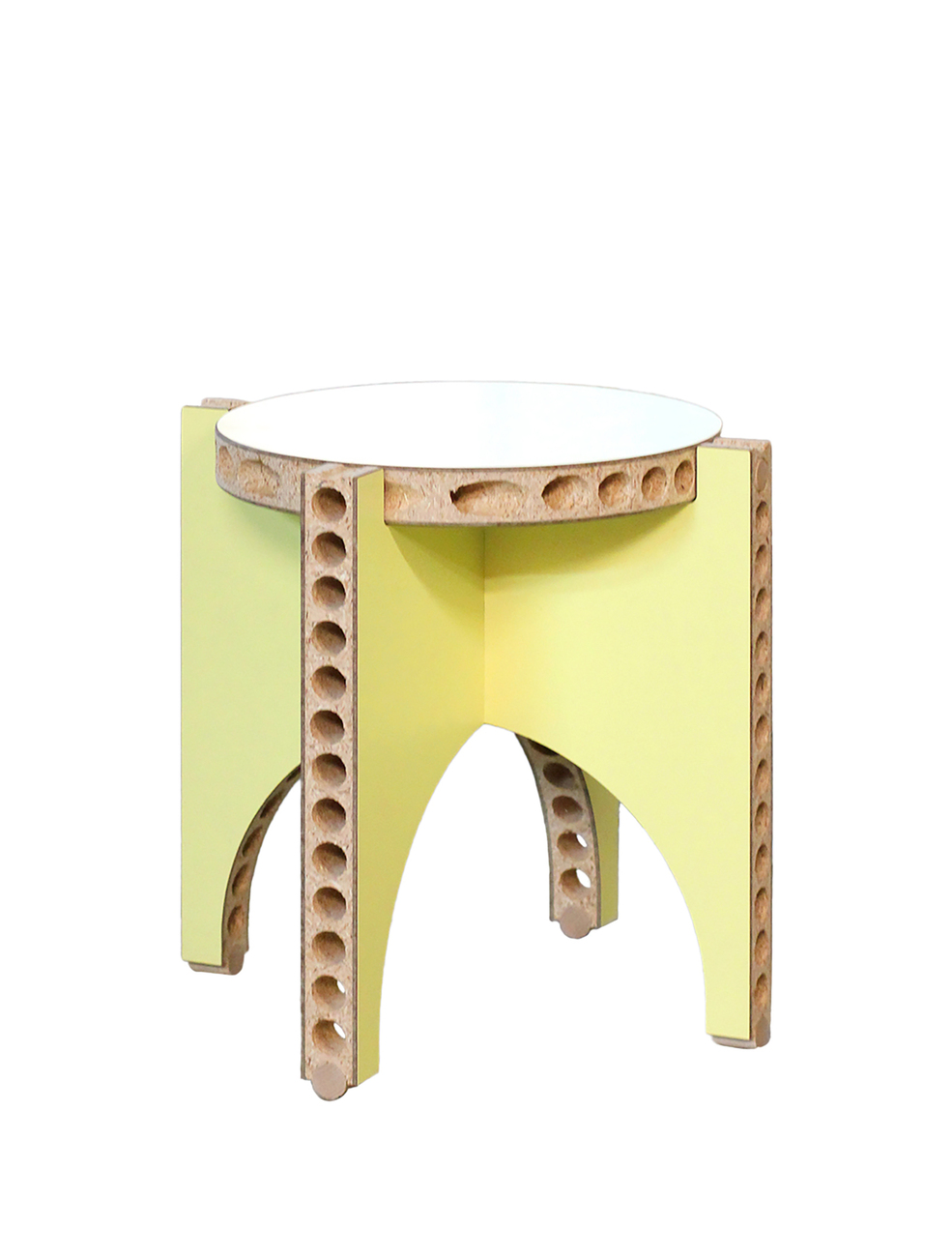
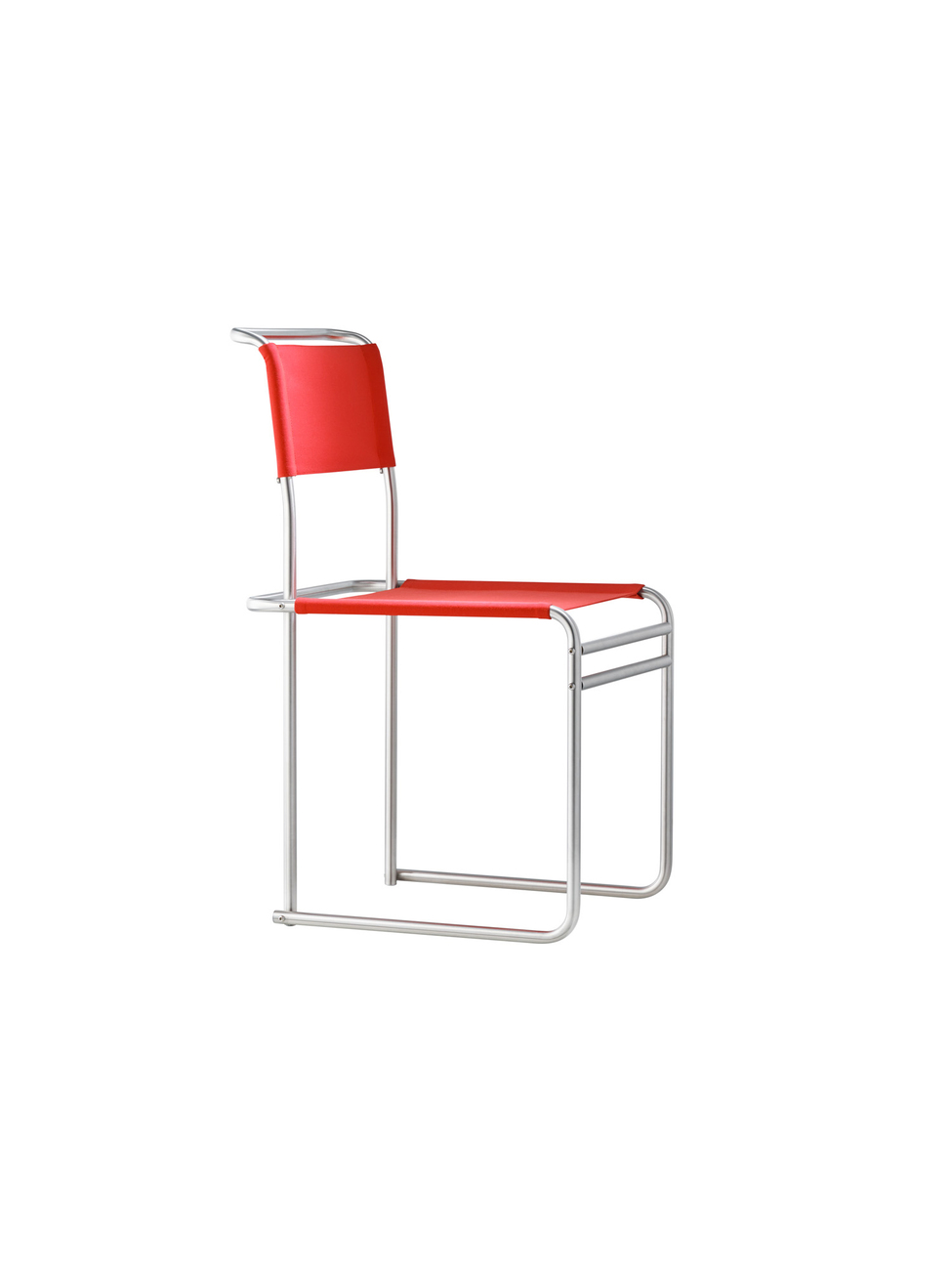
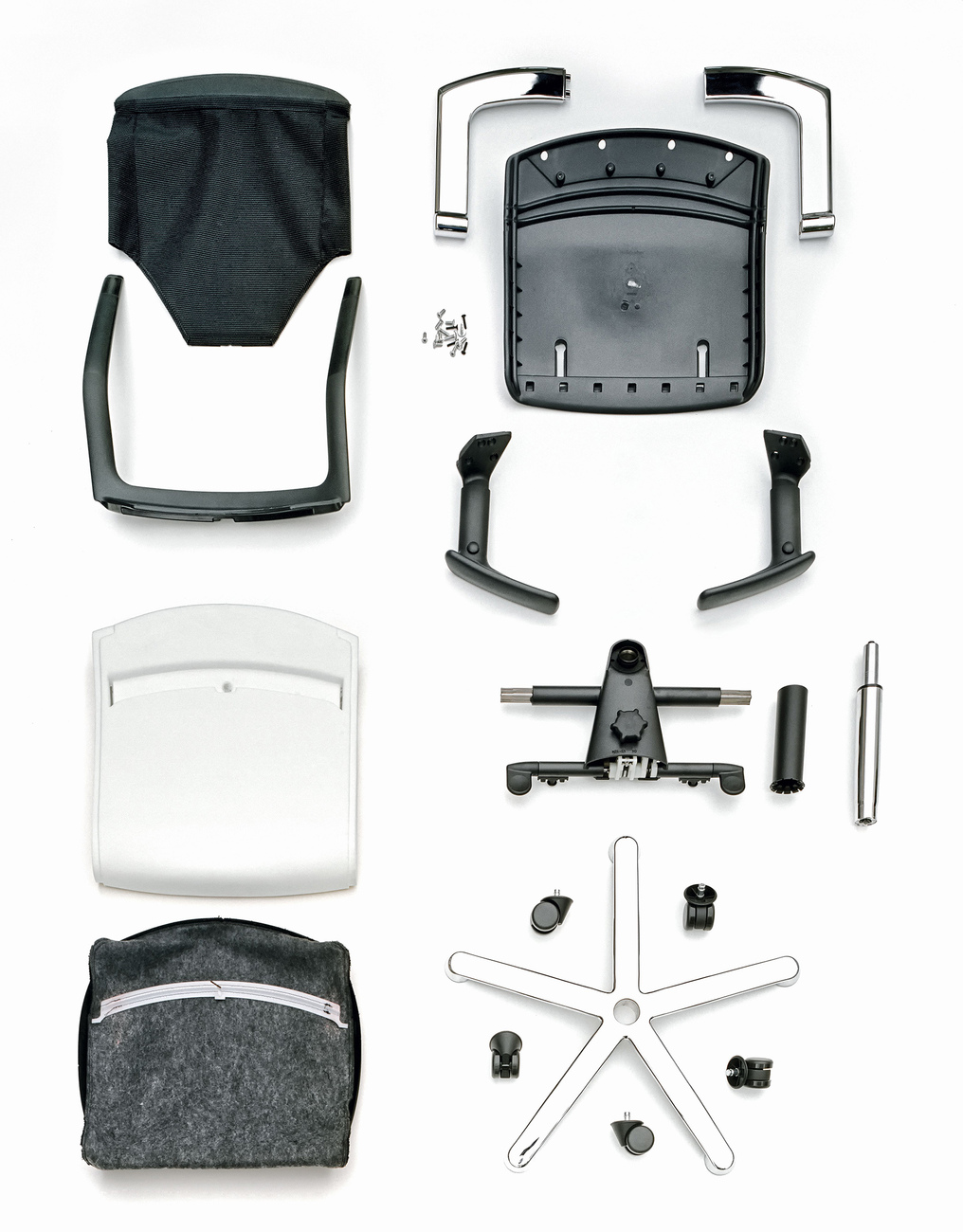
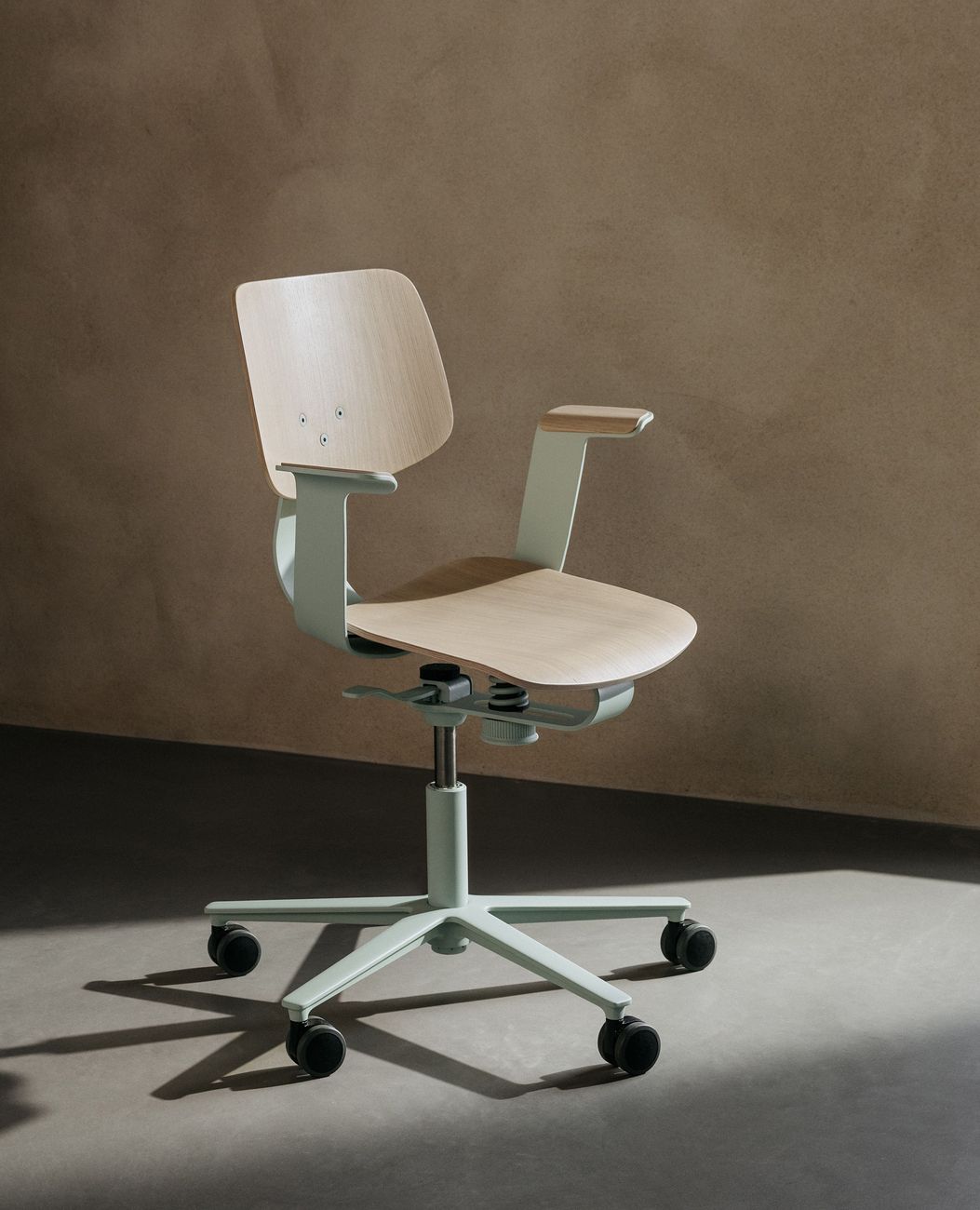
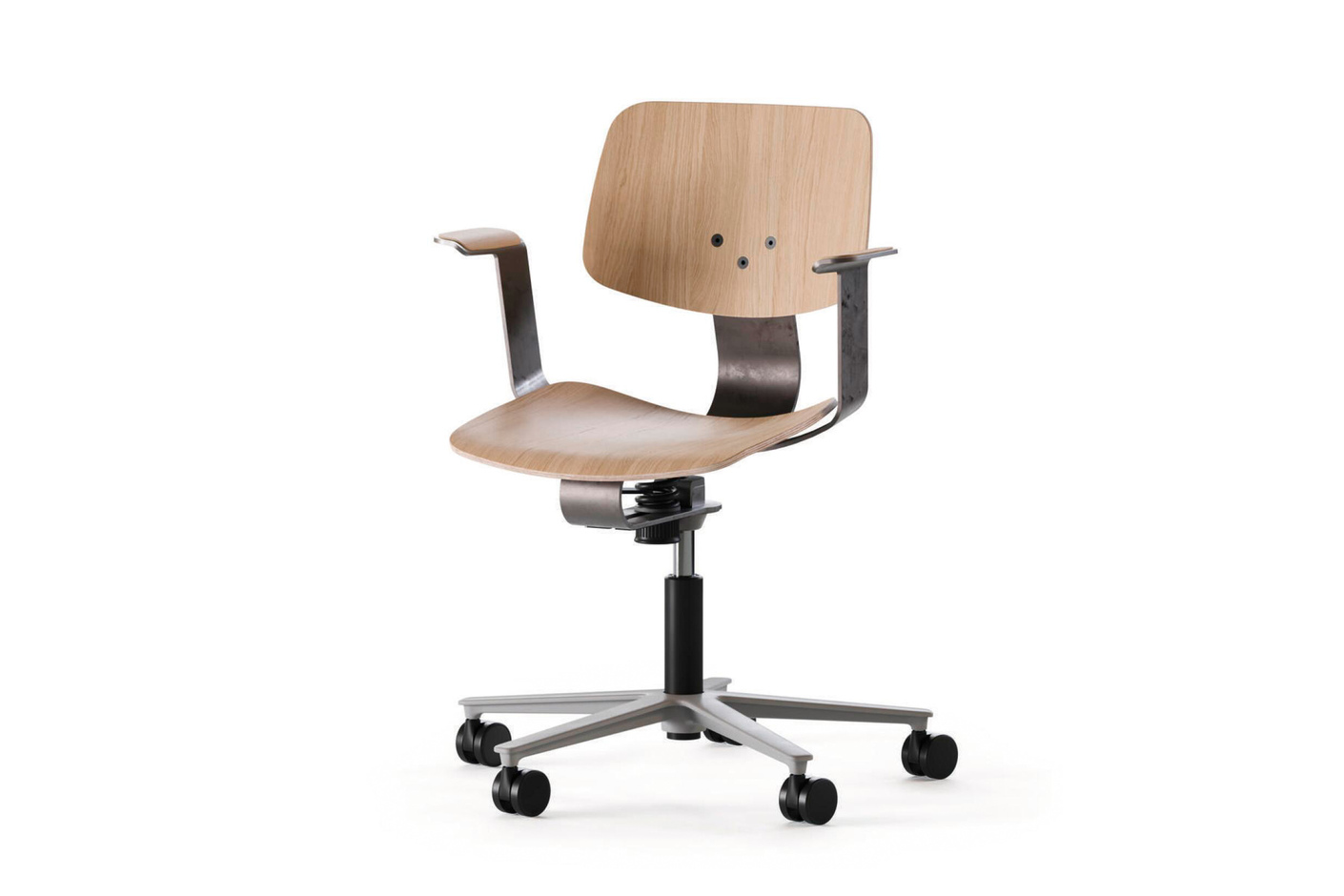
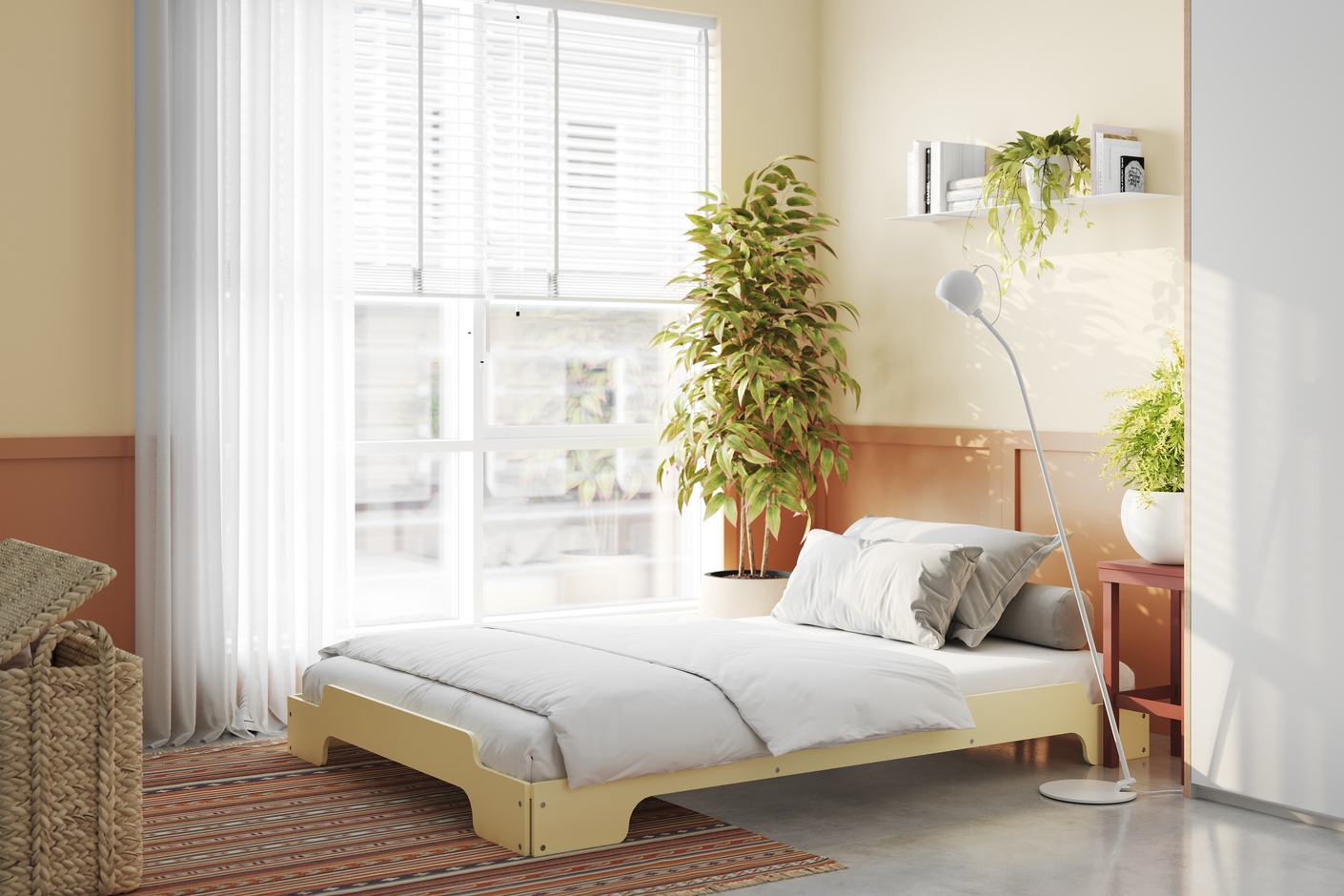
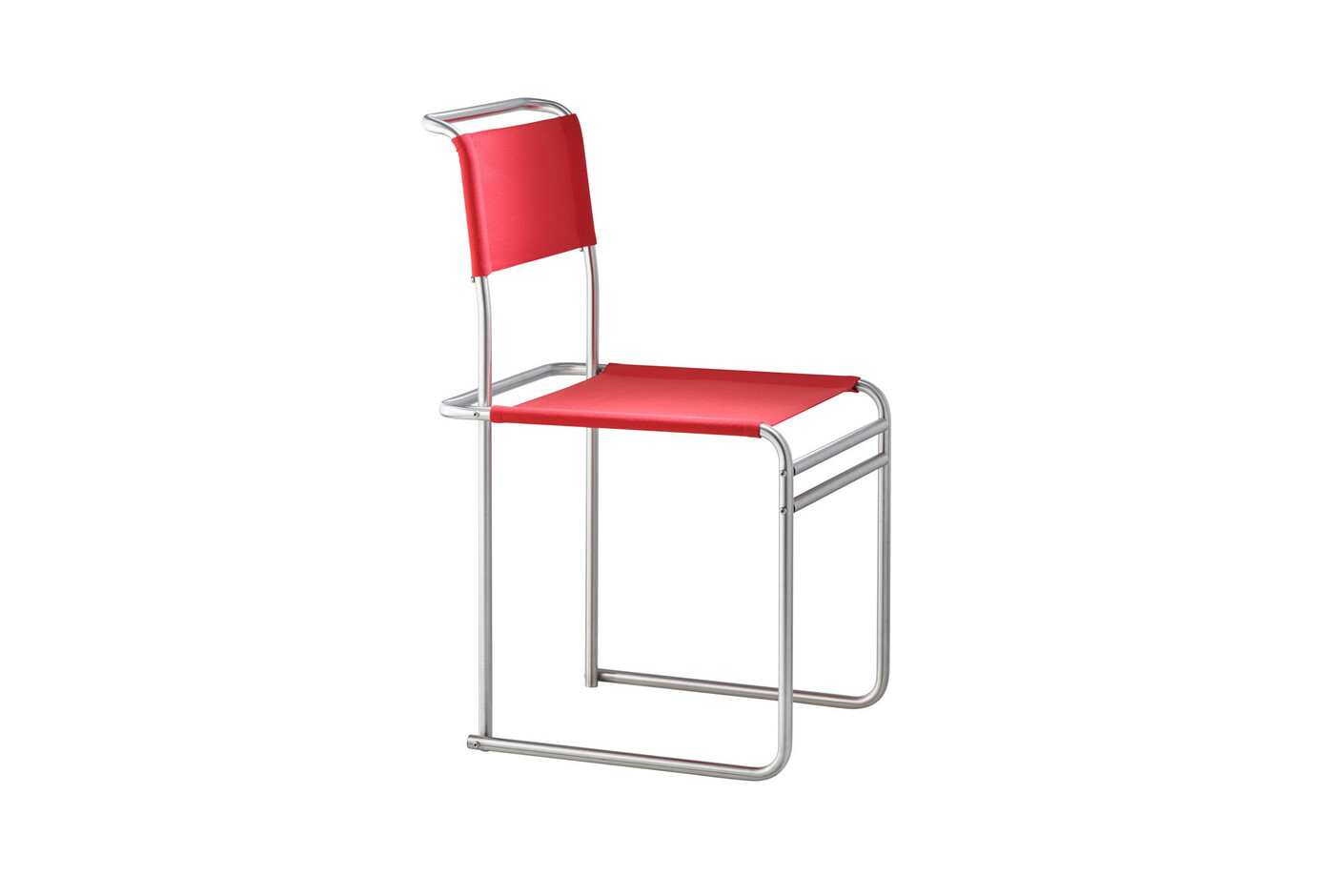
Thinking outside the box – this creative skill is also the bridge to circular design: experiments in form and material serve a design that helps to maximise added value and operate in a more holistic and sustainable manner. The exhibits showcase the possibilities offered by circular furniture and product design, but also the challenges that arise from repositioning within the industry. The exhibition focuses primarily on the efforts of Lower Saxony-based companies to achieve sustainable design, such as Tecta, Müller Möbelwerkstätten and Wilkhahn. Modular systems, recycled and recyclable materials, and structures that are reduced to the essentials and can be repaired characterise the manufacturers' product ranges. The exhibition is complemented by research projects: exhibits from institutes at Hanover University of Applied Sciences and Arts and Leibniz University Hanover explain how bioplastics are made, for example from asparagus peelings, or how plastic recycling works – for example, with the help of disused fishing nets. The diversity of creative possibilities in plastic recycling becomes clear when looking at the portfolio of the Bär + Knell group: Beata Bär, Gerhard Bär and Hartmut Knell have been designing objects from recycled plastic since the early 1990s, from furniture and lighting to church furnishings.
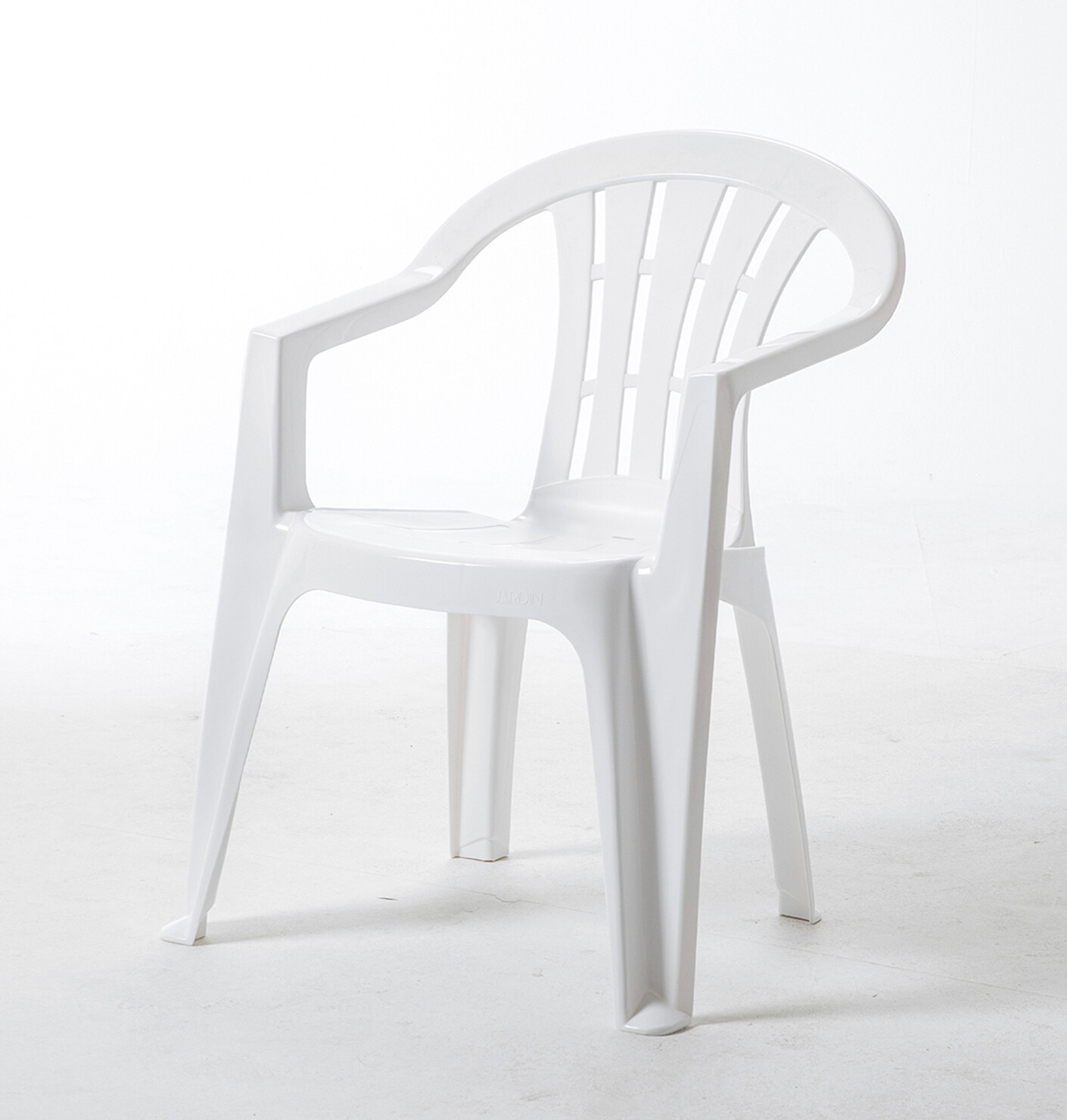
The curatorial team addresses the problem that design and its immense significance for our present and future are often underestimated with an extensive educational programme. This includes discussions and lectures with experts from the natural sciences, economic and design theory, as well as with designers and design practitioners. The interactive offerings include open workshops and seminars, for example with local initiatives for the upcycling of everyday objects. Or, in the context of the film screening of ‘Monobloc’ by Hauke Wendler, designer Simon Kux will talk about the world's best-selling plastic chair. An accompanying programme for schools is also offered. The presentation is supported technically and financially with around 126,000 euros by the German Federal Environmental Foundation (DBU), based in Osnabrück, and funded by the Lower Saxony Foundation. According to Verena Exner, the DBU expert responsible, ‘sustainable products are central to realising a functioning circular economy.’ According to her, the two exhibitions effectively contrast the tension between the ‘fun society’ and an economy and society geared towards sustainability. ‘At the same time, the project creates important spaces for controversial and solution-oriented discussions and actions,’ says Exner.