Design culture needs a public platform
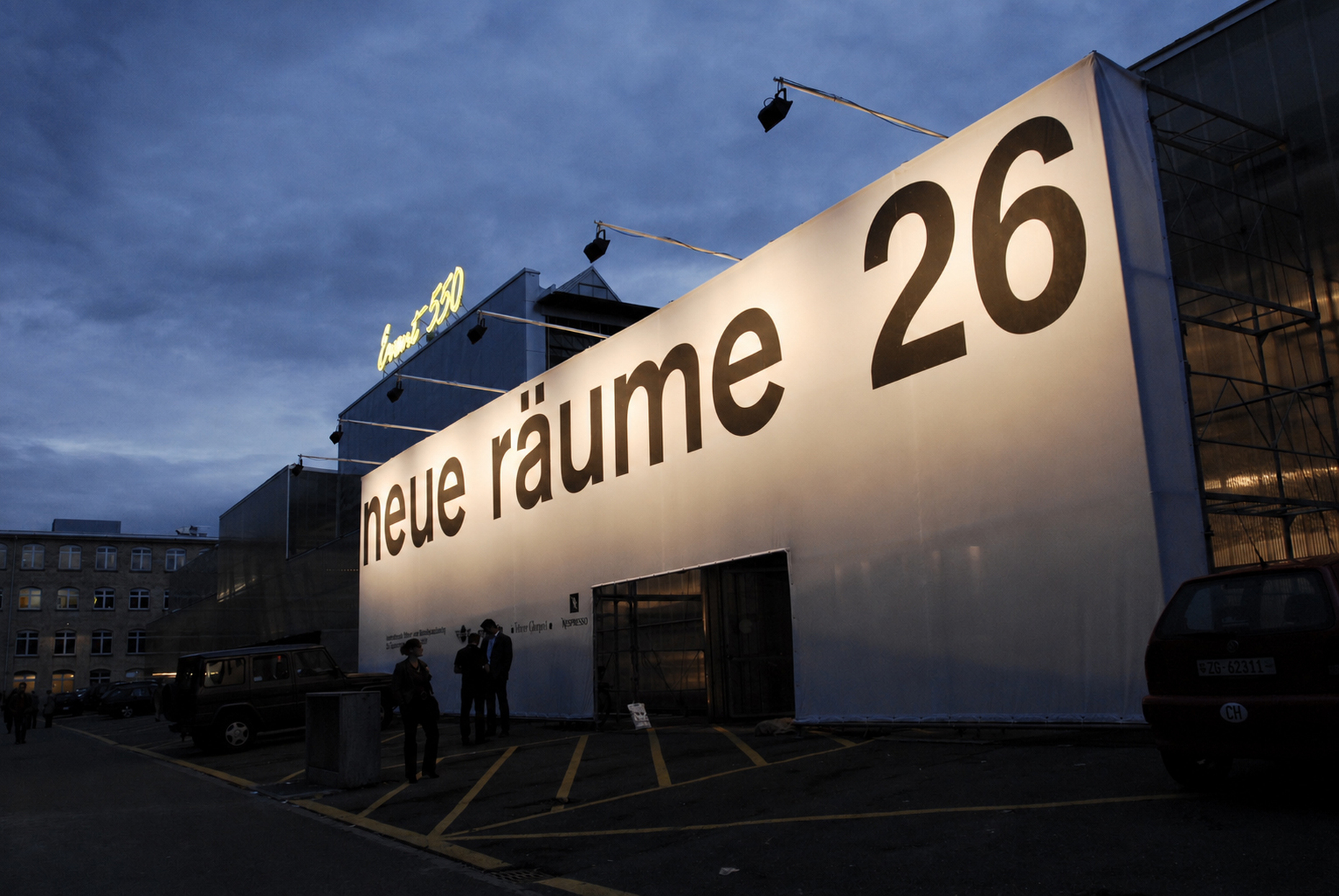
Anna Moldenhauer: This year, neue räume is taking place for the 13th time – from 24 to 27 September 2026, around 90 exhibitors from ten countries will be presenting their products in Hall 550 in Zurich-Oerlikon, including ClassiCon, V-Zug and horgenglarus. The event is not a sales fair, but is aimed at a broad audience and focuses on engaging with visitors. Could you explain the concept in more detail?
Stefan Zwicky: The idea originated in 2001 from a question that has long preoccupied the industry: How can upmarket specialist retailers attract new customers? Our answer is a concept that brings together manufacturers’ displays and specialist retailers. Specialist retailers are therefore firmly integrated into our concept, whether through their inclusion in the programme magazine or via the offerings in the specialist retailer’s lounge. They act as intermediaries for subsequent sales and support us in promoting the event. If, for example, a visitor is interested in a ClassiCon product, they can be put in direct contact with a retailer in their region. This creates a link between the manufacturer, the specialist retailer and the end customer. The exhibitors come from across the entire interior design sector: the focus is on furniture, lighting and home textiles, whilst expertise in kitchens, bathroom solutions and other areas of home living – such as wallpaper and paint – is also represented. We aim for as diverse a mix as possible, as inspiration is what makes the exhibition so appealing. As innovation cycles in the furniture industry are significantly longer than in fashion, for example, we organise neue räume every two years.
Once you said that neue räume should be like an assortment of chocolates. The target audience is correspondingly broad: architects, interior designers, designers, planners and private individuals. What criteria do you use to select the exhibitors?
Stefan Zwicky: We value both end consumers with an interest in design and professionals from the fields of interior design, architecture and planning. Accordingly, our selection of manufacturers is geared towards our specialist retail partners, who are predominantly companies operating in the upmarket segment. There are no rigid criteria, but certain guiding principles. For example, it makes little sense to showcase manufacturers whose products are not available through specialist retailers, as they sell via large-scale distribution channels or discount outlets. Alongside international manufacturers, we include Swiss companies – this has always been important to us. Many of them work closely with local designers and do not produce mass-market goods. For them, it is crucial to be able to present themselves to a wider audience every two years. From the outset, the aim of neue räume was to bring both worlds together, rather than focusing solely on the specialist audience. It is an alternative to similar events in Switzerland, such as the biennial “Designers’ Saturday” in Langenthal, which took place from 1987 to 2020, or when considering the history of furniture fairs.
So the audience should also be as diverse as possible.
Stefan Zwicky: Exactly. Right from the start, we’ve tried to incorporate diversity into our concept. Exhibitors don’t need to set up elaborate exhibition stands with us. We provide an infrastructure that offers the same conditions to everyone. The rental price includes carpet flooring, fabric partitions, standardised stand signage featuring the respective logo, and basic lighting. This creates a calm, orderly overall impression. Companies can focus on their products rather than investing significant resources in temporary exhibition architecture. Furthermore, every exhibitor is allocated their own presentation section in the programme magazine, which is distributed via various home and consumer media with a print run of 140,000 copies.
Together with the photographer, typographer and designer Alfred Hablützel, who sadly passed away in January this year, you had already created special exhibitions for the Swiss Furniture Fair before founding neue räume. What do you consider important today when it comes to their design?
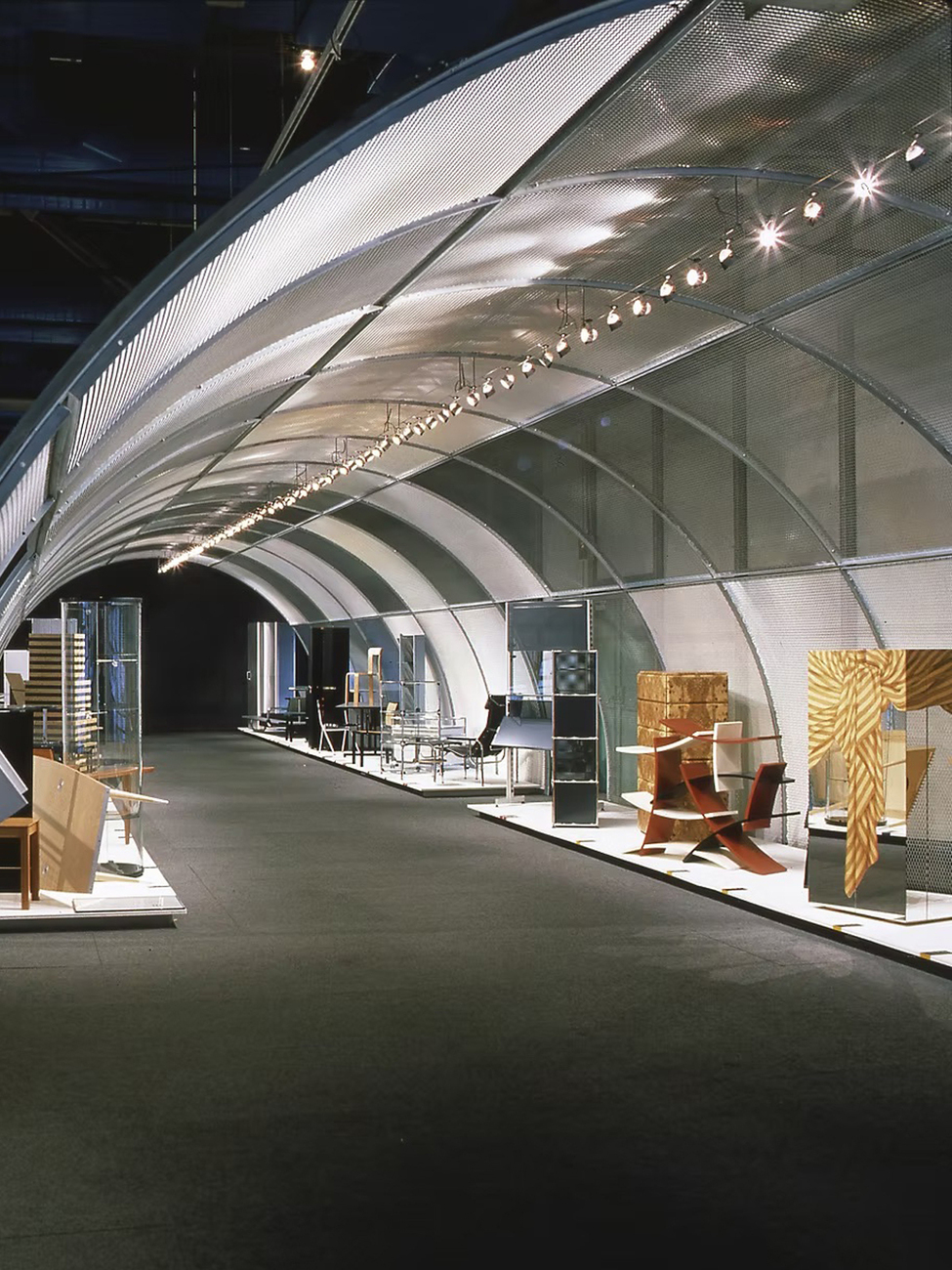
Stefan Zwicky: It’s a bit like being at a market: over time, you gather ideas, topics and developments that you come across. Our aim is to present content that is as interesting and relevant as possible. The focus changes from issue to issue. We pick up on current developments from various fields, such as the history of Swiss furniture, design anniversaries, publications or regional initiatives like ‘Graubünden Holz’. Presentations by design schools are also a regular feature. We bring these different perspectives together to offer a multifaceted mix of topics, viewpoints and approaches.
Stylepark, which at the time was the first online platform for architecture and design-related products, was involved in the first edition of neue räume. Can you still remember what we achieved together back then?
Stefan Zwicky: Even back then, it was important to us to work with partners who had an eye for design and home décor. Right from the very first edition, we were able to establish neue räume as Switzerland’s leading international interior design and furniture exhibition for the high-end market. 20,000 visitors attended the launch and the feedback was overwhelmingly positive – not least regarding the networking opportunities with new manufacturers and creative professionals. At the time, Stylepark had its own stand with terminals where guests could experience the functionality of the new service. There were also installations by art director Klaudia Kampa: computer-generated projections on the theme of interior design objects, which offered entirely new perceptions of space. And as our current collaboration shows: the connections forged at neue räume are long-lasting.
Have you ever thought about extending the format to other cities?
Stefan Zwicky: No, because the concept thrives on local networks – from specialist retailers to local planners, architects and manufacturers. These relationships have developed over decades. In another city, we would have to rebuild this network from scratch. That is why Zurich is the right location for us, both historically and structurally. We also face challenges within Switzerland itself, as it is an intercultural country with a quadrilingual identity. We therefore constantly strive to find new ways of networking with specialist retailers and partners. Our sector is also very niche – anyone interested in cars naturally goes to the Motor Show. In the field of home furnishings and interior design, the target audience is smaller, and home culture lacks a strong political lobby. Whilst art, photography and theatre are naturally regarded as culture and widely supported, when it comes to home culture, the argument is often made that it is an industry and must therefore be self-financing. Yet the subject affects everyone, as we all live in and shape our surroundings. In my view, home culture deserves greater cultural recognition.
Alongside neue räume, the Zurich Design Week is taking place. To what extent do the formats complement or differ from one another?
Stefan Zwicky: The focus is different: whilst the Zurich Design Week programme focuses more on studios, universities, experimental projects and emerging talent, at neue räume we concentrate more on manufacturers, products and practical applications. Although there is some overlap, the two formats each cater to different needs. In the long term, it would certainly be worth considering combining our communications efforts.
Are regional formats becoming more important in the face of the current economic uncertainties?
Stefan Zwicky: Yes, definitely. Medium-sized manufacturers, in particular, are now thinking more carefully about where to allocate their budgets. Many of them are finding that they receive more direct feedback at regional events and do not get lost in the crowd at large-scale international events. What’s more, visitors now often travel for shorter periods and with a clearer purpose. As a result, more compact events with a clear focus are becoming increasingly attractive.
You also run your own architectural practice – many of your projects are based on existing buildings. What is most important to you in this regard?
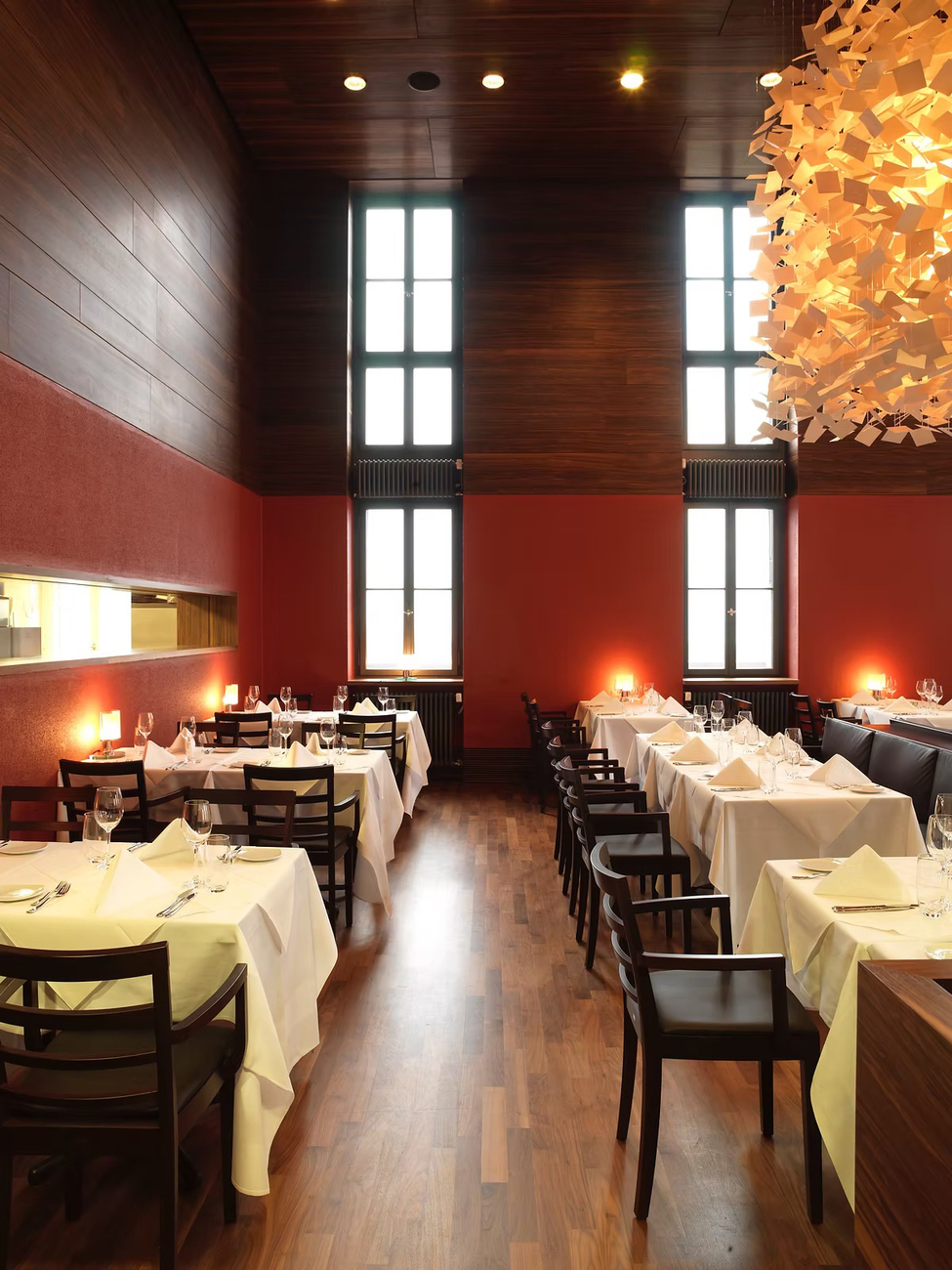
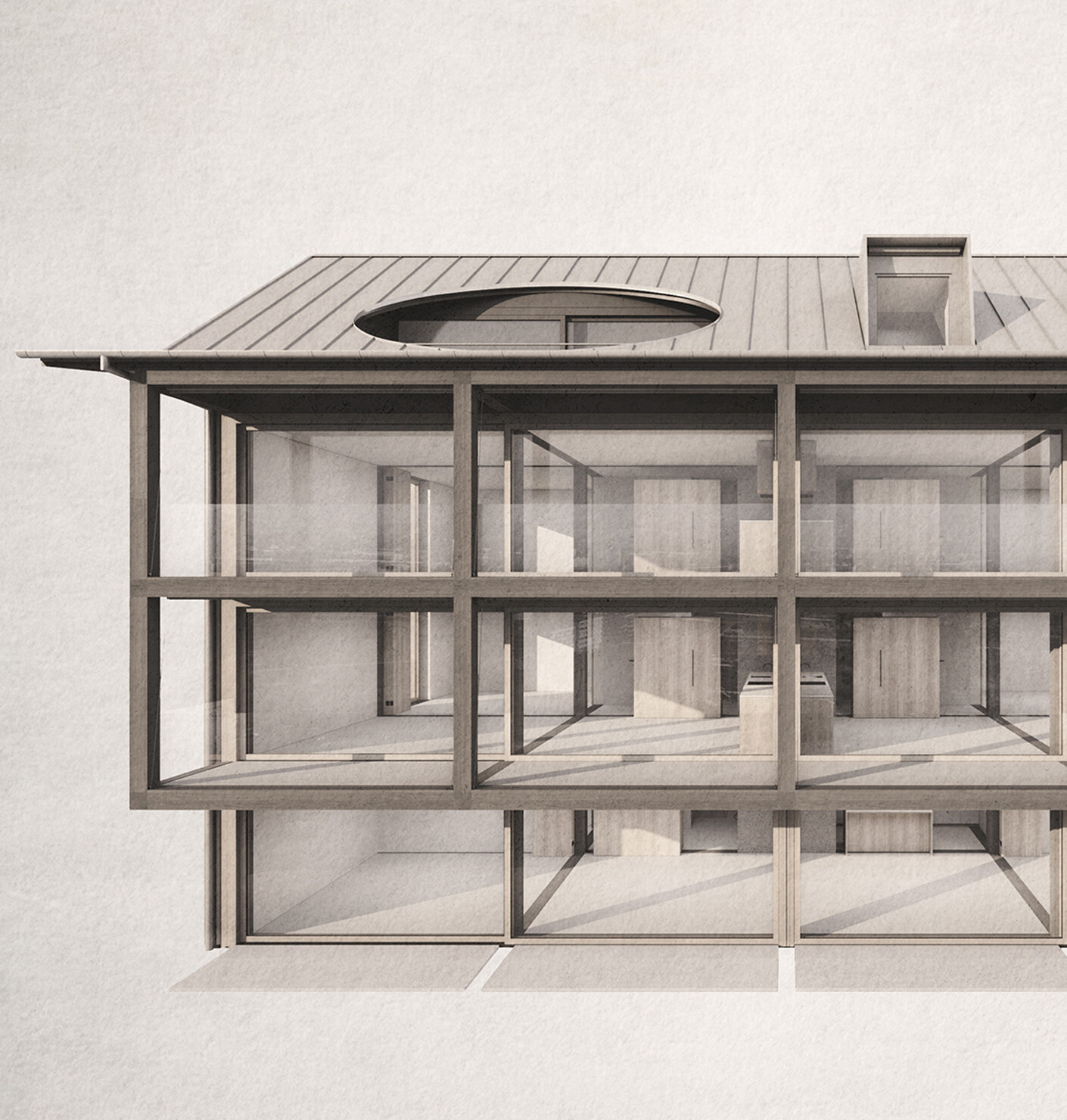
Stefan Zwicky: For us, every project begins with an analysis of the brief and the location. We try to understand what story needs to be told and what identity already exists. For Café Schwarzenbach in Zurich, for example, we translated the themes of coffee and tea into the space through materials, colours and atmosphere. The Uniturm at the University of Zurich, on the other hand, was a completely different challenge. The aim there was to make effective use of this extraordinary location with its spectacular views, whilst at the same time meeting the requirements of heritage conservation. I’m interested in the connection between content and design. It is only through this that a credible identity emerges.
You work across disciplines as a designer, editor and curator. What is your main focus?
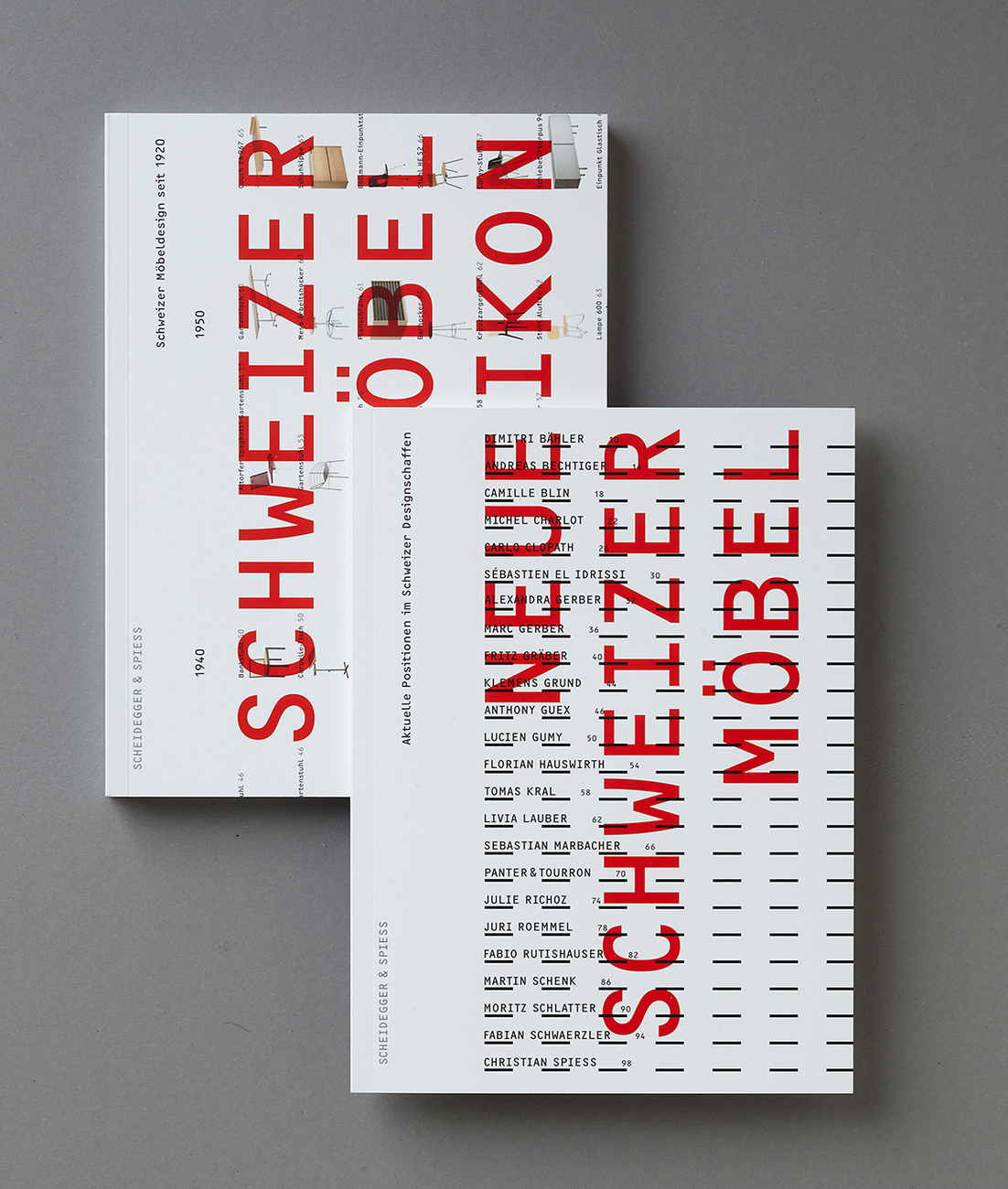
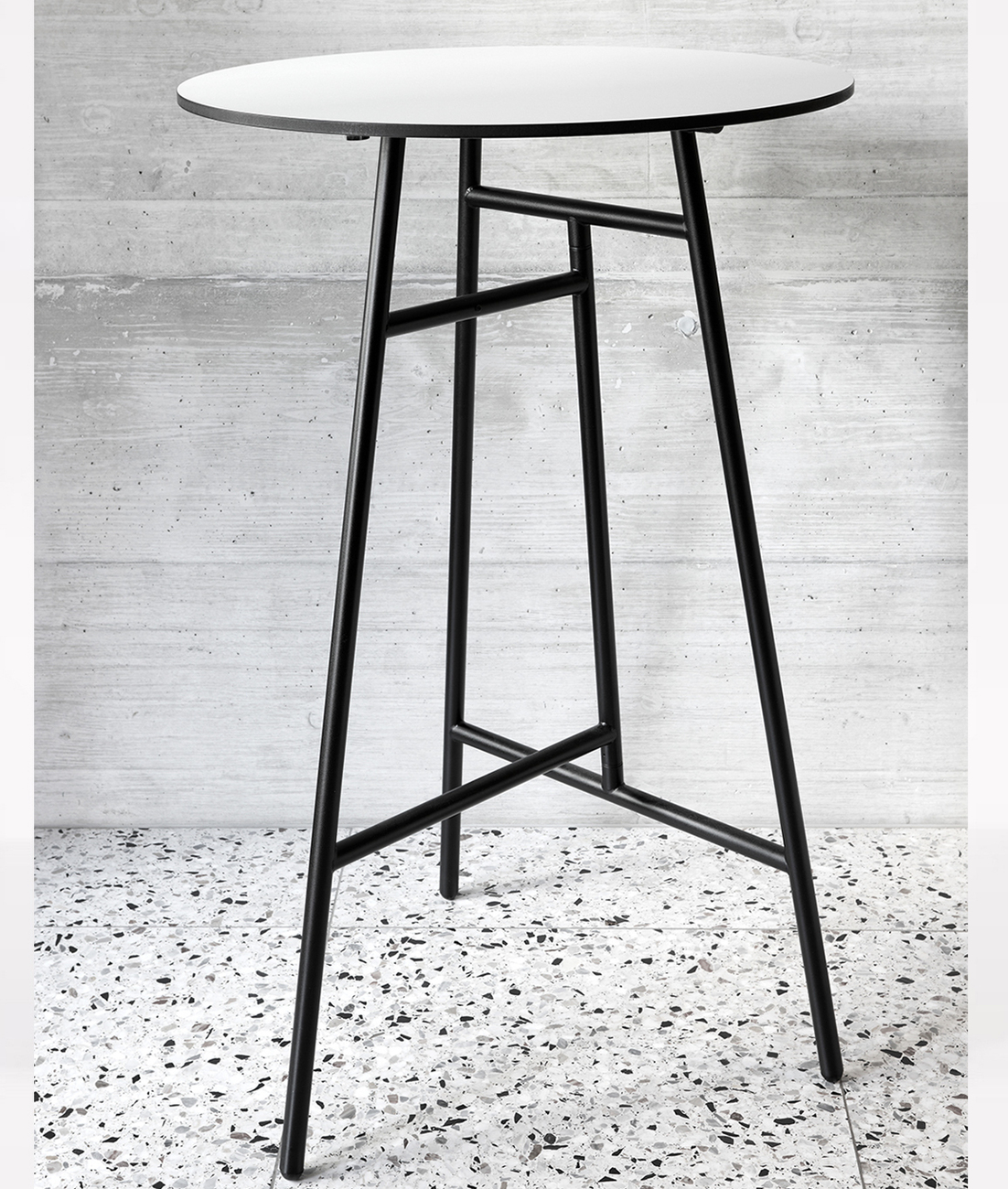
Stefan Zwicky: With every design, I ask myself whether it is actually needed. A piece of furniture should not only look attractive, but also serve a specific purpose and, ideally, fulfil a function that has not yet been addressed. Designers invest a great deal of time and energy in developing new products. That is why I am particularly pleased when a design finds its place in people’s everyday lives and is used over the long term. I have always engaged intensively with the various categories of design: limited-edition design, artisanal design and industrial design, sometimes in collaboration with Alfred Hablützel. Products are created under very different conditions and with completely different objectives. These differences are not sufficiently recognised in public discourse.
What are you currently working on?
Stefan Zwicky: At the moment, of course, the focus is on the upcoming issue of neue Räume. In addition, my team and I are working on a project for the Swiss Consulate-General in New York: our task is to develop the atmosphere and identity of the spaces – from the furnishings and lighting right through to the colour and material schemes. Projects like these are particularly exciting, as the spaces need to be representative whilst also offering a pleasant and welcoming atmosphere. In recent years, we have already carried out the planning and design for Swiss diplomatic missions in Tel Aviv, Beirut, San José, The Hague and New Delhi. Each location brings its own cultural, architectural and functional requirements. It is this endless variety that makes the work so interesting.