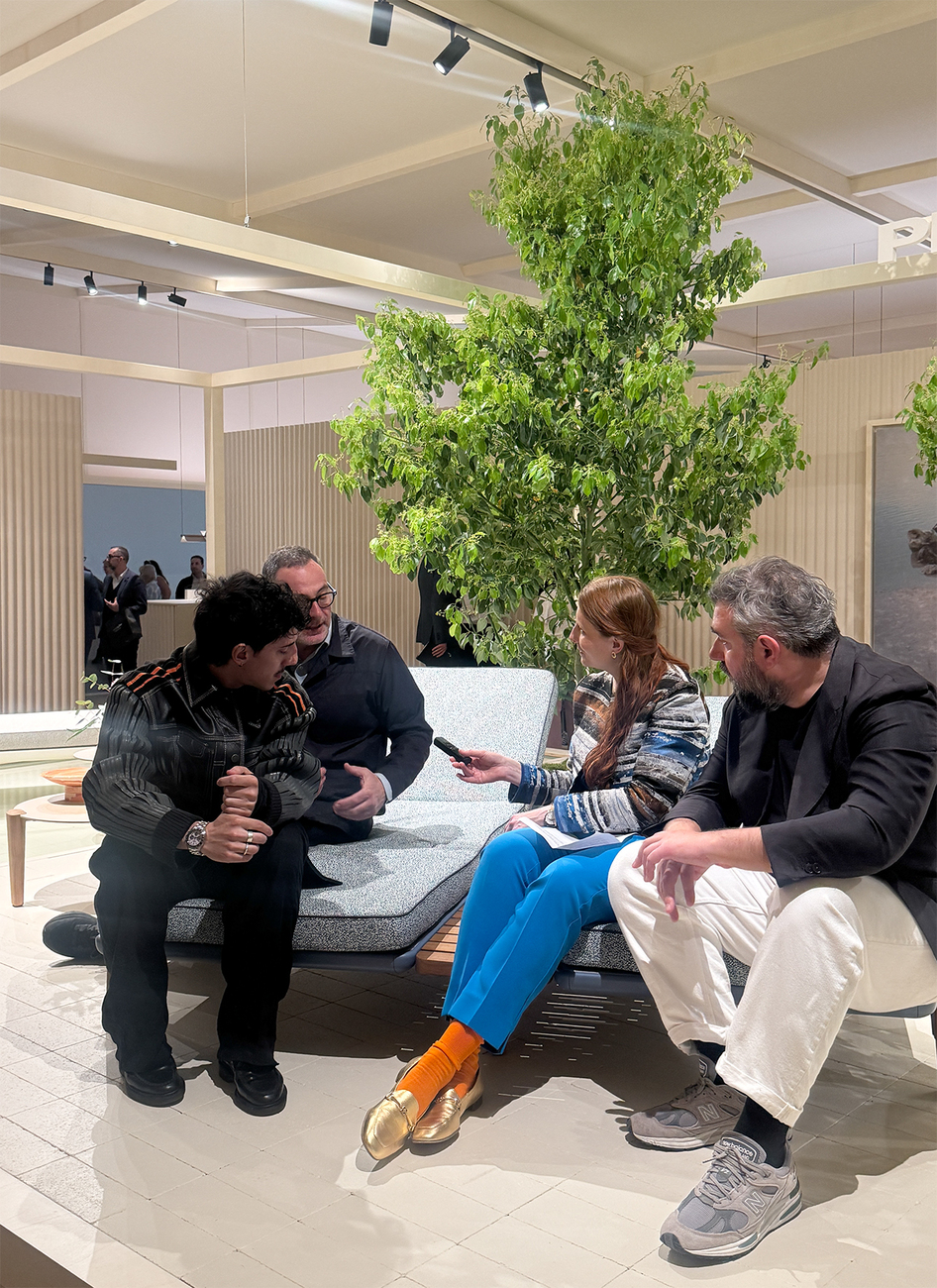
STYLEPARK PEDRALI
Freedom to explore new paths
Anna Moldenhauer: What was your basic idea when you started this project?
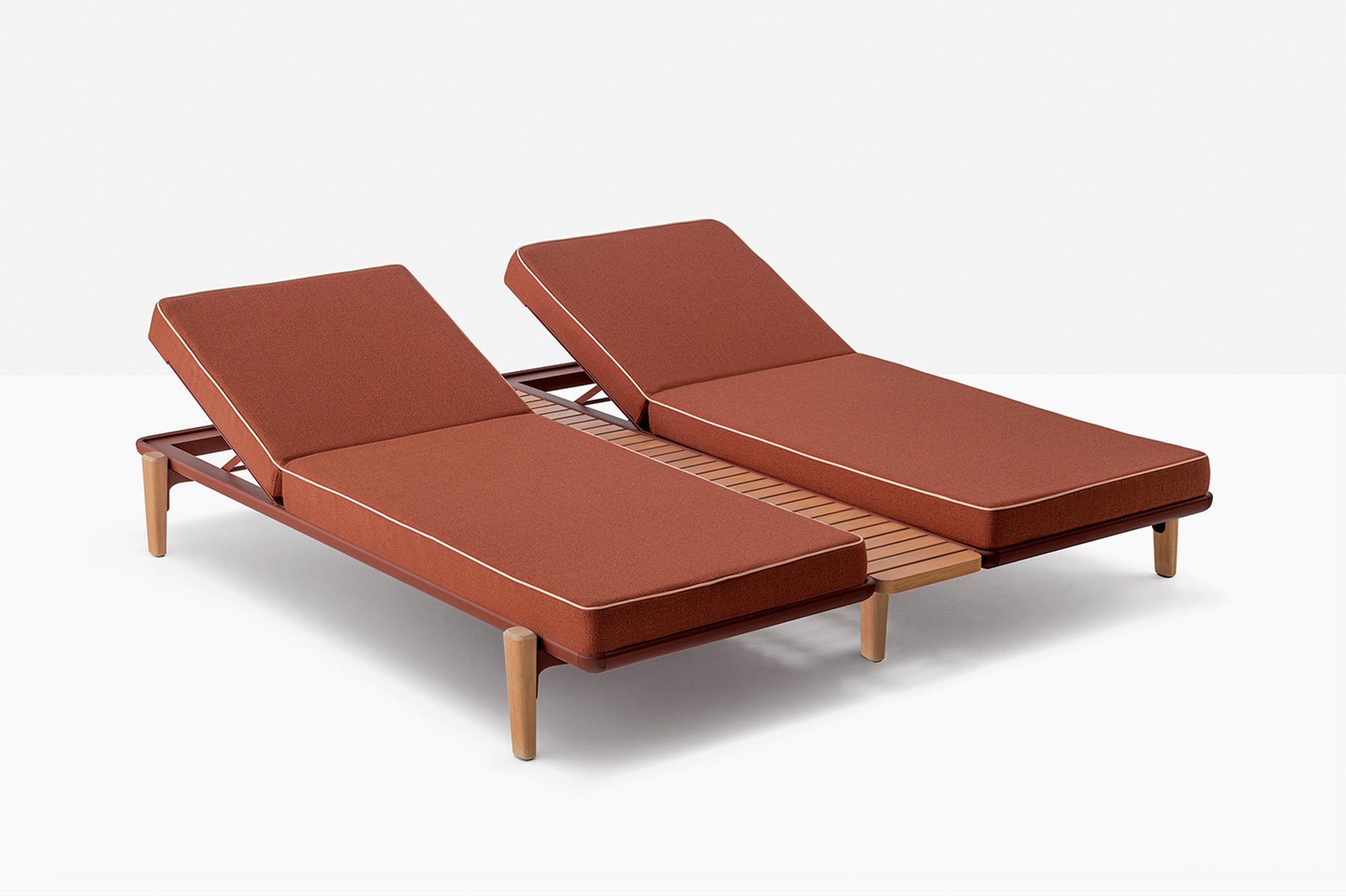
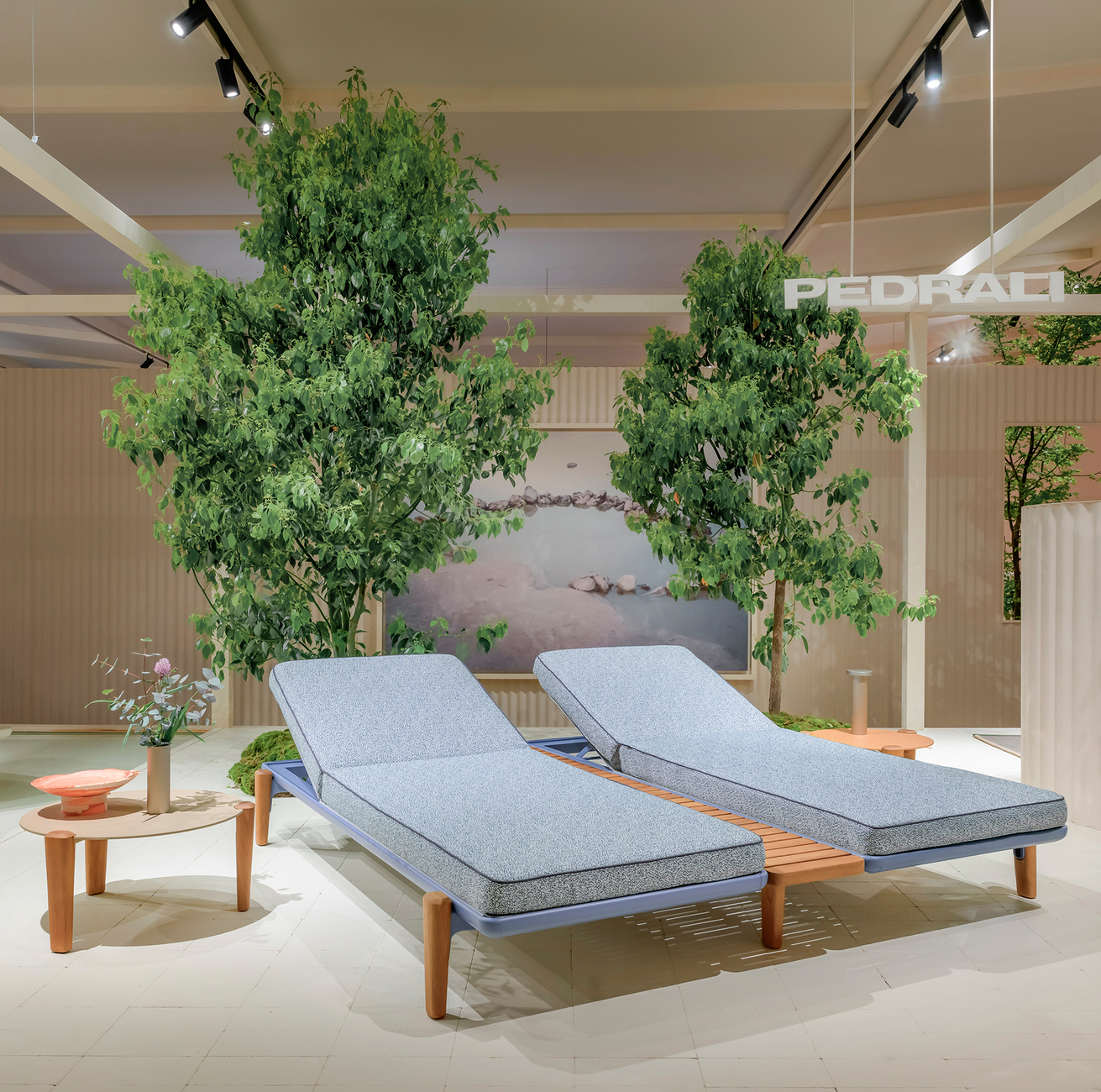
Andrea Borgogni: The starting point was the design of a daybed collection with matching tables. We wanted to work with wood, a warm and natural material that conveys a high level of comfort. At the same time, we wanted to combine this with aluminium and various other components. The result is a highly complex object that nevertheless appears very simple externally. The greatest challenge was uniting the teak wood legs with the load-bearing aluminium structure to create a durable product. When designing a chair, for example, the main stress points are obvious. In this case, however, the situation was completely different. Thanks to Pedrali’s openness to new ideas, and our collaborative development process, we were able to create a product that fully met our expectations. This included the option of expanding 'Fibra' at any time, for example with additional tables or further elements within the collection. We are always concerned with striking a balance between complexity, simplicity, and expandability.
Is there any further contribution you wish to make?
Emanuele Novembre: Yes. We live in an age where everything has become very fast-paced. When Pedrali asked us to design a product that explored the concept of slowing down, we initially found it challenging. The object had to be technologically sophisticated, yet also radiate lightness and simplicity. Our aim was to simplify complex processes to create something that functions intuitively, much like the human body. With an aluminium frame and and teak wood pegs, we wanted to convey this lightness and tranquillity precisely. For us, this brings the circle between challenge and result. What made this project particularly wonderful was the intensive teamwork, both within our studio and with the Pedrali team. From the outset, they showed us the technical possibilities and were willing to go further than in a conventional project. They made extrusions and new shapes possible, giving us the means to execute the project with great detail and precision. We thoroughly enjoyed this process. The result is the first pieces in a collection that we are truly impressed by.
AMDL CIRCLE is known for challenging conventions. You’ve reversed the roles of materials: what is usually metal is wood here – and vice versa. The solid teak wood legs therefore fit into the extruded aluminium frame. How did this idea come about?
Andrea Borgogni: We deliberately set out to challenge the traditional design process for such products. Our goal was to introduce a new mindset to the design process. Our collaboration with Pedrali was a real team effort. They never held us back; they always said, “It might work, it might not. Let’s give it a go.” This openness gave us the freedom to explore new avenues. For instance, we combined aluminium's structural role with wood and asked ourselves if it would be stable enough. Through these experiments, supported by highly advanced manufacturing techniques, we discovered that it was possible and that it opened up new, unexpected possibilities.
Alberto Nason: We also invested a great deal of time in selecting colours and fabrics. Our aim was to explore all possibilities and develop a harmonious colour palette with appropriate contrasts.
How exactly did you go about selecting the fabrics?
Alberto Nason: First, we defined the technical requirements, then we researched various fabrics, examined samples, and finally selected the best textiles. The name ‘Fibra’ also encapsulates the essence of the project: connections. The real complexity lies in the transitions between wood, metal and textiles. Reversing materials shows that wood can be just as stable as metal. Everything interlocks to form a harmonious whole.
So the name 'Fibra' refers to both the structure and the significance of the materials?
Emanuele Novembre: Exactly. 'Fibra', meaning ‘fibre’ in English, represents not only texture but also the life within the material. Wood carries history within it, creating a connection between object, space and person, and it lives on. This connection has a calming effect on our bodies, too. Our muscles relax when we sit on 'Fibra'. It's about achieving a relaxed state of being.
It's also about the connection between people and nature.
Emanuele Novembre: Always. We are part of an eternal cycle.
'Fibra' feels very homely. The daybeds can evoke an indoor space. Was this duality part of your intention from the start?
Alberto Nason: Yes. The distinction between indoor and outdoor spaces is becoming increasingly blurred. Technological advances mean that materials are becoming more durable.
You work in a highly interdisciplinary way, pursuing a humanistic, holistic vision. How does this influence your furniture design?
Andrea Borgogni: Our work is strongly influenced by art, architecture, and research. These fields all influence one another. This product incorporates architectural elements, as well as our desire to create a sense of warmth and connection to nature, much like our buildings. To us, architecture can be an object, and an object can be architecture. We draw on the essence of a place to create something new.
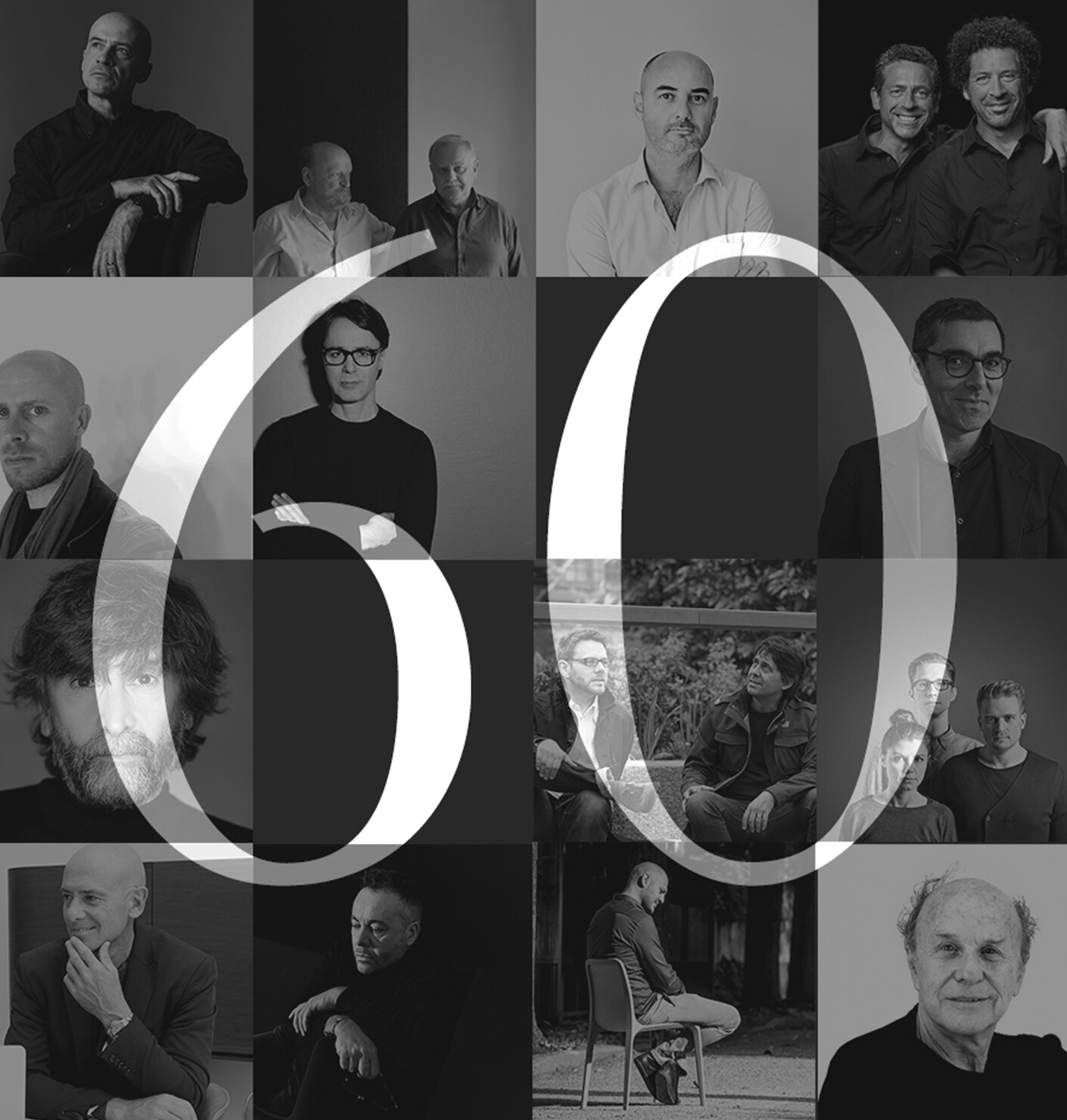
You designed the wooden pavilion for Pedrali’s 60th anniversary in 2023, which marked the beginning of your collaboration. The Pedrali Pavilion, the exhibition “Pedrali60, we design a better future” – designed by AMDL CIRCLE and Michele De Lucchi, curated by Luca Molinari Studio – was a resounding success, even earning a nomination for the prestigious Compasso d'Oro award. What makes this collaboration special for you?
Emanuele Novembre: The connection with Pedrali was very strong right from the start. Ever since we worked together on the Pedrali Pavilion, it has been clear that we share a common vision. For us, it is crucial to understand the world in which we work. Pedrali has a clear yet gentle vision of what they are striving for. This is evident in their project methodology. We realised that we both believe in a bright future and have a strong perspective on it. We are also united by our shared obsession with seeking something unexpected and truly new, not just in terms of form. Form is important, but so is the desire to achieve something greater out of curiosity and joy. We must work in a world that is changing at breakneck speed. We must change with it. This is precisely what makes this collaboration so exciting and inspiring.
Alberto Nason: When we visited the factory, we were particularly impressed by the extensive automation. There is a clear determination to invest in the future. That is crucial to the outcome of a product. It's truly remarkable when you find a partner who is willing to invest and believes in their company and vision. The factory’s management is extremely forward-thinking, and this is reflected in the quality of the products.
In marketing, the buzzword 'timeless' is often used. What does this mean to you? What qualities do you think ensure that a design remains relevant over the long term?
Emanuele Novembre: We strive for perfection, even though we know we can never quite achieve it. The world changes with or without us. Our aim is to evolve alongside it. We don’t believe that design will ever become irrelevant. As long as we continue to evolve, we will remain relevant.