Shaping democracy
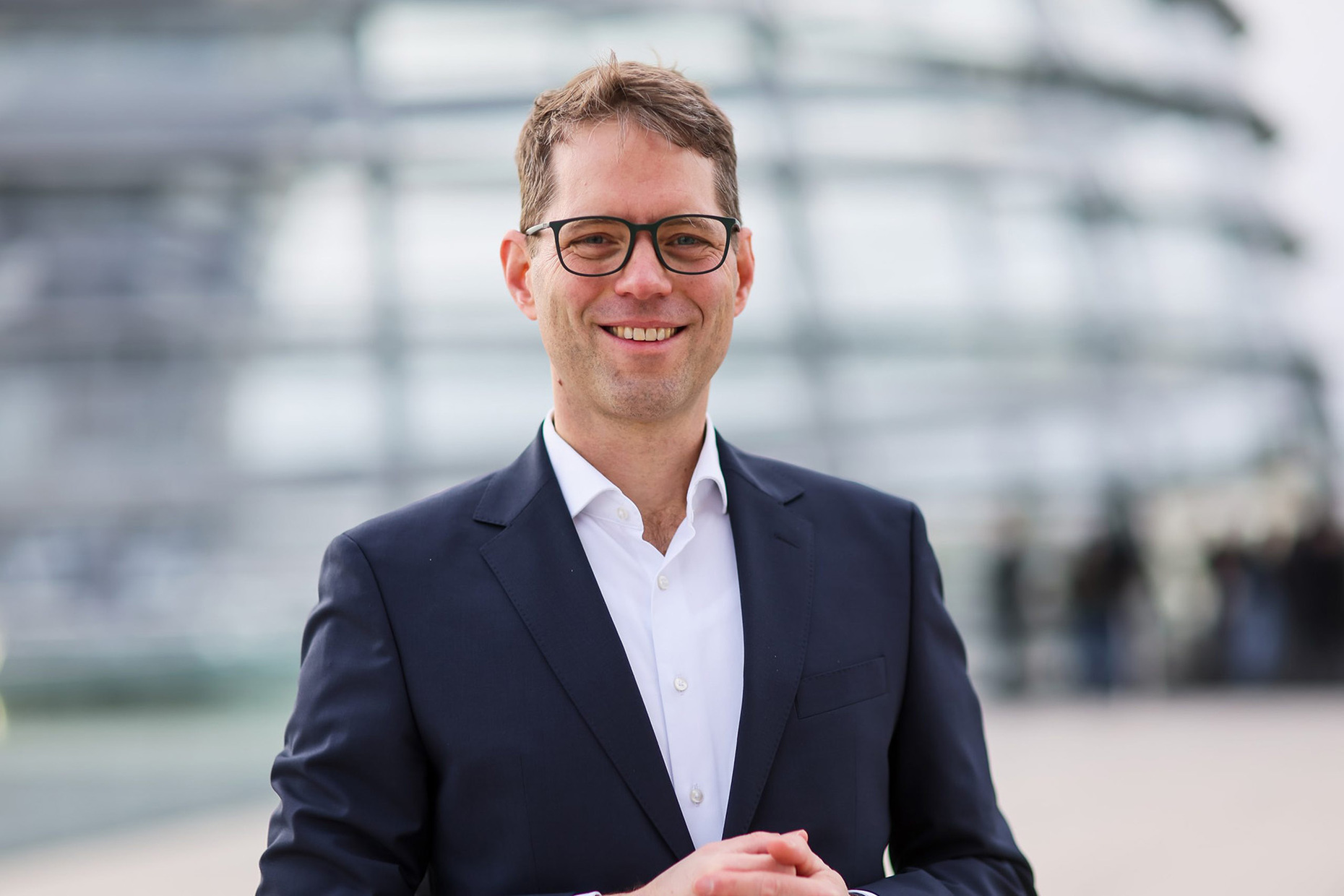
Anna Moldenhauer: You are a researcher specialising in parliamentarism and have also been working at the Federal Ministry for Digitalisation and State Modernisation this year. In your interdisciplinary work, you focus on political institutions, parliamentary processes and the question of how political decisions are made. What fascinates you about unravelling complex political structures?
Sven T. Siefken: I am interested in how political reality can be described as precisely as possible without losing sight of its complexity. Science must simplify, but it should not distort. In parliamentary research in particular, there are many aspects that appear to be easy to measure and compare. At the same time, political decisions often arise from processes that are barely visible to the outside world. I am fascinated by the prospect of uncovering these hidden layers in order to understand how political decisions actually come about.
”“Design can help to make political processes more accessible and easier to understand, without denying their complexity.”“
The Re-De-Re research project combines political science with design theory and practice in order to rethink democratic representation from a design perspective. You co-lead the project with the design theorist, curator and writer Prof. Dr Friedrich von Borries. How did this collaboration come about?
Sven T. Siefken: It all began with a call for proposals from the Volkswagen Foundation for inter- and transdisciplinary projects on the development of democracy. The collaboration with Friedrich von Borries came about spontaneously: during our initial discussions, we developed the idea of combining political science, design and art to examine the question of democratic representation. I am particularly interested in the fact that design does not begin with the act of designing. Designers first observe how people perceive, use and experience things. This brings to light aspects that are often difficult to capture using traditional political science methods. This approach opens up new perspectives on political processes and institutions. Added to this is the creative imperative – that is, not merely to analyse, but to develop concrete alternatives. This is complemented by the artistic perspective. Art does not have to provide immediate solutions. It can unsettle, pose questions and open up new ways of thinking. It was precisely these different approaches that we wanted to bring together.
Why were the ballot box, the Federal Eagle and the Federal Cross of Merit chosen as the central objects of the project?
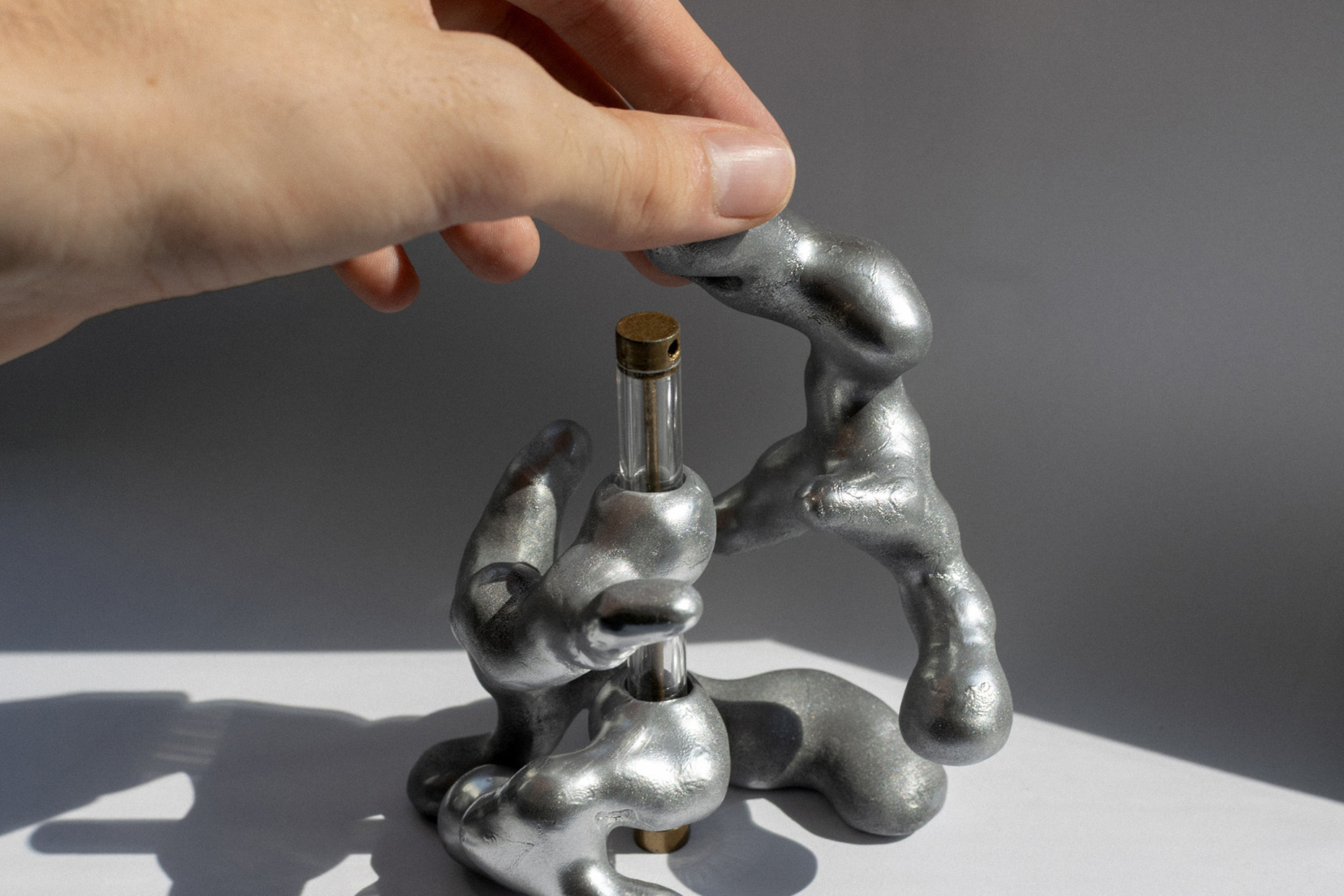
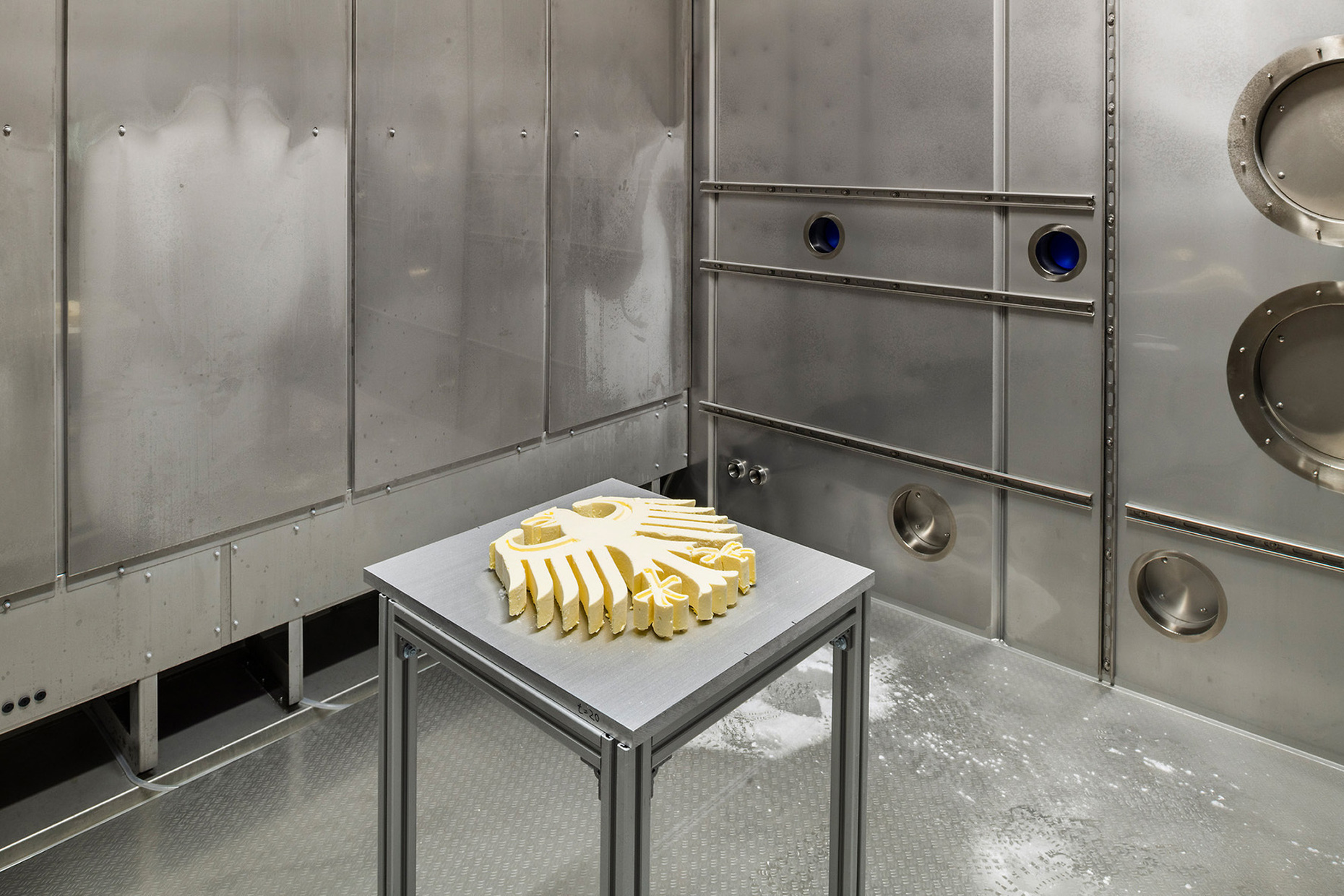
Sven T. Siefken: At its core, the project focuses on political representation. We were not seeking to question representative democracy as such. Rather, we wanted to examine how democracy is expressed and how its symbols function today. The three objects serve as examples of different forms of democratic representation. The Federal Eagle represents the state as a whole. The ballot box symbolises the moment when citizens delegate political power and democratic legitimacy is established. Another interesting aspect of the project was that many ballot boxes in Germany are designed in a very pragmatic manner and are sometimes based on repurposed containers. The repurposed rubbish bin is an outstanding example of this. This raised the question of whether its form is truly appropriate for this central democratic act. This exploration quickly extended beyond the ballot box and drew attention to the design of the polling station as a whole.
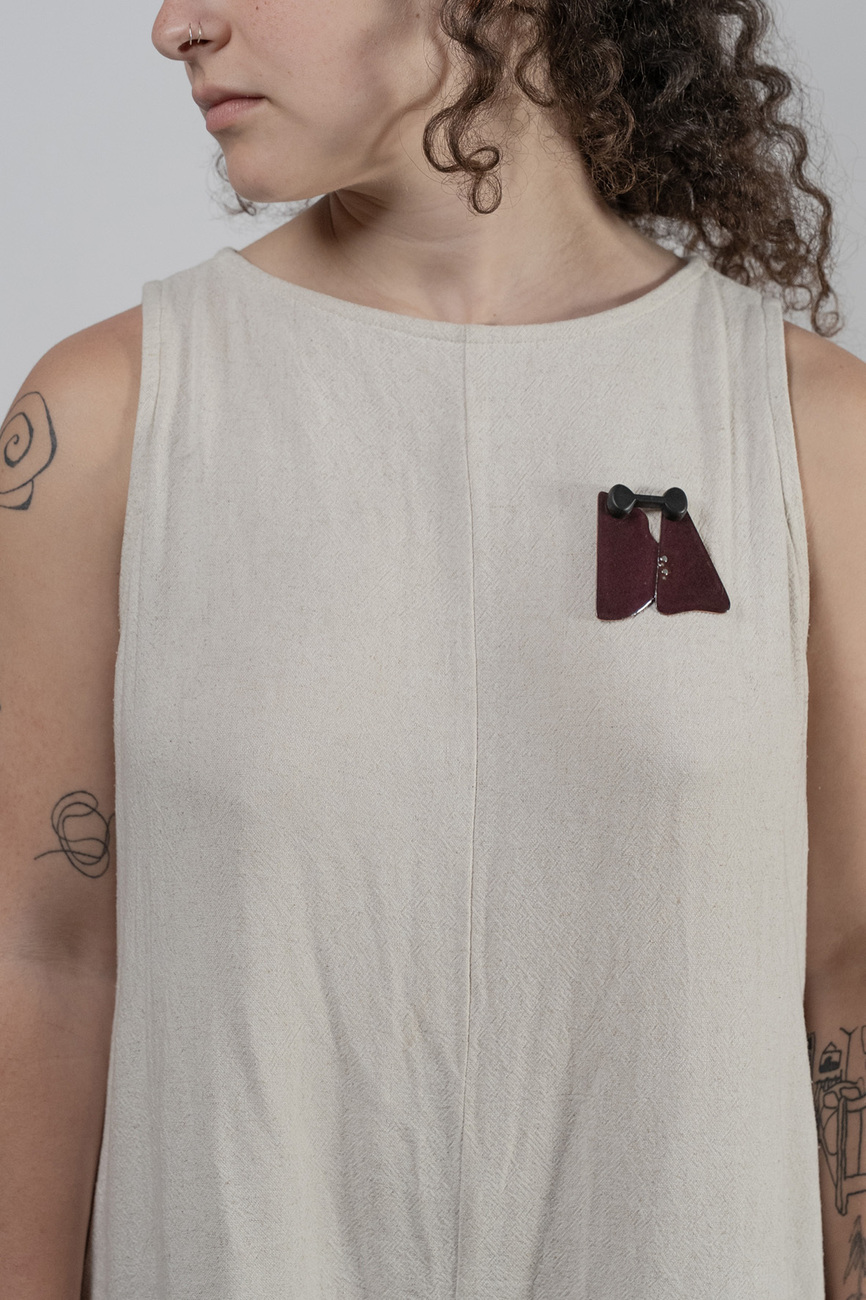
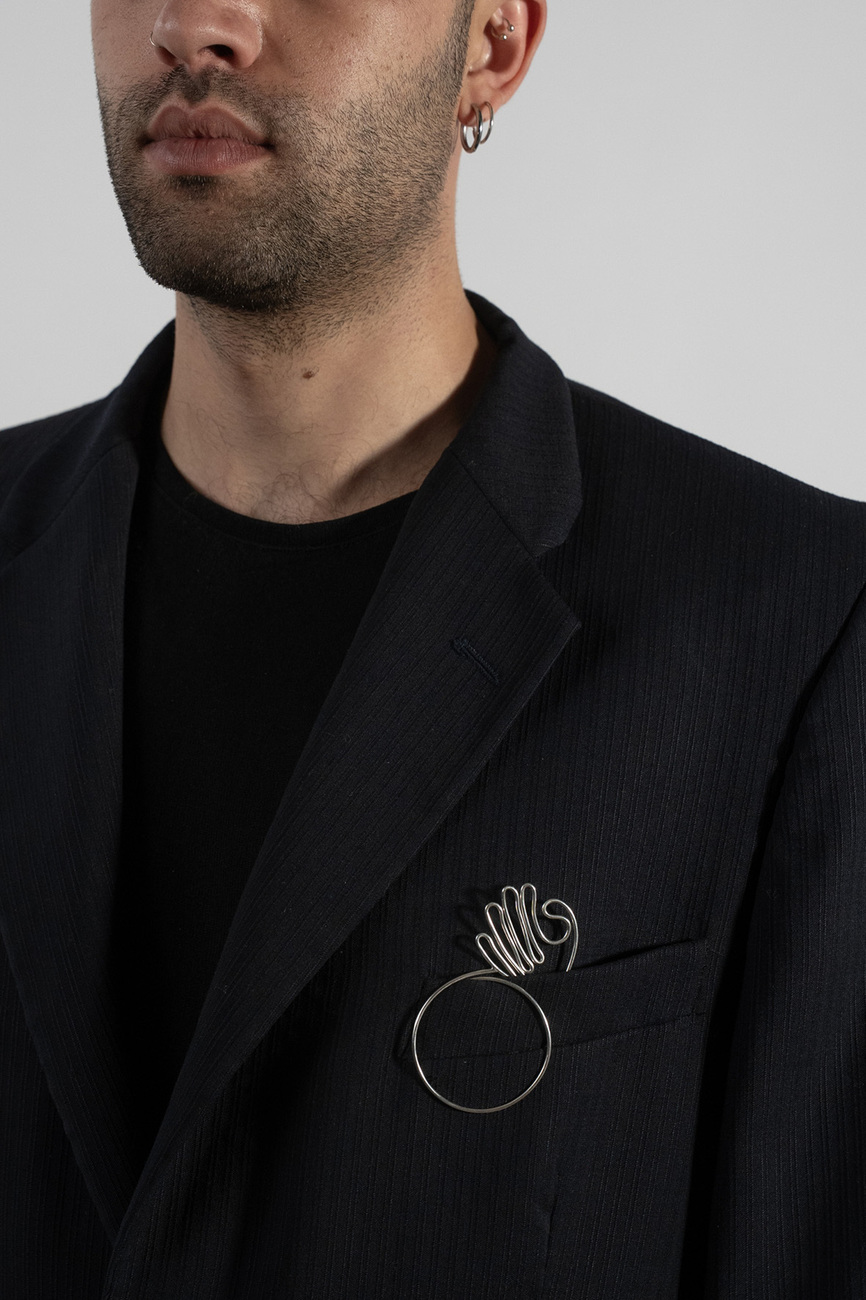
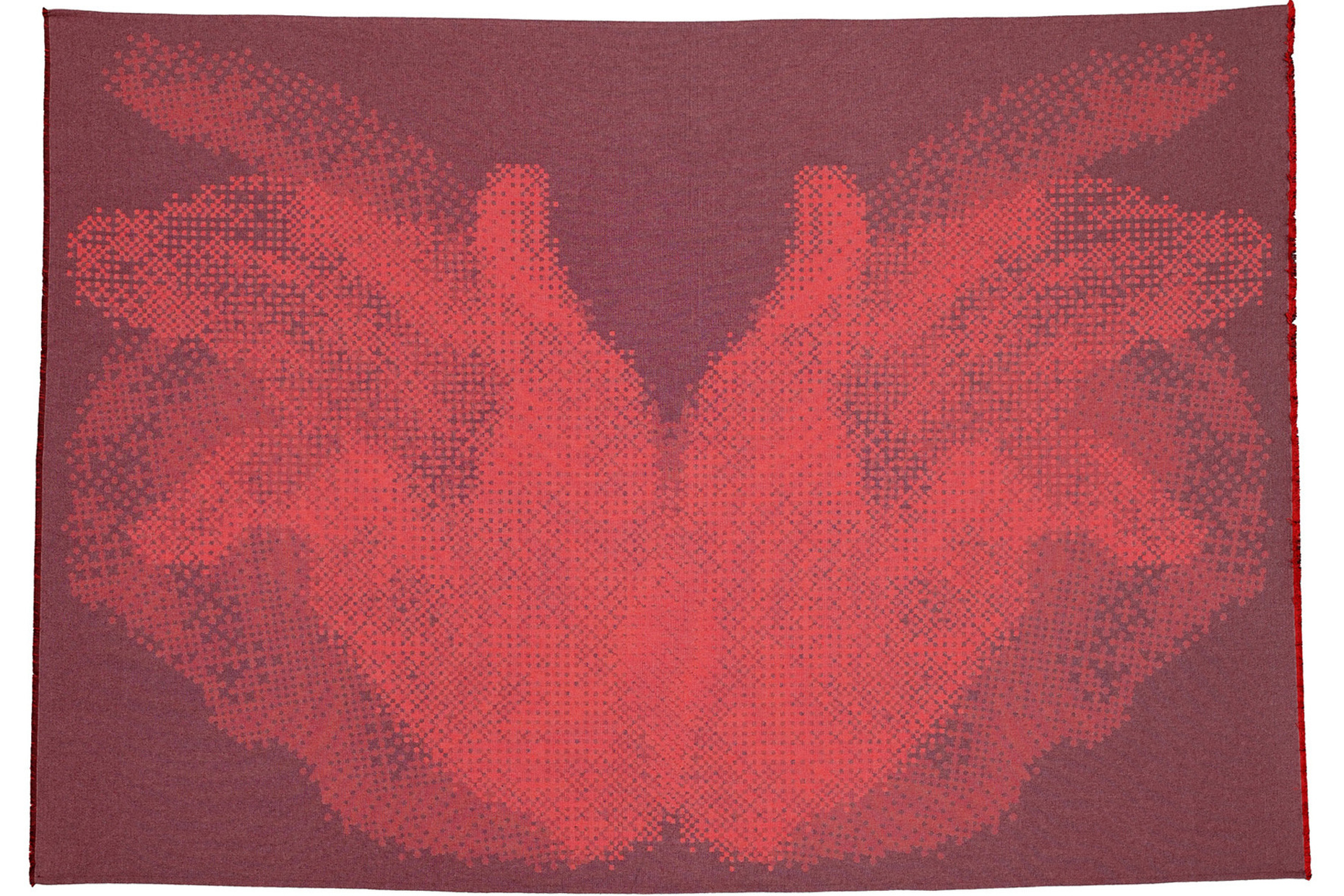
The Federal Cross of Merit, in turn, symbolises the relationship between the state and society by publicly honouring exceptional commitment. Together, these objects offer different perspectives on the relationship between the state and its citizens. At the same time, they raise the question of whether the forms in which democracy is represented still correspond to contemporary social expectations. The examination of the Federal Cross of Merit in particular has shown that questions of democratic representation are not only relevant to academia and design. Even within the institutions that work with these symbols, these considerations met with interest and sparked discussions.
‘We are facing a crisis in the way political processes are perceived,’ you say. What do you think are the causes of this?
Sven T. Siefken: Many people view political decisions primarily as outcomes. The often protracted negotiation processes behind them, however, remain hidden from view. Democracy, however, thrives on balancing different interests, finding compromises and resolving conflicts peacefully. This inevitably makes it complex. If this complexity is not recognised, the impression quickly arises that decisions are being made somewhere far removed from the realities of everyday life. A key challenge is therefore to make political processes more transparent without reducing them to simple soundbites. The project is aimed equally at citizens, political decision-makers and state institutions. Democracy arises from the interaction between these actors. That is why it was important to us to bring together different perspectives on political representation.
The exhibition also explores the interchangeability of political imagery. Why does political communication often seem so uniform?
Sven T. Siefken: Many symbols and design elements have evolved over time. There are usually good reasons for this. Nevertheless, the question arises as to whether they still have the same impact today as they did in the past. At the same time, politics is heavily influenced by short-term demands. Those who have to make decisions on a daily basis and react to current developments often have little time to reflect on fundamental questions of political governance. It is interesting, however, to see just how great the interest becomes as soon as this space is created. It then quickly becomes apparent that many people would like to develop new perspectives on political representation.
How can the reorganisation of democratic representation promote political participation?
Sven T. Siefken: It highlights the fact that democracy is not a rigid system. Political institutions and processes have been created by people and can therefore be further developed. We also want to show that democracy encompasses far more than simply going to the ballot box. Political participation takes place at many levels. Those who have a better understanding of how political processes work are often more likely to recognise their own opportunities to get involved. Design can help to make political processes more accessible and easier to understand, without denying their complexity.
What would you like to change with Re-De-Re?
Sven T. Siefken: Above all, we want to provide food for thought. It is not about presenting ready-made answers or simply replacing existing symbols. We’re interested in the question of how democracy is perceived and how we think about its institutions and forms of representation. This also involves recognising that democracy and society are not static. Both are constantly evolving and can be shaped. If the exhibition helps us to take a fresh look at these things we take for granted, it will already have achieved a great deal.
The design of election posters is a regular topic of discussion. The design of ballot boxes or state honours, on the other hand, is hardly ever discussed. Why is that?
Sven T. Siefken: We come across election posters all the time in public spaces. That is why they attract so much attention and are the subject of so much commentary. Other forms of political design, by contrast, often remain in the background. That is precisely why it is worth turning our attention to them. Many democratic symbols seem so self-evident that their design is hardly ever questioned. They, too, convey ideas about how the state, democracy and civil society are understood.
What makes a piece of democratic representation well-designed?
Sven T. Siefken: First and foremost, it must serve its purpose. A ballot box, for example, must be practical and meet the requirements of an electoral process. Furthermore, it should credibly convey what it stands for. Good democratic design combines functionality with a compelling symbolic message. It must neither be purely decorative nor give the impression that democracy is being marketed like a product. It is crucial that the design and its meaning are in harmony.
Why is it important to question the ways in which we perceive democratic representation, particularly in light of the rise of right-wing and populist forces?
Sven T. Siefken: Because it reflects fundamental questions about democracy. Populist and authoritarian movements often rely on simplistic narratives and seemingly clear-cut solutions. Democracy works differently. It thrives on diversity, the balancing of interests and compromise. Yet it is precisely this complexity that is widely perceived as a weakness today. This is where our project comes in. It shows that democratic processes do not function in spite of their complexity, but precisely because of it. The question of how democracy is perceived, portrayed and communicated therefore goes to the very heart of the matter.
You are a professor of political science at the Federal University of Public Administration, a lecturer at the Hertie School in Berlin and a visiting professor in the USA. In light of current political developments, how do your students view the symbolism of democratic representation?
Sven T. Siefken: That’s a good question, because in a way I find myself teaching a rather special group of students. The Federal University is attended by civil servants from the federal administration, and many come from the security agencies. For them, issues of state representation are of particular significance, as they themselves represent state institutions. At the Hertie School and in international teaching contexts, I also find that many students engage in in-depth discussions about democracy, political communication and social cohesion. Current political developments are further fuelling this interest. They ask themselves how democratic institutions can build trust and convey their values. The symbolism of democratic representation is rarely the main focus of these discussions. At the same time, there is a growing awareness that symbols, rituals and objects play an important role in how democracy is perceived. I find it particularly fascinating that students do not simply accept these symbols. They ask why they look the way they do, whether they are still relevant today, and how democratic representation might be shaped in the future.
What insights or food for thought would you like visitors to the exhibition to take away?
Sven T. Siefken: Above all, the realisation that democracy can be shaped. It is not a rigid structure, but is constantly evolving. The exhibition aims to encourage people to look at political processes more critically and to reflect on their own role within them. If visitors leave the exhibition with new questions and come to see democracy as something to which they themselves can contribute, then it will have served its purpose.
What are you currently working on?
Sven T. Siefken: A textbook on the German Bundestag is due to be published shortly. We are also publishing an international comparative study on parliaments during the COVID-19 pandemic, which examines how parliaments in different countries have responded to this exceptional situation. Another focus of my research is coalition negotiations. To this end, we conducted extensive interviews with political actors to gain a better understanding of how coalition agreements – and the compromises necessary to reach them – actually come about. Here, too, the question is how the often hidden processes of democratic politics can be made more transparent and comprehensible. And most recently: together with Gestaltungszentrale Politik e. V., we have published ‘mappp’, the atlas for politics, processes and participation. This interactive, digital tool shows how laws are actually made in Germany and can be used free of charge. This provides, for the first time, a visualisation of the entire formal and informal legislative process, illustrating the journey from idea to law.
Eagle, Cross of Merit, Ballot Box I Redesigning Democratic Representation
Until 21 February 2027
Museum Angewandte Kunst
Schaumainkai 17
60594 Frankfurt
Information about the Museum
Phone +49 69 212 34037