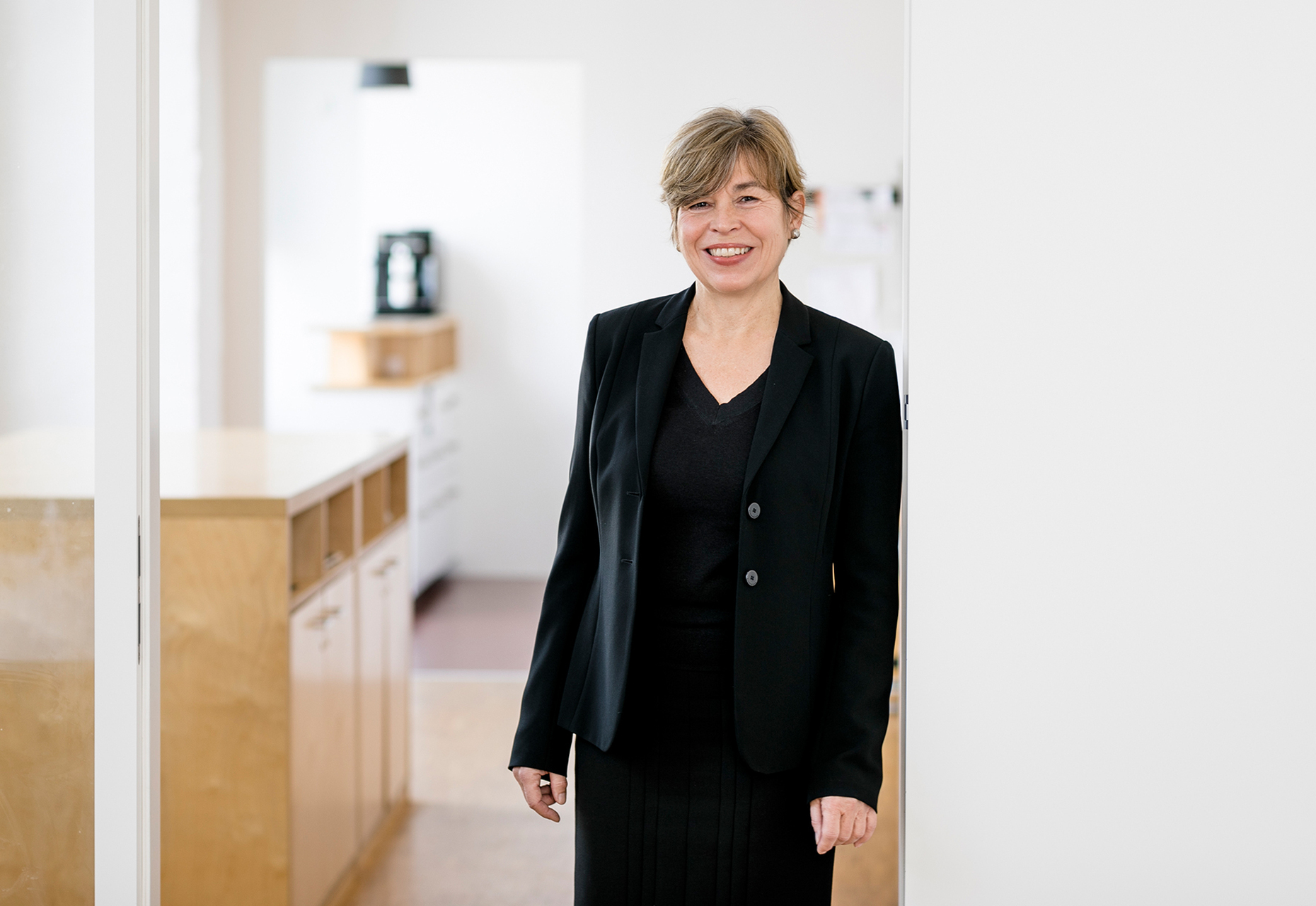
Spotlight on Women Architects – Karen Eisenloffel
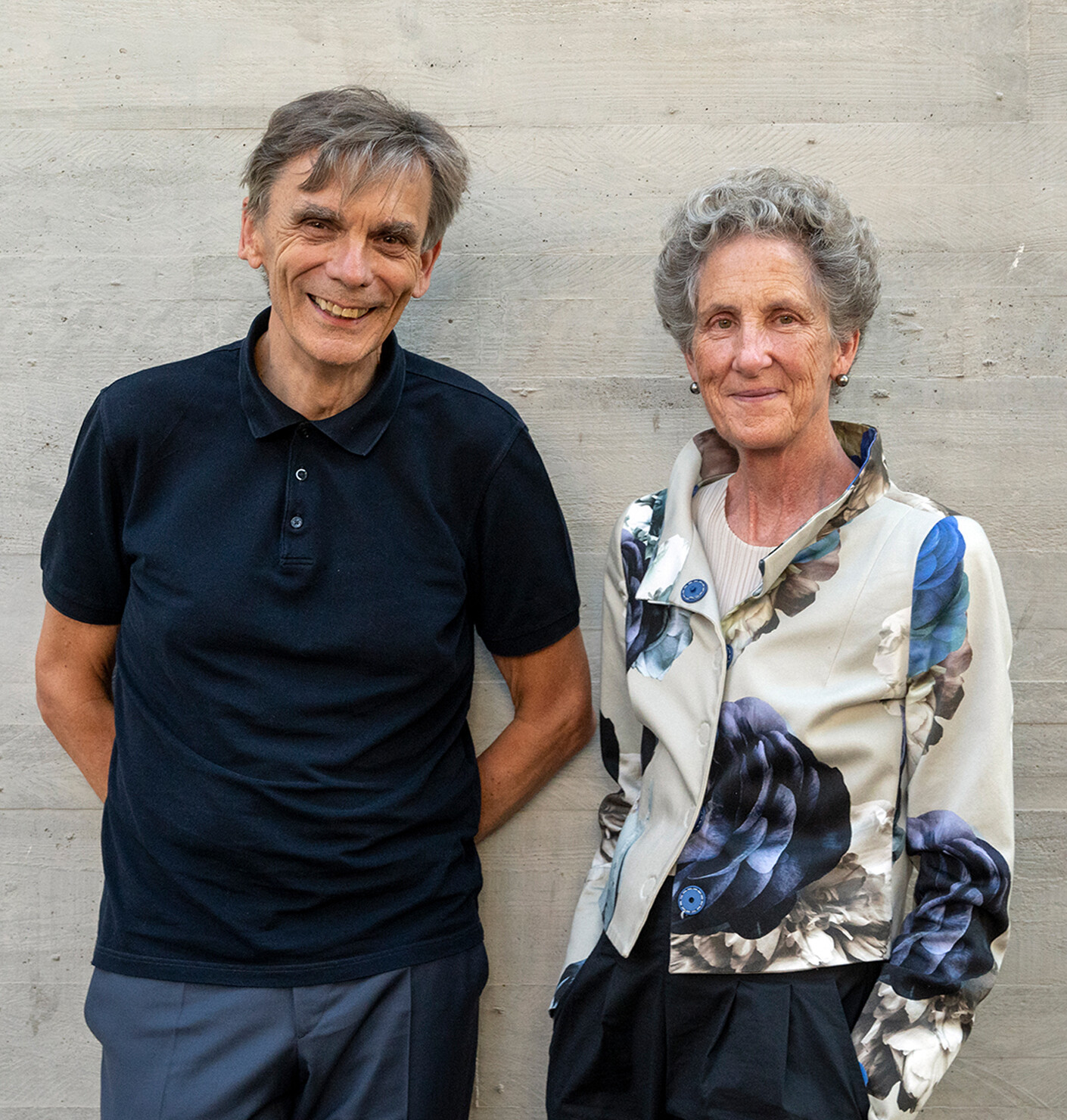
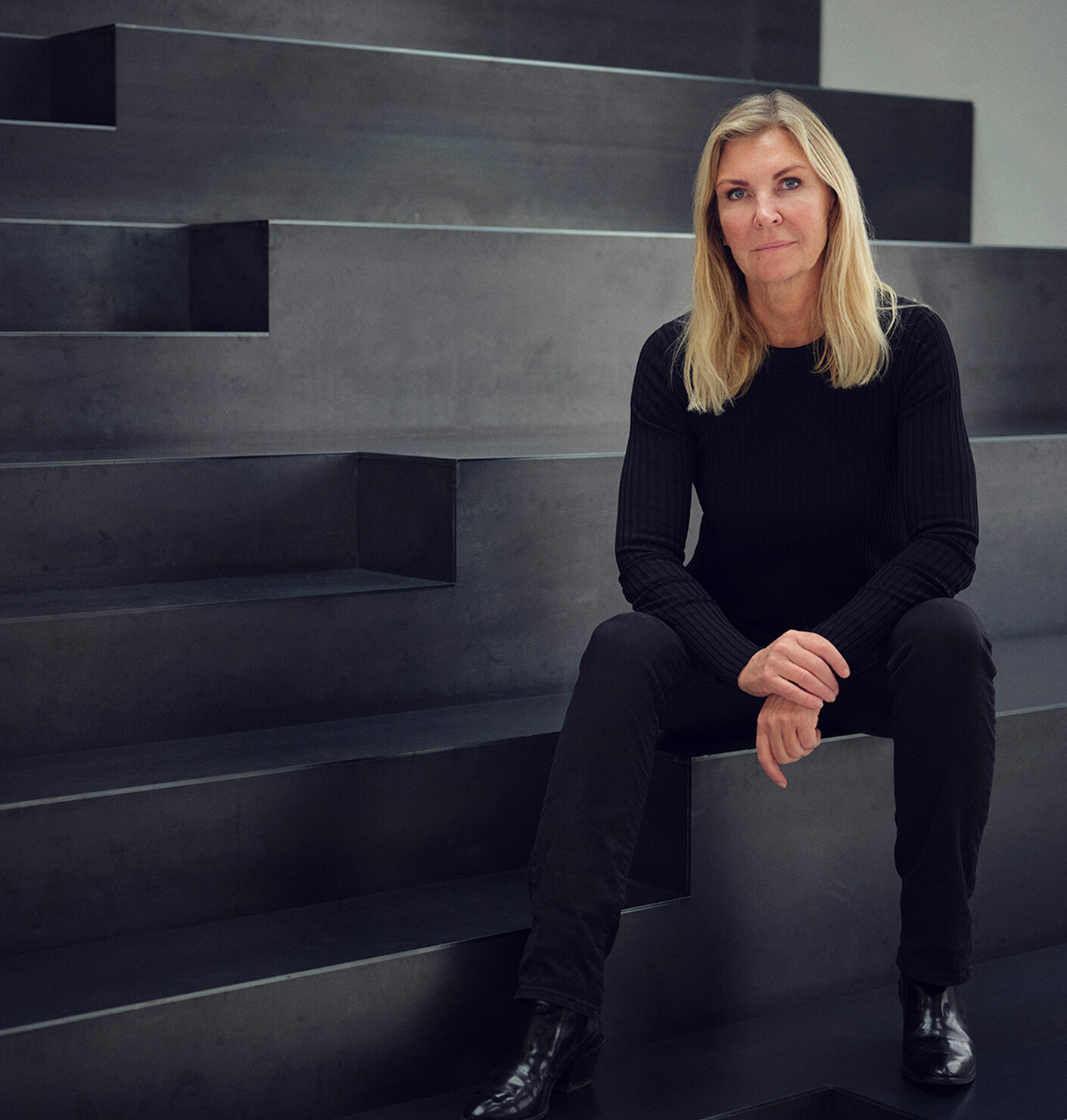
Karen Eisenloffel was born in Mansfield, Ohio, the daughter of Austrian immigrants. She was strongly influenced by her parents; her father was a civil engineer and her mother a cartographer. She studied architecture at Ohio State University in Columbus, Ohio, but then switched to civil engineering because she was interested not only in architectural thinking but also in the world of mathematical calculations. She sees many parallels between the two professions: task definition, problem solving, formal design, and implementation. Only the perception of the two professions differs.
Chicago was the first stop in her professional life, where she focused on timber construction projects. One of the many German architects in the American architecture metropolis at the time became her partner. Together, they followed the German reunification with great emotion and decided to move to Europe, initially to Switzerland, partly because of the economic downturn in the United States. While working there, the second focus of her work developed: building in existing structures. However, the scene in Berlin seemed more exciting, where she was responsible for new buildings in Friedrichstraße, among other things, as a project manager at the Fink office from 1992 onwards. It was a time of many challenges, because so many people from all over the world came together and needed to be coordinated. In 1995, she began her university career at the University of the Arts (now UdK) as a research assistant to Prof. Gerhard Pichler, whose office she also joined.
Her self-employment came unexpectedly. When the construction of the Waldschlösschen Bridge in Dresden was put out to tender, with newcomers also able to apply for a wild card, she teamed up with her colleague Achim Sattler and founded the EiSat office. They entered the competition together with architects Thomas Kolb and Henry Ripke – and ultimately won the tender against renowned competitors. During this time, the consortium also moved into a shared office in Kreuzberg. The fact that the bridge's design prompted the UNESCO Commission to strip Dresden of its “World Heritage Site” title in 2009 was hardly comprehensible after its completion in 2013. There was talk of incorrect mapping underlying the procedure, and perhaps the gloomy computer simulations published by the planning team to illustrate the project were a little clumsy and unattractive. In any case, fears that the structure, located far in front of the historic old town, would be too bulky and would detract from the harmonious image of the river landscape and the city panorama did not materialize, and the people of Dresden unanimously welcomed the new river crossing.
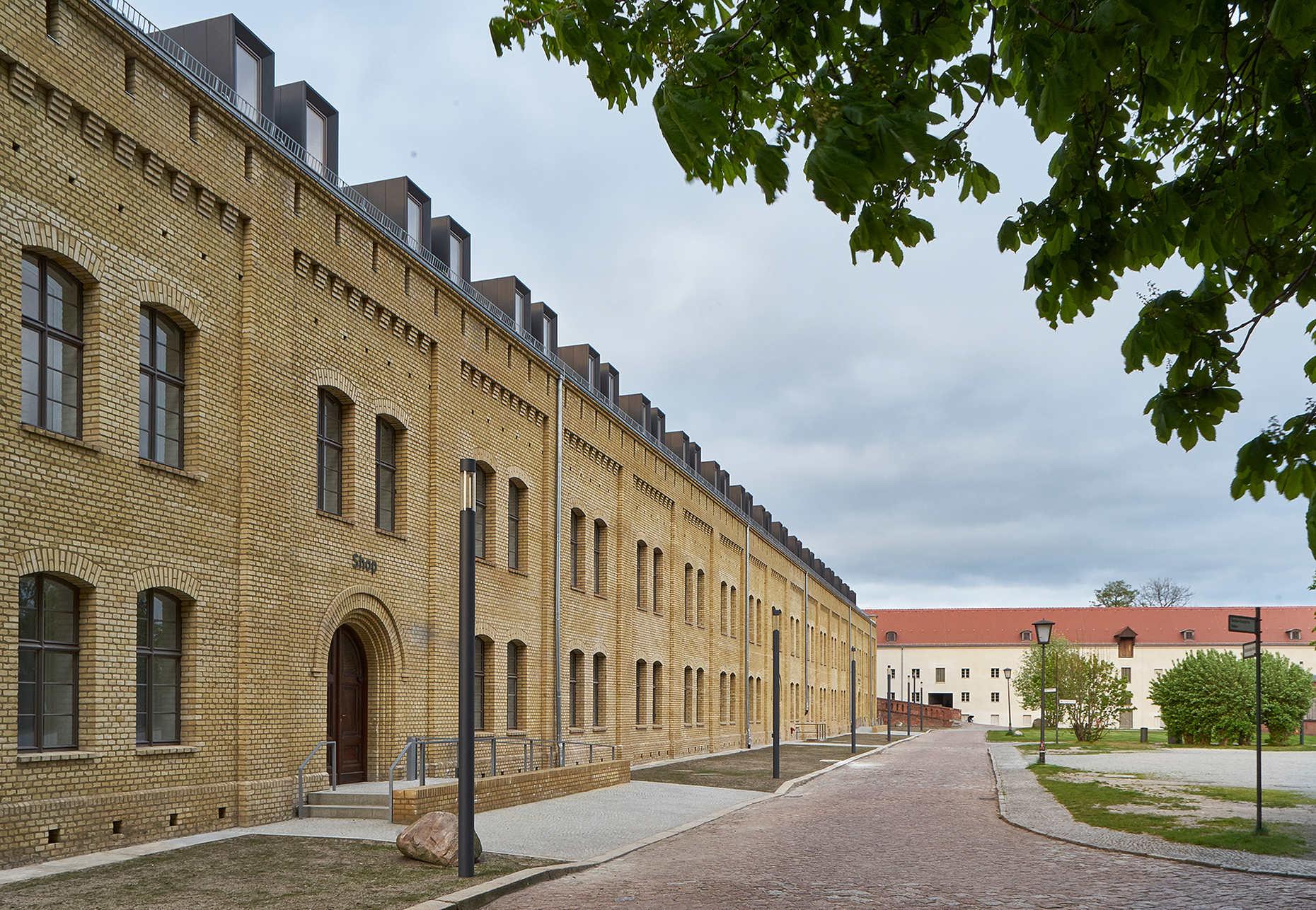
In 2000, Karen Eisenloffel was appointed professor of structural engineering and structural design at the BTU Cottbus, where she not only supervises engineering students, but also those studying architecture and urban and regional planning. Female professors are rather rare in this field at German universities. At least the use of design programs and material properties, the study of load cases and structural behavior, energy balances and room acoustics is no longer a male domain. “But then you'll have to go to the construction site at some point...,” her father had commented on her career aspirations. Women on construction sites was an unusual idea back then, but it has since become the norm. Especially when renovating existing buildings, it is essential to be present on site during the planning phase and also during construction, so a hard hat and safety shoes are always in the trunk. One example is a project to revitalize the former industrial laundry in Berlin Spindlersfeld, a brick building dating from 1871 that had been vacant since the fall of the Berlin Wall in 1989, into a residential complex with 600 apartments. Even the inventory assessment, before the architects could get involved, with measurements and material samples and assessments of the supporting structures and the condition of the building, was intensive engineering work. The engineers determined which of the architects' wishes could be realized, as well as how the construction measures should ultimately be implemented, right down to the design of many visible structural components. In such cases, it is advantageous for Karen Eisenloffel that, as a trained architect, she can speak the same language as the architects.
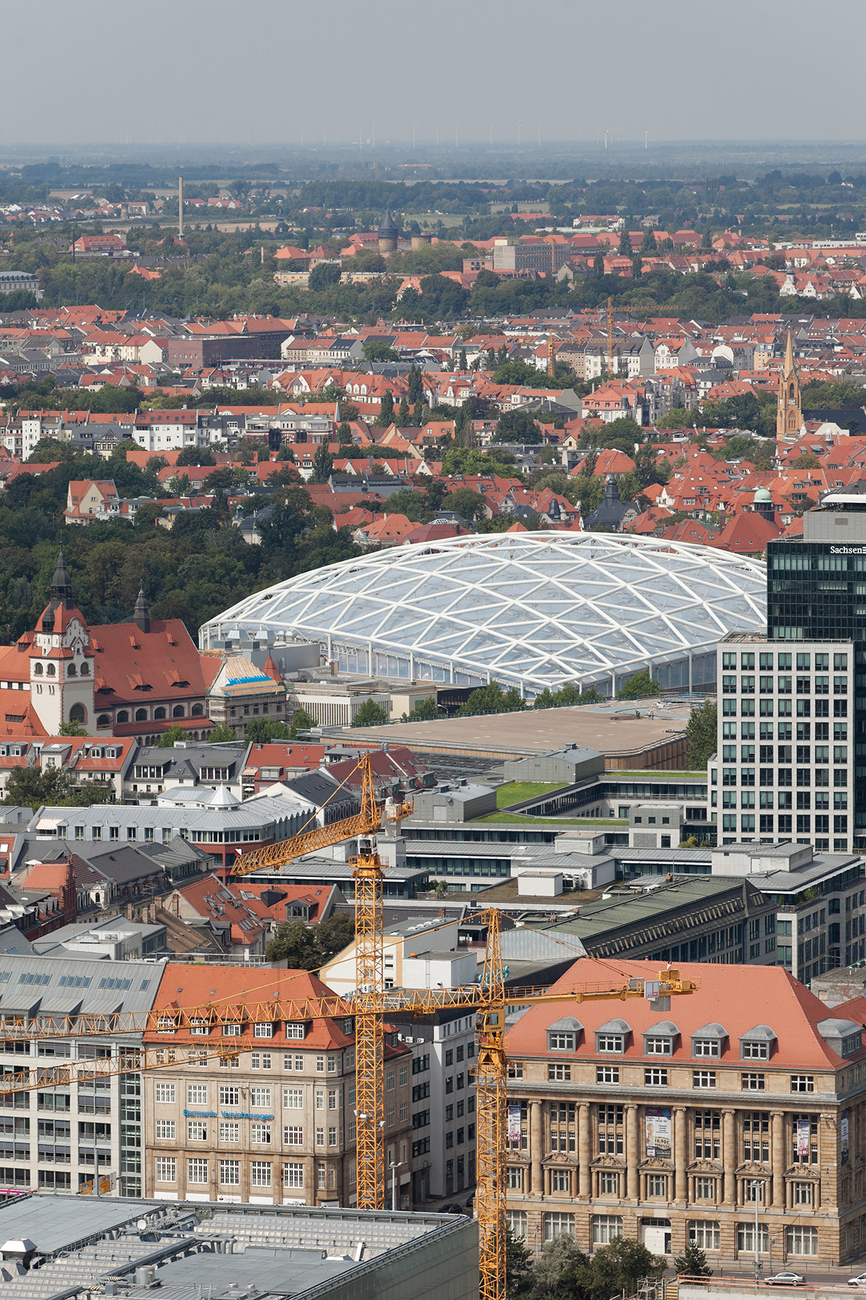
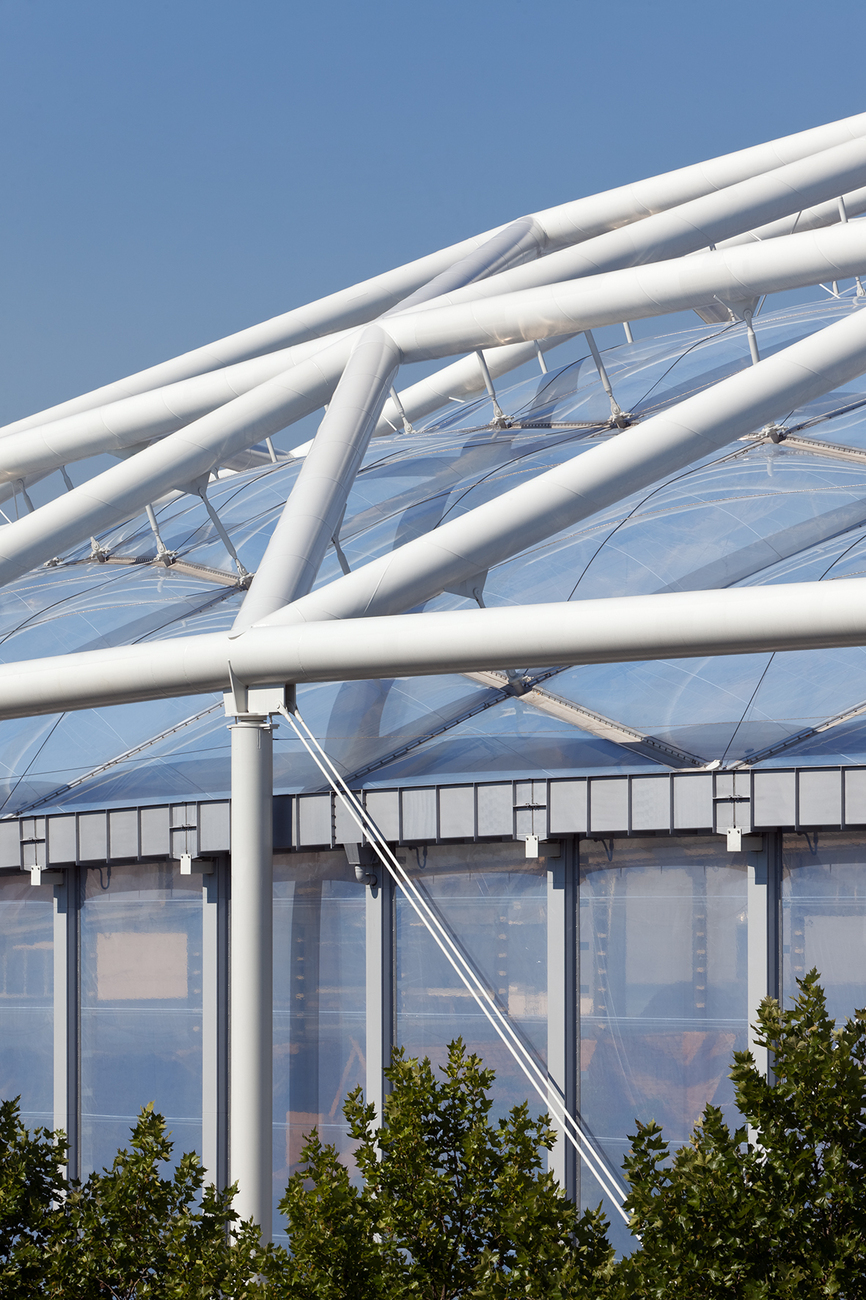
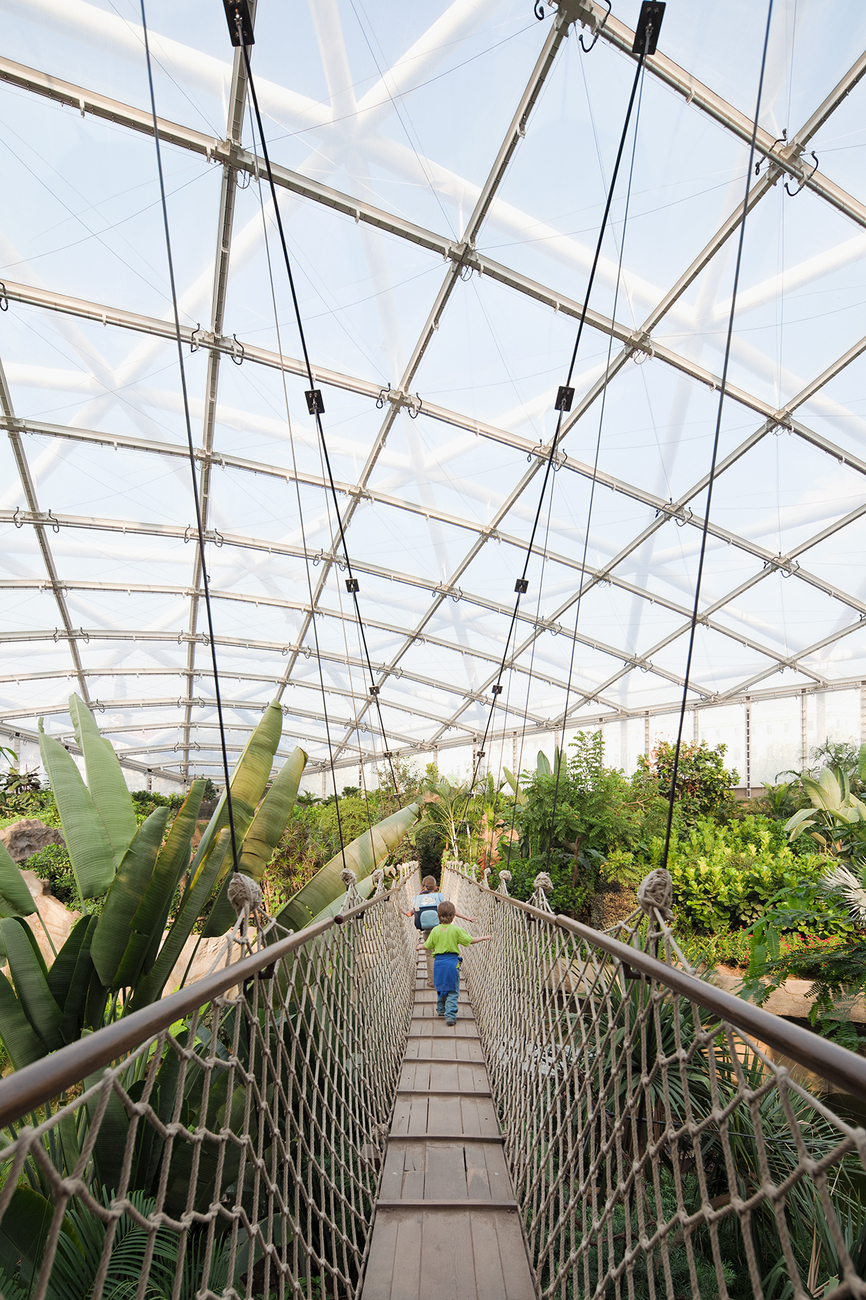
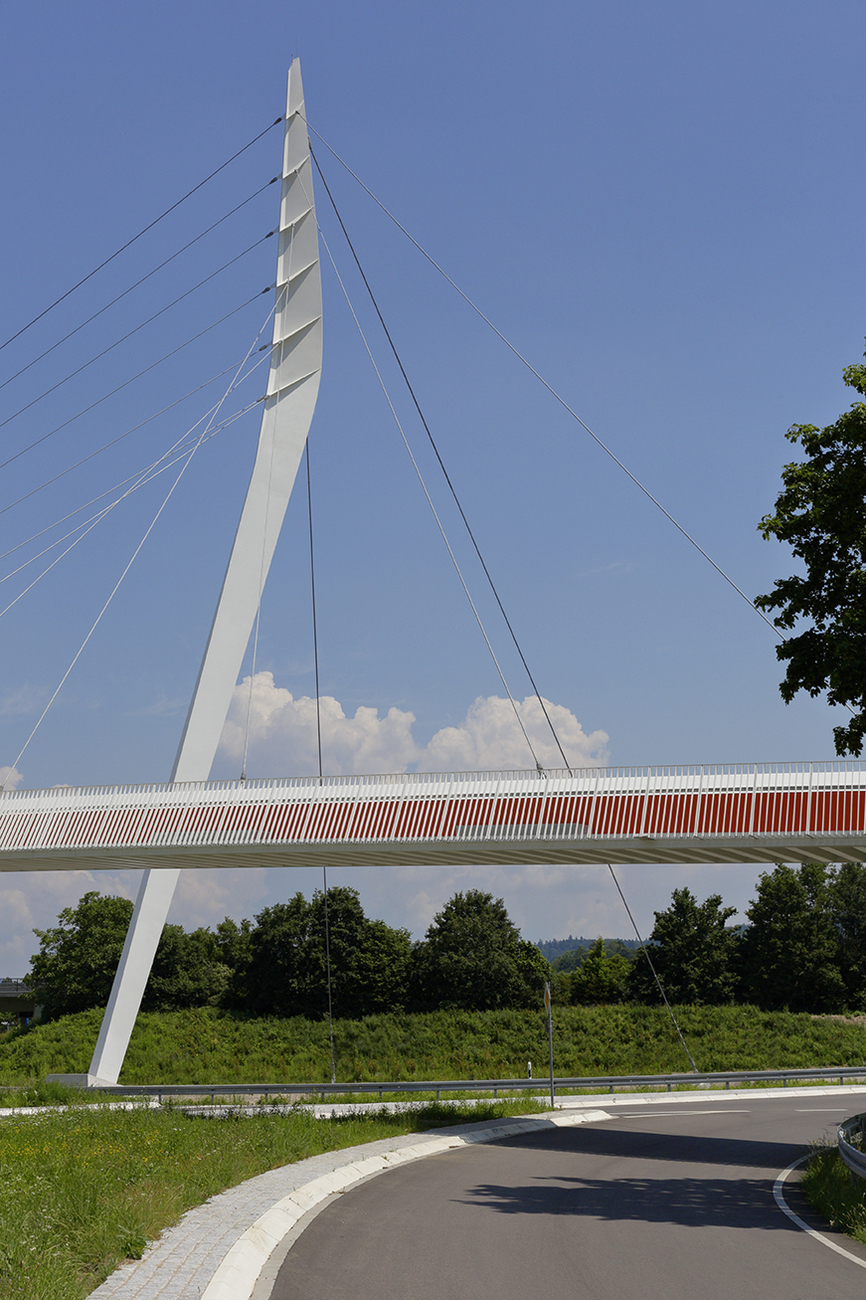
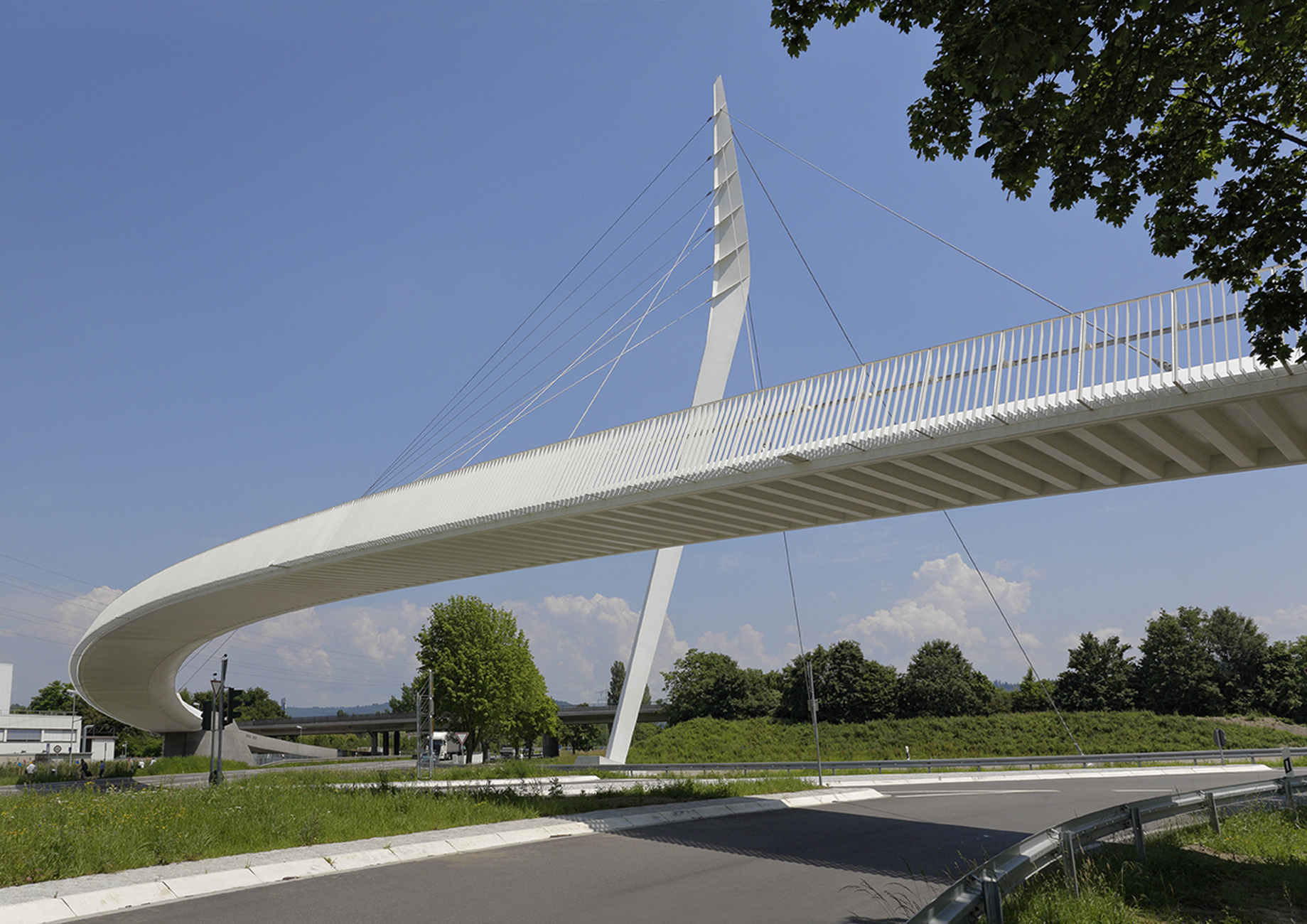
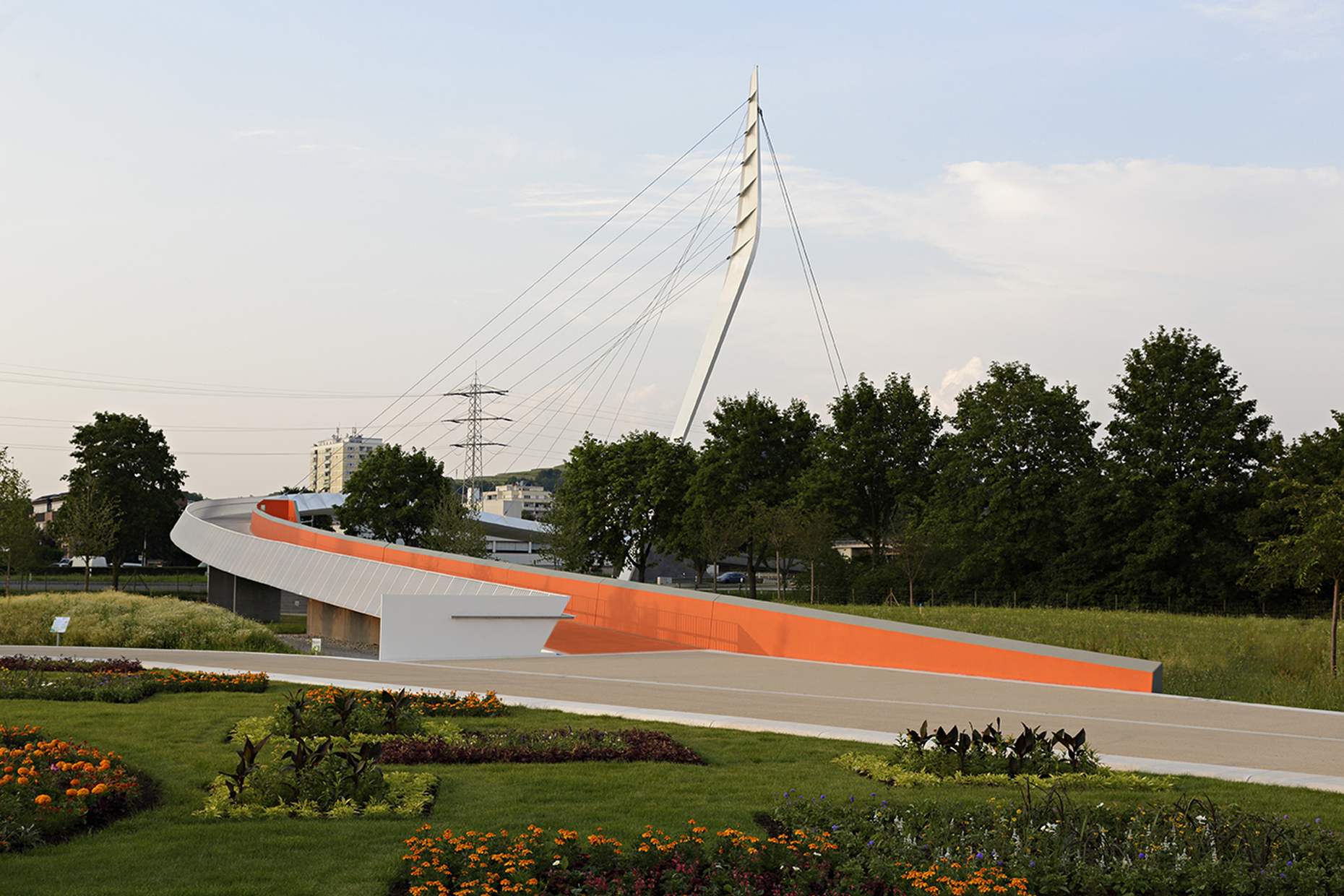
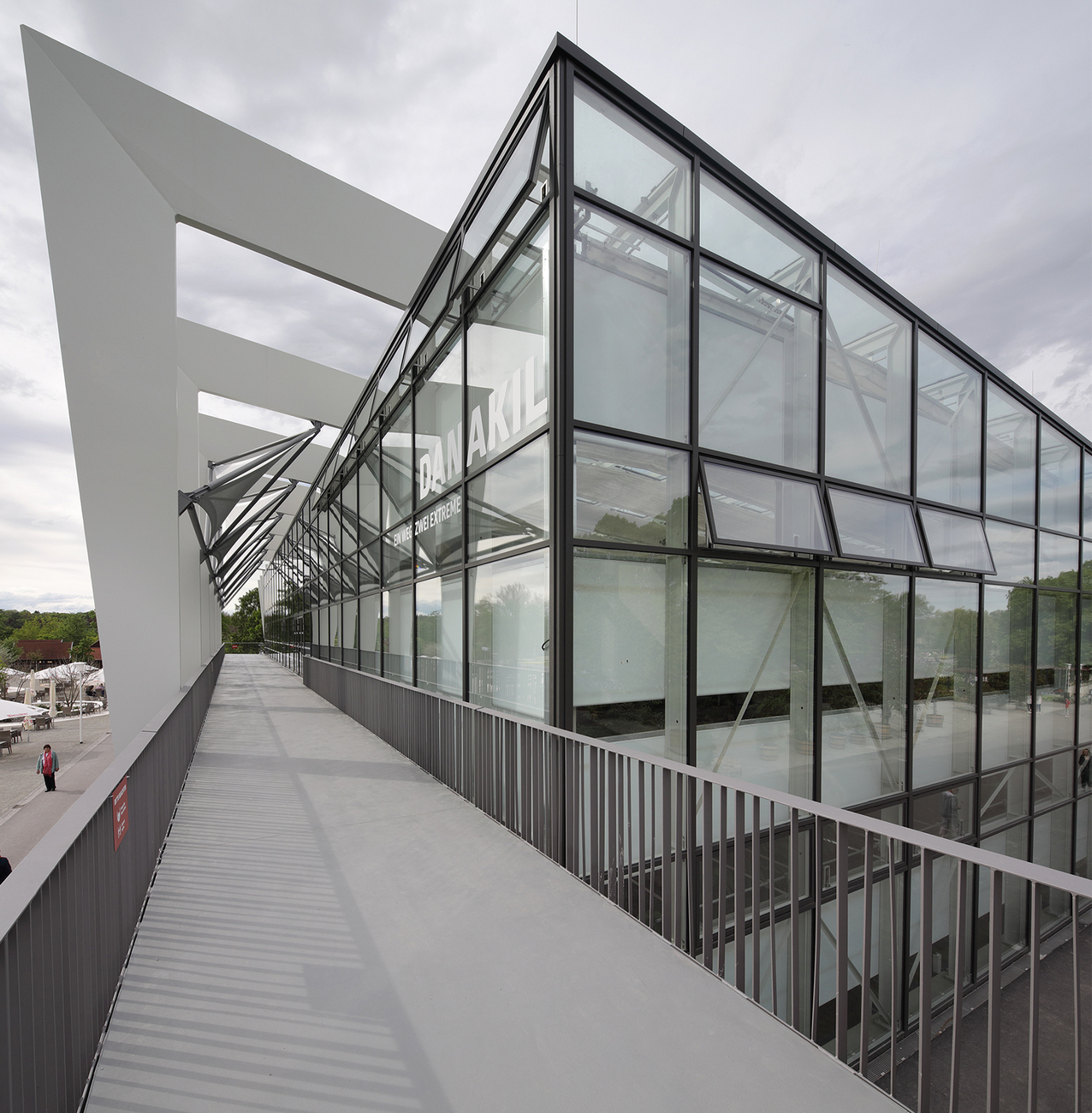
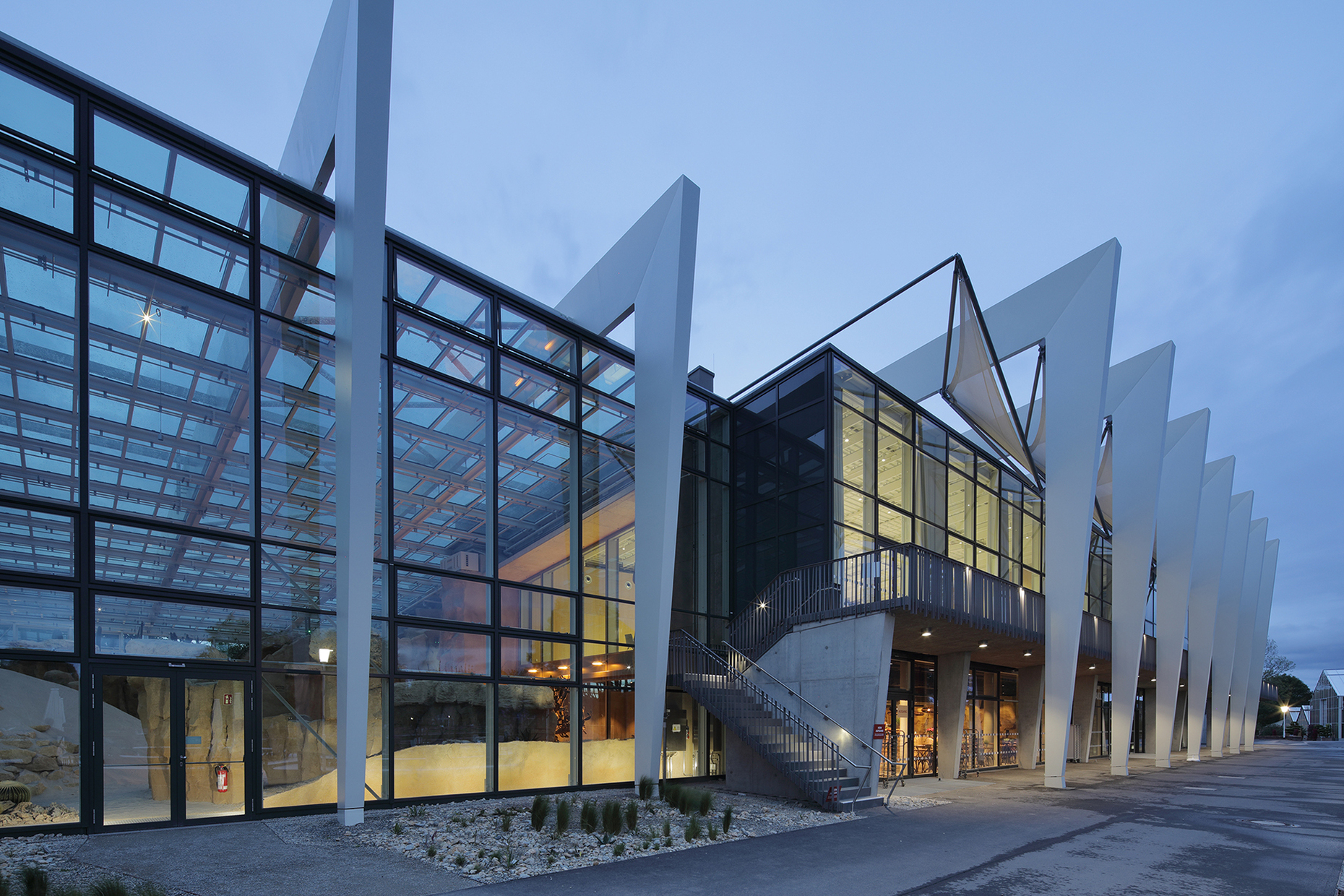
When working on existing buildings, civil engineers often work behind the scenes and, unlike architects, they are often unable to present attractive photos of significant structures and dramatic constructions. At least EiSat has such a project to show for itself with its first work, the Waldschlösschen Bridge, and other buildings have also made it onto the front pages of trade journals and daily newspapers. “Gondwanaland,” for example, is the tropical landscape at Leipzig Zoo with a spectacular dome roof designed by EiSat. Named after the ancient supercontinent, the rainforest experience center presents flora and fauna from three continents. The biotope is covered by a spherical truss dome made of triangular elements with a span of 160 meters. The building was designed to form a striking shape in the urban space and to correspond to its special use with its external design (with Obermeyer Albis-Bauplan and Henchion Reuter Architects). EiSat also worked with Henchion Reuter to build a significant pedestrian bridge in Lahr in southern Baden. An elegant steel arch rises up, to which the sweeping curved bridge deck is attached with thin steel cables. It is a construction that is extremely minimal in terms of materials, whose forces are obvious to everyone. You can almost hear the wires swaying like leaves in the wind.
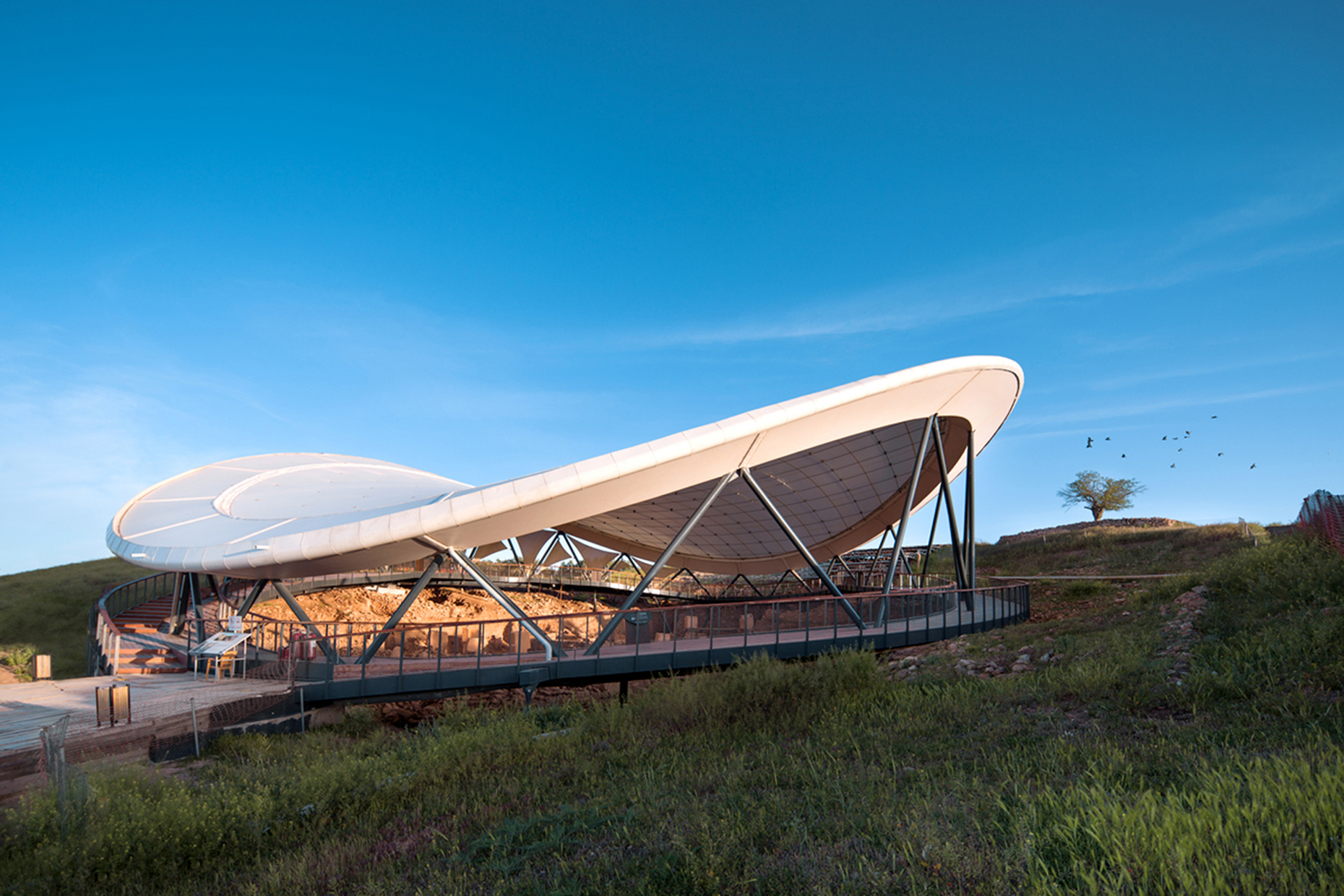
The supporting structure, its function, and thus also the work of the structural engineers can be observed clearly and undisguised in a building in distant Anatolia, which was awarded the Rudolf Finsterwalder Civil Engineering Prize in 2019. One could say that this is a case of “building within existing structures,” as the steel roof of the excavation site at Göbekli Tepe protects the oldest known ritual building of mankind, a field of steles dating from 10,000 to 8,000 BC (with kleyer.koblitz.letzel.freivogel Architects). The delicate rope net construction had to cause as little damage as possible to the archaeological subsoil, and so the 39 x 45 meter roof balances on only nine foundation points. The engineers met the special requirements for transportability and quick assembly with the ultra-light rope net membrane roof. With its dynamic shape reminiscent of stacking chips, the roof blends into the hilly landscape.
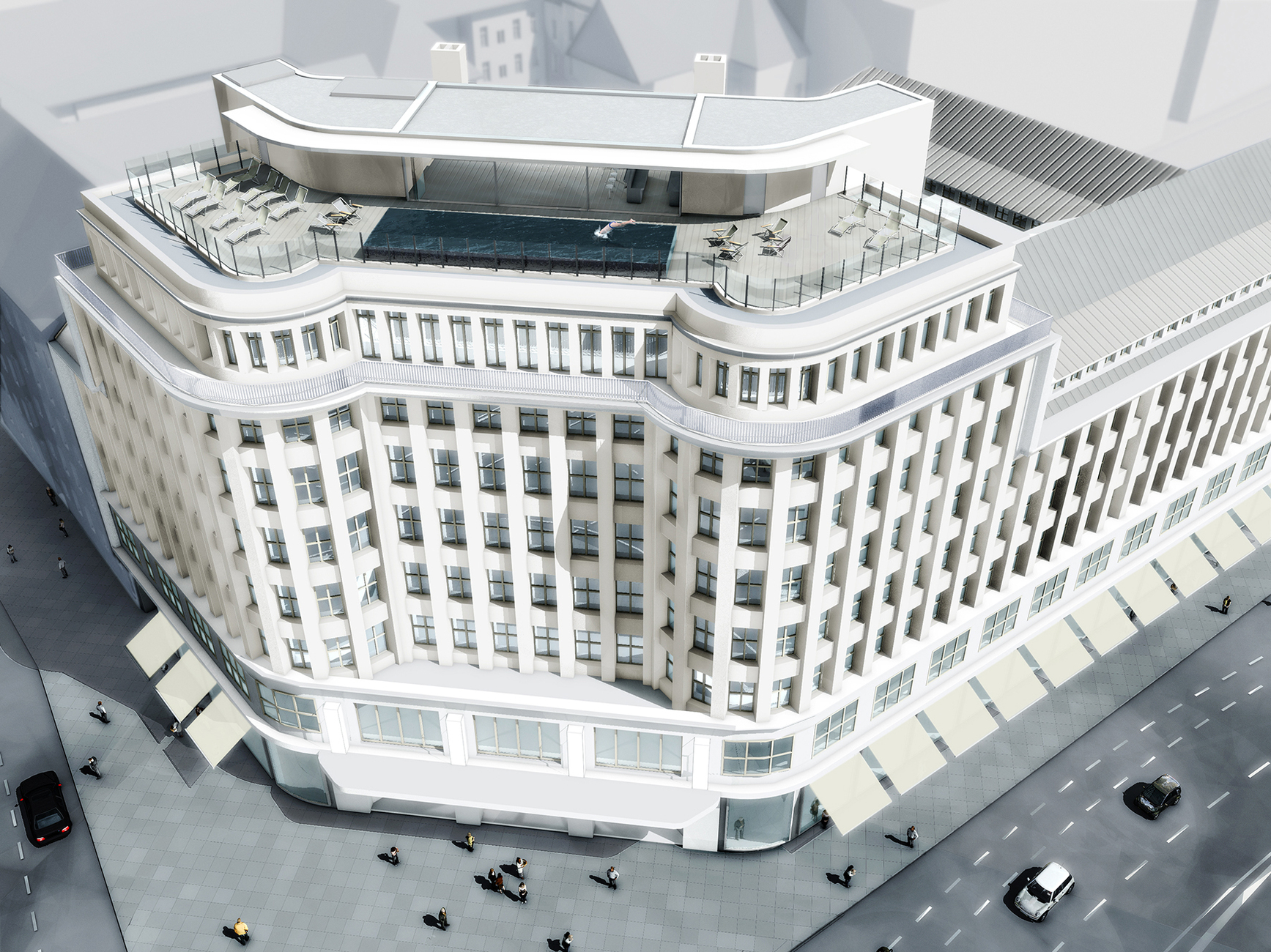
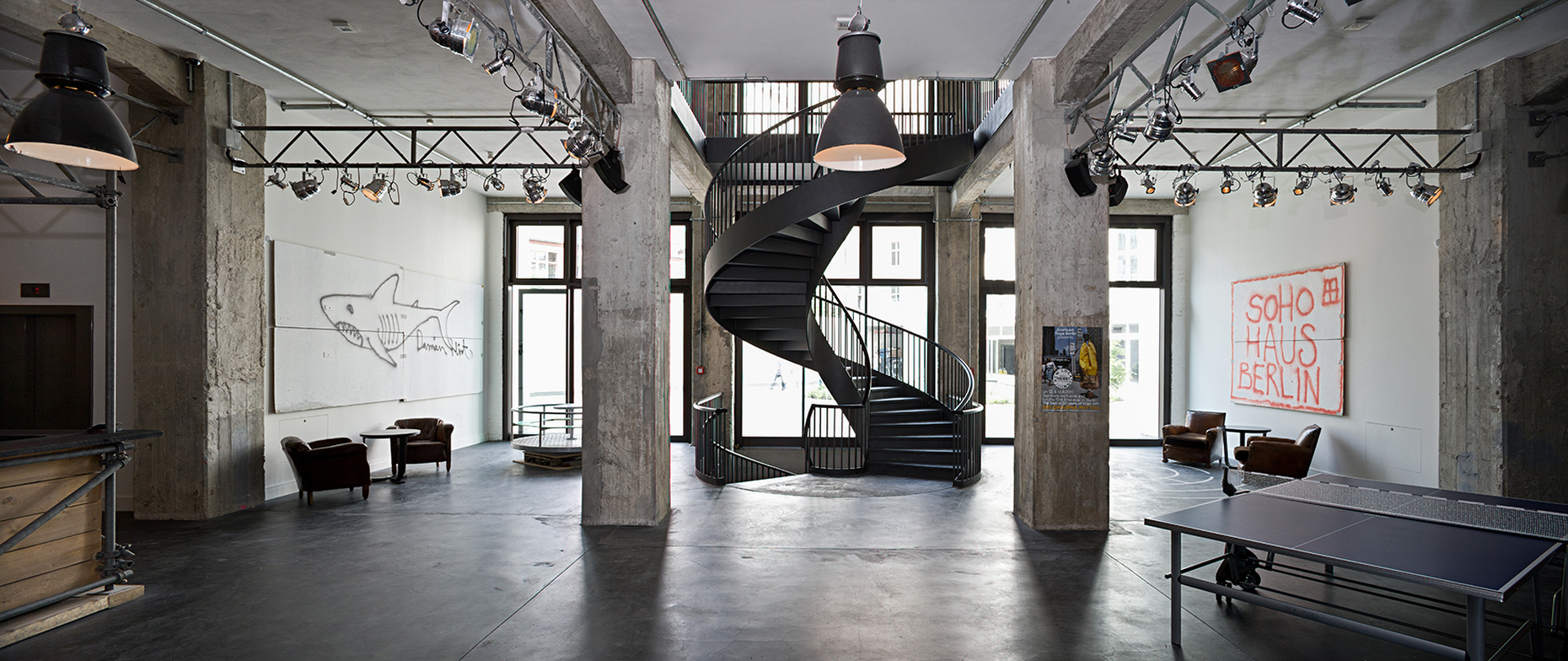
When converting the former “Kreditwarenhaus Jonaß” into an apartment hotel with a club on Torstraße in Berlin, the engineers were faced with the question of how to add a new extension with a swimming pool to an aging reinforced concrete skeleton structure dating from 1928. In collaboration with JSK SIAT Architects, the entire program had to be completed: foundation reinforcement, concrete renovation, conversion and additions, reorganization of the building's bracing, etc. There was no shortage of complexity in the planning and implementation tasks, and routine structural calculations were not enough to cope with this.
EiSat carried out a major project on a building from the same period in Eisenloffel's university town of Cottbus. The former diesel power plant, idyllically located in Goethepark on the edge of the city center, is a wonderful expressionist brick building, which power plant architect Werner Issel built in 1927/28, echoing Hans Poelzig's repertoire of forms. It was decommissioned in 1959 and has been a listed building since 1975. From 2003 to 2008, Anderhalten Architects planned the conversion into the “Brandenburg State Museum of Modern Art – Diesel Power Plant Cottbus.” The challenge for the team lay in the discrepancy between the dilapidated condition of the historic building fabric and the museum staff's high demands on safety, lighting, and air conditioning in the exhibition rooms. The solution was called the “house-in-house principle.” Independent structures were placed in the power plant halls, which did not place any load on the old building and could be divided and furnished according to the museum's needs. Around them, the historic masonry could be renovated, secured, and brought to life with its architectural splendor, but also with the traces of its history.
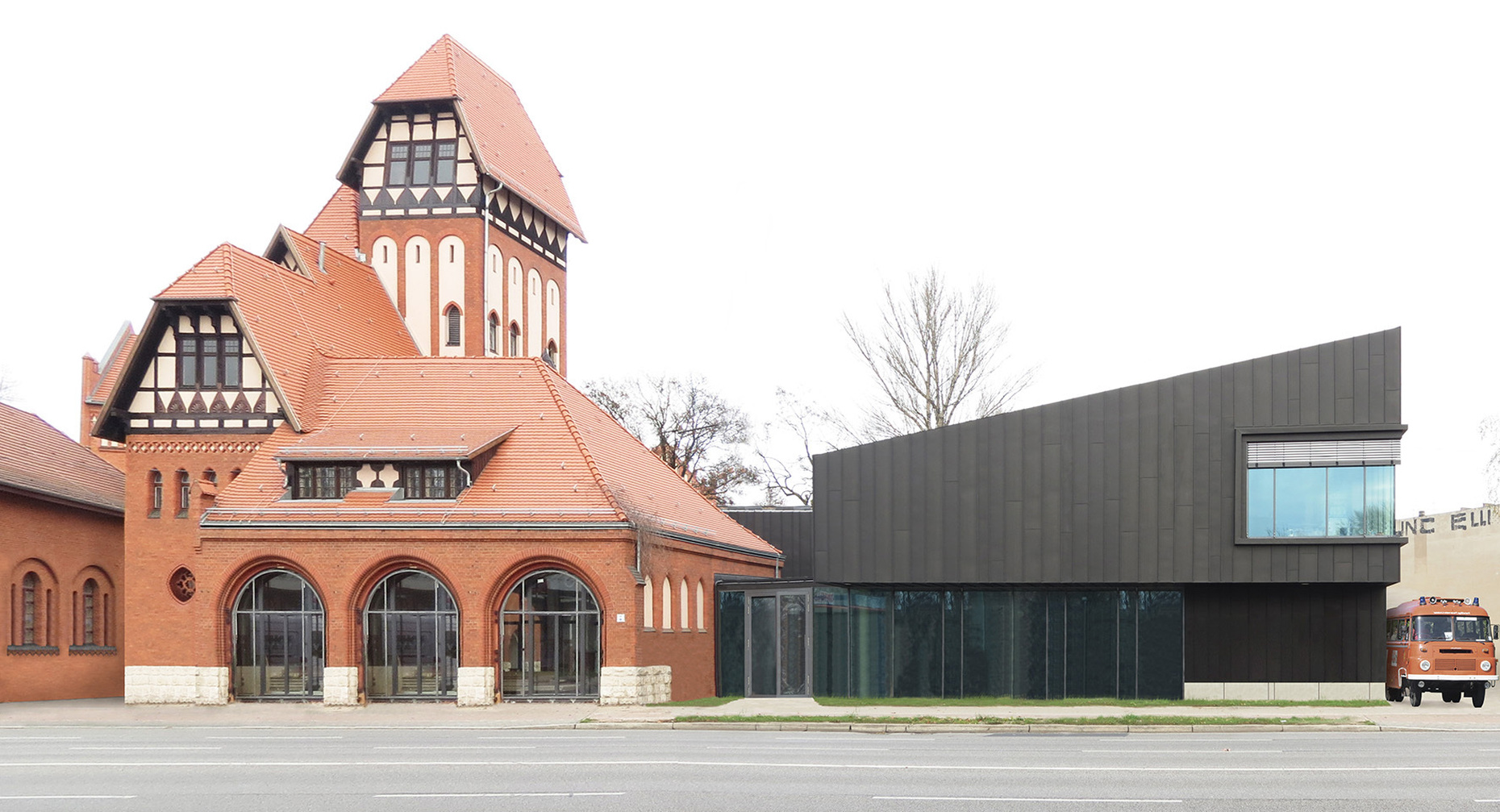
Preserving historical monuments is not just a job for architects and engineers. The Dieselkraftwerk shows that special expertise is often required to arrive at convincing solutions. The civil engineering department at BTU Cottbus focuses on structural preservation of historical monuments. Karen Eisenloffel has played her part in this. Whether it's the conversion of a wholesale market hall from 1962 into a children's museum for the Jewish Museum in Berlin or the repurposing of the Berlin-Schöneweide fire station into a library, historic preservation is one of her favorite projects, but the office is also entrusted with new construction projects, including the German Embassy in Bamako (Mali), high-rise buildings at Berlin's Osthafen, and the Swiss Tower in Dubai.