At the interface
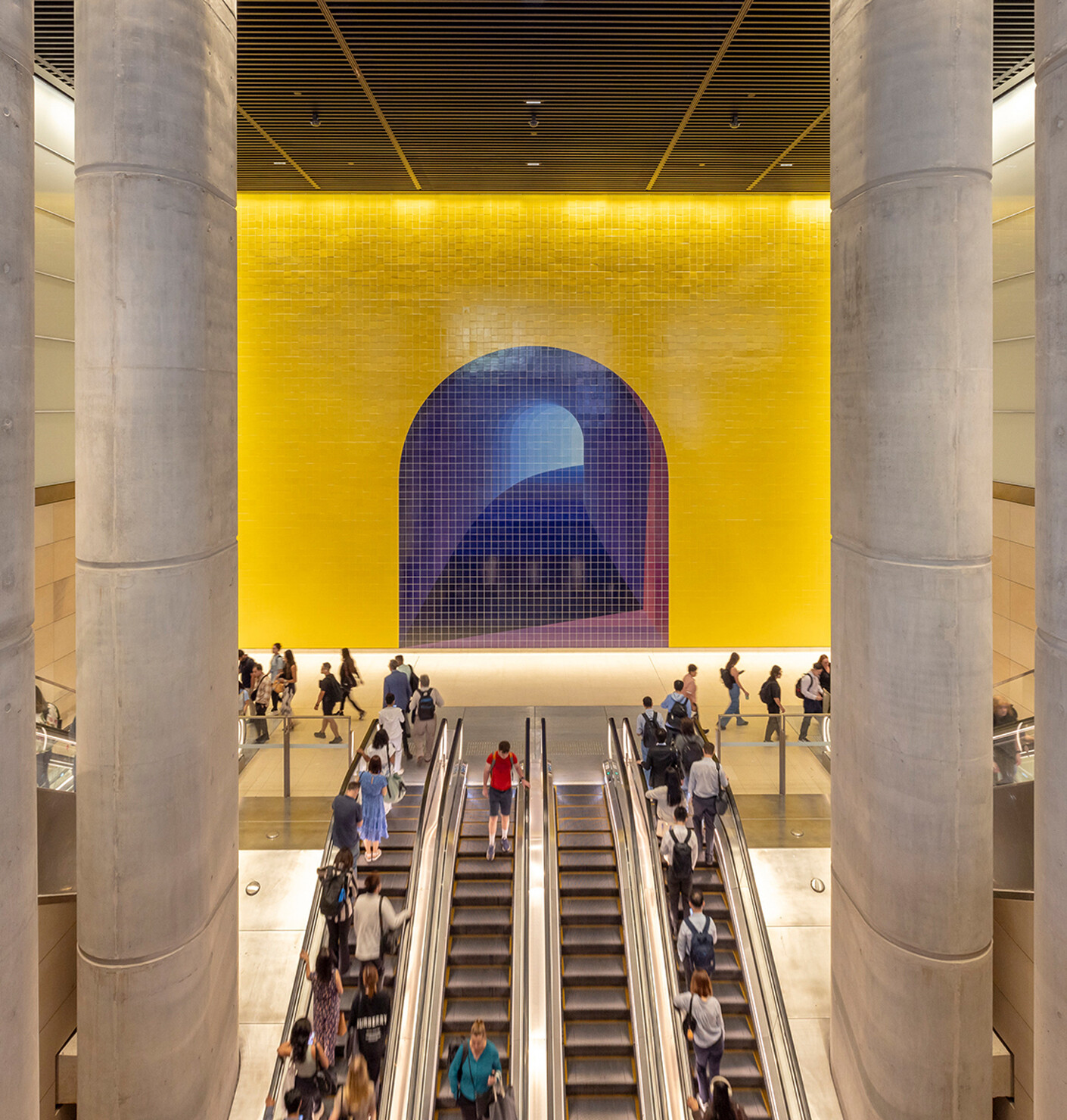
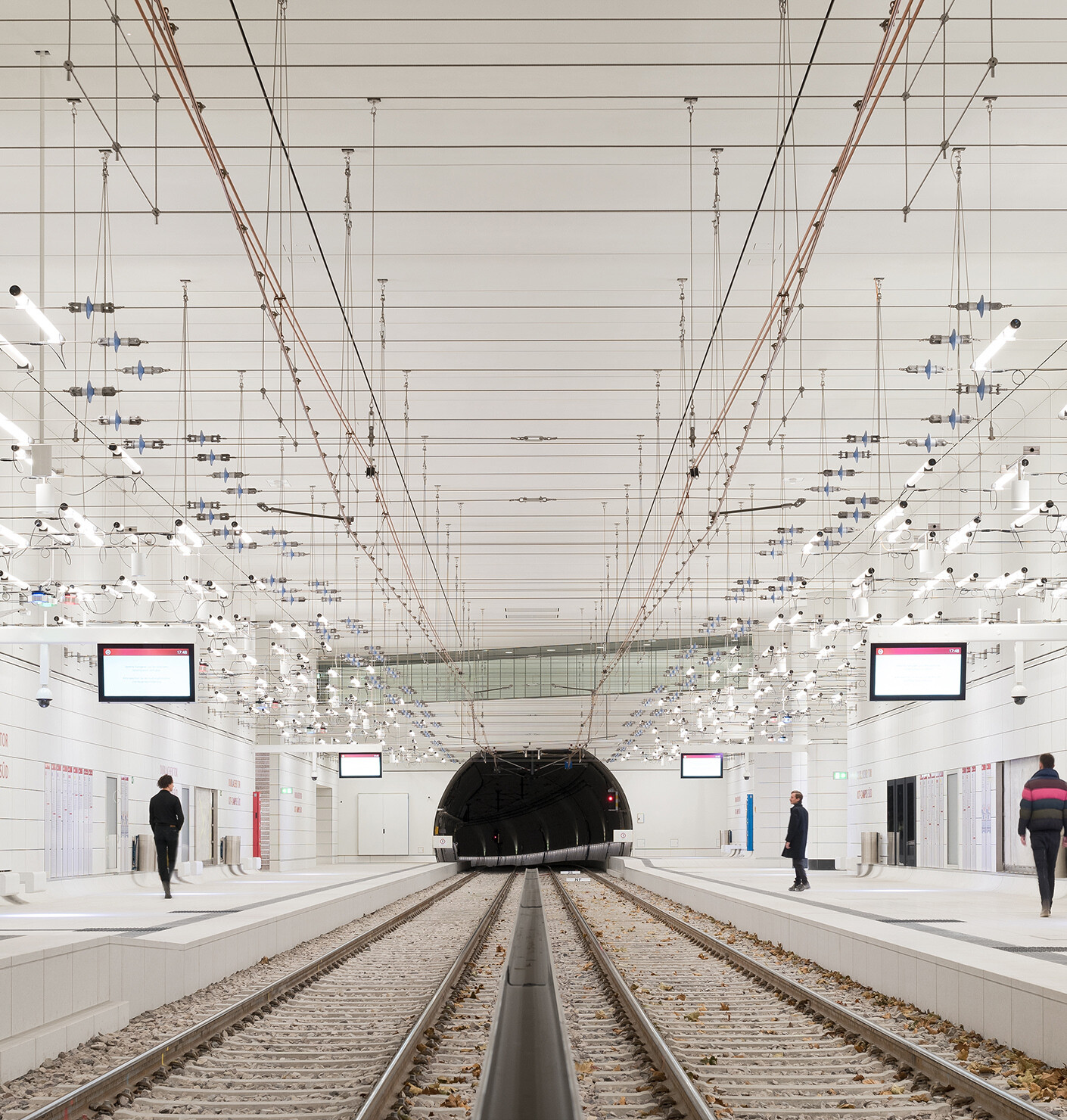
How can infrastructure in Germany be improved to contribute to the mobility transition? How can the diverse needs of users be better taken into account? Gruber + Popp Architects BDA specialise in educational and transport buildings and are presenting six projects that serve the common good and climate resilience as part of an exhibition at the Architektur Galerie Berlin. Bernhard Popp gives us a preliminary insight into the topic and their work.
Anna Moldenhauer: What is essential for providing infrastructure that is oriented towards the common good and climate-resilient?
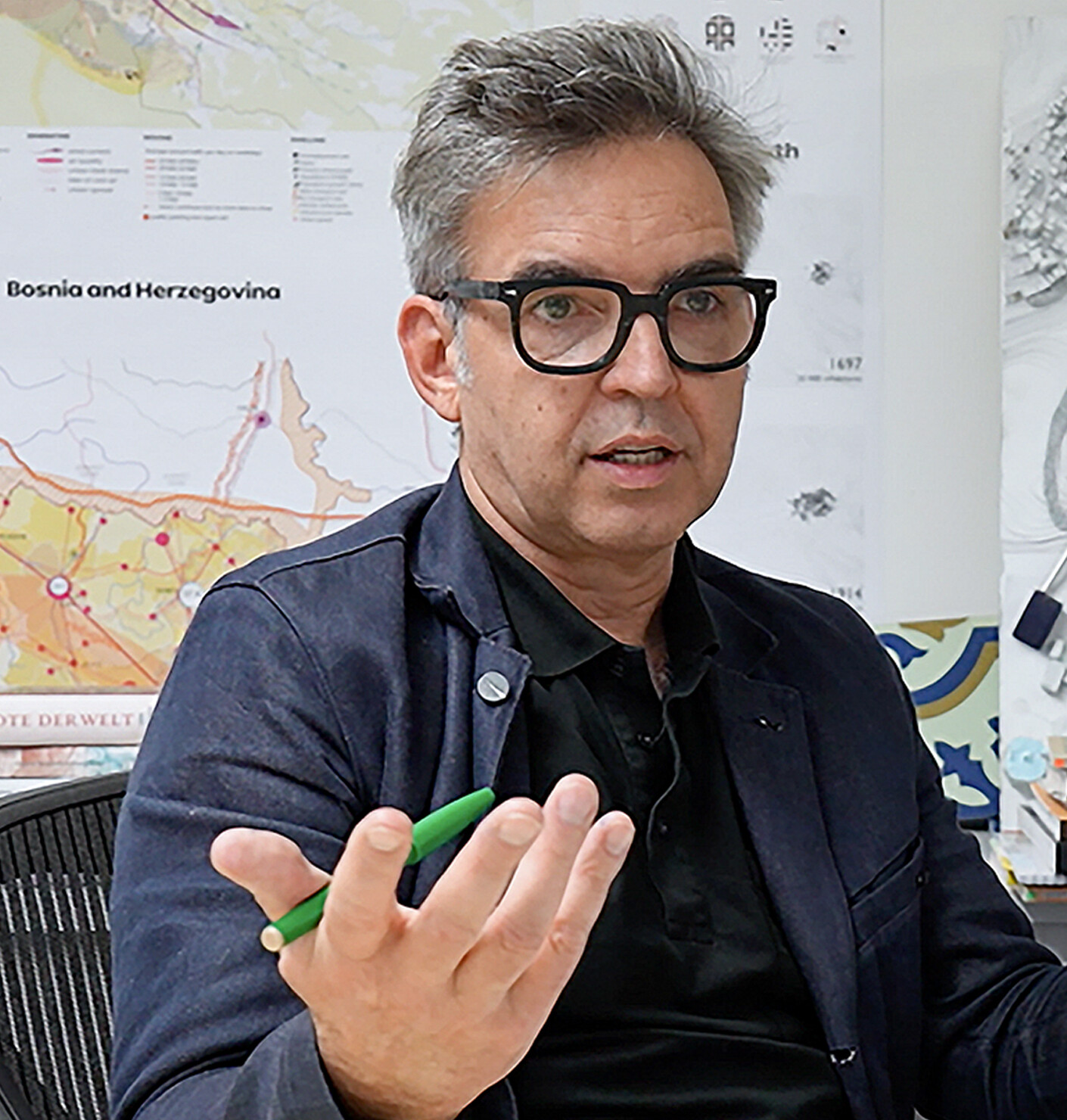
Bernhard Popp: High acceptance among the population is essential for the success of the mobility transition. 22 per cent of greenhouse gas emissions are caused by car traffic. Switching to trains and buses will make a decisive contribution to achieving climate targets and improving quality of life. Transport facilities must be designed as welcoming places. Planning must be geared to the needs and requirements of passengers. This comparatively small spatial interface between people and means of transport should not be understood solely as technical infrastructure in the overall underground railway system. Well-designed spaces can help us achieve a positive attitude towards transport companies. Then people will be happy to use these services. Well-designed and well-maintained locations and vehicles mean less vandalism and littering. This leads to fewer breakdowns and, as a result, buses and trains can run more punctually.
Why are public transport buildings currently often unpleasant places where people do not like to spend time?
Bernhard Popp: This is partly because safety and operation are usually the main priorities, rather than the quality of the passenger experience. It is certainly also due to the scale of the task. Whenever there is a lot of pressure and the pace is fast, the specifications focus primarily on functionality, construction time and technical quality. Design only slows things down. Transport companies should not view the task as an engineering challenge, but should engage architects much more frequently to develop stations that offer a sense of well-being.
Why is timber a key component of the mobility transition as a material for transport infrastructure?
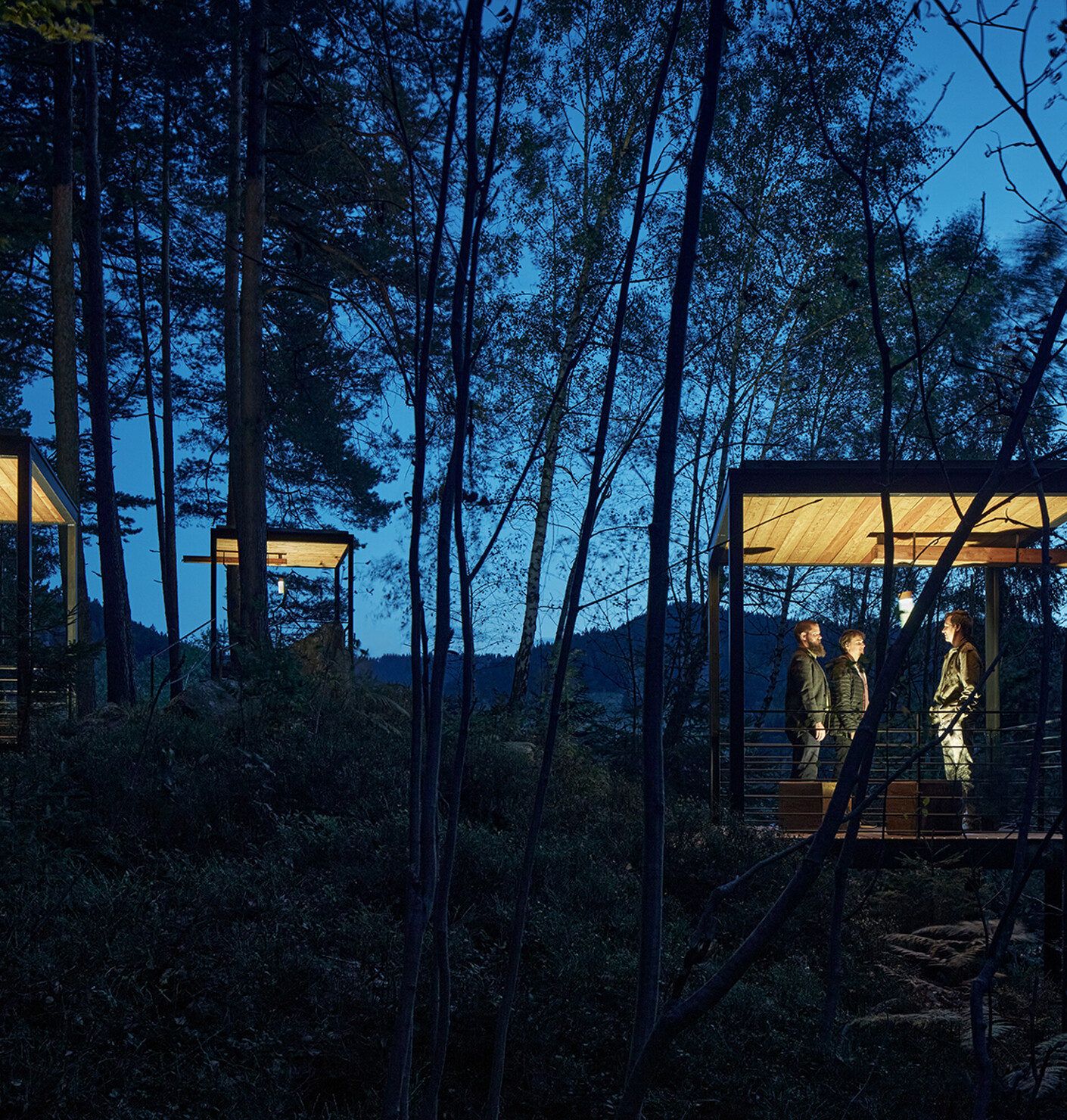
Bernhard Popp: Building materials such as concrete and steel, which have been commonly used up to now, are often perceived as hard and inhospitable. Wood, on the other hand, is perceived as a warm, natural and living building material. The choice of robust building materials is obvious at first glance, because we need infrastructure buildings to have a long service life. That is why wood may be a surprising choice for the supporting structure, as in our design for the light rail stations in Dortmund. However, the durability of wood is underestimated, as demonstrated by many hundred-year-old stations of the first suburban railways, which are still standing and functioning well today. I recommend more courage. We must dare to be more adventurous again and have more confidence in wood as a material.
How do you enable the target group to participate in the subsequent design process?
Bernhard Popp: One way of direct participation is through citizen voting. There was an online vote for the Martinsried bus terminal. The residents of Planegg voted in favour of our design being implemented. I think this form of transparency and influence is a good thing in infrastructure projects that shape places and community life for many decades. For our design for a new bus shelter concept for the BVG in Berlin, we conducted a four-stage workshop process in which numerous voices and expert opinions were heard. It is particularly interesting to see the extensive knowledge that exists about the wishes and needs of users. All transport companies have passenger surveys and daily feedback from their customers. This is invaluable. This knowledge should always be part of the specifications and the task at hand.
NEXT STOP – Architectures for the Mobility Transition
Exhibition by Gruber + Popp Architects BDA at the Architektur Galerie Berlin
Opening: 15 January 2026, 7 p.m.
Welcome: Ulrich Müller Architektur Galerie Berlin
Introduction: Prof. Jan R. Krause Bochum University of Applied Sciences
Discussion: 19 February 2026, 7 p.m.
Steffen Fiedler Berliner Verkehrsbetriebe BVG
Dr Carolin Genz TU Wien
Doris Gruber Gruber + Popp Architects BDA
Christian Scheler Studio 1komma2
Daniel Schröder MCube – Munich Cluster for the Future of Mobility in Metropolitan Regions
Moderator: Sally Below sbca
Exhibition: 16 January to 21 February 2026
Tue–Fri 2–7 p.m.
Sat 12 noon–6 p.m.
Architektur Galerie Berlin
Karl-Marx-Allee 96
10243 Berlin
Free admission