YOUNG TALENTS
Thinking contextually
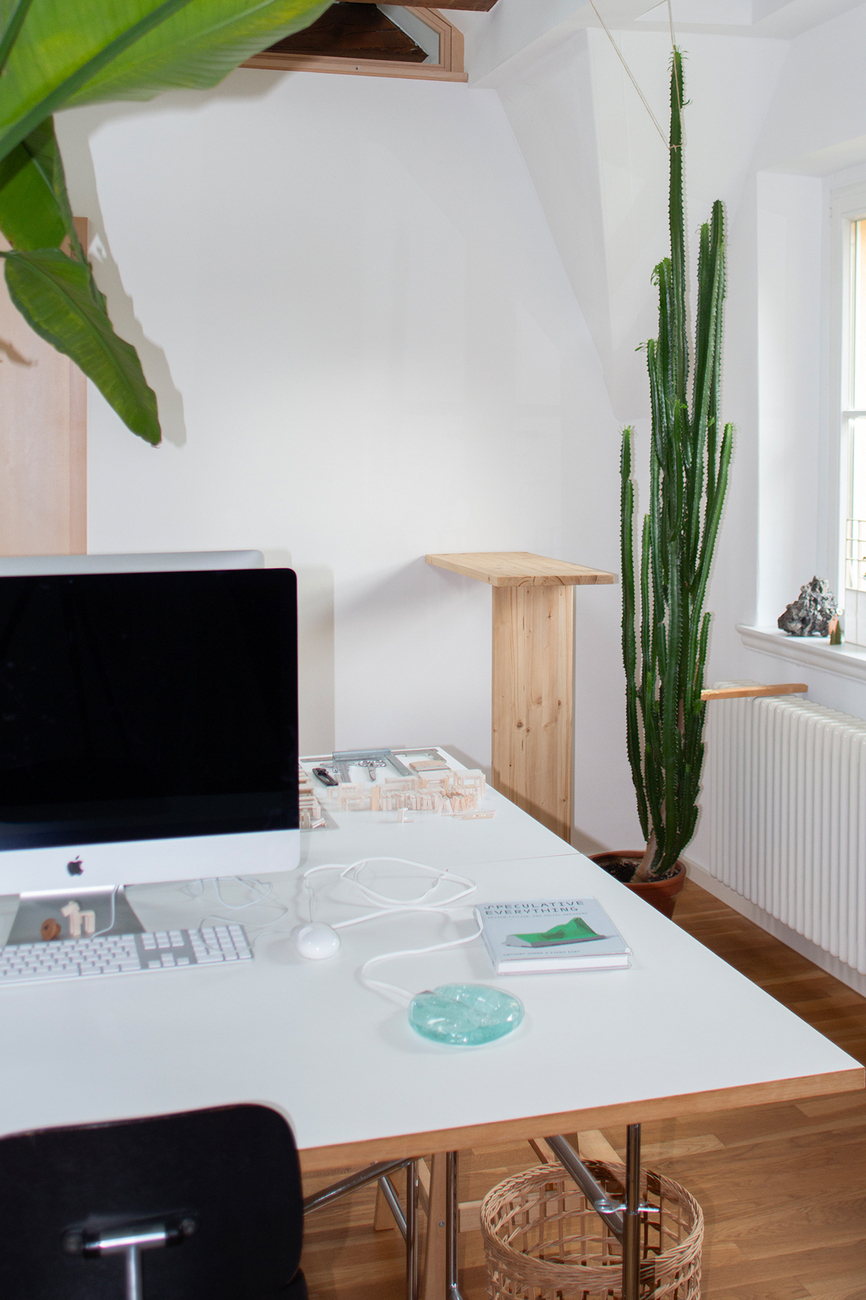
Not Milan, Paris, or Berlin – Johanna Seelemann works in a studio with an idyllic garden in Markkleeberg, near Leipzig. Her parents, who are landscape architects, also live here, she explains. So her creative flair was something she was born with. But even though she’s deeply rooted in her homeland, her creative work takes her all over the world, and she divides her time between Germany, Iceland, and the Netherlands.
Globetrotter
Johanna Seelemann (b. 1990) first studied interior architecture and later industrial design at Burg Giebichenstein in Halle before spending an exchange semester at the Iceland Academy of the Arts in Reykjavík. She was so impressed by the systems-based design approach taught at the Icelandic university that she decided to pursue her bachelor’s degree in product design there. Ever since Seelemann first attended Dutch Design Week as a student in 2014, she had been fascinated by contextual design. “I was totally blown away by the work on display there,” she says. She adds that she had always been searching for system-based design, but at the time didn’t yet have a term for it.
That was soon to change, because after graduating in Reykjavík, she spent a year as an intern at Formafantasma, a studio she had come to know and appreciate as the external reviewers of her bachelor’s thesis. Andrea Trimarchi and Simone Farresin – the founders of the design studio – are considered pioneers of a holistic design approach that encompasses ecological, historical, political, and social research. The internship turned into a total of four years that Seelemann spent at Formafantasma in Amsterdam. A master’s degree in Contextual Design at the Design Academy Eindhoven rounded out her education. “It is our responsibility as designers to understand the environments, landscapes, and supply chains in which our everyday objects and materials are embedded,” says Seelemann, explaining her growing interest in the field.
Studio founded in Markkleeberg
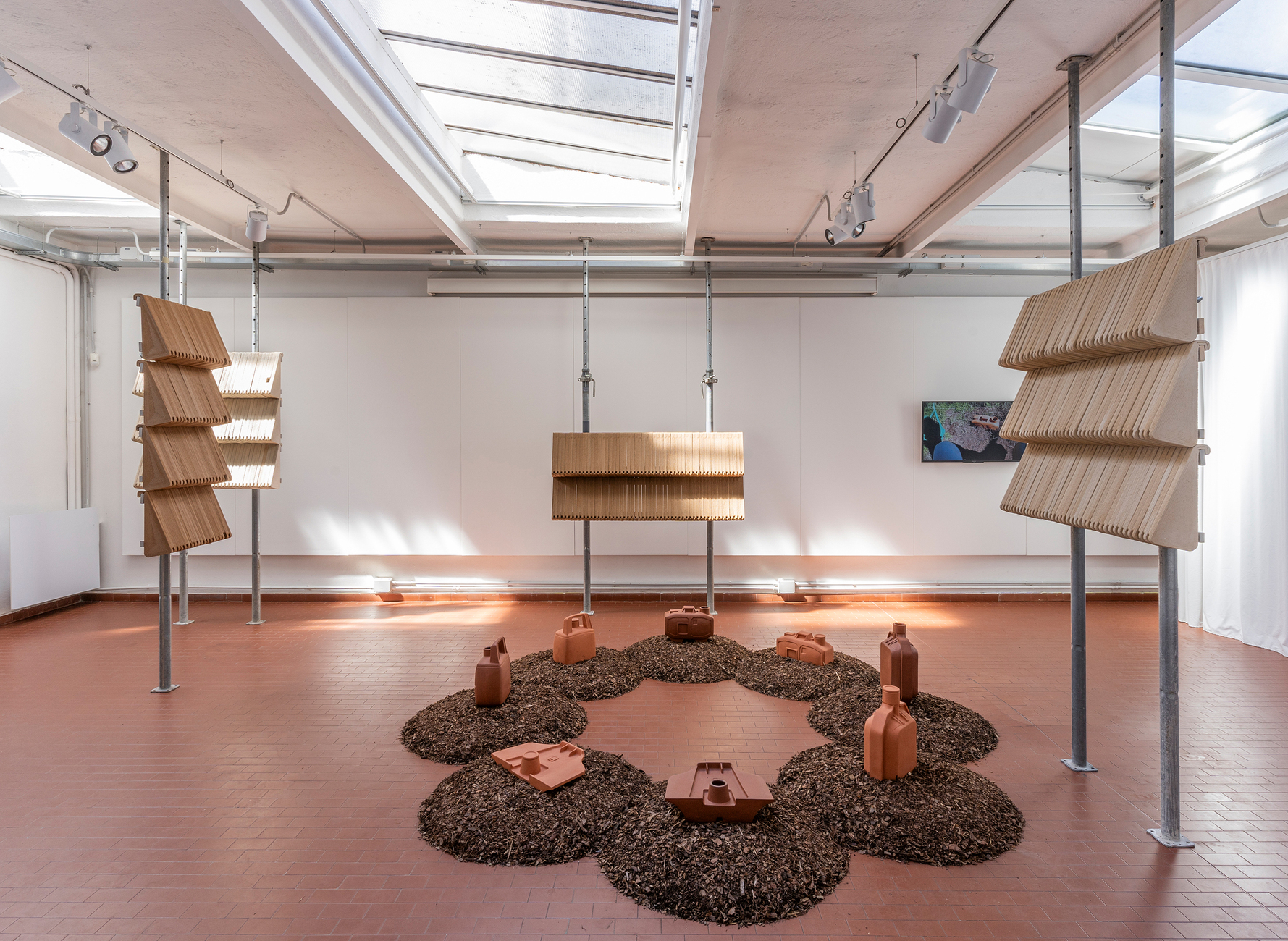
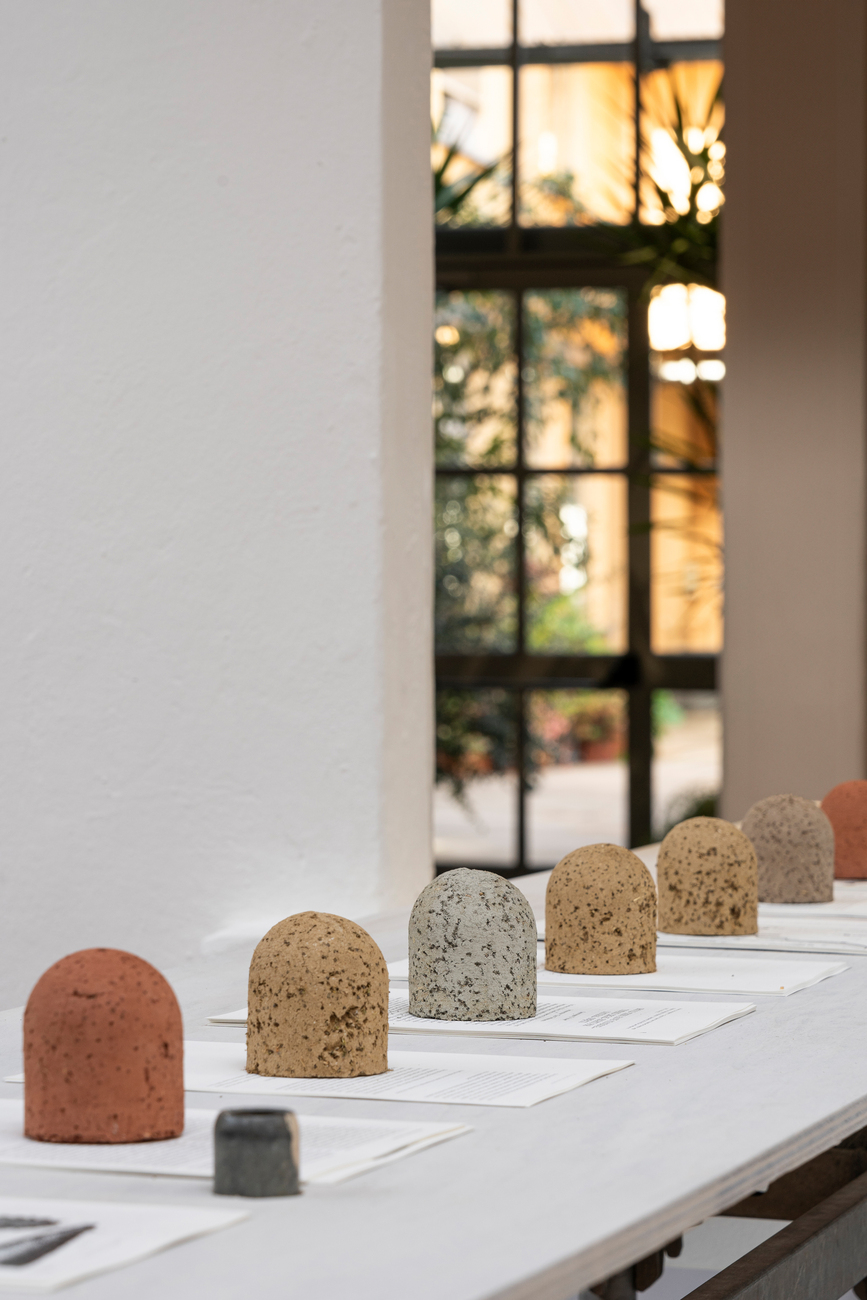
In the midst of the pandemic, Johanna Seelemann founded her eponymous studio in Markklebberg. You might think that wasn’t exactly the best time to start her own business. But Seelemann already had an excellent network back then and took advantage of the better support structures for young designers in the Netherlands. There, conceptual design is firmly established as a social tool, whereas design culture in Germany is more closely linked to industry and commercial purposes, says Seelemann. And so a one-year “Talent Development Grant” from Creative Industries Netherlands enabled her to get off to a relatively smooth start as a self-employed designer. Seelemann designs objects that are always context-specific. She has a particular interest in materials, their potential alternative uses, and their integration into industrial processes.
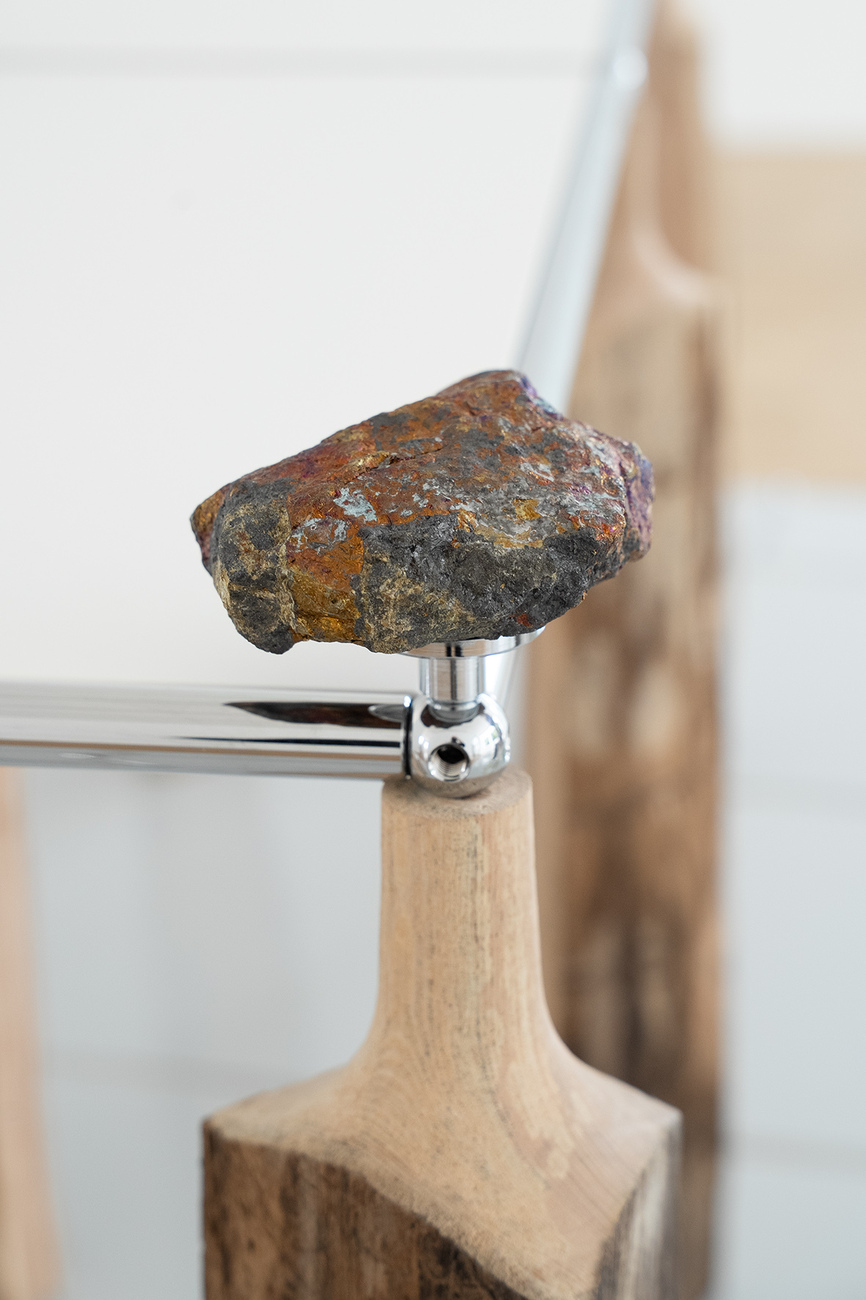
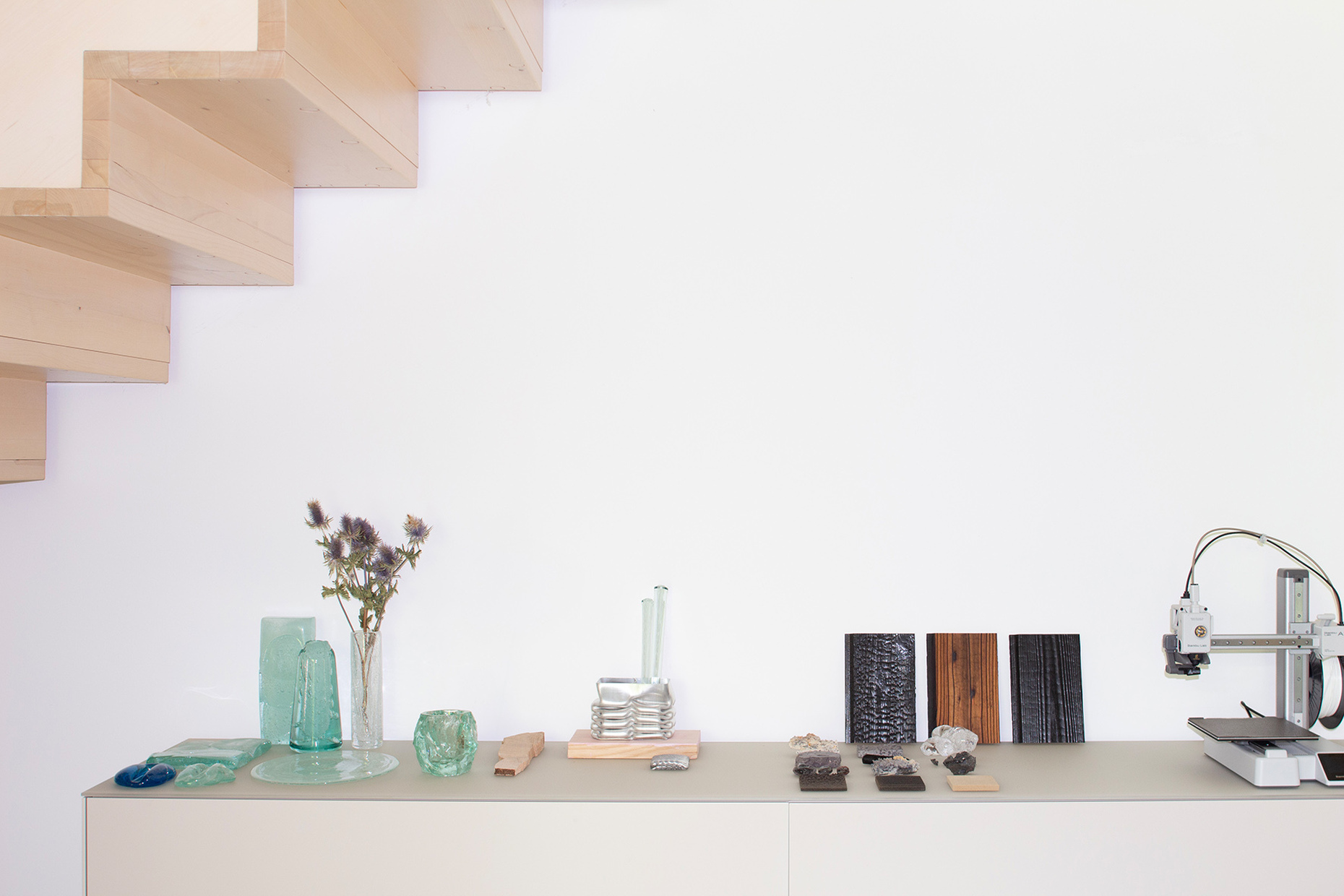
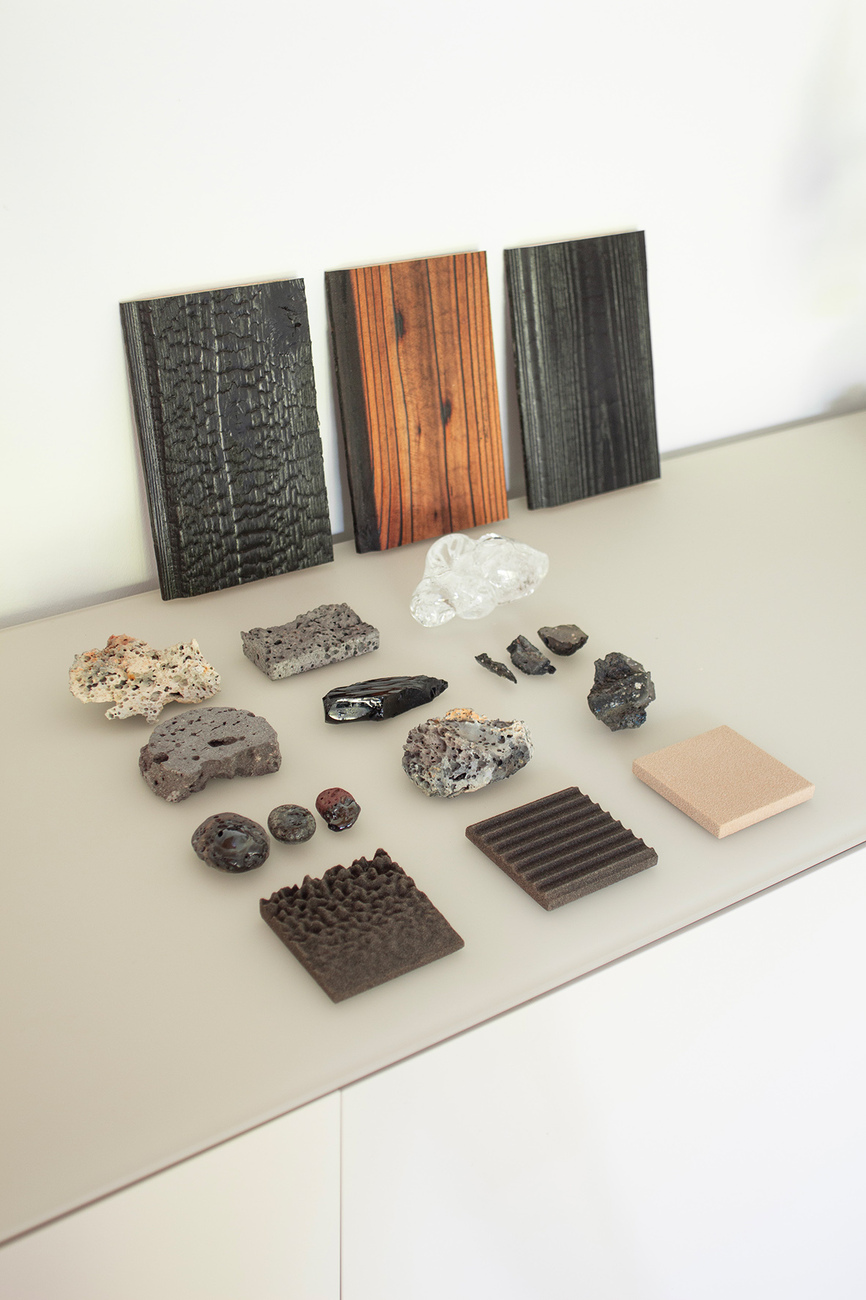
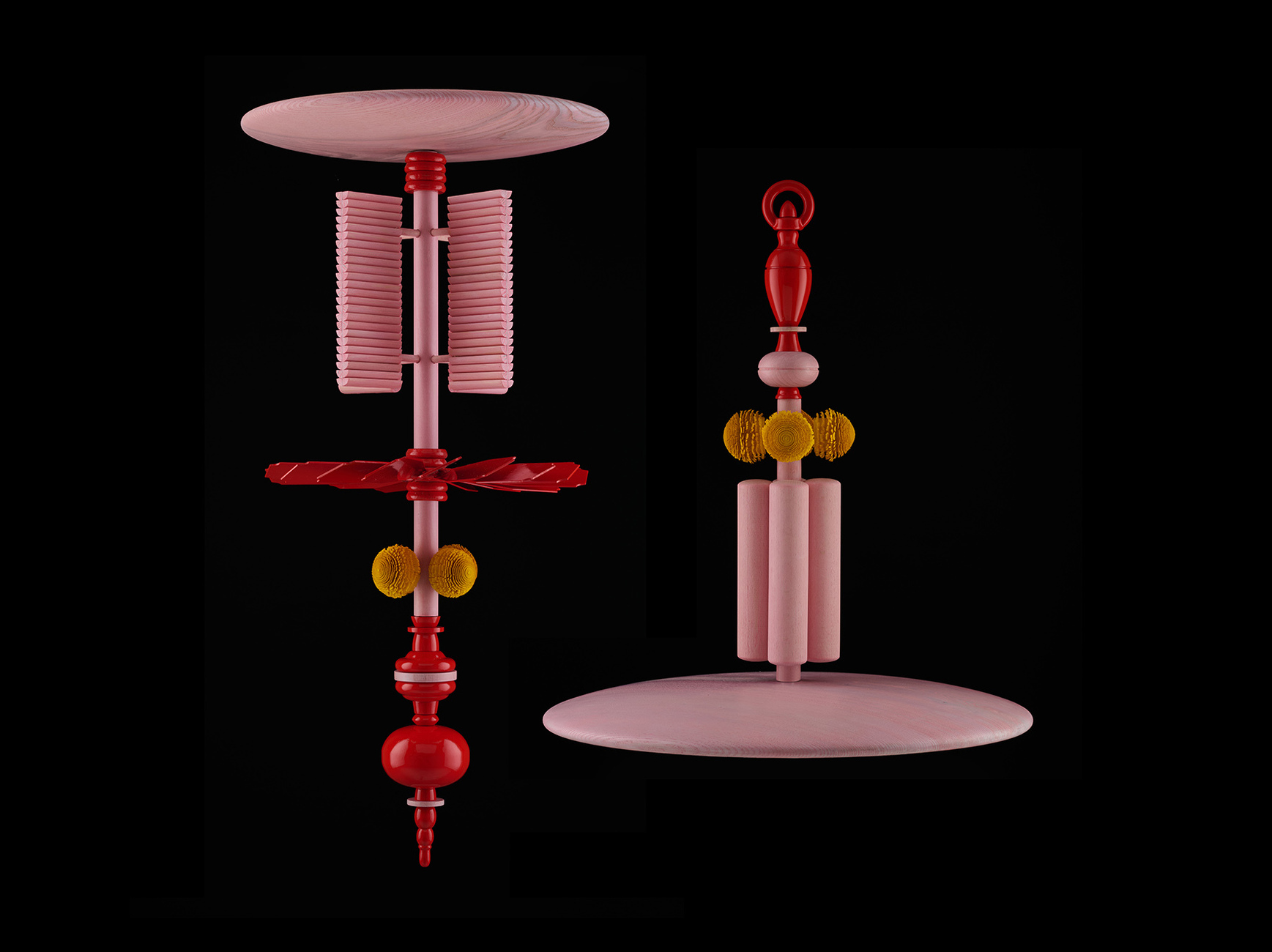
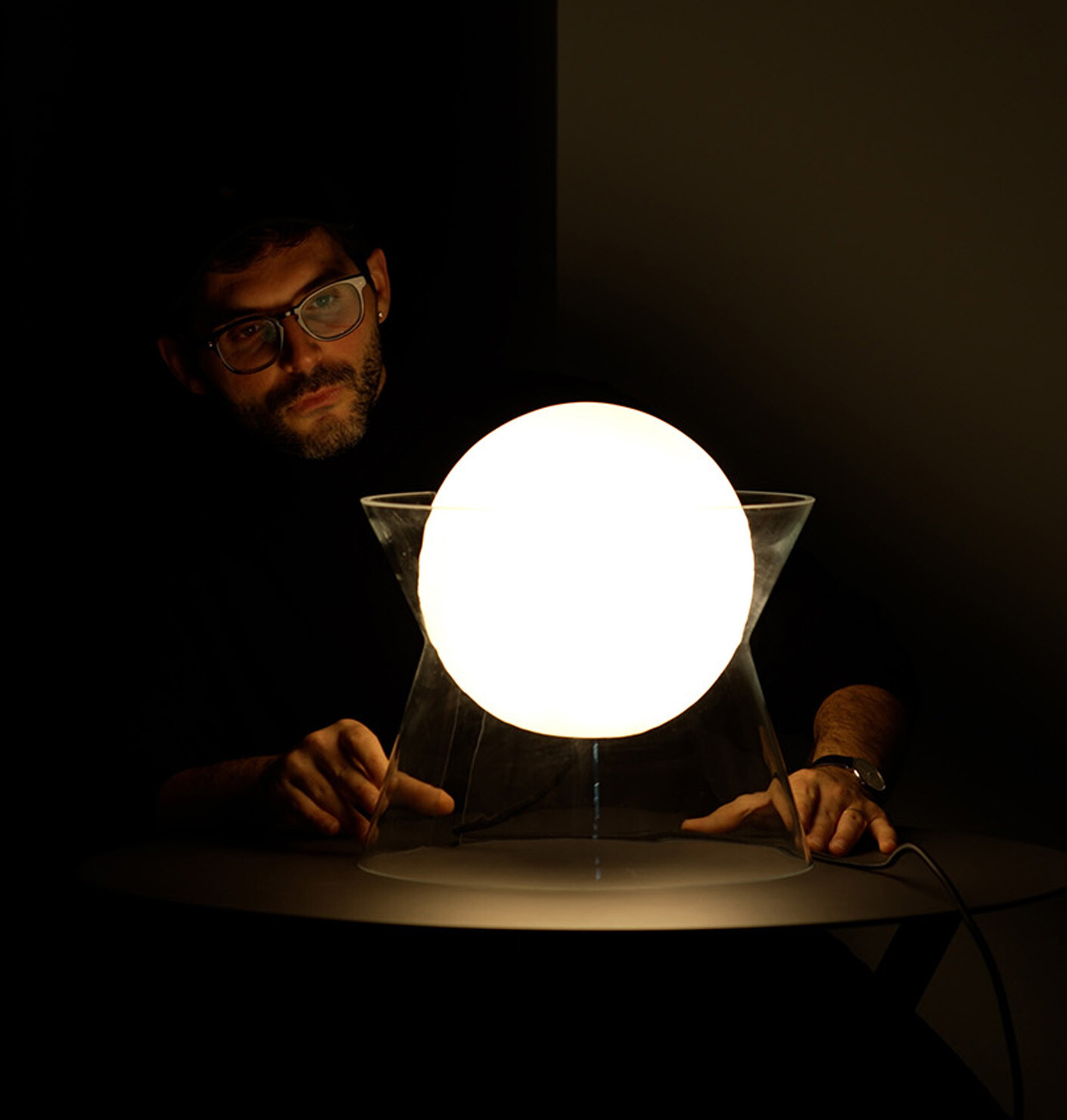
One example of Seelemann’s holistic design approach is “Vitrum Iceland.” As the name suggests, the project originated in Iceland, where the 35-year-old now spends much of the year. She appreciates the small, well-connected design scene, which fosters a critical discourse from which one can learn a great deal and also contribute, according to Seelemann. She has also exhibited several times at Design March in Reykjavík and is an integral part of the community. For the “Vitrum Iceland” series, industrial flat glass scraps from the country’s construction industry are melted down and shaped into new objects such as furniture, lamps, and vases. Developed in collaboration with the island’s only glassblower – Anders Vange of Reykjavík Glass – and the lighting studio Hildiberg Lighting, air pockets, irregularities, and traces of the manufacturing process are deliberately left visible, giving the objects a unique character. This is complemented by a tactile element, as the glass is combined with fire-treated wood, whose surface is intended to evoke traditional glassblowing tools, according to the designer.
“Vitrum Iceland” is an example of the potential inherent in local recycling. Every lamp, every shelf (with a tension strap), and every vase in the collection preserves the material’s recyclability while also becoming a durable collector’s item. The availability of large quantities of discarded glass makes it possible to produce even larger objects such as armchairs and side tables, while the use of hydroelectric and geothermal energy supports sustainable local production. The pieces in the collection are distributed through the H,A,K,K Gallery in Reykjavík, and they are by no means as expensive as is usually the case in collectible design. “We discussed the prices at length,” says Seelemann. “We didn’t want to offer the pieces exclusively; we also wanted to sell them to the local community.”
Expansion of the work zone
Even though Johanna Seelemann has primarily collaborated with museums and research institutes such as the MAKK Cologne and the Fraunhofer ISI, and teaches as a visiting professor at the Kassel Art Academy, she wants to further diversify her work, broaden her scope, and in the future also work in collectible design – particularly at the intersection with local materials. She also hopes to work more closely with companies on mass-produced and sustainable products. Seelemann loves the flexibility of being a freelance designer and wants to try out different things at the same time. She admits that going it alone and the financial uncertainties can sometimes be a challenge. But there’s no doubt that she has enough ambition, discipline, and talent to continue expanding her studio in the coming years.