YOUNG TALENTS
Straight through the middle
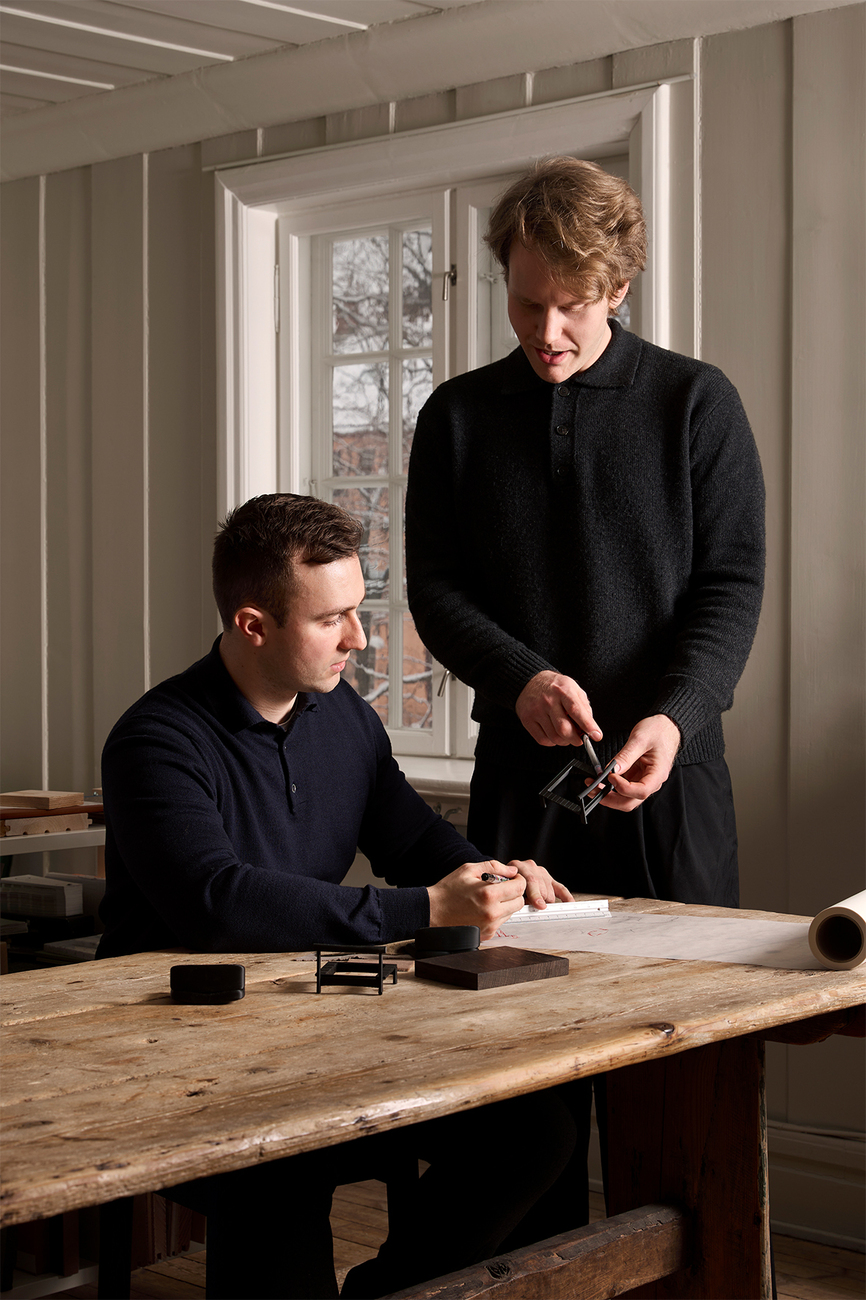
The Norwegian design scene has a comparatively low international profile. If you ask Norwegian designers why this is, most of them have one main answer: the country’s oil and gas reserves. The extraction, refining and processing of raw materials simply generate more money than furniture manufacturing. Furthermore, Norwegian design history is not as firmly rooted in the collective memory as it is in Denmark or Sweden, and plays a less significant role in everyday life. Christian Sandbye and Jonas Oppedal explain that Norwegian design companies are rather risk-averse and tend to favour established names over young creatives. Nevertheless, the two designers are optimistic about the future and set up their own studio last year, straight after graduating from the Oslo Academy of the Arts – whilst still in their late twenties.
Courage to Change
Oppedal and Sandbye have named their design studio Kogl – after a Norwegian verb meaning ‘to conjure’ or ‘to cast a spell’. In this context, however, Kogl does not so much imply that design is magic. Kogl represents a design approach that focuses on experimentation – whether with existing typologies, forms or materials. “The name also suggests that we want to bring something new and challenging to the world of design,” says Christian Sandbye. And his partner adds: “Our background at art college allows us to think differently. We try not to work solely according to the strict, classical product design method.”
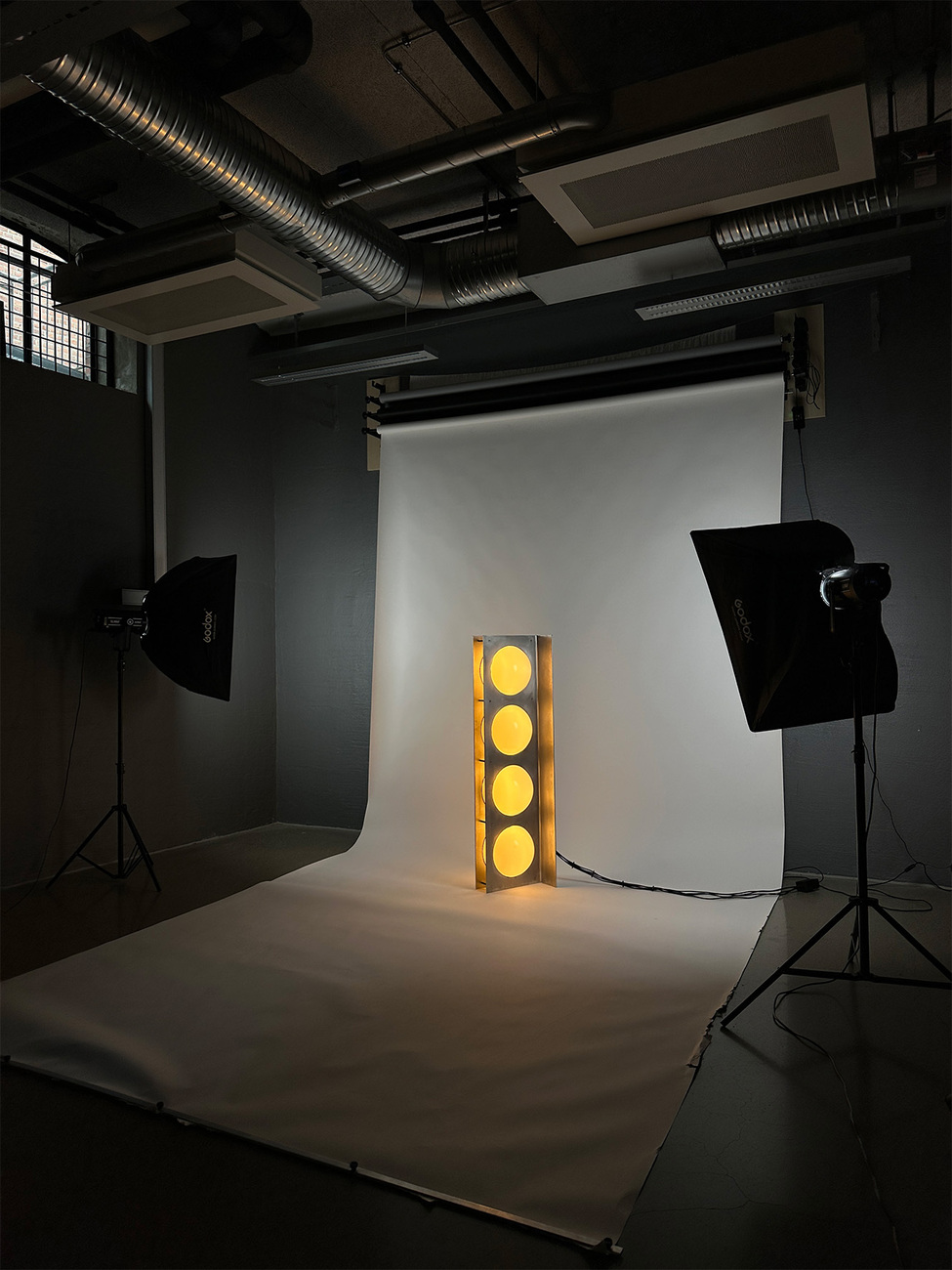
Despite not having been in the design business for very long, the two Norwegians already have an astonishing range of designs to their name – and plenty of self-confidence to boot. They are currently setting up their first studio – in the upmarket Frogner district of Oslo. They’ve been lucky, as they can use the vaulted cellar space for free. It forms part of a shop belonging to a parquet flooring manufacturer for whom Sandbye has been working for several years. Until now, the whitewashed room has served as a storeroom, but the designers are now transforming it into their workspace – complete with a small workshop featuring a 3D printer, a photography studio and shelving for their extensive collection of materials.
Better as a pair
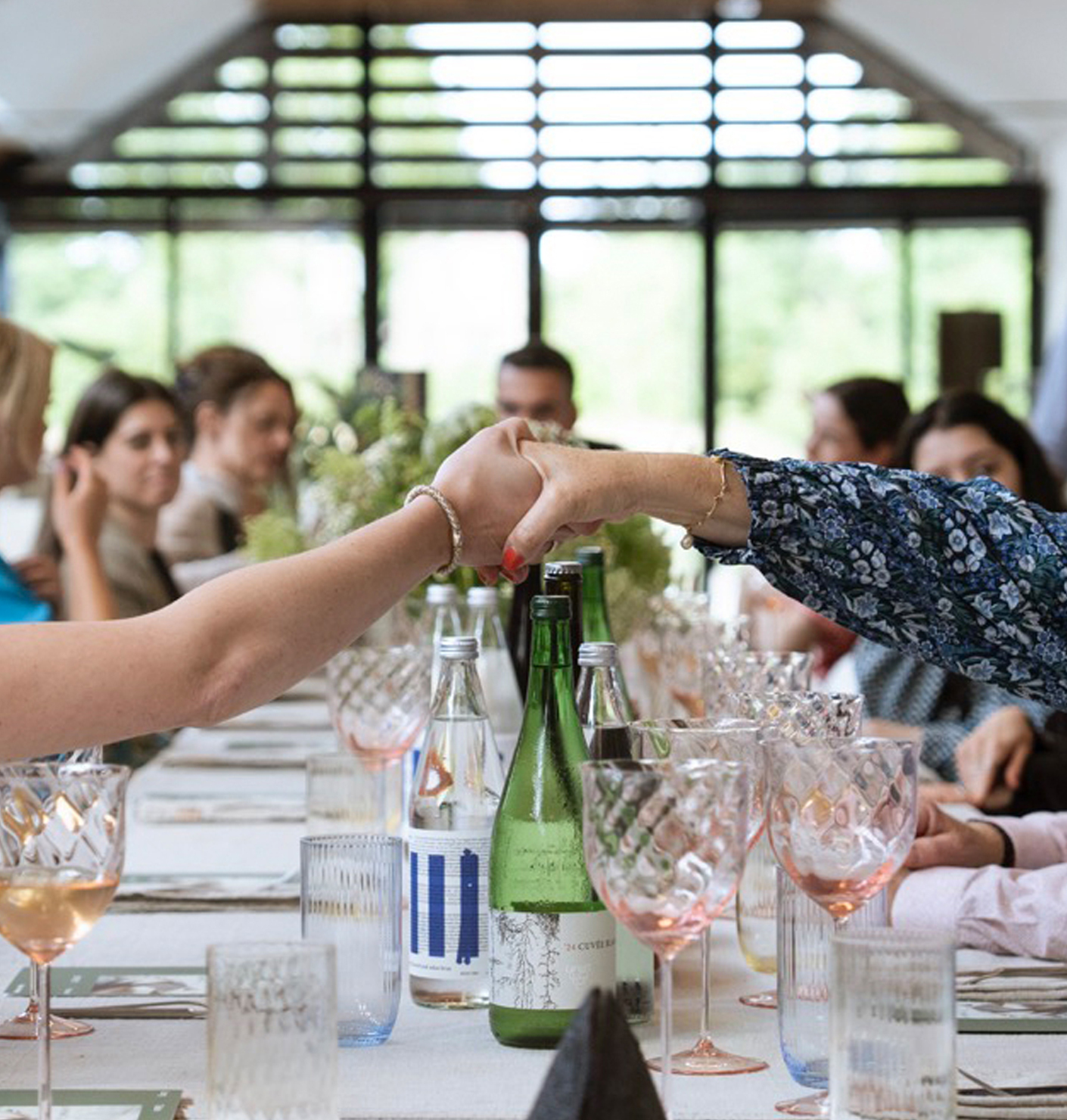
Oppedal and Sandbye met whilst studying interior architecture and furniture design at the KHiO Oslo Academy of the Arts and decided, immediately after completing their bachelor’s degrees last year, to set up their own business together. Not only are their design ideas similar – working together also enables them to pool their knowledge, support one another and share the workload – particularly when it comes to the time-consuming preparations for exhibitions and trade fairs. “I don’t think I’d be able to manage all this without Jonas,” says Christian Sandbye. “Everything takes a lot of time and energy. Often I’ve run out of energy and Jonas has to step in – and vice versa. That’s what really keeps us going.” He adds: “We have expectations of each other and are working towards the same goal.”
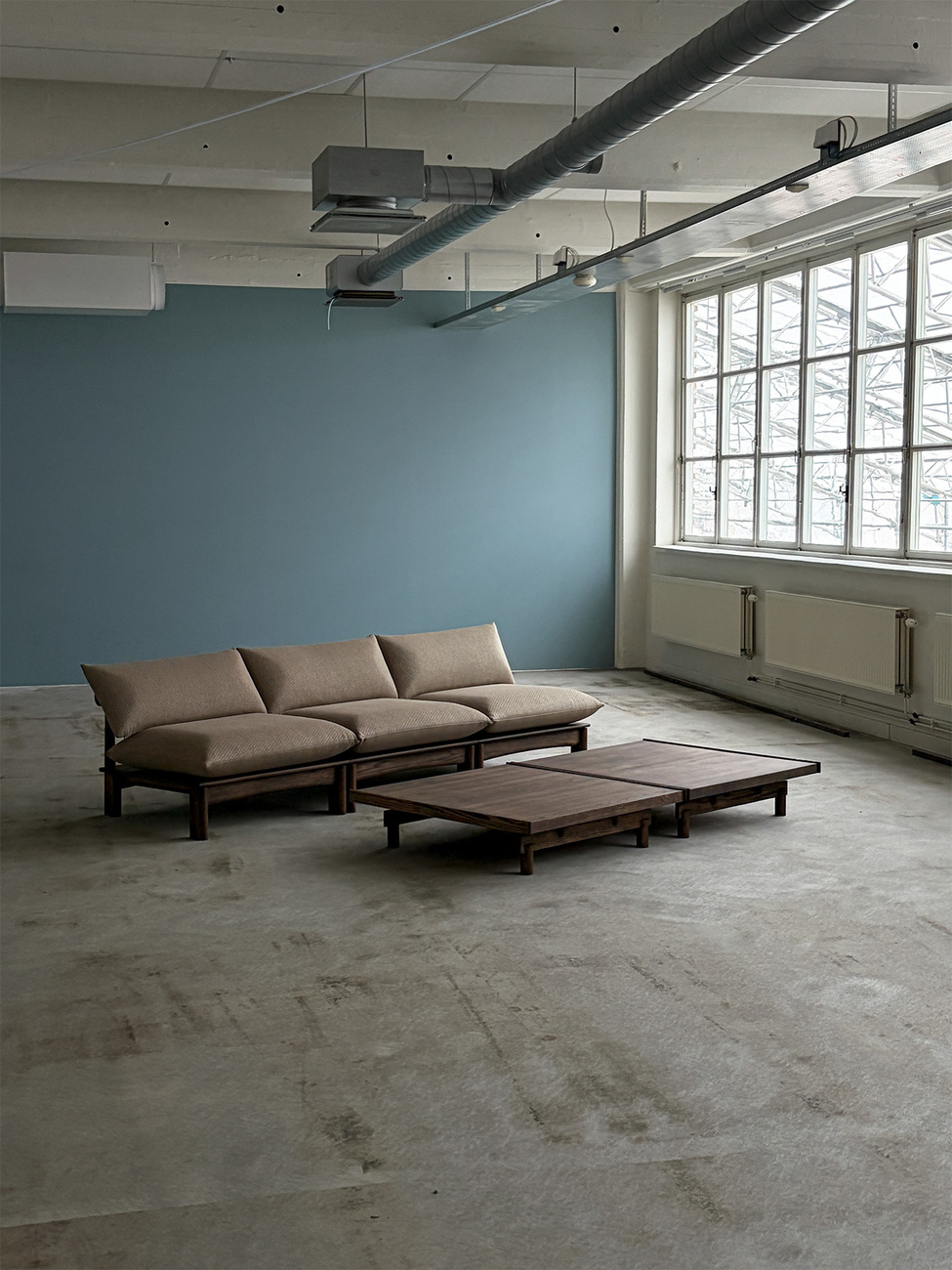
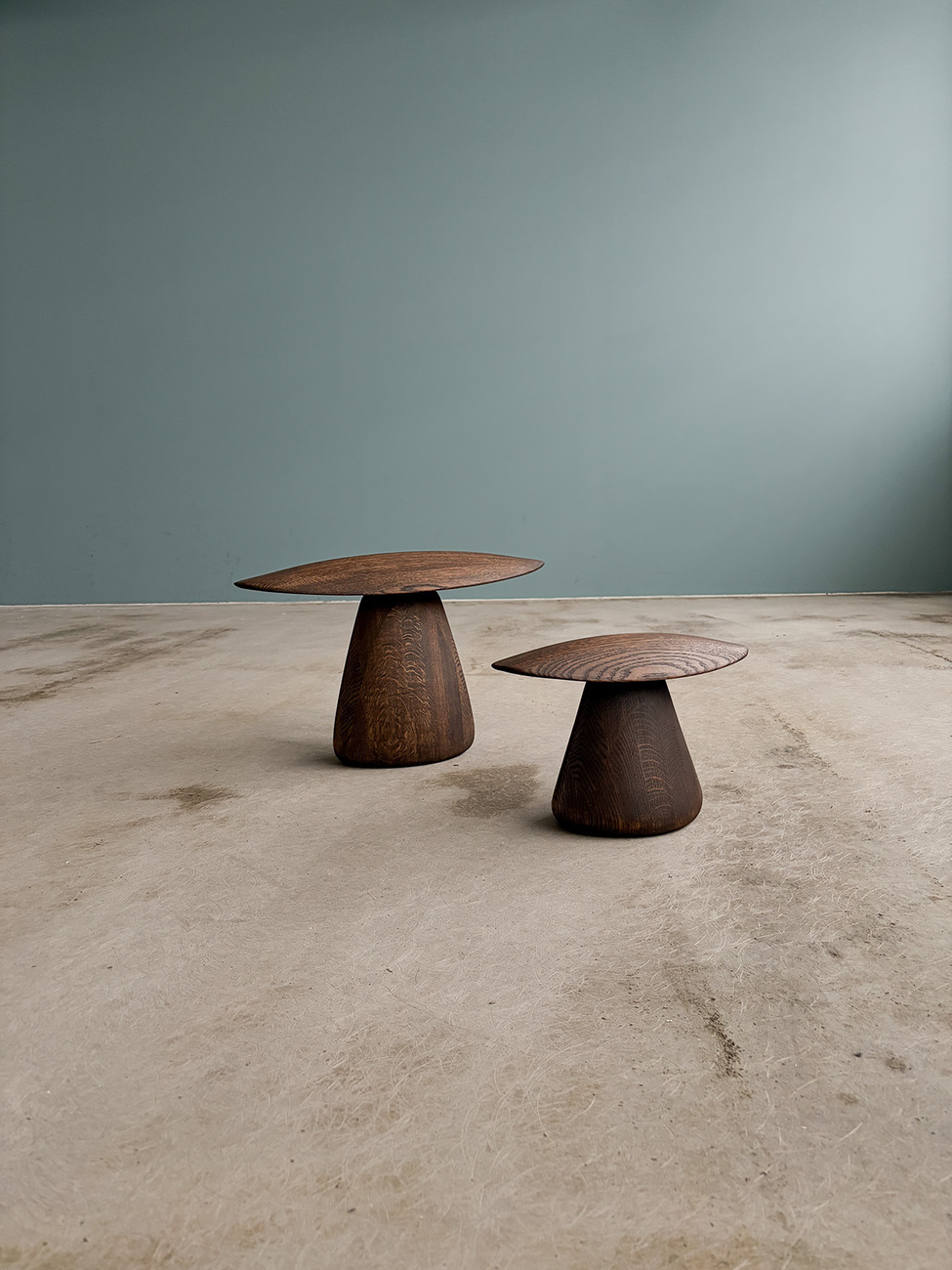
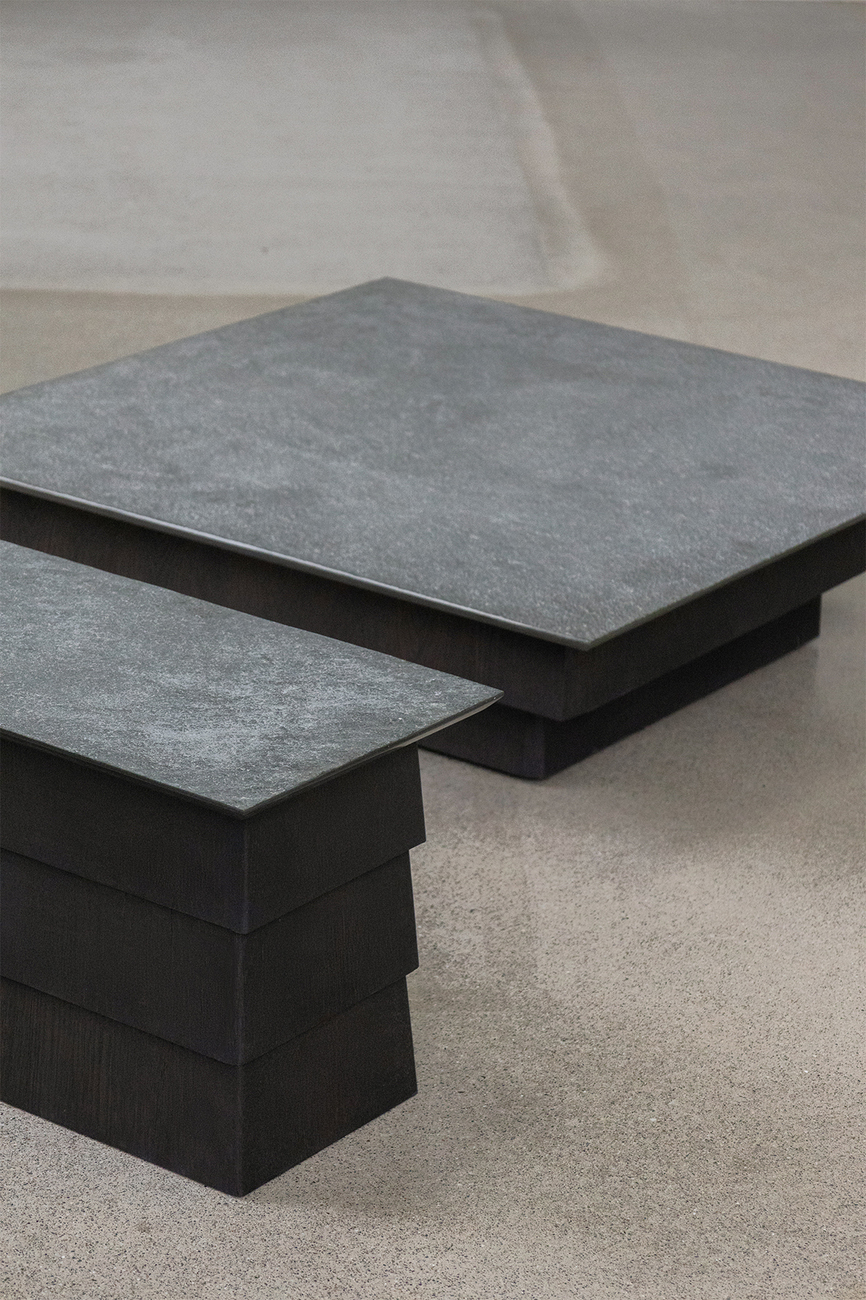
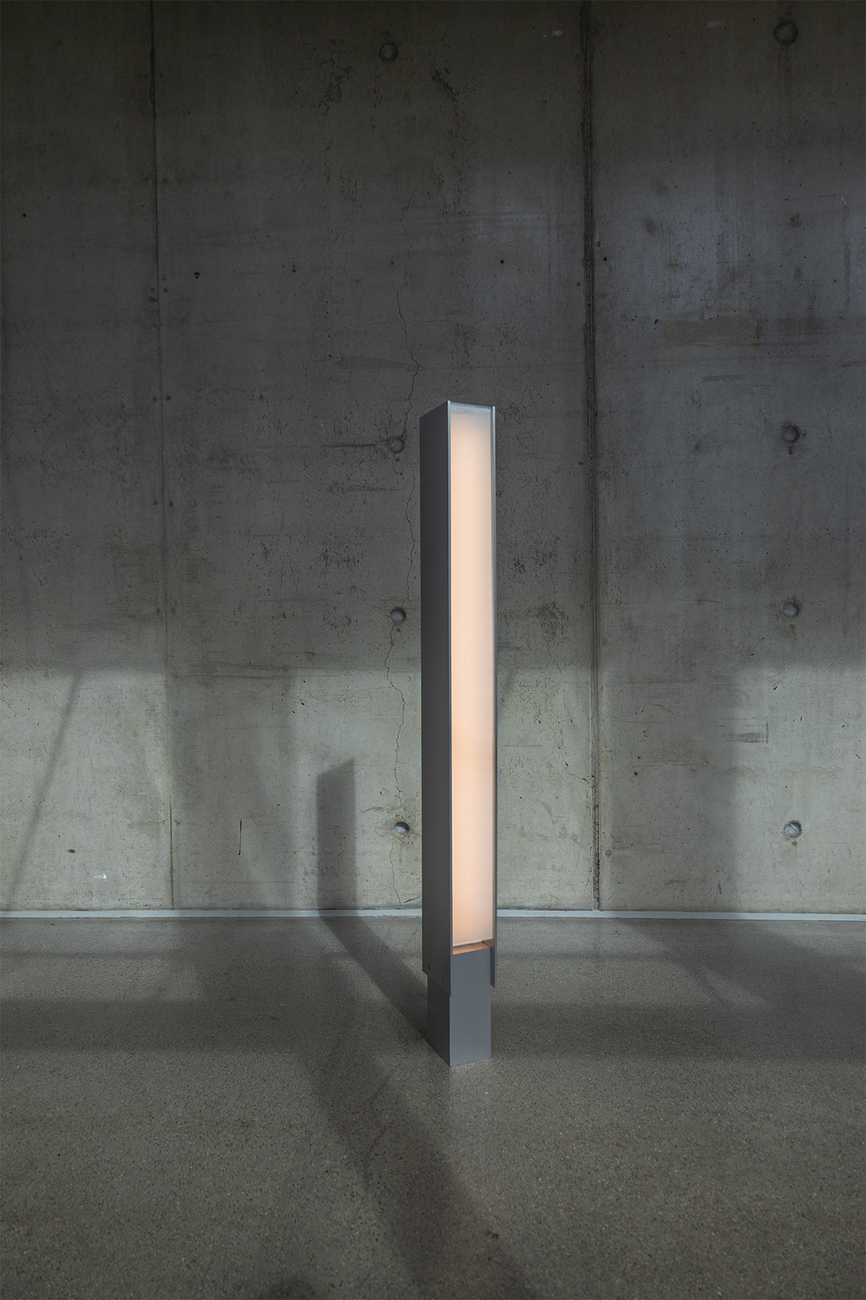
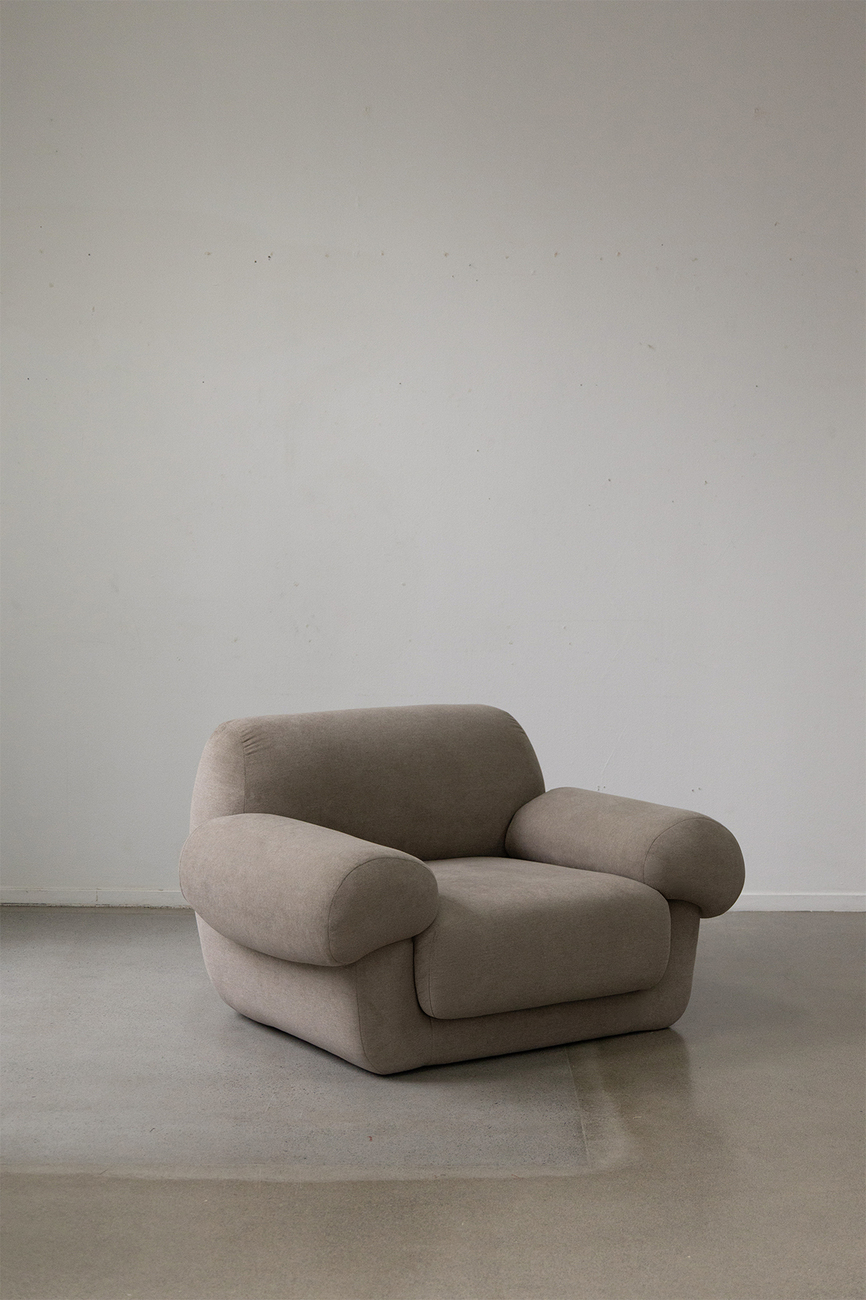
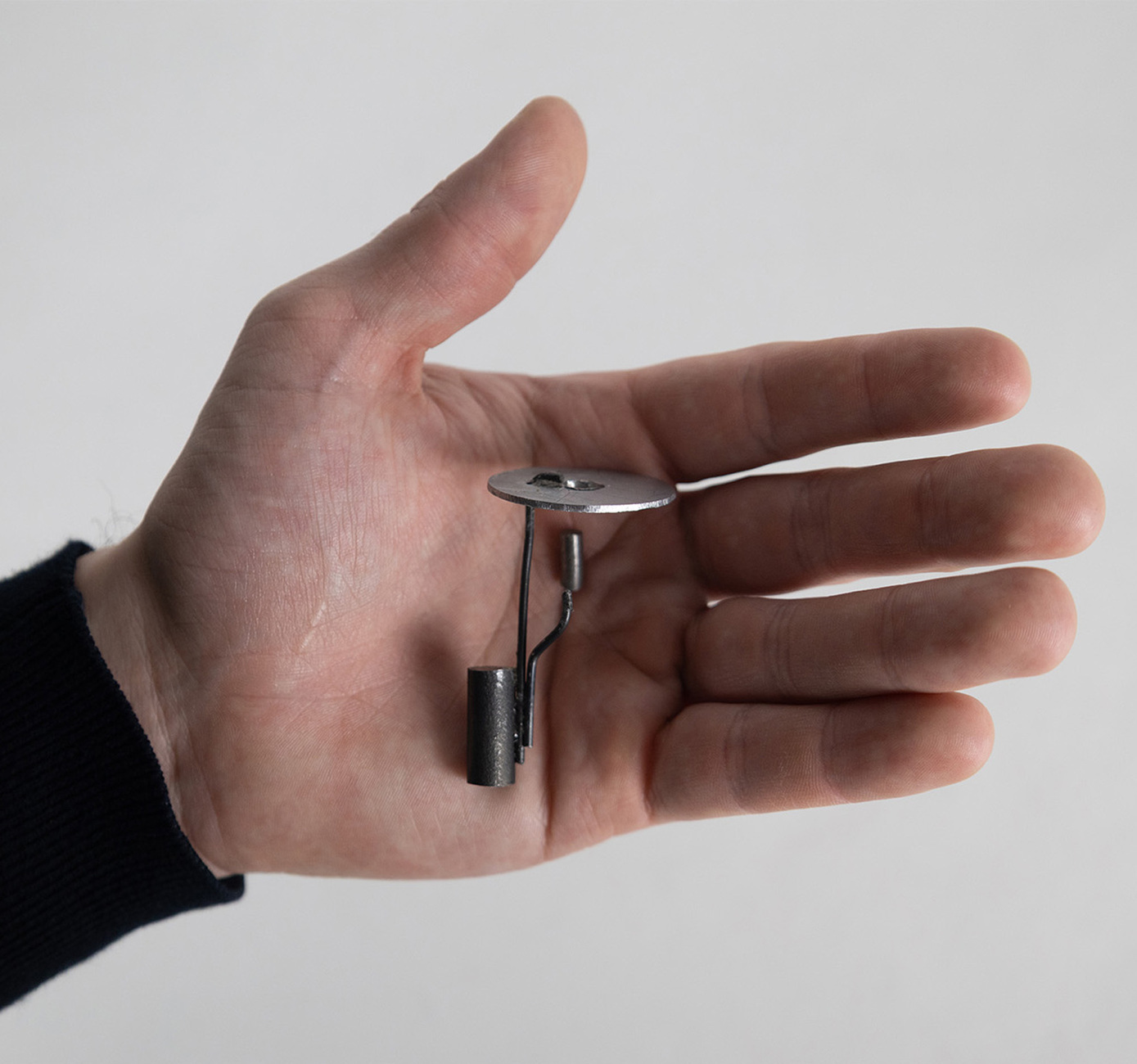
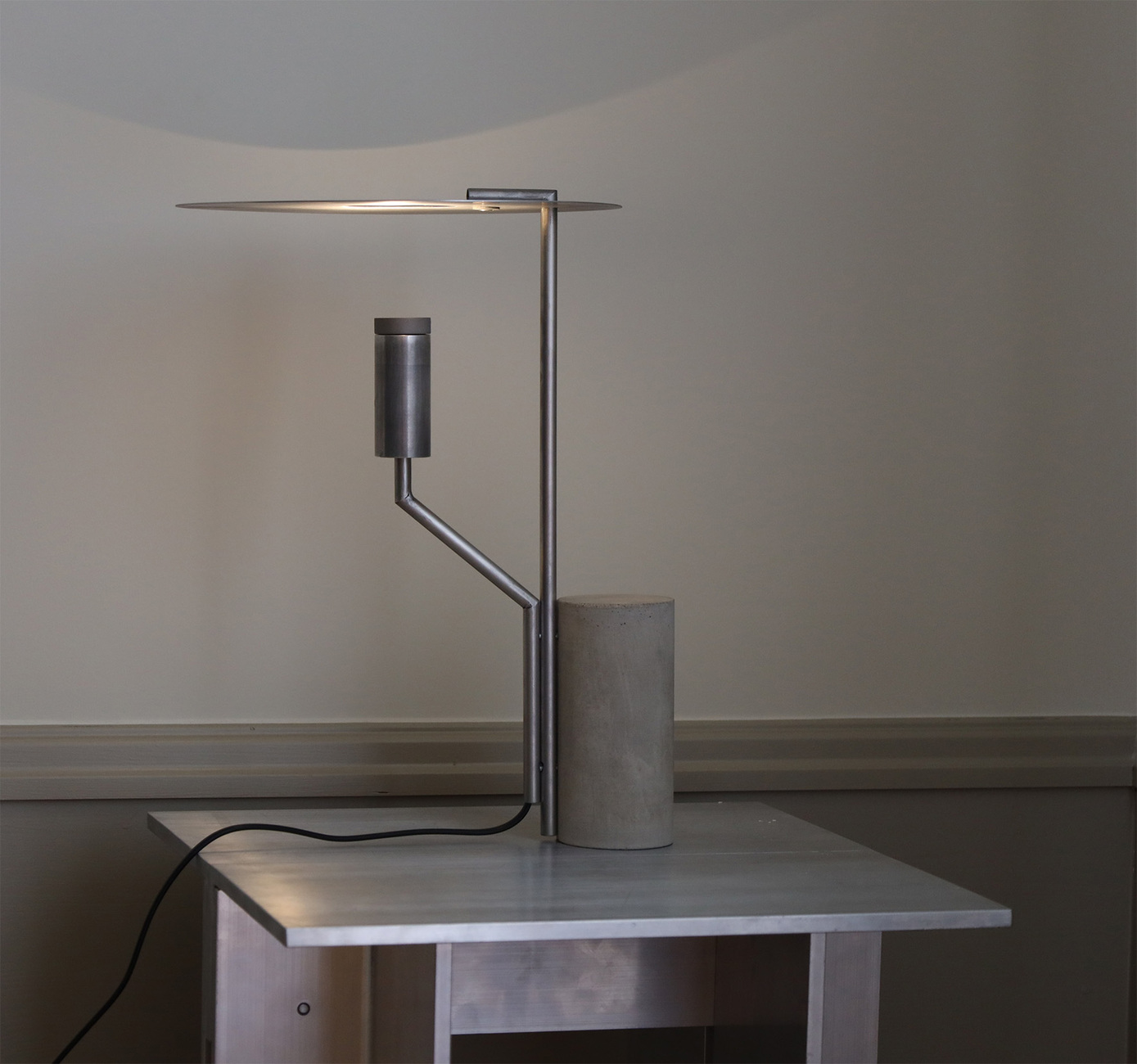
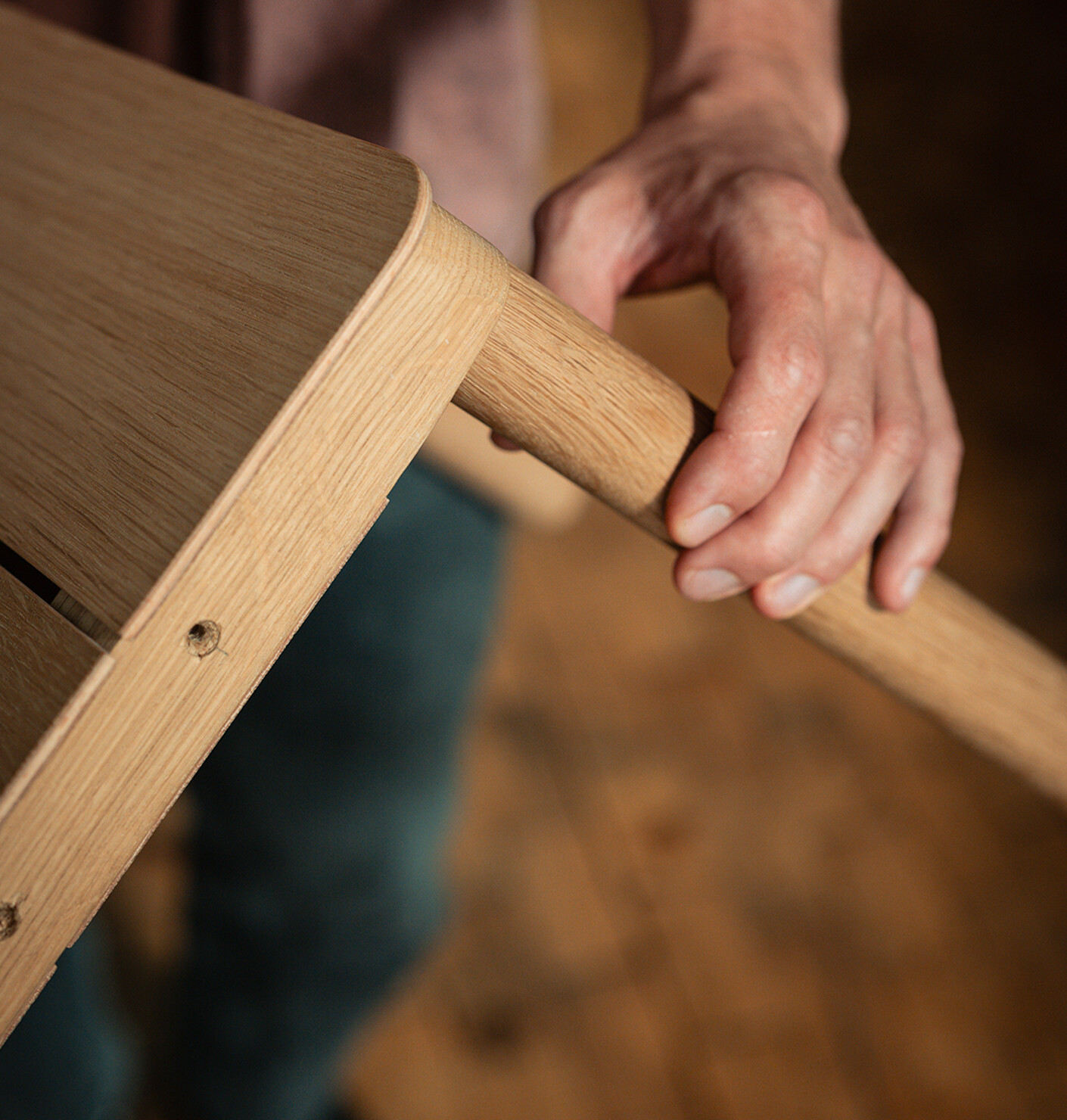
Shortly after founding their studio, Christian Sandbye and Jonas Oppedal designed furniture for the Norwegian brands House of Holmedal and Lunnheim, including table lamps with CNC-milled wooden bases, oak side tables and a modular sofa with an oak frame and seat cushions. These are joined by objects that are generally classified as collectible design – an area the designers would like to expand further. They say they could also envisage a collaboration with a gallery in the future. “We try to develop statement pieces that also have an experimental approach. In other words, aesthetically pleasing designs, but with something new behind them,” says Sandbye, describing Kogl’s design philosophy. He illustrates this using the Iris table lamp, made of concrete and steel, which features a small adjustable iris: “We’re experimenting with transforming light into a kind of solid volume, where we can widen and narrow the beam.”
The pieces designed under their own name are mostly manufactured in other countries, as there are hardly any modern workshops left in Norway and the necessary expertise is also lacking, explains Sandbye. To build prototypes, the designers therefore travel to Sweden – more specifically to Småland, a region regarded as the centre of Swedish furniture production. The actual production of the designs then usually takes place in Poland or Lithuania, where quality meets lower production costs, according to the designers. In future, they also intend to look towards Ukraine – they value the creative and entrepreneurial potential there.
The fact that Sandbye and Oppedal are rather ambitious is also evident from the fact that, together with Kogl, they have already taken part in two major design events this year: Salone Satellite at the Salone del Mobile in Milan and Deoron at the 3daysofdesign in Copenhagen. They are pursuing a two-pronged approach: on the one hand, they want to make a name for themselves in their home country. At the same time, however, they are also aware that Norway, as a design hub, is only of limited suitability for a secure, long-term income and interesting projects. Yet the country supports the creative industries, including through grants. For their participation in Salone Satellite in Milan, for example, Kogl received a grant from the organisation Design and Architecture Norway (DOGA), which covered a large part of the costs.
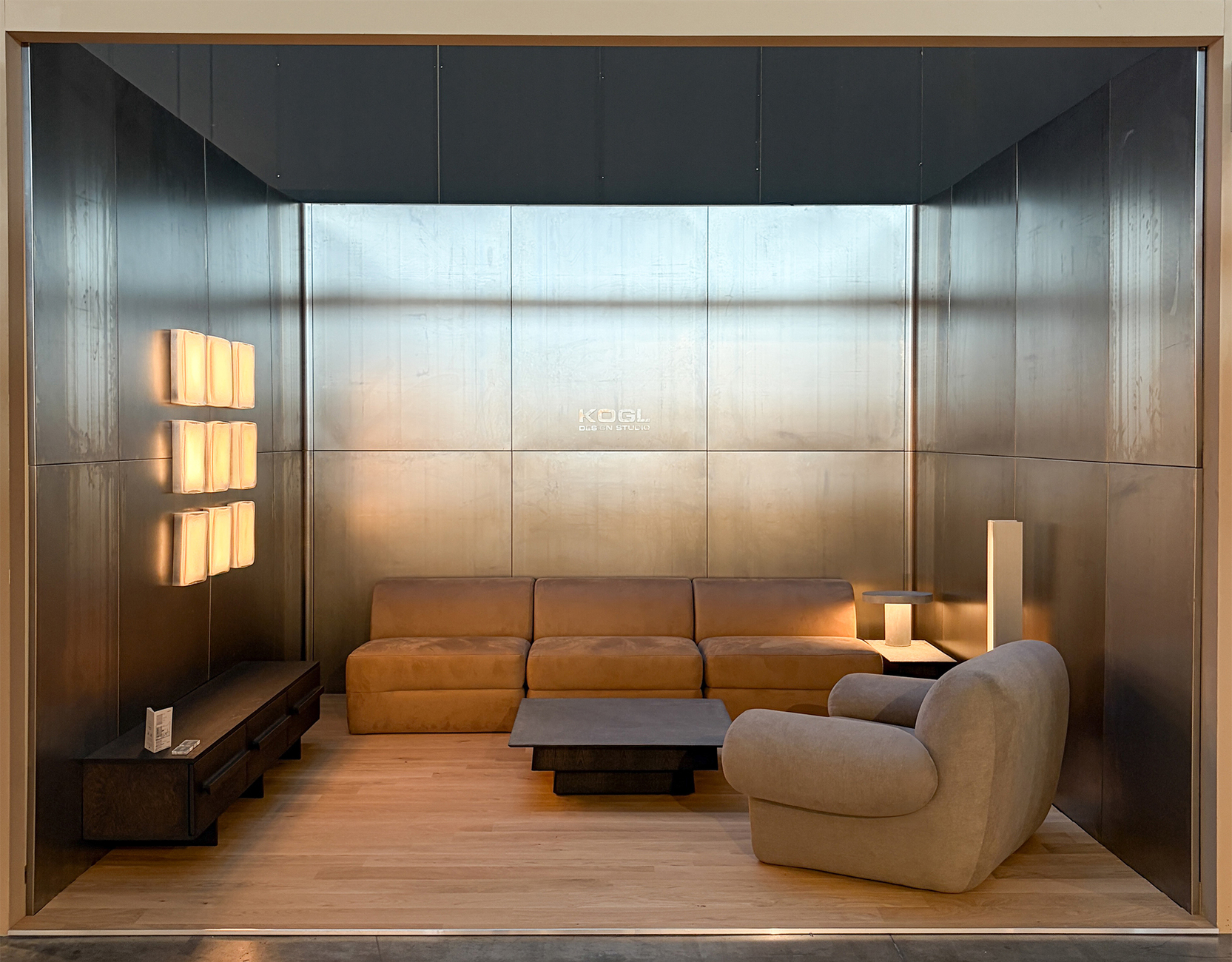
They transported the exhibition pieces – including side tables, sofas and lights – to Milan in a van and set up an exhibition stand with walls made of untreated steel. “We wanted to create an impressive stand that would show we know what we’re doing: we can build chairs, work with wood and make lights,” says Oppedal, explaining the design concept. The designers also chose to take part in the Salone Satellite because it attracts the right audience for them: manufacturers, retailers and design scouts. The strategy paid off: Kogl was able to bring home several concrete commissions straight away, with the design of a complete furniture collection for an Indian manufacturer sounding particularly exciting.
In excellent company
So things are going rather well for Kogl. Admittedly, Christian Sandbye and Jonas Oppedal currently still have part-time jobs to help them afford the high cost of living in Oslo. But by next year, they hope to have their studio in such a strong position that they can make a living solely from their work as designers. That’s why they’re currently working round the clock, Sandbye explains with a laugh. Their strategy: to focus on industrial design commissions for the time being, whilst also expanding into collectible design in the near future. They’re also open to interesting exhibition and interior design projects, says Oppedal. In any case, the pair’s studio is in excellent company: across the road is the headquarters of Northern, arguably Norway’s best-known design brand. If that isn’t a good omen, I don’t know what is.