3daysofdesign 2026 – Review
Create connections!
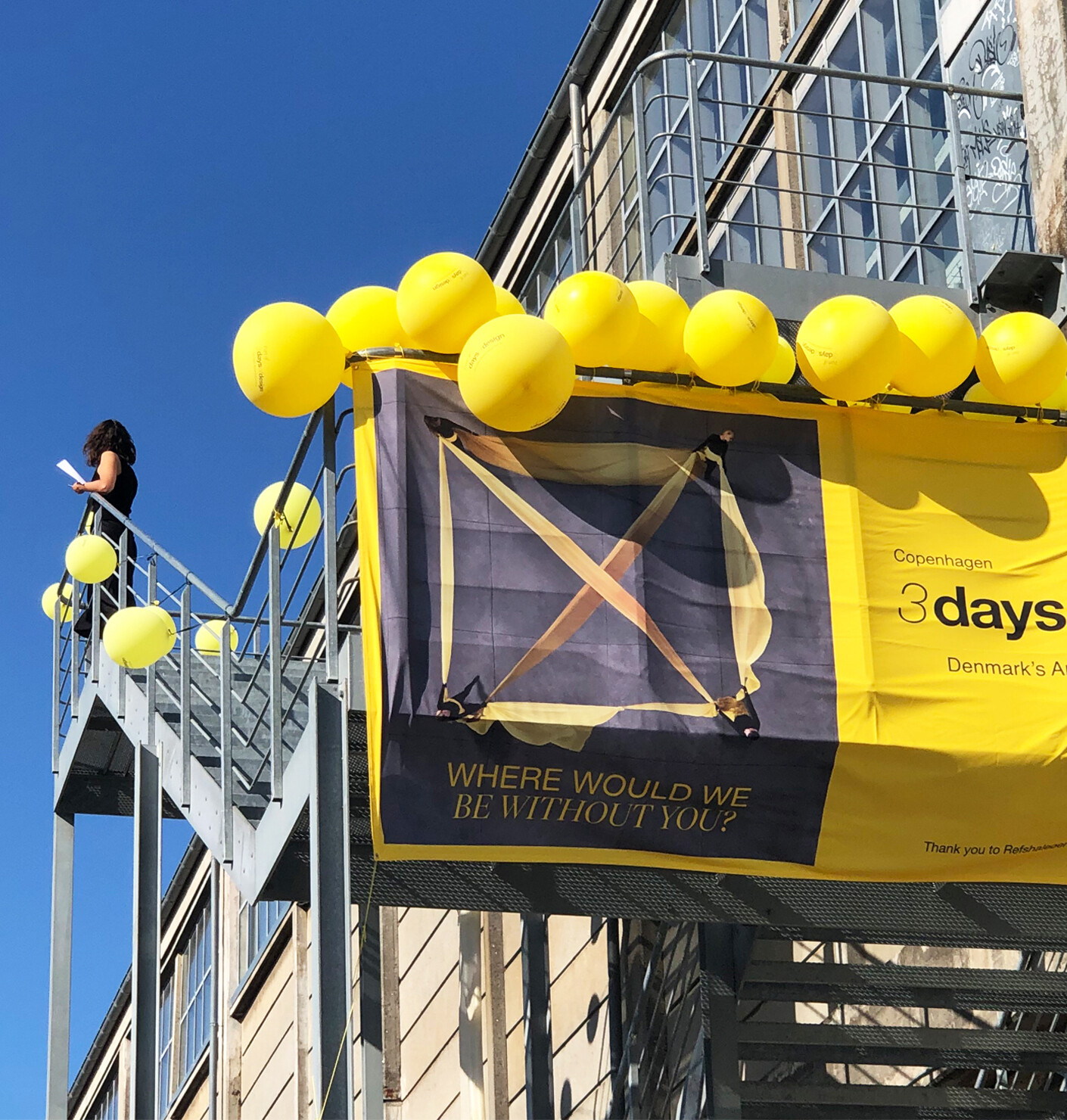
“We live in times marked by chaos, confusion, and filtered realities. The result is a longing for depth. Make This Moment Matter is a compelling reminder that the present moment is where we can have the greatest impact,” says Signe Byrdal Terenziani, Managing Director of 3daysofdesign. Since its founding in 2013 with Montana, Erik Jørgensen (now Fredericia Furniture), Anker & Co, and Kvadrat in an old warehouse in Nordhavn, the event has grown immensely: According to 3daysofdesign, more than 460 exhibitors showcased their work in Copenhagen in 2025, and guests could choose from up to 600 events. This year, 572 exhibitions and 894 events took place, and 125,000 guests from 140 countries attended the program. And if the industry buzz is to be believed, the platform will continue to gain importance for the sector.
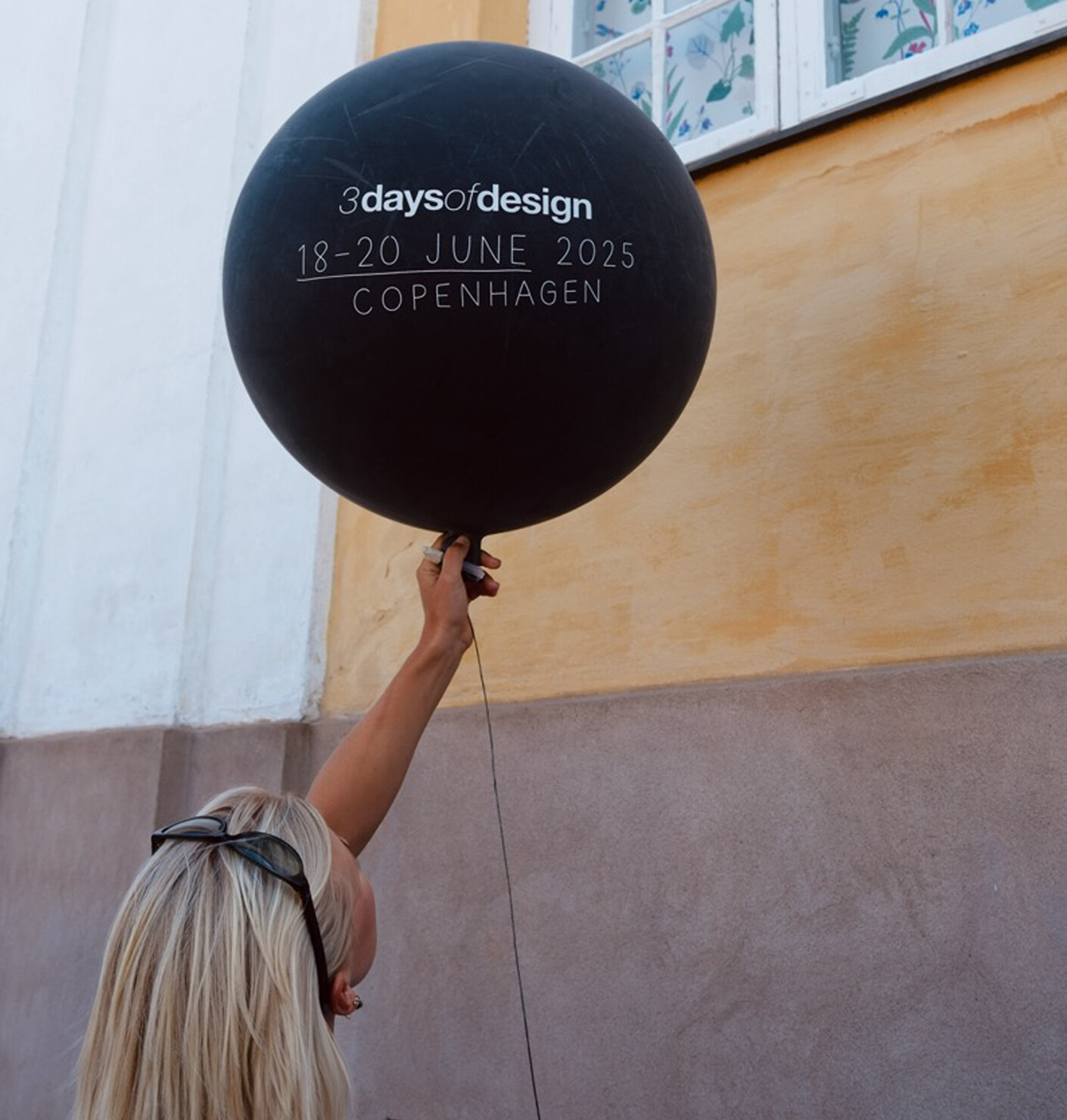
Many companies already have permanent showrooms in the city that are easily accessible by bike or metro, and even the temporary exhibition spaces are usually centrally located, which makes planning easier and keeps travel distances short. Unless you happen to be in the tourist hotspots of Nyhavn or Indre By, it’s also possible to enjoy the exhibitions at a leisurely pace, rather than having to push your way through crowds, as is the case at “Framing,” “House of Hay,” or “Frederiksgade 1.” “Framing,” for example, featured 51 brands this year and welcomed around 22,000 guests. The 3daysofdesign events are recognizable in the cityscape thanks to balloons and posters, flowers, and lovingly decorated finger food, but they don’t dominate it. Most shows are accessible without registration or VIP lists, and when admission checks take place at the entrance, they’re usually relaxed and well-organized. Long lines were more likely to be seen in front of bakeries currently trending on social media, such as “Hart” or “BUKA,” where people were waiting to get their hands on one of the delicious pastries known by the Danes as Wienerbrød.
Diversity instead of uniformity
Fortunately, the experimental works of young creatives were more prominent this year. These clearly demonstrated that the assumption, that Scandinavian design primarily refers to tradition, the use of light-colored wood, and clean, simple lines, will no longer hold true in the future. Following its debut in Milan, the “Deoron” platform moved to Copenhagen for the first time: In a temporary space on Christiansholm (aka Paper Island), it brought together over 50 international and local designers in a 600-square-meter shell building. The goal was to explore the relationship between contemporary design, sound, and lifestyle culture. Founder Alberto Pallaoro and his team aim to stimulate dialogue and reflection on the various facets of design – regardless of the size or market segment of the products. Among the works on display was the “Plane Tree Stool” by Dublo Studio, made of wood – specifically, fiberboard, which often goes unnoticed behind composite veneers. Its surfaces were adorned with graphic elements inspired by the bark of the plane tree. For every stool sold, Dublo Studio plants a tree in Germany as part of the wald.de project.
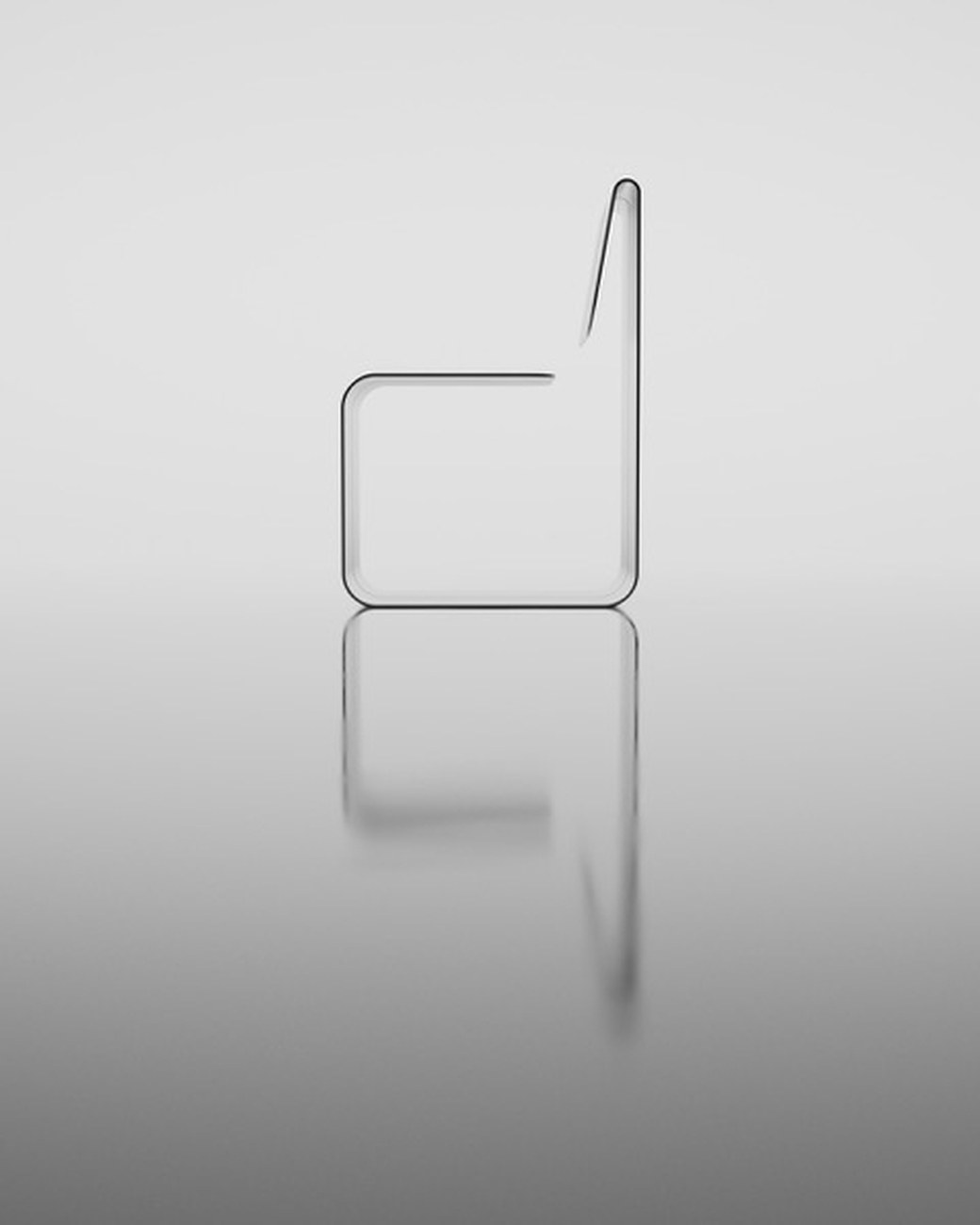
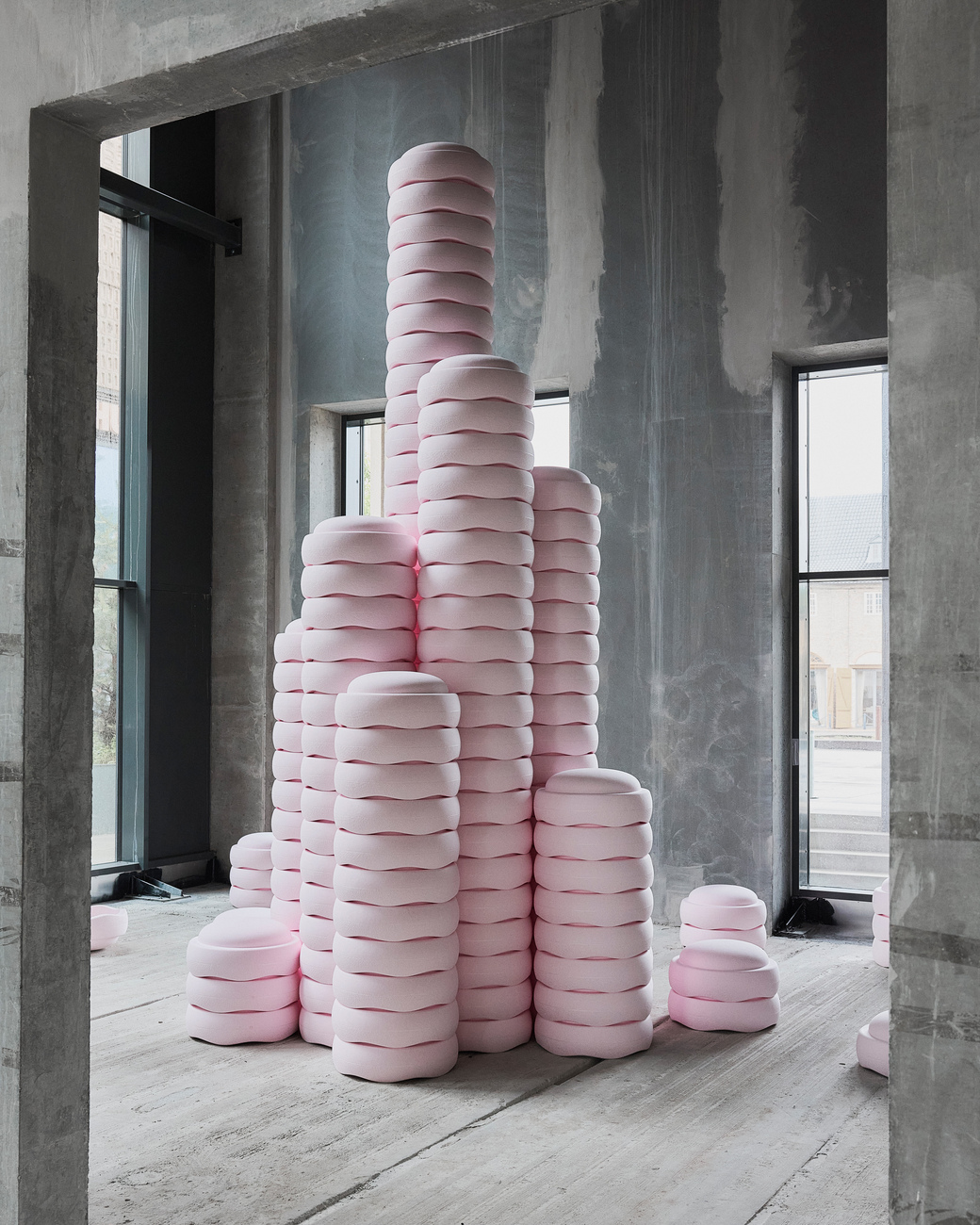
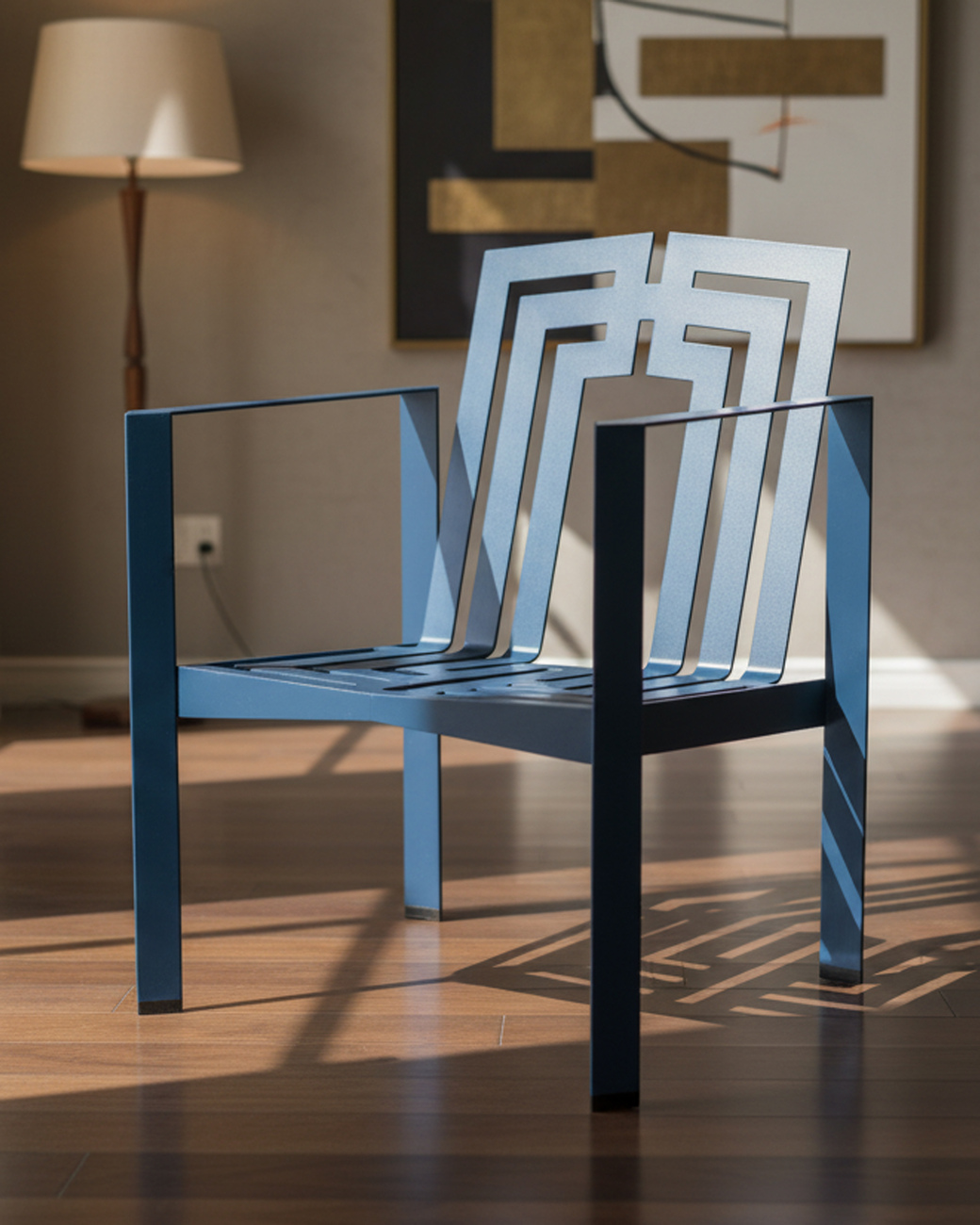
Nick Beens Studio showcased the stackable “Loki Stool” made of solid ash wood, which is sturdy and durable. For the “Incremental Chair,” Vincent Lane folded a single sheet of stainless steel four times, eliminating the need for additional components. The sculptural result has an industrial aesthetic, and the form simultaneously determines the chair’s balance and function. Metal furniture was generally on the rise in Copenhagen, for example in the form of the “Fabbrica del Vapore” shelf, designed by Anastasia Ballistreri, who founded her studio BYAXB just a year ago in Veneto. Stapelstein® demonstrated how to create an impressive spatial sculpture from its own products, which can be completely recycled after the event: bathed in marshmallow pink, three columns of balancing stones made of expandable polypropylene stretched toward the seven-meter-high ceiling in varying gradations.
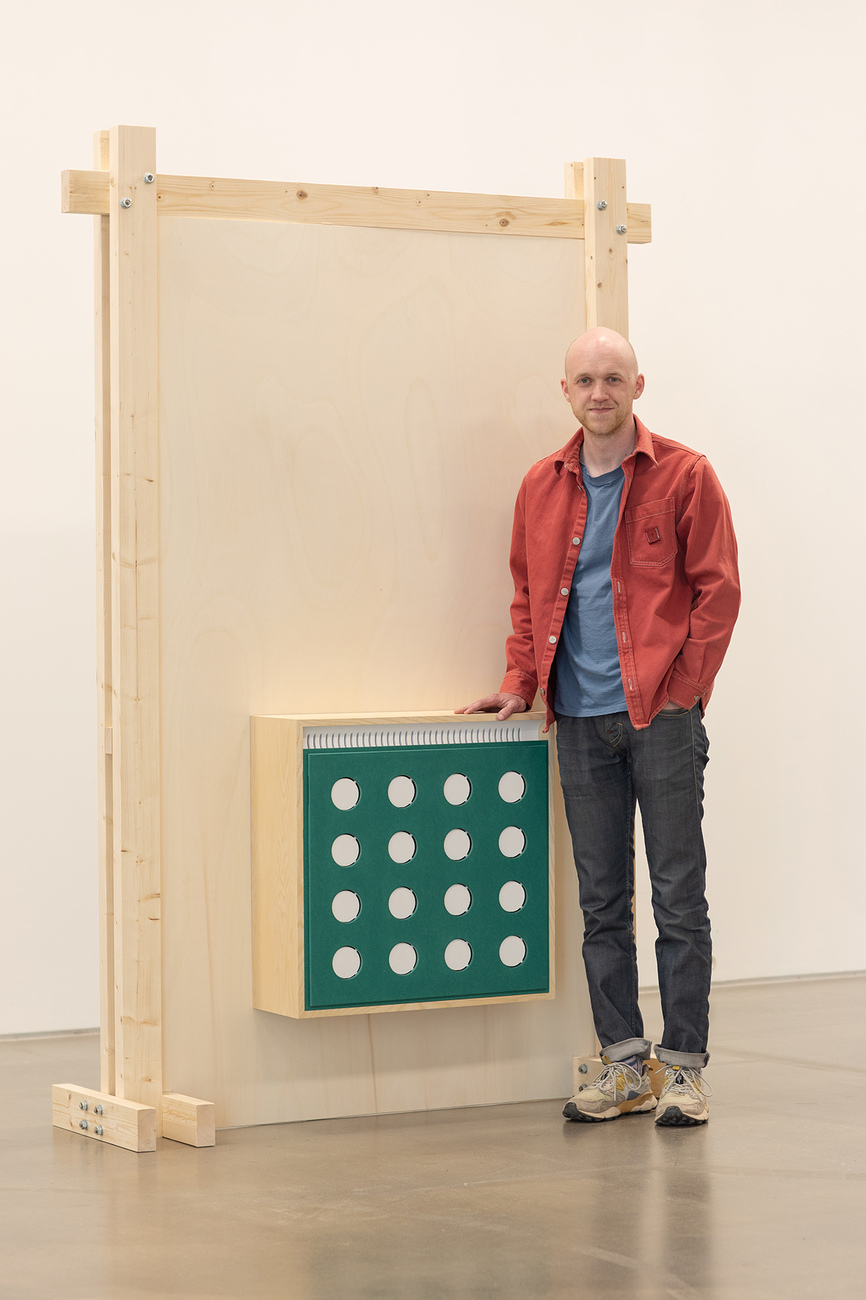
In the multifaceted exhibition "Framing", which brought together numerous companies and creative professionals at the historic Odd Fellow Palace and the Harsdorff House, the Norwegian delegation also showcased a selection of its work. Among the highlights was “Built by Design,” an exhibition by the “Critical Reflection” course led by designer Madeleine K. Wieser, an assistant professor of product design at OsloMet. “I asked the students to shift their scale – from standalone objects to architectural elements – and to engage with the material categories central to the built environment: wood, textiles, metal, and mineral materials,” she says. Each category was linked to industry partners so that the projects could be developed using real materials, production processes, and industrial contexts. Erik Røseid designed “Intro,” an air conditioning unit for air-to-air heat pumps that blends seamlessly into living spaces. The console-like object is made of ash veneer and features a replaceable Valchromat front panel.
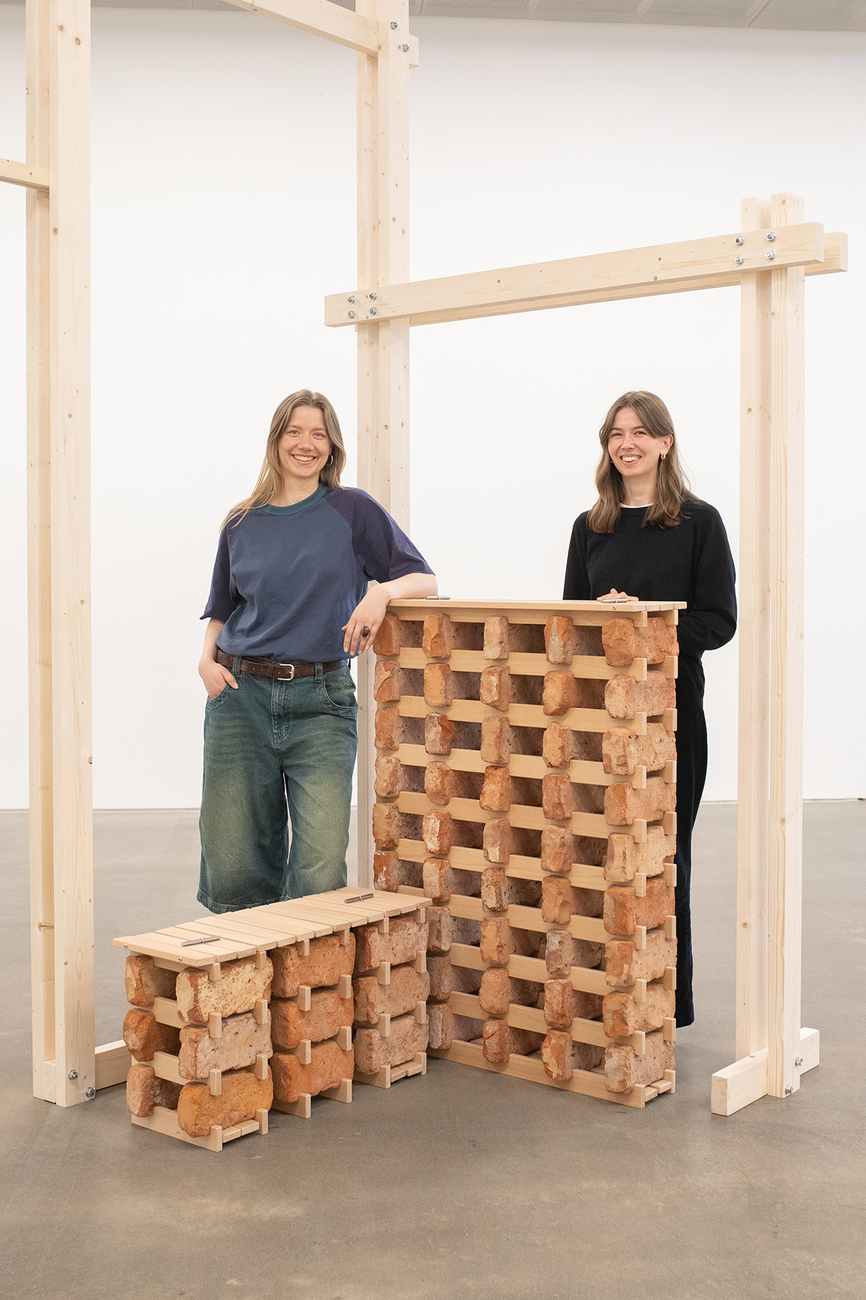
Meanwhile, Åshild Limstrand and Ariel Hammer presented their project “Gjenreis" (“Reconstruction”), a modular, mortar-free wooden system for reused bricks. It can be used to create flexible interior walls for spaces such as restaurants, hotel lobbies and open-plan offices. 'This project had a transformative effect on my fellow students and me in terms of how we view design. We learned that there is potential for new products manufactured using new materials and methods for a broader market, such as the construction industry. I believe it is essential to incorporate this into foundational design education in order to encourage critical reflection in design practice,” said Røseid.
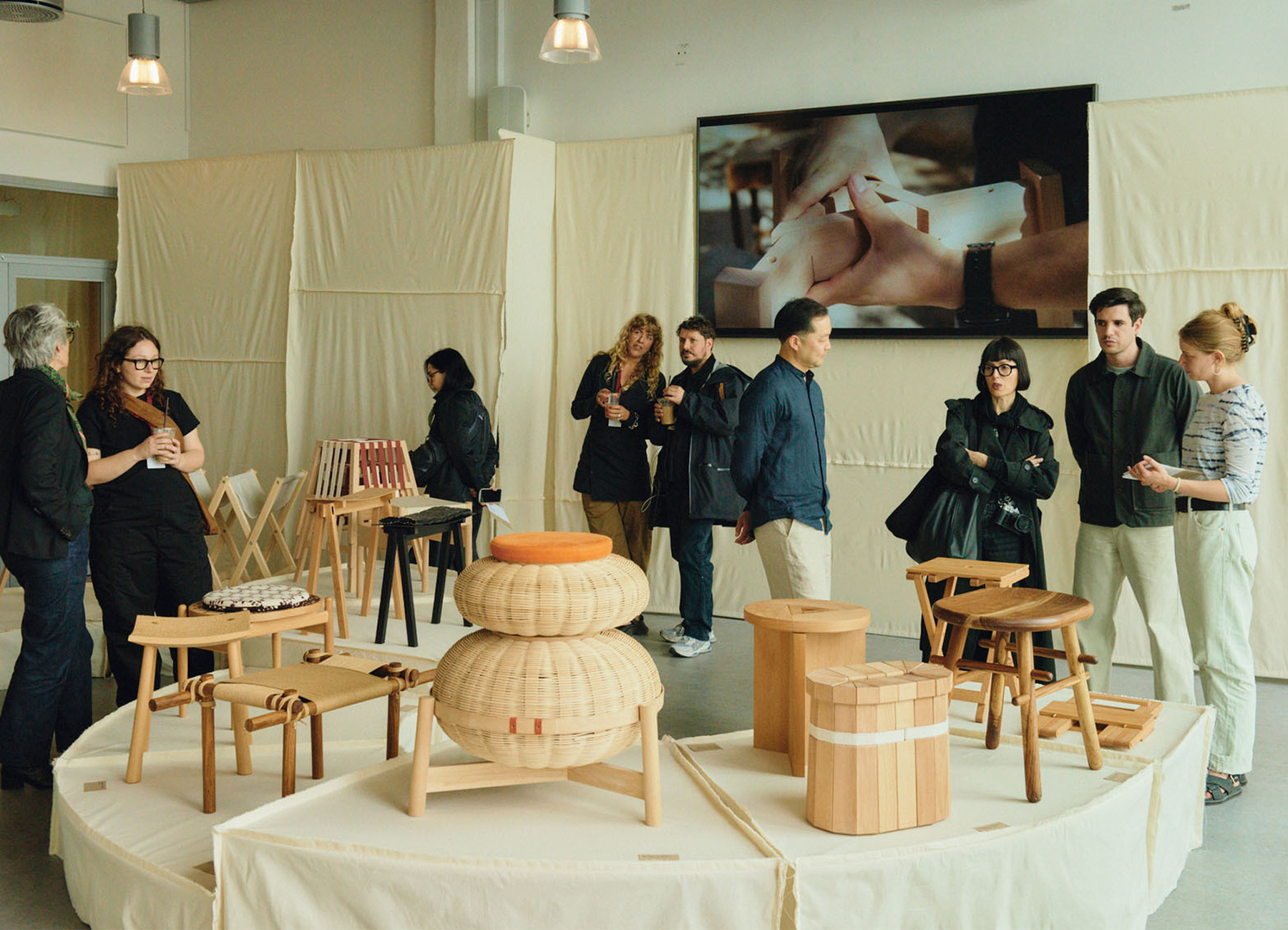
The Royal Danish Academy, Scandinavia’s leading academy in the fields of architecture, design, and conservation, presented “Here & Now, Design in Dialogue,” an exhibition featuring 32 works by students in the Department of Design, whose form and function are inspired by antiquity, made possible through a collaboration with an Egyptian furniture manufacturer. “‘Here & Now’ explores how design evolves across generations. It shows how we view historical predecessors not as a limitation, but as a productive legacy – something from which we learn, that we adapt and interpret,” said Nicholas Rhodes, head of the Institute for Design, Product, and Material. He adds: “Good design is about care – not just function or aesthetic expression. Care for the users, for the manufacturer, for the material, and for the people and places a design is meant to serve,” says Nicholas Rhodes. The exhibition thus reflects the Royal Danish Academy of Design’s long-standing commitment to design as a cultural and social practice. For example, students Finn Joel Sintermann and Johan Nejsum Madsen presented a lightweight stool whose seat can be adjusted by adding or removing individual pieces of wood. It was inspired by a chair once found in the tomb of the Egyptian king Tutankhamun.
The exhibition platform and creative community Ukurant, founded in 2019 by Kasper Kyster, Josefine Krabbe, Kamma Rosa Schytte, and Lærke Ryom, opened its doors to 26 experimental works with the aim of continually re-examining forms and conventions. The goal is to create a space for discussions about production, new materials, and prevailing notions in commercial design. The 2026 edition took place at Fabrikken for Art & Design, a former laundry facility in Sundholm that now houses Denmark’s largest studio complex for professional artists and designers. Among the works on display were Anton Defant’s “Cabin Bag” chair – Defant had already impressed audiences two years earlier with his thesis project, the “Ballast” folding sofa – “Nippon/Snegl” by Russo Betak, which won the SaloneSatellite Award at this year’s Salone del Mobile, and the “Lecrease” stool by Friedrich Gerlach, whose minimalist form is defined by the properties of recycled leather. Antonia Fischer chose her chair “Trauer tragen”: By casting and reinterpreting traces of her grandfather – such as textile textures or fingerprints – she processed the burden of memory following his death not only emotionally, but also spatially and materially. Meanwhile, the duo Oberdoerfer & Krebs managed, with their “Bend” stool and chair, to coax a dynamic result from the 3D printer – one that alludes to its manufacturing process in a less obvious way than has been customary.
For the first time, the “Homo Faber Fellowship”, the annual craft training program sponsored by the Michelangelo Foundation for Creativity and Craftsmanship, presented its annual exhibition at 3daysofdesign. The exhibition “Today’s Masters Meet Tomorrow’s Talents” at the Bianca d’Alessandro Gallery had previously been on view at Milan Design Week and focused on the collaboratively created objects that were designed and handcrafted over the course of six months by the 22 duos of master craftspeople and emerging talents who participated in the third edition of the Fellowship. The curatorial platform MÆRK, which explores contemporary design through the lenses of material, tactility, and form, also brought together Danish and international designers, including Ineke Hans, Rikke Frost, Anne Boysen, and Mette Scehlde, in a non-commercial exhibition format at Kvindernes Bygning and Hotel Cecil. The platform, founded by designer and curator Rikke Hagen, views an understanding of materials, sensory qualities, and spatial context as central driving forces of design practice and positions the exhibition format as a critical and communicative framework.
Designing everyday life
Seemingly mundane objects garnered fresh attention thanks to creative perspectives: With “Stop/Go,” the Goethe-Institut presented an exhibition curated by designers and interior architects Robert Hahn and Jacobo Cuesta Wolf that spotlighted the doorstop, featuring works by Alexander von Dombois, Lisa Ertel & Anne-Sophie Oberkrome, and Marie Luise Stein – made from materials including solid steel, rammed earth, stone, and carpet. With “Knife, Fork, Spoon 3.0,” the Marta Gallery from Los Angeles, in collaboration with curator Dung Ngo, explored the future of cutlery. Twelve international creatives were invited to reimagine contemporary cutlery using 3D-printed stainless steel. Bankston and For Scale presented “How to Handle,” an exhibition centered on the doorknob as both a functional object and an artistic starting point, featuring a video by filmmaker Matthew Donaldson as well as designs and graphics by Currie Ritchie, Caleb Engstrom, and Lowrie.
The exhibition platform “Bread and Butter” explores everyday rituals through the concept of pairs of objects, which are presented in spaces such as bookstores, salons, restaurants, and parking lots. The second edition in Copenhagen focused on the theme of “bathing”: 16 invited designers translated their own routines and cultural backgrounds into a perfect counterpart for each object. The interdisciplinary platform for experimental design “Objects May Vary” invited independent and emerging designers to its debut to engage with a specific object typology and use it as a starting point rather than a constraint. The platform is based on the conviction that typologies are not limitations but generative frameworks: recurring forms that, when questioned, create space for new ideas, materials, and approaches. Twenty-three designers explored the everyday object of the coat rack – from a material, functional, or conceptual perspective, depending on their approach. Contemporary approaches to familiar typologies: This has also been a theme at Milan Design Week in recent years: Yoko Choy and S—3 curated “Chopsticks,” an exhibition that reimagined the form of chopsticks. Keiji Takeuchi exhibited “walking sticks & canes” at the Triennale Milano; the exhibition explored the walking stick as a design object and its cultural significance.
Bring a Monument to Life
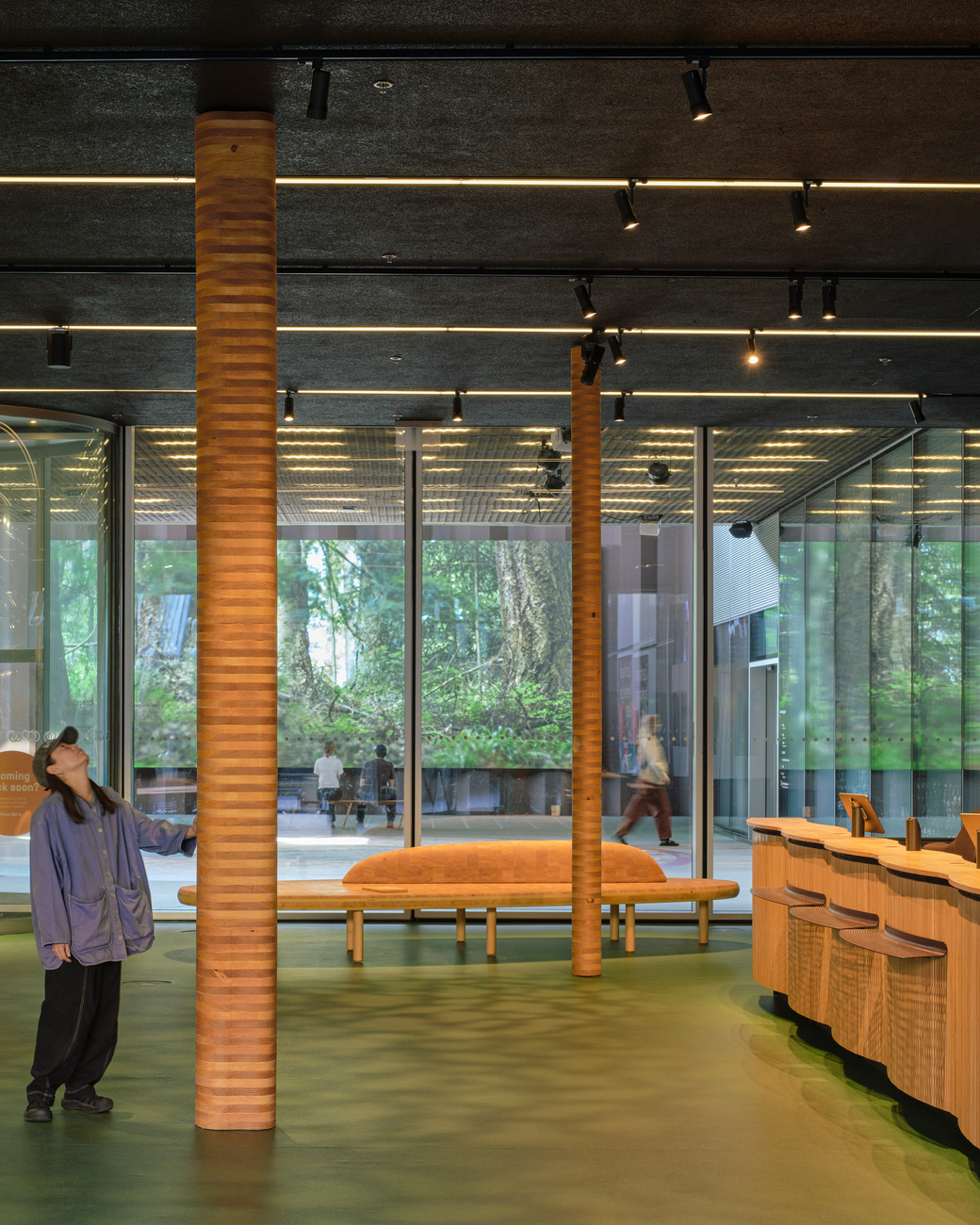
The city’s museums are always worth a visit, but they’re especially recommended during 3daysofdesign: In the lobby of the Danish Architecture Center (DAC), visitors could experience the installation “This is Not a Forest,” in which the journey of wood, from raw material to architecture, unfolds through light, sound, and scent. The focus is on the material and the creative process, aiming to show that design is not just about form, but about the decisions that shape our environment. The installation was developed by the Copenhagen-based design and architecture studio Archival – founded in 2018 by architect Emil Roman Frøge – in collaboration with the Dinesen Lab, which provided wood scraps from its own plank flooring production, and the Danish Architecture Center. The exhibits are fully recyclable. At the Design Museum Denmark, a pavilion by Danish fashion designer and artist Henrik Vibskov was unveiled and will remain open to visitors throughout the summer. During the 3daysofdesign event, the pavilion hosted lectures and talks on the themes of design, consumption, and responsibility. Starting in September, the museum will also feature an exhibition on Vibskov’s interdisciplinary work. In addition, to mark the 100th anniversary of Verner Panton’s birth, a selection of furniture and lighting by the famous designer was displayed throughout the museum.
Sound was generally given greater prominence as part of the installations than in the past, as seen in the “Fritz Hansen Sound Club.” This initiative examined how sound shapes the perception of furniture, light, and materials within a space. The installation spanned three interconnected areas – a listening lounge, a courtyard, and a store – and combined listening rooms, recordings of the manufacturing process of Fritz Hansen furniture, and live DJ sessions. As guests moved between these spaces, they could experience design through sound, including an original vinyl record produced specifically for the installation.
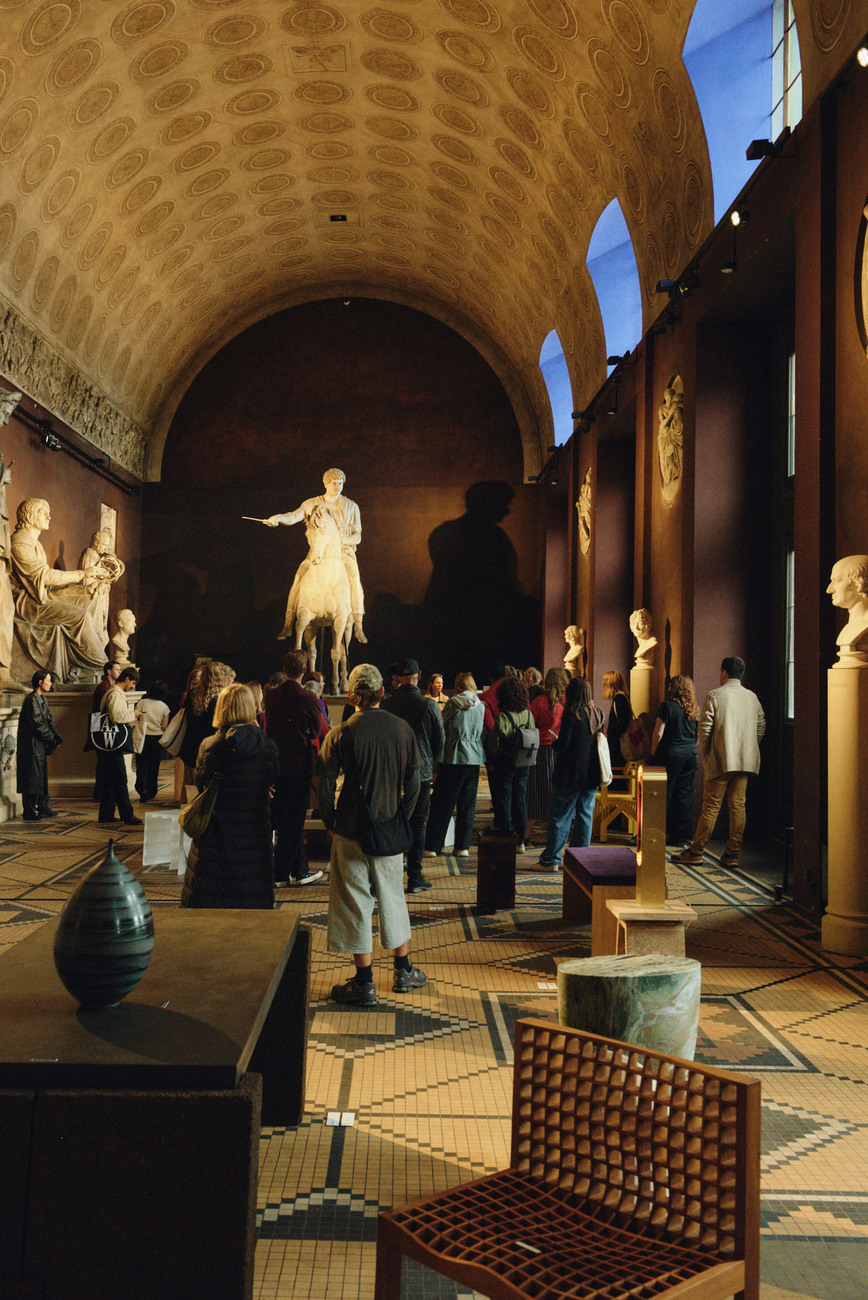
For “Objects of Desire,” curated by Birgitte Due Madsen, the historic Thorvaldsens Museum, founded in 1848, opened its ground floor. The contemporary exhibits thus entered into a fascinating dialogue with the sculptures – some of which were several meters tall – by the Danish sculptor Bertel Thorvaldsen (1770–1844), as well as the ornate mosaic floors, rich wall colors, and detailed ceiling paintings. The exhibition featured works by August Wille, Maison Arpelli, Edoardo Lietti, Francesca Torzo, Seamus Kowarzik and Kevin Hviid, among others. The common focus was on durability, responsible use of materials, and thoughtful production. When asked how she would define the concept of “beauty", a topic much debated in every century, Due Madsen said that, aside from subjective perception and cultural influences, it is “a kind of social discipline” that involves rhythm and proportions and understanding how parts fit together. “Beauty also means understanding the entire composition and working with balance and nuances,” she says. The Czech lighting design brand Bomma presented its installation “Fragments of Light,” made from upcycled crystal shards, at the restored Hofteatret (Teatermuseet), featuring a live performance by a ballerina. The historic theater and museum has only recently reopened to the public after a five-year renovation.
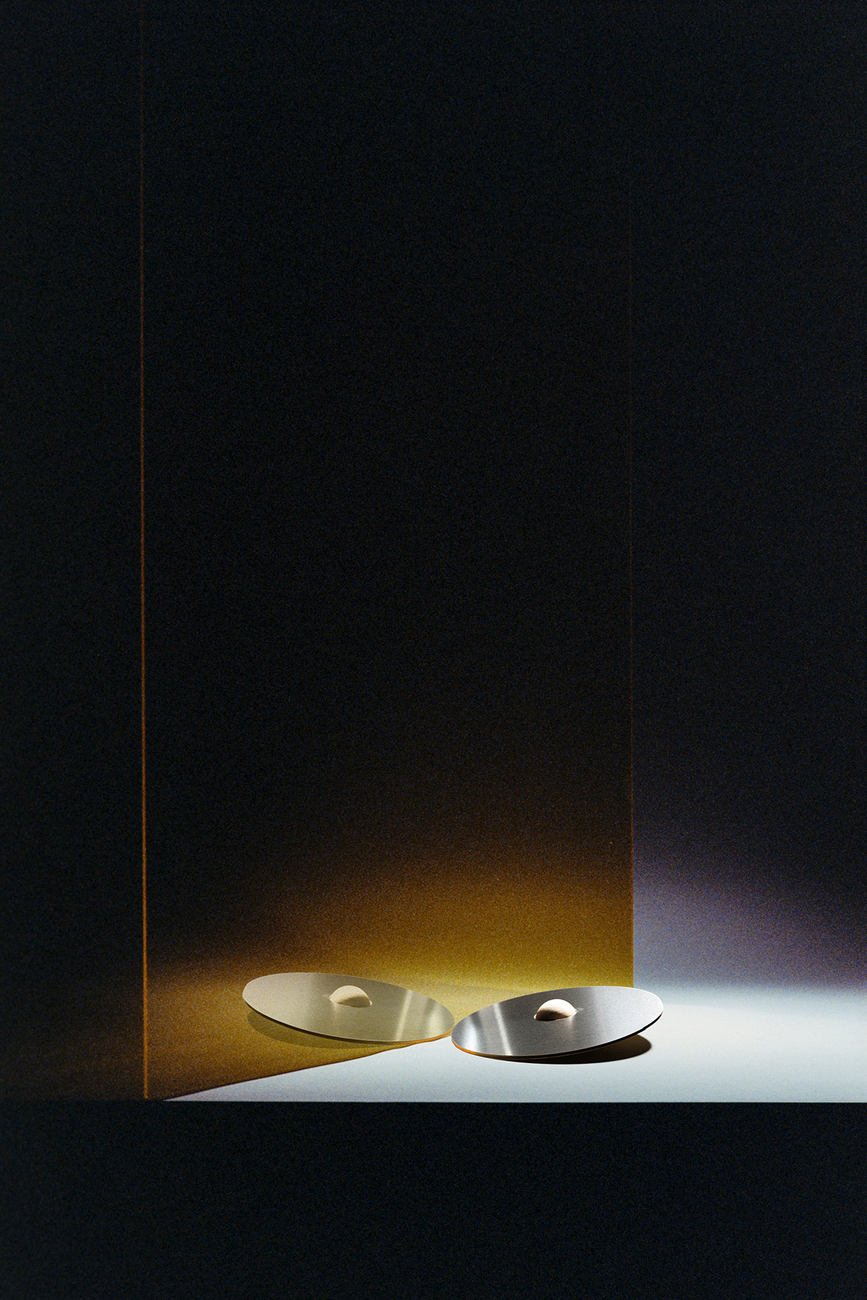
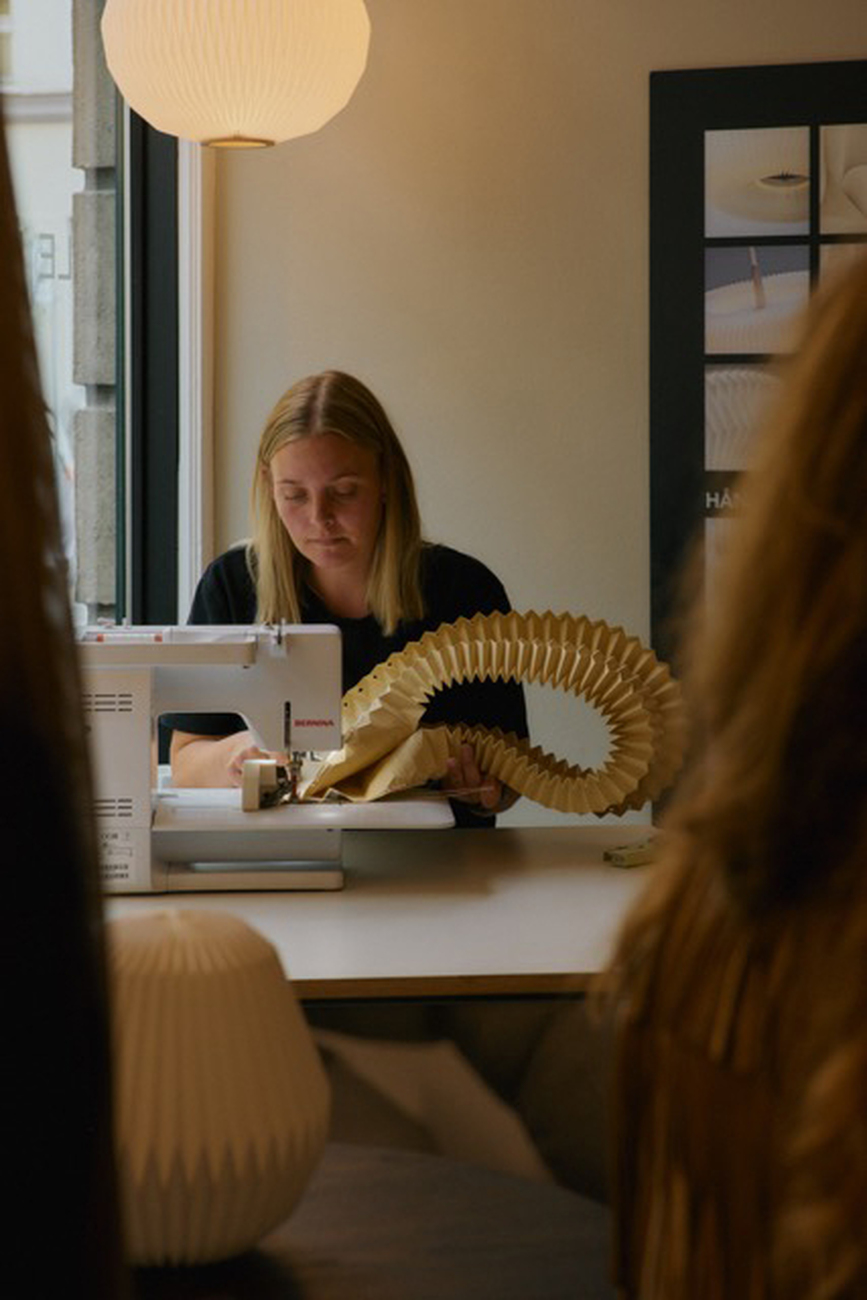
This edition of 3daysofdesign featured a growing number of exhibitions that went beyond mere product presentations: The third edition of VÆRKTØJ (Tools) invited established names in the design world, such as Erwan Bouroullec, Foster + Partners, Tom Dixon, and Pearson Lloyd as well as up-and-coming creatives like Alvilde Holm, Sia Hurtigkarl, Kaspar Salto, and Frederik Gustav. The sewing machine served as the thematic foundation for this year’s show, a tool that bridges the gap between industrial manufacturing and domestic craftsmanship and served as the starting point for all the works on display. The architectural firm Foster + Partners developed “Lomme” for the occasion, a minimalist lighting collection consisting of two flat sheets of paper sewn together. In the exhibition “Compositions,” aarticles – founded by Kasia Sznajder and Fred Aartun and functioning as a hybrid of a gallery, archive, and sales platform – presented handmade furniture and objects. On the fourth floor of a 20th-century building overlooking the city, visitors could explore, among other things, the wooden sculptures by Vince Skelly, which were created from prototypes for chess sets and studies for a larger outdoor exhibition set to open this summer. His works were on view in Europe for the first time as part of 3daysofdesign.
With “At Odds: An Archive of Debate,” Silvio Rebholz and Sina Sohrab presented an archive of debates on design that was intended to be read, copied, and taken home – all in the service of fostering a serious culture of design discourse among practitioners. Guests were invited to compile a publication from the texts they selected. The Swiss Atelier, Switzerland’s official presence at 3daysofdesign, presented two exhibitions: “Seeking Sails,” curated by Hannes & Fritz, brought together twelve designers from Denmark and Switzerland at the Swiss Embassy to create new uses for discarded sailcloth – including works by Anna Sogaard, Maria Bruun, Alexandra Gerber, Panter & Tourron, and Daniel Schofield. The duo Hannes & Fritz also curated the “Galerie Geberit,” where a selection of the manufacturer’s sanitary products was removed from its functional context and displayed as sculptures.
At the same time, “The Swiss Coffee Atelier” was on view at Original Coffee, in collaboration with, among others, the installation “Waste is our resource” by the Swiss bag brand “Freitag.” The Material Matters platform, dedicated to exploring the role of material intelligence in architecture and design, brought many new names to its second appearance in Copenhagen: The design studio Pit-To-Table, for example, uses olive pits from waste production to create a new material; Bundle Studio presented a lounge chair made of molded veneer shells joined together with a lignin-based adhesive; ReCraft Design Studio works with waste materials from demolition sites and production scraps to develop new products. The countries of origin of the manufacturers and creatives ranged from Hong Kong to Slovakia, from the United Kingdom to Ukraine. In this light, 3daysofdesign is no longer merely an exhibition that relies primarily on the Scandinavian industry; its offerings are, like its visitors, international.
Also worth seeing were the exhibits that straddle the line between art and design: The V1 Gallery is presenting the exhibition “For Scale Only” through July 4, 2026, featuring works by Fryd Frydendahl, Joline Kwakkenbos, Max Lamb, Kwangho Lee, Nick Ross, and Soft Baroque. In the exhibition, a chair stands next to each painting as a point of reference. The Innenkreis Gallery, run by Zeynep Rekkali Jensen, has opened two exhibitions simultaneously in its space right on the harbor: “Vanitas in Use I” brings together six artists and historical design in a reflection on transience and utility. “You Can’t See It From There” is a concurrent solo exhibition by the textile duo Tronhjem Rømer. Both exhibitions will be on view through August 8, 2026.
Don't forget to play
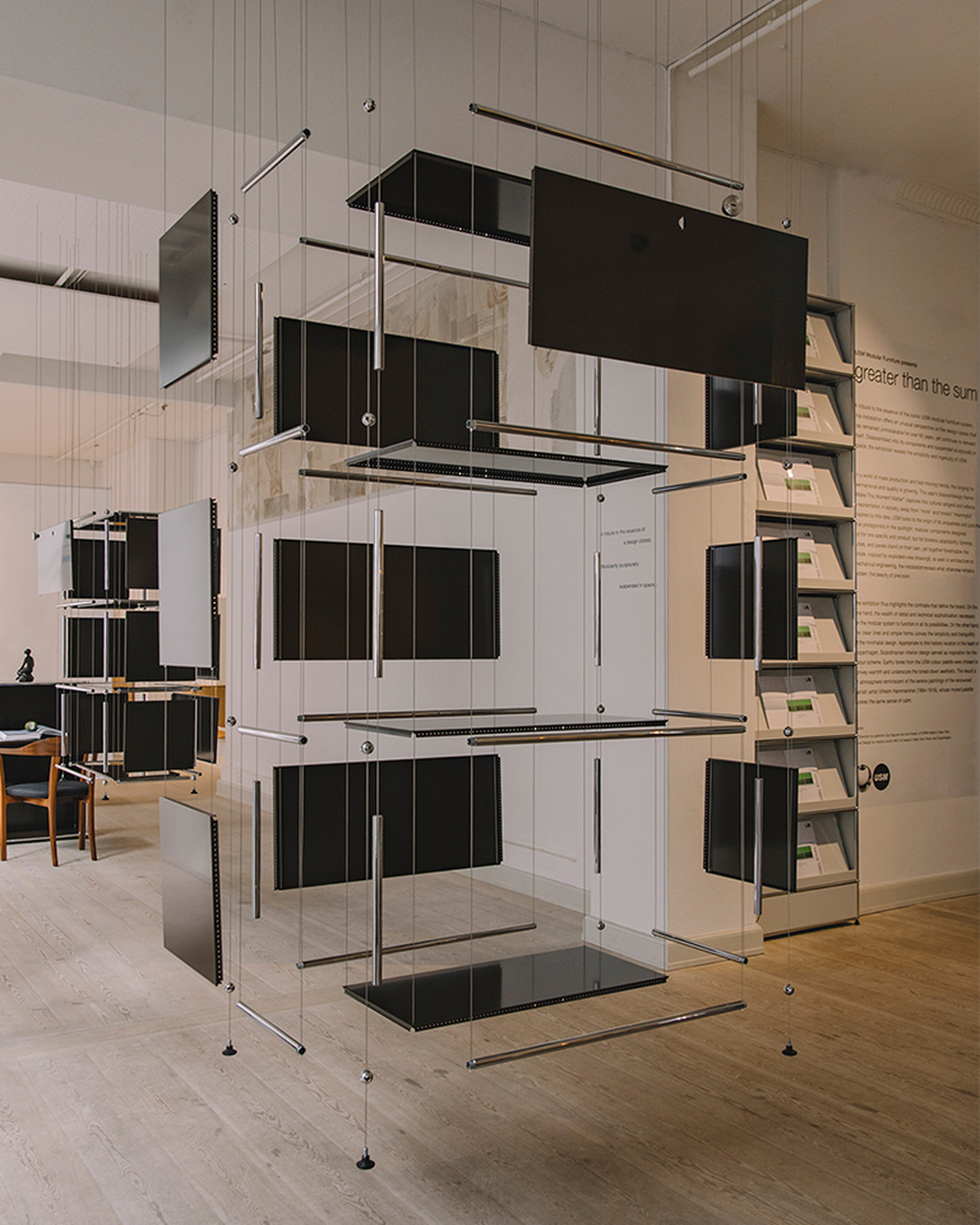
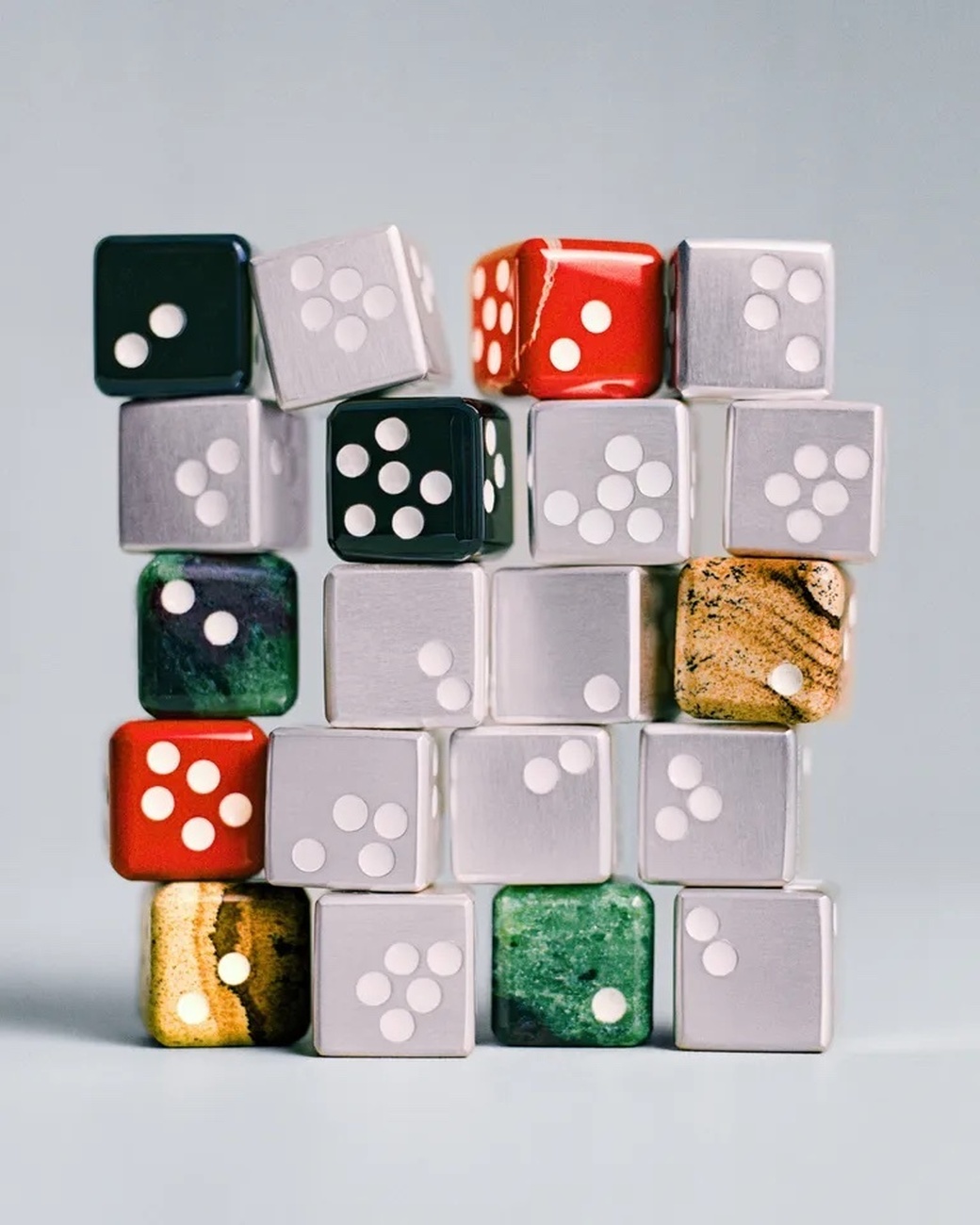
Many of the established companies chose to present the installations they had already shown in Milan once again in Copenhagen. This did not result in any jarring contrast – even for products that had already been seen, the new location offered a different perspective, and the varied exhibition formats provided new ways to engage with visitors. This was the case with Freifrau’s “Marie Collection” and with Flos’s new decorative collections at the Martin Asbæk Gallery. In some instances, the companies also devised playful installations based on their collections; for example, USM created “reflecting realities,” a room-dominating mirror installation, and staged its modular components so they appeared to float in space with “Greater than the sum.” Inspired by Surrealism, String Furniture combined various shelving configurations into fragmented facial features for “Faces for Spaces.” Part of the exhibition was an expansion of the “Museum” collection, which now includes a two-tiered serving cart on casters. A love of play and interaction shone through in many of the presentations. Georg Jensen unveiled “At Play,” a collection of objects for exclusive play, such as a yo-yo and a spinning top made of silver, or dice made of silver and gemstones. In the spacious garden, guests could also play a round of ring toss with Creative Director Paula Gerbase every day for a chance to win prizes.
Jeppe Hein, in collaboration with Creator Projects for Postbyen, presented the interactive water sculpture “Something Between Us.” Hein’s work invites playfulness, presence, and the lightheartedness of interpersonal relationships. The piece is located in Postbyen – a former industrial site that once served as the center of the Danish postal service for more than a century – and is embedded in an urban landscape marked by change, where historic architecture and contemporary urban design converge. Within this context, the sculpture functions as an active spatial element in public space. Tarkett demonstrated how its own products can be used to create a colorful carpet installation that inspires and carries deeper meaning. For “Beginnings & Endings,” the company invited Yinka Ilori, Laurids Gallée, and Christian + Jade to reinterpret flooring materials and explore how the circular economy begins with design.
Durat also offered a glimpse into the Finnish design scene; its solid surface material, featuring a distinctive terrazzo design, consists of about 30 percent recycled industrial plastic waste and is itself recyclable. The material can be bonded seamlessly, is hygienic, and is ideal for high-traffic areas. It can also be crafted into countertops, sinks, and furniture, such as the new “Palapeli” shelf by Harri Koskinen. In the “Playroom,” visitors could discover carpets by Finarte and exhibits by textile designer Johanna Gullichsen. Allow me to offer a heartfelt culinary tip here: The press lunch hosted by Finnish chef and author Sami Tallberg was a highlight. If you’re ever lucky enough to have him cook for you, you’ll know exactly what I mean.
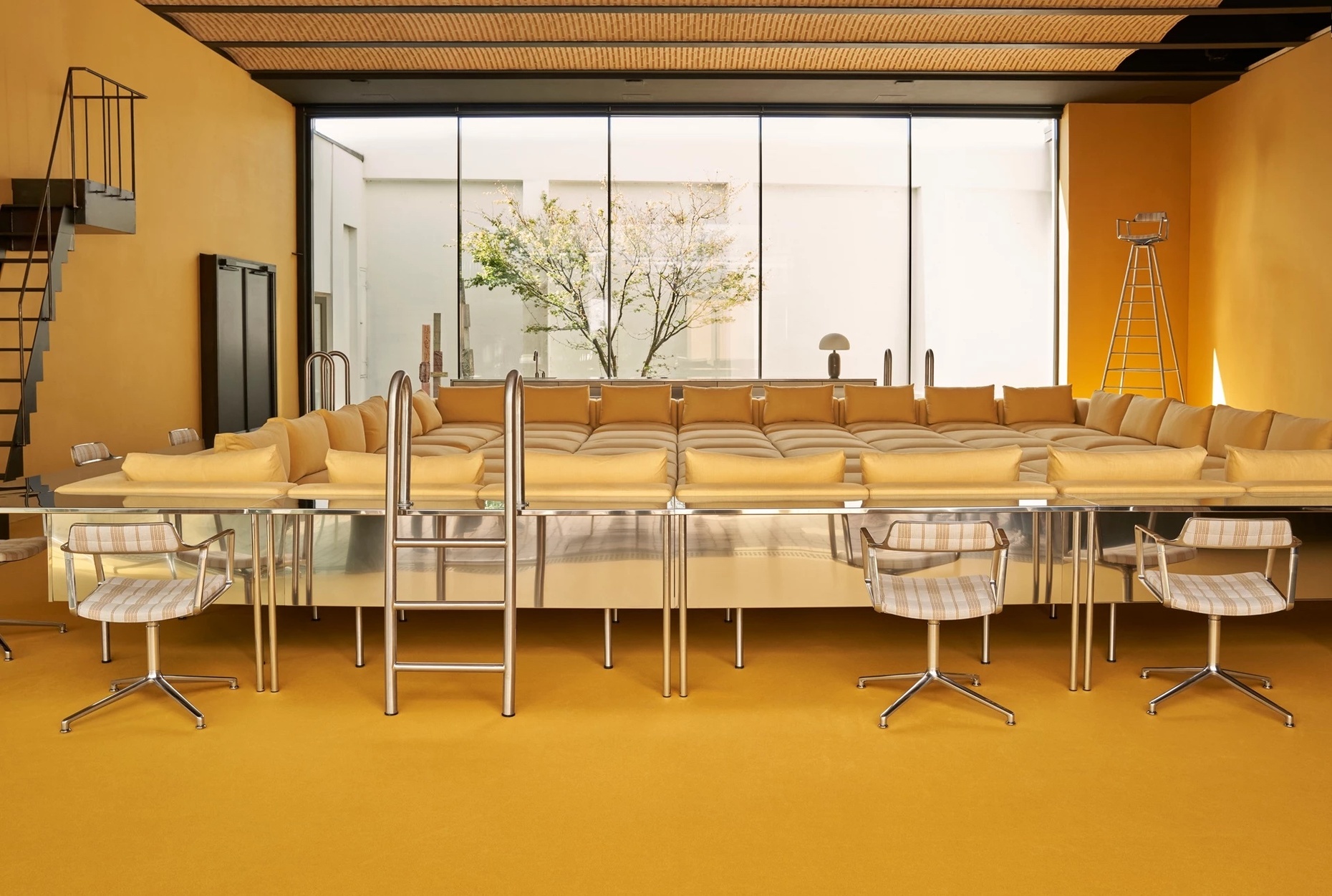
“Don't forget to play – it's all about keeping creativity, curiosity, and a spirit of experimentation alive,” as Alvar Aalto once said. At Vipp’s in-house campus, visitors were invited to play on a grand scale: “From guesthouse to playhouse,” conceived in collaboration with the architecture and design studio mesura, spanned the courtyard and the garage, transforming the guesthouse with textiles, custom-designed elements, and a series of special editions developed specifically for this occasion. At the center of the swimming pool-inspired installation was a spacious seating area in buttercup yellow, surrounded by a ring of polished stainless steel. The Vipp swivel chairs, alongside the new “mesura” edition with color-coordinated textiles, were also reimagined as a seesaw or a high seat. Among other things, visitors could explore the new “Vipp V4” kitchen, which consists of eight modular wall units and is made entirely of stainless steel.
Also worth seeing were the numerous chair prototypes, such as the stackable “Nomad Chair” made of molded polypropylene for outdoor use, the “Swivel Lounge” with a matching footstool, which adds an extra touch of comfort to the swivel chair’s original design, as well as the matching bar stool. Other noteworthy pieces included the artistic contributions, such as that by Sigurd Larsen, who fitted the Swivel Chair with a marble seat and backrest – inspired by the Vipp Residence on the Greek island of Kythnos. An oasis for the community, complemented by its own kiosk, the new Vipp Apartment, the spacious showrooms, and the Vipp Supper Club. Here, the family-owned company regularly hosts “Long Table Dinners” with creative minds. For 3daysofdesign, the long table was also a symbol of the desire for a stronger community that tackles the challenges of the present with interdisciplinary ideas.
For Alpi, GamFratesi created “Piazza Interiore” at the creative agency Narrow Creative, inspired by the metaphysical aura of Giorgio de Chirico’s paintings. A sequence of three rooms leading deep into the building, entirely clad in the richly varied grain patterns of Alpi veneer, made from wood sourced from responsibly managed forests certified by the FSC®. “The exhibition is conceived as a series of contemplative moods. The surfaces of the Alpi wood are active fields that transform the architecture into an interior landscape. Different grain patterns expand, contract, and orient themselves within the space, creating a three-dimensional stillness that constantly alters our perception of the surroundings. These are not complete spaces, but rather shifting states – transitions between distance and proximity, presence and dissolution, openness and introspection. “Every environment represents a shift in state, a different rhythm that must be mastered,” says GamFratesi.
“Shifting states, transitions between distance and closeness, presence and dissolution, openness and introspection. Every environment represents a shift in state, a different rhythm that must be mastered,” said Gam Fratesi. Davide Groppi showcased the collaborative project “Artistic Position in Space,” presented by File Under Pop in collaboration with agape, Agapecasa, Garde Hvalsøe, and V-ZUG. Also part of Bread & Butter – and featuring its own parallel showroom – was the kitchen brand Hjemstavn, which impresses with custom-made kitchens and interior design crafted from wood. Participating in multiple shows while also presenting its own exhibition is a familiar sight at 3daysofdesign: ASKO, the Swedish premium brand for high-quality built-in appliances, was represented at the Hjemstavn exhibition and also showcased its products at two further venues. This included a collaboration with Draga and Aurel, a multidisciplinary studio based in Como, whose work straddles the boundaries between art, collectible design and product design. For its presentation as part of the Walter Knoll exhibition, Brokis selected the latest additions to its collection: “Arcade,” “Starcloud,” and “Under Pressure.” The “Kvadrat & Vitra Café” opened for the second time in Kvadrat’s showroom, with Chef Mikkel Karstad at the helm – much to the delight of guests, as cafés are still somewhat few and far between on Klubiensvej in Nordhavn, a former industrial area right on the harbor.
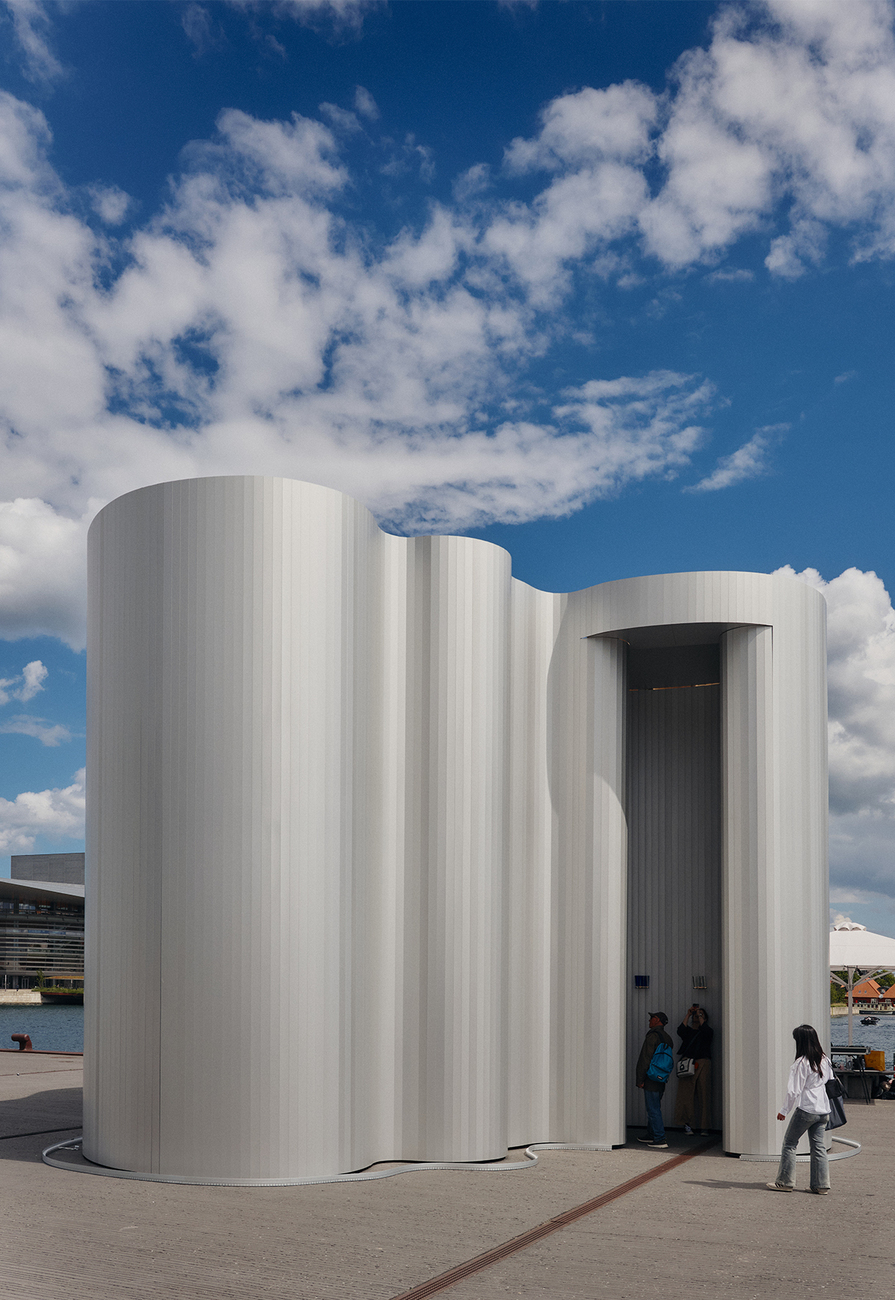
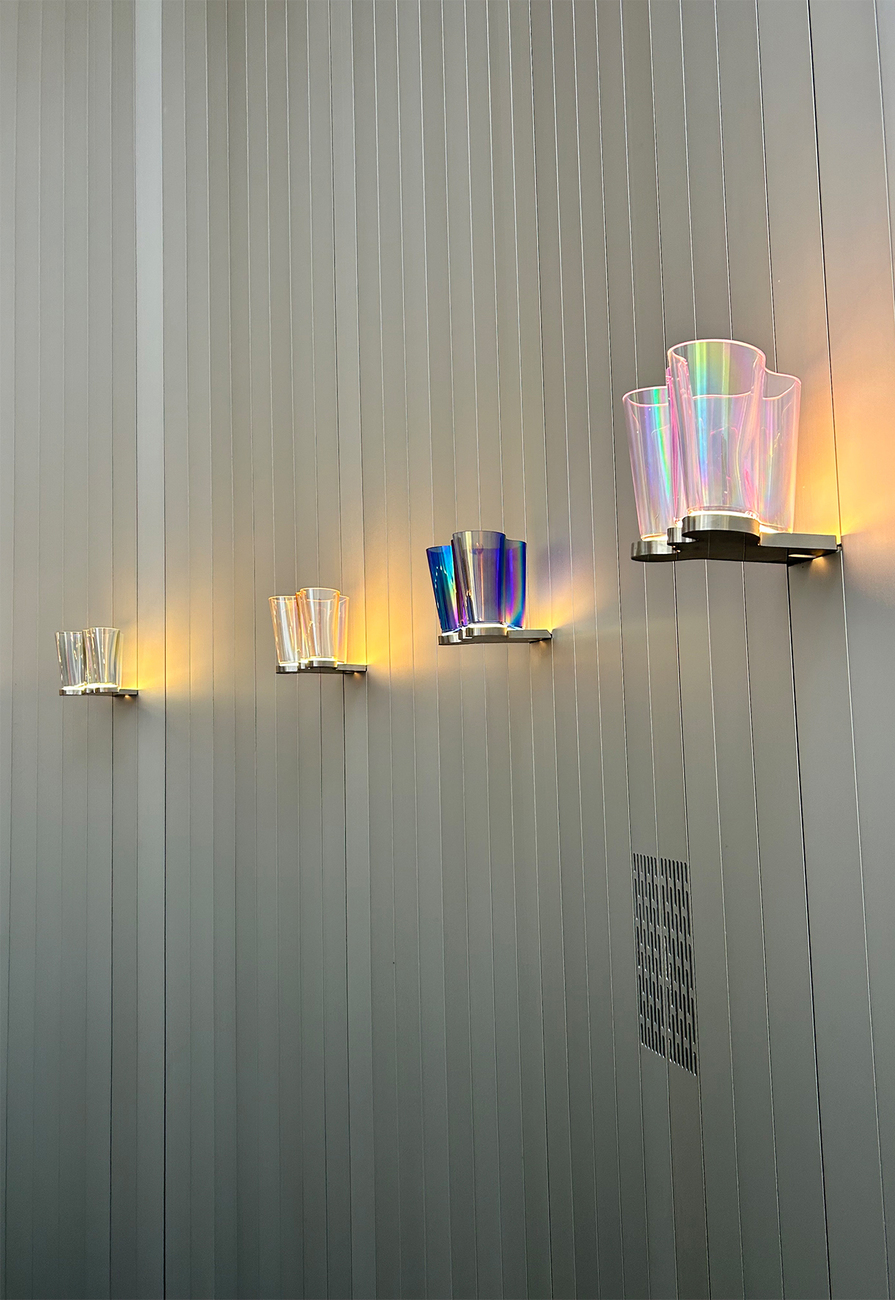
Secolo and Tableau continued the dialogue they had begun at Milan Design Week with “Trace Modular” in “The Drawing Room,” a large-scale evolution of the “Trace” modular sofa that wound its way through the room, stretching up to 10 meters in length ,surrounded by intuitive drawings that symbolized entry into the creative spirit. On the way there, visitors also passed an exhibition by Iittala, which, in collaboration with Hydro, created the monumental “Aalto 90 Pavilion” on Ofelia Plads – a seven-meter-high, walk-through interpretation of Alvar Aalto’s iconic design, crafted from “Hydro Reduxa,” Hydro’s low-carbon aluminum. This material is produced on Norway’s west coast using 100 percent renewable energy. Inside the pavilion, the “Aalto City” vase collection, which Iittala launched to mark its anniversary year, was reimagined as wall sconces.
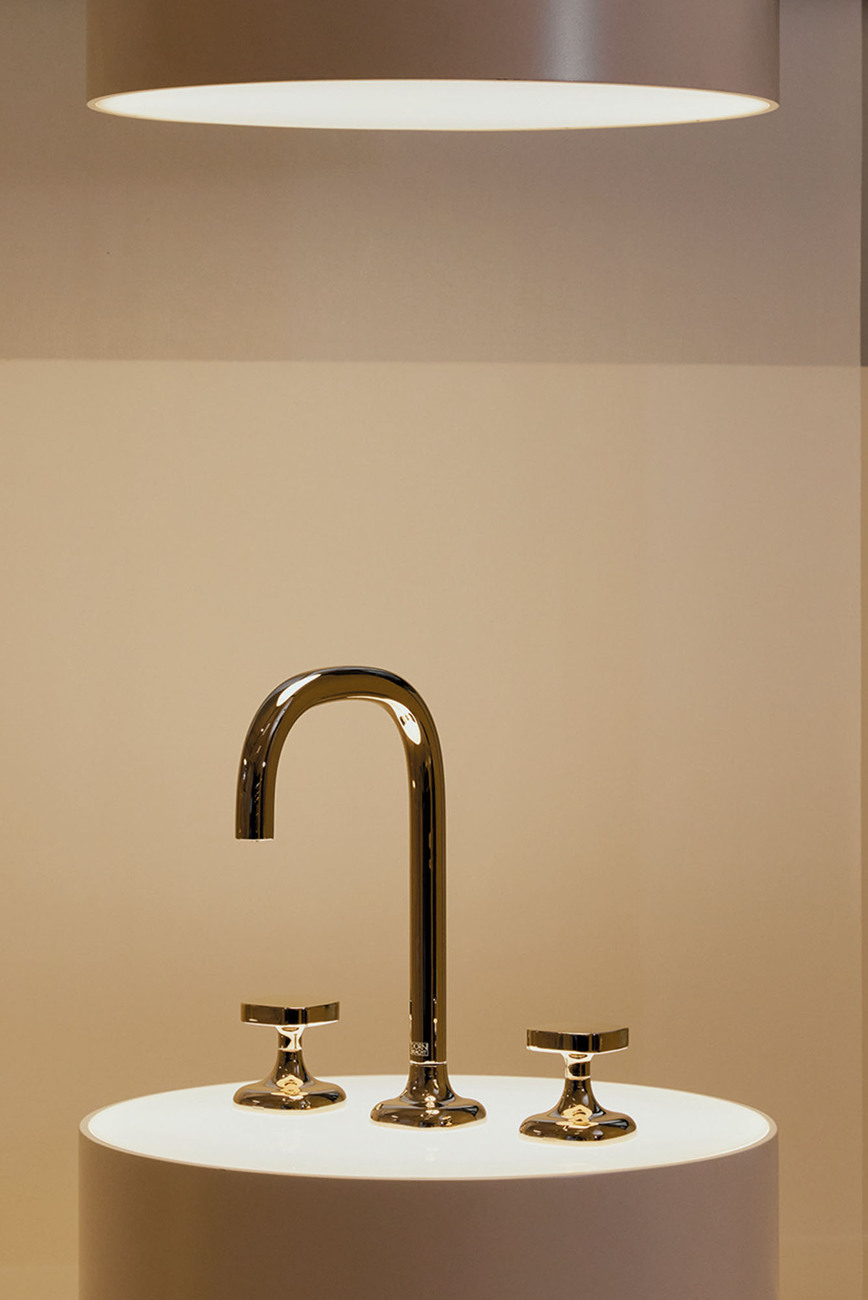
Dornbracht presented a cross-section of its current collection and two new products from Sieger Design: the “Coya” faucet series for the bathroom and “Hyra” for the kitchen, a multifunctional faucet by Sieger Design that features an intuitive digital display and dispenses both cold and hot water, as well as still and carbonated water. Also featured in the exhibition were the numerous customization options offered by the Dornbracht Atelier, as well as the stylish collaboration with Jung for the "LS series", whose brushed real-metal finishes perfectly complement the faucets.
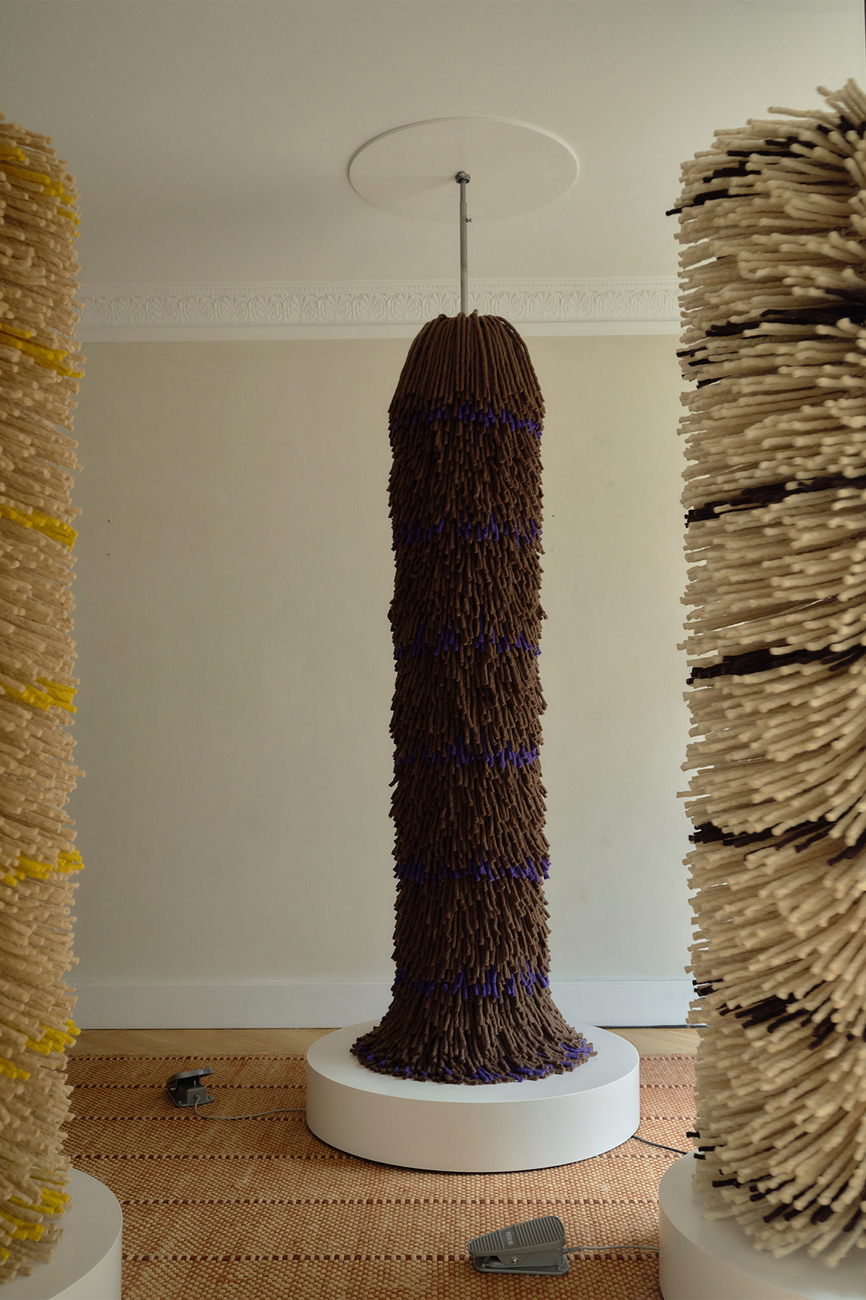
Layered and Massproductions created the installation “Industrial Choreography,” in which large, rotating columns – sheathed in heavy wool yarn – spun, mimicking the mechanical rhythm of a loom. The movement is a physical manifestation of a shared design philosophy: working with the logic of manufacturing rather than against it. The spatial experience was complemented by a soundscape created by musician Miles Molina, based on the actual sounds of handlooms in Bhadoi, India. While Massproductions showcased Chris Martin’s “Astro” armchair, Layered presented guests with its new “Cord” carpet collection. At Magniberg House – designed to serve as both a studio and a living spac – e15 unveiled a new interpretation of the “Backenzahn,” the legendary side table that has been an indispensable part of the design scene for thirty years. Originally made of solid wood, it surprised visitors with its club-like aesthetic in polished and brushed stainless steel, polished brass-coated finishes, and powder-coated versions in blood orange and jet black. Another practical feature: The new models are suitable for both indoor and outdoor use. Stellar Works collaborated with the Japanese brand YKK to develop a concept for integrating recycled materials into the interior design of restaurants, thereby demonstrating how responsible manufacturing can reduce environmental impact without compromising on craftsmanship, material quality, or design.
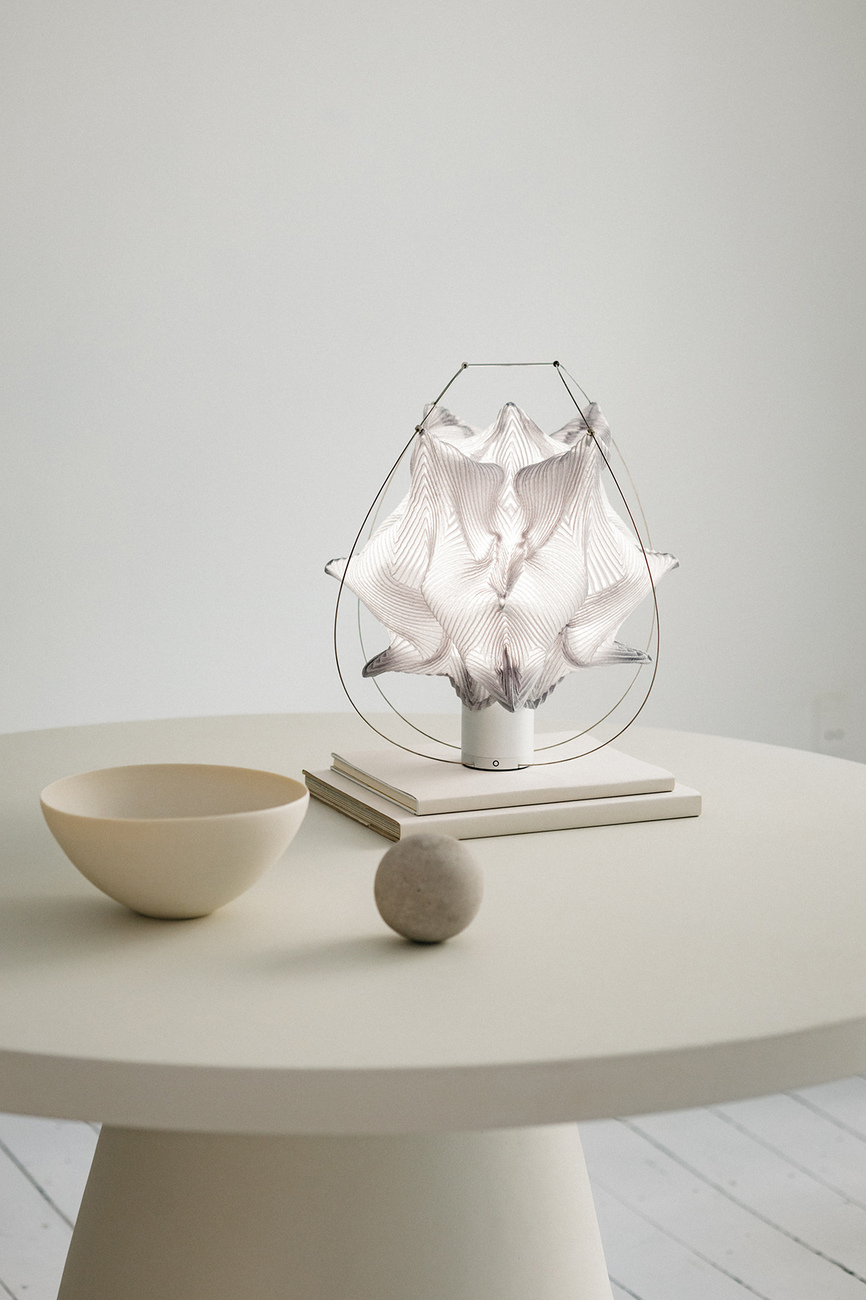
Hospitality, collaboration, and fostering a sense of community are part of 3daysofdesign’s DNA. What makes it special is its democratic accessibility: leading designers and young creatives, established brands and startups all come together in Copenhagen on equal footing, creating an environment where international guests – whether they’re there for business appointments or have simply followed their curiosity on a whim – face no barriers to entry. This unique atmosphere consistently attracts new exhibitors, including COR and Kinto this year. In chats with guests and companies, the curated atmosphere was frequently praised; despite the hustle and bustle, it allowed for longer discussions and inspiring encounters – such as with Ada Ortega Camara, visual artist and festival director of CPH 60 Seconds, whom I happened to meet in the Deoron showroom. Part of this deliberate shift toward a slower pace is also giving traditional craftsmanship a platform. Le Klint showcased the artful folding of Jette Sheib’s new “Urchina” pendant series – available in three sizes and featuring a silhouette inspired by a sea urchin – specifically for this presentation. Issey Miyake made its debut at 3daysofdesign alongside the design studio Atelier Oï, presenting new lighting variations from the “TYPE-XIII Atelier Oï Project.” Lamps are formed from pleated fabric and wire to explore the potential of “a piece of fabric” in the new context of lighting design. Visitors were able to experience firsthand the ironing technique used to pleat the fabric. Many luminaires on display at 3daysofdesign featured lightweight bodies made of fabric or paper; were portable and compact in design. Such as ‘Smultron’ by Sjöberg Fjällström for New Works, which features two spheres of different sizes and materials stacked on top of one another to form the luminaire body. Bomma unveiled ‘Ollo’, which consists of a cylindrical body and a glass ring. Light intensity and colour temperature can be adjusted intuitively at the head of the lamp.
For “The Heart of Living,” Tekla researched the tradition of patchwork quilts: her designs are crafted in the log-cabin pattern, a traditional patchwork style from Northern Europe. These were presented in structures inspired by box beds, a closed-style bed that was common in 19th-century Scandinavia. Also on display were antique “dowry chests,” a once-common piece of furniture used by unmarried women to collect household linens for their future marriage. Always worth seeing in this context are the Danish Art Workshops in the free town of Christiania: In these specially equipped workshops, professional artists and designers can apply for a residency to bring their ideas to life. During 3daysofdesign, projects developed in the workshops were presented under the title “Selected Projects.” The exhibition design for 2026 was created by the Danish architectural duo Mentze Ottenstein, who selected 13 exhibitors with a keen sense of natural materials, craftsmanship, and tactile qualities to create a unified installation.
The question of what truly matters in design amid the current societal shift was reflected in many concepts – in keeping with this year’s theme, Make This Moment Matter. “For me, Make This Moment Matter captures the spirit of a global community that is becoming increasingly reflective, connected, and determined to create design that truly makes a difference. It invites us all to seize this moment as an opportunity to act consciously and shape a future we can stand behind,” said Signe Byrdal Terenziani. In this context, 3daysofdesign demonstrated in a refreshingly compelling way that a shared experience doesn’t have to mean a spectacle. Instead, the search for “safe spaces”, translated into installations, came to the fore, spaces that promise mental and physical relaxation. In light of the numerous global hotspots of crisis, we need safe havens where we can think about new ideas and pursue experiments without worry.
The event’s open atmosphere also allowed the creative professionals a setting to explore more serious topics such as creative ways of coping with grief: “Jaime, what are you doing?” was one such deeply personal exhibition, created in collaboration with St. Leo. His mother had always asked him that question. The project, conceived by Jaime Hayon as a tribute after her death, honors the perspective and skills she passed on to him: a way of seeing the world with optimism, sensitivity, and imagination; a belief in creativity as a driving force; and the tireless drive to pursue goals.
Tighten the reins
Among the most important aspects of the 3daysofdesign nonprofit model are democratic visibility, the presentation of nonprofit initiatives, and free admission for the public. By adhering to these guidelines, the team has so far successfully prevented a situation where, as the event’s popularity grows, too many exhibitors flood into the city whose offerings and values do not serve as a catalyst for the positive change through design that Signe Byrdal Terenziani consistently strives for. Consequently, the trial run of “Other Circle” sparked concern – a design exhibition organized independently of 3daysofdesign that focuses on “post-disciplinary creative culture” and was founded last year. Its program also includes products from fashion brands, consumer electronics companies, and automakers – a mix that, on a large scale, is increasingly having a negative impact on Milan Design Week.
The event’s rapid growth and increasing international significance are also having an impact on its organization, which became more apparent this year than ever before: For the first time, members of the press had to sign a statement pledging to attend every item on the often tightly scheduled itinerary and, for example, not to leave briefly during extended visits to showrooms in order to attend other shows at the same time. It’s easy to imagine how challenging it must be for the organizers and guides to meet the manufacturers’ requirements while trying to keep a group in check where each person wants to go their own way. Nevertheless, this tightening of the conditions left a bitter aftertaste in terms of the democratic visibility of 3daysofdesign.
It’s simply no longer possible to explore the vast number of exhibitions in just three days. 3daysofdesign has grown into a major event of international significance, making careful planning of one’s itinerary essential. While in the event’s early years people still enjoyed spontaneous exploration, today the “fear of being left out” increasingly influences their schedules. This also includes attending the exciting talks: For example, 3daysofdesign invited the design community to the “Entering the Now” symposium with AI expert Tey Bannerman and social entrepreneur Veronica D’Souza to rethink their relationship with time – with a call to actively engage with the present and use design to bring about meaningful change in ecological, technological, and social dimensions. “At a time when the world is facing overlapping crises and rapid change, design must not remain speculative or detached. It must engage with the present – as an expression of responsibility and as an opportunity for meaningful action,” said curators Tey Bannerman and Veronica D’Souza. Speakers included leading voices in the industry such as Paola Antonelli, Yinka Ilori, Alice Rawsthorne, Natsai Audrey Chieza, and Anupama Kundoo.
The pleasant layout of the exhibitions, the depth of the works, and the many fresh ideas from young minds harmoniously complement the city’s high quality of life, its charming architectural development, and its high concentration of traditional design manufacturers. This unique blend has made 3daysofdesign an indispensable and inspiring platform for the industry. It is to be hoped that these qualities will be preserved even as the event expands – so that together we can continue to shape new narratives.