Featured
The big picture
Franziska von Schumann: What products are included in your portfolio?
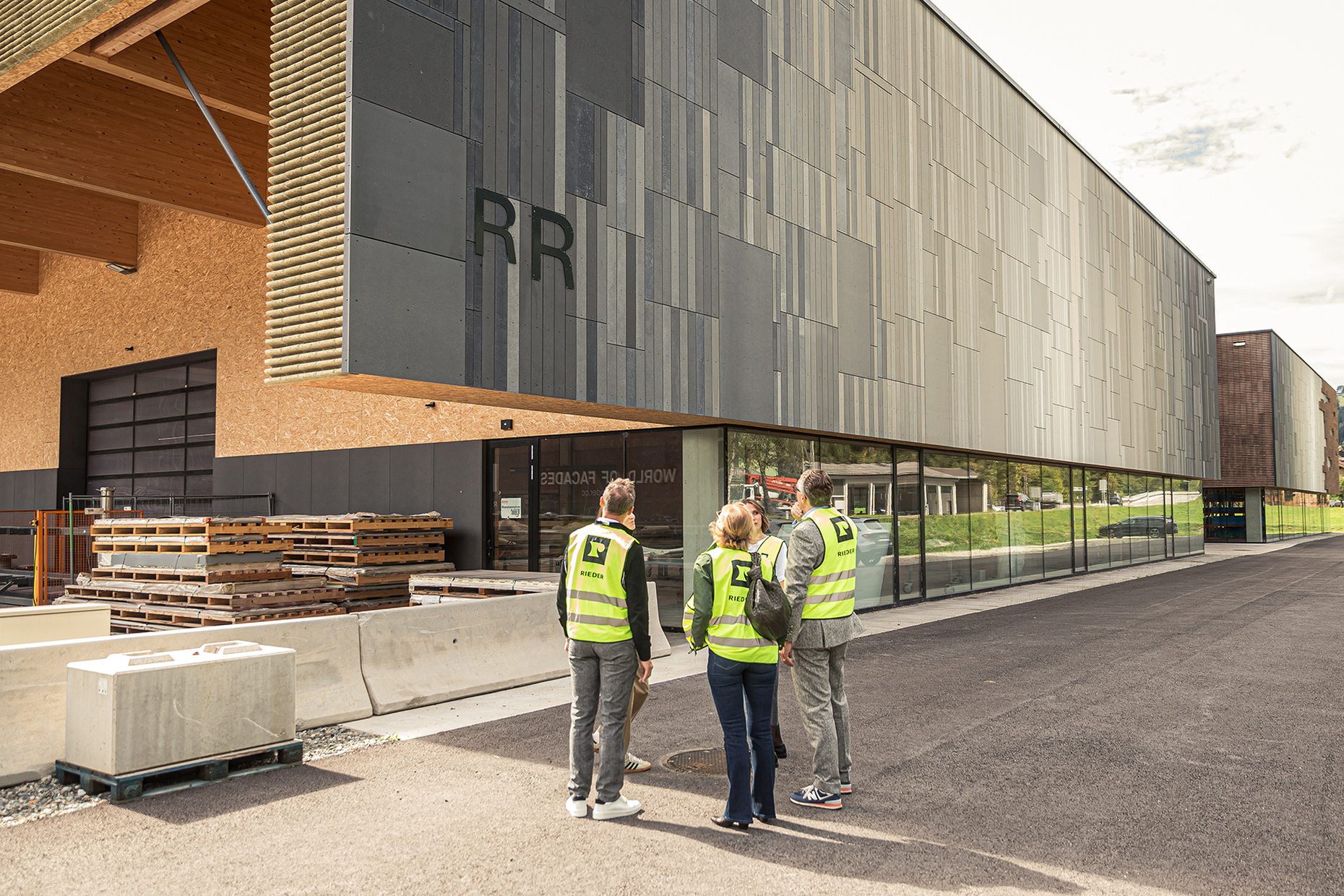
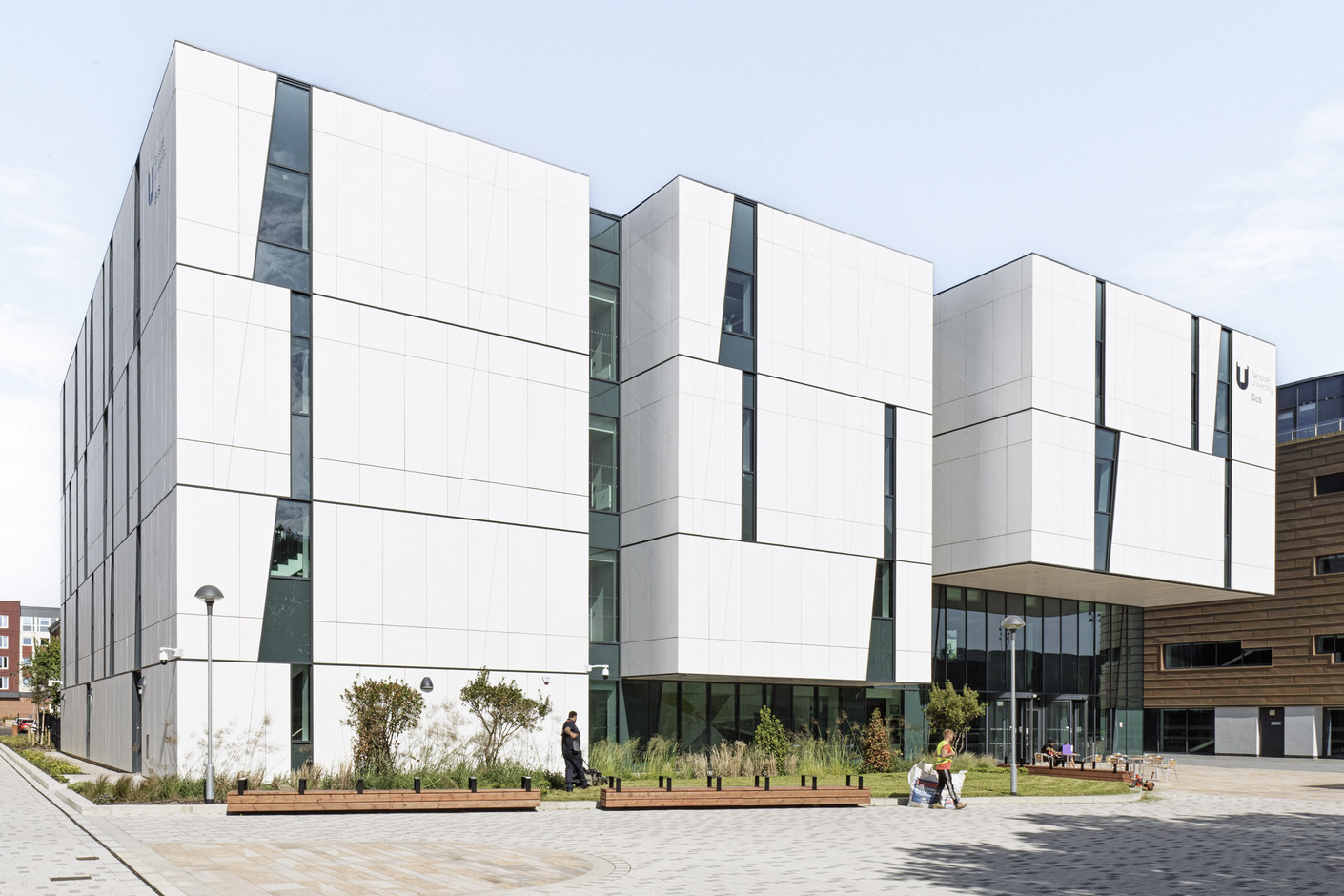
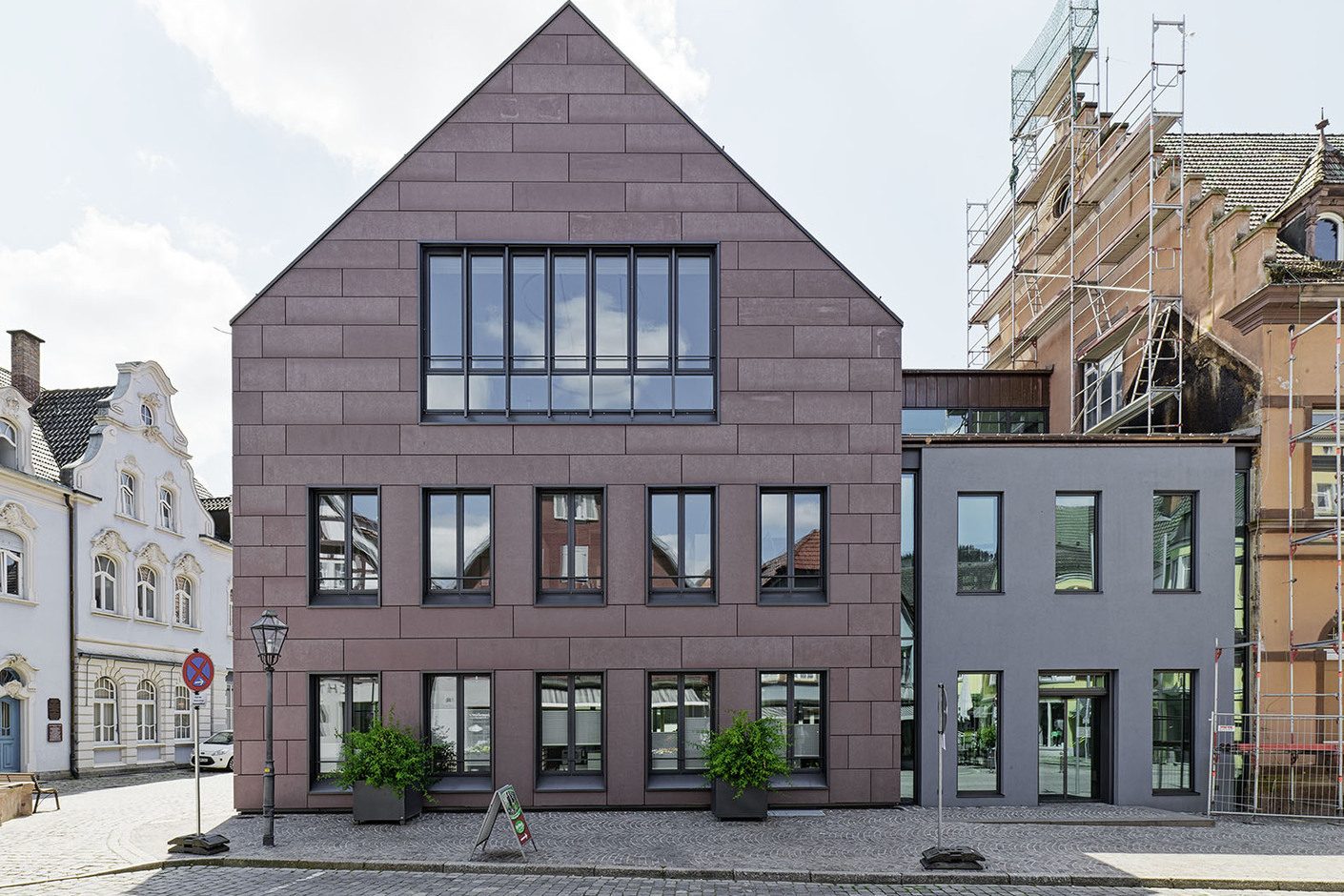
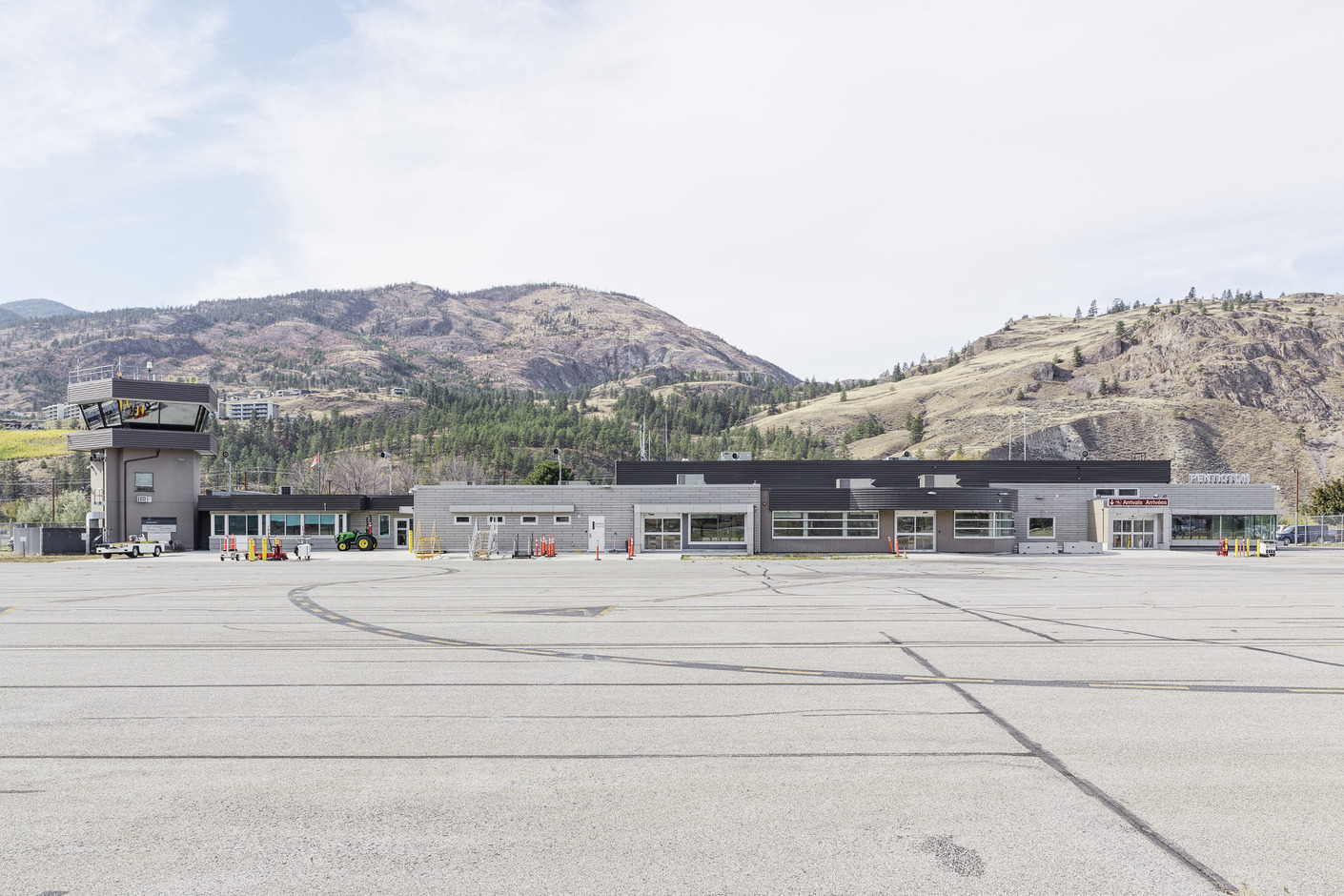
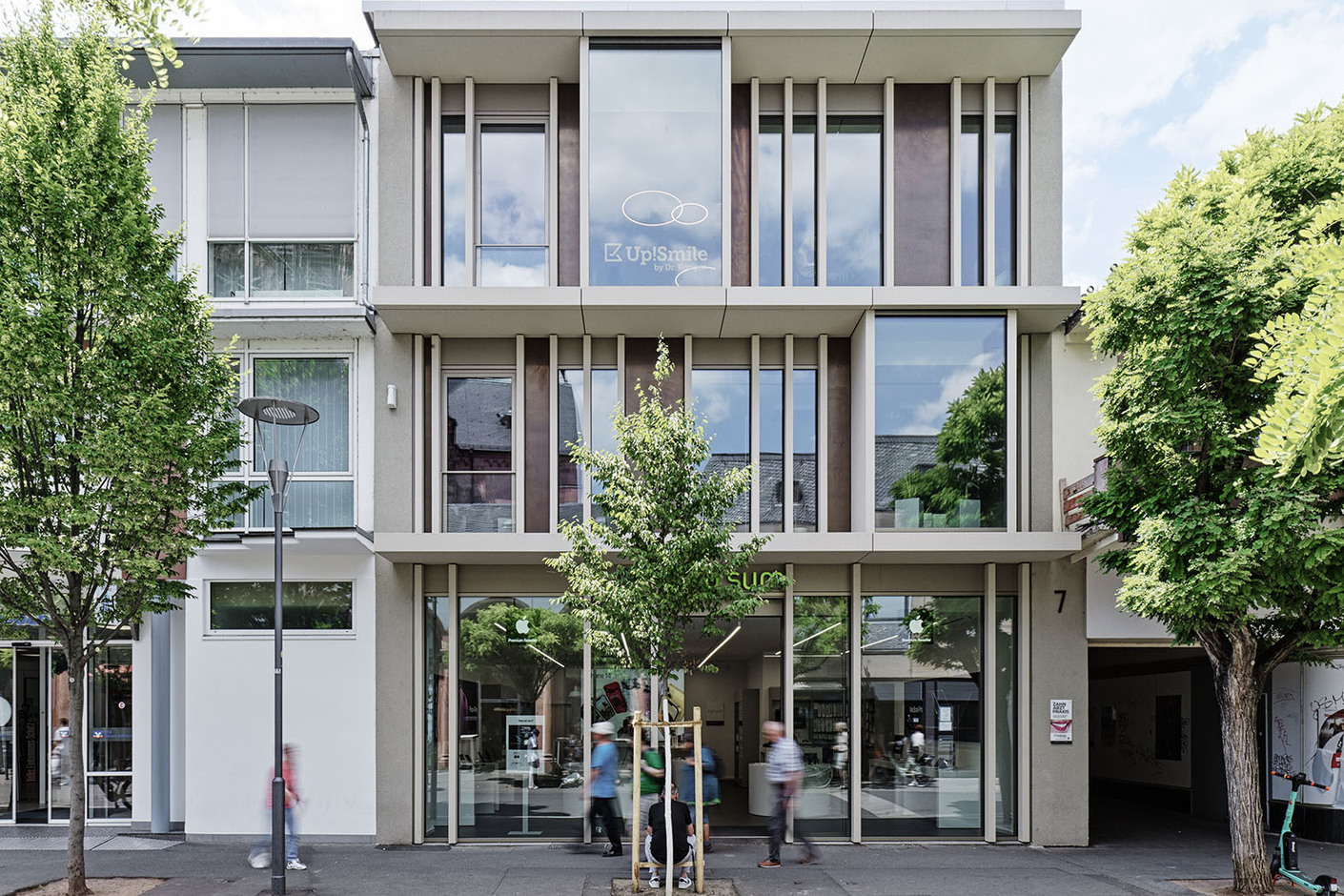
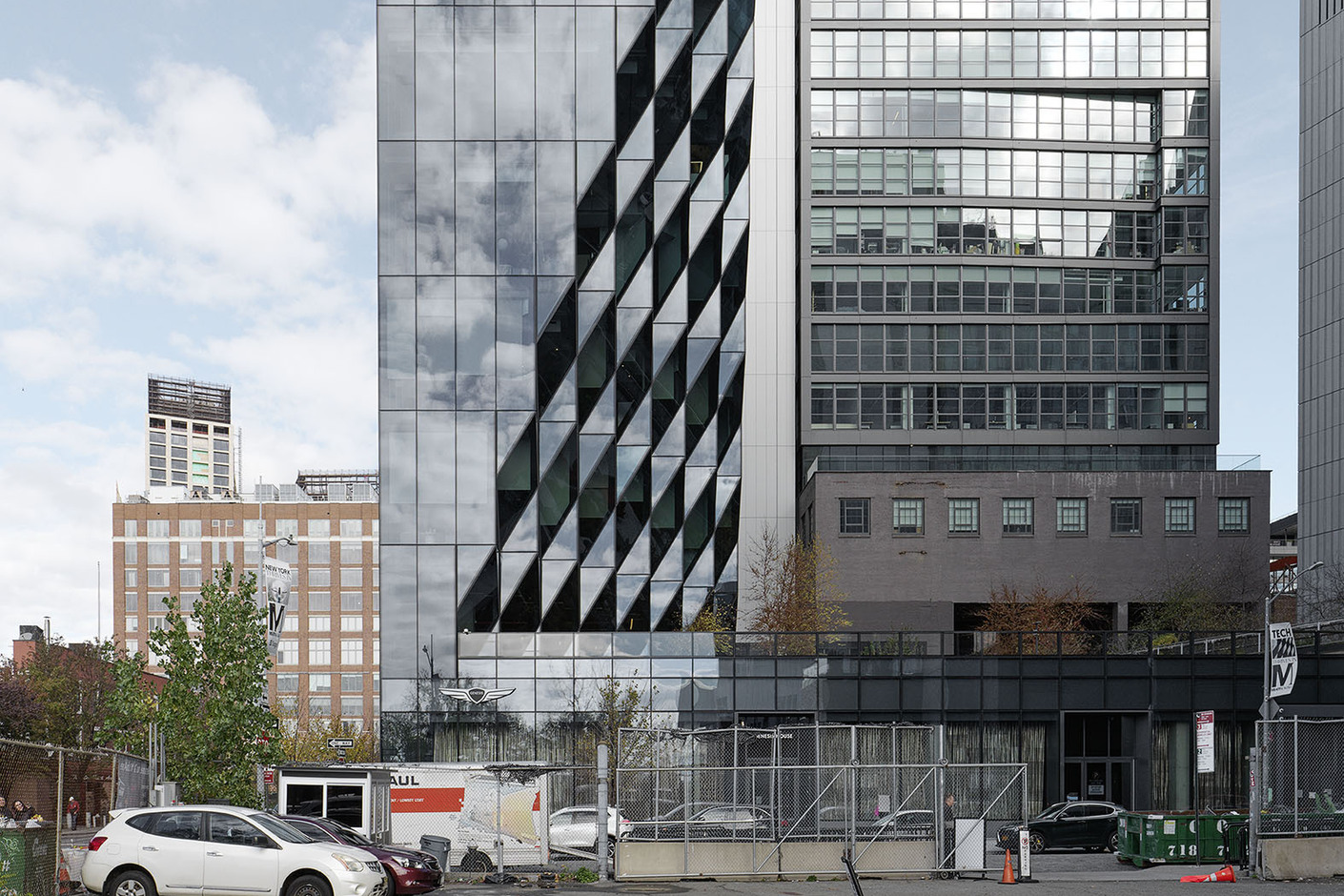
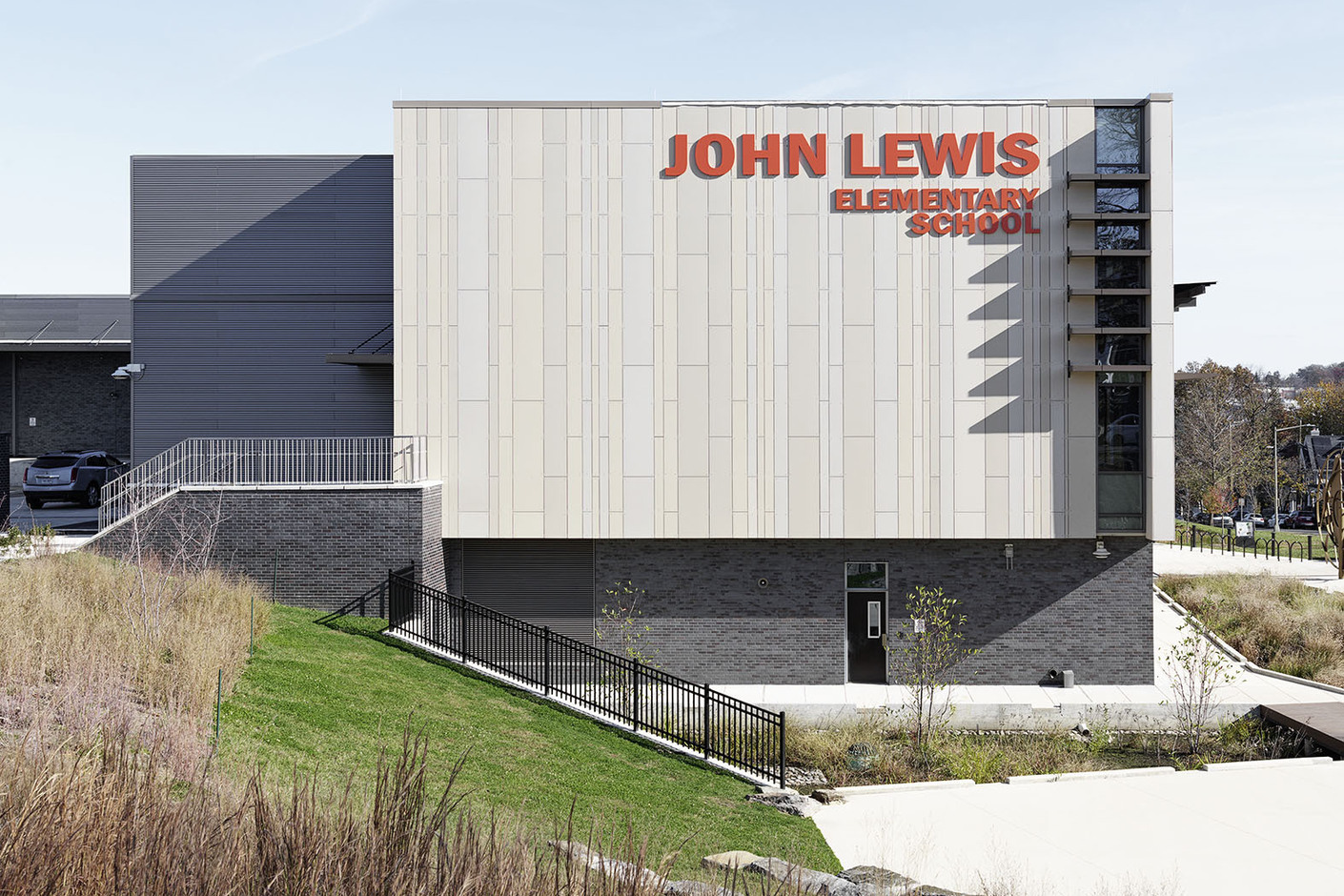
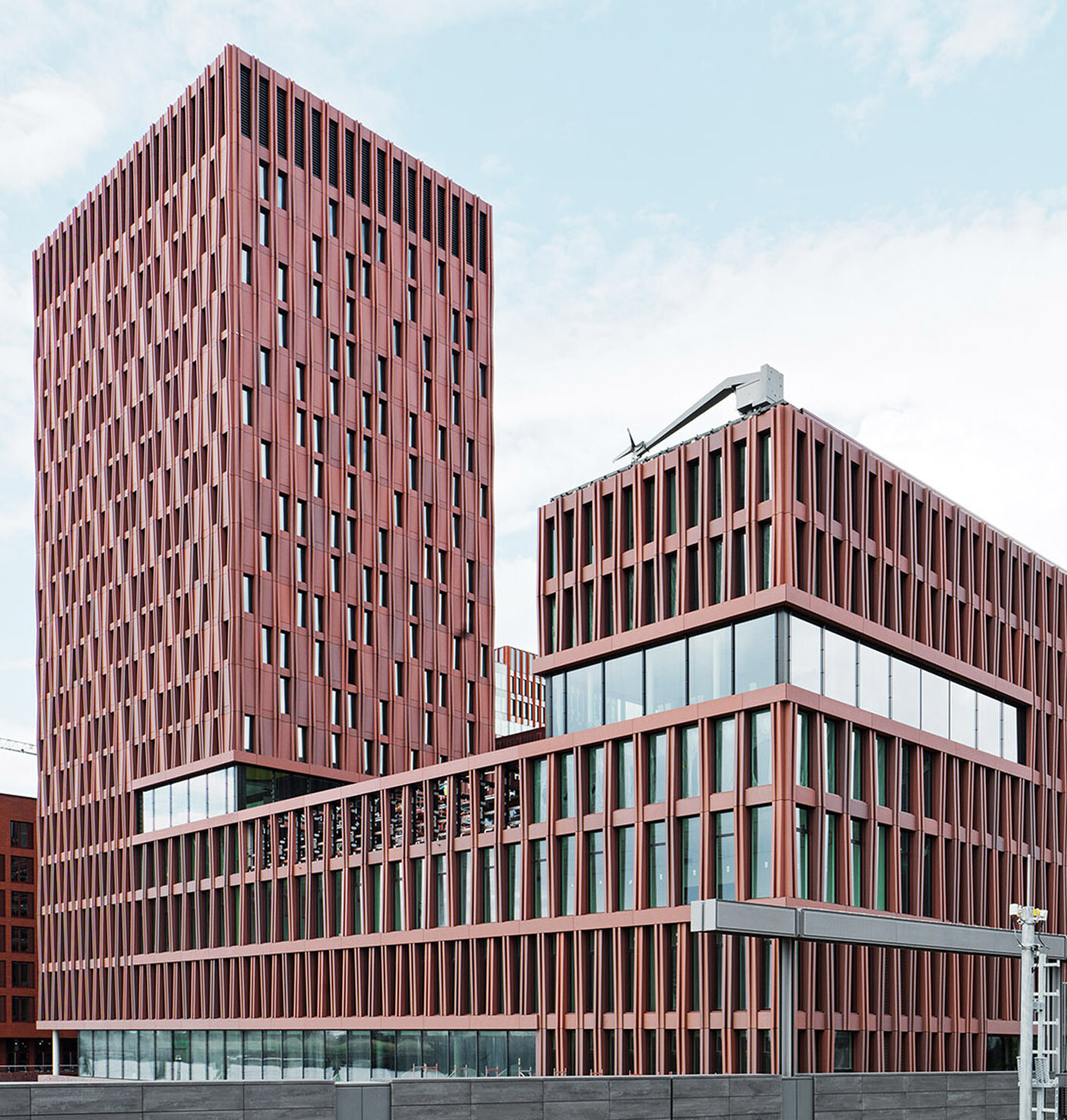
Johanna Rieder: We divide the fibreglass concrete façade elements into three main categories: ‘Öko Skin’ slats, ‘Concrete Skin’ large-format panels and the moulded parts ‘formparts’. We sell the products worldwide, with the main markets being the USA, Great Britain and the DACH region. We also want to offer architects a wide range of design options with numerous colour variations.
To what extent is architecture with glass fibre reinforced concrete even feasible?
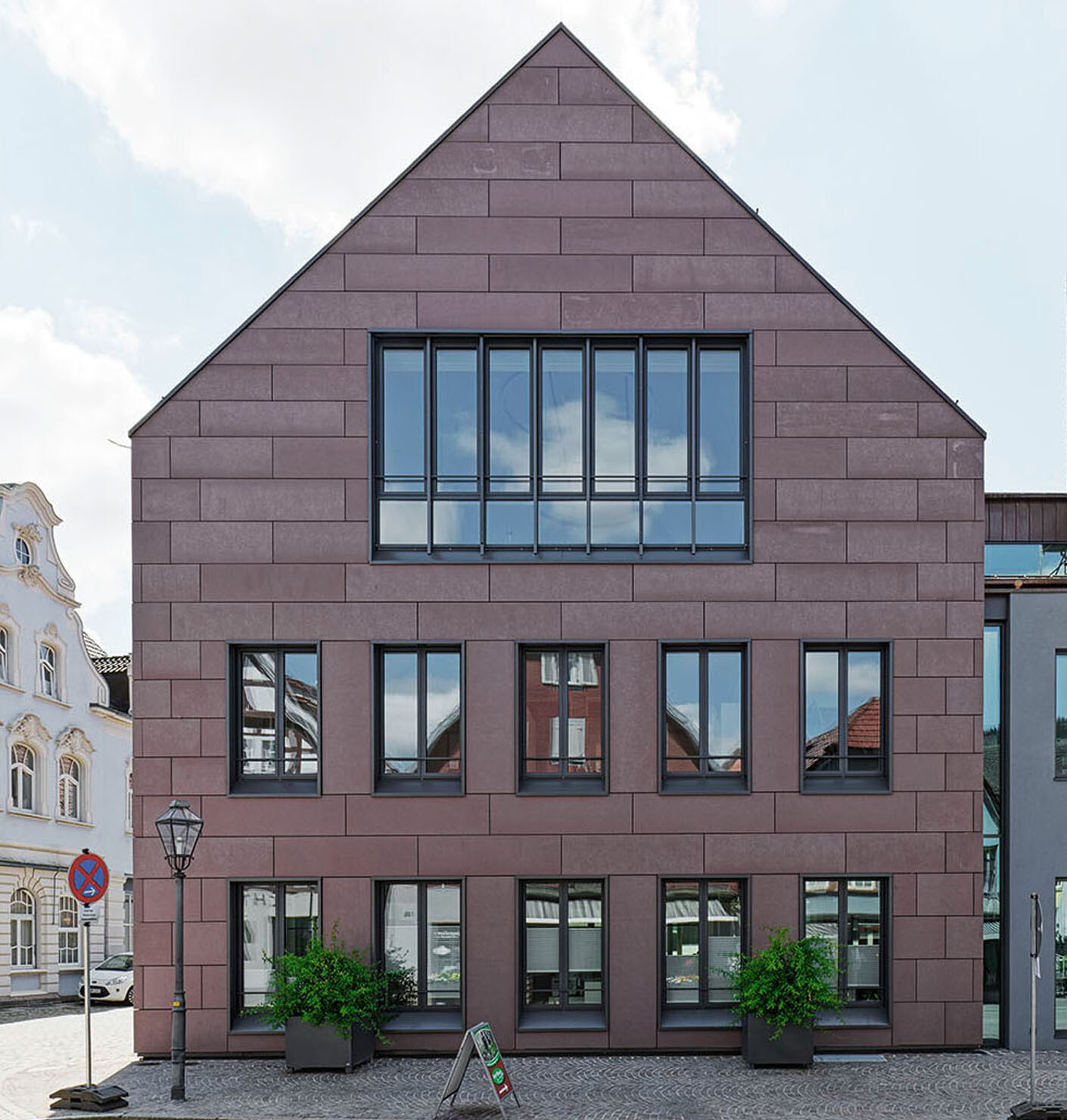
Andreas Bürgler: With a low material thickness of 13 millimetres, very large areas can be covered. These do not age, but simply develop a patina over time. The lightweight façade elements are extremely durable and fire-resistant. This is also underlined by the numerous awards that projects using our products have received, such as DGNB Gold certification. At the same time, we return all production waste back into the value creation cycle. Our products are currently being used increasingly for cladding timber structures, such as Germany's largest timber hybrid building, the EDGE Suedkreuz Berlin office building by Tchoban Voss Architects.
Robert Volhard: Rieder operates internationally with locations in Austria, Germany and the USA. How is production capacity utilisation distributed and what is the strategic role of each location?
Johanna Rieder: Our main production is in Germany, while in Austria we manufacture moulded parts and manage essential services. We are currently establishing a location in the United States, as the market there is very important for us.
Robert Volhard: Were there any projects that contributed significantly to your popularity?
Andreas Bürgler: The Bregenz Festival Theatre was one of the locations used for the James Bond film ‘Quantum of Solace’. We fitted out the façade, which was obviously great marketing. We also got a big boost when Zaha Hadid used our products, and when we were commissioned by Boogertman Urban Edge & Partners to fit out 30,000 square metres of space for the Soccer City Stadium in Johannesburg. We support the architectural firms from the initial idea through to implementation.
Franziska von Schumann: As the first manufacturer of fibreglass concrete façades, you voluntarily published a report in 2021. The report was prepared in accordance with the international standards of the Global Reporting Initiative (GRI). What motivated you to be so transparent?
Felicitas Rieder: If you want to change something, it is important to know where you stand. We focus on high process efficiency in the construction sector. The company is applying a strategy with 1/3 substitution, 1/3 more efficient processes, 1/3 offset measures.
Johanna Rieder: We also offer a CO₂-reduced material for façade elements: 50 per cent of the conventional cement has been replaced by local natural pozzolans for ‘Matrix 3.0’. This substitution enables a 30 per cent reduction in CO₂ emissions compared to ‘Matrix 2.2’ and a 23 per cent reduction for façade elements. It therefore represents the first step towards cement-free production.
Robert Volhard: What are your next goals?
Johanna Rieder: General optimisation of all processes. By 2030, we want to reduce our primary energy consumption by 40 per cent.
Franziska von Schumann: In your opinion, what changes would need to be made to regulations?
Andreas Bürgler: It would certainly help to have clear guidelines, especially for public buildings. We support architectural firms from rendering to implementation and often find that many processes would be easier if the specifications were clearer.
Robert Volhard: To what extent are you already using artificial intelligence to optimise processes?
Andreas Bürgler: We want to digitise as many processes as possible, such as research for competitions and projects, and coordination between the people involved, especially when they are working on different continents. AI is already helping us to scale projects.
Franziska von Schumann: In your opinion, is there a shift in thinking on the part of clients and investors, who are now willing to accept lower returns in favour of construction?
Felicitas Rieder: A change in values is certainly needed. The focus should be on long-term values rather than short-lived effects. It's about thinking processes through to the end. High-quality materials are more expensive, but they are also more durable.
Andreas Bürgler: That's why we already try to bring up the topic in our communication with investors and raise their awareness of it. A project is usually sold on the basis of its exterior design, and if the advantages of high-quality façade cladding are understood from the outset, this has an immense benefit for everyone involved. Ultimately, it also improves the quality of life for the people in the building. That's why we invest a lot of time in communication.
Franziska von Schumann: How important is aesthetics to you?
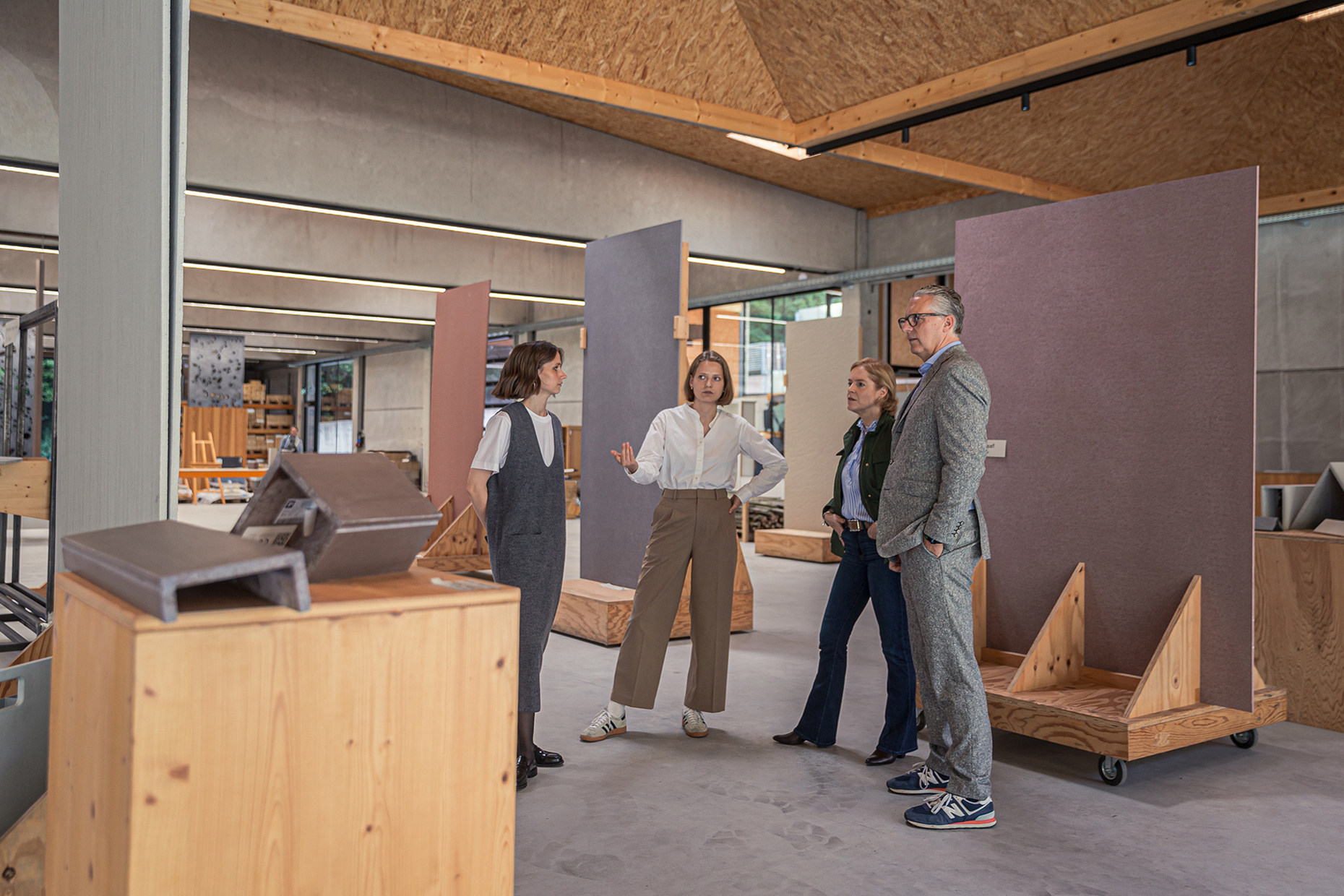
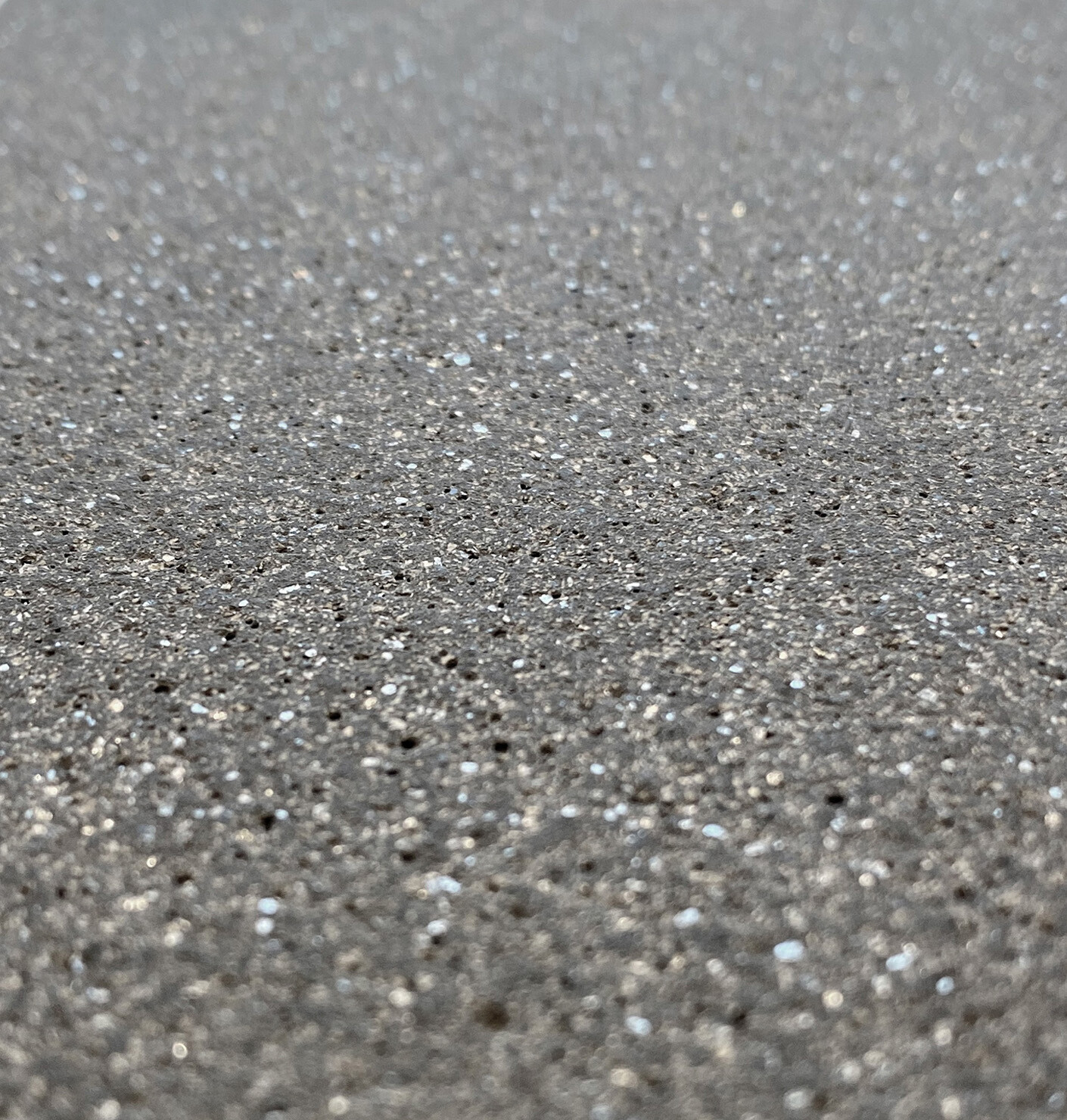
Felicitas Rieder: Preserving the authentic vitality and depth of the building material is very important to us. It's about the overall picture: a beautiful façade with a lot behind it. The aesthetics of their projects are also immensely important to architectural firms. That's why we want to give them an idea of the result, for example using the 3D configurator. The façade, its colour and surface, must already be tangible during the planning stage. We have a good 26,000 different variants and sizes up to five metres in length, so digital visualisation is helpful.
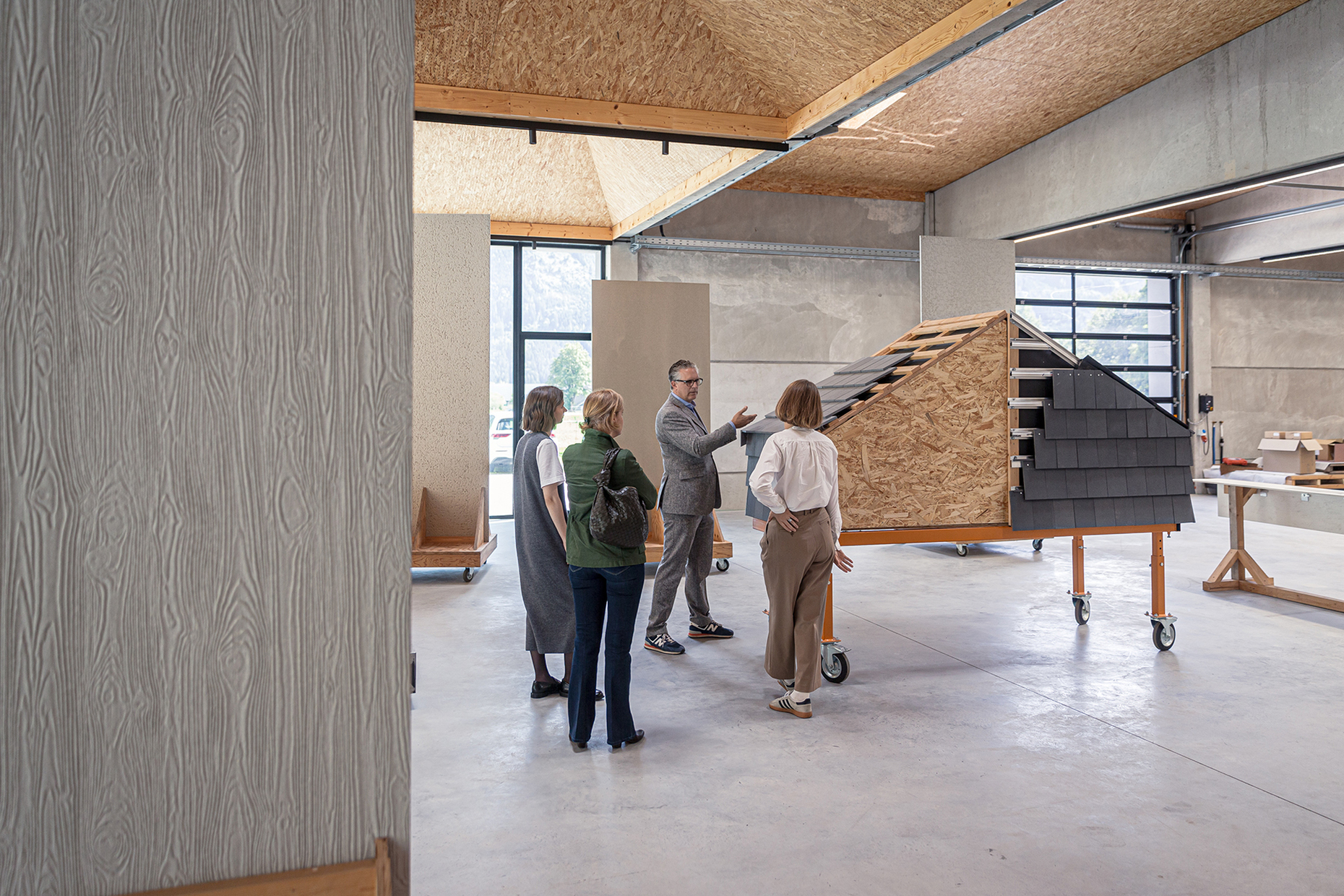
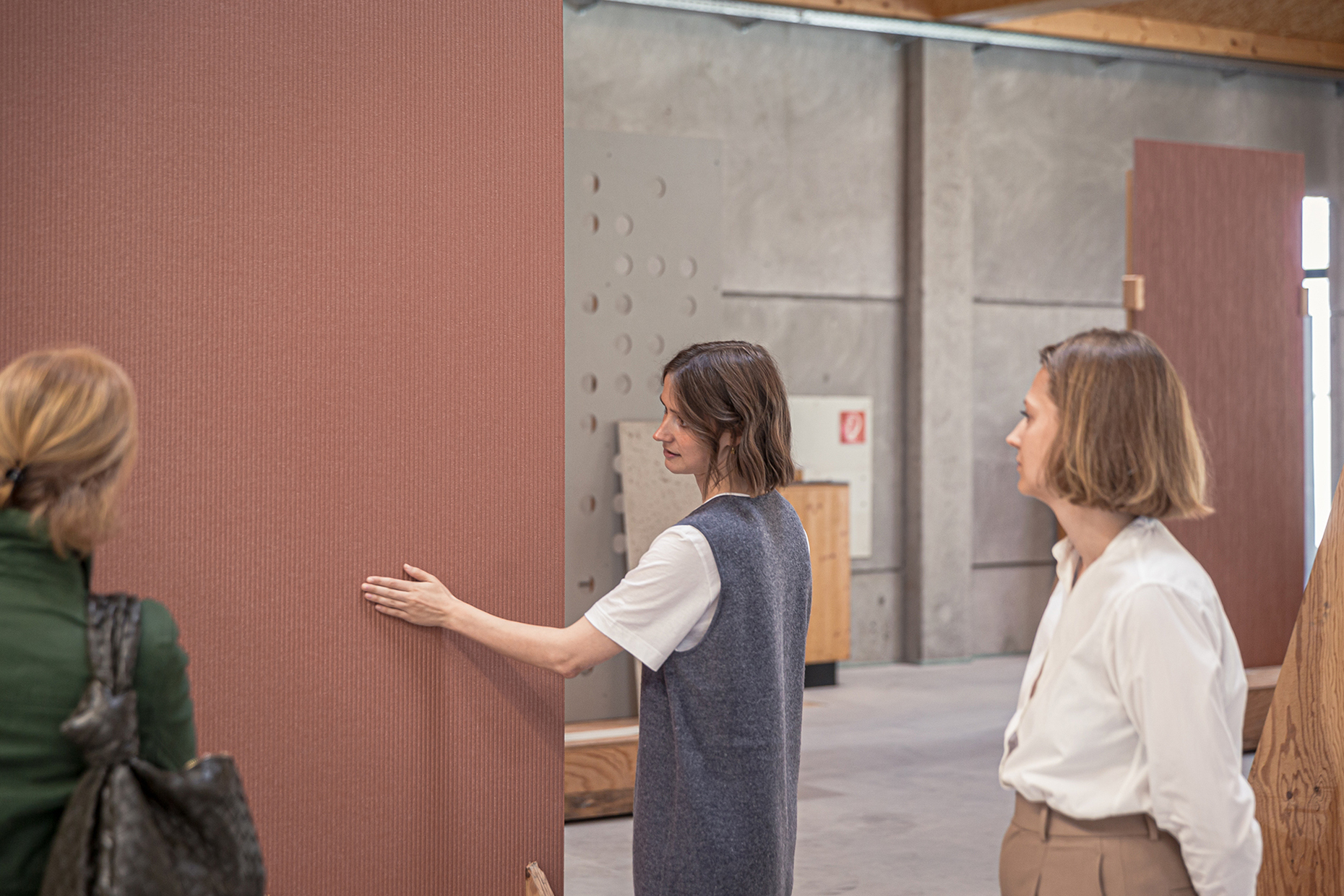
Andreas Bürgler: At the same time, we respond to individual requests, such as a project in Italy where the colour of the façade was to reflect the reddish brown of the earth at the site. We are constantly expanding our selection with natural pigments. We now also offer terrazzo surfaces in series production. In addition, we are working on various curves and testing the extent to which we can adapt the material to suit requirements. If required, the elements can be cut, pre-drilled, cleaned and turned at the factory. It is also possible to install the element substructure. The prefabricated modules are then simply hooked into place on the construction site and fine-tuned.
Robert Volhard: You're flexible.
Andreas Bürgler: Exactly. We provide architectural firms with the tools they need for planning, and they can then design freely with our products.
Robert Volhard: Wolfgang Rieder, your father and CEO of the Rieder Group, studied at Harvard, among other places, and is a member of the advisory board for the Master's programme in Design Engineering there. How does that influence your work?
Johanna Rieder: It has brought us closer to the younger generation of creative professionals and given us an insight into their questions, needs and demands when it comes to projects. The ideas that have come out of this are definitely valuable to us. It has also helped us to better understand architects – how we can contribute to a better built environment and how we, as a façade manufacturer, can become more involved in this area.
Franziska von Schumann: How do you feel about the current market environment?
Andreas Bürgler: We are still delighted to see such strong demand. However, the current debate surrounding customs duties is naturally a concern for us, as is our future strategy. In this respect we stand out from many of our competitors.
Franziska von Schumann: What is your vision for the future, also with regard to the generational change in the company?
Johanna Rieder: One of Rieder's goals was and still is to rethink old structures and offer a continuous transformation process. In this sense, we feel a strong drive to continue researching façade solutions with this material.
Felicitas Rieder: As a family business founded in 1958, we are now in our fourth generation and want to maintain this structure. That is why every member is committed to contributing to the overall success and extending the value chain of our products.