STYLEPARK TEXPERTISE That fits!7/3/2026Although adaptive fashion has now reached some major players in the fashion industry, the sector has so far been dominated by niche manufacturers. However, the market is growing, offering economic, cultural and creative opportunities.
FEATURED Ideal Foundation7/2/2026In the Salzburg municipality of Thalgau, a modern educational building has been constructed that combines open spaces, sustainable construction, and a carefully coordinated selection of materials. Bauwerk Parkett’s products provide a high-quality element that is both aesthetically pleasing and practical for everyday use.
FAIRS & EVENTS International High-Rise Award 2026/27: The Nominees7/2/2026The nominees for the 2026/27 International High-Rise Award have been announced: From more than 1,000 new skyscrapers worldwide built over the past two years, 30 projects from 12 countries on five continents were selected.
DESIGN Cleanly folded7/1/2026Stylepark is raffling off the high-quality “Theo” folding chair by Plank, made of solid oak and molded oak-veneered plywood, in the color of your choice.
ARCHITECTURE Spotlight on Women Architects – Annabelle Selldorf6/30/2026In our series “Spotlight on Women Architects”, we regularly present the work of female architects – such as Annabelle Selldorf, who uses her keen eye to create serene spaces that are perfect down to the last detail. The next major project is already set: the restoration and redesign of the Louvre in Paris.
INTERVIEWS AI doesn’t have an on/off switch6/29/2026Networked systems, flowing data, learning algorithms: building automation is going smart. In this interview, Tobias Frauenrath from Aachen University of Applied Sciences explains how AI optimises operations and which trends and hurdles are shaping the industry.
SUSTAINABILITY Keep cool6/24/2026The exhibition “Too Hot – Scorching Cities, New Ideas” at the Deutsches Architekturmuseum explores the projects that municipalities, planners, and initiatives are using to adapt urban spaces to rising temperatures, heavy rainfall, and water shortages.
FEATURED Material as a Medium6/24/2026In the exhibition “What the Surface Remembers”, Wilkhahn presented the basic form of the “WiChair” alongside artistic works by Aya Sasakura and Frank Schinski. The exhibition revealed the construction, use and transformation processes, thereby highlighting the design's enduring quality.
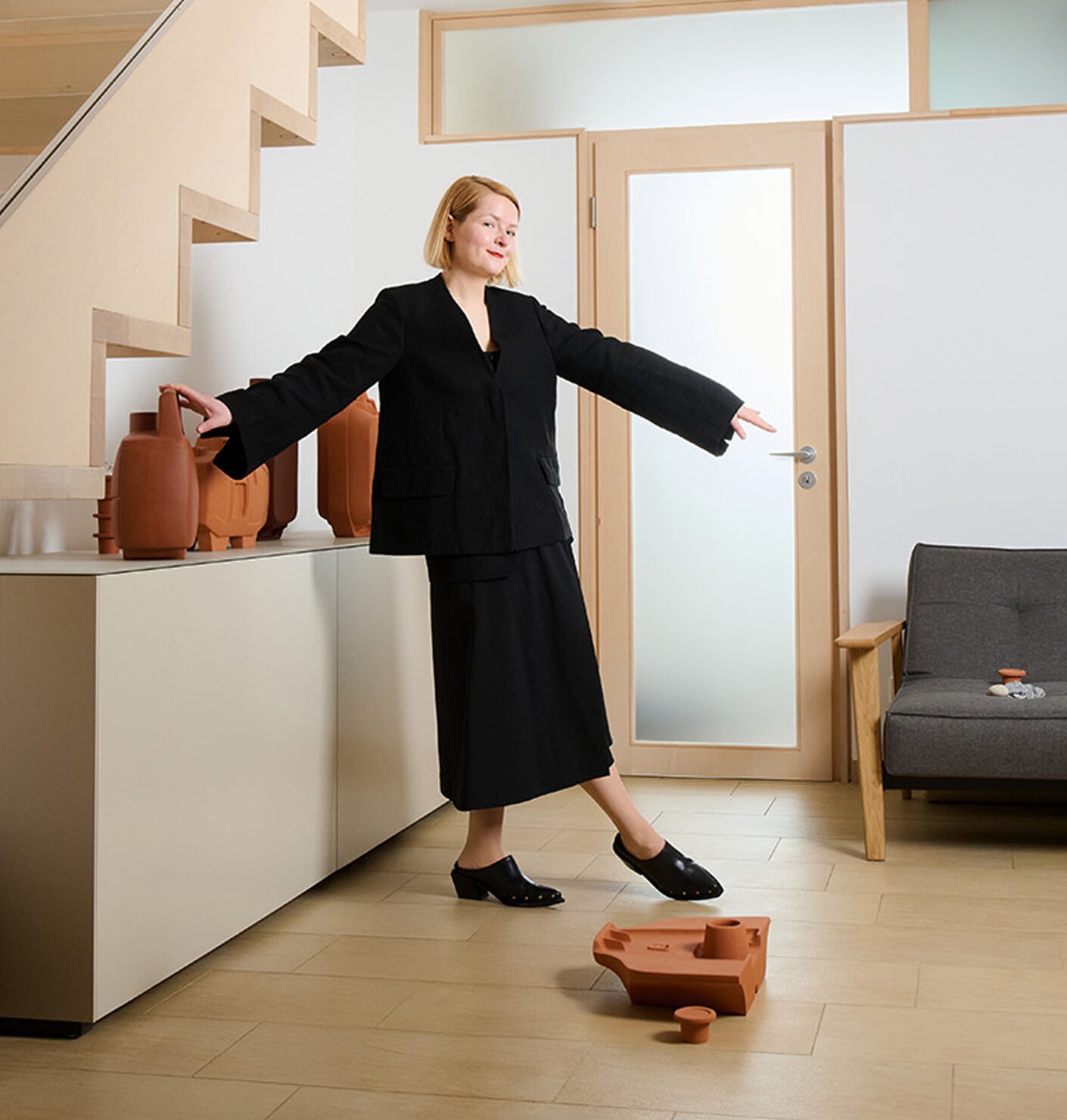
YOUNG TALENTS Thinking contextually6/23/2026Johanna Seelemann views design as a system. She conducts continuous, in-depth research, considering forms, materials, and craft techniques as part of an ecological, social, and cultural whole. This approach results in the creation of aesthetically pleasing, tactile, and meaningful objects.
INTERVIEWS Complexity mastered6/19/2026How do you design an airport gate from scratch that meets the highest functional and design standards? In this article, Business Unit Manager Rainer Aman and Project Manager Franziska Wischnewski give us a glimpse into an extraordinary concept, the realisation of which was made possible by Lindner’s expertise.
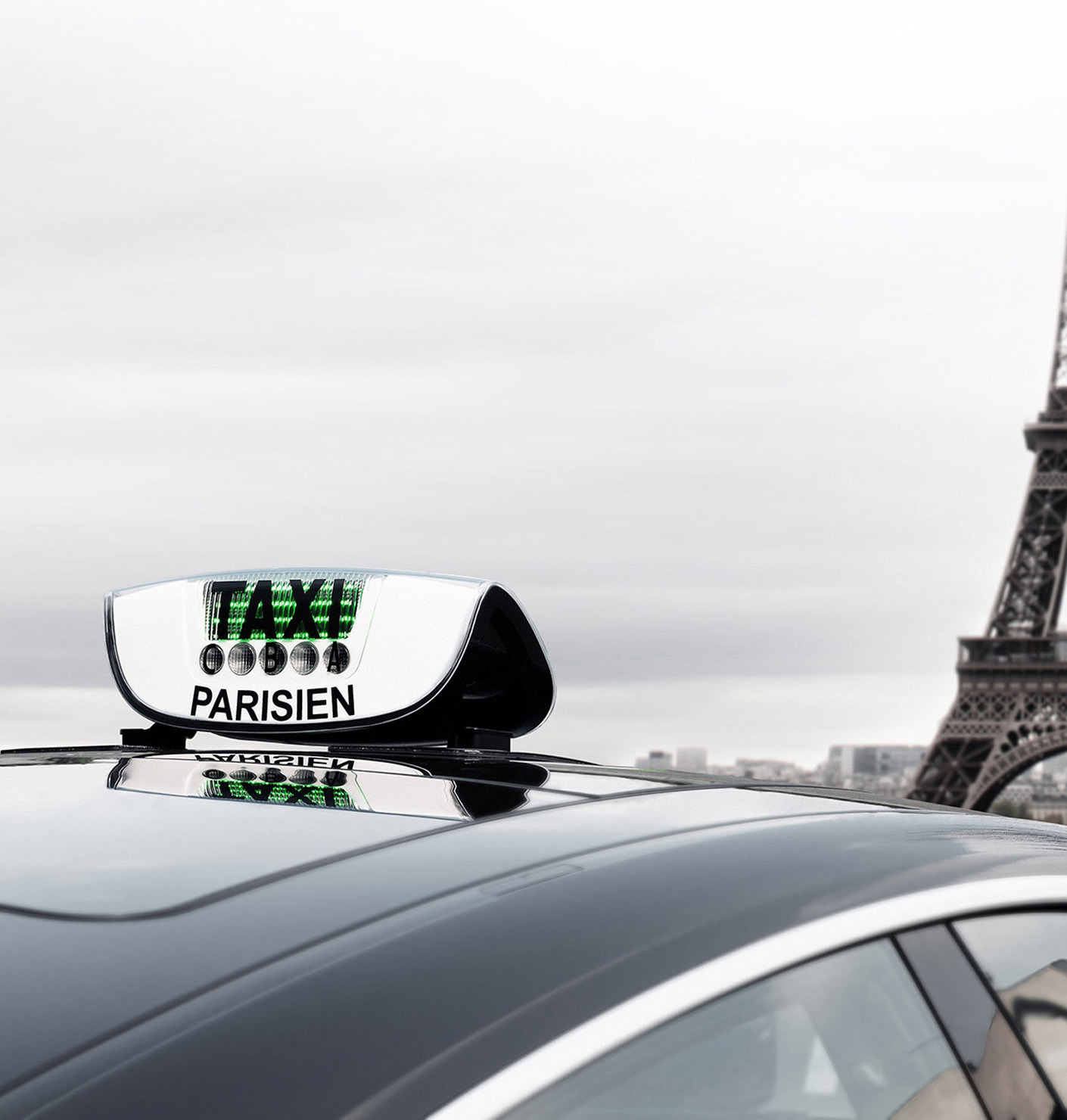
INTERVIEWS "Design creates order"6/18/2026Patrick Jouin works with international companies such as Ligne Roset, Pedrali and Louis Vuitton. At the same time, his work is present in Paris on another level: in the urban space itself. He explains what this means in an interview.
3DAYSOFDESIGN 2026 – REVIEW Create connections!6/17/2026The 3daysofdesign festival took place in Copenhagen from 10 to 12 June 2026. Find out in this review what topics the exhibitors are focusing on at Denmark's annual design festival and how the nonprofit organisation presents itself.
FEATURED A striking presence6/15/2026With "ray executive", Brunner is expanding the "ray collection" to include a series of conference chairs designed for sophisticated work and meeting environments. The design by jehs+laub combines clean lines, high-quality materials, and precision craftsmanship to create a harmonious solution.
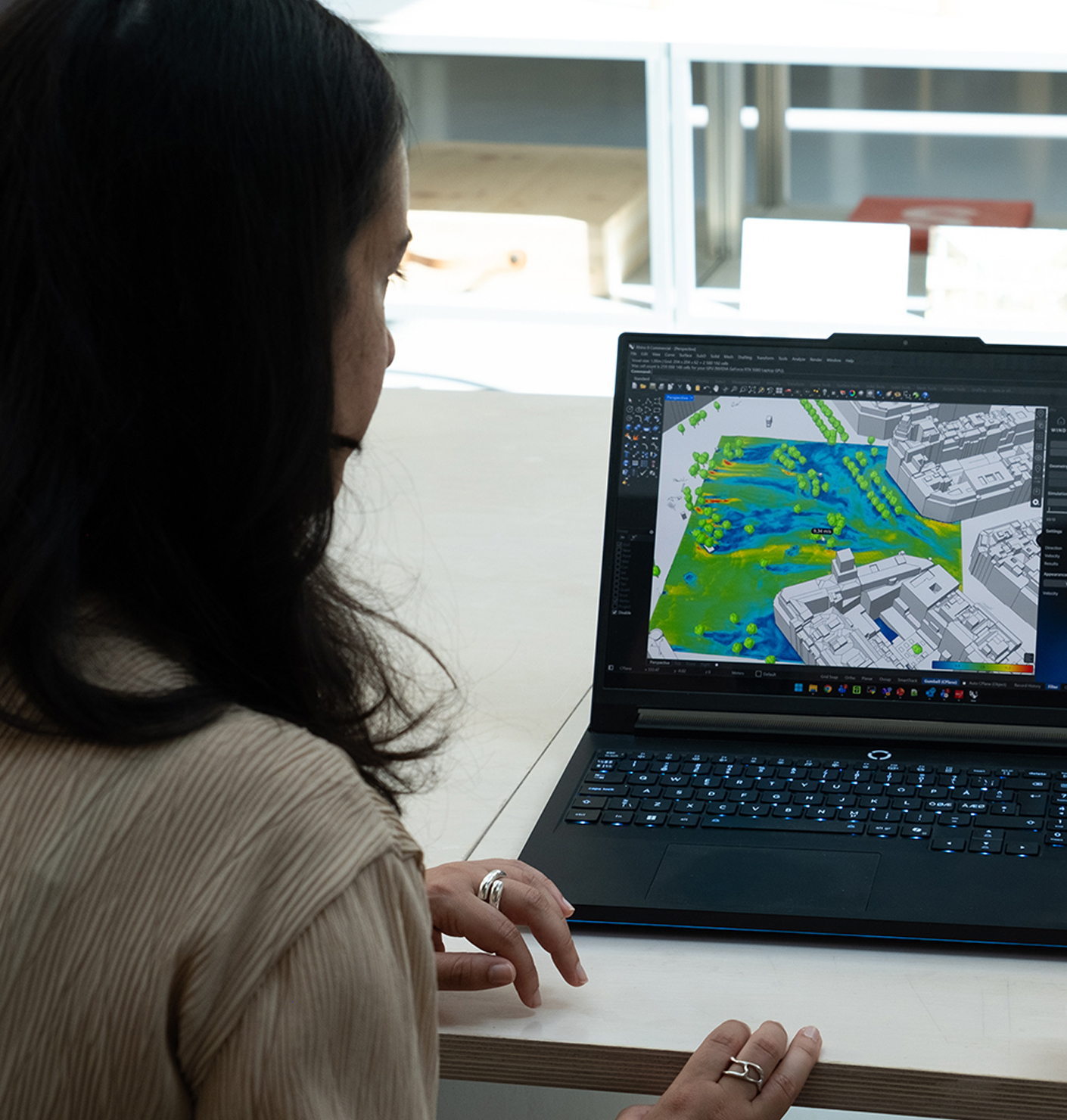
SUSTAINABILITY Climate analysis in real time6/12/2026Through its spin-off, Nflection, and the jifto platform, Henning Larsen Architects A/S has translated over a decade of research into a digital tool for the design industry. The system enables real-time environmental analysis and aims to provide a firmer basis for climate-resilient designs from the outset of a project.
STYLEPARK TEXPERTISE A key to the circular economy6/8/2026loopamid® is a polyamide 6 produced entirely from textile waste, enabling the production of high-quality fibres without any loss of quality. The material is therefore becoming a key component for brands seeking to embed circular practices into their production processes.
DESIGN Design in stone6/5/2026The collectible design brand Matera Collective, founded by Manuela Rotta and Stefan Scholten, brings together international perspectives to create a collection of limited-edition marble objects that celebrate the material, craftsmanship, and individual expression.
ART The view from above6/3/2026By balancing documentary precision with artistic interpretation, photographer Hans Georg Esch offers a fresh perspective on architecture. In this interview, you’ll discover why he believes that capturing images from unconventional angles is so important, and how he manages to see familiar places – from Cologne to Pompeii – in a new light through the lens of his camera.
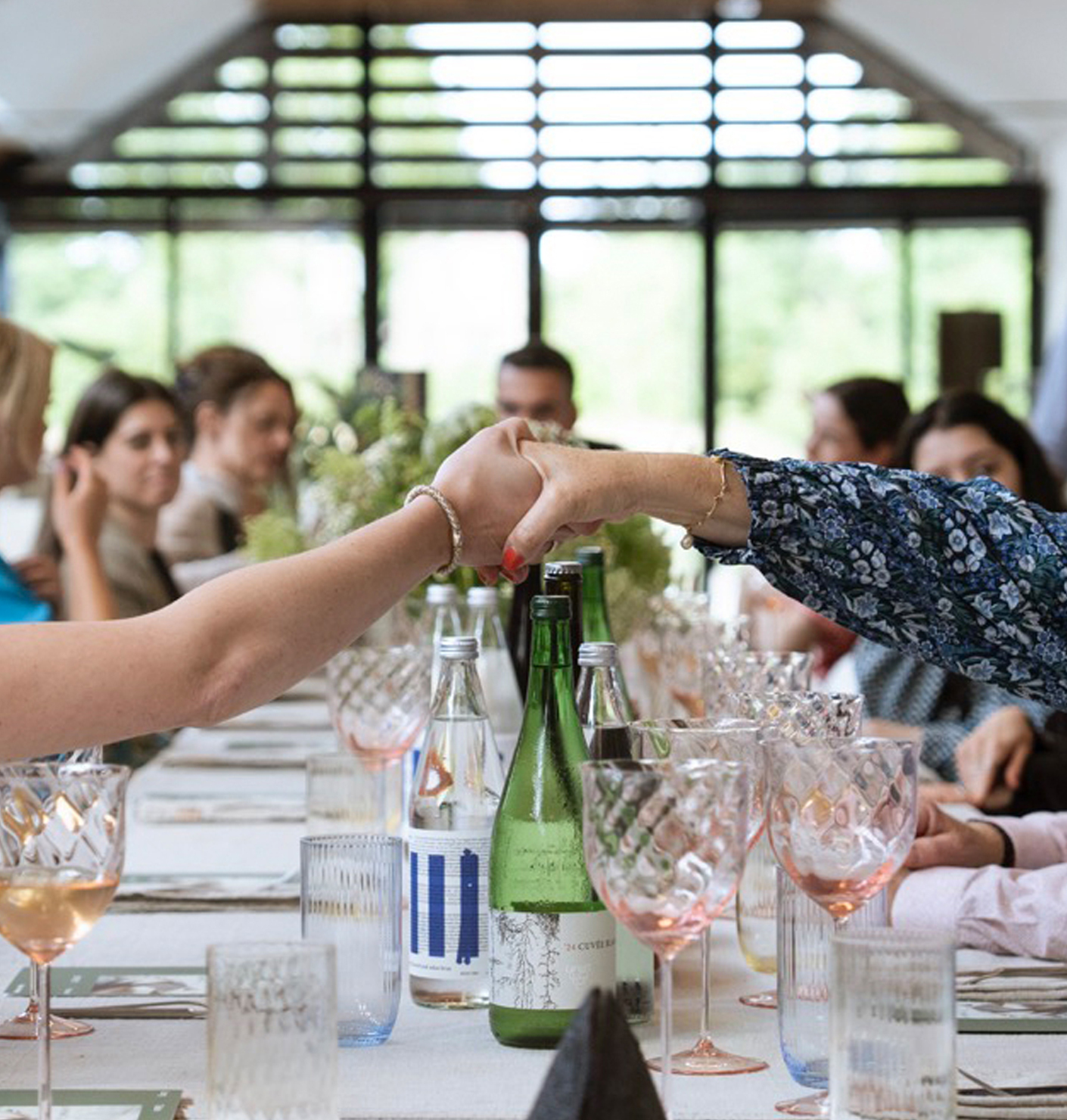
FEATURED In the spirit of the avant-garde6/2/2026Under the title "Friends of Zürich", Zürich Tourism and Stylepark, in cooperation with COR Berlin, recently invited leading personalities from architecture, design, art and culture, as well as the legal and financial sectors, to a modern salon evening in Frankfurt am Main.
ARCHITECTURE From lines to space6/2/2026At the Museum of Architectural Drawing in Berlin, the exhibition "Kengo Kuma – The Flow of Lines through the Lens of Erieta Attali", on display from June 13 to September 13, 2026, presents an interplay of drawing and photography that allows visitors to experience architecture as a process-oriented practice.
DESIGN AXOR Starck Limited Edition6/1/2026Stylepark is raffling off the AXOR Starck 90-mm single-lever basin mixer with a handle and drain set in the Pantone Vanilla 7401 C finish/color.
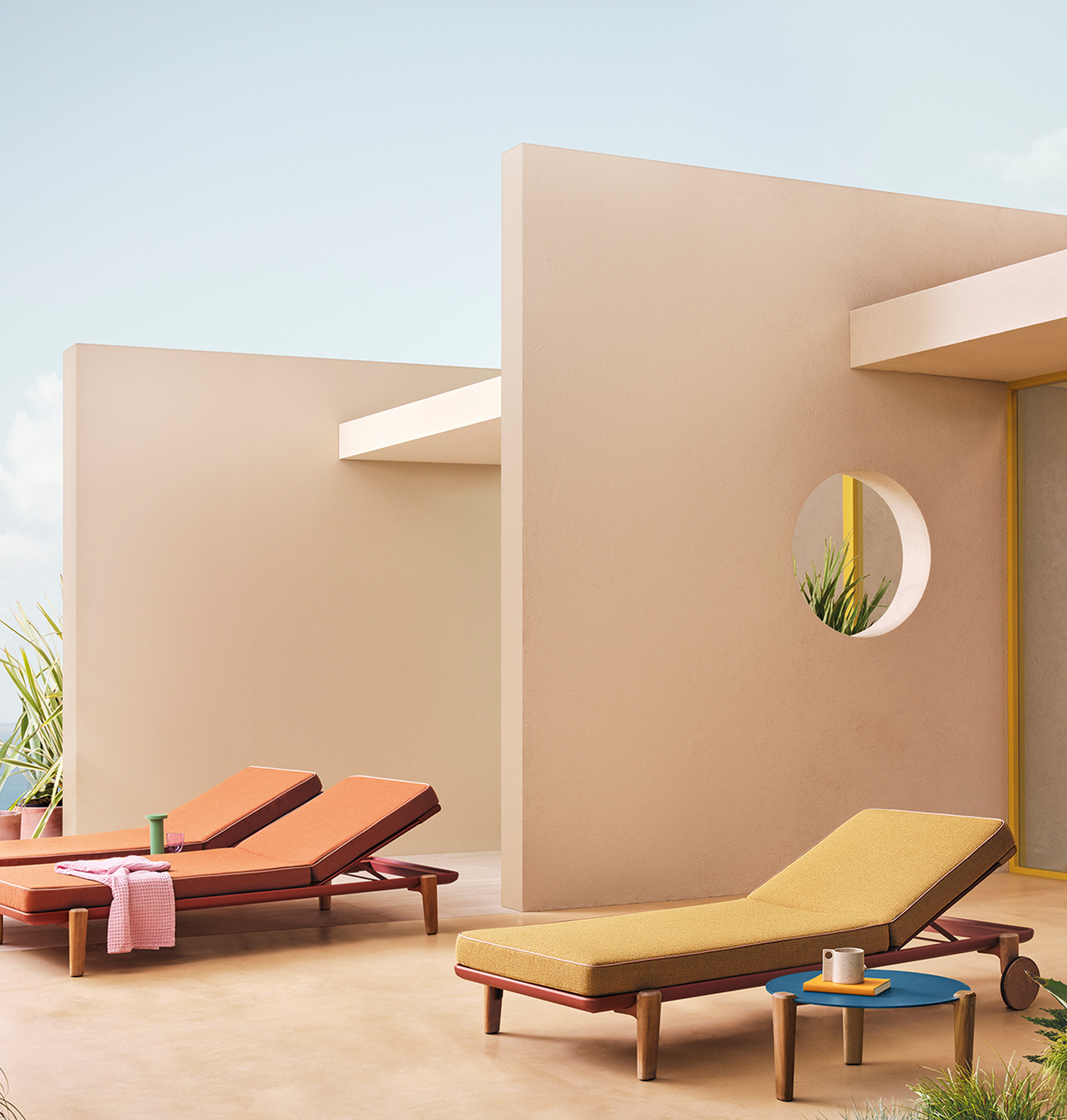
FEATURED Out in the wild5/28/2026With “Koala Outdoor,” the design studio Zaven has adapted its “Koala” seating for outdoor use for S•CAB, combining its clean lines with exceptional comfort for patios, bars, and urban spaces.
FEATURED Foresighted change5/28/2026Kinnarps has redesigned and furnished the public spaces at the Best Western Plus Hotel Plaza in Västerås. The striking architecture of the “Skrapan” has been thoughtfully highlighted through the use of high-quality materials, deliberate contrasts, and a high level of comfort.
FAIRS & EVENTS Thinking Beyond Transformation5/26/2026The Architektur Galerie Berlin is currently hosting a transformation-themed exhibition focusing on the work of Copenhagen-based architectural firm Cobe. The exhibition illustrates the multifaceted process of conceptualisation, construction and evolution of the firm’s practice through seventeen projects.
FAIRS & EVENTS Mountains in Paris5/22/2026With "La Caverne du Pont Neuf," the artist JR has created a striking installation in the heart of Paris. Blending history, materials and perception, the installation offers a spatial experience that invites us to see this familiar place in a new light.
STYLEPARK AXOR A New Glow in the North5/21/2026In Hellerup, near Copenhagen, a historic cinema has been transformed into a boutique hotel. The dark elegance of the interior design is perfectly complemented by the bathrooms, which feature AXOR fixtures. The combination of functional clarity and exclusive finishes creates an exceptional atmosphere for guests.
FAIRS & EVENTS Design as an attitude5/20/2026The retrospective “Pauline Deltour, une apparente simplicité” at MADD Bordeaux traces the designer’s work as a consistent exploration of materials, production, and form – curated by a group of creative individuals who were personally connected to her.
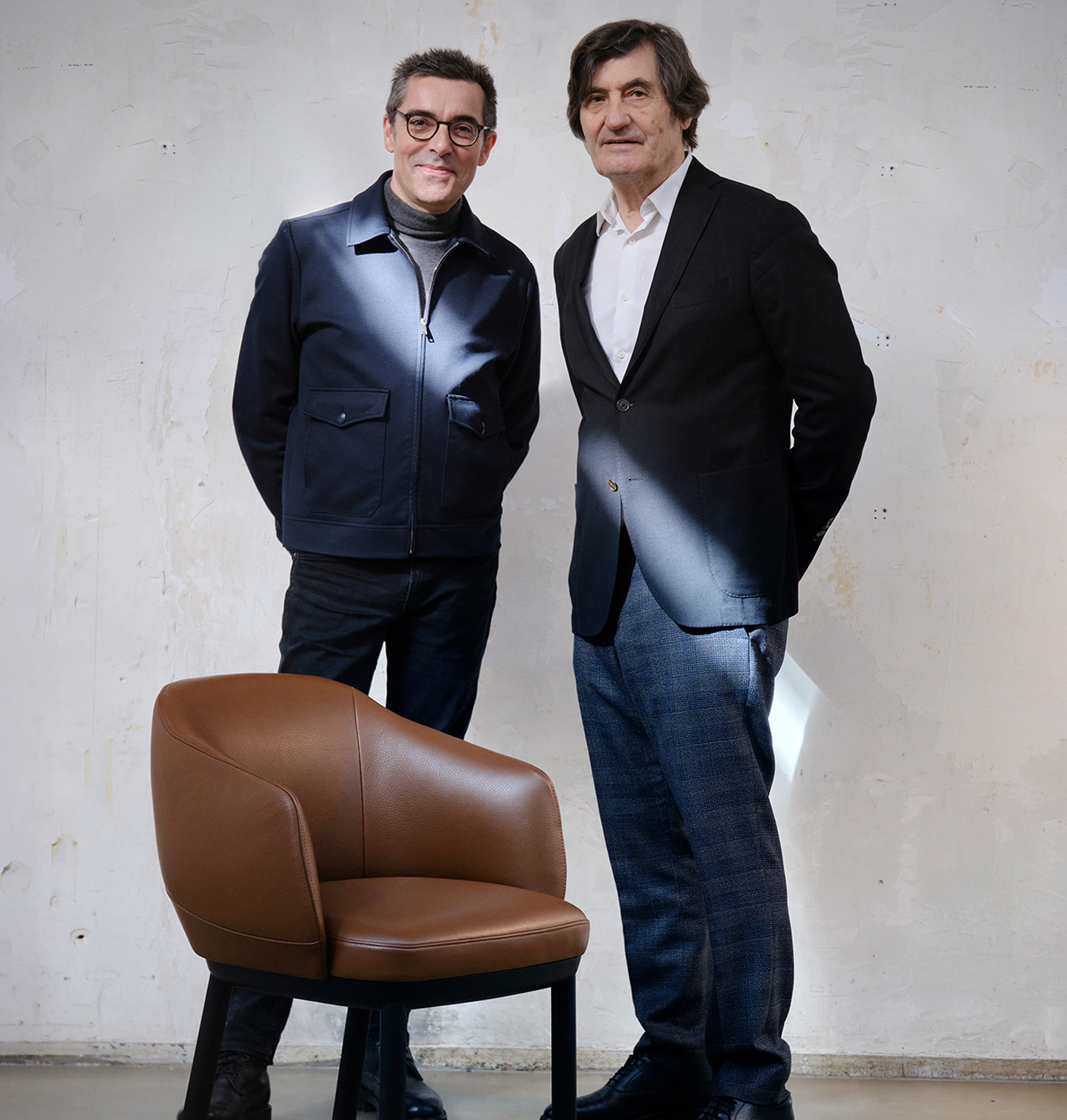
INTERVIEWS The Enabler5/19/2026Michel Roset embodies a corporate culture based on intuition and long-term collaboration. As the driving force behind Ligne Roset, he has always championed young creatives – including Patrick Jouin. A conversation about trust, intuition and the fragility of good ideas.
ART The illusion of an image5/18/2026In her work, the artist Sinta Werner fragments architecture, explores the space between reality and representation, and creates new interpretations of spatiality. In this interview, she explains how she challenges our visual habits.
FEATURED Modular variety5/16/2026The Brunner Design System has given rise to a new colour and material concept, providing a structured framework for design and planning. Building on Brunner's decades-long commitment to functional, aesthetic design crafted with precision and a focus on the essentials, it represents a new chapter in the company's history.
STYLEPARK PEDRALI Freedom to explore new paths5/12/2026The ‘Fibra’ outdoor furniture collection is the first that AMDL CIRCLE has created for Pedrali following the successful architectural collaboration for the Pedrali Pavilion. Emanuele Novembre, Andrea Borgogni and Alberto Nason from the studio give us an insight into the development process.
FEATURED A new take on the zeitgeist5/8/2026Working closely with Holzrausch as the main contractor, the architectural studio Gonzalez Haase AAS has designed an office space for Earlybird Munich that combines the building's historic character, precise lighting and a design that consistently highlights materials to create a spatial experience with many layers.
FEATURED Designing the rules5/7/2026With “Matter,” Ege Carpets and Snøhetta present a woven collection that brings together digital processes, textile materiality, and spatial impact. Rather than patterns, the surface is defined by texture, variation, and depth.
INTERVIEWS The aesthetic of change5/6/2026Janet Echelman transforms public spaces with site-specific net sculptures that appear like polar lights. She will be creating a work in Frankfurt am Main for the WDC 2026. In this interview, she explains her creative process to us.
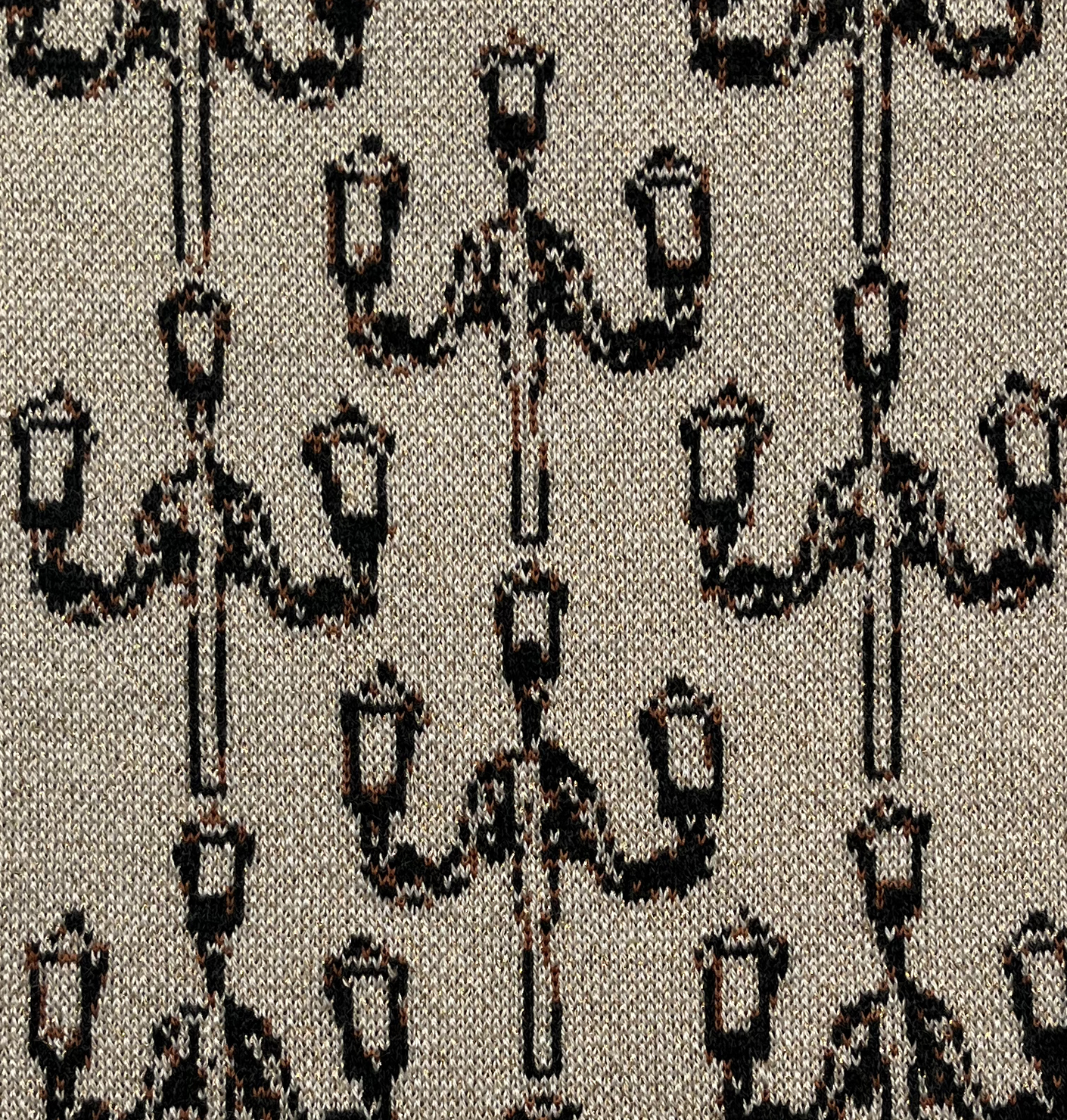
STYLEPARK TEXPERTISE Knitted City4/30/2026Textile designer Izabelle Francis graduated last year from Buckinghamshire New University in England with a First Class BA (Hons) – her first works were exhibited in the ‘New Talent Area’ at Heimtextil 2026 in Frankfurt/Main. In this interview, she tells us why she is inspired by architectural structures and what her goals are.
REVIEW – EUROCUCINA & KITCHEN MANUFACTURERS AT MILAN DESIGN WEEK The kitchen's rejuvenation4/29/2026As the leading trade fair for kitchen design, EuroCucina is, as ever, pulling out all the stops – yet behind the spectacular installations, a clear shift is emerging: kitchens are becoming brighter, more serene and more organic. A quiet transformation in turbulent times.